
What Mold Removal Really Means
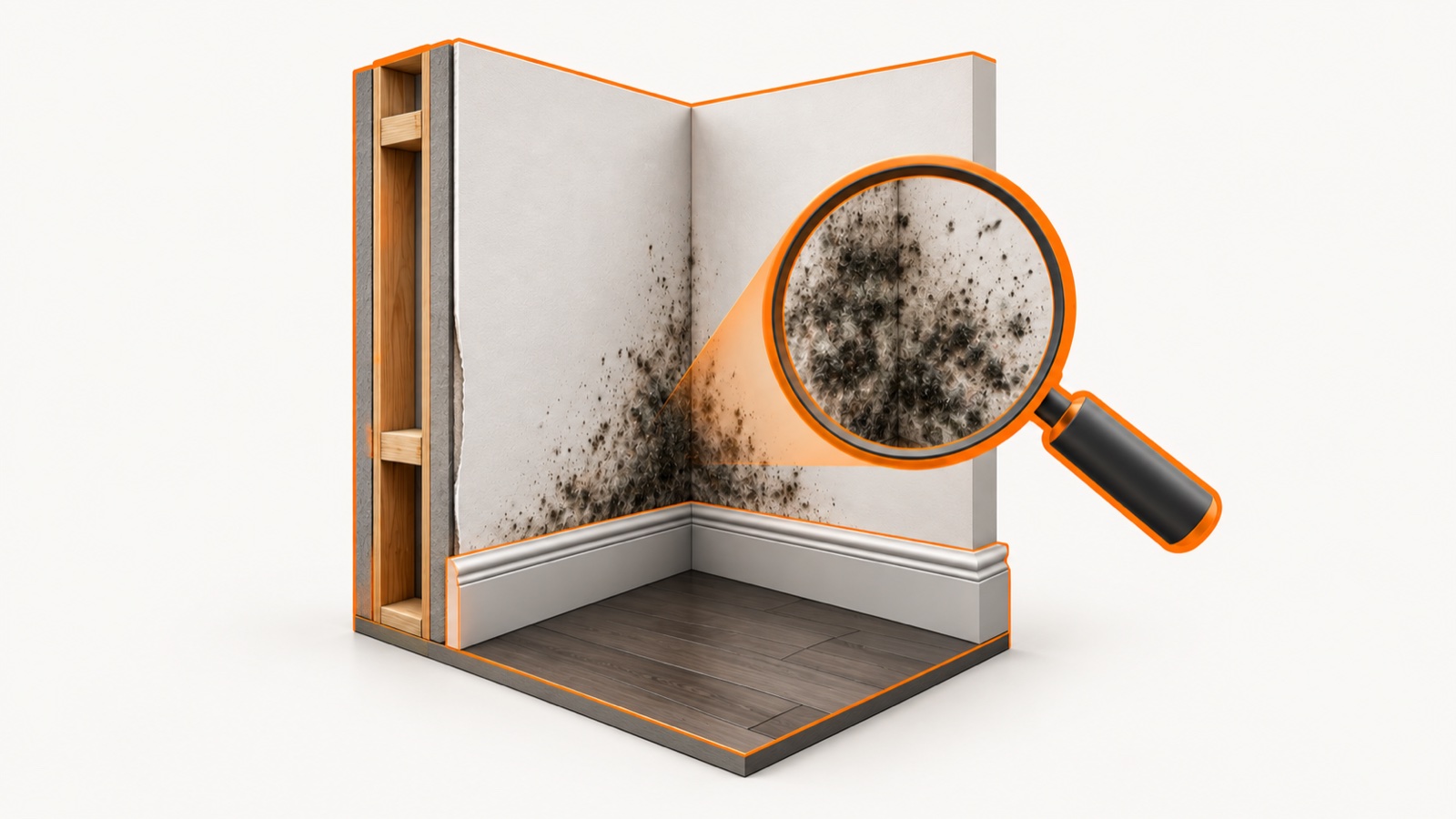
Most people think mold removal is about finding the right spray. It is not. Mold is a moisture problem wearing a costume. The visible patch is the symptom, and the water behind it is the cause, so cleaning the patch without fixing the water just buys you a few weeks before it returns.
That gives every removal job two parts. First you take the growth off the surface, and physical removal is what matters most here, more than any chemical. Then you dry the area and stop whatever fed it, whether that is a leak under the sink, condensation on a cold wall, or humidity that sits too high all season. The EPA makes the same point in plain terms: clean up the mold and fix the water, and you do not even need a lab to tell you the species first.
One honest note before you start. Mold removal and mold remediation describe the same goal at different scales. A small kitchen patch is removal you can handle. A whole basement after a flood is remediation, a structured professional process with containment and air control. Knowing which one you have is the first real decision.
DIY or Call a Pro
The rule of thumb comes straight from the EPA. If the moldy area is roughly the size of a few ceiling tiles, about 10 square feet or less, and it sits on a hard surface you can reach and scrub, a careful homeowner can handle it. That covers a lot of common spots, like a ring of growth on shower grout or a small bloom in a window track.
Push past that and the math changes. Bring in a professional when any of these is true:
- Size. The growth covers more than about 10 square feet, or shows up in several rooms at once.
- It is hidden. You smell mold but cannot see it, or it is living inside walls, in the HVAC, or under the subfloor where you cannot reach it. Our guide to mold behind walls covers the signs.
- The water was dirty. Sewage backups and floodwater carry contamination, so that cleanup follows different rules.
- Health is in play. Someone in the home has unexplained respiratory symptoms, or you have a condition that makes exposure risky.
Professionals follow the IICRC S520 standard. They seal the work zone so spores do not ride the air into clean rooms, run negative air machines, and remove ruined porous material rather than just wiping it. If you want to understand the lab and inspection side before you hire anyone, start with our mold inspection guide and the page on professional mold testing.
Step by Step: Removing a Small Patch
Here is the process for a contained patch on a hard, non-porous surface. If at any point the area looks bigger than you expected, or you find soft, crumbling material behind it, stop and reread the section above.
1. Gear up and ventilate
Put on an N95 respirator, rubber or nitrile gloves, and eye protection. Open a window for fresh air, but shut the interior doors so spores you stir up do not drift through the rest of the house.
2. Contain the area
Lay plastic sheeting under the work spot to catch debris. If anything porous is involved, like moldy cardboard or a soaked paper-faced panel, bag it before you start scrubbing, because moving it around throws spores into the air.
3. Clean the surface
Scrub the mold off with detergent and warm water or a dedicated mold cleaner. Work the brush until the surface looks visibly clean. The scrubbing is doing the real work here. A spray that sits on top without agitation leaves the growth in place.
4. Dry it completely
Wipe the area down and let it dry all the way through. A fan or a dehumidifier speeds this up. Mold cannot regrow on a surface you keep dry, so this step is not optional.
5. Fix the water source
Find the leak, the condensation, or the humidity that fed the growth and fix it. This is the step people skip, and it is exactly why the same spot keeps coming back. Our full walkthrough on how to get rid of mold goes deeper on tracing the source.
Porous materials are the big exception. Drywall paper, ceiling tile, carpet, and upholstery let mold roots grow down inside, so a surface wipe never reaches them. The honest answer for those is replacement, and our pages on mold on drywall and mold on carpet explain where the cut-and-replace line falls.
What Actually Kills Mold
The product aisle is loud, so here is the calm version. On a hard surface, the cleaner matters less than the scrub, because you are removing growth, not just bleaching its color away. A few common options each have a fair use case:
- Detergent and water. Boring and effective. It lifts mold off non-porous surfaces with a brush, and it is the EPA's basic recommendation for routine cleanup.
- White vinegar. A mild acid many people reach for first. See does vinegar kill mold for where it works and where it falls short.
- Hydrogen peroxide. A 3 percent solution from the drugstore, covered in hydrogen peroxide for mold.
- Dedicated products. Cleaners like a mold-control product are built for the job. We tested one in the .
What about bleach? The EPA does not recommend it for routine mold cleanup. It can lighten a stain so the spot looks clean, yet it struggles to reach mold that has grown into a porous surface, and it is harsh to handle. We lay out the full case in does bleach kill mold. For a side-by-side of the products, our ranks the common choices by surface and situation.
Safety and Protective Gear
Cleaning mold stirs it up, which raises your exposure for the length of the job, so the gear is not for show. An N95 keeps you from breathing the spores you disturb. Gloves and eye protection keep them off your skin and out of your eyes while you scrub.
The CDC notes that people react to mold differently, and some are more sensitive than others. There is no single safe number that fits everyone. If you feel unwell when you start, or you live with a health condition that exposure could aggravate, the right move is to stop and hand the job to a professional rather than push through. We keep our health coverage general and source-backed in is mold dangerous and mold symptoms, and neither page diagnoses anyone. For symptoms you think are tied to mold, that is a conversation for a physician.
Cost and Keeping It Gone
A DIY job is cheap. You are looking at the price of an N95, gloves, and a cleaner, so most small patches cost less than a takeout dinner. The expense shows up when the job is bigger than you can safely handle and a pro is the right call. For real ranges by severity and state, see our mold remediation cost guide and the free remediation cost estimator. If you are wondering who pays, coverage is narrow and depends on the cause, which we break down in does homeowners insurance cover mold.
Keeping mold gone comes down to one number. Hold indoor humidity below about 50 percent and most surfaces stay clear, because the spores are always in the air but they cannot grow without moisture. Fix leaks quickly, run exhaust fans in the bathroom and kitchen, and watch the cold spots where condensation forms. Our guide on how to prevent mold turns that into a simple routine.
Frequently asked questions
Can I remove mold myself?
You can handle a small patch yourself, usually under about 10 square feet, on a hard surface you can scrub. The EPA suggests a homeowner can clean a contained area roughly the size of a few ceiling tiles. Wear an N95, gloves, and eye protection, scrub the surface clean, dry it fully, and fix the water source. Bigger areas, hidden mold, or anything tied to a health concern is a job for a professional.
What kills mold the best?
For a hard, non-porous surface, plain detergent and water plus a good scrub physically removes mold, and that physical removal matters more than any single chemical. The EPA does not recommend bleach for routine cleanup. Many people use vinegar, hydrogen peroxide, or a dedicated product like a mold-control product. On porous materials such as drywall paper, the material itself usually has to be cut out and replaced. Our ranked guide to the compares what actually works on each surface, with honest cons for every pick.
Does mold come back after you remove it?
Mold comes back if the moisture that caused it is still there. Cleaning the visible patch without fixing the leak or humidity is why people scrub the same spot over and over. The fix is always two parts: remove the growth, then dry the area and stop the water. Keep indoor humidity below about 50 percent and the same spot stays clear.
When should I call a professional for mold removal?
Call a pro when the growth covers more than about 10 square feet, when it is inside walls or HVAC where you cannot reach it, after flooding or sewage, or when a household member has unexplained respiratory symptoms. Professionals follow the IICRC S520 standard, set up containment so spores do not spread, and use negative air to keep the rest of the home clean.
Is removing mold dangerous?
Disturbing mold sends spores into the air, so cleanup raises your short-term exposure. That is why protective gear matters even for a small job. The CDC notes that people react to mold differently, and some are more sensitive than others. If you have a health condition or feel unwell when you start, stop and bring in a professional rather than pushing through.
Sources
Every claim on this page traces to one of these. Links open the primary document.