Dealing with a different color? See the guides to orange mold, yellow mold, and white mold.
Not sure it is mold at all? Compare mold vs mildew and black mold vs mildew, then see the black mold test kit options if you want it confirmed.
Black mold at a glance
This page explains what dark indoor growth can and cannot tell you, where moisture problems commonly occur, what CDC says about possible health effects, and how to choose a proportionate response. It does not identify a species from a photo or certify a surface as safe.
- Appearance and color: many molds, stains, soot, and deteriorated materials can look dark. See what photos can and cannot show.
- Identifying it: appearance, odor, location, and a wipe test do not establish species or health risk. See the limits in our guide on how to identify black mold.
- Is it dangerous: indoor mold can cause stuffy nose, coughing, and wheezing, with stronger reactions in sensitive people. What the evidence actually shows is in is black mold dangerous.
- Mold or a look-alike: focus on moisture and material damage. Use qualified inspection or targeted sampling when the distinction will change a high-stakes decision.
What does black mold look like?
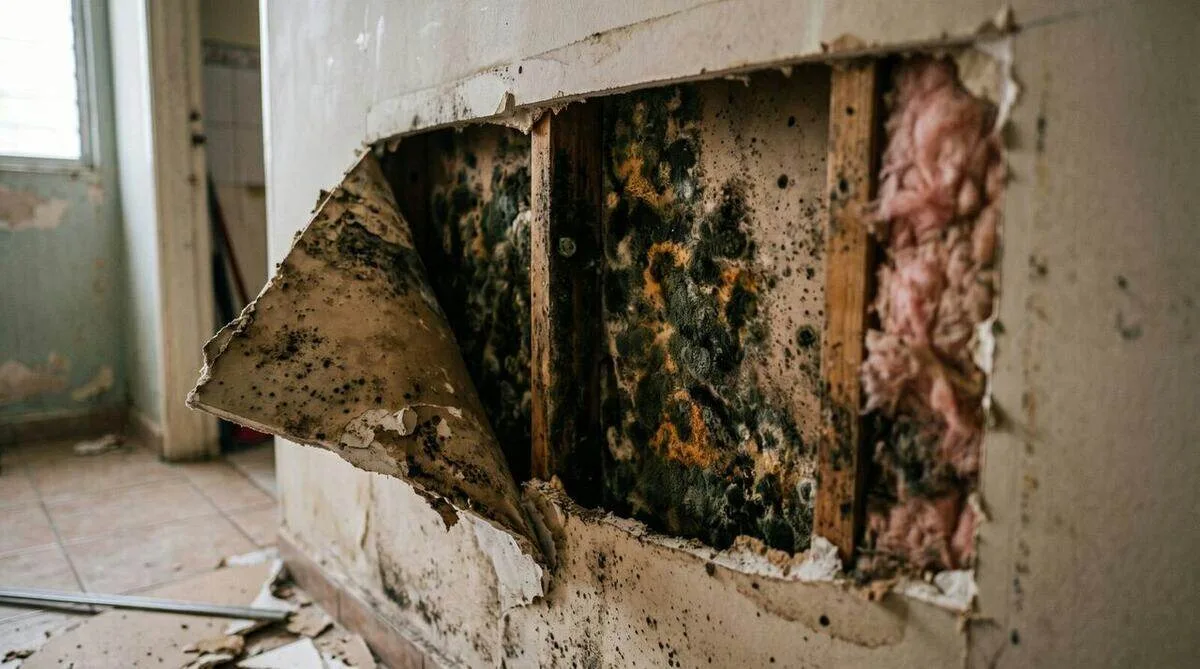
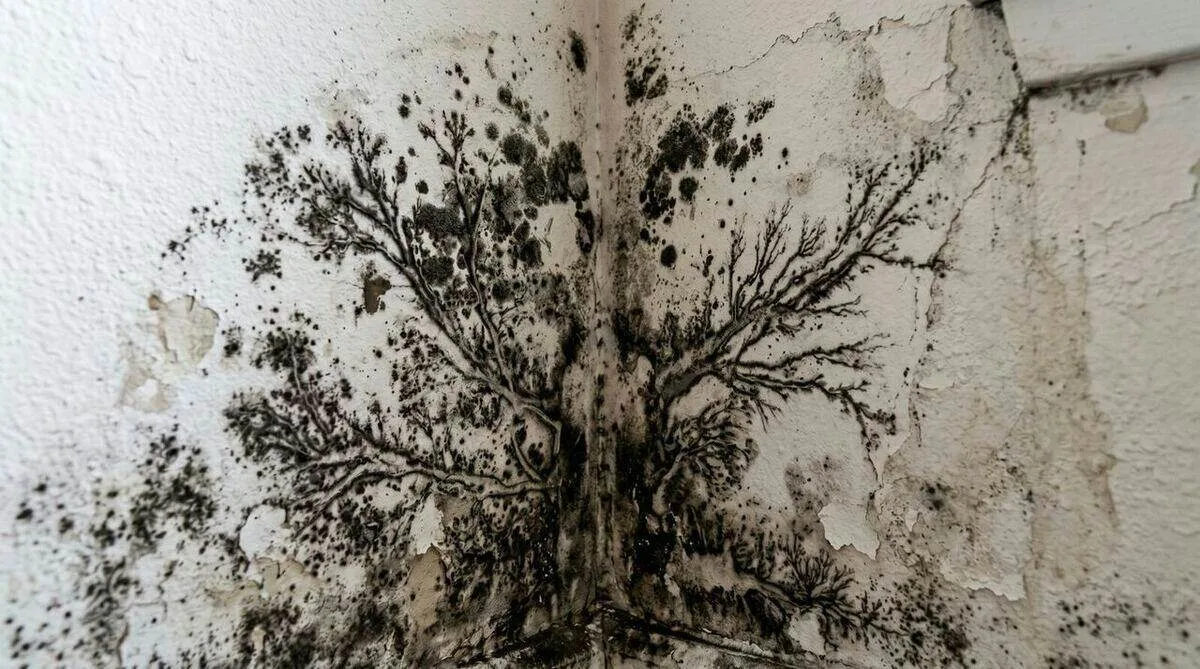
Stachybotrys chartarum can grow on persistently wet cellulose-rich materials, but several molds and non-mold substances can look dark, fuzzy, slimy, or powdery. Those features are not a visual key. Look for the moisture condition and material damage first. See our guide on what dark growth can look like for examples and limitations.
How to identify black mold
Color, texture, shape, smell, and location can justify investigating moisture, but they cannot identify Stachybotrys, prove that a substance is mold, or determine health risk. A wipe test can remove dirt or loose residue, but it is not a diagnostic test. For a quick first look before you decide, a mold detection app can screen the visible surface from a photo, though it cannot confirm the species either. When identity would change a legal, medical, purchase, or remediation decision, use a qualified building professional and select any sampling with a clear question in mind. Read our guide on how to identify black mold for the limits of each clue.
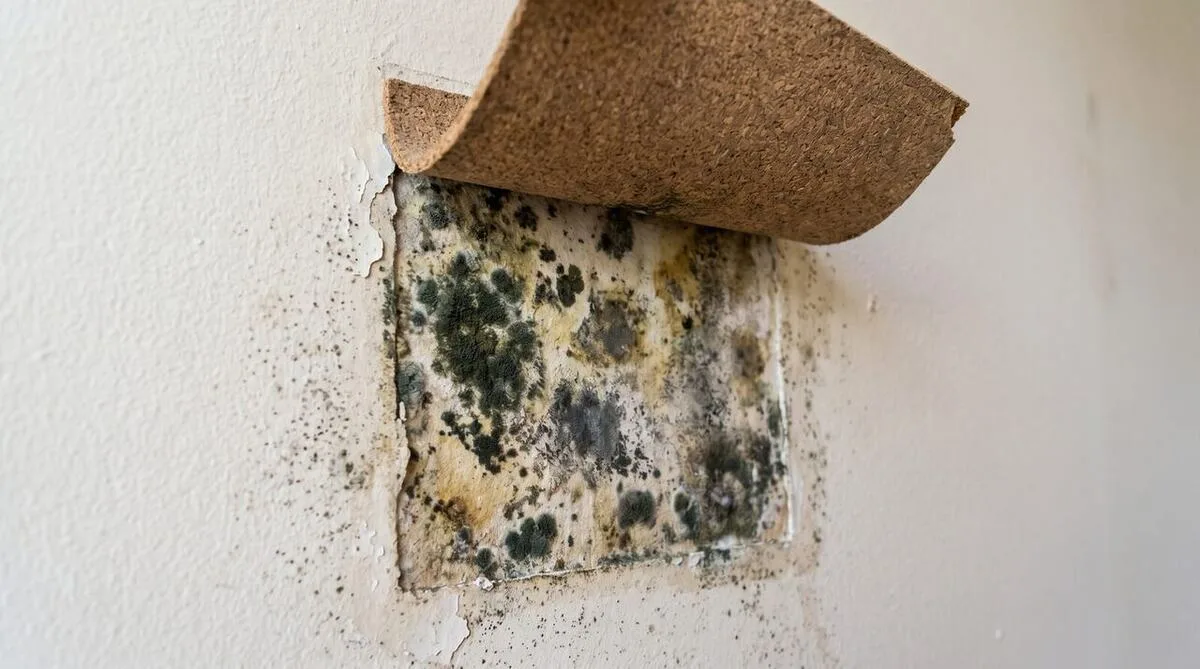
Black mold stages: what the beginning looks like
There is no reliable three-stage visual timeline that identifies black mold. EPA advises drying wet materials within about 24 to 48 hours when possible because dampness supports growth. Once growth is visible, its color or texture does not reveal how long it has been present or how deeply a material is affected. Inspect the moisture source and material condition, and avoid disturbing a large or concealed area without an appropriate plan.
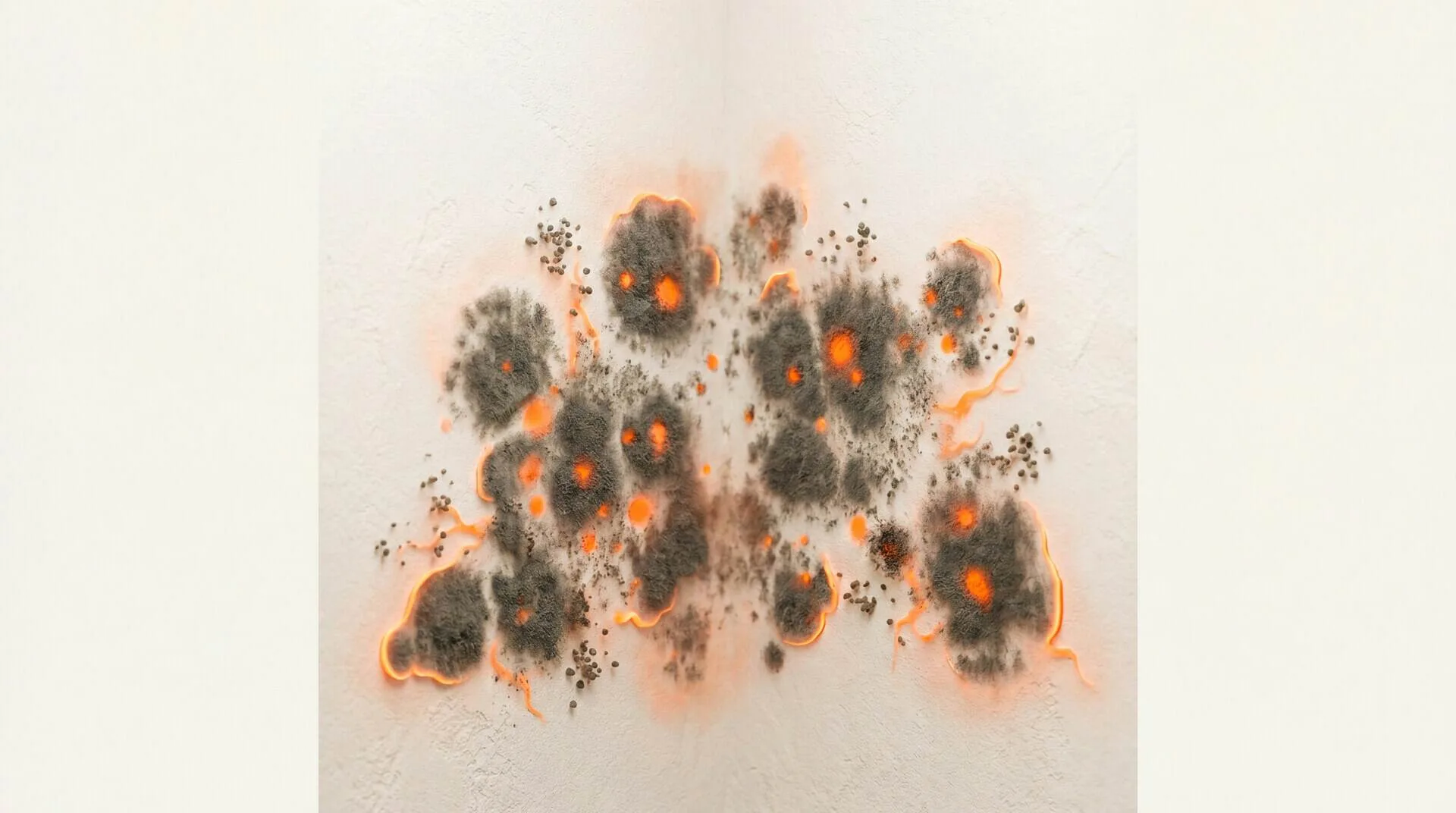
People search for the beginning stages of black mold expecting a fixed sequence. What changes over time is the moisture, not a color code. Early growth on a damp surface usually shows up as scattered pinpoint specks along a grout line, a caulk seam, or the cold edge of a window frame, small enough to be mistaken for dirt. If the damp period continues, those specks join into patches with a fuzzy or slick surface and the material underneath can soften or stain. None of that establishes the species, and a patch that looks new can be old growth that was wiped once and came back. Size and the water source feeding it are the signals worth acting on.
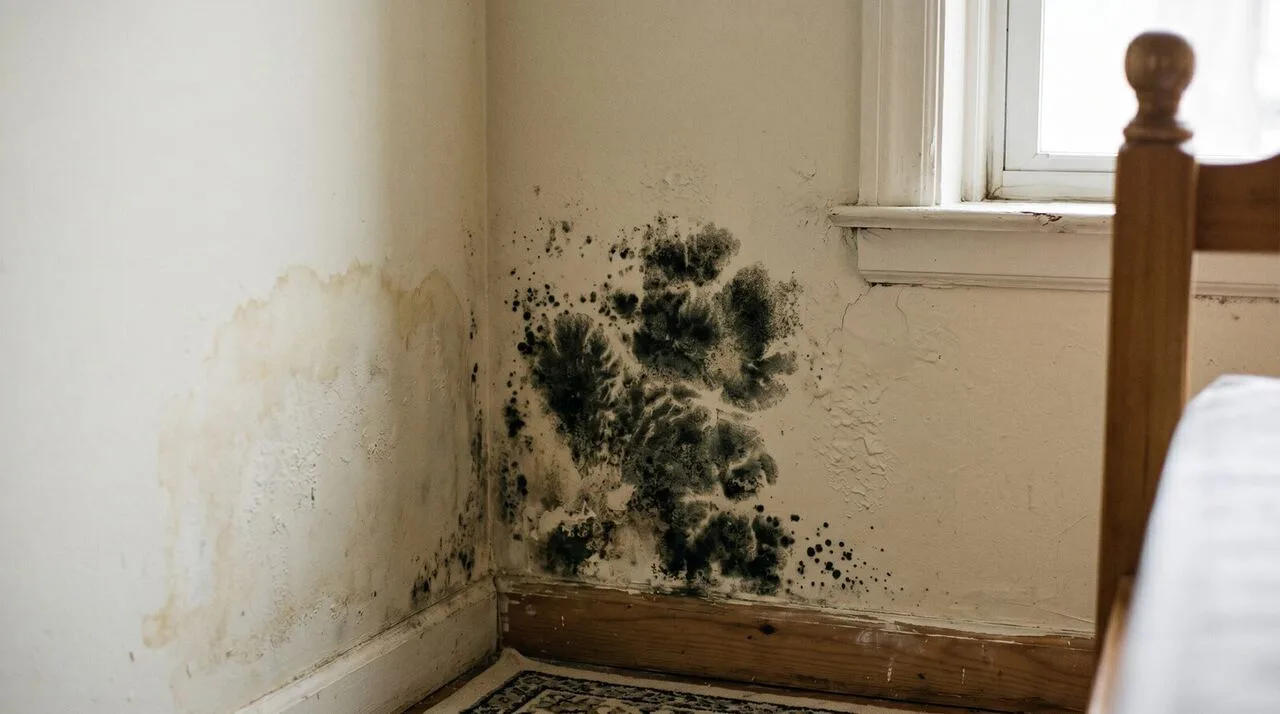
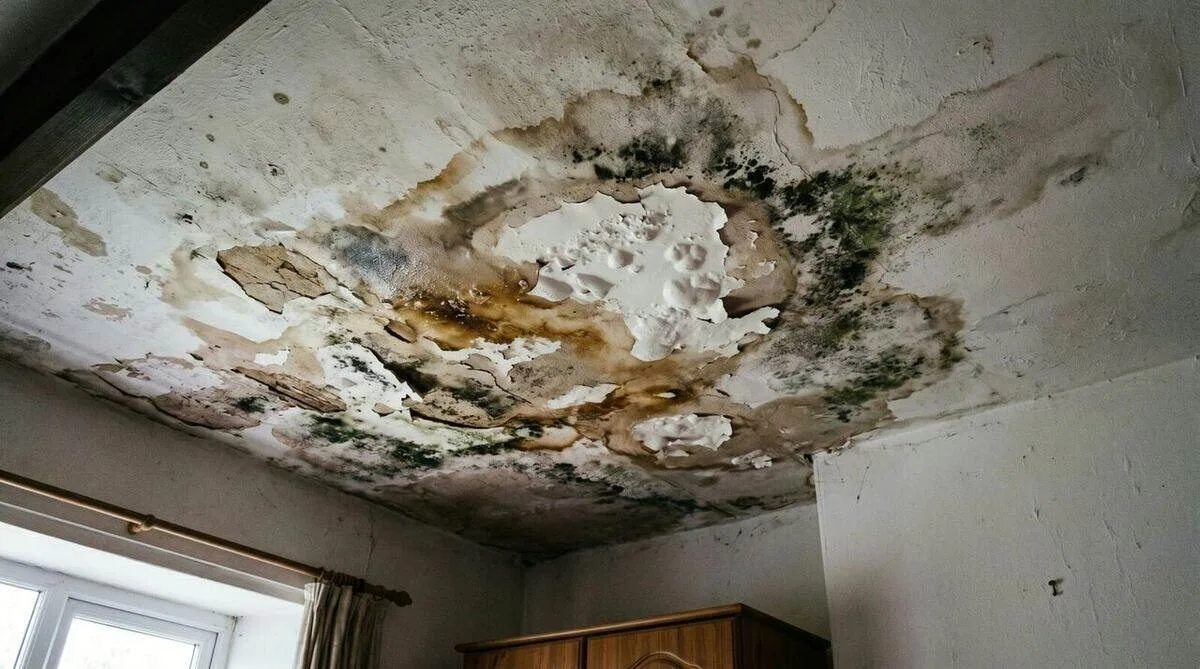
Where does black mold hide in your home?
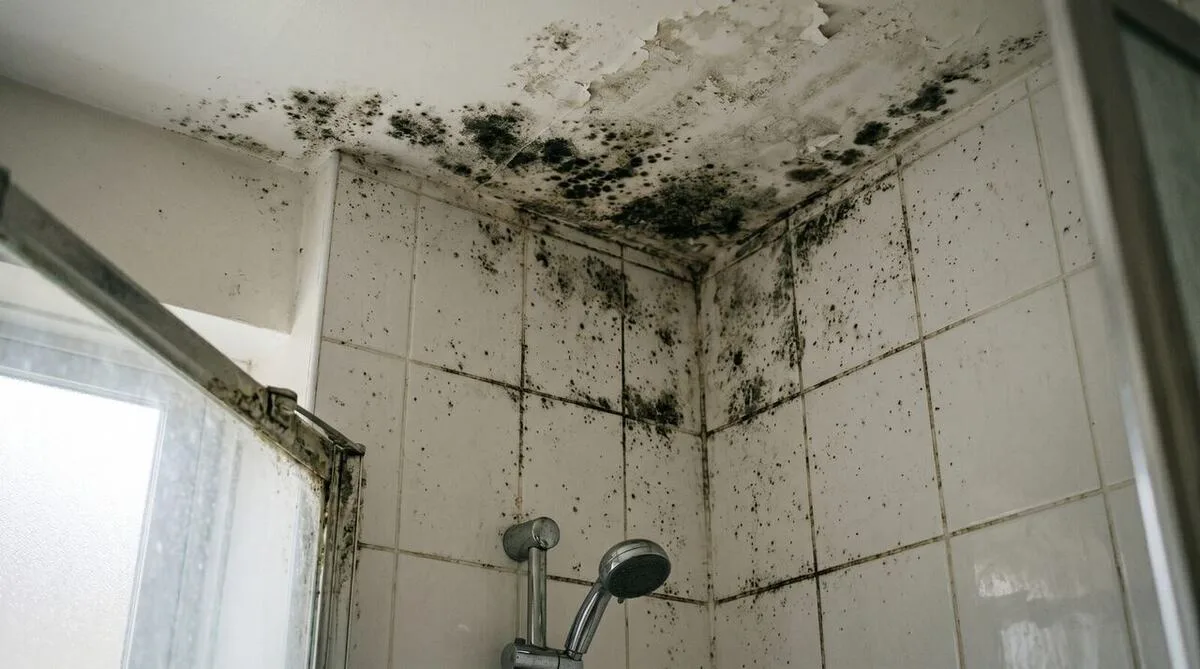
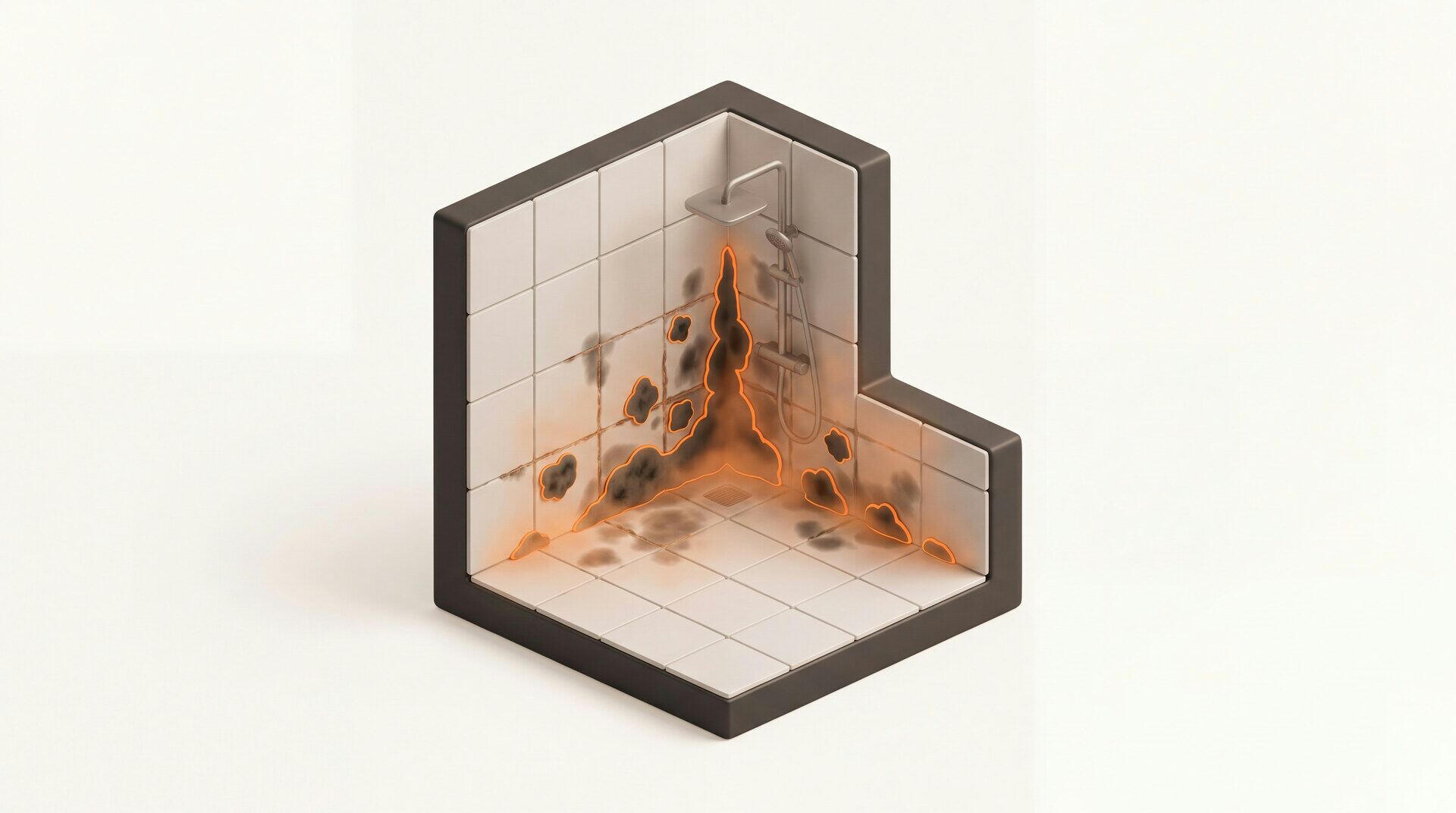
Moisture problems commonly occur around plumbing leaks, showers, condensation-prone windows, damp basements, roof leaks, appliances, and poorly ventilated attics. Growth can also occur on concealed damp materials, but an odor, symptom pattern, stain, or phone image cannot confirm a hidden source. Do not open HVAC equipment or disturb duct material to investigate it yourself. If the concern involves an air-handling system or concealed water damage, use a qualified professional.
Is black mold dangerous?

According to the CDC, being around damp, moldy indoor spaces can cause stuffy nose, throat irritation, coughing, wheezing, and itchy eyes or skin, with stronger reactions in people who have asthma or a mold allergy. The CDC is also direct that you cannot tell whether a mold is hazardous by its color or look, so the response to any indoor mold is the same regardless of color.
The dramatic claims about toxic black mold tend to outrun the evidence, especially for healthy adults. For what the science actually supports, who is most at risk, and how to weigh the fear against the facts, read our full guide on is black mold dangerous. If you or someone in the home has ongoing symptoms, see a physician.
How to get rid of black mold
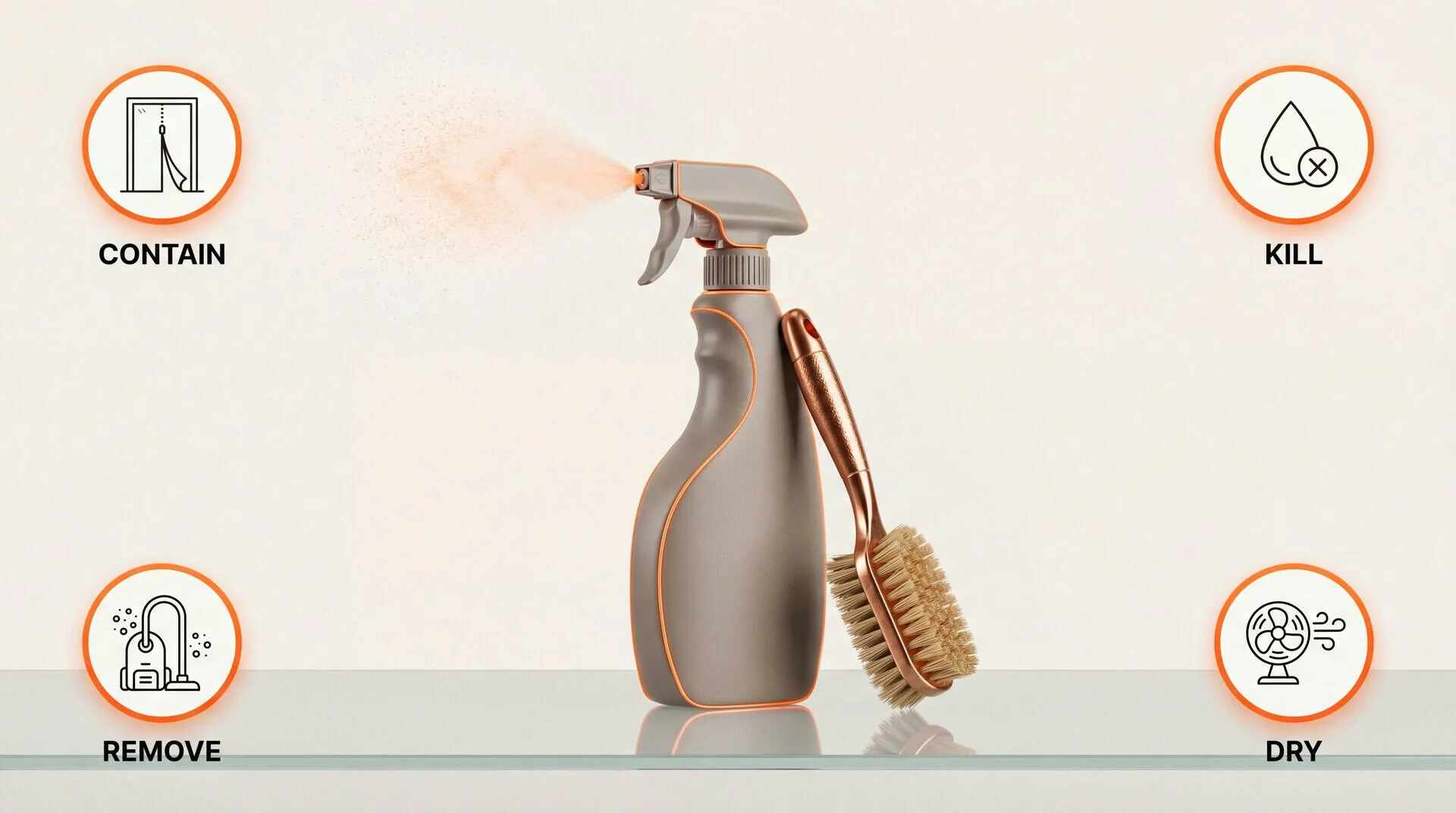
Correct the moisture source before cleanup. EPA says many people can handle an area smaller than roughly 10 square feet, but that is a general scope guide, not a health threshold. Sewage, extensive water damage, HVAC involvement, concealed growth, unsafe access, valuable materials, or a vulnerable occupant can justify professional help at any size.
For hard surfaces, EPA recommends detergent and water followed by complete drying. Absorbent materials may need removal when they cannot be cleaned and dried. Follow product labels and never mix cleaners. If you would rather use a ready-made mold cleaner than plain detergent, our reviews of Concrobium Mold Control and RMR-86 cover how each one works on hard surfaces. Before disturbing material, consider whether asbestos, lead paint, electrical hazards, or structural damage could be present. A qualified remediator can define containment, removal, drying, and verification for a complex job.
How to test for black mold

Laboratory sampling methods answer different questions and should be selected with qualified guidance. No single test can replace a complete investigation of the building and moisture conditions.
For health concerns, consult a licensed physician rather than using a building test or phone image as a medical assessment.
Mold Scanner AI can provide a first-pass screen of visible surfaces through 266 guided photo prompts across 19 rooms. It does not identify species or replace an inspector or laboratory.
Black mold pictures and images
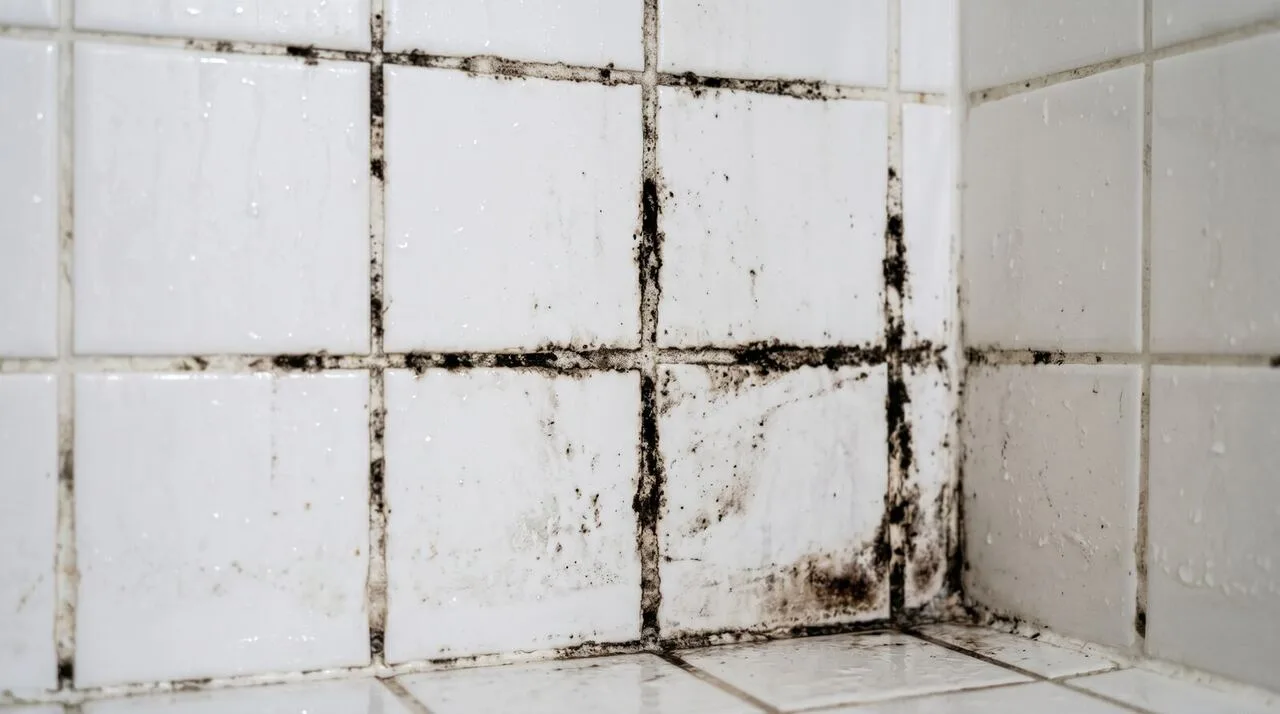
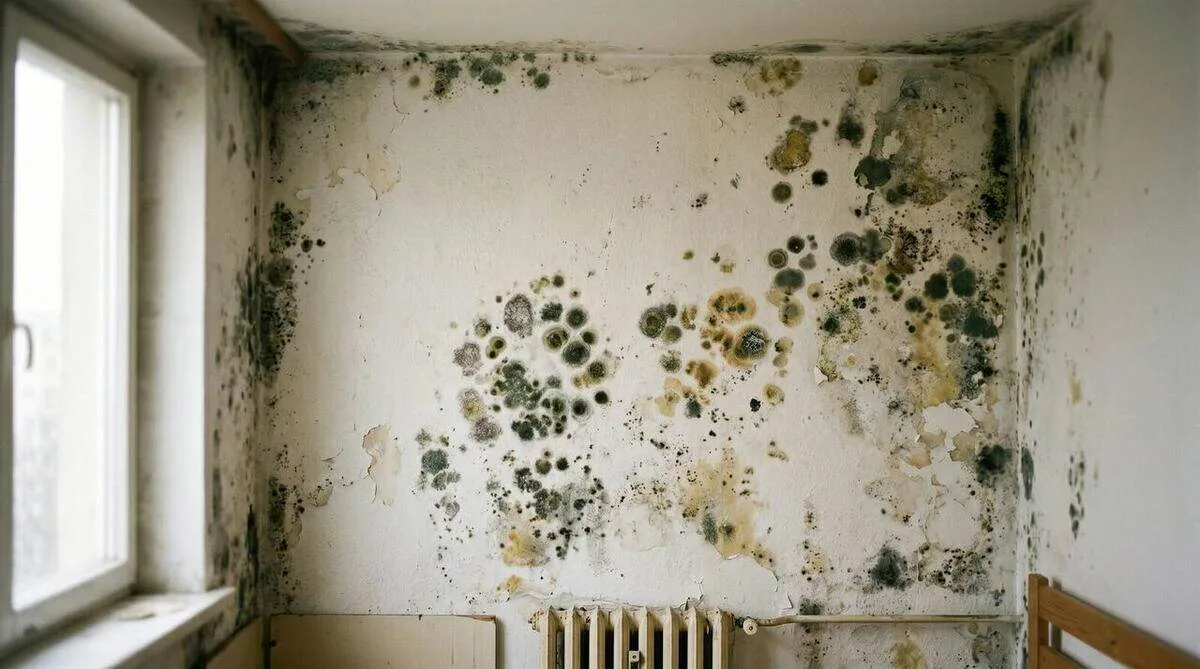
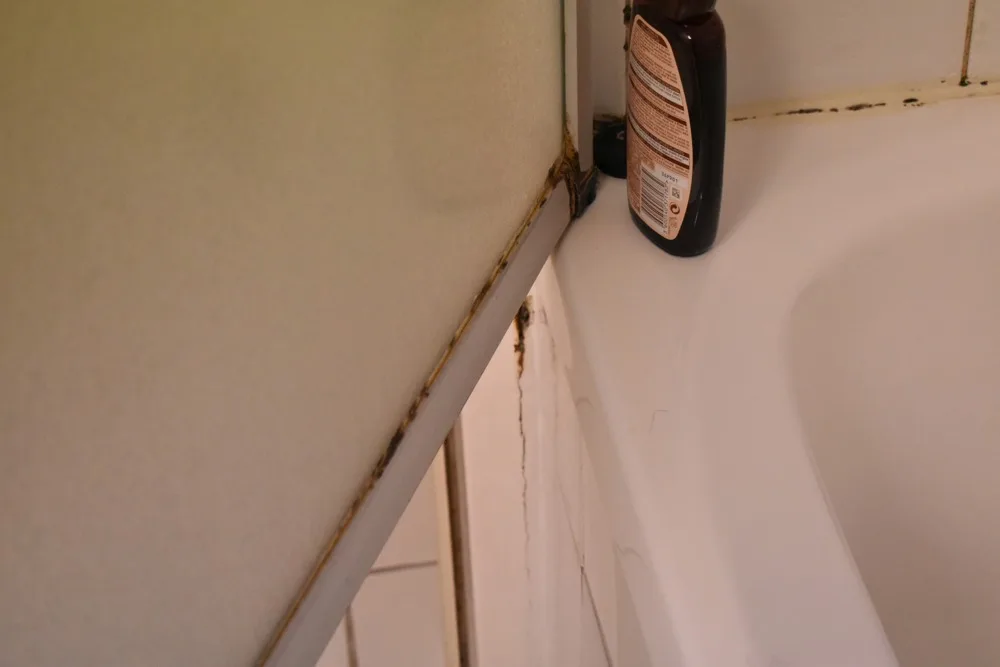
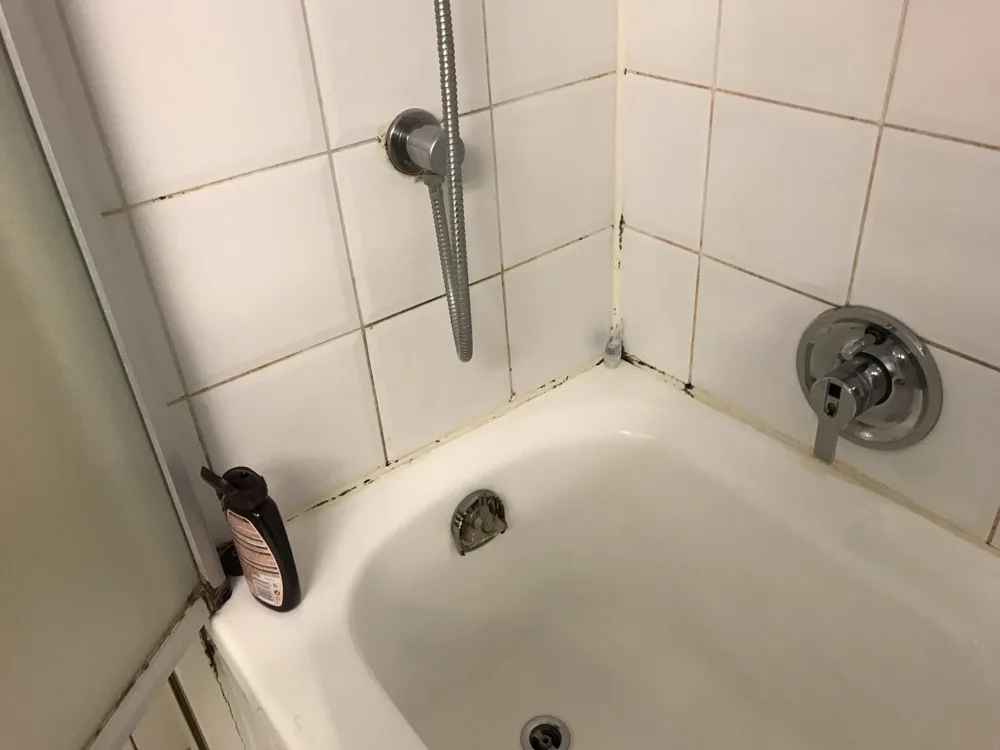
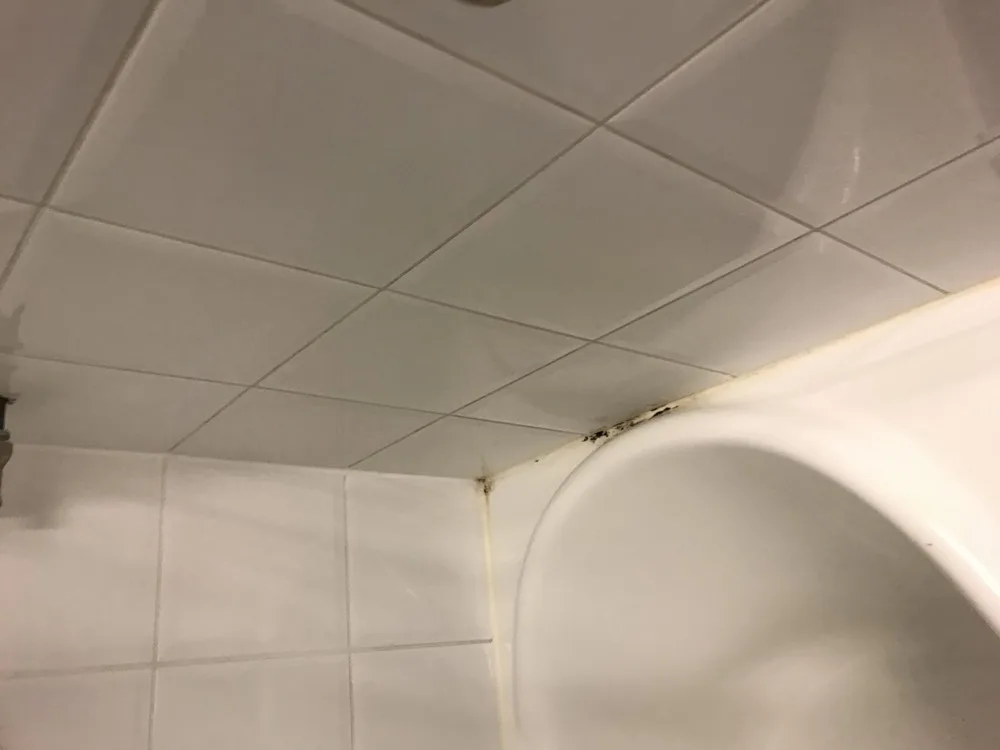
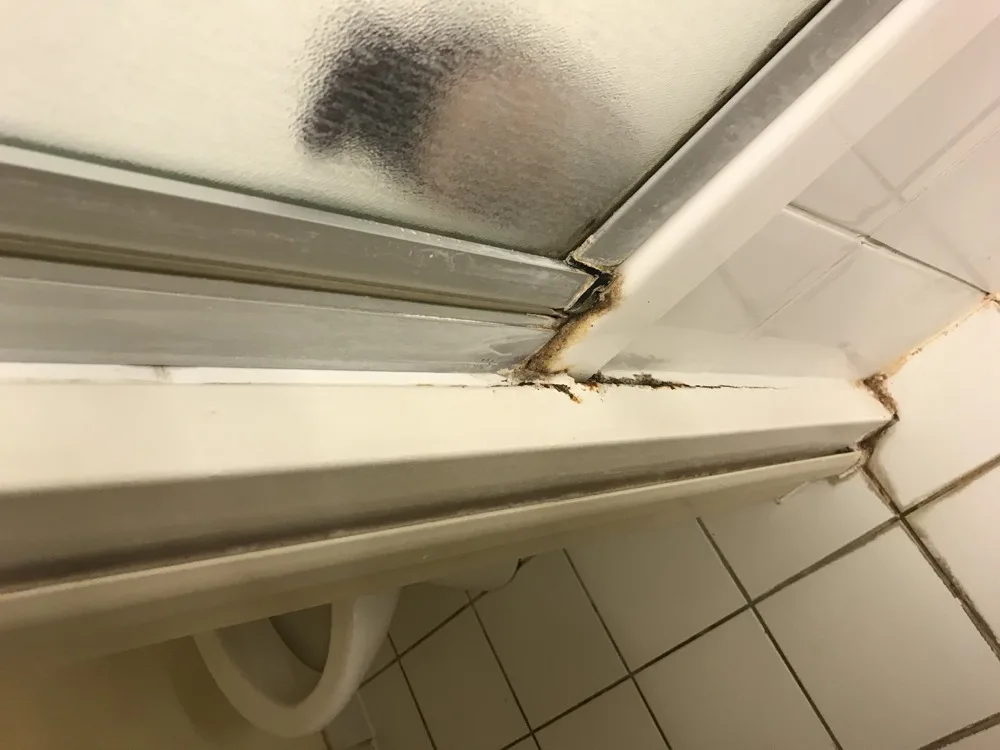
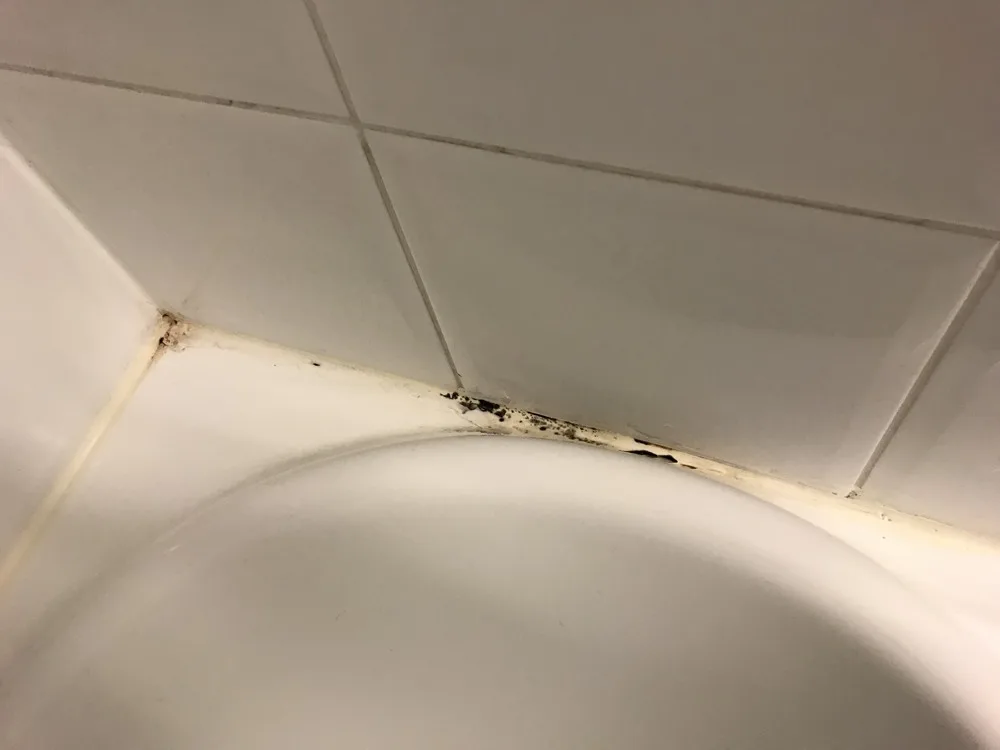
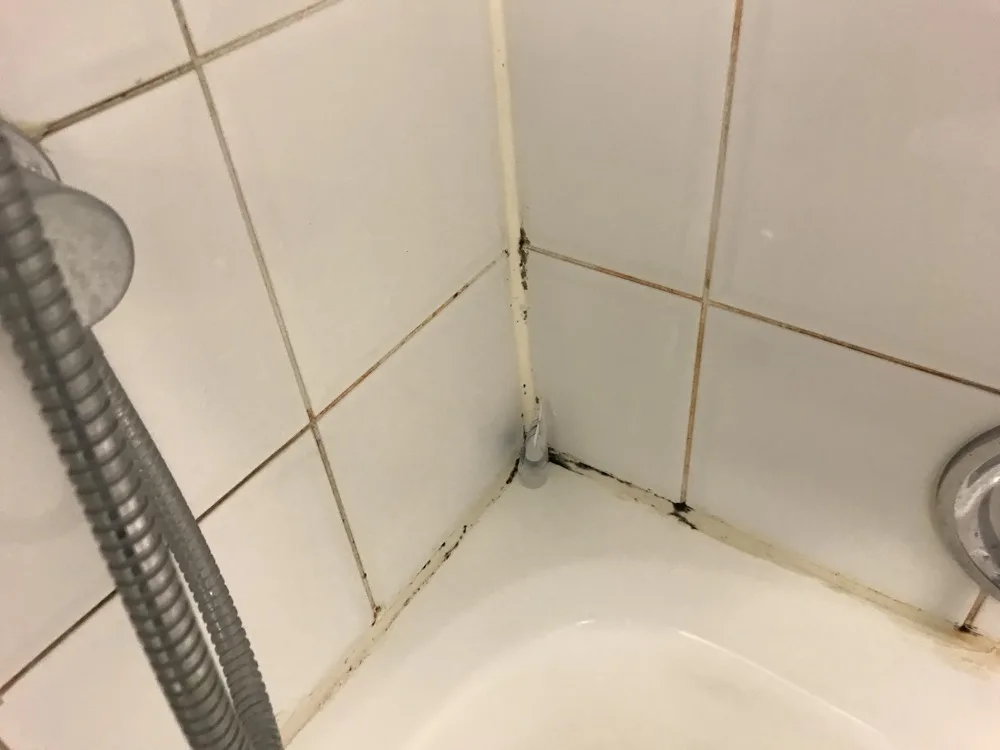
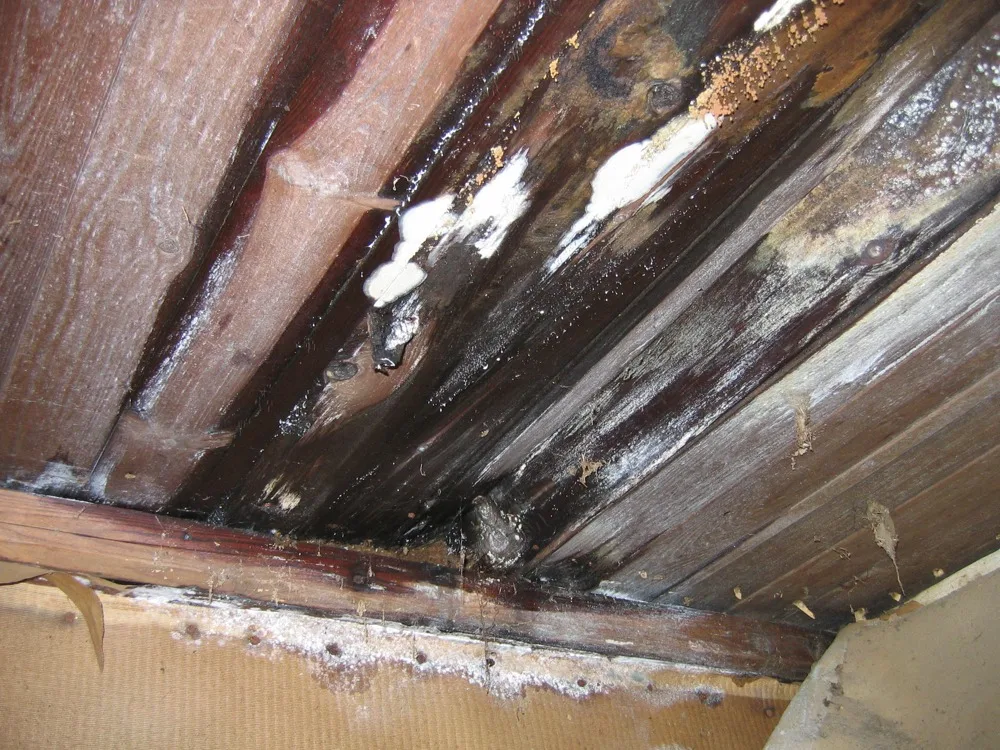
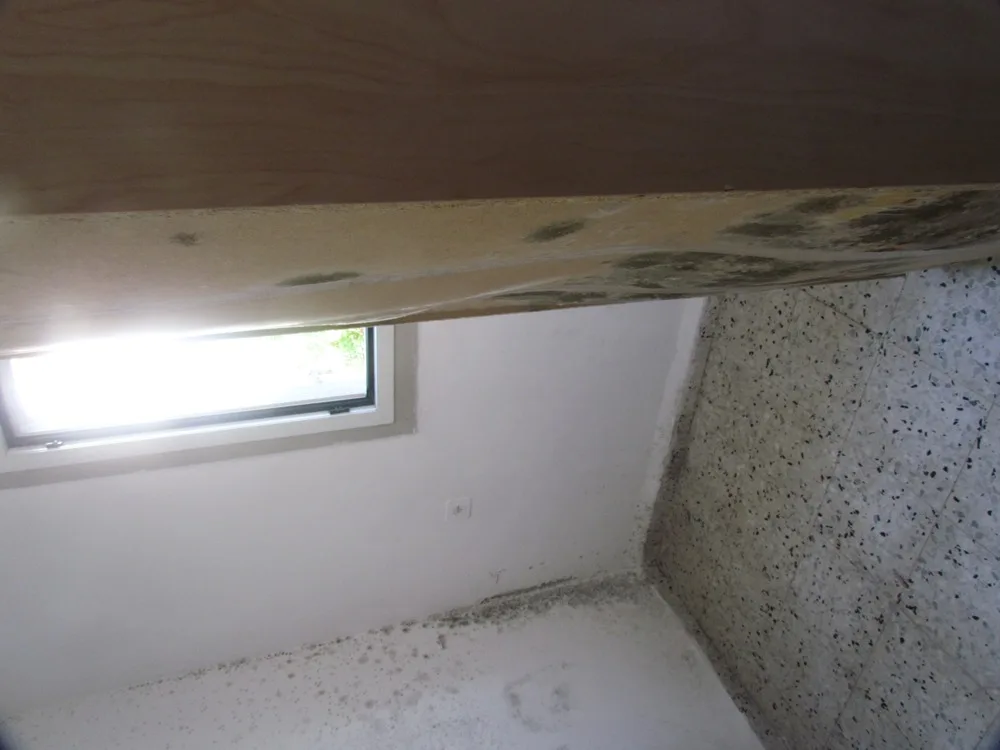
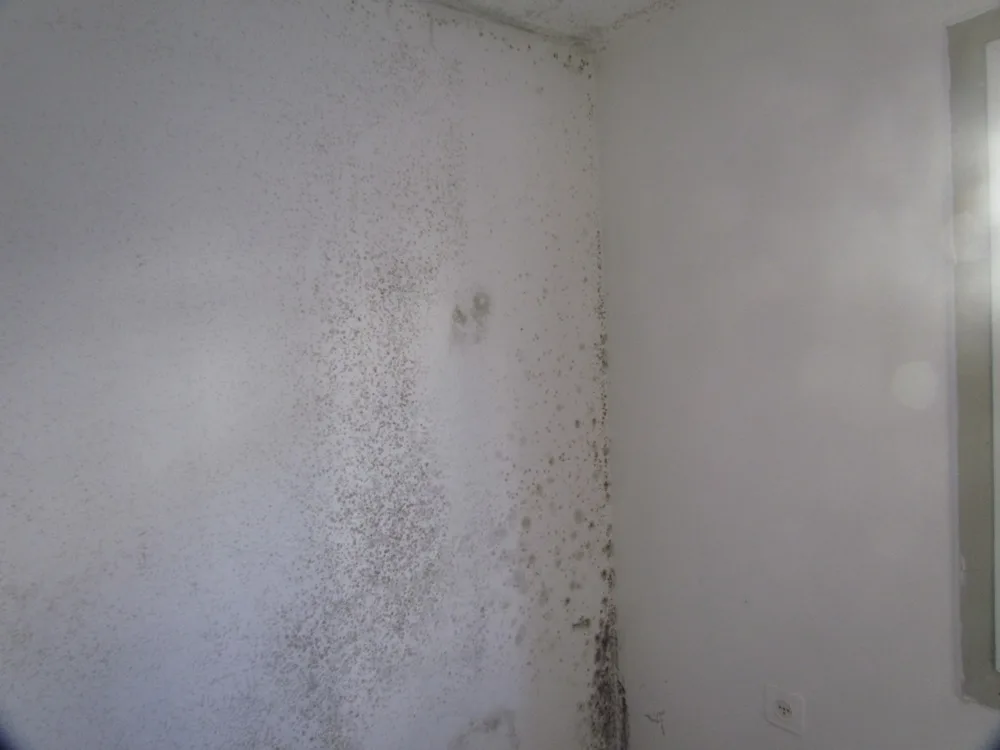
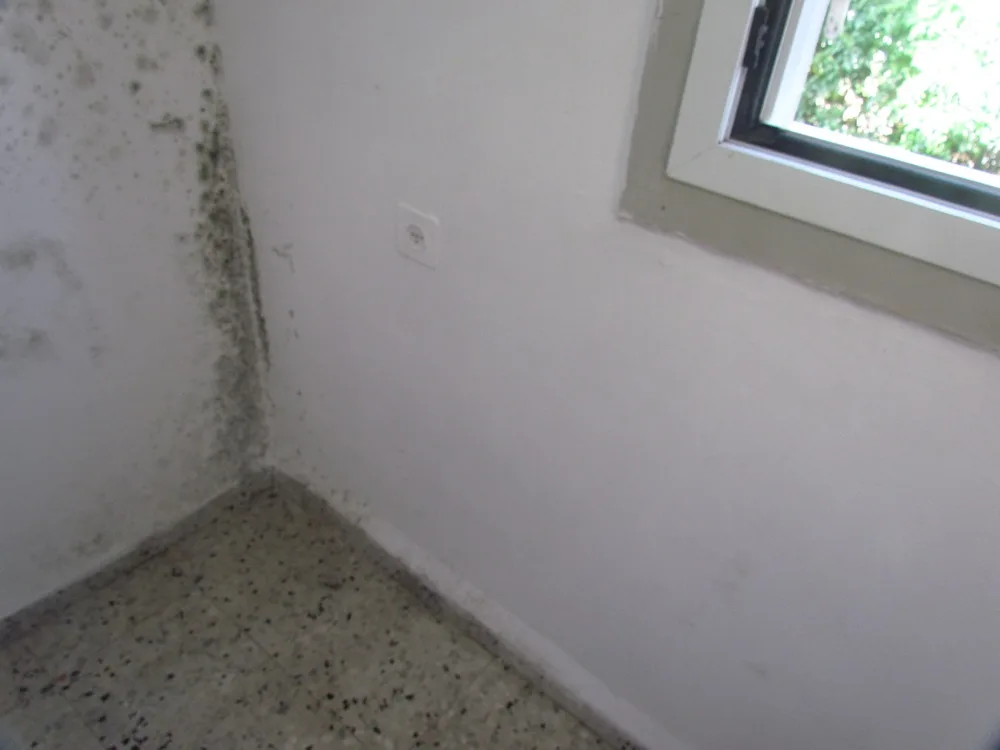
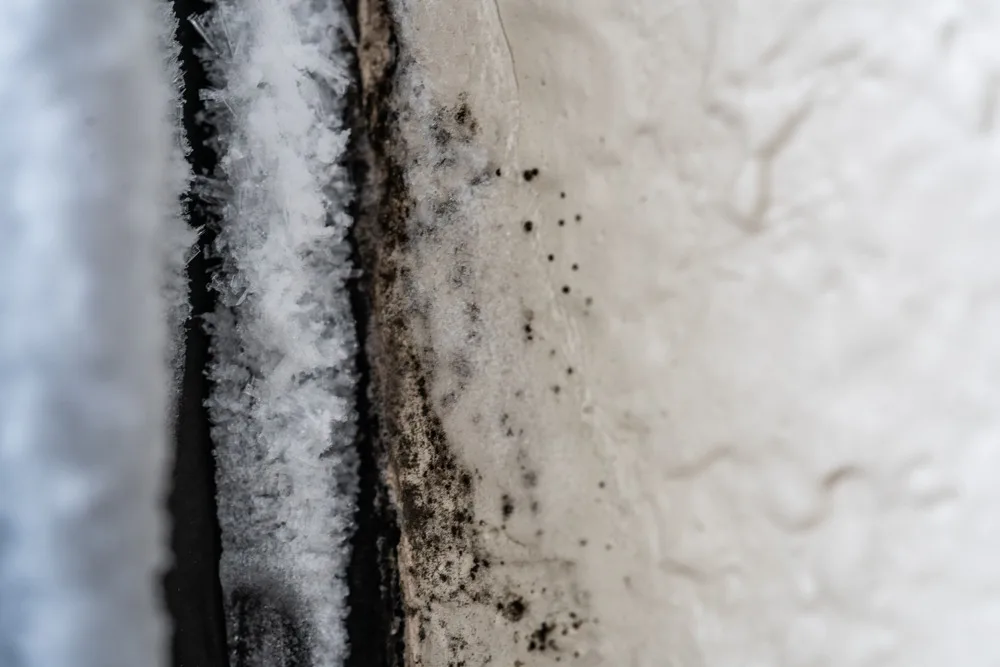
These are pics of black mold, pictures of dark indoor growth in the places it usually turns up: bathroom ceilings, tub caulk, tile grout, window frames, and walls after a leak. Compare the images against what you are looking at, then read the limits before drawing a conclusion. To tell black mold from regular mold in a picture of black mold on drywall, look at the water source and how far the stain spreads, not the shade of the patch.
The images are visual references only. They do not confirm mold, identify a species, establish age, or measure health risk. Two patches that look identical in a photo can be different organisms, and a stain that photographs black can be soot, mineral deposit, or damaged material.
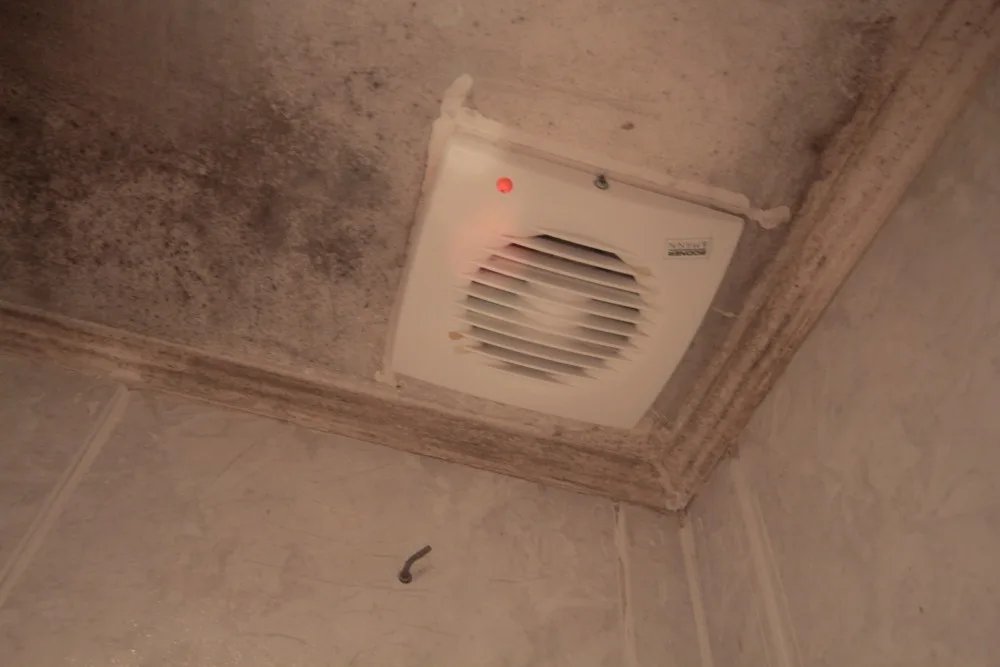
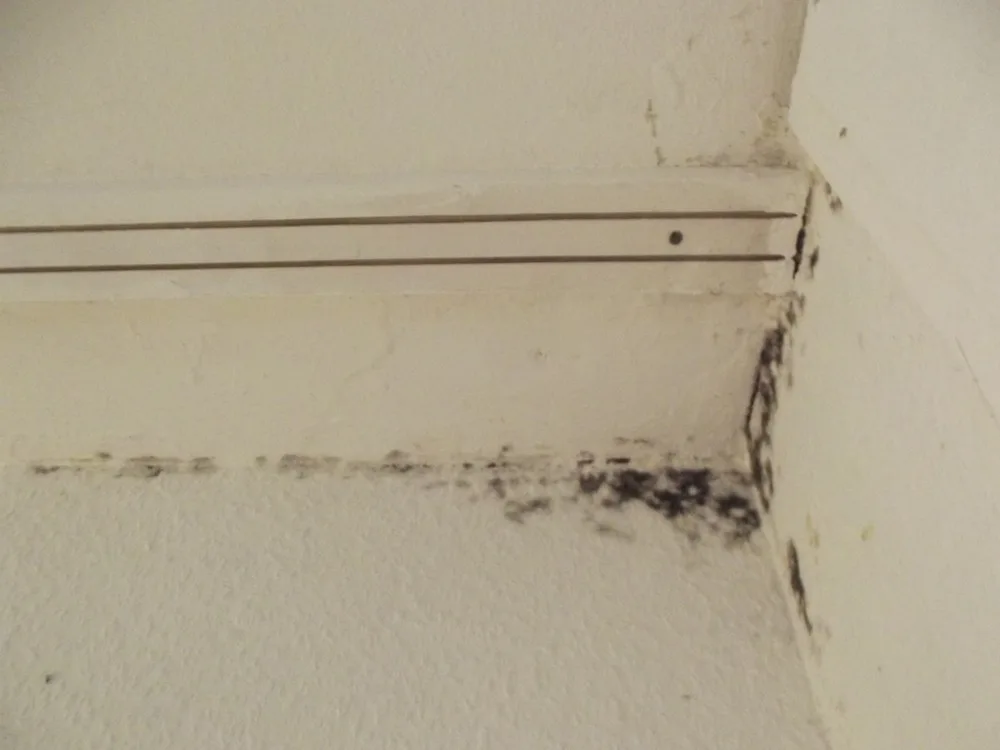
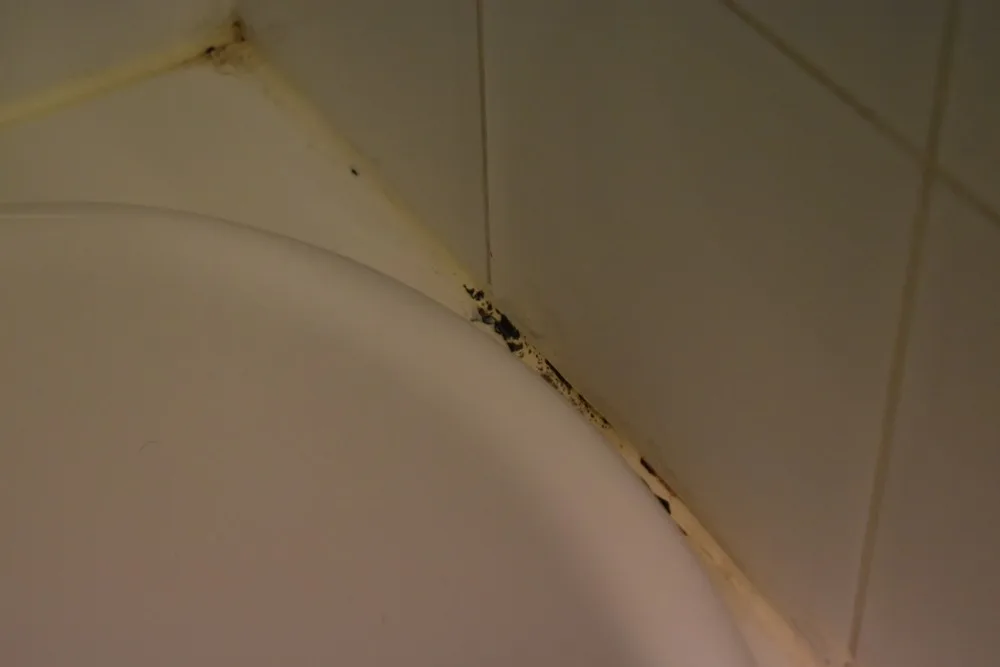
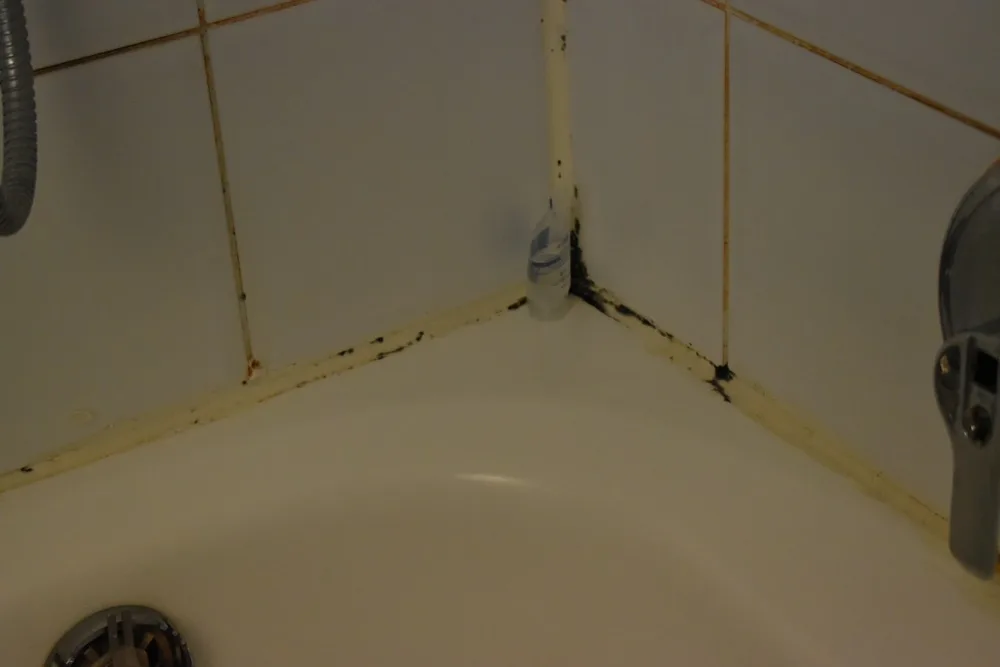
What Does Mold Look Like?
Mold in general can look fuzzy, slimy, or powdery, and it comes in black, white, green, orange, pink, or gray, depending on the species and what it is growing on. Color alone never tells you which mold you have, including whether it is Stachybotrys.
On drywall specifically, mold usually shows as dark speckling or a spreading stain that starts at a seam, a corner, or wherever water got in. The paper facing on drywall is a food source, so growth there often looks patchy rather than a solid mat, and the board can feel soft or bulge if the water damage runs deep. A white or gray fuzzy patch on drywall is still mold, not automatically a milder problem than a black one. What does mold look like on drywall in practice: a spreading dark or discolored stain that follows the water, not a fixed shape. Judge drywall growth by the water source behind it and how far the staining spreads, not by its color.
How to Tell If Mold Is Black Mold
You cannot tell if mold is black mold, meaning Stachybotrys chartarum, just by looking at it. Dark color, a musty smell, and a wipe test only describe the surface. Several common molds and non-mold materials, including soot and certain sealants, can produce the same dark, slimy, or fuzzy look.
What you can do from a photo or a walkthrough is narrow down whether you are looking at a moisture problem worth acting on. Dark growth on a material that has been wet, near a known leak, or in a room with persistent humidity is the practical signal, regardless of exact shade. If the surface is spreading, covers more than a small patch, or sits on porous material like drywall or carpet padding, treat it as active growth and address the water source. Confirming the species by sight is not possible; that takes a targeted laboratory sample, and CDC and EPA both note that identifying the exact species is generally unnecessary before you fix the moisture and clean or remove the affected material. There is no visual trick for how to tell black mold from regular mold in a snapshot, so use the water source and spread instead of color as the deciding factor.
What Does Toxic Black Mold Look Like?
Toxic black mold does not look different from ordinary black mold in a photo. "Toxic" describes a claim about health effects, not a visual trait, and CDC is explicit that you cannot tell whether a mold is hazardous by its color or appearance.
People searching for toxic black mold pictures are usually trying to confirm a fear, not just an identification. The growth people call toxic black mold is typically Stachybotrys chartarum, which tends to appear slimy or wet-looking rather than powdery, and needs a long period of sustained moisture on a cellulose-rich material like wet drywall paper or water-damaged wood to establish itself. But plenty of ordinary, less concerning molds look just as dark and just as slimy. A photo comparison between toxic black mold pictures and regular dark growth will not reliably separate the two, because the visual overlap is real. The distinction that matters practically is the moisture source and how long it has been active, not which shade of black is on the wall.
What color is black mold?
Black mold is usually black, dark green, or dark gray, but color alone cannot tell you what it is. CDC is clear that you cannot tell whether a mold is hazardous by its color or appearance.
When people ask what color is black mold, they usually picture one solid, sooty black. Real growth is rarely that tidy. A patch can look black in one spot and olive, brown, or gray in another, and it often reads darker when it is wet and lighter when it dries.
Other molds come in white, green, orange, or pink, so a dark patch does not narrow things down much. Soot, dirt, and old sealant can also look just like it. Photos of black mold you find online are only a rough comparison for this reason.
- Look at the surface: slimy or wet-looking dark growth is common where moisture has sat for a long time.
- Look at the material: drywall paper, wood, and grout hold water and show staining that follows the leak.
- Look at the moisture source: a drip, a damp corner, or a cold window edge matters more than the shade.
If the color is the only thing you are going on, treat it as unconfirmed. Fix the moisture first, and bring in qualified help when the area is large or the decision is high stakes.
What does dangerous black mold look like?
Dangerous black mold does not look different from other dark mold. A photo cannot show whether growth is harmful, and CDC says color and appearance do not tell you whether a mold is hazardous.
People who search what does toxic mold look like, or what does dangerous mold look like, are usually trying to decide how worried to be. The honest answer is that look-alikes are everywhere. Several molds, soot, and stained materials can all look dark, fuzzy, slimy, or powdery.
What does change how serious a problem is can be seen without a lab:
- Size: a large area, or growth that keeps coming back after cleaning, deserves more caution than a few specks.
- Material damage: soft, bulging, or crumbling drywall or wood points to long-term water.
- Active moisture: a leak, wet insulation, or standing damp is the real risk driver.
- Who lives there: indoor mold can cause stuffy nose, coughing, and wheezing, with stronger reactions in sensitive people.
Judge a patch by how much there is and how much water is behind it, not by how scary it looks. Mold Scanner checks a photo for signs of mold growth, but it does not say that a patch is toxic.
What does the start of black mold look like?
The start of black mold usually looks like scattered dark specks on a damp surface, small enough to be mistaken for dirt. Look along grout lines, caulk seams, and the cold edge of a window frame.
People who ask what does the beginning of black mold look like often expect a clear first stage. There is no reliable visual timeline. What changes over time is the moisture, not a color code.
- Pinpoint specks or a faint shadow on a wet corner, seam, or ceiling stain.
- A musty smell with nothing obvious to see, often near a leak.
- If the damp continues, specks join into patches with a fuzzy or slick surface.
- The material underneath may start to stain or soften.
Early growth is also the easiest time to act. EPA advises drying wet materials within about 24 to 48 hours when possible, because dampness supports growth. A patch that looks new can still be old growth that was wiped once and came back, so find the water source before you clean.
Frequently asked questions
What does the start of black mold look like?
Early black mold looks like scattered dark specks on a damp grout line, caulk seam, window edge, or ceiling stain, often mistaken for dirt. If the damp continues, the specks join into fuzzy or slick patches. The start looks different on each material, so look for the moisture source.
What do photos of black mold show?
A photo can show a dark, fuzzy, or slimy patch on a damp surface, and where it sits. It cannot confirm a species or rule out soot, dirt, or a stained material. Use photos of black mold as a rough comparison, then look at the moisture source and how far the growth spreads.
What color is black mold?
Black mold is usually black, dark green, or dark gray, but a photo cannot confirm it. Dark growth, soot, and stained materials can look alike, and CDC says you cannot tell whether a mold is hazardous by its color or appearance. Check for moisture and material damage instead.
What does black mold look like up close?
Black mold close up often shows a slimy or gelatinous texture with an uneven, blotchy edge, compared to some other molds that look more uniformly powdery or fuzzy when magnified. That texture difference is a clue worth noticing, not proof. Up close, soot, dirt buildup, and deteriorated sealant can still mimic the same look, so texture alone does not confirm the species.
Images of black mold vs mildew, how are they different?
In images, black mold usually looks darker, slimier, and more uniform, while mildew tends to look powdery or downy and stays closer to the surface, often on fabric or a shower curtain. The visual difference is not reliable enough to identify either one by sight. Both need a moisture source to grow, so treat the underlying dampness the same way regardless of which one it turns out to be.
Pictures of black mold, what should you look for?
Pictures of black mold usually show a dark, slimy, or fuzzy patch on a material that has been wet, most often drywall, grout, caulk, or a window frame. Use pictures of black mold as a rough comparison only. They cannot confirm a species or rule out a look-alike, so judge what you see by the moisture source behind it, not by matching a photo.
What do black mold spores look like?
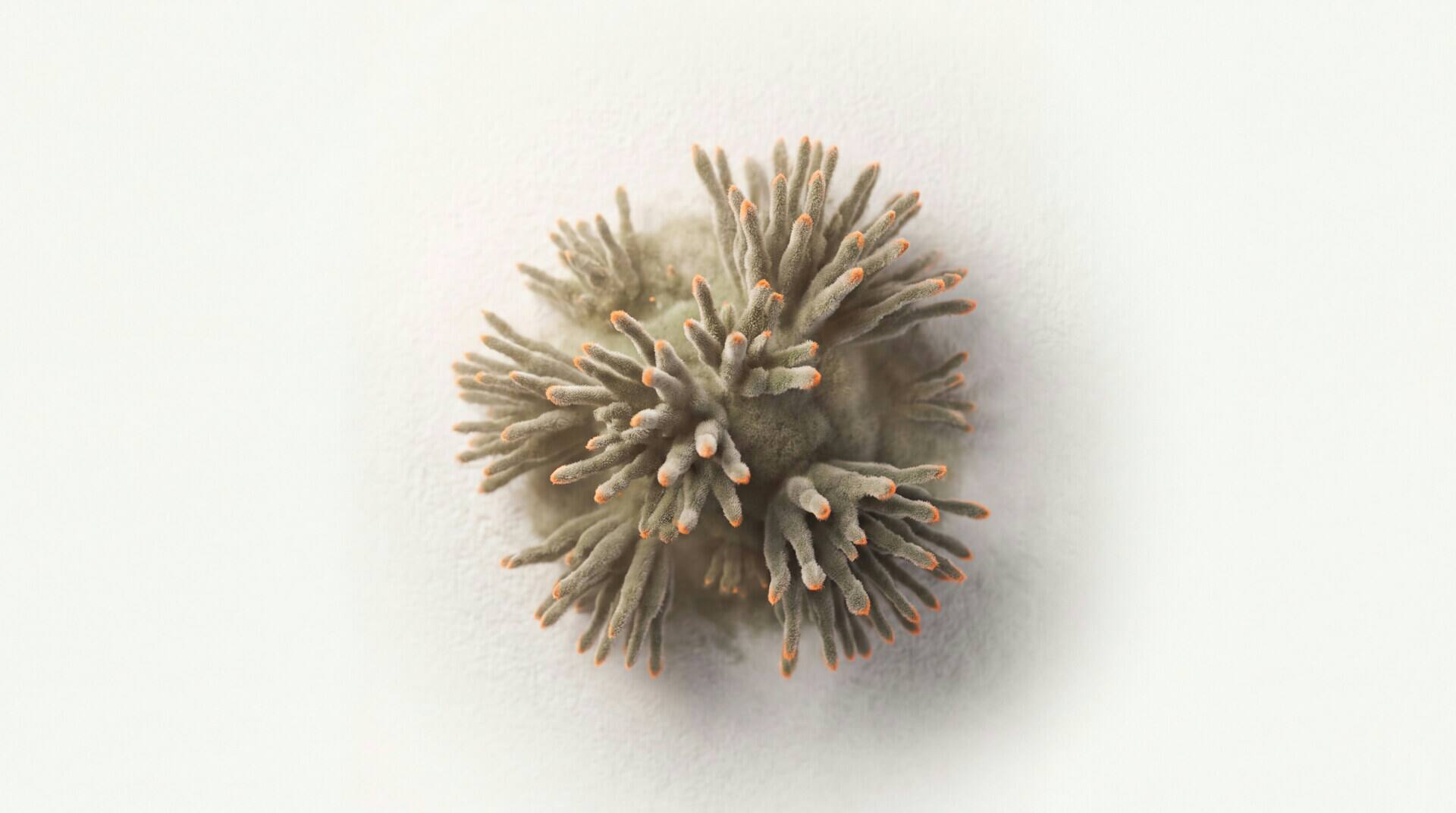
Individual mold spores are microscopic, so nothing visible to the naked eye is a single spore. What people photograph and call spores is a colony, the visible patch of growth on a surface. Seeing actual spores takes a microscope, which is why a laboratory test rather than a picture is what identifies a species. Judge what you can see by its size, its location, and the water source feeding it.
Can black mold kill you?
Color does not establish a mold's identity or health risk. CDC links damp, moldy environments with possible respiratory, eye, and skin effects and notes that some people are more susceptible. Seek urgent medical care for severe symptoms and discuss ongoing symptoms with a licensed clinician.
Is it safe to stay in a house with black mold?
It depends on the person and the extent of the problem, so there is no single answer for every home. CDC links damp, moldy environments with respiratory, eye, and skin effects, and people with asthma, allergies, or weakened immune systems are more susceptible. Fix the moisture source and clean or remove affected material promptly. If you are in a higher-risk group, or symptoms appear or worsen at home, limit time in the affected area and discuss it with a licensed clinician.
What is the difference between black mold and regular mold?
Black mold is a visual description, not a reliable species identification. Several molds and non-mold materials can look dark. A targeted laboratory sample can sometimes identify collected material, but CDC and EPA say species identification is generally unnecessary before correcting moisture and removing indoor mold.
Should I use bleach on black mold?
Do not choose a cleaner from color alone. EPA recommends cleaning mold from hard surfaces with detergent and water and drying them completely; absorbent materials may need to be discarded. Follow product labels, ventilate the area, and never mix bleach with ammonia or other cleaners.
How much does black mold removal cost?
There is no reliable flat price. Cost depends on the moisture source, affected materials and area, access, containment, repairs, and local labor. Get a written scope and itemized quote for professional work rather than relying on a generic range.
What is commonly mistaken for black mold?
Dirt, soot, staining, deteriorated sealant, and several kinds of mold can all appear dark. Texture, odor, a photo, or a wipe test cannot confirm Stachybotrys or determine health risk. Investigate moisture and use qualified inspection or targeted sampling when the distinction matters.
How do you know if you got black mold?
You cannot confirm it by sight. Dark growth, a musty odor, and a wipe test all describe the surface only, and several molds and non-mold materials look the same. The practical signal is dark growth together with a known moisture source. Treat it as a moisture problem, and use a laboratory test if the species matters.
Sources
Every claim on this page traces to one of these. Links open the primary document.
Gallery photographs are used under Creative Commons licenses. See the full image credits.