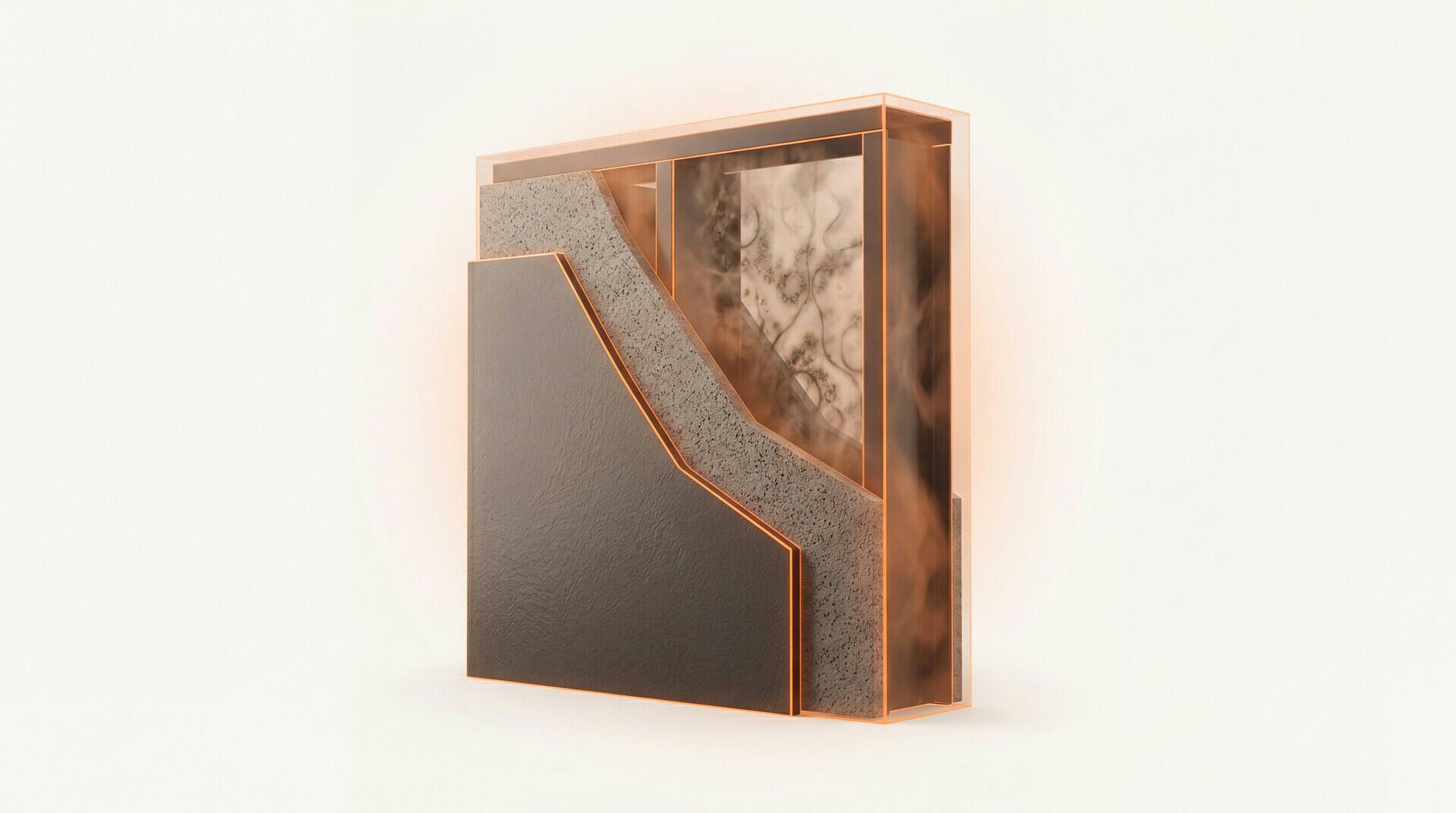
What causes mold to grow on walls?
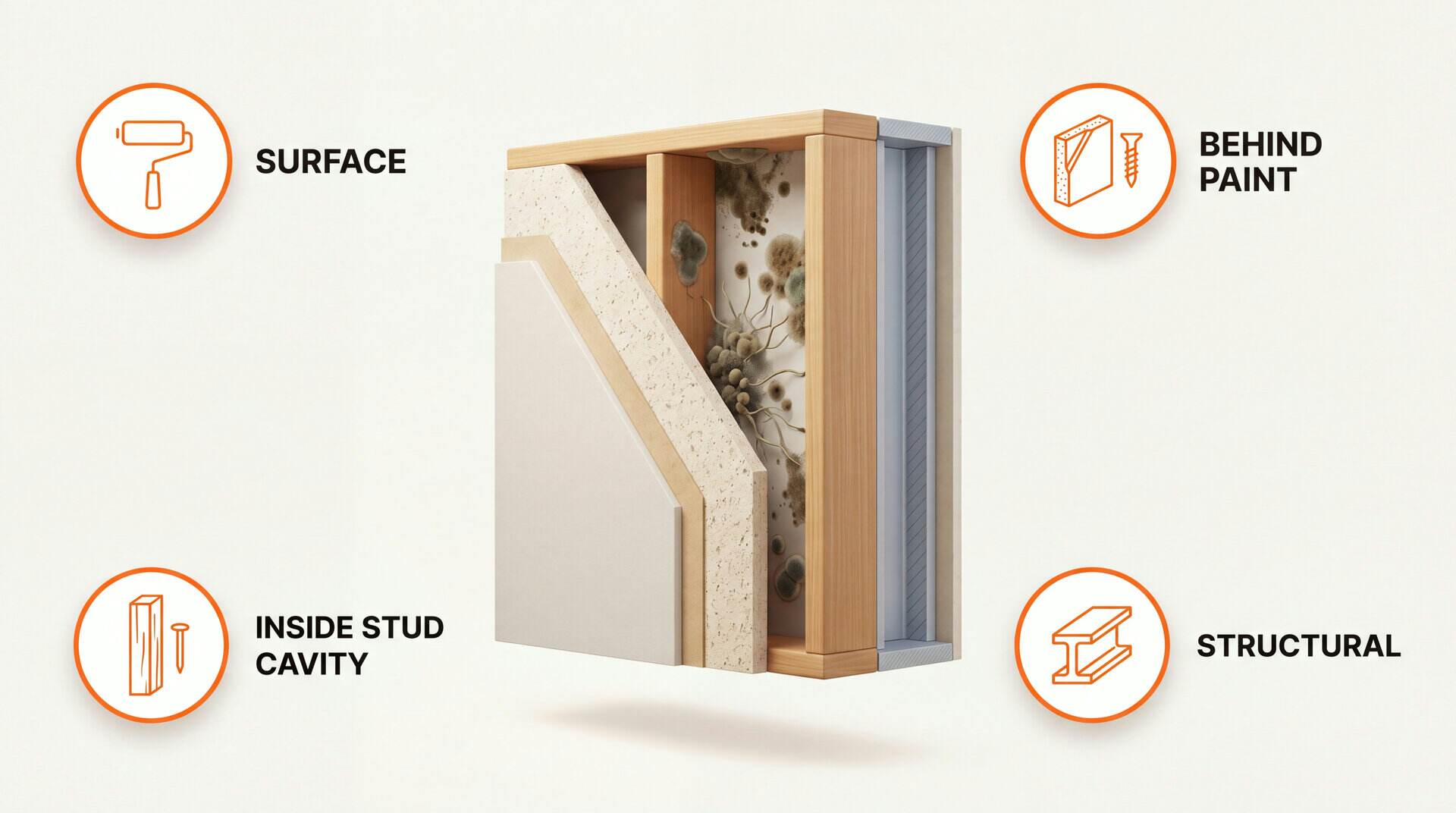
Mold needs moisture, a food source, and time. Your walls provide the food (drywall paper, paint, plaster). All mold needs from you is the moisture. There are three main ways moisture gets into your walls.
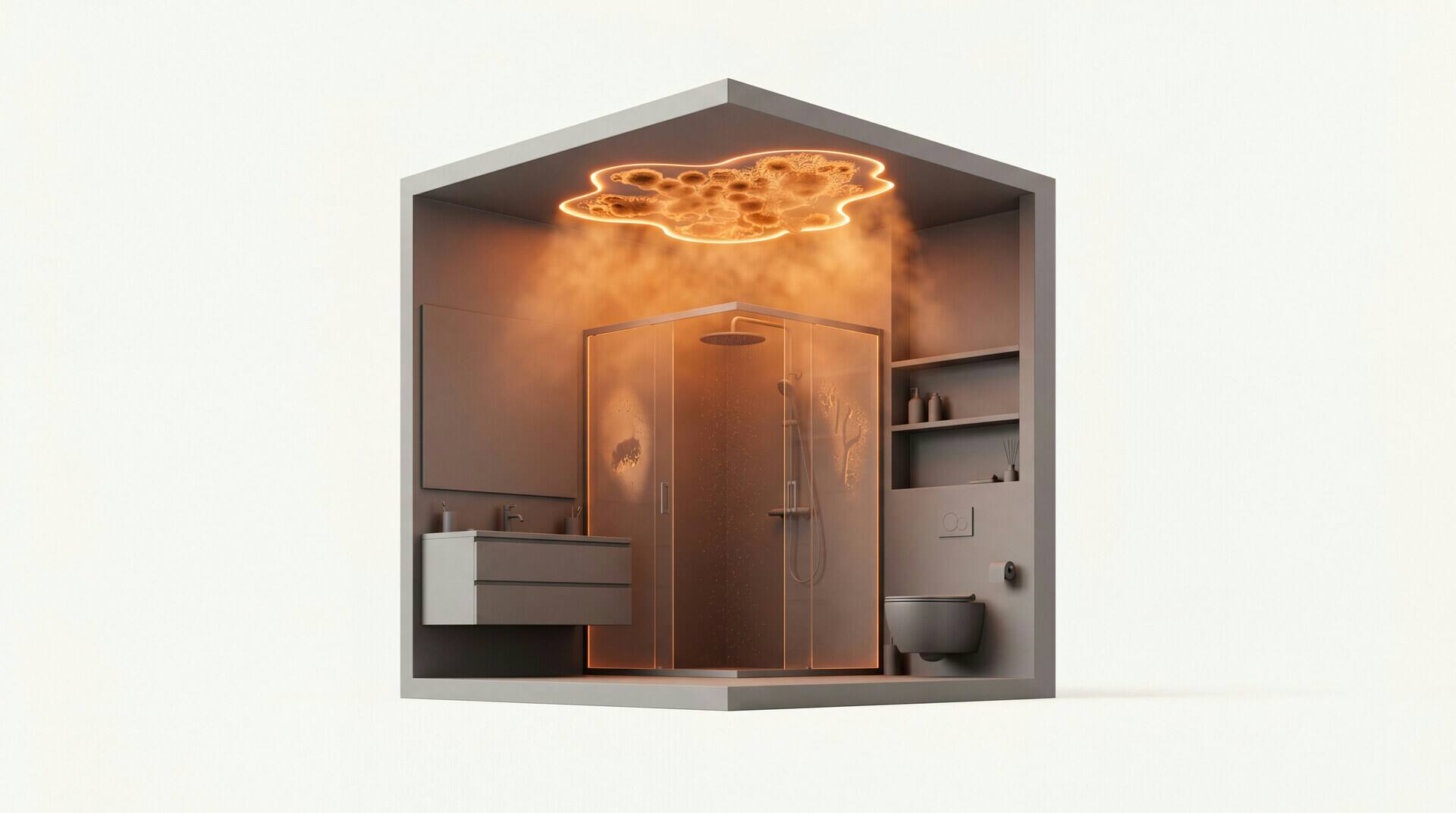
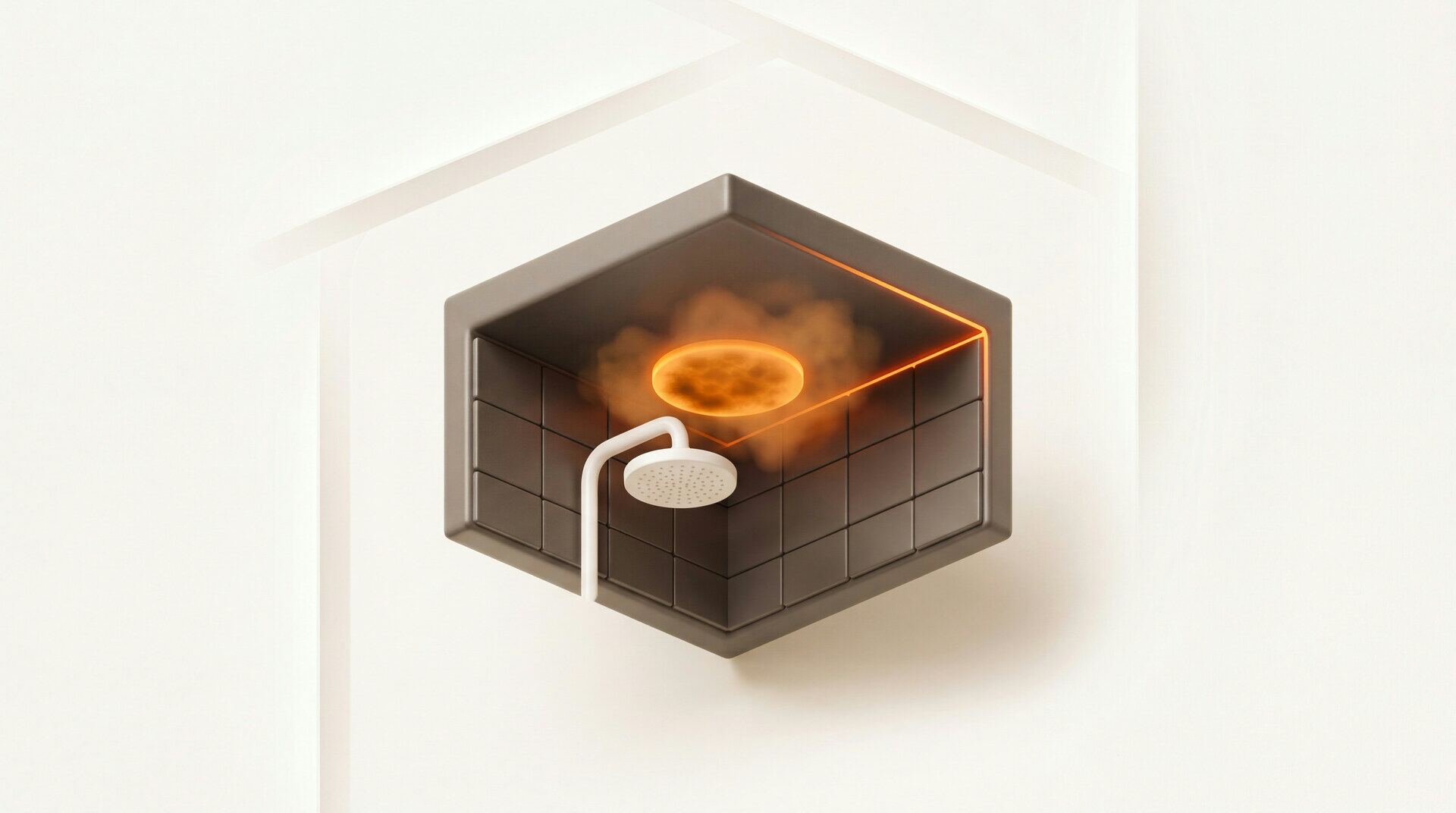
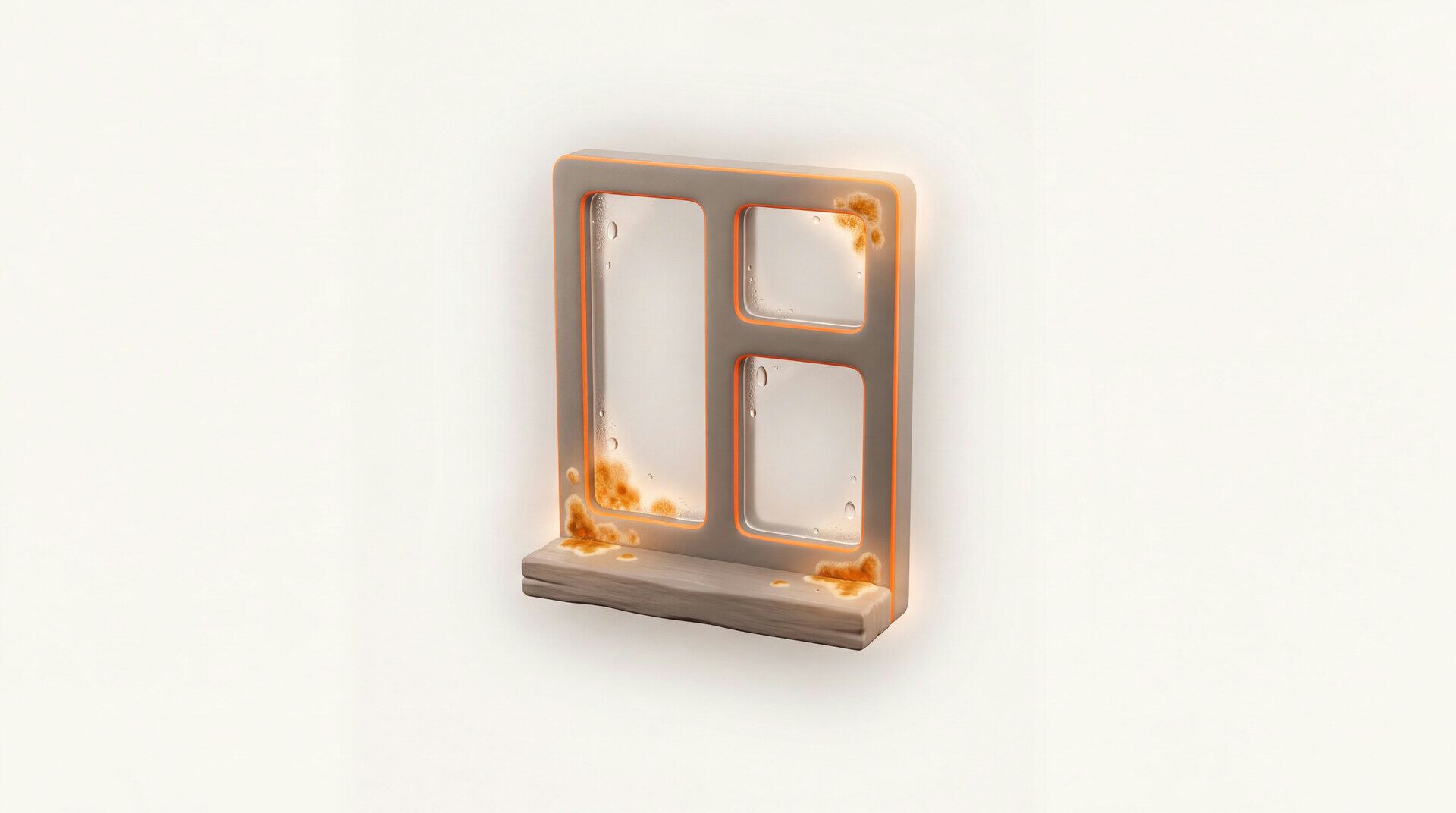
Condensation: When warm, humid indoor air touches a cold wall surface, water droplets form. This is most common on exterior walls during winter, behind furniture pushed tight against walls, and in corners where air does not circulate well. If you see a foggy window, the wall next to it is probably damp too.
Plumbing leaks: Hidden leaks inside walls are the most dangerous because you cannot see the damage until the mold has been growing for weeks or months. Signs include a musty smell with no visible source, paint bubbling or peeling in a specific spot, and a wall that feels cold or damp to the touch. A leading remediation science expert, calls hidden leaks the number one cause of severe mold problems in homes.
Moisture wicking: In basements and ground level rooms, moisture from the soil can wick up through concrete and into the bottom of walls. You will often see mold growing along the base of basement walls in a horizontal band. This is especially common in older homes without a vapor barrier.
Mold vs water stain vs efflorescence: how to tell them apart
Not every dark spot on a wall is mold. Here is how to tell the difference.
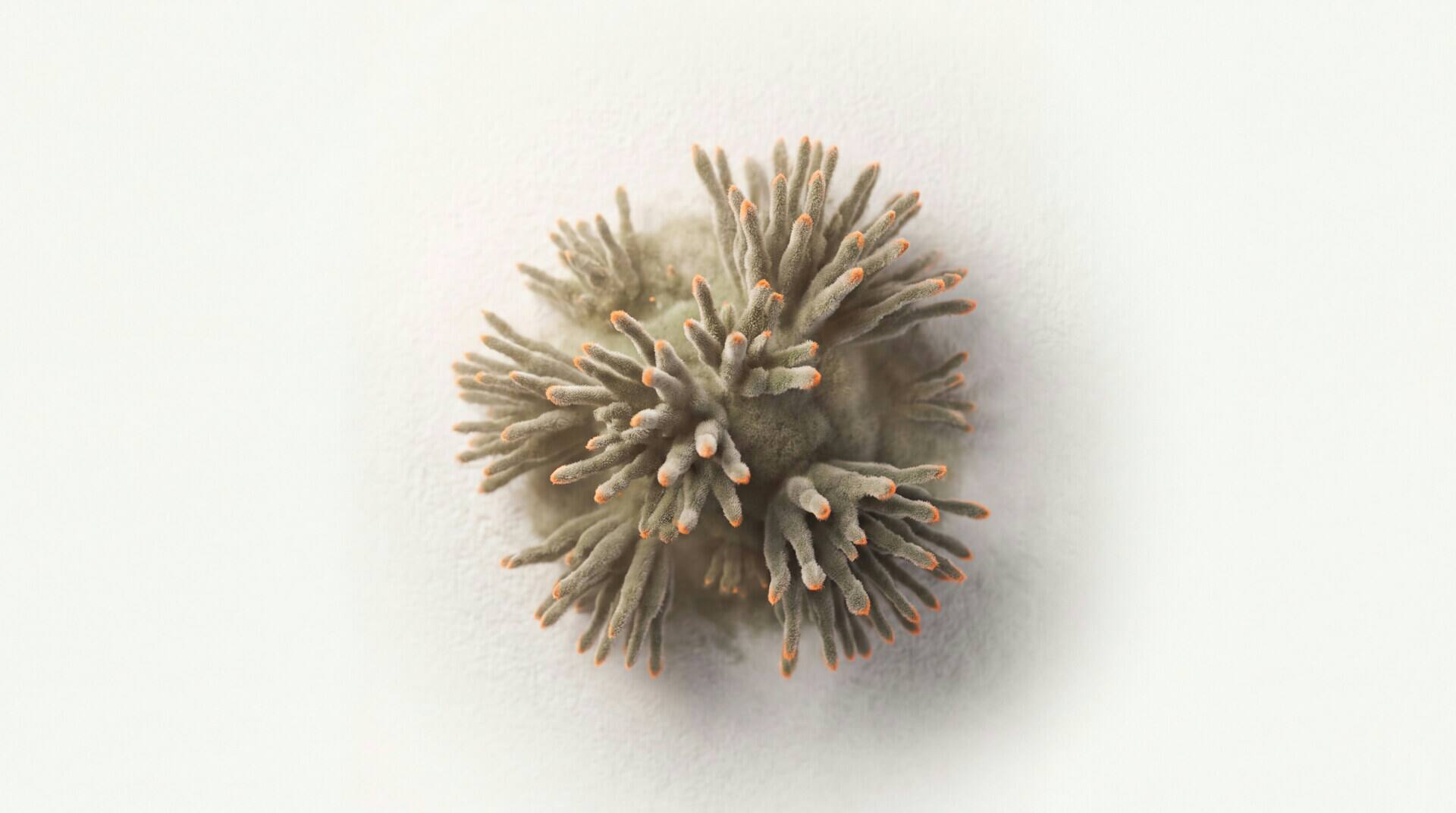
Mold: Fuzzy or textured surface. Grows in irregular, spreading patterns. Can be black, green, gray, white, or even pink. Has a musty smell. Does not dissolve when wet. If you lightly dab it with a cotton swab dipped in diluted bleach, mold will lighten in color within a minute or two.
Water stain: Flat and smooth. Usually yellowish or brown. Often has a distinct ring or border where the water dried. No fuzzy texture. No smell. A water stain by itself is not harmful, but it tells you moisture was there, and where moisture was, mold may follow.
Efflorescence: White, chalky, powdery deposit on concrete, brick, or masonry walls. This is mineral salt left behind when water evaporates through the wall. It dissolves when you touch it with a wet finger. Mold does not dissolve. Efflorescence is not harmful, but it confirms that moisture is moving through the wall.
Paint bubbling: If paint is bubbling, peeling, or cracking in a specific area, moisture is trapped behind it. This is a timeline clue. Small bubbles that just appeared mean the moisture problem is recent. Large peeling sections mean it has been going on for a while. Check behind the paint. There is a good chance mold is growing on the damp surface underneath.
How to treat mold on drywall
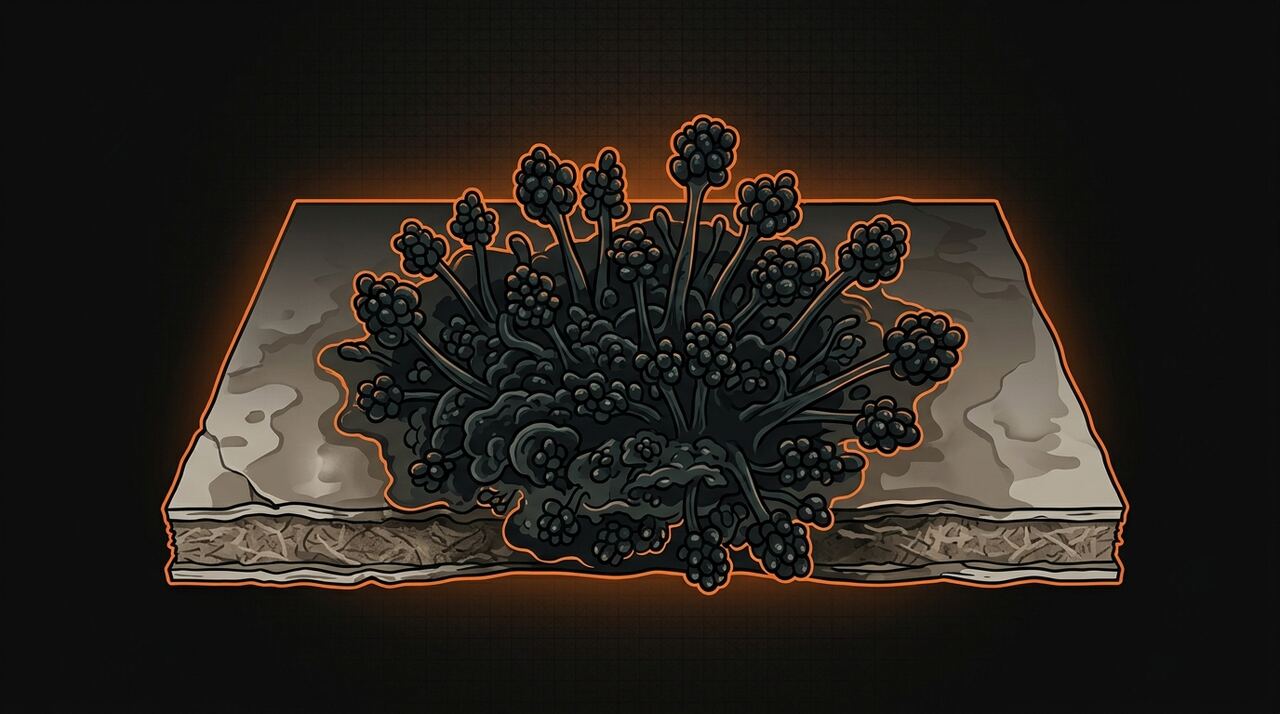
Drywall is the most common wall material in American homes, and also the most vulnerable to mold. The paper facing on drywall is essentially mold food. Once mold roots penetrate the paper, surface cleaning is not enough.
Surface mold on painted drywall: If the mold is only on the paint surface and the drywall underneath feels firm and dry, you can clean it. Spray with hydrogen peroxide (3% concentration) or a no-bleach mold-control product. Let it sit for 10 minutes. Scrub with a stiff brush. Wipe clean. Let it dry completely. Apply a stain-blocking primer to seal the surface before repainting. Do not use bleach on drywall. Bleach is mostly water, and adding water to drywall feeds the mold.
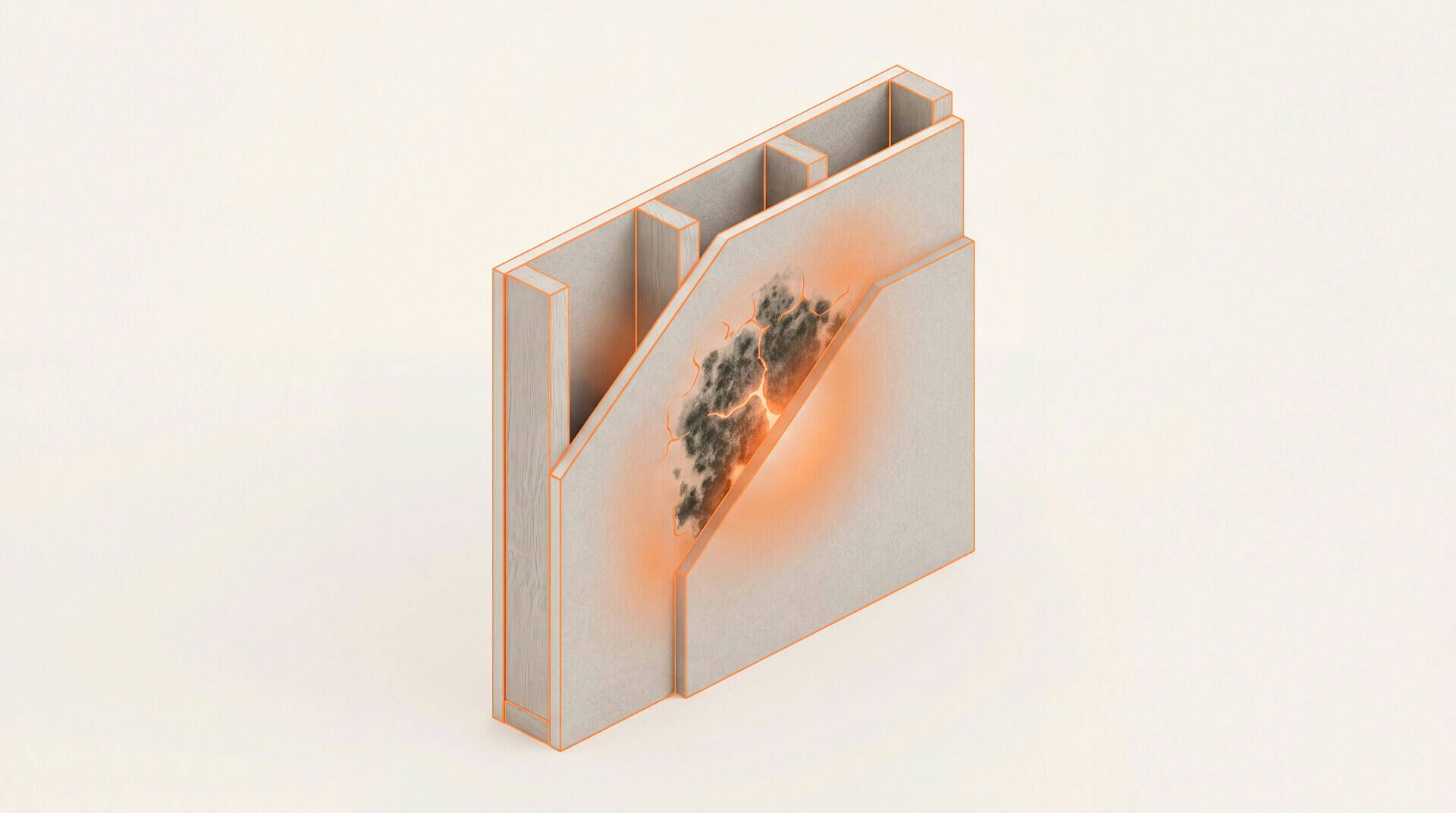
Mold that has penetrated the drywall: If the drywall feels soft, spongy, or crumbly, or if you can see discoloration on the back side of the drywall, the mold has penetrated. You need to cut out the affected section plus at least 12 inches beyond the visible mold in every direction. Use a utility knife to score the cut lines, then remove the section. Check the studs behind the drywall. If wood studs show mold, sand them down and treat with a mold-control product or a borate solution. Replace with new drywall only after the moisture source has been fixed and the cavity is completely dry.
How to treat mold on plaster walls
Plaster walls are denser than drywall and more resistant to mold penetration. Mold on plaster is usually a surface problem, which is good news.
Clean with hydrogen peroxide or a no-bleach mold-control product. Scrub the surface thoroughly. Plaster can handle more aggressive scrubbing than drywall without falling apart. After cleaning, let the wall dry completely for at least 48 hours. Then seal with a stain-blocking primer primer before repainting.
If the plaster is cracking, crumbling, or pulling away from the lath behind it, moisture has been present for a long time. At that point, you may need to remove and replaster the damaged section. Consult a professional if the affected area is larger than 10 square feet.
How to treat mold on concrete and block walls
Concrete and cinder block walls are extremely common in basements. They are porous, which means moisture moves through them easily. The white chalky residue you see on many basement concrete walls (efflorescence) confirms that water is migrating through the concrete.
For surface mold on concrete, scrub with a stiff brush and hydrogen peroxide. For heavier contamination, use a no-bleach mold-control product. After cleaning, seal the concrete with a stain-blocking primer primer or a masonry waterproof coating. This creates a barrier that blocks moisture from passing through the wall surface.
However, sealing alone does not fix the root problem. If moisture is coming through the concrete, you need to address it from the outside (exterior waterproofing, grading, French drains) or manage it from the inside (interior drainage system, sump pump, dehumidifier). Remediation experts emphasize that you must fix the moisture source, not just treat the visible mold. Kill the water and you kill the mold.
When to call a professional
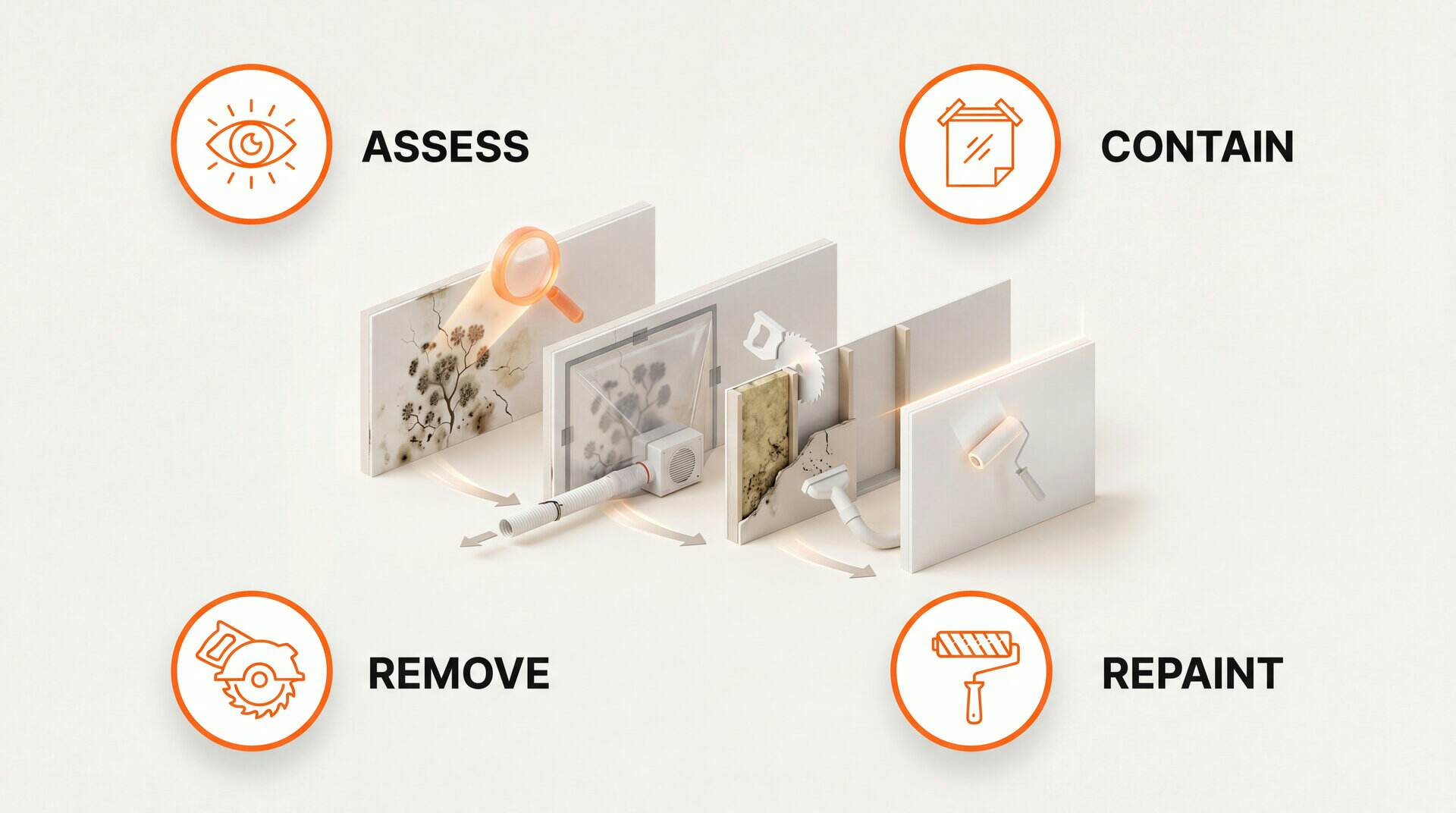
EPA says small areas may sometimes be handled by occupants, but square footage is not the only factor. Use qualified help for extensive water damage, sewage, HVAC contamination, unstable materials, concealed conditions, or when the work could disturb asbestos-containing material or lead paint.
Recurring growth or damage means the moisture source and affected assembly need direct investigation.
A musty odor with no visible source is a clue, not proof of hidden mold. Moisture meters and thermal cameras also require context and cannot confirm mold by themselves.
Health symptoms cannot diagnose a wall or establish that a building caused them. Seek medical care for health concerns and investigate building moisture separately.
Black or green color does not identify a species or rank toxicity. Do not choose a response based on color alone.
A wall that stayed wet needs prompt drying and direct assessment, but elapsed time alone does not confirm hidden growth.
Frequently asked questions
What causes mold to grow on walls?
Mold on walls is caused by moisture. The three most common sources are condensation (warm air hitting a cold wall), plumbing leaks hidden inside the wall, and moisture wicking up from the foundation. If your indoor humidity stays above 60%, mold can start growing on walls within 24 to 48 hours.
How do I tell the difference between mold and a water stain on a wall?
Mold is usually fuzzy or textured and grows in irregular patterns. It can be black, green, gray, or white. A water stain is flat, smooth, and typically yellowish or brown with a clear ring shape. Efflorescence is a white chalky powder on concrete or brick that dissolves when you touch it with a wet finger. Mold does not dissolve.
Should I cut out moldy drywall or can I just clean it?
If the mold has penetrated the drywall (the paper backing is discolored on both sides or the drywall feels soft), you need to cut it out and replace it. Surface mold on painted drywall can sometimes be cleaned, but drywall is porous and mold roots often go deeper than what you see. When in doubt, cut it out.
Does painting over mold on walls fix the problem?
No. Painting over mold does not kill it. The mold will grow through the new paint, usually within weeks. You must remove the mold first, treat the surface, fix the moisture source, and then repaint with a mold resistant primer like a stain-blocking primer shellac before applying your finish coat.
Sources
Every claim on this page traces to one of these. Links open the primary document.