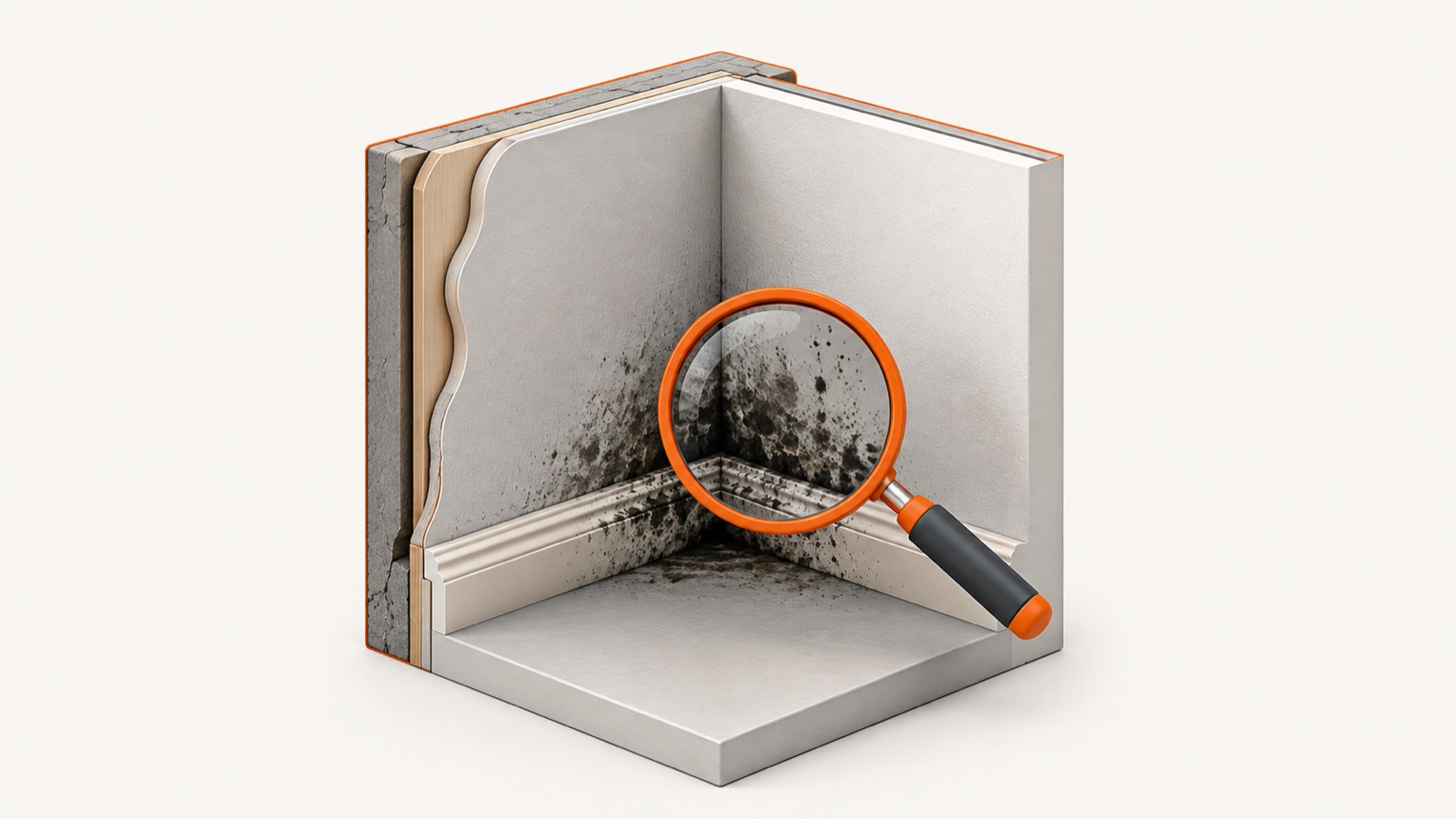
Why Carpet Grows Mold
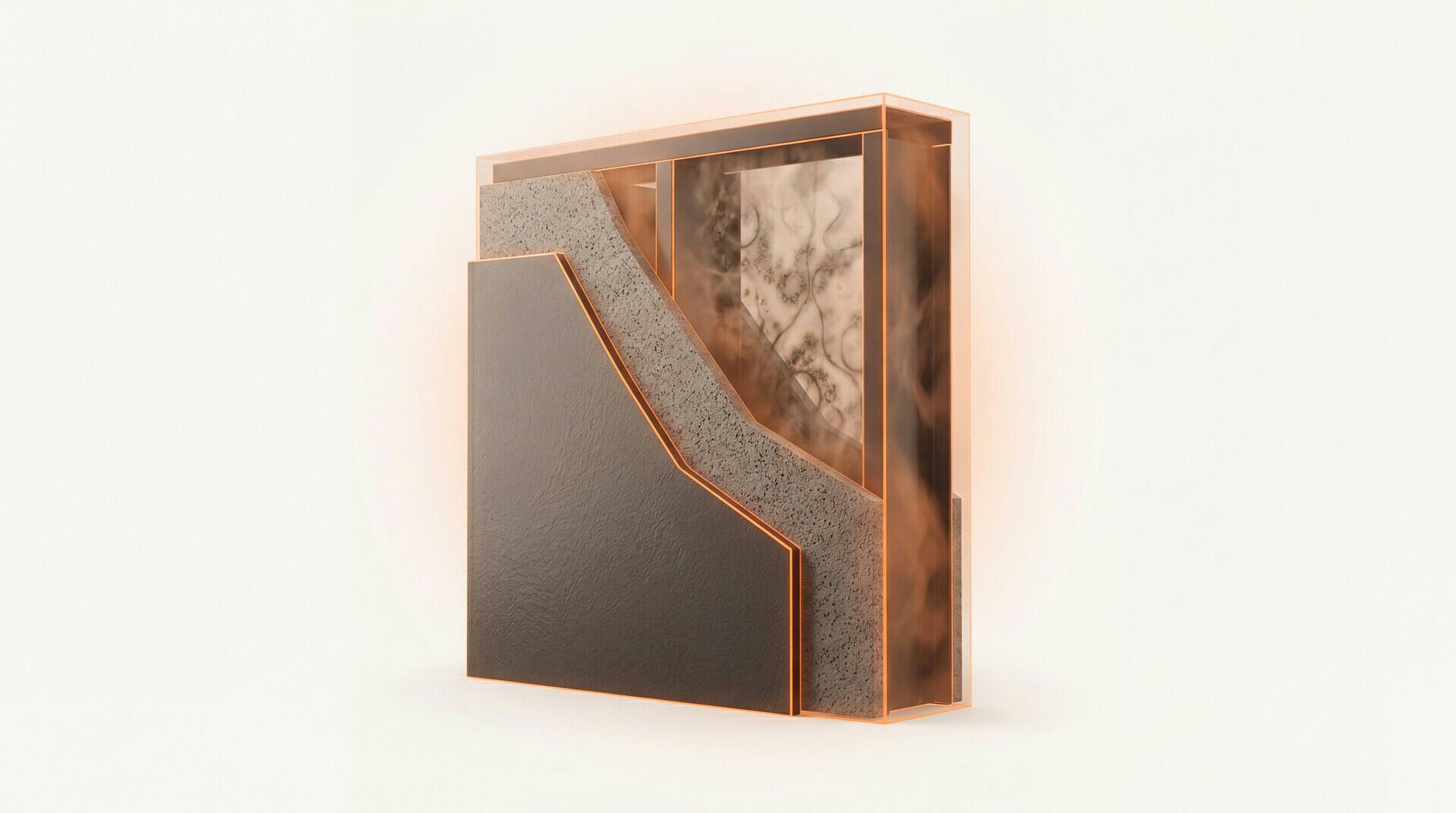
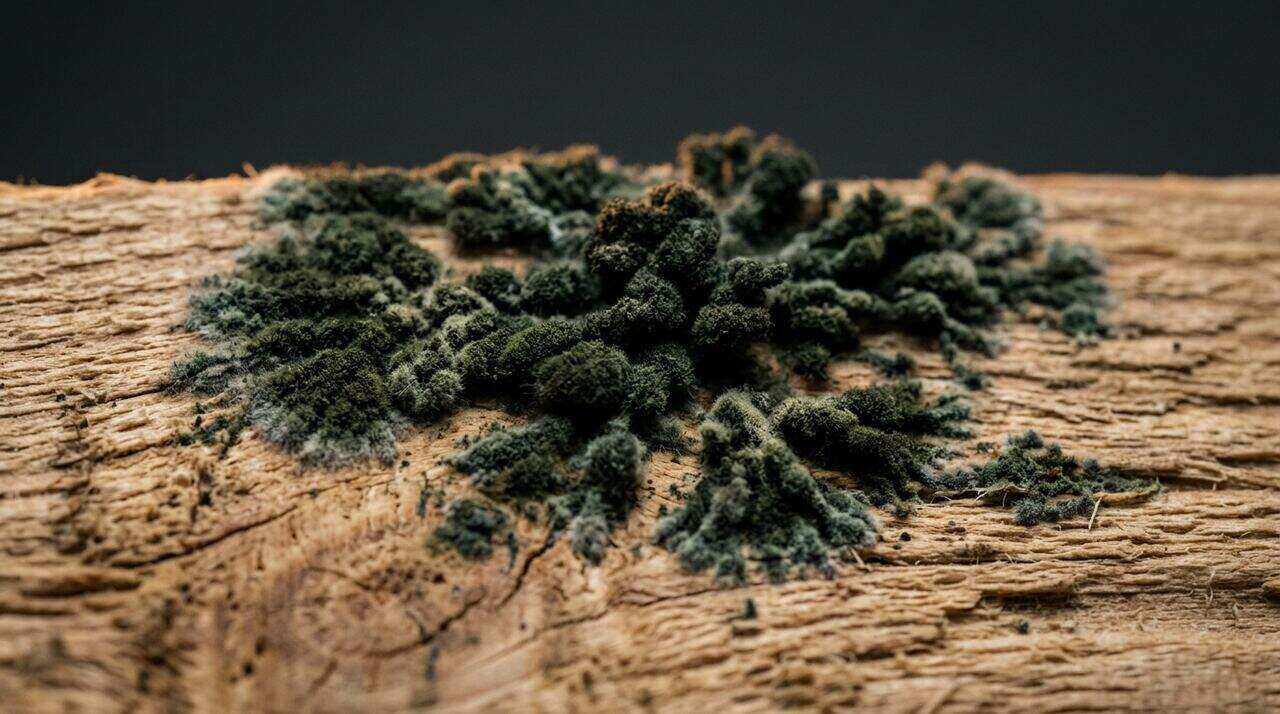
Mold on carpet always starts the same way: something kept it wet. Carpet is made to trap dust and hold warmth, which also makes it a near-perfect home for mold once moisture gets in. The fibers, the woven backing, and the foam pad underneath all soak up water and hold it long after the surface feels dry to your hand.
The common triggers are easy to spot once you know them. A spilled drink or a pet accident that didn't get dried fully. A slow leak from a radiator, a window, or a nearby pipe. A flooded basement or a backed-up appliance. And the quiet one that catches a lot of people: carpet laid over cool basement concrete, where condensation forms underneath even with no obvious leak.
What makes carpet tricky is that the visible top is the last place mold shows. By the time you see a stain or smell that musty odor, growth is often already established in the backing and pad below. If you have a musty smell but no visible spot, our guide to mold smell in the house walks through where to look.
Clean It or Replace It?
This is the question that matters most, because cleaning the wrong carpet just wastes a weekend. Use the moisture and the depth of the growth to decide.
You can often clean and save it when:
- The mold is only on the surface fibers, not the backing.
- The spill was small and you dried it within 24 to 48 hours.
- There's no musty smell rising from the pad below.
Plan to replace it when:
- Water sat for more than 48 hours, or the carpet was part of a flood.
- You pull back a corner and the backing or pad is stained, soft, or smells.
- The affected area is large, or the same spot keeps regrowing.
The reasoning comes straight from restoration guidance. The EPA advises that porous materials that stay wet and grow mold generally need to be removed, because cleaning can't reliably pull the roots out of a porous weave. The foam padding is the most absorbent layer of all, so even when the carpet itself can be saved, the pad underneath is usually discarded and replaced.
Is Mold on Carpet Dangerous?
For most healthy people, a small fresh patch is a cleaning task, not an emergency. The real concern with carpet is how much hidden growth it can hold out of sight.
The CDC links mold and damp indoor conditions to a stuffy nose, coughing, wheezing, a sore throat, and itchy eyes, with stronger reactions in people who have asthma or a mold allergy. Carpet sits at floor level where people, kids, and pets spend time close to it, and walking across it can stir spores up into the air. That's why a moldy carpet tends to bother sensitive people more than the same growth on a high wall.
People with weakened immune systems can be more vulnerable to molds in general, so moldy carpet in their living space deserves prompt removal rather than a slow cleanup. The honest takeaway: the carpet itself isn't uniquely toxic, but it's a large reservoir that keeps moisture and spores close to where you breathe. If anyone in the home has ongoing symptoms, talk to a licensed physician rather than self-diagnose from a website. To see what's growing elsewhere in the room, our types of mold guide breaks down the usual species.
How to Remove Mold from Carpet
If you've decided the carpet is worth saving, here's the order that works. Skip a step and it comes back.
- Fix the water first. Find and stop the leak, spill source, or humidity problem. Cleaning is pointless while water keeps feeding the mold.
- Dry the area fully. Run fans and a dehumidifier until the carpet and the floor beneath are dry to the touch. Speed matters here.
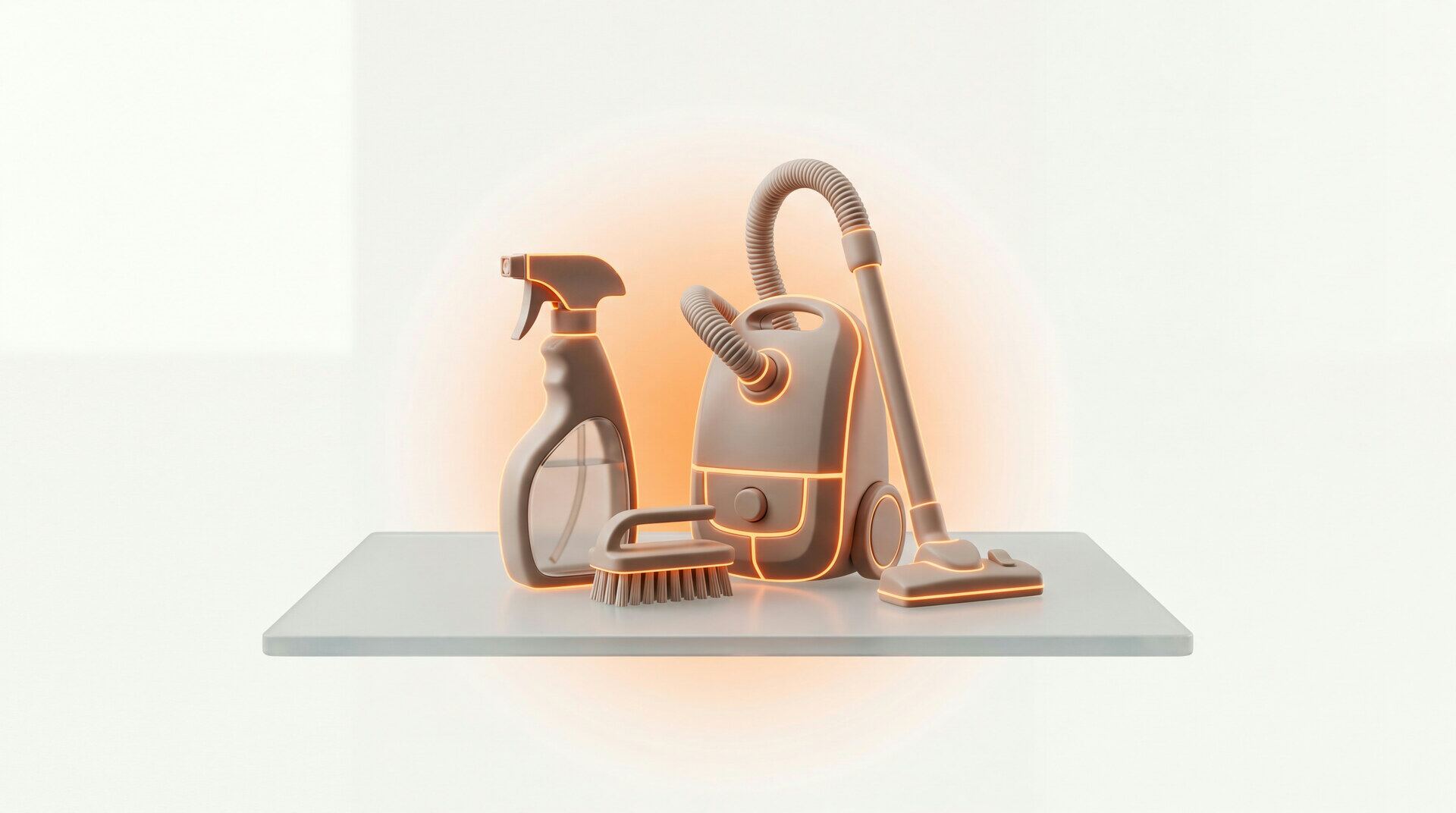
- Protect yourself. Wear an N95 mask, gloves, and goggles. Vacuuming and scrubbing both stir spores into the air, so open a window.
- HEPA vacuum. Go over the carpet with a HEPA vacuum to lift loose spores before you wet anything. A standard vacuum just blows them back out.
- Treat the surface. Scrub surface mold with a mold cleaning product or 3% hydrogen peroxide, working it into the fibers, then blot and let it dry completely.
- Check below. Pull back a corner and inspect the backing and pad. If they're wet, stained, or smell, replace the pad and re-evaluate the carpet.
For a large area, standing water, or any sign the mold reached the backing, stop and call a qualified remediation professional who follows the IICRC S520 standard. Not sure how bad it is yet? Our free water-damage documentation helper records accessible water-event conditions without a risk score. Renting, and the leak that soaked the carpet is the landlord's to fix? Our tenant mold complaint letter generator builds the paper trail. Skip the bleach. On porous carpet it adds water, doesn't reach the roots, and can damage the fibers.
Preventing Carpet Mold
Carpet mold is far easier to prevent than to remove. The whole game is keeping the fibers and pad dry.
- Dry spills within 24 hours. Blot, then run a fan on the spot. A wet patch can start growing in a day or two.
- Keep humidity below 50 percent. A hygrometer costs about $10 to $20. Run a dehumidifier in damp rooms.
- Rethink carpet in wet rooms. Basements and bathrooms are the worst places for it. Hard flooring or a raised subfloor handles moisture far better.
- Use rugs you can lift. An area rug you can pick up and dry beats wall-to-wall carpet in any room that ever gets damp.
- Fix leaks fast. A slow drip under the carpet does its damage out of sight, so repair the source the moment you notice it.
Keep the floor dry and carpet mold rarely gets a chance. A fan and a hygrometer cost a fraction of replacing a room of carpet and pad. For the other surfaces in the room, see our guides on mold on walls and mold in the basement.
Frequently asked questions
Can you get mold out of carpet?
Sometimes. If the mold is only on the surface fibers from a small spill you caught and dried within a day or two, you can often clean and save the carpet. If water sat for more than 48 hours, or the mold has reached the backing or the padding underneath, cleaning will not reach the roots. The EPA advises that porous materials that stay wet and grow mold usually need to be removed and replaced. The padding almost always gets replaced.
Is mold on carpet dangerous?
For most healthy people, a small fresh patch is a cleaning problem, not an emergency. The CDC links mold and damp exposure to a stuffy nose, coughing, wheezing, and itchy eyes, with stronger reactions in people who have asthma, allergies, or weak immune systems. Carpet is a concern because it can hold a lot of hidden growth in the backing and pad where you cannot see it. Clean or replace it promptly, fix the moisture, and talk to a licensed physician about any symptoms.
How do you remove mold from carpet?
First fix the water source and dry the area fully with fans and a dehumidifier. Wear an N95 mask, gloves, and goggles. HEPA vacuum the carpet, then scrub surface mold with a mold cleaning product or 3% hydrogen peroxide and let it dry completely. Pull back a corner to check the backing and padding. If the pad is wet or moldy, replace it. Skip bleach on carpet, since it adds water and does not reach the roots in porous material.
Does carpet need to be replaced if it gets moldy?
Often, yes, especially the padding. Carpet and pad are porous, so once mold grows into the backing or the foam, cleaning cannot remove it reliably. The general rule from restoration guidance is that porous materials soaked longer than 48 hours, or visibly moldy through the backing, should be removed. Surface mold on the fibers caught early can sometimes be cleaned and saved, but the pad underneath is usually discarded.
Why does my basement carpet keep getting moldy?
Basement carpet sits on cool concrete, and that temperature difference causes condensation underneath, even without an obvious leak. Combined with higher basement humidity, it keeps the backing and pad damp enough for mold. The lasting fix is to lower humidity below 50 percent with a dehumidifier, address any foundation moisture, and consider hard flooring or a raised subfloor instead of carpet on concrete.
Sources
Every claim on this page traces to one of these. Links open the primary document.