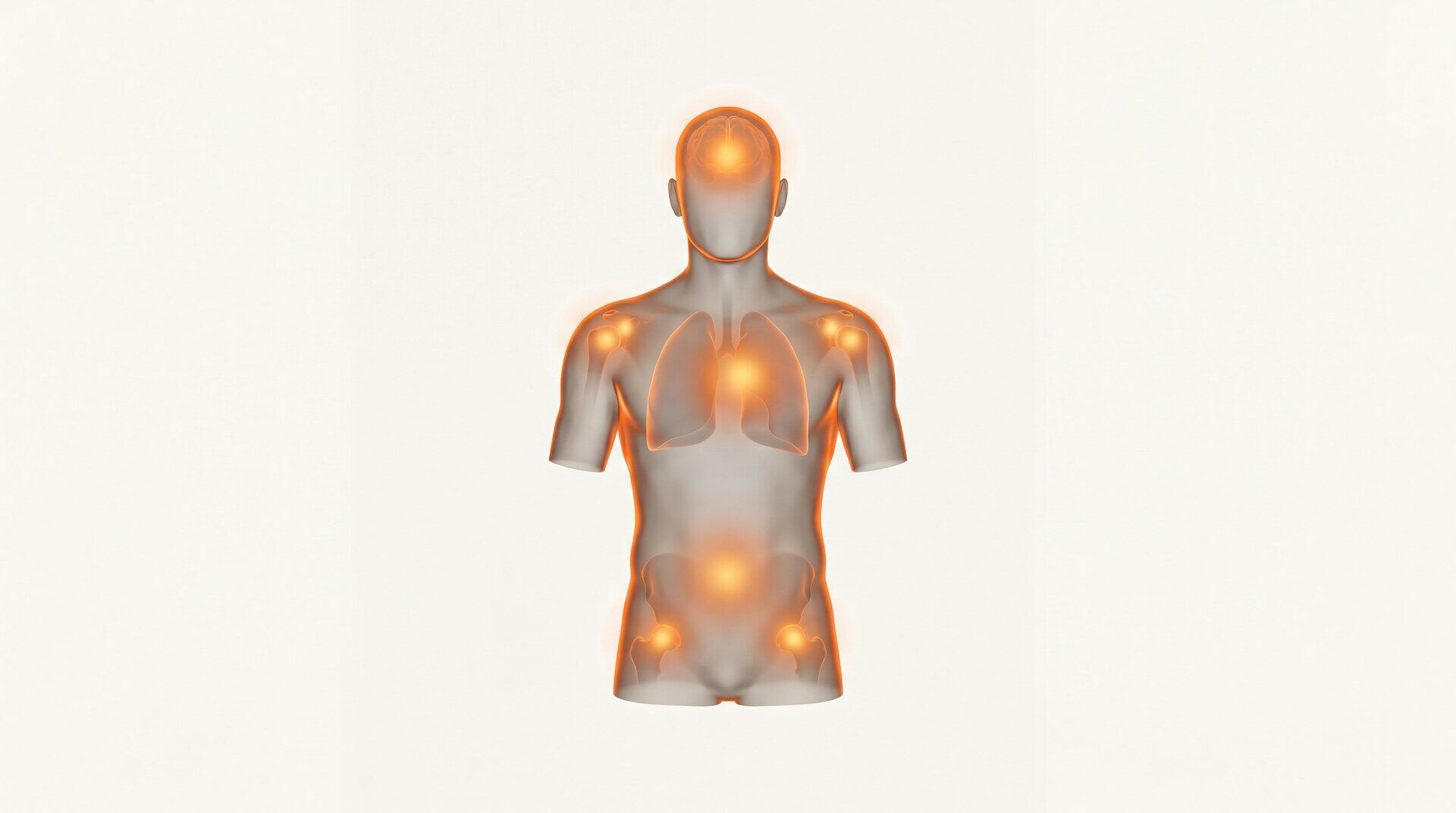
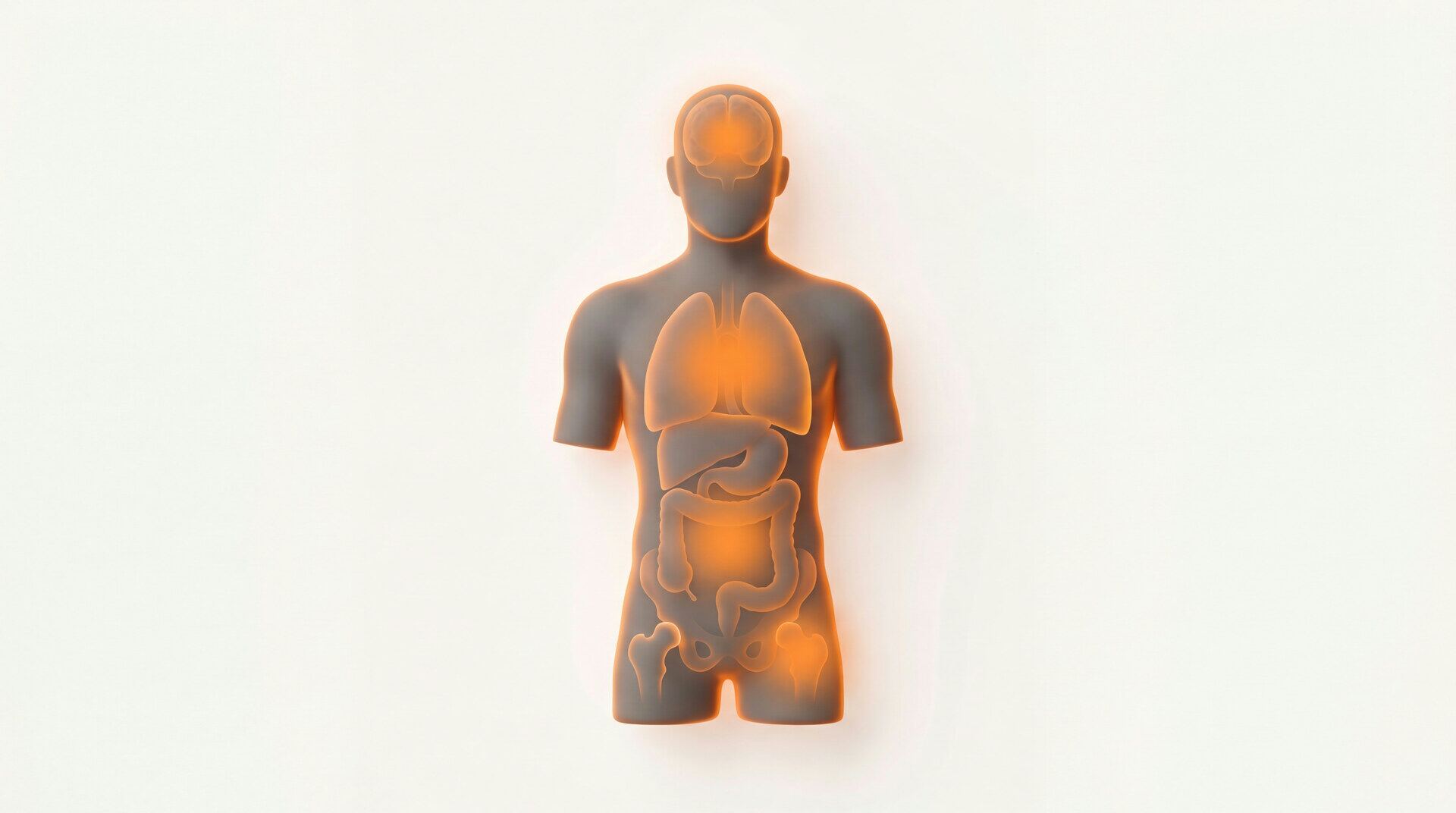
The Short Answer
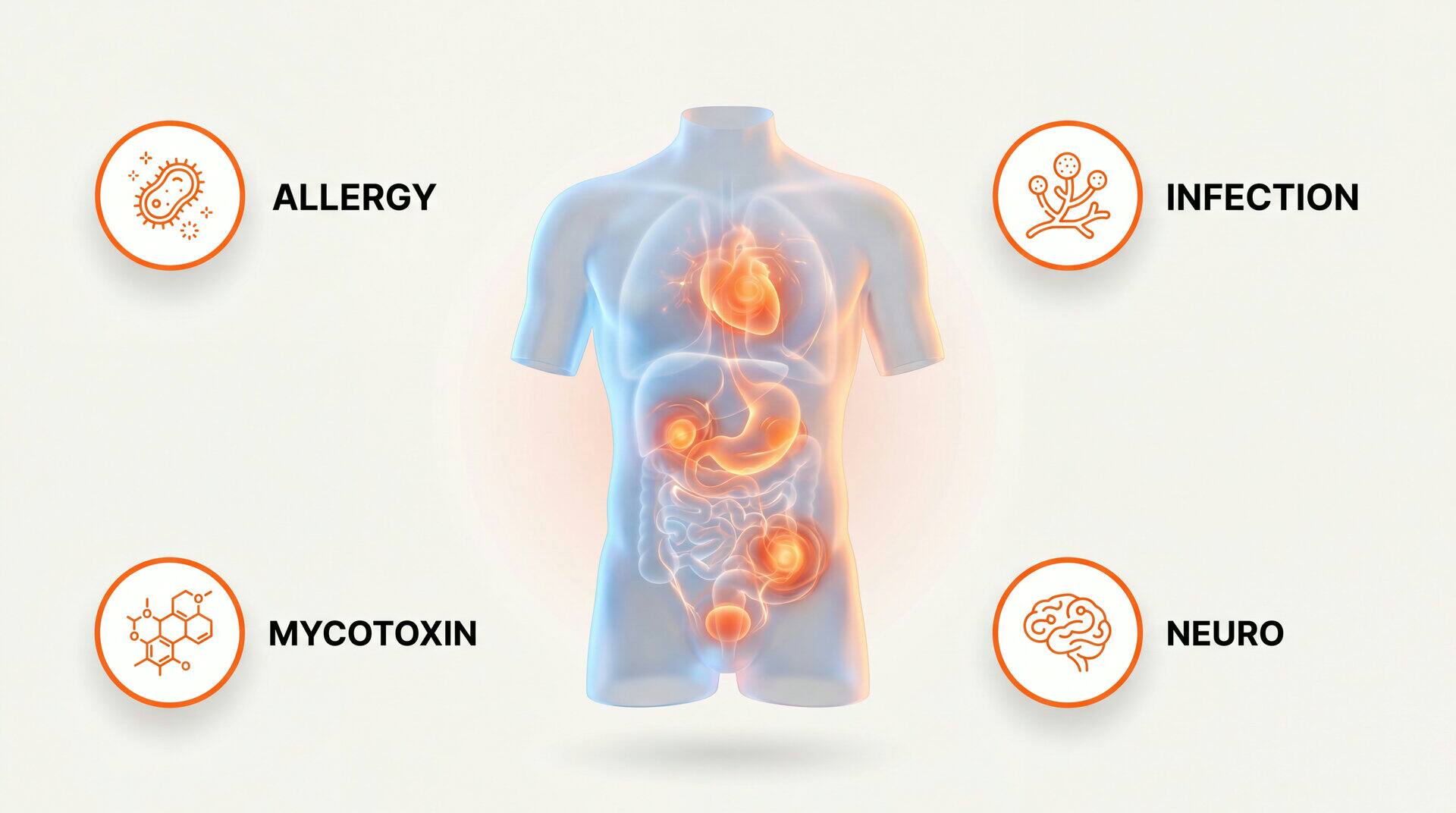
The honest answer is: it depends. The internet is full of two extremes. Panic articles claim all mold will kill you. Dismissive articles say mold is harmless. Neither is accurate.
CDC and EPA advise correcting indoor moisture and removing mold rather than trying to rank a home by color or species. There are no federal health-based indoor mold standards.
People with asthma or mold allergy may have stronger reactions. People with immune suppression or chronic lung disease can face additional risks and should ask a licensed clinician about exposure precautions.
Health Effects Supported by Public Guidance
Allergic and irritant effects
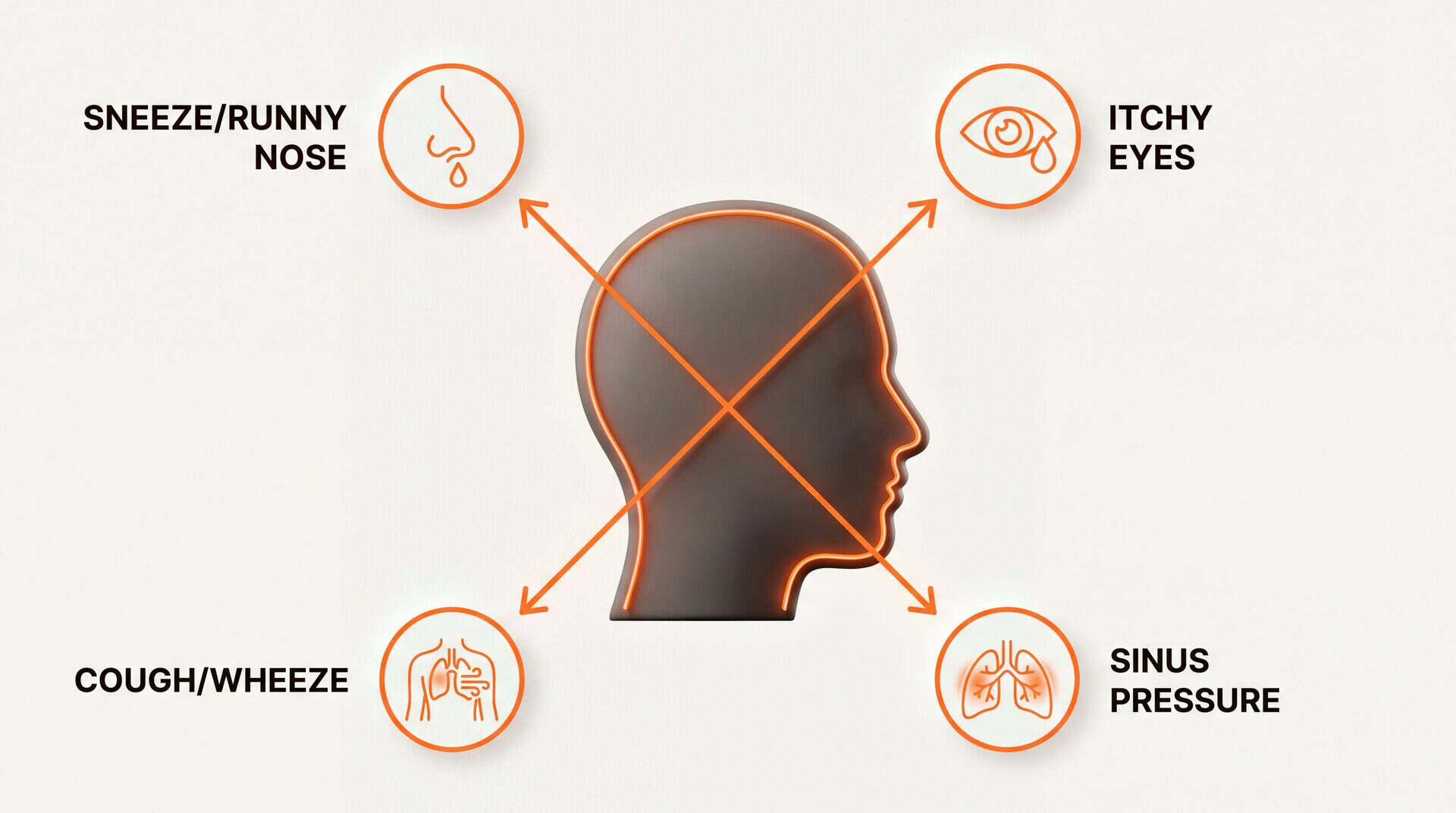
CDC and EPA list possible symptoms such as sneezing, stuffy or runny nose, sore throat, coughing or wheezing, burning or itchy eyes, and skin irritation. Some people have no symptoms.
Asthma and respiratory conditions
Damp indoor environments are associated with asthma symptoms in people who already have asthma. A clinician should evaluate wheezing, chest tightness, or breathing difficulty.
Risk for vulnerable people
People with immune suppression or chronic lung disease may face a risk of fungal infection. They should avoid mold cleanup and seek medical guidance about exposure.
Why a Species Risk Ranking Misleads
A photograph and color cannot identify a mold species. Even a laboratory identification from one sample does not create a universal low, moderate, or high health ranking for a room or home.
CDC advises treating all indoor mold the same for cleanup purposes. Correct the water problem and remove the growth safely. Medical risk depends on the person and requires clinical evaluation.
Who Is Most at Risk
People with asthma or mold allergy: They may have stronger reactions in damp or moldy environments.
People with immune suppression or chronic lung disease: CDC identifies additional fungal-infection risk and recommends that they avoid mold cleanup.
Anyone with persistent or severe symptoms: A licensed clinician should evaluate the person. Consumer genetic percentages, online screens, and building tests do not diagnose individual susceptibility.
When to Worry and When Not to
Address the moisture problem without using panic or dismissal. No color or amount visible in a photograph establishes personal health risk.
Use qualified help when:
- Mold covering more than 10 square feet on any surface
- Mold on drywall, ceiling tiles, or wood (indicates water damage and deeper problems)
- A persistent musty odor or material damage requires investigation in an inaccessible area
- Mold that returns within weeks after cleaning (moisture source not fixed)
- Someone with asthma, mold allergy, immune suppression, or chronic lung disease needs exposure guidance
- Symptoms are persistent, worsening, or severe
What to Do If You Find Mold
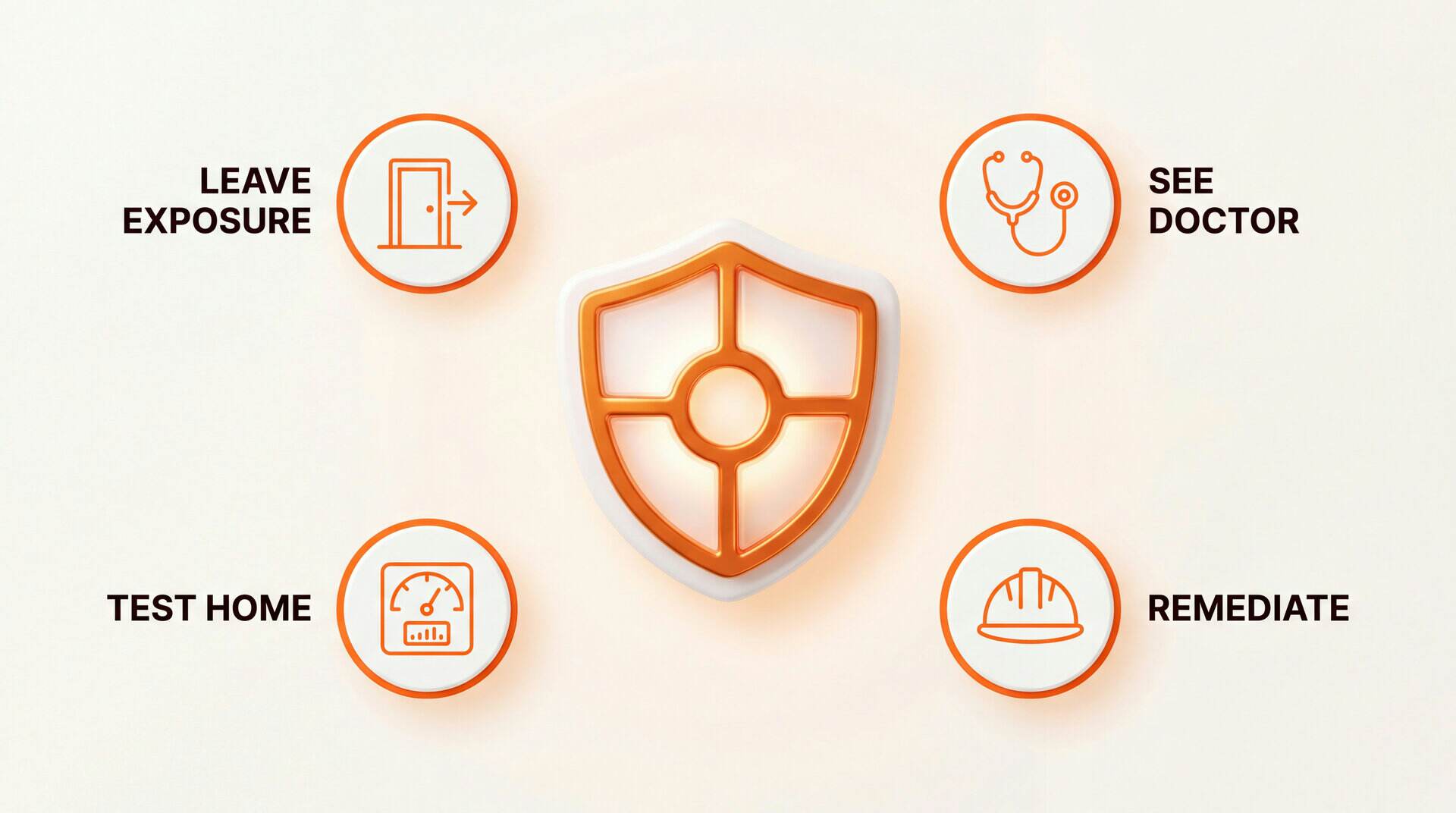
Step 1: Correct the verified moisture problem. Use direct building investigation rather than a photograph or symptom pattern to identify the source.
Step 2: Follow current federal cleanup guidance. Material, affected area, water source, access hazards, and occupant vulnerability determine whether qualified professional help is appropriate.
Step 3: Keep health decisions separate. A clinician evaluates symptoms. ERMI, urine panels, genetic screens, and Mold Scanner results cannot diagnose a person.
Step 4: Use the app only within its scope. Mold Scanner offers guided photo prompts and AI-assisted visual screening of submitted visible surfaces. It cannot identify species, locate hidden growth, assess health, or generate remediation scope.
Frequently asked questions
Is a little bit of mold dangerous?
There is no federal health-based threshold that makes a visible patch safe or dangerous for every person. Correct any indoor moisture problem and remove mold safely. The cleanup approach depends on the material, area, water source, access hazards, and occupant vulnerability.
What level of mold is dangerous?
CDC and EPA do not set a health-based safe indoor mold level. Air, dust, ERMI, or HERTSMI-2 results cannot certify safe occupancy or predict whether a person will develop symptoms.
Can mold in a house affect health?
CDC says damp or moldy environments may cause health effects in some people and none in others. Possible effects include stuffy nose, sore throat, coughing or wheezing, burning or itchy eyes, and skin rash. Symptoms are nonspecific and require medical evaluation.
Is black mold more dangerous than other molds?
Color does not identify a species or determine health risk. CDC advises treating all indoor mold the same for cleanup purposes: correct the moisture problem and remove the growth safely.
How long can someone stay in a home with mold before symptoms occur?
There is no universal timeline. Reactions vary, some people have no symptoms, and the same symptoms can have many causes. Timing or feeling better elsewhere cannot diagnose mold illness or establish a hidden source.
Sources
Every claim on this page traces to one of these. Links open the primary document.