What Causes Mold on Your Ceiling and How to Fix It

MS
Mold Scanner AI Editorial Team
Published April 15, 2026. Reviewed from leading expert protocols and federal agency guidelines.
Water damage and mold on a ceiling
Real mold photo. Source: Wikimedia Commons.
On this page
  1. The 4 causes of ceiling mold
  2. Roof leak vs condensation: how to tell the difference
  3. How to remove mold from the ceiling
  4. When to fix it yourself vs call a roofer
  5. Think you might have mold?
Quick Answer

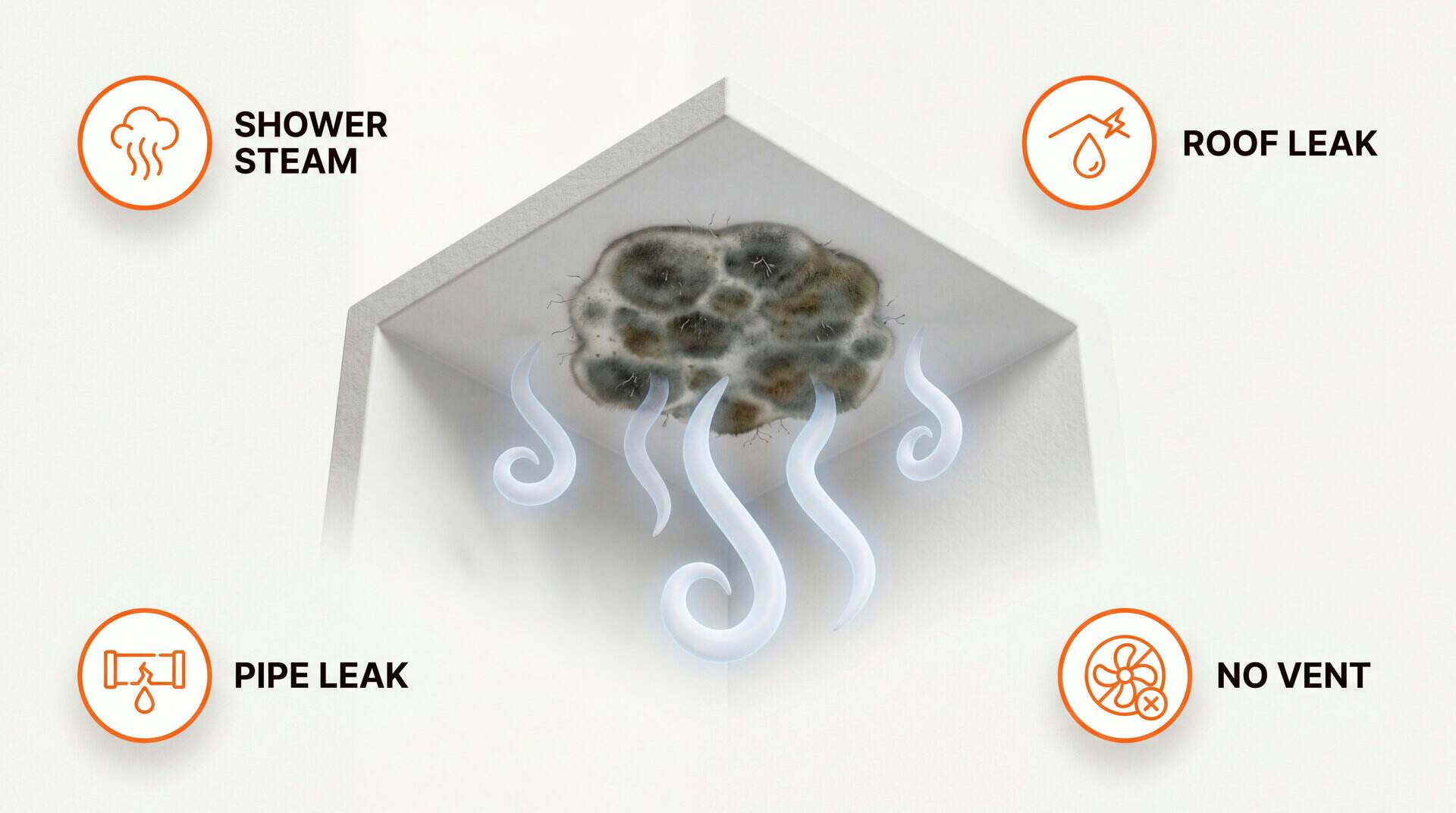
Ceiling mold comes from four sources: roof leaks, bathroom steam, HVAC condensation, or poor attic ventilation. Roof leak mold shows up as brown stains that get worse after rain. Condensation mold spreads in corners and along edges in winter. Fix the moisture source first. If the drywall is soft or sagging, call a professional.

The 4 causes of ceiling mold

1. Roof leaks: A damaged roof lets water drip onto the top of the ceiling drywall. The water soaks through and creates a brown stain that grows over time. Mold follows the moisture. Common roof leak causes include missing or damaged shingles, cracked flashing around chimneys and vents, clogged gutters that force water under the roof edge, and ice dams in cold climates. Roof leak mold gets worse after rain and appears directly below the leak point.

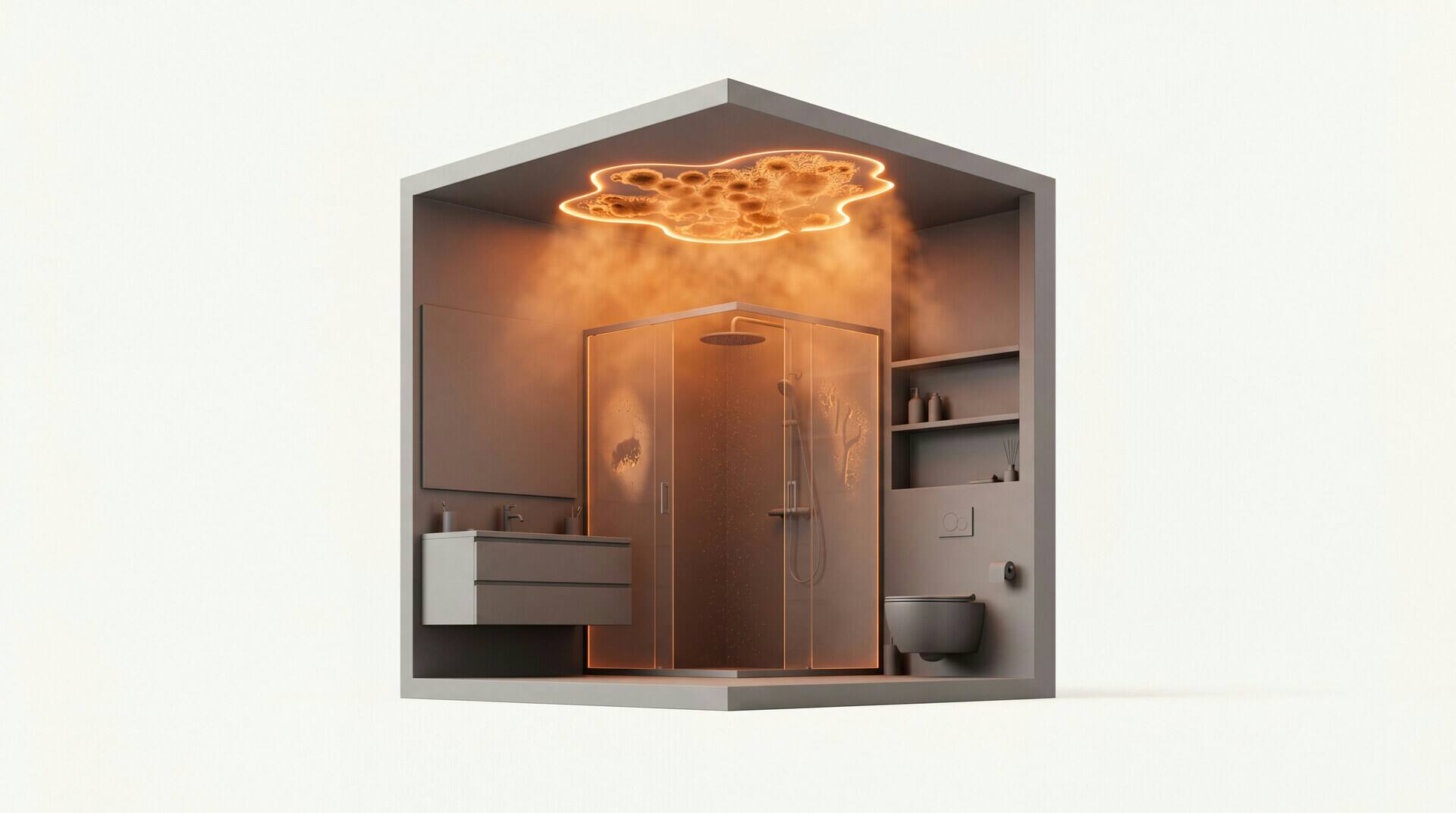
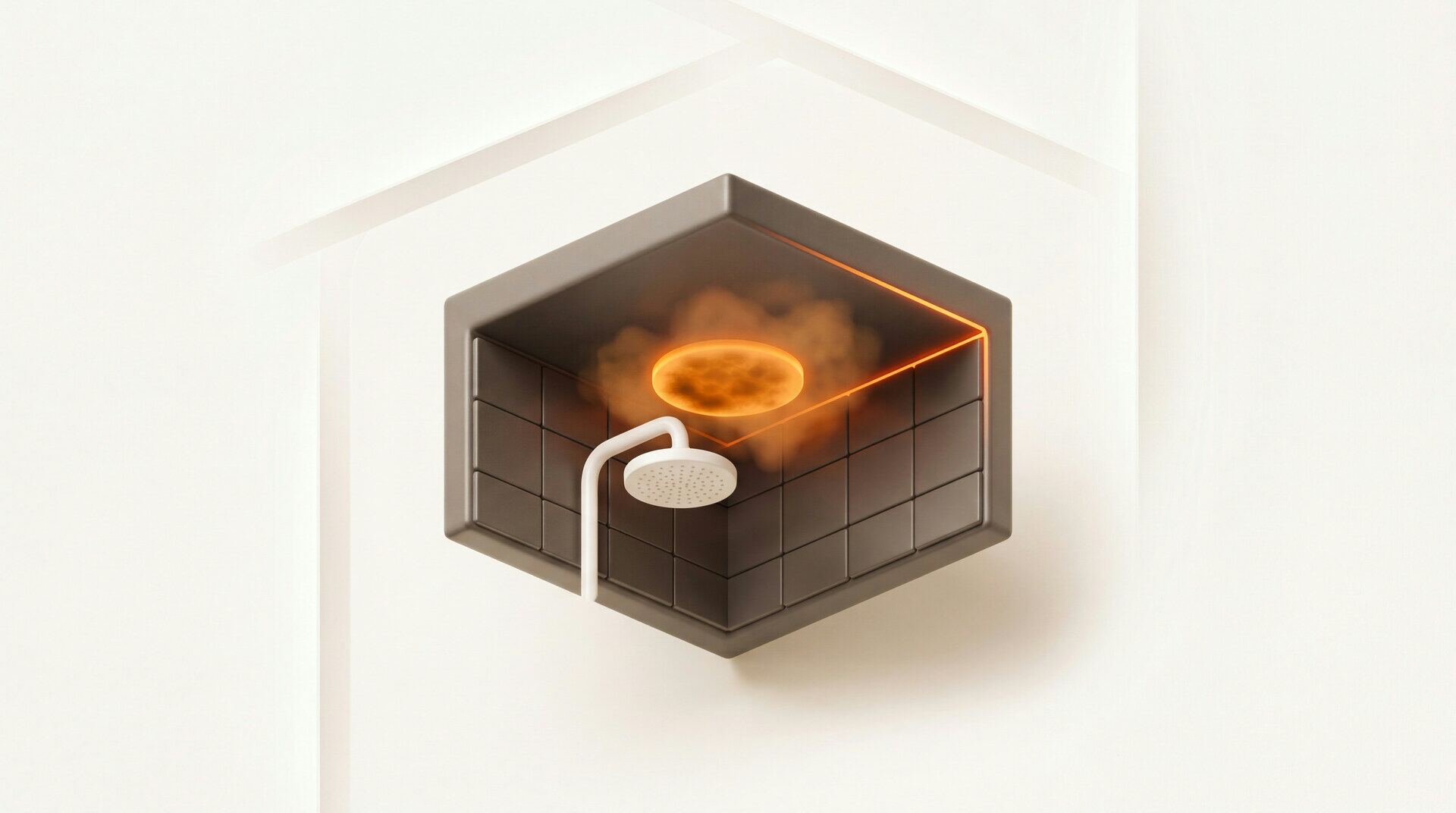
2. Bathroom steam: Hot steam from the shower rises and hits the ceiling. If the bathroom does not have an exhaust fan, or if the fan is too weak, that moisture condenses on the ceiling surface. Over time, mold grows. This is the most common cause of ceiling mold in bathrooms. The fix is simple: run the exhaust fan for 20 minutes after every shower.

3. HVAC condensation: Cold air from AC supply registers creates temperature differences on the ceiling around the register. Warm room air hits the cold spot and condenses. You may see mold rings around ceiling vents, or dark lines along the edges of HVAC ductwork running through the attic. Poorly insulated ducts in the attic are a major cause. When cold air runs through an uninsulated duct in a hot attic, condensation forms on the outside of the duct and drips onto the ceiling.

4. Poor attic ventilation: Warm, moist air from the living space rises into the attic through gaps around light fixtures, pipes, and the attic hatch. If the attic does not have enough ventilation, that moisture gets trapped. It condenses on the underside of the roof sheathing and can drip down onto the ceiling below. Signs include mold on the ceiling directly below the attic, frost on attic nails in winter, and a hot, humid attic in summer.

Roof leak vs condensation: how to tell the difference

This is the most important distinction because the fix is completely different.

Signs it is a roof leak: There is a defined brown water stain on the ceiling, often circular or oval. The stain has clear edges. It gets worse after rain. The mold is concentrated in or around the stain. The drywall may feel soft, sag, or even drip when you push on it. If you go into the attic above the stain, you may see wet insulation or water marks on the roof sheathing.

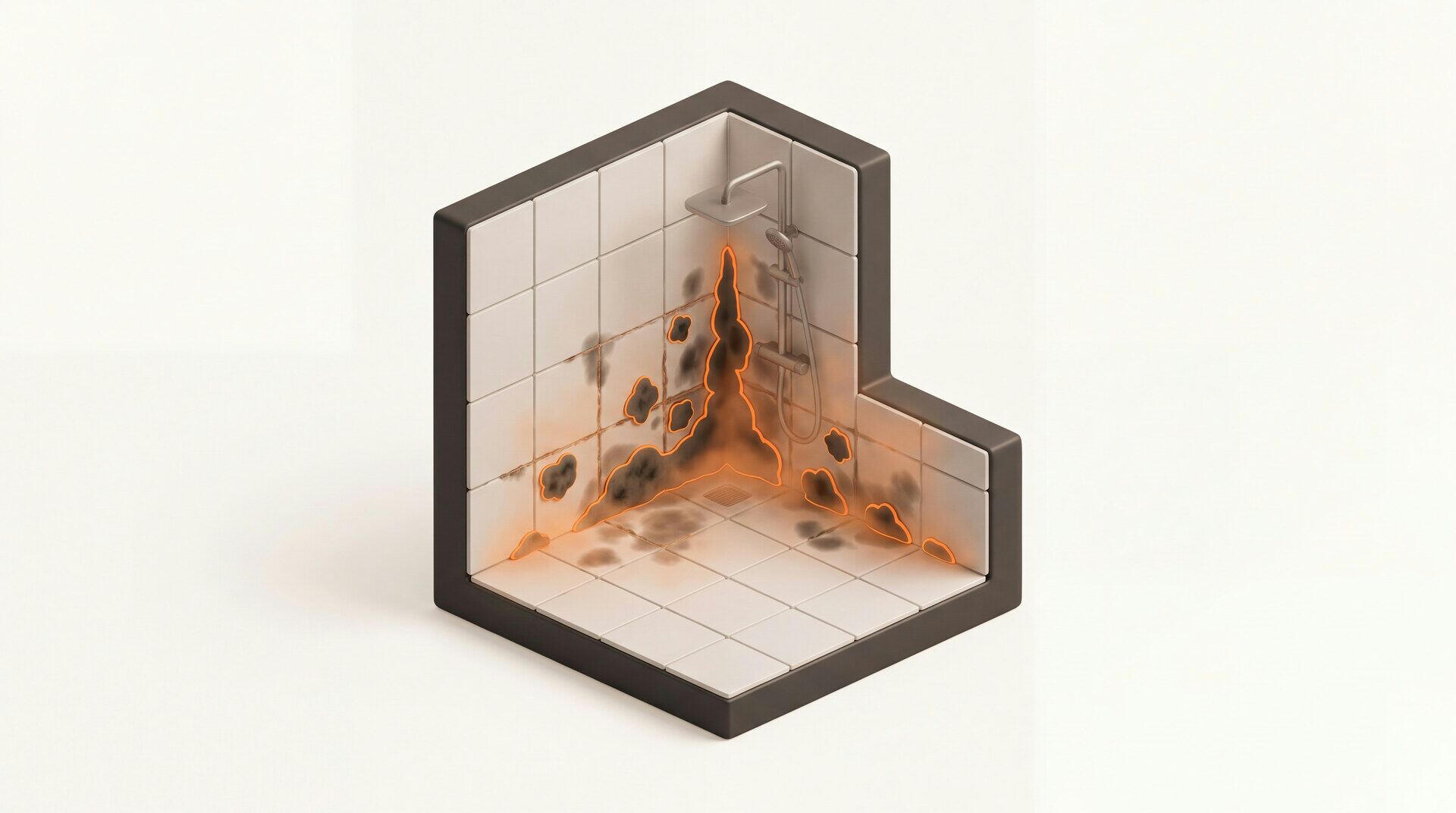
Signs it is condensation: The mold spreads in the corners of the room where walls meet the ceiling. It follows edges and geometry rather than a single point. It gets worse in winter when the temperature difference between inside and outside is greatest. There is no brown water stain. The pattern is diffuse, not concentrated. Bathrooms, kitchens, and bedrooms with poor ventilation are the most common rooms for condensation mold.

Signs it is HVAC related: The mold appears around ceiling supply registers or return vents. You see dark outlines that follow ductwork paths. The mold is only on ceilings with ductwork above them. The problem may be worse when the AC runs frequently in summer.

The rain test: Watch the ceiling spot during and after the next rainstorm. If it gets darker, wetter, or grows after rain, it is almost certainly a roof leak. If rain has no effect, it is likely condensation or HVAC related.

How to remove mold from the ceiling

Ceiling water damage with potential mold growth pattern

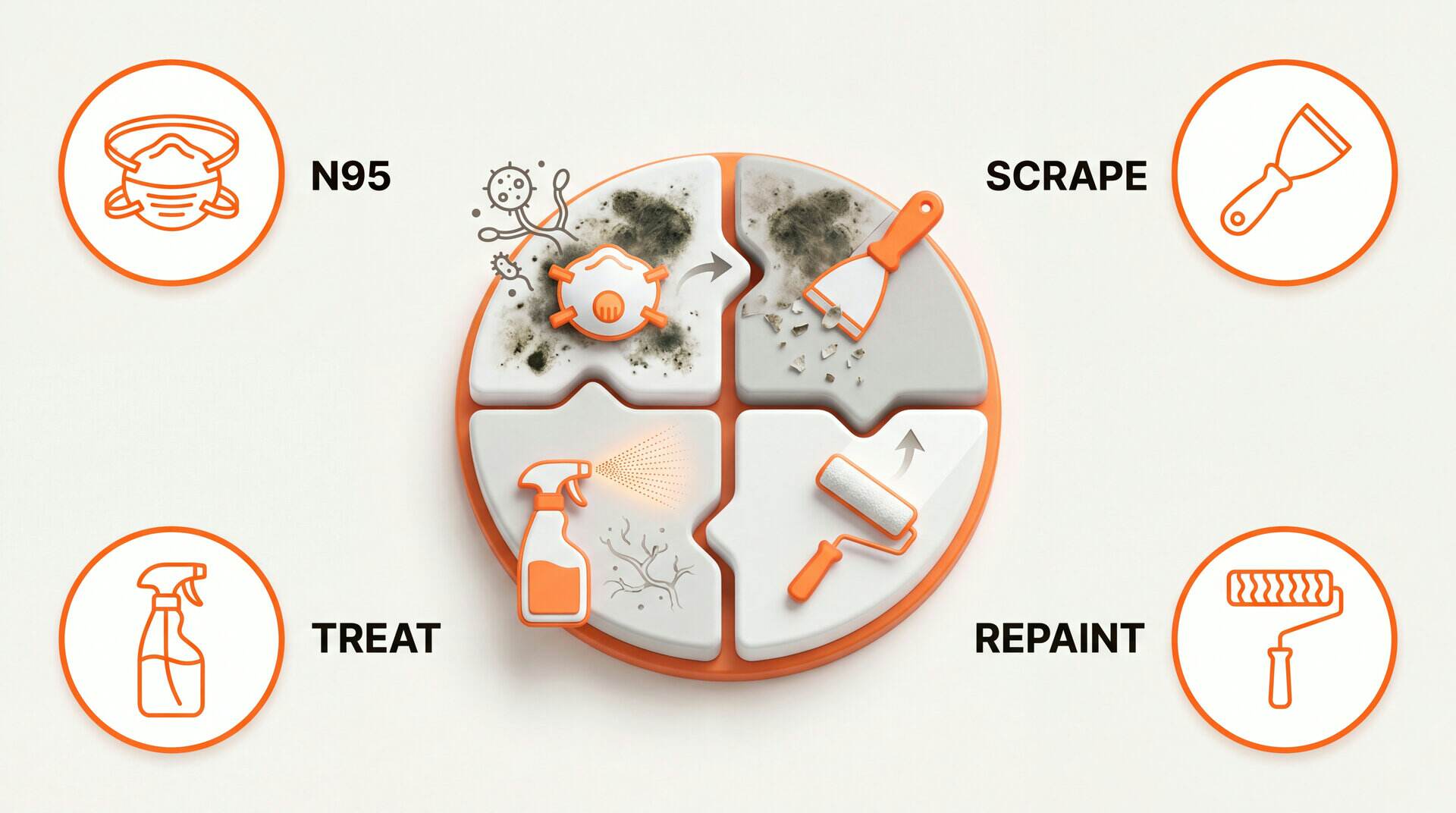
DIY safe (less than 10 sq ft, solid drywall): Lay plastic sheeting on the floor below the work area. Wear an N95 mask and safety goggles. Spray the moldy area with 3% hydrogen peroxide. Let it sit for 10 minutes. Wipe with a clean cloth. For textured or popcorn ceilings, HEPA vacuum first to remove loose spores, then spray and blot. Do not scrub textured ceilings as this releases more spores. Let the ceiling dry completely. Repaint with mold resistant paint that contains a mildew resistant additive.

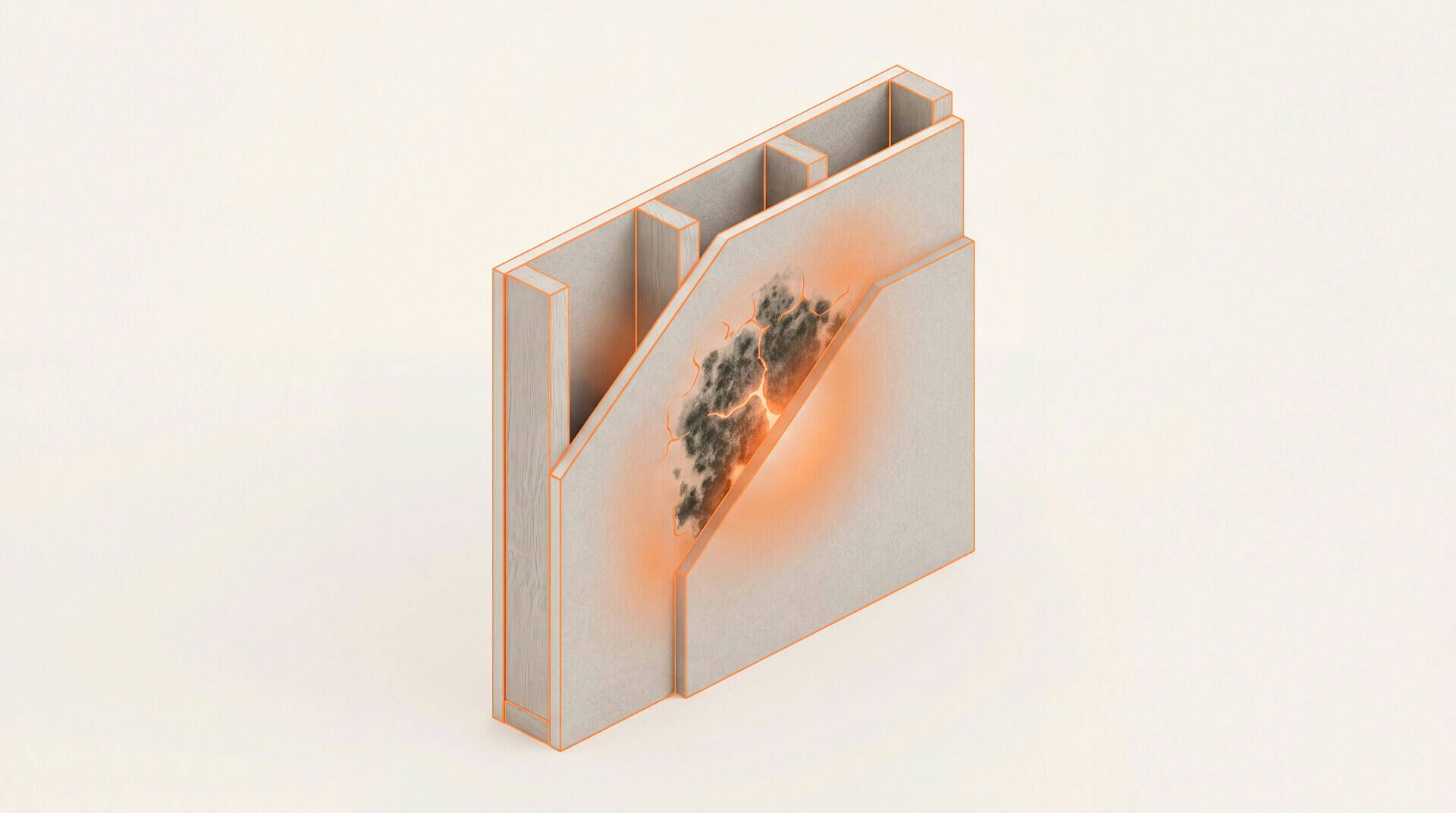
When NOT to DIY: If the drywall is soft, wet, or sagging, the moisture has saturated the gypsum core. The drywall needs to be cut out and replaced. This is structural work and often reveals hidden mold on the framing above. If the mold covers more than 10 square feet, the EPA recommends professional remediation. If anyone in the home has respiratory symptoms, allergies that get worse at home, or a known sensitivity to mold, call a professional and stay out of the room.

After removal, fix the source: Cleaning mold without stopping the moisture is temporary. If it is a roof leak, fix the roof. If it is condensation, improve ventilation. If it is HVAC, insulate the ducts. The mold will come back within weeks if the moisture source remains.

When to fix it yourself vs call a roofer

Fix it yourself if: The mold is in a bathroom ceiling and you do not have an exhaust fan or do not use it long enough. Install or upgrade the fan. The mold is less than 10 square feet and the drywall is solid. The pattern matches condensation, not a leak. You can improve ventilation with simple changes like running fans, opening windows, or adding a dehumidifier.

Call a roofer if: You see a brown water stain that gets worse after rain. The drywall is soft, wet, or sagging. You find wet insulation in the attic above the stain. The mold is on a top floor ceiling directly below the roof. Missing shingles or damaged flashing is visible from outside.

Call an HVAC technician if: The mold is around ceiling supply or return vents. You see condensation dripping from ductwork in the attic. The problem gets worse when the AC runs. The ducts in the attic are not insulated or have damaged insulation.

Call a mold professional if: The mold covers more than 10 square feet. The drywall needs to be removed. Anyone in the home has mold related health symptoms. You have cleaned the mold multiple times and it keeps coming back within weeks.

EPA CDC WHO Harvard Berkeley Lab IICRC

Not sure what is causing your ceiling mold?

Our app walks you through 160 professional mold hotspots room by room. It helps you identify whether your ceiling mold is from a leak, condensation, or HVAC. Same checklist every IICRC certified inspector uses. AI powered verdict in 5 minutes.

Get Early Access

Frequently Asked Questions

What causes mold on the ceiling?

Mold on the ceiling is caused by moisture from one of four sources: a roof leak dripping onto the drywall, bathroom steam rising and condensing on the cool ceiling, HVAC condensation from supply registers or ductwork, or poor attic ventilation trapping warm moist air above the ceiling. The cause determines the fix.

How do I tell if ceiling mold is from a leak or condensation?

Roof leak mold creates a defined brown water stain, usually circular, with mold growing in or around the stain. It gets worse after rain. Condensation mold spreads in corners and along edges where airflow is weakest. It gets worse in winter when warm indoor air meets the cold ceiling. Condensation patterns are diffuse and follow room geometry. Leak patterns follow gravity and pipe runs.

Can I clean ceiling mold myself?

If the moldy area is less than 10 square feet and the ceiling is solid with no sagging or soft spots, you can clean it yourself. Spray hydrogen peroxide on the mold, wait 10 minutes, and wipe clean. For textured ceilings, use a HEPA vacuum first. If the drywall is soft, wet, or sagging, the damage is structural and you need a professional.

When should I call a roofer for ceiling mold?

Call a roofer if the mold is directly below the roof and gets worse after rain, if you see brown water stains on the ceiling, if the drywall is soft or sagging, if the mold covers more than 10 square feet, or if you find wet insulation in the attic above the moldy spot. Condensation mold does not need a roofer. It needs better ventilation.

Related guides

Mold colony spreading across a gypsum drywall surface
2.4K/mo searches
Mold in Attic
Ventilation problems and roof sheathing mold.
5.4K/mo searches
Mold in Bathroom
Complete bathroom mold guide. All 6 hiding spots.
9.9K/mo searches
Mold on Walls
Behind drywall, exterior walls, paint bubbles.
5.4K/mo searches
Mold Inspection Cost
What a professional inspection includes and costs.

Keep Reading

Mold in Attic: Ventilation Problems, Roof Sheathing + How to Fix
Read more
Mold in Bathroom: Where It Hides + How to Stop It for Good
Read more
How to Identify and Remove Mold on Walls: Complete Guide
Read more
Mold Inspection Cost: What You Pay + What Is Included
Read more

Think you might have mold?

Scan 160 hotspots with your phone. Get a forensic grade AI verdict in 5 minutes. No $670 inspector needed.

Scan Your Home Free