
The Research Behind Mold Scanner AI

Every claim we make is backed by a published source. Here is every study, protocol, and expert we cite, organized so you can check our work.

Federal Agencies

A Brief Guide to Mold, Moisture, and Your Home

EPA (U.S. Environmental Protection Agency) · Updated 2024

The federal government's main guide for homeowners. Covers how mold grows, health effects, cleanup for small areas, and when to hire a professional. The EPA says if the mold area is larger than 10 square feet, hire a pro.

Read the EPA guide

Mold: Basic Facts

CDC (Centers for Disease Control and Prevention) · Updated 2024

The CDC fact sheet on mold health effects. Confirms that mold exposure can cause stuffy nose, wheezing, red or itchy eyes, and skin irritation. People with mold allergies or asthma may have more severe reactions.

Read the CDC fact sheet

WHO Guidelines for Indoor Air Quality: Dampness and Mould

World Health Organization (WHO) · 2009

The global standard for indoor air quality related to mold. Found that living in damp or moldy buildings increases the risk of respiratory symptoms, asthma, and allergic reactions by 30% to 50%. Recommends keeping indoor humidity below 50%.

Read the WHO guidelines

Academic Research

Public and Private Burden of Illness from Dampness and Mold

Mudarri D, Fisk WJ · Lawrence Berkeley National Laboratory · Indoor Air, 2007

The landmark study that found 47% of U.S. homes have dampness or mold problems. Estimated the annual cost of mold related illness at $3.5 billion. This is the most cited mold prevalence statistic in the field.

View on PubMed

Chronic Rhinosinusitis: An Enhanced Perspective

Mayo Clinic Research Team · Mayo Clinic Proceedings, 1999

Found that fungal organisms were present in 93% of chronic sinus infections studied. This challenged the common belief that most sinus infections are bacterial. Changed how doctors think about treating chronic sinus problems.

SARS CoV 2 Is Associated with Changes in Brain Structure in UK Biobank

Douaud G et al. · Nature, 2022

Brain imaging study showing COVID 19 can cause measurable changes in brain structure, including reduction in grey matter. Relevant to mold illness because CIRS (Chronic Inflammatory Response Syndrome) shows similar neuroinflammatory patterns, and both share biotoxin exposure pathways.

Read in Nature

Clinical Experts

Toxic (2018) and The Sensitive Patient's Healing Guide

Environmental health research

Written by a board certified family physician who specializes in patients with mold illness, Lyme disease, and environmental sensitivities. These books explain how the body's detox systems get overwhelmed by mold toxins and lay out step by step treatment protocols.

Surviving Mold

150+ published papers · Creator of the CIRS protocol

The foundational research that defined Chronic Inflammatory Response Syndrome (CIRS) and created the diagnostic and treatment protocol used worldwide. The associated Visual Contrast Sensitivity (VCS) test is a screening tool for biotoxin illness that you can take online. This research shows that about 25% of people carry genes (HLA DR) that make them unable to clear mold toxins normally.

Visit SurvivingMold.com

Break the Mold (2018)

Naturopathic mold illness guide

Written by a naturopathic doctor, this is the most practical guide for mold illness recovery. The book covers five steps: avoid exposure, protect your body, purge mycotoxins, prepare your home, and prevent future exposure. Written for patients, not doctors.

Beth O'Hara, FN

Functional Naturopath · MCAS specialist

Specializes in Mast Cell Activation Syndrome (MCAS), which is often triggered or worsened by mold exposure. Explains the connection between mold, histamine intolerance, and the cascade of symptoms that doctors often misdiagnose as anxiety or allergies.

Screening Instruments

BREESI (Brief Environmental Exposure and Sensitivity Inventory)

Palmer RF et al. · International Journal of Environmental Research and Public Health, 2021

A validated 3 question screening tool that identifies people who may have chemical, mold, or electromagnetic sensitivities. Validated on over 10,000 patients. Mold Scanner AI uses the BREESI framework as the basis for our adaptive health questionnaire. If you score positive, the tool recommends the full QEESI assessment.

View on PubMed

QEESI (Quick Environmental Exposure and Sensitivity Inventory)

Miller CS · Toxicology and Industrial Health, 1999

The full version of the BREESI. A detailed questionnaire that measures sensitivity to chemicals, foods, and environmental exposures on a 0 to 10 scale. Used by environmental medicine doctors to assess patients before treatment. The gold standard screening tool for environmental illness.

CIRS VCS (Visual Contrast Sensitivity) Test

CIRS Research · SurvivingMold.com

A vision based screening test for biotoxin illness. People with active mold exposure often lose the ability to see certain contrast patterns. The test takes about 15 minutes online. A failed VCS test does not prove mold illness, but it is a strong indicator that something is affecting your nervous system.

Take the VCS test

Treatment Research

Dynamic Neural Retraining System (DNRS) Feasibility Study

Guenter D et al. · 2019

A study exploring whether brain retraining programs can help people with chronic illness from environmental exposures. DNRS uses neuroplasticity to retrain the brain's threat response, which gets stuck in a loop after mold or chemical exposure. Patients reported significant improvement in symptoms after completing the program.

Amygdala Conditioning and Chronic Fatigue Syndrome

Gupta A · Medical Hypotheses, 2002

Proposed that chronic fatigue syndrome (and by extension, mold illness) involves a conditioned response in the amygdala, the brain's fear center. When the amygdala gets sensitized by biotoxins, it keeps the body in a permanent stress response even after the original exposure is gone. This became the basis for the Gupta Programme for brain retraining.

Industry Standards

IICRC S520 Standard for Professional Mold Remediation (Fourth Edition)

Institute of Inspection, Cleaning and Restoration Certification · 2015

The industry standard that every certified mold remediation company follows. Covers assessment, containment, air filtration, removal, cleaning, and post remediation verification. Mold Scanner AI's 160 point checklist is built on the inspection framework described in this standard.

View IICRC S520

A Brief Guide to Mold, Moisture, and Your Home

EPA · Publication EPA 402 K 02 003

The EPA's practical homeowner guide that covers identifying moisture problems, cleaning mold from hard surfaces, and knowing when professional help is needed. The key rule: if the moldy area is bigger than 10 square feet (about 3 feet by 3 feet), hire a professional.

Consumer Experts

MOLDY (documentary, 2015)

Environmental health advocacy · Bulletproof

This documentary brought mold illness into mainstream awareness. The film interviews doctors, researchers, and patients who were affected by toxic mold. The filmmaker spent years dealing with mold related cognitive issues before identifying the cause.

10X Health · Genetic Health Research

Human biology · MTHFR research

Focuses on genetic factors (especially MTHFR mutations) that affect how the body processes and eliminates toxins, including mycotoxins from mold. People with certain MTHFR variants have reduced ability to methylate and detoxify, which makes them more vulnerable to mold illness.

The Mold Medic (2022)

IICRC and ACAC certified · Remediation science

Written by a certified mold remediation expert who bridges the gap between the remediation industry and the health community. The three pillar framework (fix the source, remediate, maintain) is the most practical approach for homeowners. Based on IICRC and ACAC certified field experience, not just theory.

Built on real research. Free for everyone.

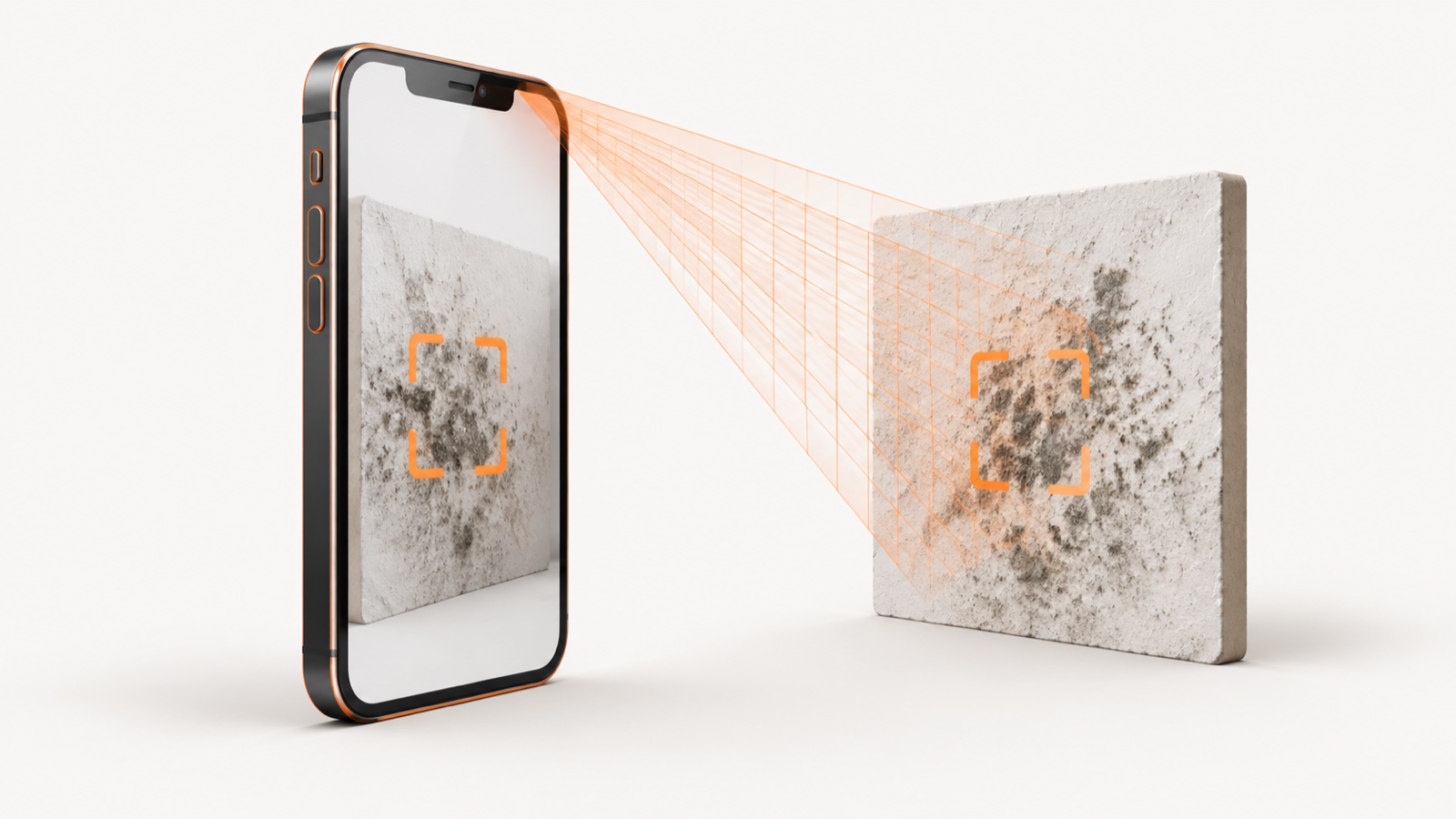
Mold Scanner AI uses these sources to give you expert level analysis from your phone. No $670 inspector needed.

Get Early Access