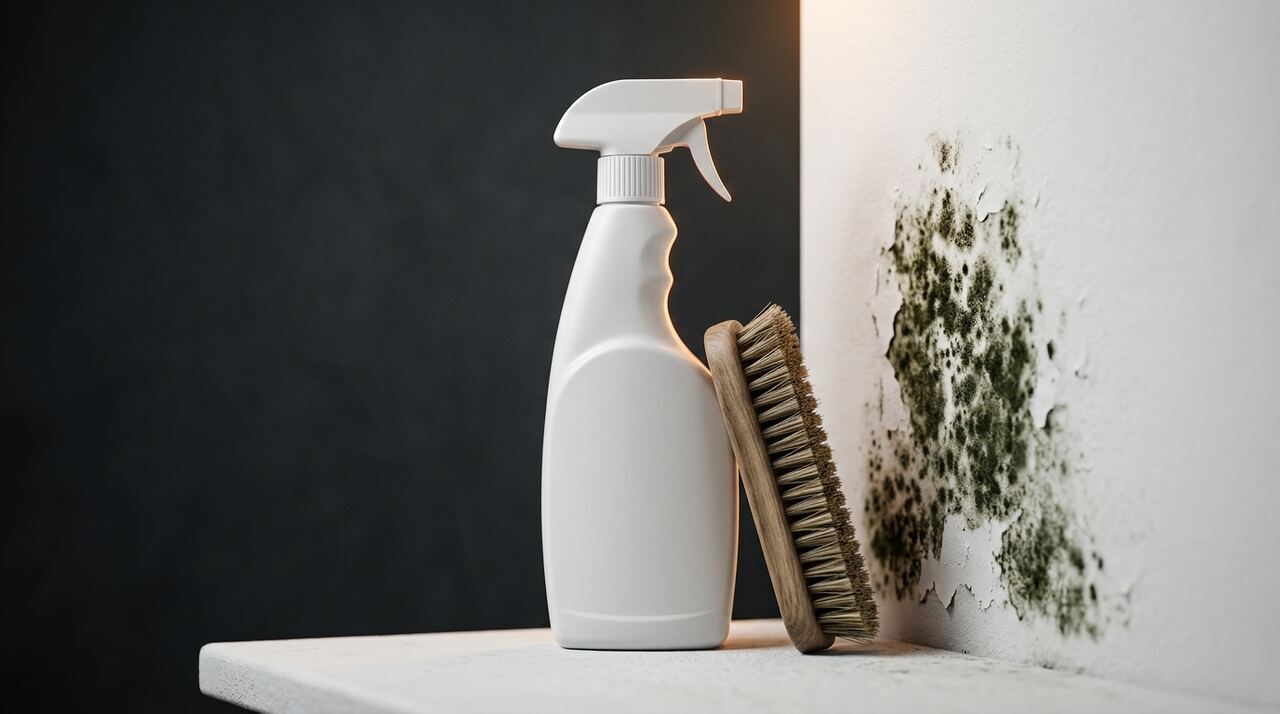
The Short Answer
Bleach kills mold sometimes. The honest answer depends on what the mold is growing on. On a hard surface that water cannot soak into, like a glass shower door or a ceramic tile, bleach wipes out the mold you can see. On a soft, porous surface like wood, drywall, or grout, bleach makes the problem worse over time.
Here is the part most labels leave out. Household bleach is mostly water. The active chlorine sits on top of a porous surface and evaporates fast. The water underneath sinks deep into the material, right down to the mold roots, and gives them exactly what they need to grow back. You wipe away the stain, feel good for a week, then the mold returns in the same spot.
That is why the EPA says bleach is not recommended as a routine way to clean up mold. If you are dealing with mold on a wall or wood, skip the bleach and read our full guide on how to get rid of mold the right way.
What Bleach Actually Does to Mold
Chlorine bleach is a strong oxidizer. When it touches mold on a hard surface, it breaks down the pigment and the surface cells fast. The black or green stain lifts and the spot looks clean. On glass, sealed tile, metal, and plastic, that is a real result. The mold sits on top, the bleach reaches all of it, and the colony dies.
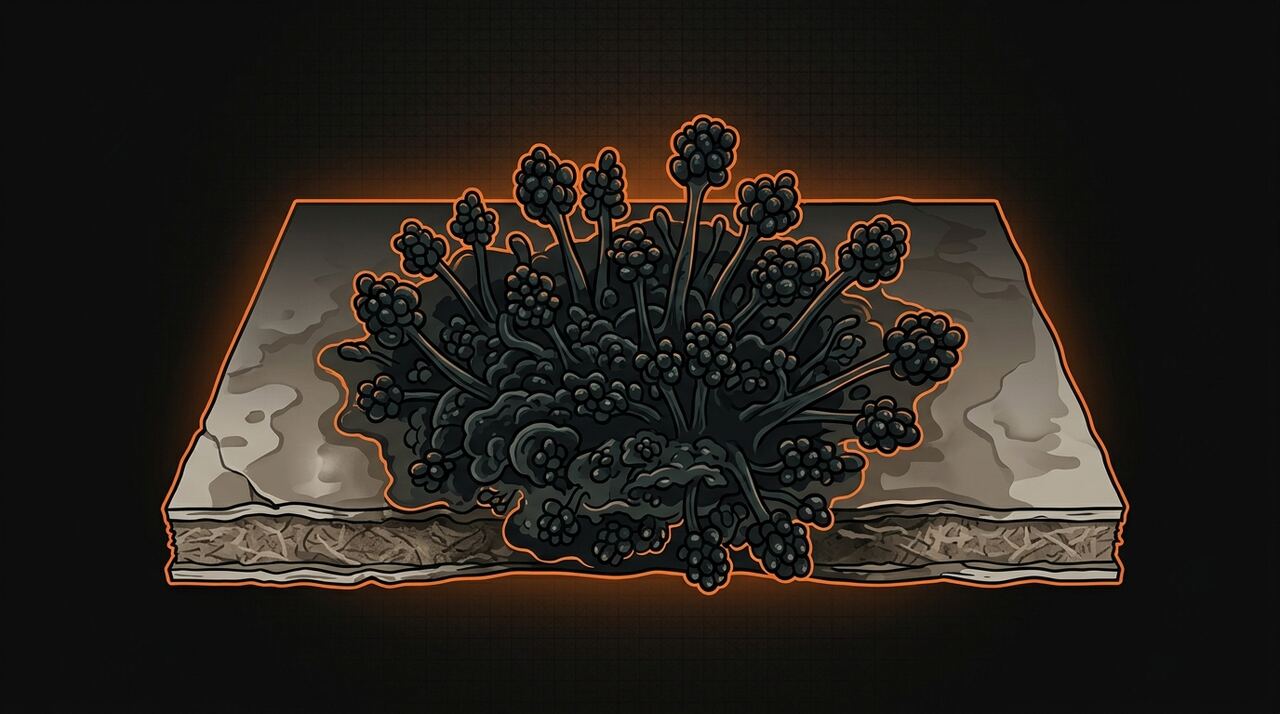
The trouble starts the moment the surface has pores. Wood, drywall, grout, fabric, and ceiling tile all act like sponges. Mold growing on these materials does more than sit on the surface. It sends out root threads called hyphae that grow down into the material, the same way plant roots grow into soil.
Bleach cannot follow those roots. The chlorine ion is too reactive to travel deep. It spends itself fighting the surface and the material itself before it ever reaches the roots below. So the visible mold disappears and the living part of the colony stays alive, hidden, and fed. This is the core reason a single bleach wipe almost never ends a real mold problem on a porous surface.
Why Bleach Fails on Wood and Drywall
Three things happen at once when you pour bleach on mold growing in wood or drywall. Each one works against you.
The chlorine cannot penetrate. Chlorine is built to react on contact. It hits the top layer of the material and stops. The mold roots are millimeters or more below that, safe from the part of bleach that actually kills.
The water soaks in and feeds the roots. A jug of household bleach is roughly 90 percent or more water. While the chlorine fizzes off the surface, that water wicks straight down into the wood or drywall. Mold needs moisture above all else. You just delivered a fresh drink right to the roots you were trying to kill.
The mold comes back. Within a few days, the colony that survived under the surface pushes new growth right back up through the same spot. Often it looks worse, because the extra moisture spread the roots wider than before. Now you are scrubbing a bigger patch with the same tool that failed the first time.
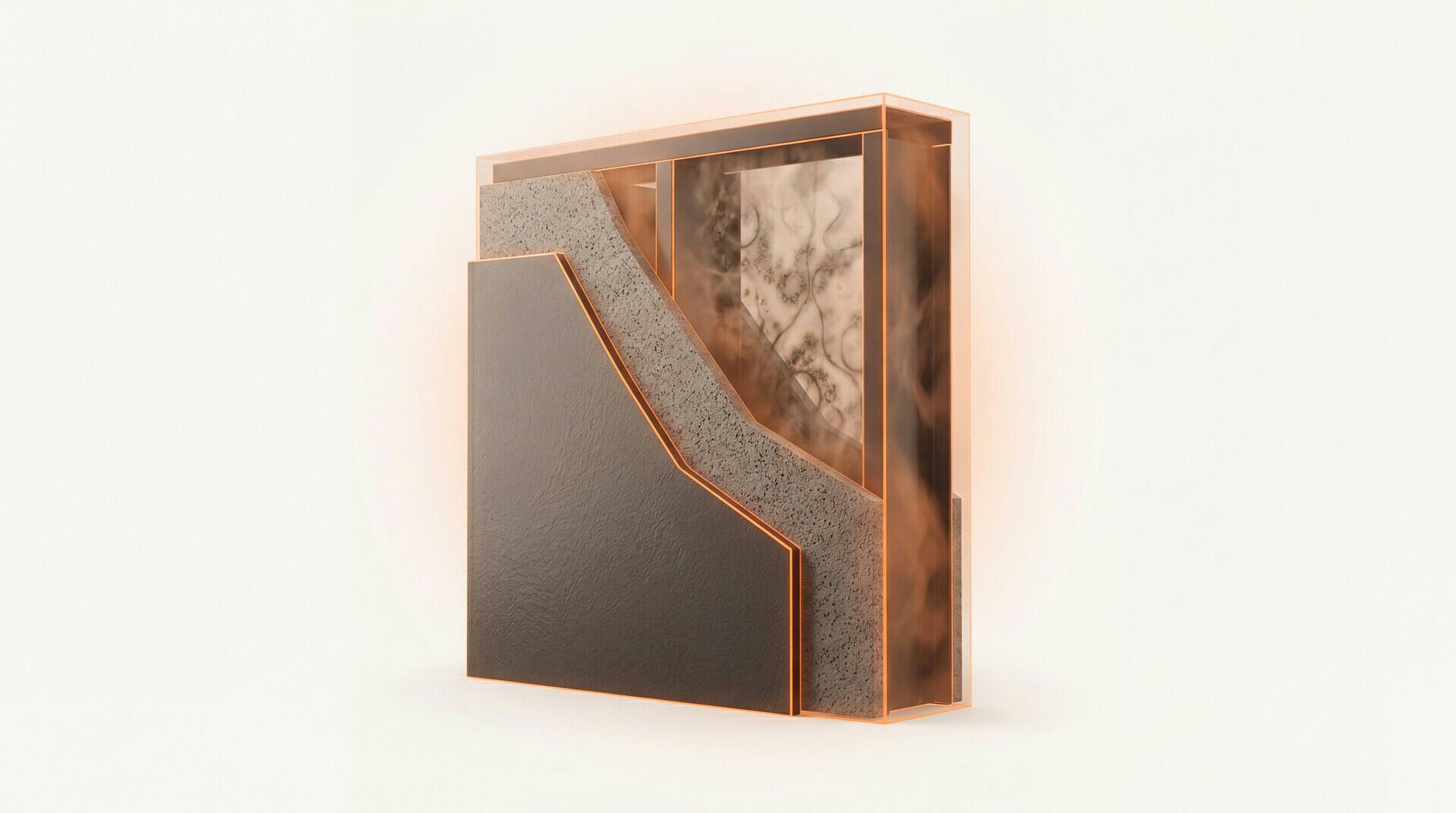
This pattern is why so many people think their mold is impossible to kill. It is not. The tool was wrong for the surface. Mold on the paper face of drywall has usually grown through to the back, which means cleaning will not save it. The fix is to cut out the affected drywall and replace it, then dry the cavity. Some discoloration that looks like black mold on a wall is exactly this kind of deep, porous growth that bleach can never reach. The same logic applies to most mold on walls, where a coat of paint hides roots that ran deep into the drywall behind it.
The Non-Porous Exception
There is one place bleach earns its spot: hard, non-porous surfaces. Glass, glazed ceramic tile, sealed countertops, metal fixtures, fiberglass tubs, and plastic shower surrounds do not let liquid soak in. Mold on these surfaces lives entirely on top, so a diluted bleach solution can reach all of it and wipe the colony out.
If you go this route, the common mix is about one cup of bleach to one gallon of water. Apply it, let it sit for a few minutes, then wipe and rinse. It works on a shower door or a glass jar. It is a real option for small, hard-surface jobs.
On sealed, non-porous surfaces where bleach is suitable, a standard product like Clorox Regular Bleach is the common choice.
Check Price on Amazon →Affiliate disclosure: the link above is an affiliate link. If you buy through it, Mold Scanner AI may earn a small commission at no extra cost to you.
Two real drawbacks remain even here. First, the fumes. Bleach off-gases chlorine, and a closed bathroom traps it fast, which stings your eyes and lungs. Always open a window and run the fan. Second, bleach leaves no residual protection. The moment it dries, the surface is open to new spores again, because bleach does nothing to stop regrowth.
That second point matters most. Products built for mold do more than wipe the stain. A purpose-made cleaner can leave a thin protective layer behind. For most people, the smarter move on hard surfaces too is a no-fume product that both cleans and guards the surface, which we cover next.
What to Use Instead
You have three reliable picks that beat bleach on almost every surface, with no harsh fumes and, in one case, no scrubbing at all. We compare them in depth in our guide to , but here is the quick version.
| Cleaner | Best for | How it works | Scrubbing |
|---|---|---|---|
| a no-bleach mold-control product | Most surfaces, no-scrub jobs | Dries into a thin film that crushes the spores and leaves an antimicrobial shield against regrowth | Little to none |
| 3% hydrogen peroxide | Tile, grout, counters, small spots | Bubbles into the surface and breaks the mold down through oxidation | Light scrub after 10 minutes |
| White vinegar (undiluted) | Hard surfaces, light growth | The acetic acid kills many common mold species on contact | Light scrub after 60 minutes |
a no-bleach mold-control product is our no-scrub pick. You spray it on, let it dry, and the thin film crushes the spores as it sets while leaving a shield against regrowth. No fumes, no bleach smell, and the residual layer is something bleach can never offer. We break down exactly how it performs in our .
3% hydrogen peroxide is the cheap workhorse. You can buy it at any pharmacy. Spray it on tile or grout, wait about 10 minutes while it bubbles, then scrub and wipe. Our hydrogen peroxide for mold guide covers the right strength and timing.
White vinegar, used undiluted, kills many common household molds on hard surfaces. It has a sharp smell that fades as it dries, and you should skip it on natural stone and waxed wood. See our full breakdown on whether vinegar kills mold.
For any patch larger than 10 square feet, stop and hire a qualified mold remediation professional. Look for firms that follow the IICRC S520 standard. ACAC or RIA credentials and state licenses count too. Big jobs hide mold inside walls and need containment, and the wrong cleanup can spread spores through the whole house.
Safety Rules
Whatever you reach for, a few rules keep you safe. Mold cleanup stirs up spores, and some cleaners turn dangerous the moment they meet the wrong partner.
- Never mix bleach with ammonia. The combination makes toxic chloramine gas that can burn your airways. Many glass cleaners contain ammonia, so never combine bleach with another household cleaner.
- Never mix bleach with vinegar. Bleach plus an acid like vinegar releases chlorine gas. Pick one cleaner and use it on its own. If you want something stronger than vinegar, use a mold-control product or hydrogen peroxide alone, not blended with bleach.
- Ventilate the room. Open a window and run an exhaust fan before you start. Good airflow clears fumes and carries loose spores out instead of letting them settle on you.
- Wear protection. Put on an N95 mask, rubber or nitrile gloves, and goggles. The mask keeps spores out of your lungs, the gloves protect your skin from both mold and cleaners, and the goggles guard your eyes from splashes and fumes.
- Fix the moisture first. Mold returns within 24 to 48 hours if the water source is still there. Find the leak or drop the humidity below 50 percent before you bother cleaning, or you will be back at the same spot in days.
If a wall feels soft, smells musty, or hides growth behind it, treat that as a sign of a deeper problem and follow the full mold removal steps instead of a quick surface wipe.
Frequently asked questions
Does bleach kill mold?
Bleach kills mold on hard, non-porous surfaces like tile, glass, and bathtubs. On porous surfaces like wood and drywall it does not work. The chlorine cannot soak in, but the water in bleach does, and that water feeds the mold roots left behind. The EPA says bleach is not recommended as a routine way to clean up mold.
Why doesn't bleach work on wood and drywall?
Wood and drywall are porous, so they soak up liquid like a sponge. Bleach is mostly water. The chlorine stays on top where it evaporates, while the water carries down into the material and reaches the roots, called hyphae. Those roots survive and the mold grows back within days. You scrub off the color but not the living mold underneath.
Is it ever okay to use bleach on mold?
Yes, on hard non-porous surfaces. Tile, glass, sealed countertops, sinks, and tubs do not let bleach soak in, so a diluted bleach solution can wipe out surface mold there. Even then it leaves no protection against regrowth and the fumes are harsh. A no-bleach mold-control product or 3% hydrogen peroxide do the same job with no fumes.
What kills mold better than bleach?
a no-bleach mold-control product is a strong no-scrub pick. You spray it on, let it dry, and it crushes the spores while leaving a thin shield against regrowth. 3% hydrogen peroxide from any pharmacy oxidizes mold on tile and grout. Undiluted white vinegar kills many common mold species on hard surfaces. All three skip the toxic fumes.
Can you mix bleach and vinegar to kill mold?
No. Never mix bleach with vinegar, ammonia, or any other cleaner. Bleach plus vinegar or ammonia creates toxic chlorine or chloramine gas that can burn your lungs and eyes. Pick one cleaner and use it alone. If you want a stronger option than vinegar, use a mold-control product or hydrogen peroxide on their own, never combined with bleach.
Will bleach kill mold?
Bleach kills surface mold on hard, non-porous materials like glazed tile, glass, and sealed metal, where the whole colony sits on top and nothing soaks in. On porous materials like drywall and wood it does not, because the chlorine stays on the surface while the water in the bleach carries down into the pores and feeds the roots, so the mold grows back. The EPA does not recommend routine bleach for mold cleanup on porous surfaces. Never mix bleach with ammonia or an ammonia-based cleaner, since the combination releases toxic chloramine gas.
Sources
Every claim on this page traces to one of these. Links open the primary document.