
The One Rule That Prevents 90% of Mold

Keep it dry. That is it. Every mold prevention strategy is a variation of this single principle.
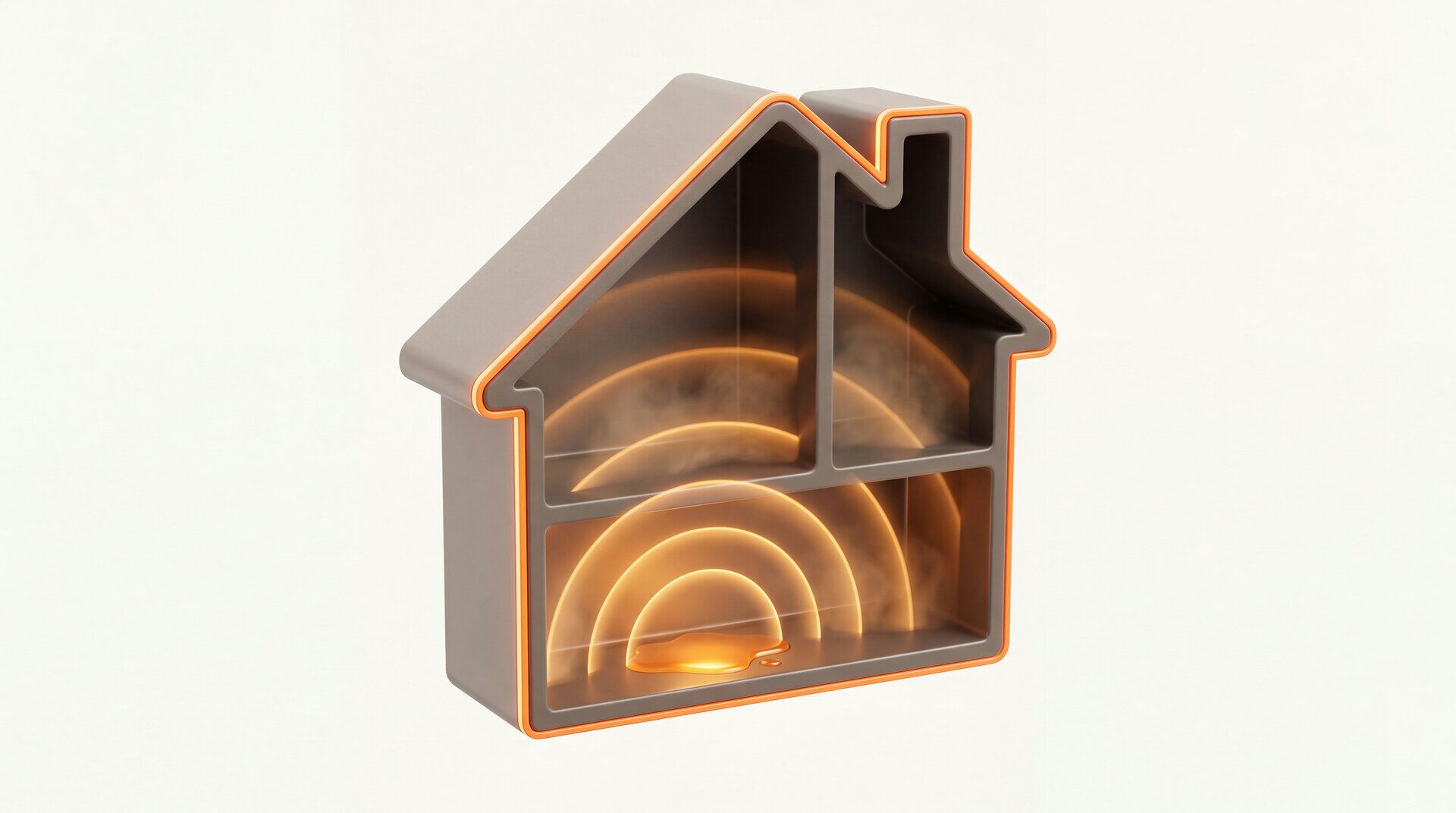
Mold needs four things to grow: moisture, an organic food source, oxygen, and temperature between 40 and 100 degrees Fahrenheit. You cannot remove organic materials (your house is made of them), oxygen, or comfortable temperatures from your home. Moisture is the only variable you can control.
The EPA states it simply: "The key to mold control is moisture control." Fix water problems within 24 to 48 hours and mold cannot establish itself. Let water sit and mold is inevitable.
Everything below is a practical application of this one rule.
15 Expert Backed Prevention Tips
1. Monitor humidity with a hygrometer. Buy a digital hygrometer ($10 to $20) for each level of your home. The EPA recommends keeping indoor relative humidity between 30% and 50%. If any room consistently reads above 50%, you have a problem to solve.
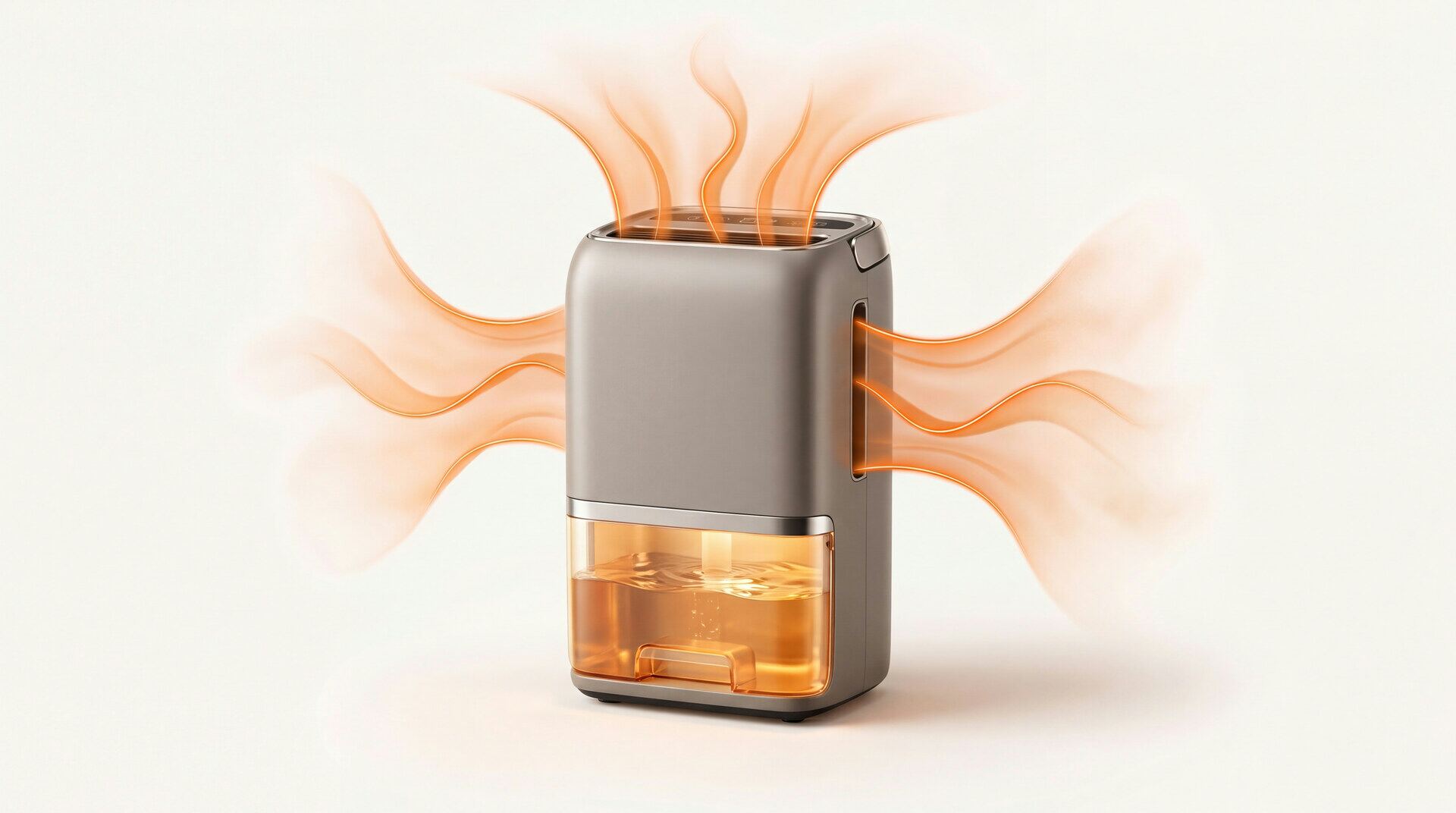
2. Run a dehumidifier in problem areas. Basements, crawl spaces, and laundry rooms often exceed 50% humidity even with good ventilation. A 50 pint dehumidifier ($200 to $300) with a built-in pump and drain hose runs continuously without emptying a bucket.
3. Fix leaks within 24 hours. A dripping faucet, weeping supply line, or slow roof leak creates enough moisture for mold in 24 to 48 hours. Check under sinks monthly. Inspect the attic after heavy rain. Repair immediately.
4. Run bathroom exhaust fans properly. Turn on the fan before you start the shower. Leave it running for 30 minutes after you finish. If your fan is loud or weak, replace it with a modern 80 to 110 CFM model. A timer switch ($25) automates the 30 minute run after the light turns off.
5. Ventilate the kitchen. Use the range hood when cooking, especially when boiling water or using the dishwasher. Steam from cooking adds significant moisture to indoor air.
6. Keep air moving in closets. Closets on exterior walls are dead air zones where cold wall surfaces create condensation. Leave closet doors open or use a small fan. Do not pack clothes tightly against exterior walls.
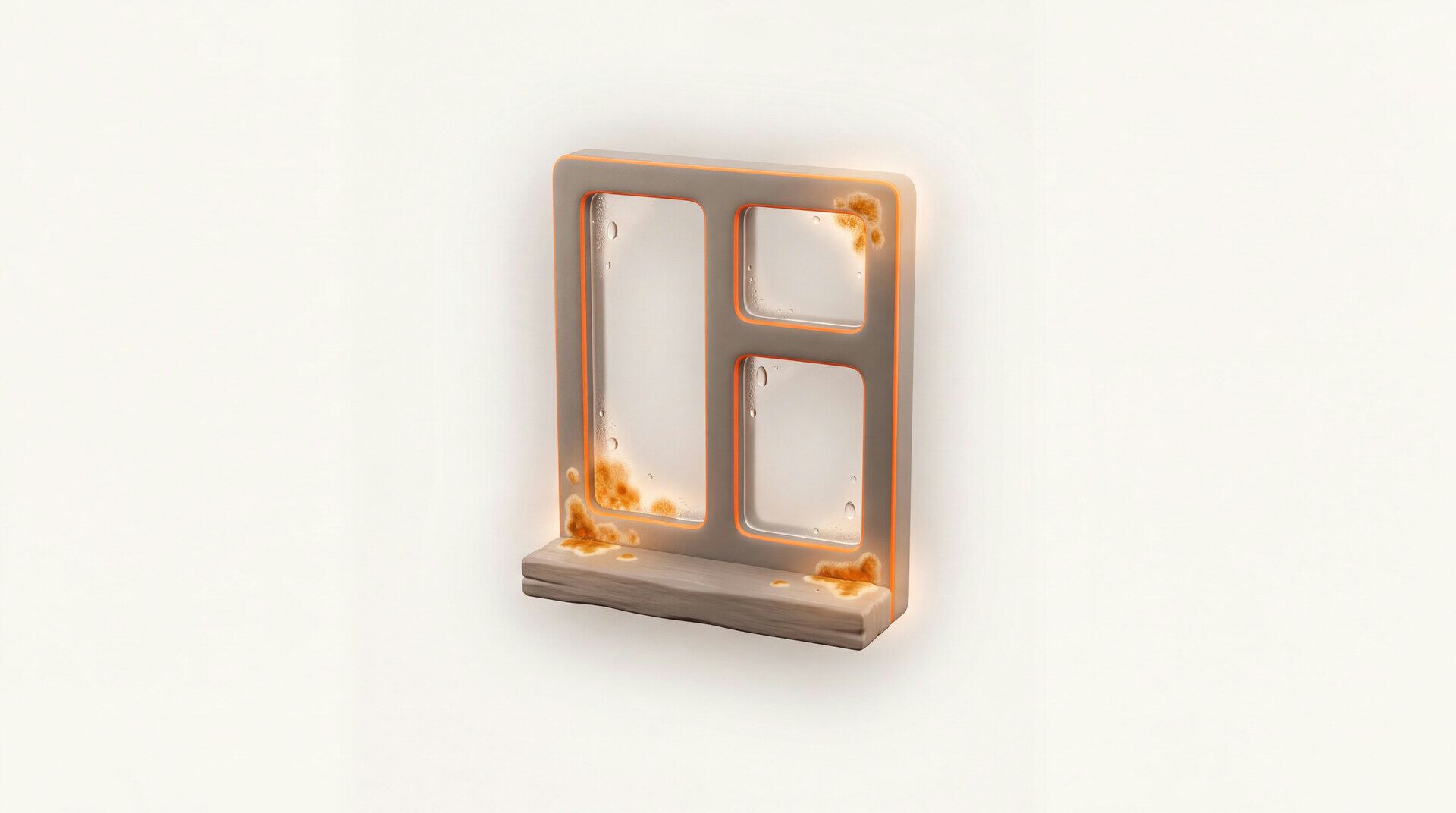
7. Insulate cold surfaces. Condensation forms when warm humid air hits cold surfaces: windows, exterior walls, cold water pipes. Insulate cold water pipes with foam sleeves. Use storm windows or window insulation film in winter. Insulate exterior walls during renovation.
8. Direct water away from your foundation. Gutters should discharge at least 6 feet from the foundation. Grade the soil so it slopes away from the house on all sides. Foundation moisture wicks up into basement walls and feeds mold from below.
9. Seal grout and caulk. Apply a silicone-based grout sealer to bathroom tile grout every 12 months ($15, 15 minutes of work). Replace cracked or moldy caulk with 100% silicone caulk. This prevents moisture from penetrating porous surfaces where mold roots grow.
10. Dry wet materials immediately. Wet towels, bath mats, gym clothes, and shoes should be dried within hours, not left in piles. Hang towels where they can dry completely between uses. Wash bath mats weekly.
11. Clean HVAC systems annually. Have ductwork inspected, the evaporator coil cleaned, and the drain pan checked. Replace HVAC filters every 90 days (every 30 days with pets). A moldy HVAC system spreads spores to every room in the house.
12. Do not carpet basements or bathrooms. Carpet traps moisture and provides an organic food source. Use tile, vinyl, or sealed concrete in high-moisture areas. If you must have carpet, use synthetic with a moisture barrier pad and monitor humidity closely.
13. Store items properly. Keep stored items off basement floors (use shelving or pallets). Use plastic bins instead of cardboard boxes. Do not store items directly against basement or garage walls where moisture wicks through.
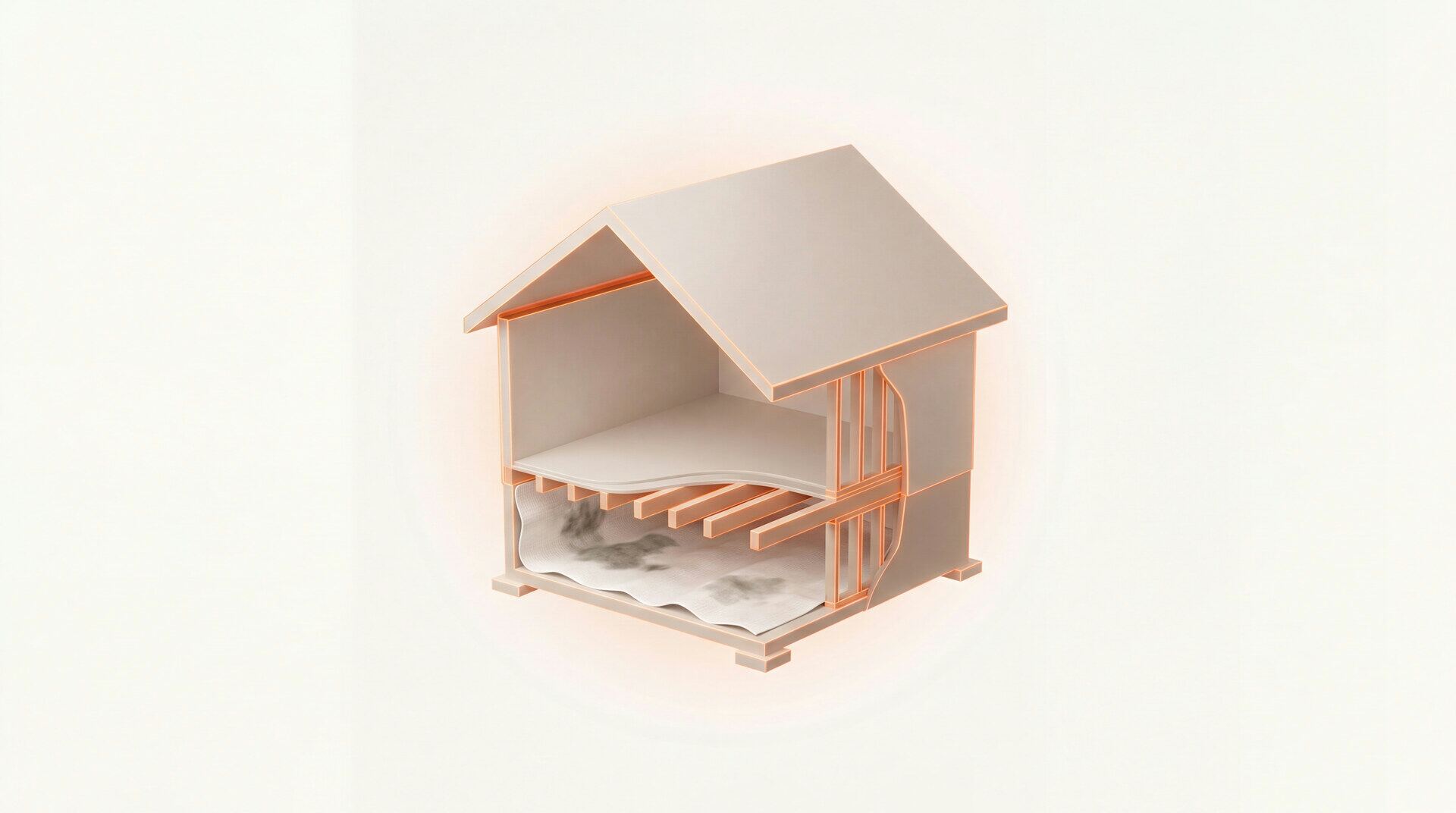
14. Ventilate attics and crawl spaces. Attics need ridge vents and soffit vents for cross-ventilation. Crawl spaces need a vapor barrier on the ground (6 mil polyethylene minimum) and either vents or a dehumidifier. Encapsulated crawl spaces with a dehumidifier are the gold standard.
15. Scan your home regularly. A quick walk through your home checking for water stains, musty smells, and condensation catches problems early. Or use the Mold Scanner AI app to check 266 guided photo prompts across 19 rooms with your phone camera.
Room by Room Prevention Guide
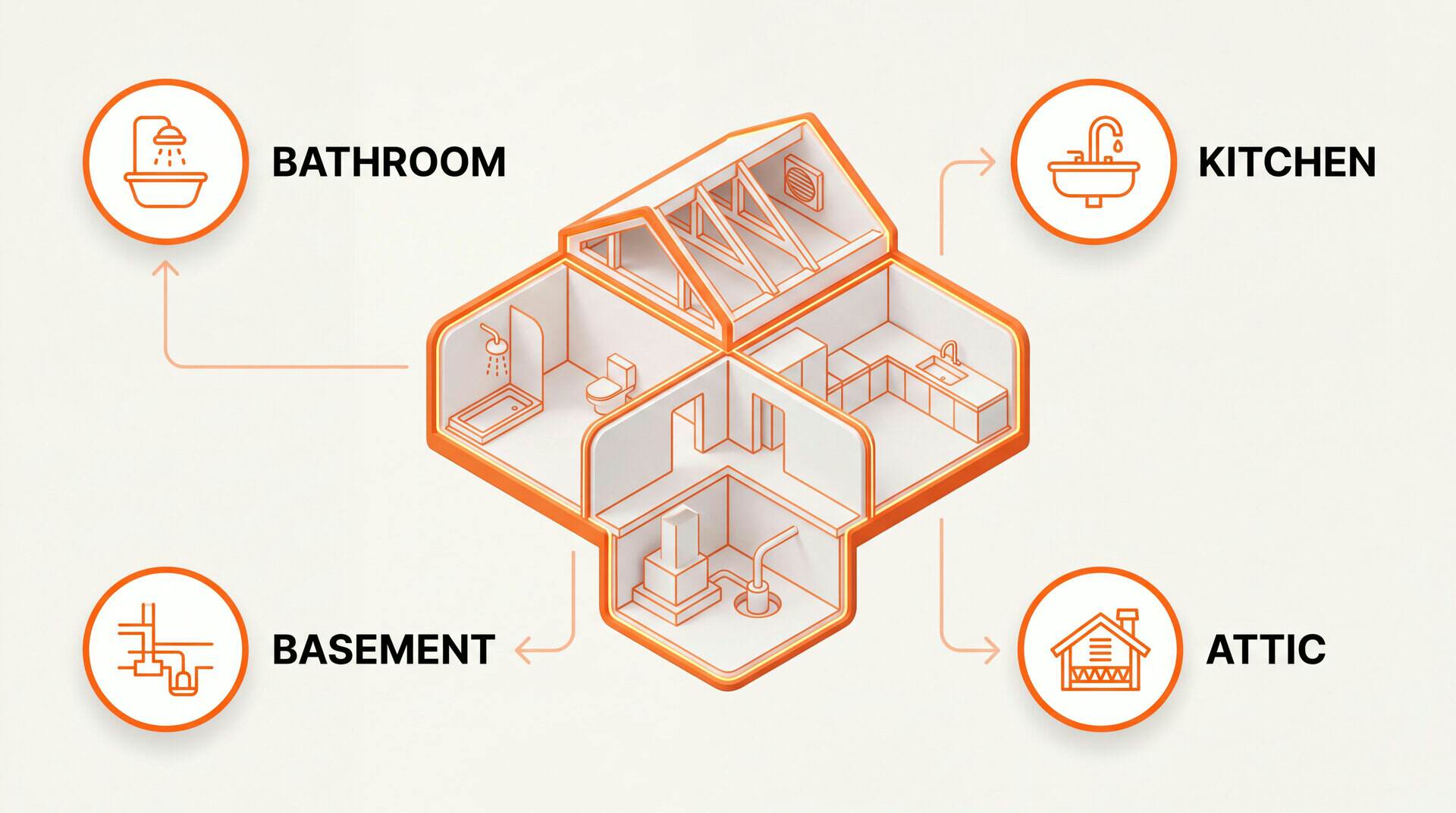
Bathroom: Exhaust fan during and 30 minutes after showers. Squeegee shower walls. Seal grout annually. Replace caulk when it cracks. Leave door open after showers. Wash bath mats weekly.
Kitchen: Range hood while cooking. Check under sink monthly for leaks. Clean refrigerator drip pan quarterly. Run dishwasher ventilation. Keep counters dry.
Basement: Dehumidifier set to 45% or lower. Items on shelving, not floor. No cardboard boxes. Check for foundation cracks. Sump pump maintained. Inspect after every heavy rain.
Attic: Adequate ventilation (ridge + soffit vents). No disconnected bathroom exhaust fans venting into the attic. Check roof sheathing for dark spots annually. Fix roof leaks immediately.
Bedroom: Allow air circulation behind headboard (2 inch gap from wall). Do not push bed into a corner against an exterior wall. Use a mattress protector. Keep closet doors open or use a small fan in closets on exterior walls.
Laundry room: Vent dryer to the outside (never into the house). Clean lint trap after every load. Check washer hoses for weeping. Leave the washing machine door open between loads (especially front loaders).
Mold Resistant Products That Work
Mold resistant drywall (DensArmor Plus, National Gypsum): Replaces paper backing with fiberglass. Since mold feeds on cellulose paper, removing it eliminates the food source. Costs about 30% more than standard drywall. Worth it for bathrooms, basements, and laundry rooms.
Mold resistant paint (mold-resistant paint): Contains antimicrobial additives that inhibit mold growth on the paint surface. Use in bathrooms, kitchens, basements, and laundry rooms. Lasts 5+ years. Costs $35 to $45 per gallon.
Mold resistant caulk (DAP Dynaflex 230, GE Silicone): 100% silicone caulk resists mold better than latex blends. Some brands add antimicrobial agents. Use in all wet areas: tub/shower joints, sink edges, window frames.
Grout sealer (Aqua Mix Sealer's Choice Gold): Penetrating sealer that makes grout water-resistant without changing its appearance. Apply annually in bathrooms and kitchens. $15 per bottle, covers an average bathroom.
Seasonal Mold Prevention Checklist
Spring: Inspect the roof and gutters after winter. Check the basement for moisture from snowmelt. Test humidity levels as temperatures rise. Clean HVAC filters. Inspect crawl space vapor barrier.
Summer: Run dehumidifiers in basements and crawl spaces. Keep AC running to dehumidify. Check window AC units for mold in drip pans. Inspect bathroom exhaust fans.
Fall: Clean gutters before leaf season. Seal gaps around windows and doors. Check attic ventilation before winter. Have HVAC system serviced and ducts inspected.
Winter: Monitor humidity (heating systems dry the air, which is actually good for mold prevention). Watch for condensation on windows. Insulate cold water pipes. Keep interior doors open for airflow.
Frequently asked questions
What is the best way to prevent mold in a house?
Keep indoor humidity below 50% using a dehumidifier and proper ventilation. Fix water leaks within 24 hours. Run bathroom exhaust fans during showers and for 30 minutes after. Ensure your home has adequate airflow in all rooms, closets, and crawl spaces. These four actions prevent 90% of household mold problems.
What humidity level prevents mold?
The EPA recommends keeping indoor relative humidity between 30% and 50%. Mold needs humidity above 60% to grow actively. Use a hygrometer ($10 to $20) to monitor humidity in your home. If any room consistently reads above 50%, use a dehumidifier. Basements, crawl spaces, and bathrooms are the most common problem areas.
Does running the AC prevent mold?
Yes, when set correctly. Air conditioning removes moisture from the air as a byproduct of cooling. Keep your AC set to 78 degrees or lower in summer. Make sure the drain line is clear (a clogged AC drain is itself a mold source). Change filters every 90 days. However, AC alone is not enough in very humid climates. You may also need a standalone dehumidifier.
Can you prevent mold after water damage?
Yes, if you act within 24 to 48 hours. Mold needs wet surfaces to start growing. Dry all affected materials with fans and dehumidifiers within this window. Remove materials that cannot dry quickly (carpet padding, wet insulation). If materials stay wet longer than 48 hours, mold growth is almost certain and you will need to clean or replace them.
Do mold-resistant products actually work?
Yes. Mold-resistant drywall (like DensArmor Plus or purple board) replaces the paper backing with fiberglass, removing the food source mold needs. Mold-resistant paint (mold-resistant paint) contains antimicrobial additives. These products significantly slow mold growth but do not make surfaces immune. Moisture control is still the primary defense.
Sources
Every claim on this page traces to one of these. Links open the primary document.