Why basements are mold magnets
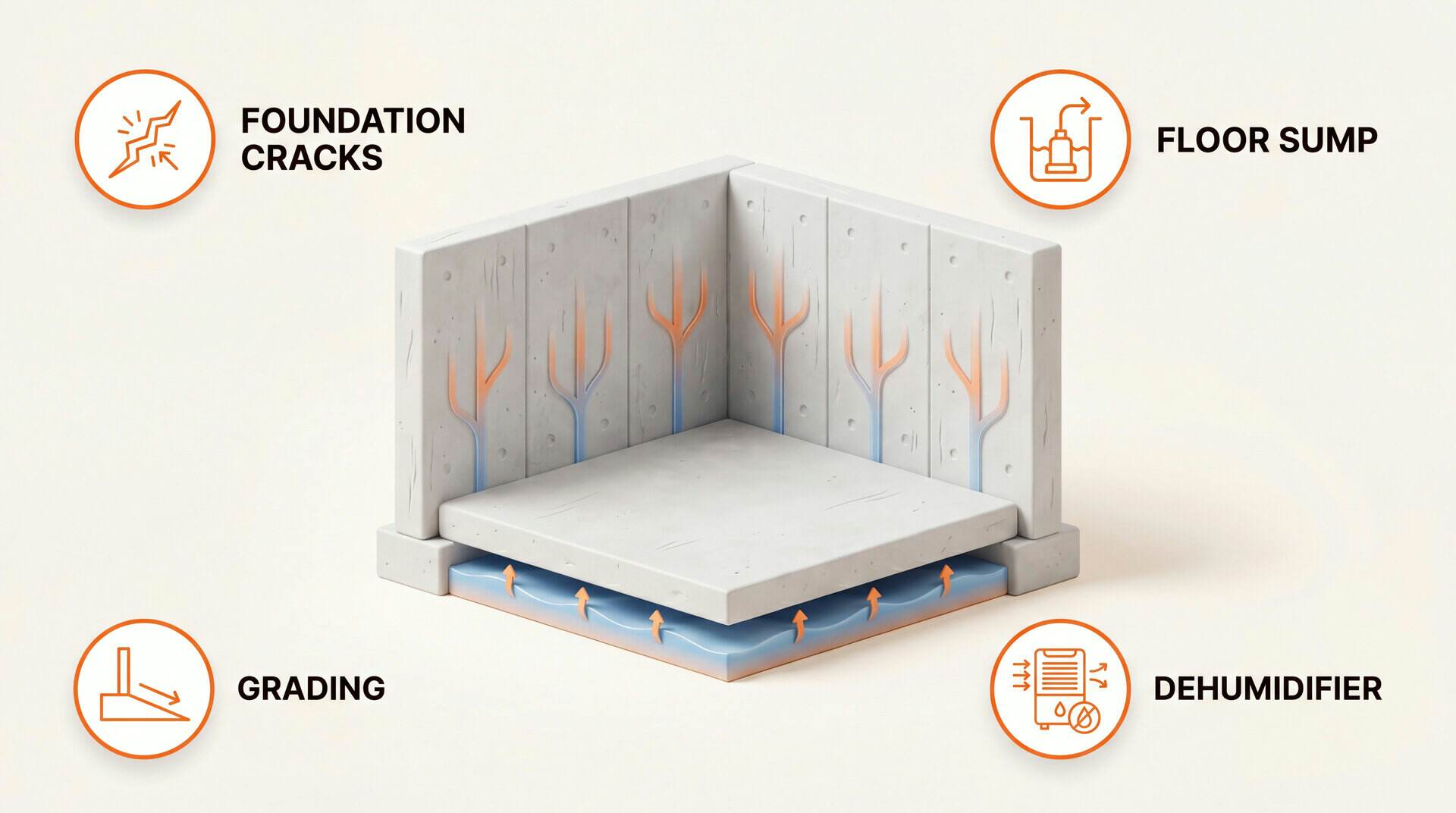
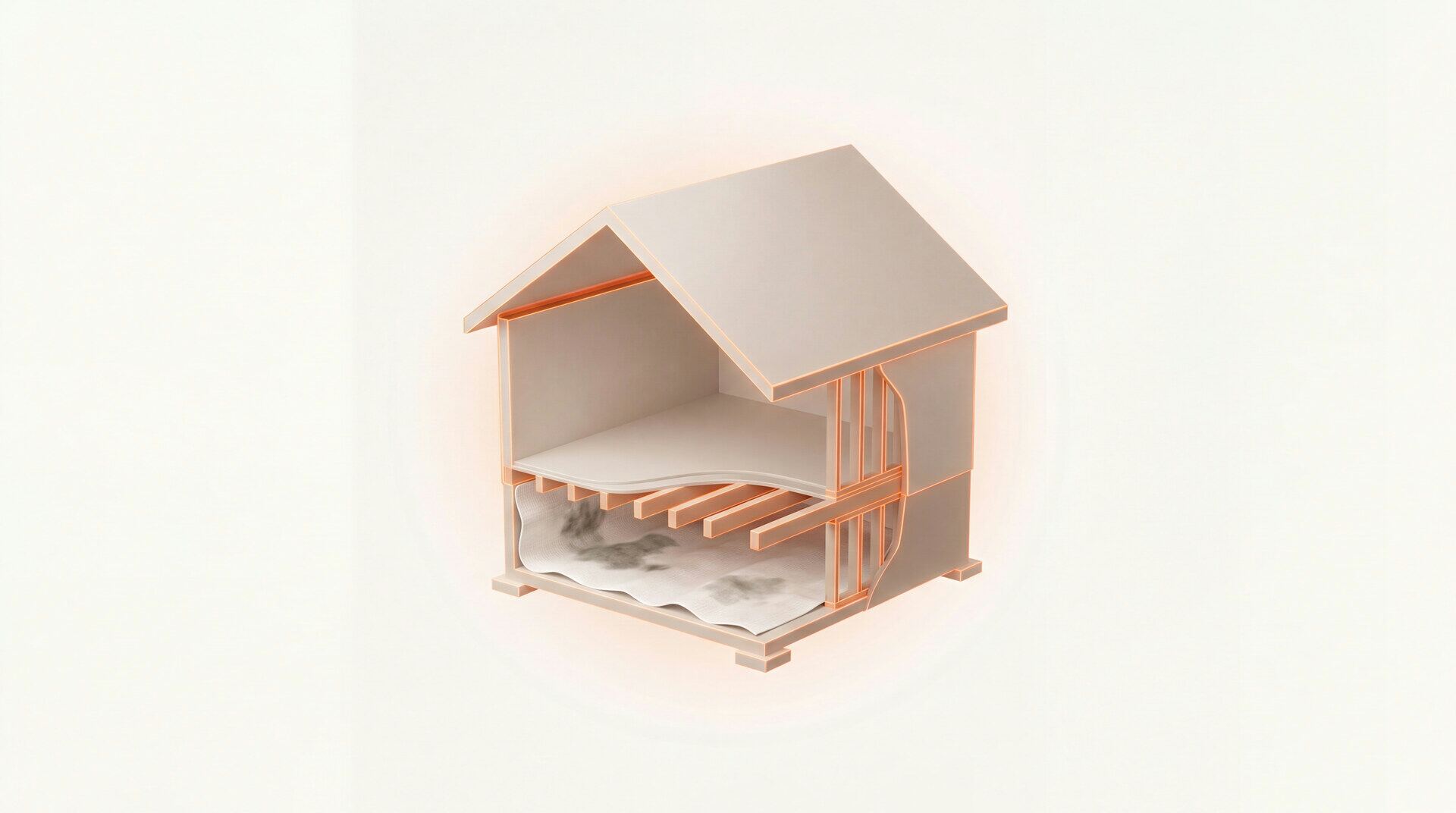
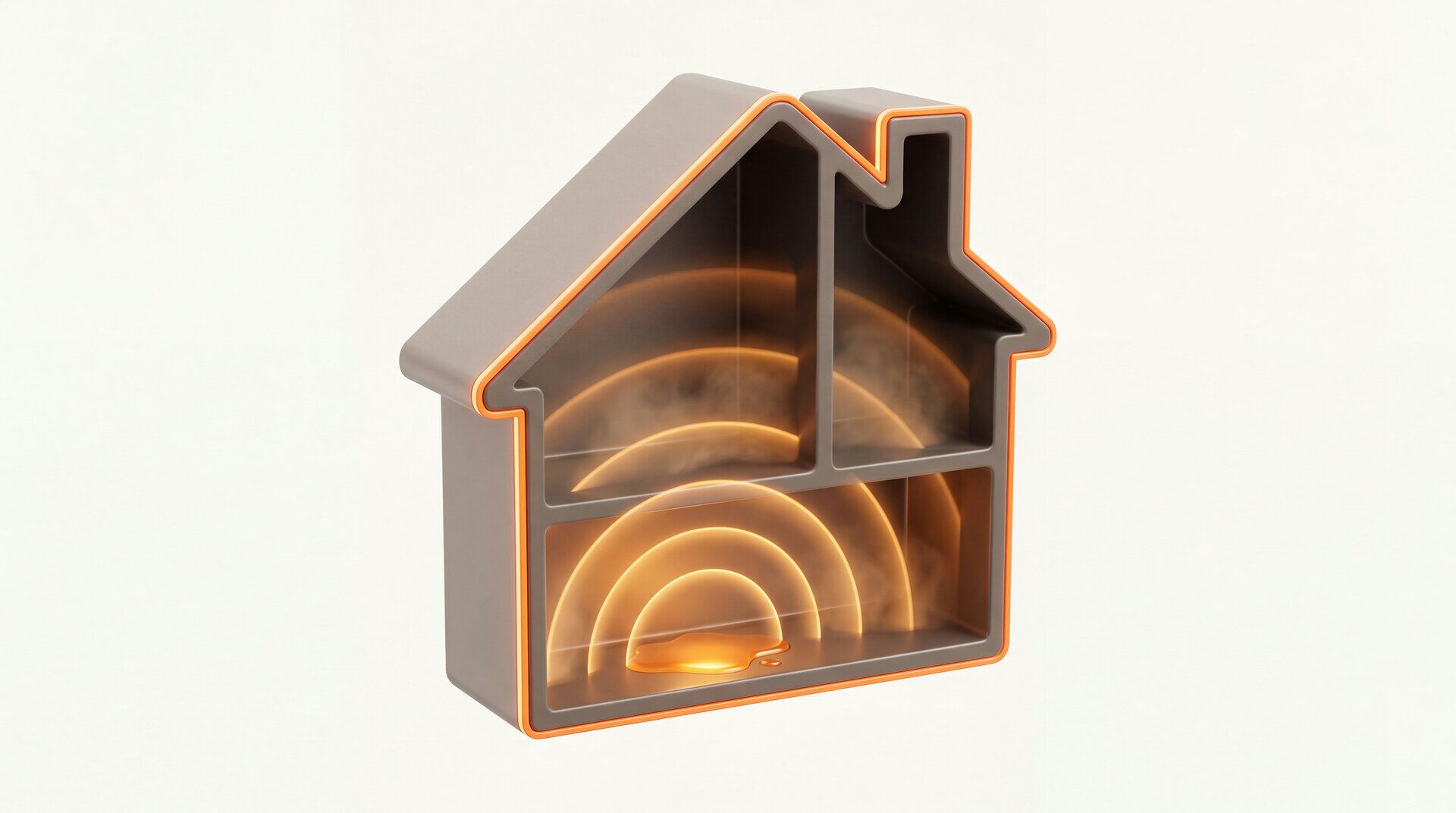
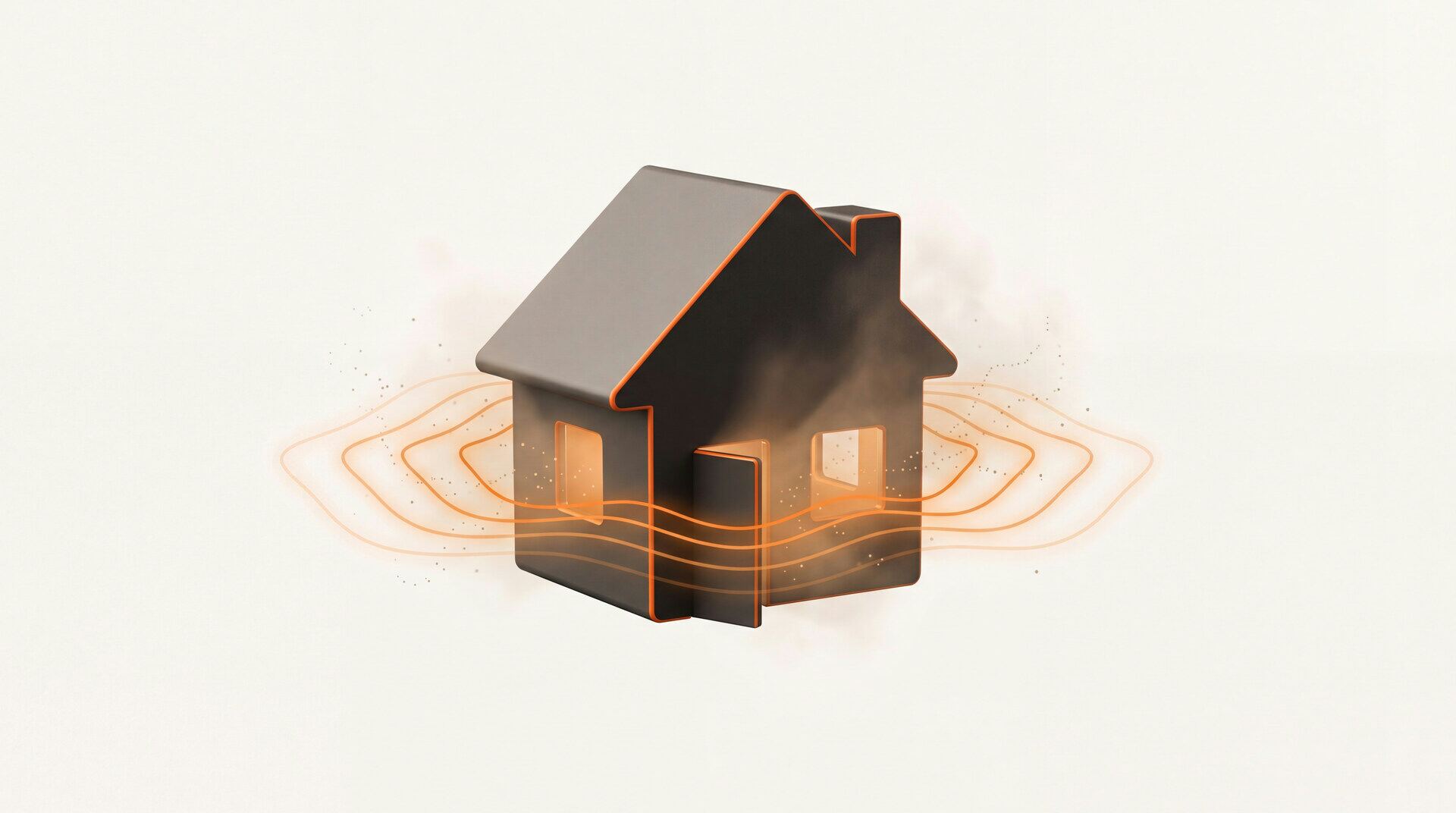
Basements are the most common place for mold in any home. They sit below ground level where moisture pressure pushes against the foundation walls and floor. Concrete is porous. It absorbs water from the surrounding soil and releases it inside the basement as vapor. This process is called moisture wicking, and it happens 24 hours a day.
Add poor air circulation, limited sunlight, and cooler temperatures, and you have a space that stays damp year round. The EPA states that mold needs moisture above 60% to grow. Most basements without a dehumidifier run at 65 to 80% humidity. That is why every mold remediation expert, including leading remediation experts, calls the basement the highest risk room in the house.
The key insight from the three pillar framework: you must fix the moisture source first. Cleaning mold without stopping the water is like mopping the floor while the faucet is still running.
The 5 places mold hides in your basement
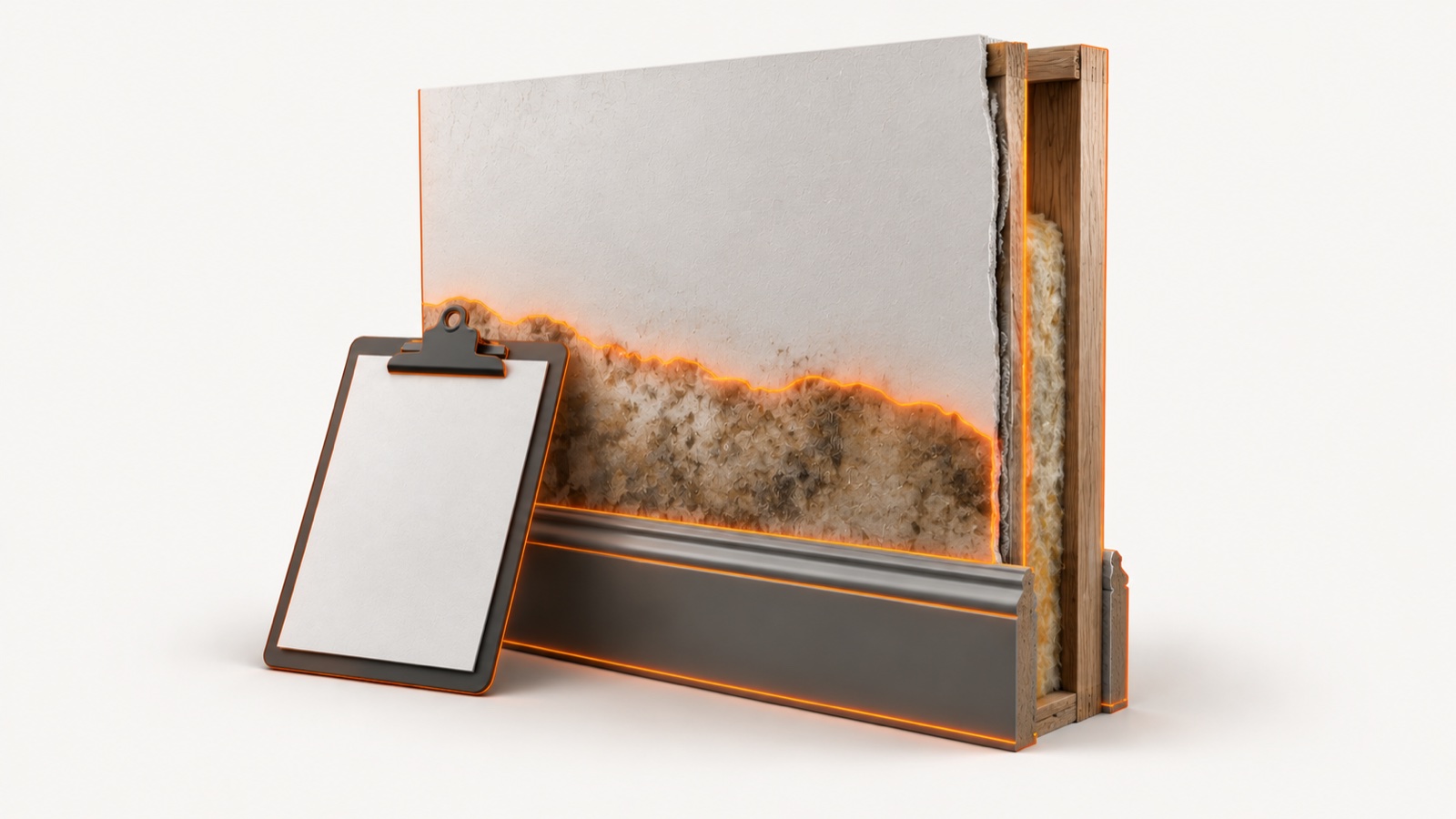
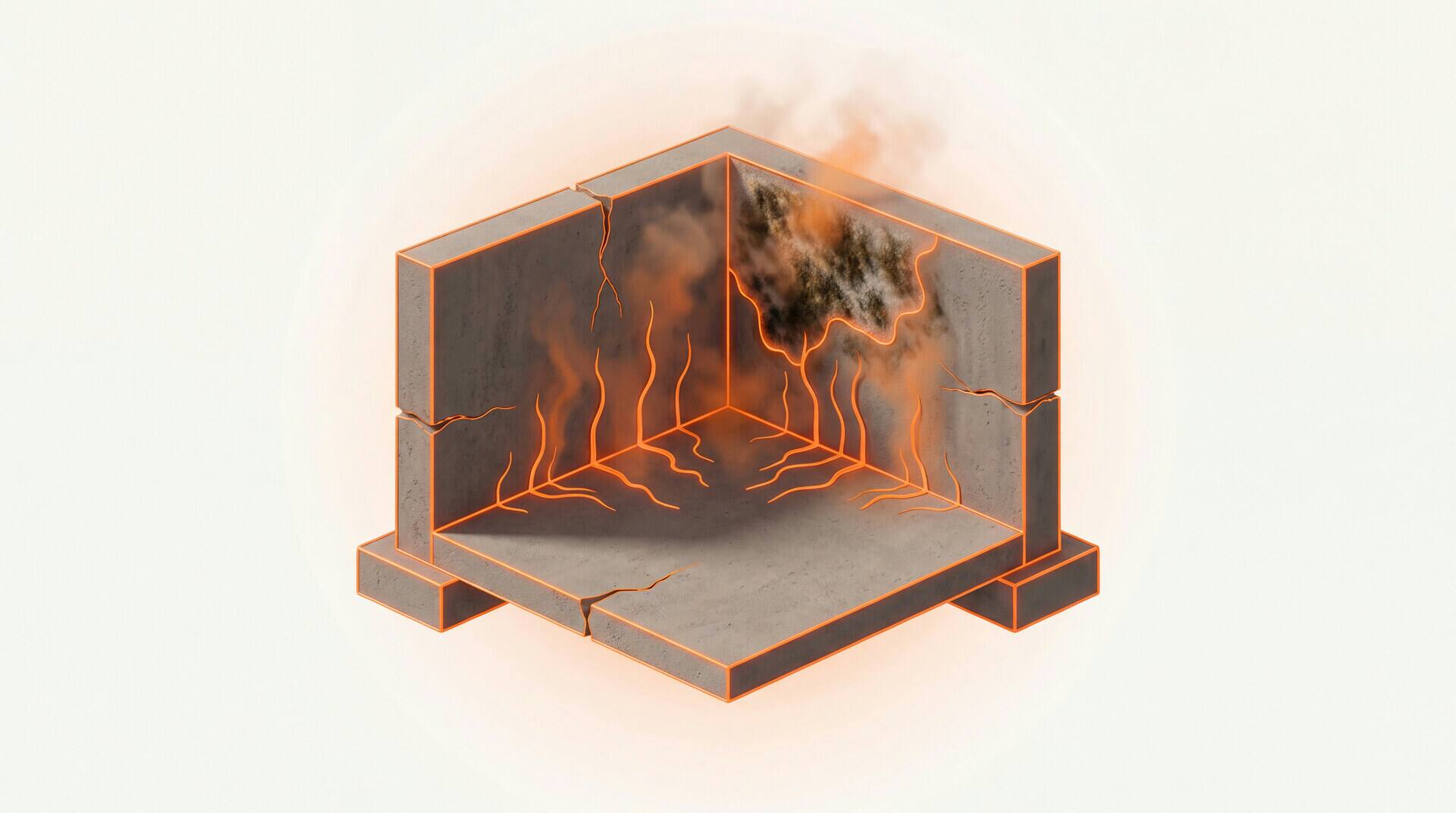
1. Foundation walls: Water wicks through poured concrete and block foundation walls. Look for dark staining, white fuzzy growth, or a damp feeling on the walls. The bottom 2 feet of the wall where it meets the floor is the most vulnerable area. Check behind anything leaning against the walls, like stored furniture or stacked boxes.
2. Floor cracks and the cove joint: The cove joint is the seam where the floor meets the wall. This is the number one entry point for groundwater in most basements. Cracks in the concrete floor are the second most common entry point. Even hairline cracks can let enough moisture through to support mold growth. Look for dark staining along the joint and around any cracks.
3. Window wells: Basement window wells collect rain, leaves, and debris. When the drain at the bottom clogs, water pools against the window and seeps in around the frame. Check the wells outside for standing water and debris. Inside, check the window frame and the wall below it for moisture and mold.
4. Sump pit: An uncovered sump pit is an open source of moisture evaporating into the basement air. Even a working sump pump adds humidity if the pit is not covered. Use an airtight sump pit cover to stop moisture from evaporating into the basement.
5. Stored items on concrete: Cardboard boxes, furniture, clothing, and other organic materials stored directly on the concrete floor absorb moisture from the slab. Mold grows on the bottom of these items where you cannot see it. The first sign is usually a musty smell when you pick up a box.
White mold vs efflorescence: how to tell them apart
Both look white on basement walls and floors, but they are completely different things.
White mold is a living organism. It has a fuzzy or cottony texture. It grows on organic materials like wood, cardboard, paper, and fabric. It has a musty, earthy smell. It does not dissolve in water. If you touch it, it feels soft and may smear. White mold is a health concern and should be removed.
Efflorescence is a mineral deposit. When water moves through concrete or masonry, it picks up salts. When the water evaporates on the surface, it leaves behind white crystalline deposits. Efflorescence is hard and powdery, not fuzzy. It dissolves when you spray it with water. It has no smell. Efflorescence itself is not harmful, but it is a sign that water is moving through your foundation, which means you have a moisture problem that could lead to mold.
The water test: Spray the white area with water. If it dissolves and disappears, it is efflorescence. If it stays put or looks the same, it is likely white mold. Either way, you have a moisture problem that needs to be addressed.
How to fix basement moisture for good
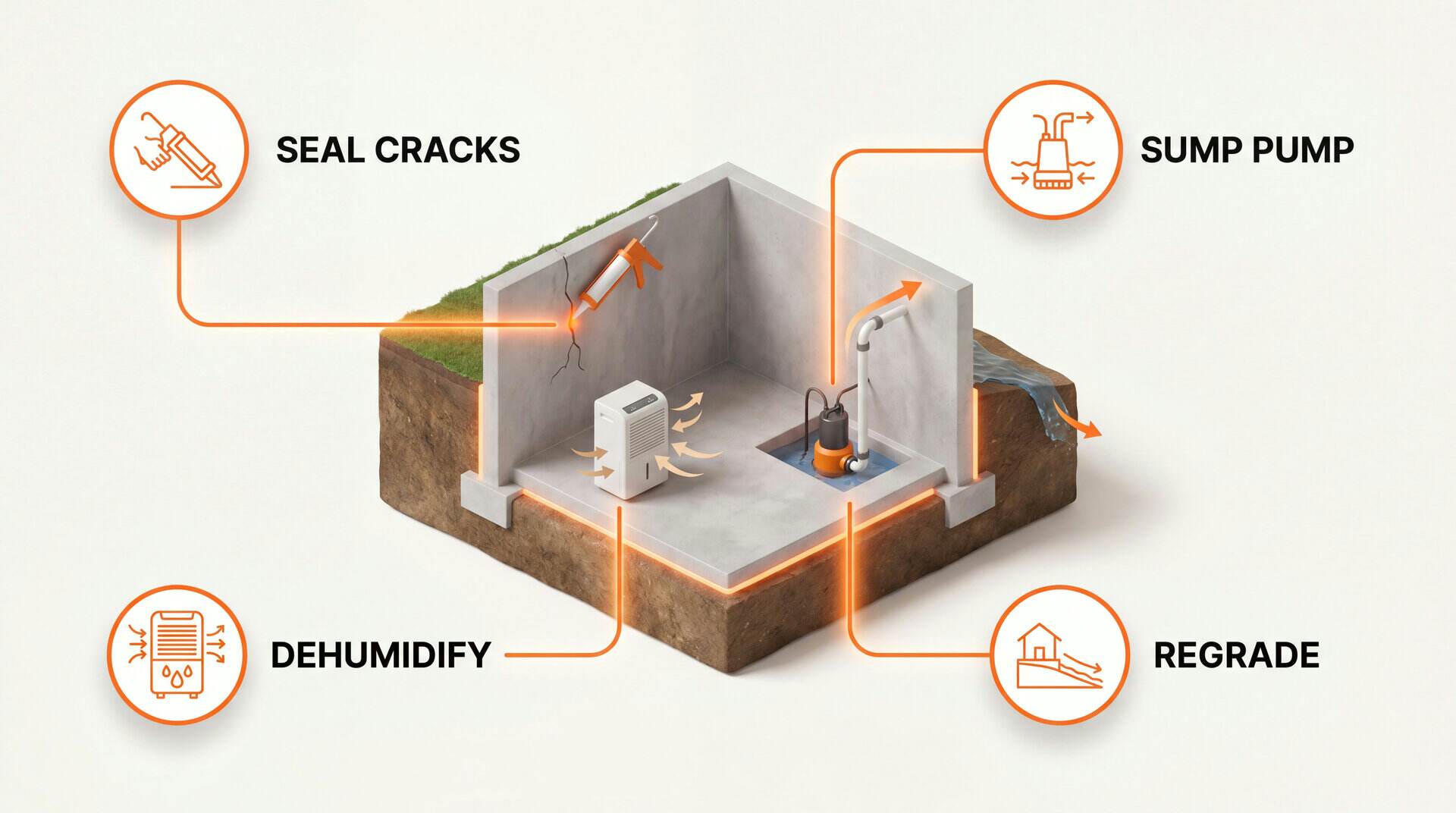
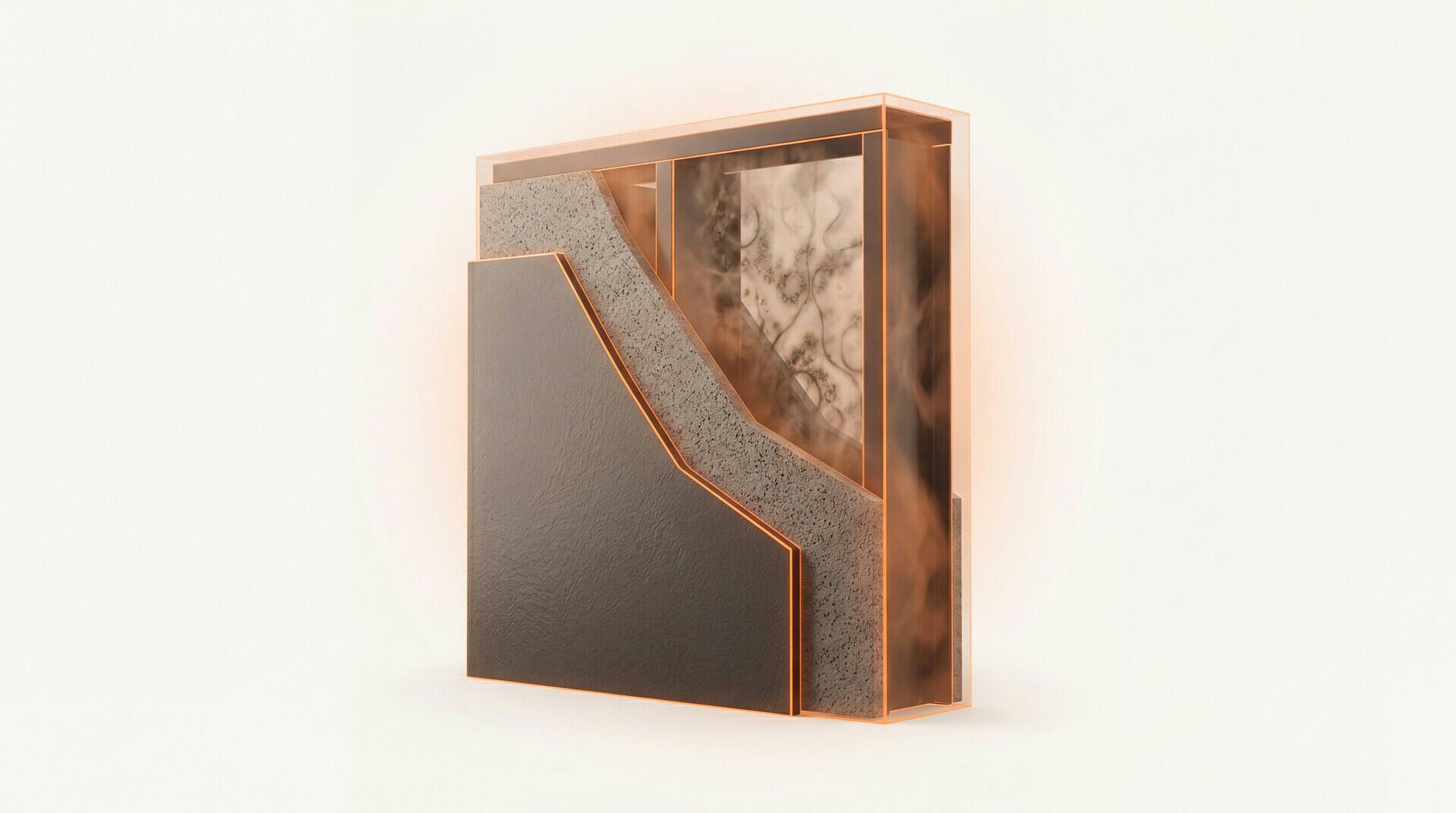
Vapor barrier on walls: A vapor barrier is a thick plastic sheet (6 mil or thicker) installed against the foundation wall. It blocks moisture from wicking through the concrete into the living space. For finished basements, a dimpled drainage membrane behind the wall framing is even more effective because it creates an air gap for water to drain down to the footer.
Basement encapsulation: Full encapsulation covers the floor and walls with a sealed vapor barrier system. It is the most effective solution for chronically damp basements and crawl spaces. Professional encapsulation costs $5,000 to $15,000 depending on the size of the space, but it eliminates the moisture source entirely.
French drain (interior): An interior French drain is a trench cut along the perimeter of the basement floor. A perforated pipe collects water from the foundation wall and routes it to the sump pump. This handles active water intrusion that a vapor barrier alone cannot stop. Cost: $3,000 to $8,000 for a full perimeter system.
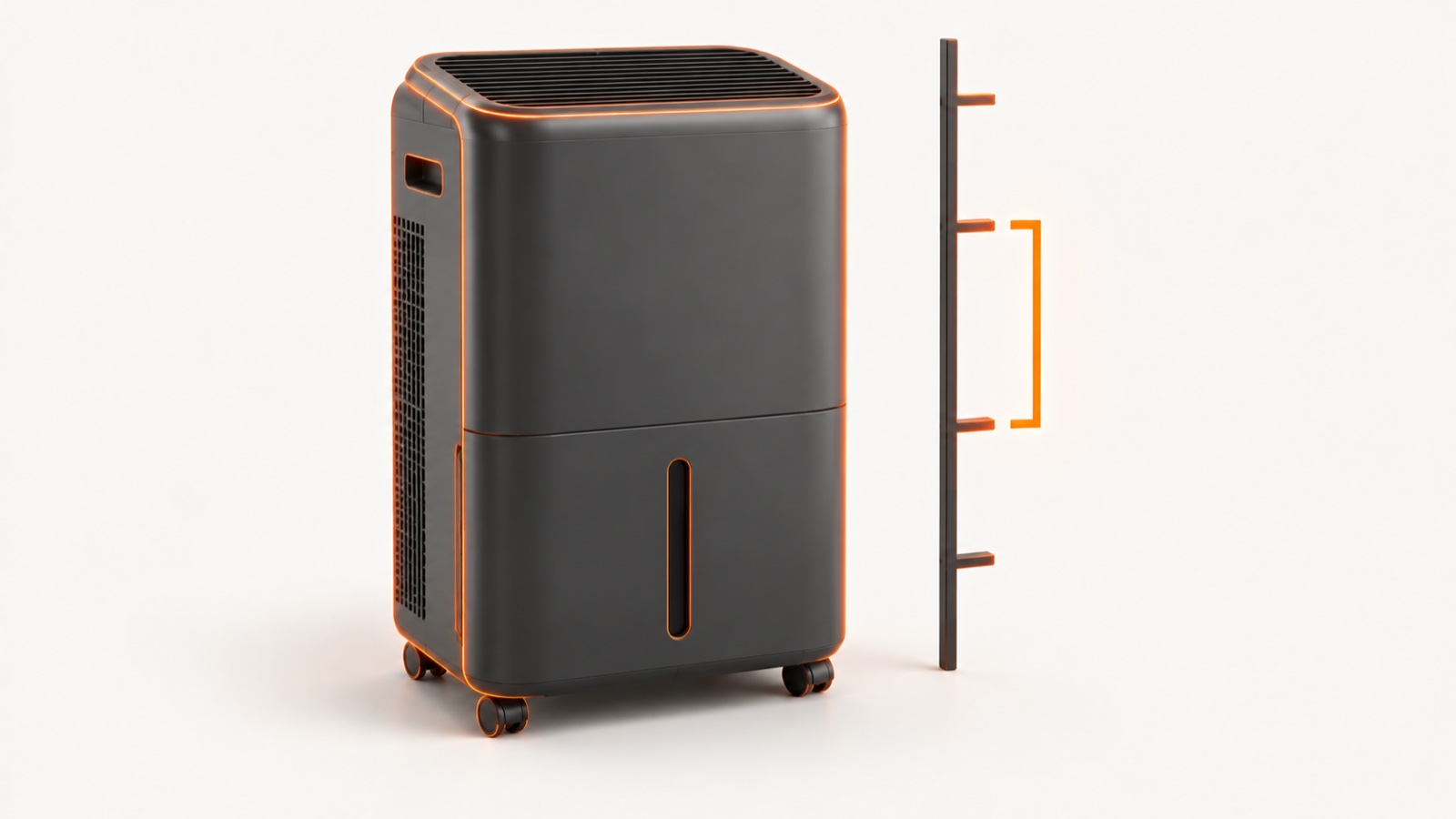
Dehumidifier: A 50 pint dehumidifier is the minimum for most basements. Set the humidistat to 45%. Use a model with auto drain (gravity or pump) so you never have to empty the bucket. Choose a unit with auto restart after power outages. Run it continuously. A dehumidifier running 24/7 costs $30 to $50 per month in electricity, far less than the $2,000 to $30,000 cost of mold remediation. A dehumidifier lowers humidity but does not filter the air, so in a finished basement some people also run a HEPA air purifier for mold to capture airborne particles.
Exterior grading and gutters: Make sure the ground slopes away from the foundation at least 6 inches over the first 10 feet. Clean your gutters and extend downspouts at least 6 feet from the foundation. Poor drainage outside is the number one cause of water problems inside the basement.
Frequently asked questions
What causes mold in the basement?
Basement mold is caused by moisture. The most common sources are foundation walls that wick groundwater, floor cracks that let water seep in, condensation from temperature differences between the cool basement and warm air, poor drainage around window wells, and high humidity from an uncovered sump pit. Basements stay damp because they are below ground and have limited air circulation.
How do I tell the difference between white mold and efflorescence?
White mold is fuzzy or cottony, grows on organic materials like wood and cardboard, and has a musty smell. Efflorescence is a white crystalline powder left behind when water evaporates through concrete or masonry. It dissolves in water and crumbles when touched. Spray the spot with water: if it dissolves, it is efflorescence. If it stays, it is likely mold.
What humidity level should my basement be?
Keep your basement humidity below 50%. Mold needs moisture above 60% to grow. Use a dehumidifier with a built in humidistat set to 45%. A 50 pint dehumidifier handles most basements up to 1,500 square feet. Run it continuously and use a gravity drain or pump drain so you never have to empty the bucket.
Should I store things directly on my basement floor?
Never store items directly on a basement concrete floor. Concrete wicks moisture from the ground, and anything sitting on it absorbs that moisture. Use plastic shelving, pallets, or storage bins raised at least 4 inches off the floor. Store items in waterproof plastic bins, not cardboard boxes. Cardboard absorbs moisture and becomes a food source for mold.
Sources
Every claim on this page traces to one of these. Links open the primary document.