Mold remediation cost by scope
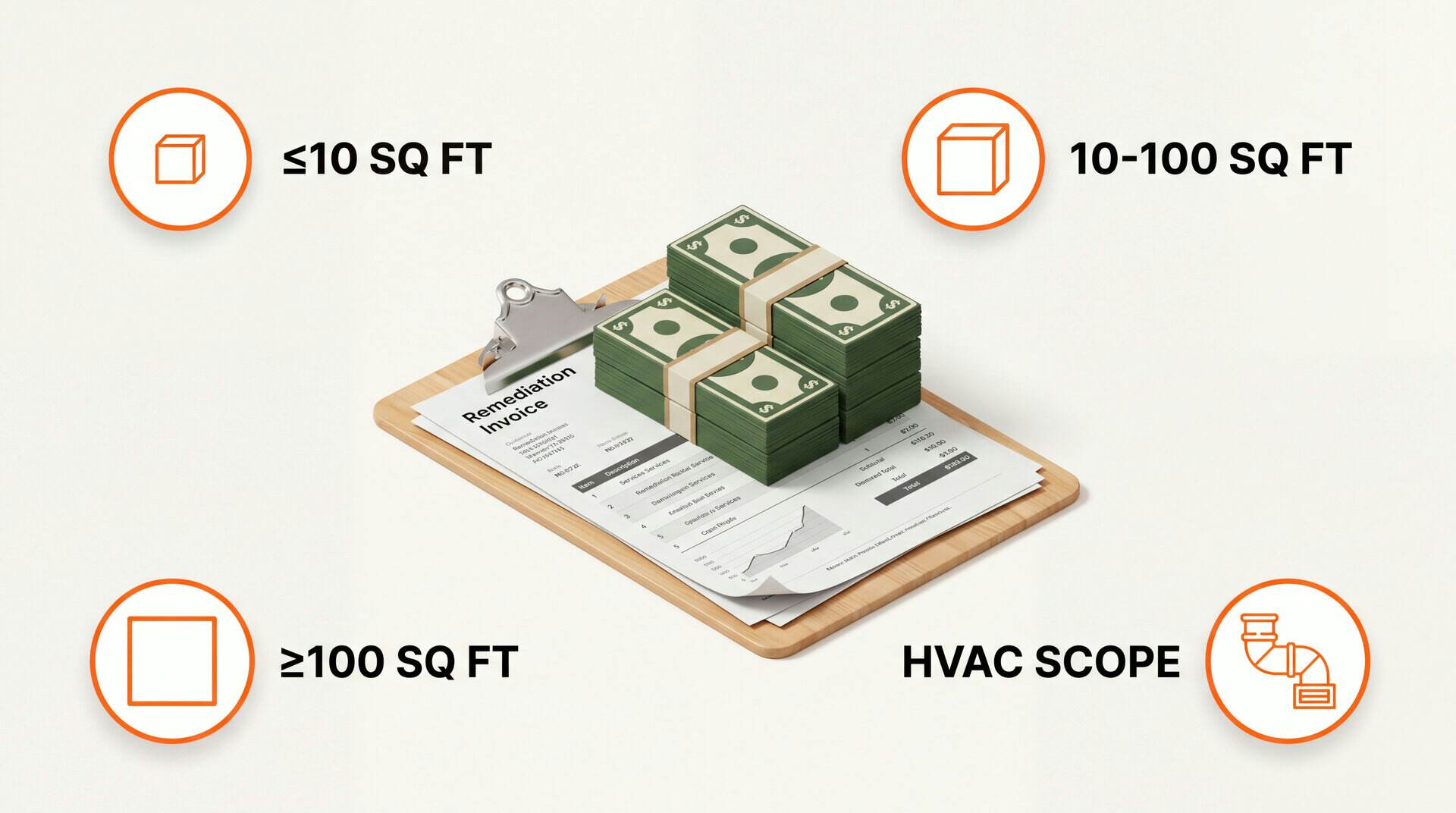
DIY small area ($50 to $200): If the mold covers less than 10 square feet on a hard surface like tile or concrete, you can handle it yourself. Your supplies include an N95 mask, gloves, goggles, a mold-control product or hydrogen peroxide, and plastic sheeting. This is the cheapest option but only works for small, surface level mold on non porous materials.
Professional small job ($1,500 to $3,000): A single room with mold on drywall or behind a cabinet. The crew sets up containment, removes the affected material, treats the area, and runs air scrubbers. Most bathroom or small basement jobs fall here.
Professional medium job ($3,000 to $5,000): Multiple rooms or a large basement section. Requires more extensive containment, more material removal, and longer air scrubbing time. This is the most common range homeowners land in.
Full home with HVAC ($10,000 to $30,000): Mold has spread through the ductwork or across multiple floors. The HVAC system needs cleaning or partial replacement. Drywall, insulation, and sometimes framing must come out. These jobs take 1 to 3 weeks.
What drives the cost: Square footage is the biggest factor. Mold species matters too. Stachybotrys (black mold) costs more because it requires full containment with negative air pressure. Location plays a role. Basement mold is easier to access than mold inside walls or above ceilings. If drywall needs replacement, materials and labor add $1,000 to $3,000 on top of the remediation itself.
What is included in professional mold remediation?
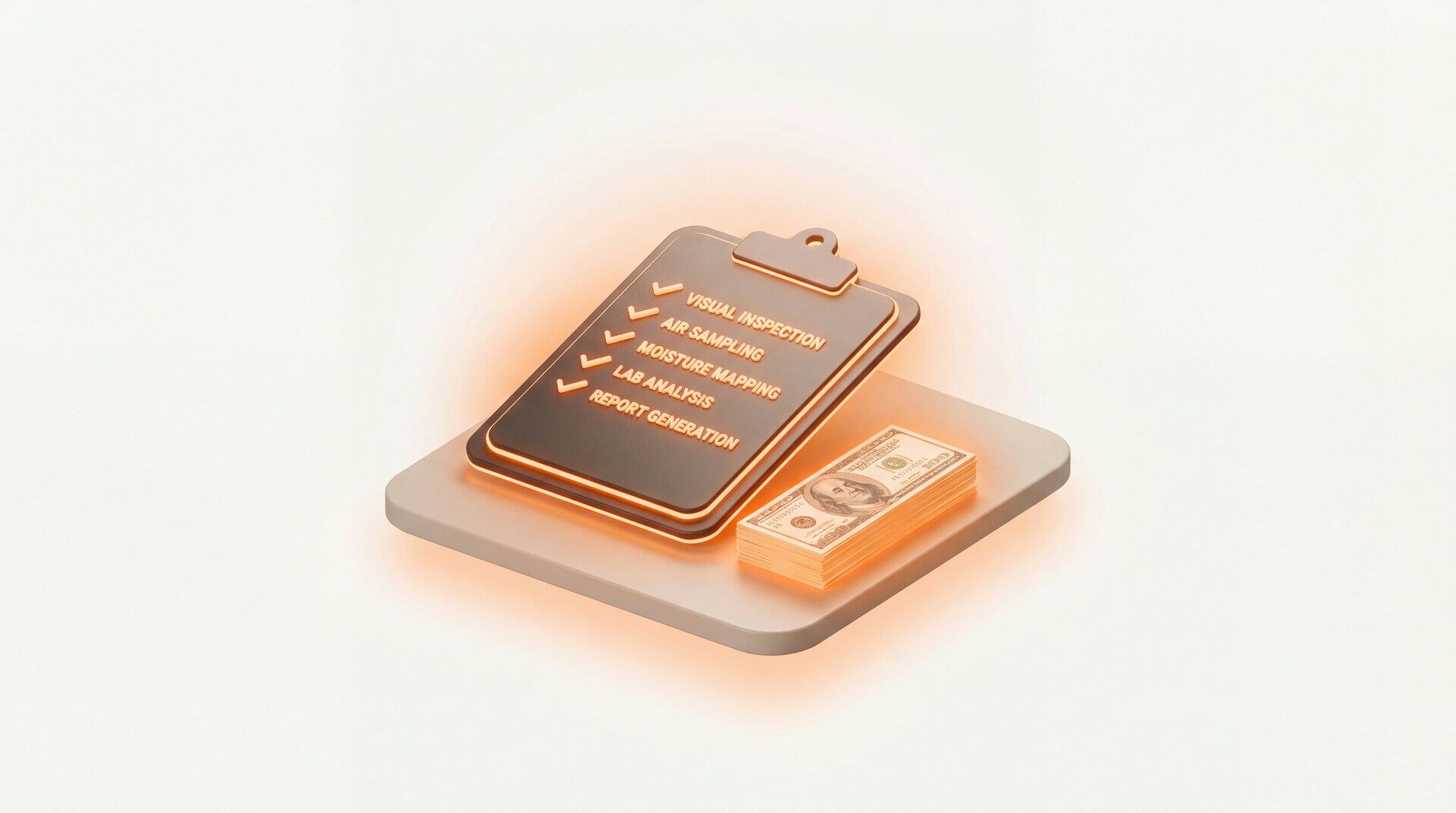
A proper remediation follows the IICRC S520 standard, which is the industry benchmark. A leading remediation science expert, uses a three pillar framework: fix the moisture source, remediate the mold, and maintain the environment. Maintaining the environment usually means keeping humidity down with a dehumidifier sized to the space, which is what stops a repeat job and a second bill. Here is what a legitimate remediation company should include in their scope of work.
Containment setup: Plastic sheeting seals off the work area from the rest of the house. Negative air pressure prevents spores from spreading during removal. This is not optional. If a company skips containment, find a different company.
HEPA air scrubbers: Industrial air filtration units run continuously during the job. They capture airborne mold spores down to 0.3 microns. These machines run for the full duration of the project, not just during active removal.
Physical removal of affected materials: Mold does not get "cleaned" off porous materials like drywall and insulation. Those materials get cut out and disposed of in sealed bags. Non porous surfaces like concrete and metal get scrubbed and treated.
Antimicrobial treatment: After removal, the crew applies an antimicrobial solution to all exposed surfaces in the work area. This kills remaining spores and helps prevent regrowth.
Post remediation testing: An independent inspector, not the remediation company, takes air and surface samples after the work is done. The lab results confirm that spore counts are back to normal levels.
Clearance report: You receive a written report with the lab results confirming the remediation was successful. This document matters if you sell your home or file an insurance claim. If a company does not offer post testing or a clearance report, that is a red flag.
DIY mold removal: when it saves money and when it backfires
The EPA says homeowners can safely remove mold from areas smaller than 10 square feet. That is roughly a 3 foot by 3 foot patch. For anything larger, hire a professional.
What you need for DIY removal: An N95 respirator mask (not a dust mask), rubber gloves, safety goggles without vent holes, a no-bleach mold-control product or 3% hydrogen peroxide (never bleach, because bleach does not kill mold roots on porous surfaces), a HEPA vacuum, and plastic sheeting to isolate the work area. Total cost runs $50 to $200 depending on what you already own.
When NOT to DIY: Do not attempt DIY removal if you are dealing with Stachybotrys (black mold growing on drywall). This species requires full containment and professional handling. Do not DIY if the HVAC system is involved, because you will spread spores to every room in the house. Do not DIY if the affected area is larger than 10 square feet. And do not DIY if you or anyone in your household has respiratory symptoms, allergies, or a weakened immune system. In those cases, disturbing the mold without proper containment makes the health problem worse before it gets better.
Does insurance cover mold remediation?
Usually no. Homeowners insurance covers mold only when it results from a sudden, covered event like a burst pipe or storm damage. If a pipe bursts overnight and mold grows on the wet drywall within 48 hours, your policy likely covers both the water damage and the mold remediation.
However, most mold problems come from gradual leaks, poor ventilation, or chronic humidity. Insurance companies classify these as maintenance failures, and maintenance failures are excluded from standard policies.
Mold caps: Some policies include a mold coverage cap, typically $5,000 to $10,000. Even when the triggering event is covered, your payout may be limited to that cap regardless of actual remediation costs.
What to do before calling your insurer: Document everything with photos and timestamps. Get a written moisture report from an independent inspector. Save all receipts from emergency mitigation (fans, dehumidifiers, tarps). The more evidence you have that the mold resulted from a sudden event and that you acted quickly, the stronger your claim.
If your claim is denied, consider hiring a public adjuster. They work on a percentage of your payout and specialize in getting denied claims reversed. For remediation bills above $10,000, the adjuster fee often pays for itself.
How to avoid getting overcharged
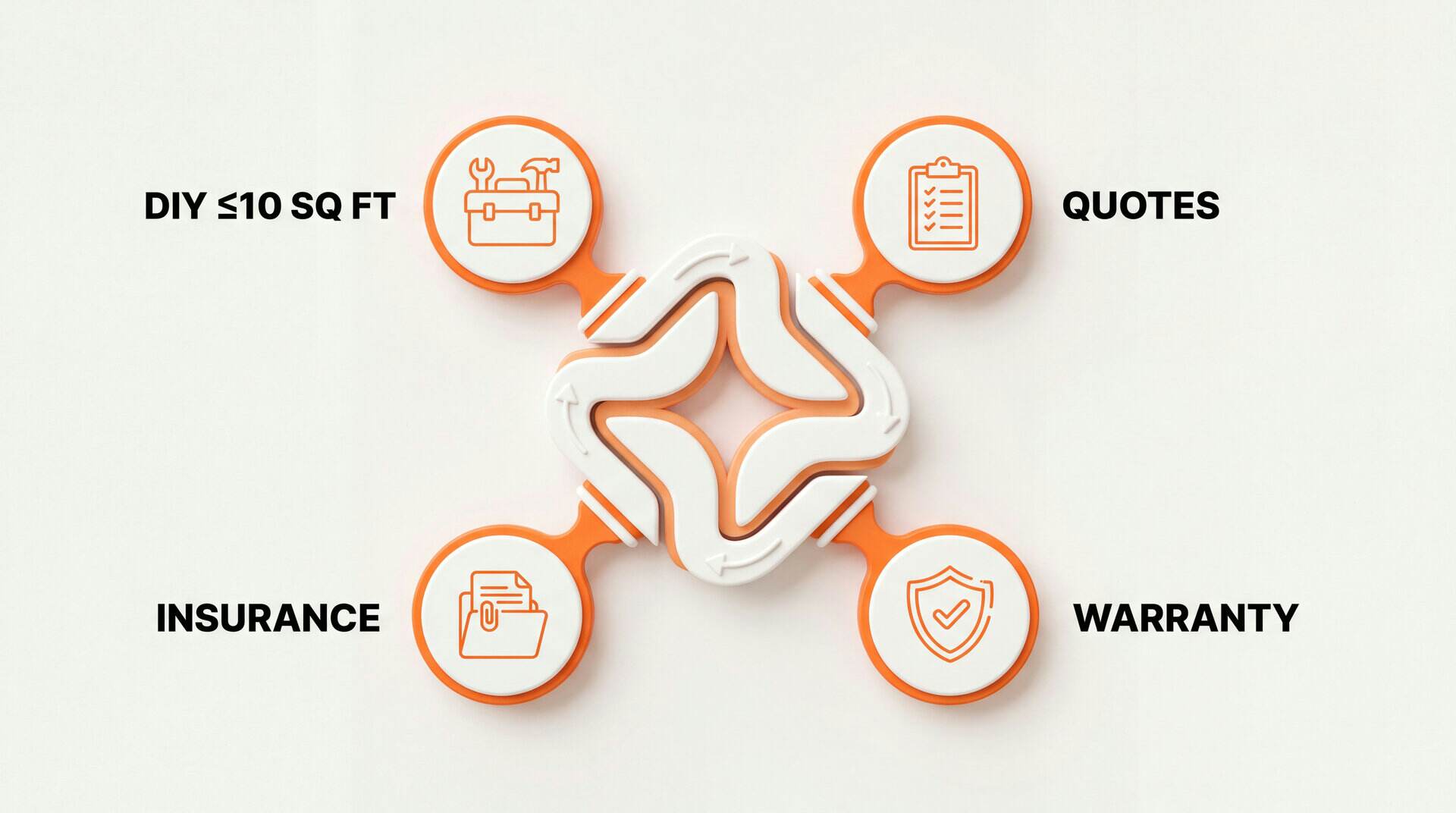
Get 3 quotes minimum. Mold remediation pricing varies wildly between companies. Three quotes give you a baseline for what the job should cost in your area. If one quote is double the others, ask why.
Keep the inspector and the remediation company separate. The person who finds the mold should not be the same company that profits from fixing it. That is a conflict of interest. An independent inspector has no financial reason to overstate the problem. A remediation company that does its own inspections has every reason to find mold in every room.
Ask for their IICRC certification number. The Institute of Inspection, Cleaning and Restoration Certification sets the industry standard (S520) for mold remediation. Any legitimate company will have this certification and will give you the number without hesitation.
Demand post remediation testing by a third party. The remediation company should not be the one verifying their own work passed. An independent lab analyzes the air and surface samples. If the company pushes back on third party testing, walk away.
Do not pay the full amount until clearance testing passes. A reasonable payment structure is 50% upfront and 50% after the independent clearance report confirms successful remediation.
Red flags to watch for: A company that "finds" mold in every room during their inspection. A company that refuses to show you the lab results. A company that pressures you to sign a contract the same day as the inspection. A company that says you need to leave your home immediately to create urgency. Any company without IICRC S520 certification.
Black mold removal cost
Black mold removal cost is usually $1,500 to $5,000 for a professional job, but it can run higher because Stachybotrys needs full containment with negative air pressure.
Black mold remediation cost climbs with the setup the job needs. The crew seals the area with plastic sheeting, runs negative air pressure and HEPA air scrubbers for the full project, and cuts out any drywall or insulation the mold has reached. If drywall has to be replaced, materials and labor add $1,000 to $3,000 on top of the remediation itself.
What raises black mold clean up cost
- Size of the affected area. Square footage is the biggest cost factor.
- Location. Mold inside walls or above ceilings is harder to reach than mold in a basement.
- HVAC. If the ductwork is involved, a full-home job with HVAC cleaning can reach $10,000 to $30,000.
- Materials. Porous materials like drywall and insulation get cut out and replaced, not cleaned.
Do not try to clean black mold growing on drywall yourself. The EPA says homeowners can handle areas under 10 square feet, and this species is the exception because it needs professional containment. Mold Scanner checks a photo for signs of mold growth. It can't tell you the species, so use a scan to decide your next step, then get quotes from IICRC S520 certified companies.
What is the cost of mold remediation?
The cost of mold remediation depends on job size: about $1,500 to $3,000 for one room, $3,000 to $5,000 for several rooms, and $10,000 to $30,000 for a full home with HVAC work.
If you are asking what is the cost of mold remediation for your own house, start with how far the mold has spread and how long the area stayed wet. Here is how the ranges on this page line up with the time each job takes.
| Job size | Typical cost | Typical time |
|---|---|---|
| DIY, under 10 square feet | $50 to $200 | Not listed |
| Professional small job (one room) | $1,500 to $3,000 | 1 to 3 days |
| Professional medium job (multiple rooms) | $3,000 to $5,000 | 3 to 5 days |
| Full home with HVAC | $10,000 to $30,000 | 1 to 3 weeks |
Cost for mold remediation also moves with what the crew has to remove. Drywall replacement adds $1,000 to $3,000. Mold inside a wall or above a ceiling is harder to reach than mold in a basement. Post remediation testing and a clearance report from an independent inspector should be part of the scope of work, so ask each company what its quote includes.
Average cost of mold remediation per square foot
The average cost of mold remediation for most homes is $1,500 to $5,000, and the most common range homeowners land in is $3,000 to $5,000.
You will see the average cost of mold remediation per square foot quoted on other sites. We don't publish one here because we can't tie a single rate to a source, and the total depends on more than size. Containment, material removal, and where the mold is growing all change the bill.
How to compare quotes by square foot
- Measure the affected area, or have an independent inspector measure it, before you call anyone.
- Get at least 3 written quotes for the same scope of work.
- Ask each company to list its price by line item: containment, air scrubbing, material removal, antimicrobial treatment, and post remediation testing.
- Divide each total by the same square footage. If one quote is double the others, ask why.
Frequently asked questions
Can I do black mold clean up myself to save money?
Only for small areas. The EPA says homeowners can remove mold from areas under 10 square feet, but black mold growing on drywall needs professional containment. If the HVAC system is involved or anyone in the home has respiratory symptoms, allergies, or a weakened immune system, hire a professional.
What is the cost of mold remediation per square foot?
This guide does not publish a single rate. Square footage is the biggest cost factor, but containment, material removal, and location change the total too. Get at least 3 written quotes for the same scope, ask for a line-item price, and divide each total by the same square footage to compare them.
How much does black mold remediation cost?
Black mold remediation cost usually falls in the same $1,500 to $5,000 range as other professional jobs, and it can go higher. Stachybotrys needs full containment with negative air pressure, and drywall replacement adds $1,000 to $3,000. A full home with HVAC cleaning can reach $10,000 to $30,000.
How long does mold remediation take?
Small job: 1 to 3 days. Medium: 3 to 5 days. Full home: 1 to 3 weeks. Add time for post remediation drying and re-testing.
Can I stay in my house during mold remediation?
For small contained jobs, usually yes. For full home remediation or if HVAC is involved, you should leave. Containment barriers only work if the rest of the house is not being contaminated during work.
How do I find a good mold remediation company?
Look for IICRC S520 certification. Ask for references from the last 3 jobs. Confirm they use third party post-testing, not their own. Check that the inspector and remediator are different companies.
Is mold remediation worth it?
If you or your family have health symptoms that improve when you leave the home, remediation is not optional. Left untreated, mold spreads and remediation costs double every 6 to 12 months. The cheapest remediation is the one you do today.
Sources
Every claim on this page traces to one of these. Links open the primary document.