Why bathrooms are the #1 room for mold growth

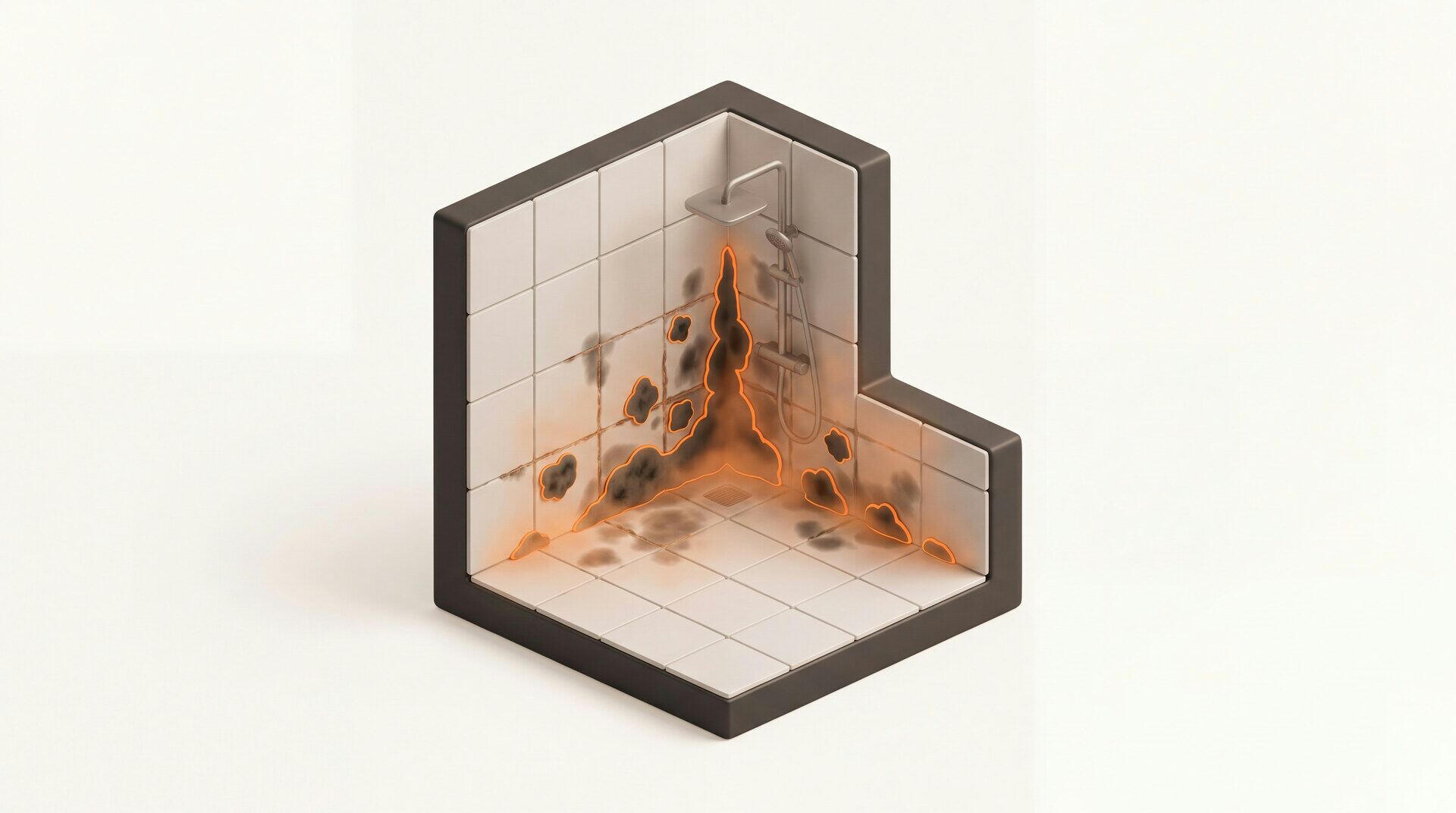
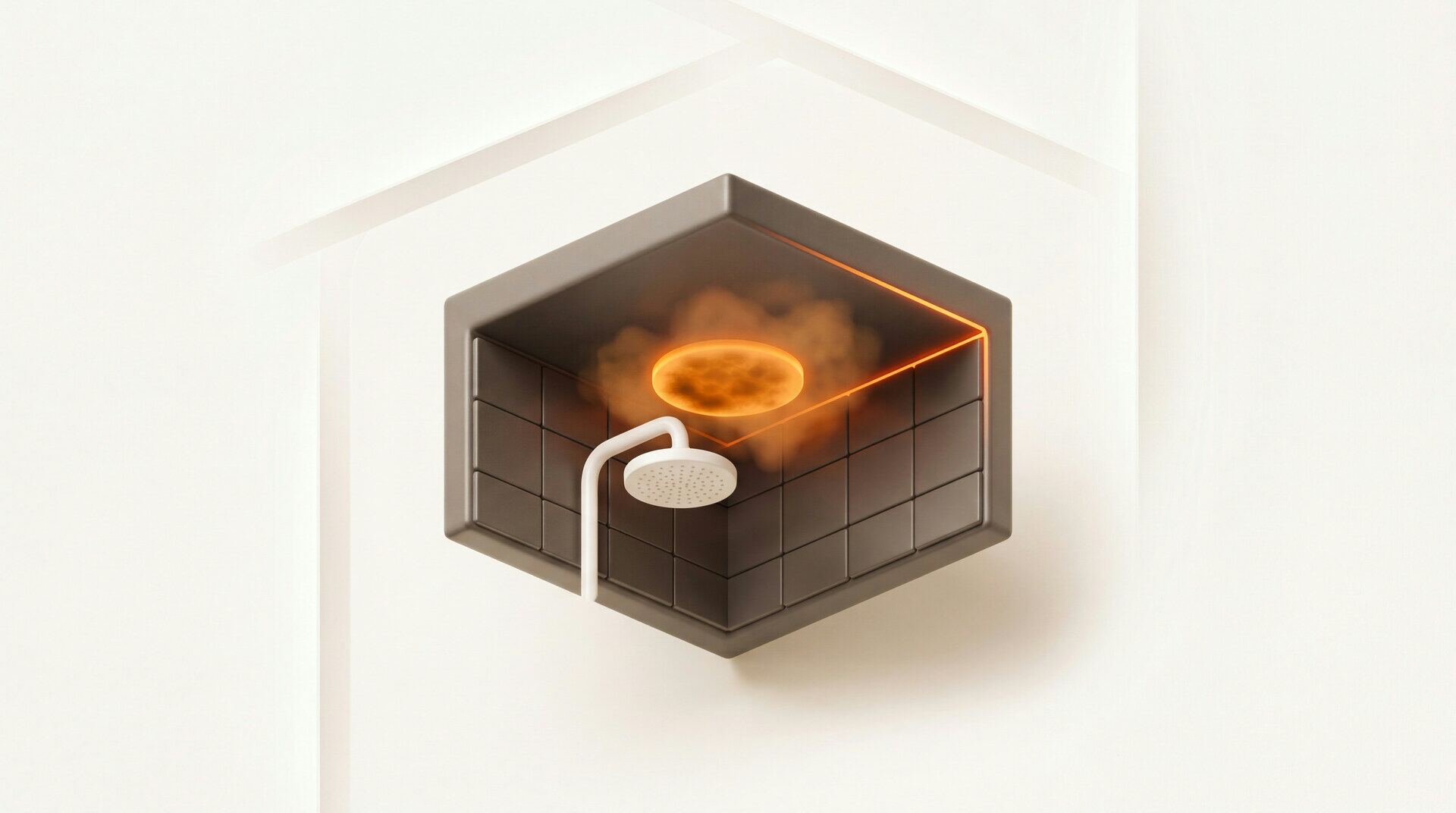
Bathrooms create the perfect environment for mold. Every shower floods the room with warm moisture. That moisture lands on cold surfaces like the ceiling, walls, and grout lines. Without proper ventilation, humidity stays above 60% for hours. Mold needs moisture above 60% to grow, and it can start a new colony in as little as 24 to 48 hours.
According to IICRC S520 field guidance, the most common mistake homeowners make is not running the exhaust fan long enough. Turning it off when you leave the bathroom is not enough. The room stays humid for 20 to 30 minutes after the water stops. That leftover moisture is what feeds mold growth. The EPA reports that indoor air is typically 5x worse than outdoor air, and a poorly ventilated bathroom is one of the biggest contributors.
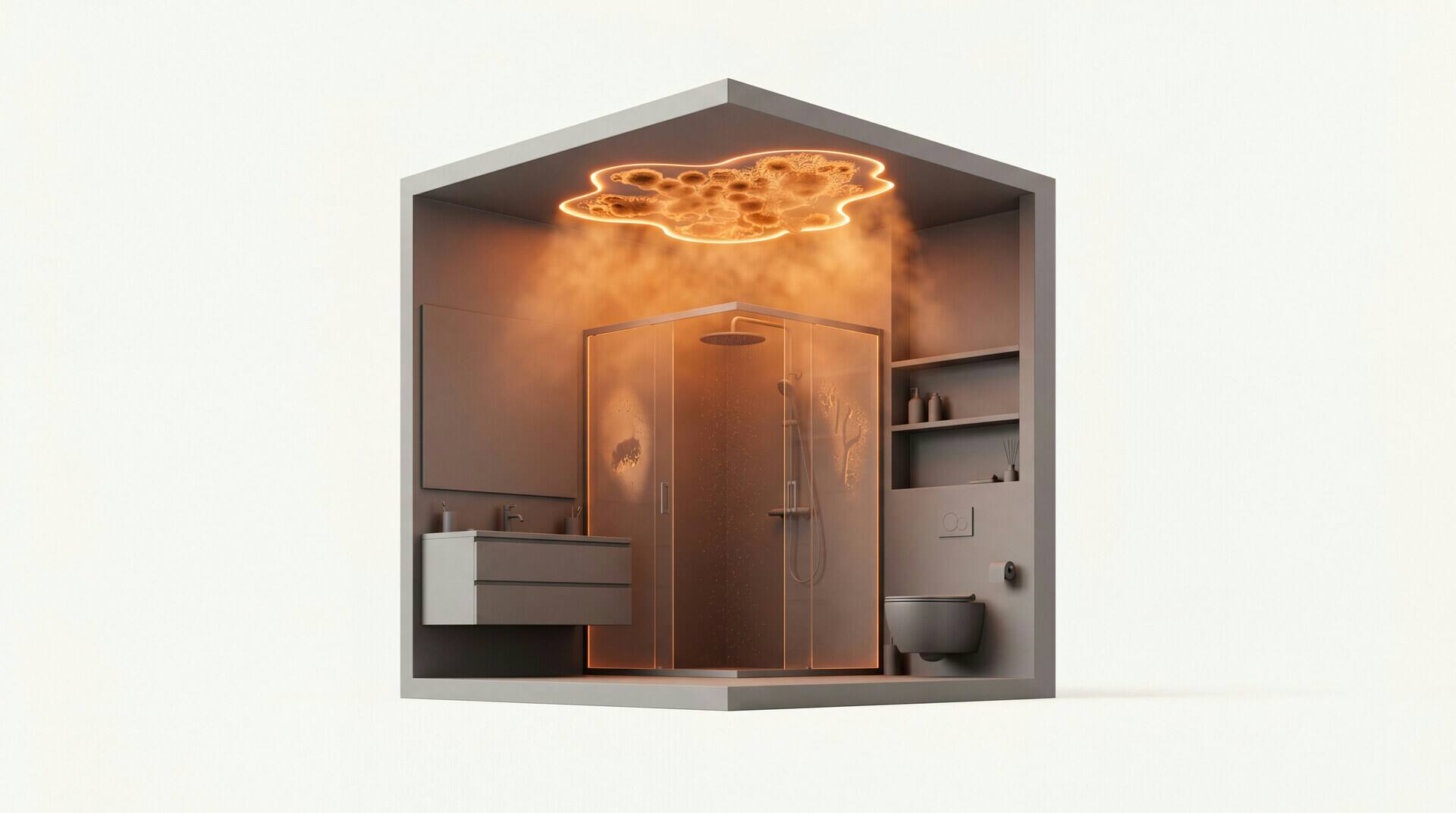
The 6 places mold hides in your bathroom
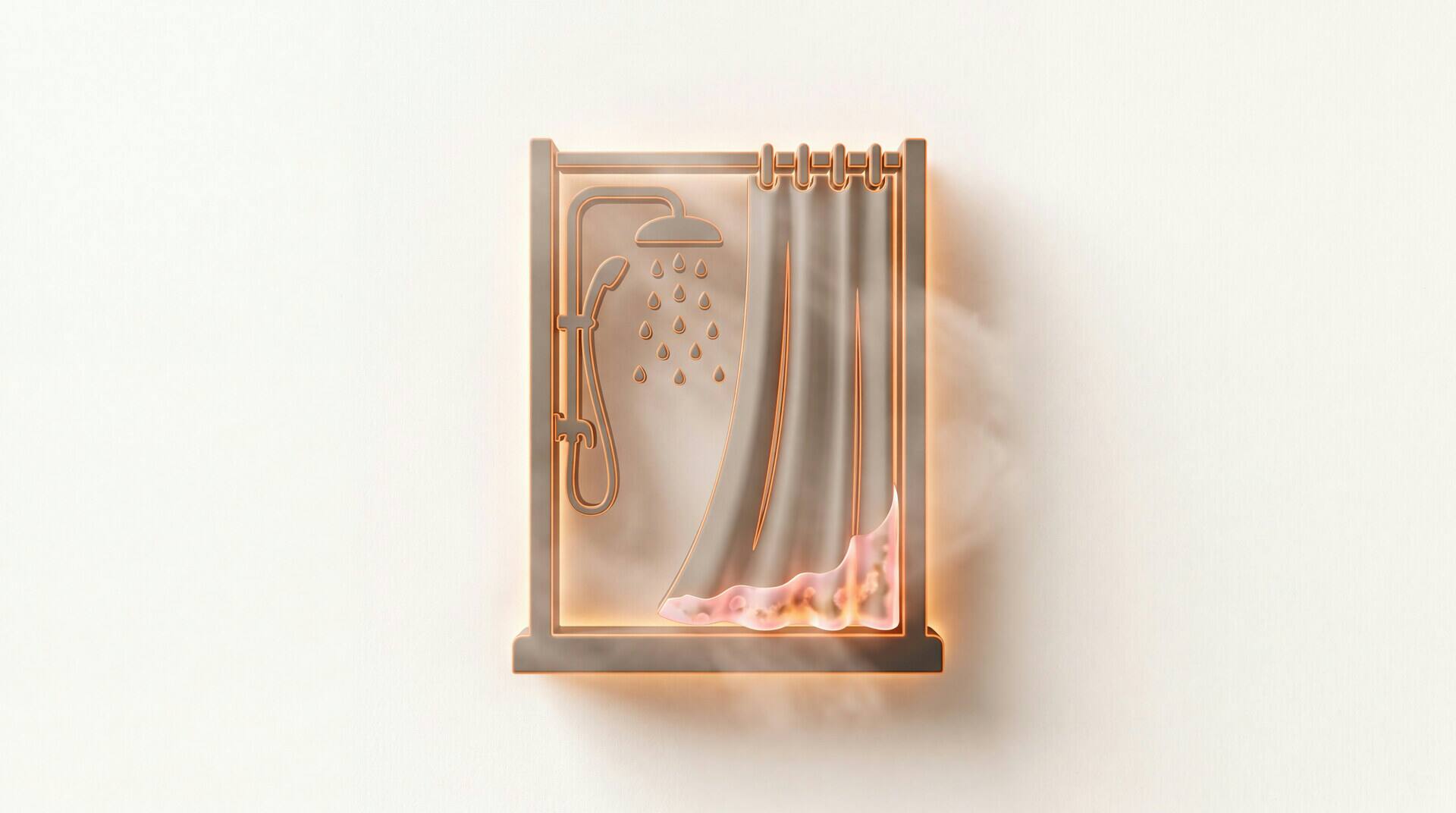
1. Shower ceiling (the #1 spot): Hot steam rises and hits the cold ceiling. If your bathroom has no exhaust fan or a weak one, that condensation sits for hours. Look for black or dark green spots in the corners where the ceiling meets the walls. This is the most common place for bathroom mold and the easiest to miss because most people do not look up.
2. Grout lines between tiles: Grout is porous. It absorbs water like a sponge. Once mold gets into the grout, surface cleaning only removes what you can see. The roots stay inside the grout and grow back within days. Dark staining between tiles that does not wipe away with regular cleaner is almost always mold.
3. Caulk joints around the tub and shower: Caulk seals the gap between the tub and the wall. Over time it cracks, peels, and separates. Water gets behind the caulk and mold grows between the caulk and the surface underneath. If you see black spots inside your caulk, the only real fix is to remove the old caulk completely and apply new mildew resistant caulk.
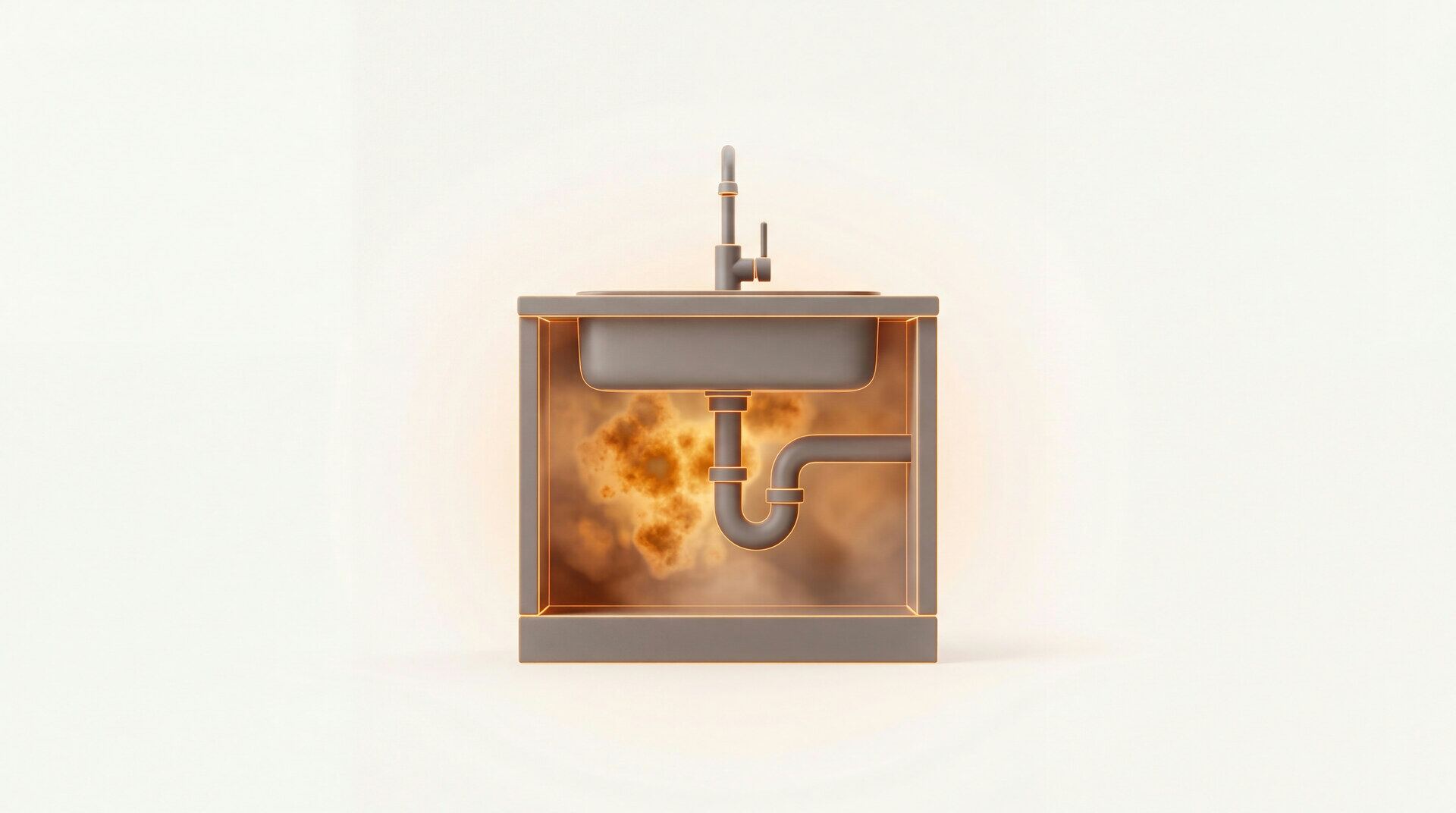
4. Under the sink: The cabinet under your bathroom sink is dark, enclosed, and sits right next to plumbing connections. Slow drips from supply lines or drain joints create constant moisture. Open the cabinet and look at the back wall and the floor. Feel for dampness. A musty smell when you open the door is a strong indicator of hidden mold.
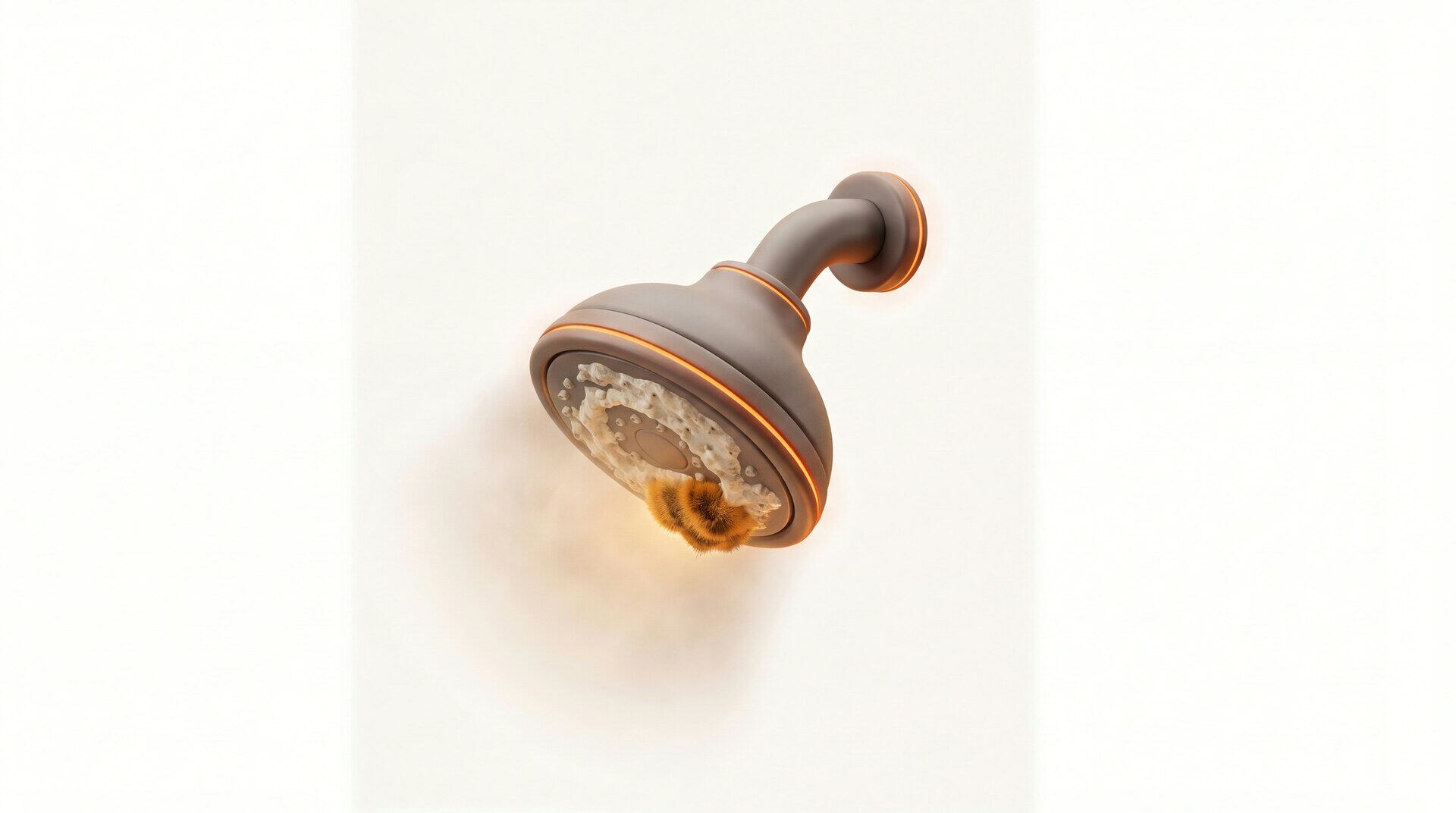
5. Exhaust fan and vent cover: The exhaust fan is supposed to remove moisture, but the fan housing itself collects dust and moisture. Over time, mold grows on the fan blades and the vent cover. When you turn the fan on, it blows mold spores across the bathroom. Remove the vent cover every few months and clean it. Check the fan blades for dark buildup.
6. Around the toilet base: The wax ring that seals the toilet to the floor can fail without any visible leak. Water seeps out slowly at the base, soaks into the floor, and mold grows underneath the toilet and in the subfloor. If your toilet rocks even slightly when you sit on it, the wax ring may be compromised. A musty smell near the toilet base is a warning sign.
How to remove bathroom mold yourself
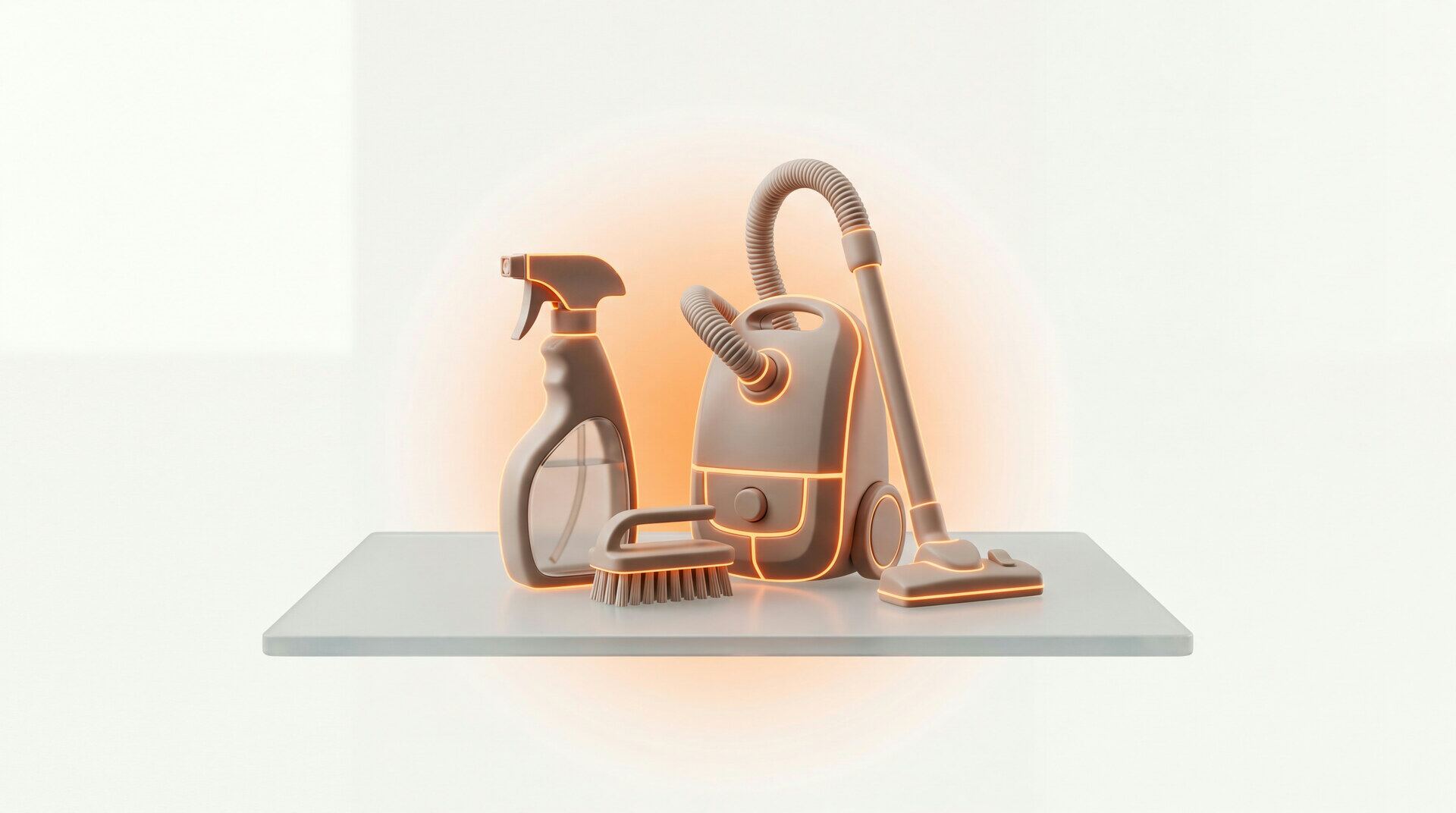
Match the cleaner to the surface. Our guide to the best mold removal products covers the no-bleach options that suit tile, grout, and cabinet wood.
For tile and non porous surfaces: Spray 3% hydrogen peroxide directly on the mold. Let it sit for 10 minutes. Scrub with a stiff brush. Rinse and dry completely. Hydrogen peroxide kills mold on contact and is safe on most bathroom surfaces. For stubborn surface stains on non-porous tile, a dedicated remover like the one in our RMR-86 review is another option, though it is not for porous grout. Never use bleach on grout or porous surfaces. Every mold expert agrees that bleach does not kill mold roots in porous materials.
For grout: Apply hydrogen peroxide with a spray bottle. Let it soak for 15 minutes. Scrub each grout line with a grout brush. For heavily stained grout, use a paste of baking soda and hydrogen peroxide. If the mold keeps coming back, the grout may need to be removed and replaced. Seal new grout with a silicone based sealer.
For caulk: Do not try to clean moldy caulk. Remove it completely with a caulk removal tool or razor blade. Clean the exposed surface with hydrogen peroxide. Let it dry for 24 hours. Apply new 100% silicone, mildew resistant caulk. Mildew resistant caulk contains antimicrobial additives that slow mold growth for 3 to 5 years.
For under the sink: Fix the leak first. Remove everything from the cabinet. Spray hydrogen peroxide on all surfaces. For mold on the cabinet wood, HEPA vacuum first, then spray with a botanical disinfectant or hydrogen peroxide. If the wood is soft or crumbling, it may need replacement. Run a fan pointed into the cabinet for 24 hours to dry it completely.
When to call a professional: If the moldy area covers more than 10 square feet, you see mold growing on the drywall behind tiles, or anyone in the home has mold related health symptoms, call an independent mold inspector. Remediation experts emphasize that the inspector should be independent from the remediation company to avoid conflicts of interest.
Prevention: how to keep bathroom mold from coming back

Run the exhaust fan for 20 minutes after every shower. This is the single most important habit. Most people turn the fan off when they leave the bathroom. The room is still humid. Leave it running for at least 20 minutes. If your fan is noisy and that bothers you, upgrade to a quiet model rated at 1 sone or less.
Squeegee the walls and glass after every shower. This removes 80% of the water that would otherwise evaporate and raise humidity. It takes 30 seconds and makes a massive difference.
Recaulk the tub and shower joints once a year. Even if the caulk looks fine, it degrades over time. An annual recaulk prevents mold from getting behind the seal. Use 100% silicone mildew resistant caulk, not latex caulk.
Fix leaks immediately. A dripping faucet or slow pipe leak under the sink creates constant moisture. Mold starts growing in 24 to 48 hours. Fix every leak the same day you discover it.
Keep humidity below 50%. If your bathroom does not have a window or has poor ventilation, consider a small dehumidifier. A 20 pint unit is enough for most bathrooms. The EPA and every mold remediation expert agree that keeping humidity below 50% is the single most effective way to prevent mold growth.

Frequently asked questions
What is the number one spot for mold in a bathroom?
The shower ceiling is the number one spot for bathroom mold. Hot steam rises and hits the cold ceiling, creating condensation. That moisture sits there for hours if you do not run an exhaust fan. Mold colonies can grow in as little as 24 to 48 hours in these conditions.
How do I get rid of mold in bathroom grout?
Spray 3% hydrogen peroxide directly on the moldy grout. Let it sit for 10 minutes, then scrub with a stiff brush. Rinse and dry completely. For severe grout mold, remove the old grout with a grout saw and regrout. Seal new grout with a silicone based sealer to prevent future growth.
Should I use bleach on bathroom mold?
No. Every mold remediation expert agrees that bleach does not work on porous surfaces like grout and drywall. Bleach kills surface mold on tiles but cannot reach roots in porous materials. Use hydrogen peroxide instead. For caulk, the best approach is to remove the old caulk entirely and apply new mildew resistant caulk.
How do I prevent mold in my bathroom?
Run your exhaust fan for at least 20 minutes after every shower. Squeegee the walls and glass after each use. Recaulk the shower and tub joints once a year. Fix any leaky faucets or pipes under the sink immediately. Keep humidity below 50% with proper ventilation.
Sources
Every claim on this page traces to one of these. Links open the primary document.