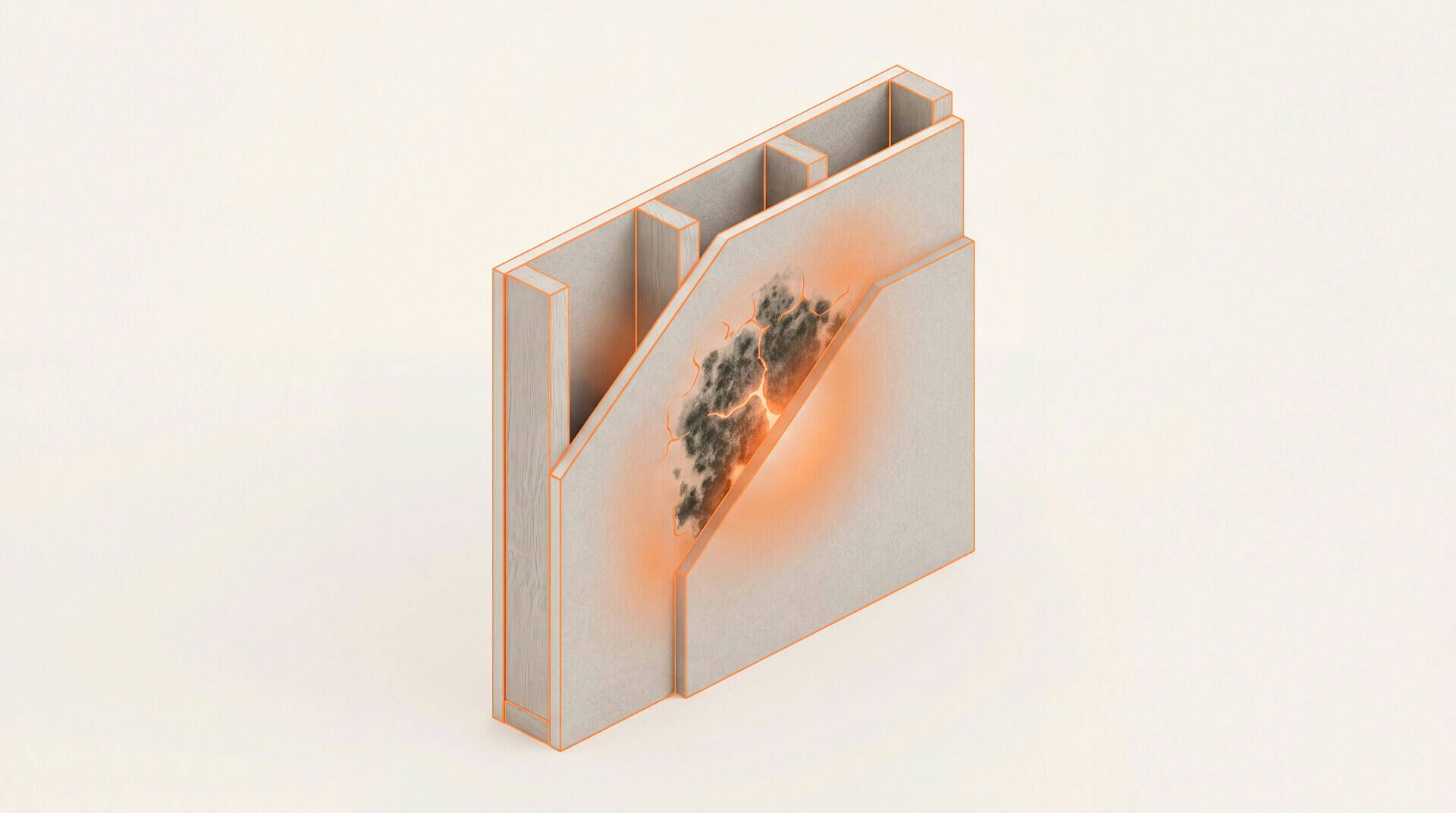
Why mold grows behind walls
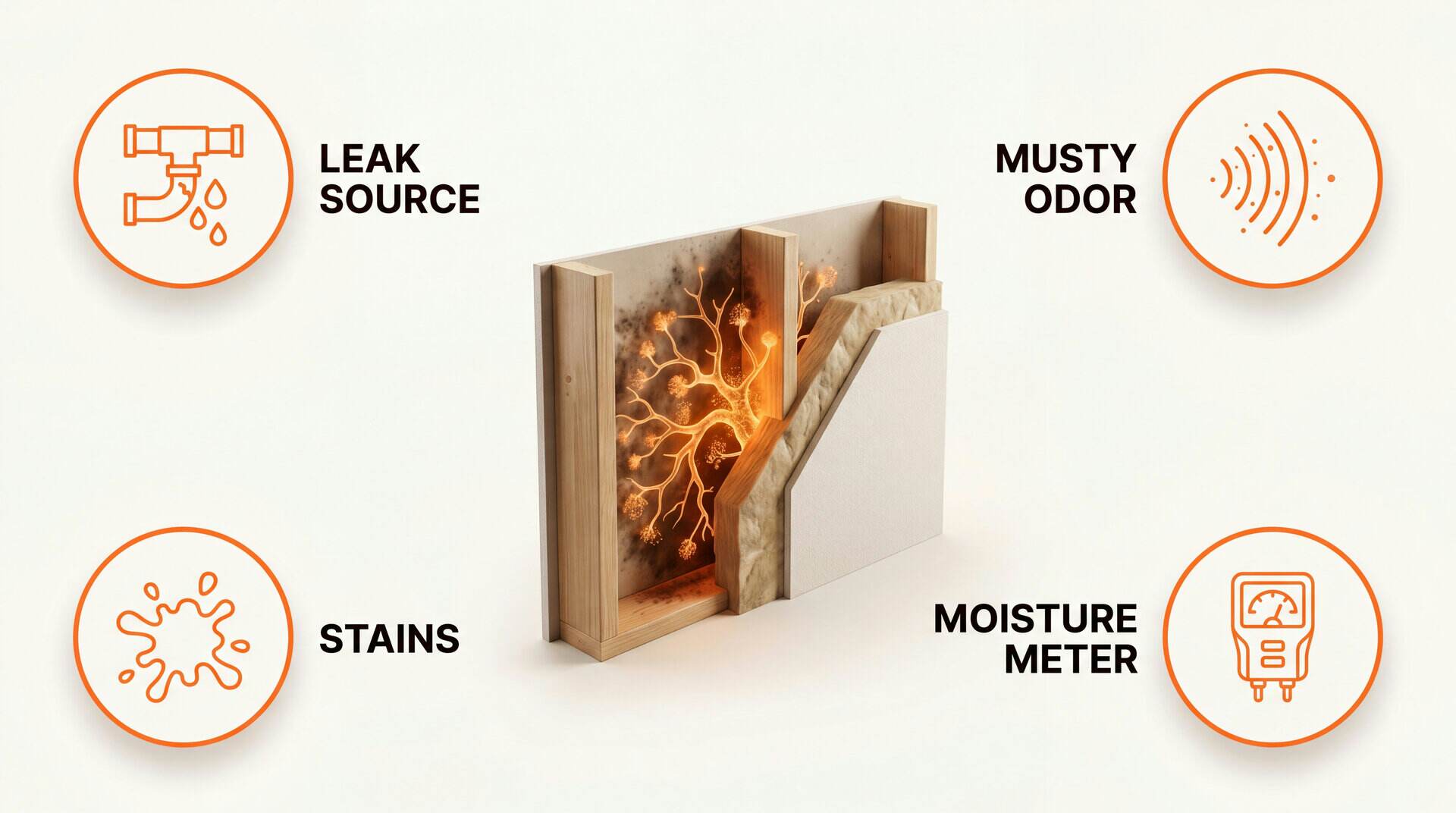
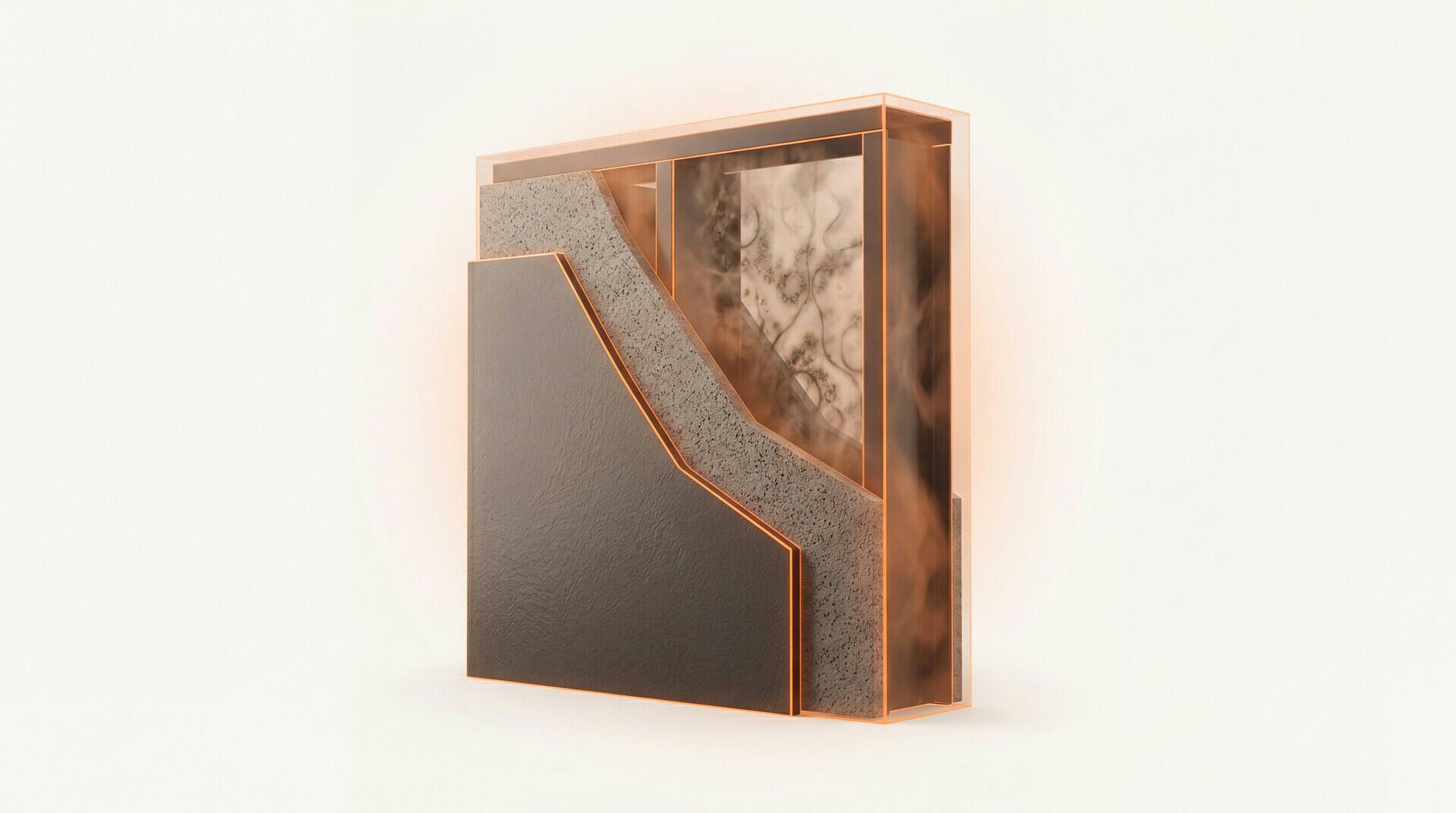
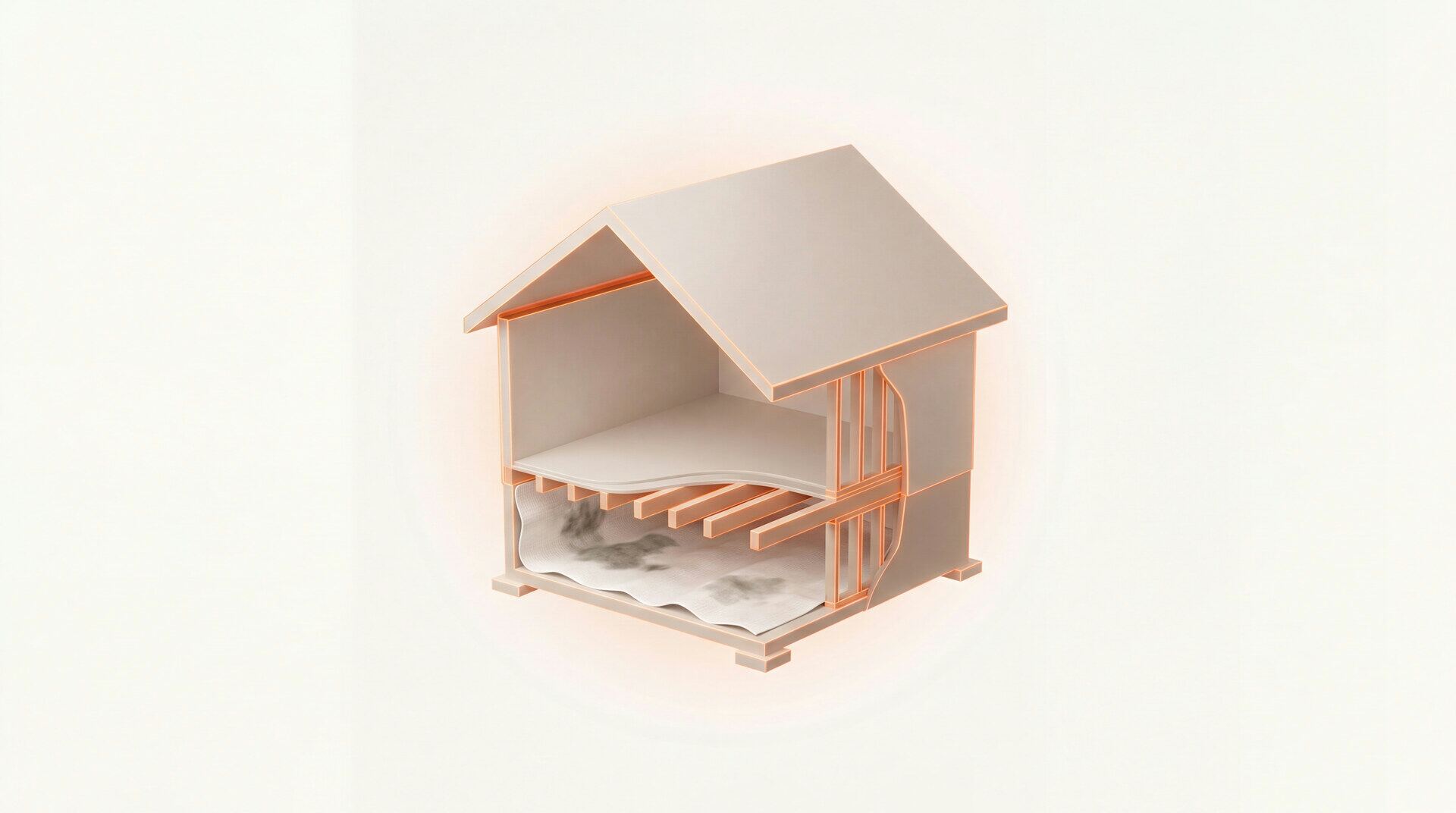
Wall cavities are dark, enclosed spaces with zero air movement. When water enters a wall cavity from a leaking pipe, roof leak, window seal failure, or condensation, it has nowhere to evaporate. The drywall, wood studs, and insulation absorb that water and stay wet for weeks or months. Mold can begin growing within 24 to 48 hours of a surface getting wet. By the time you smell it, the mold colony may have been growing for weeks.
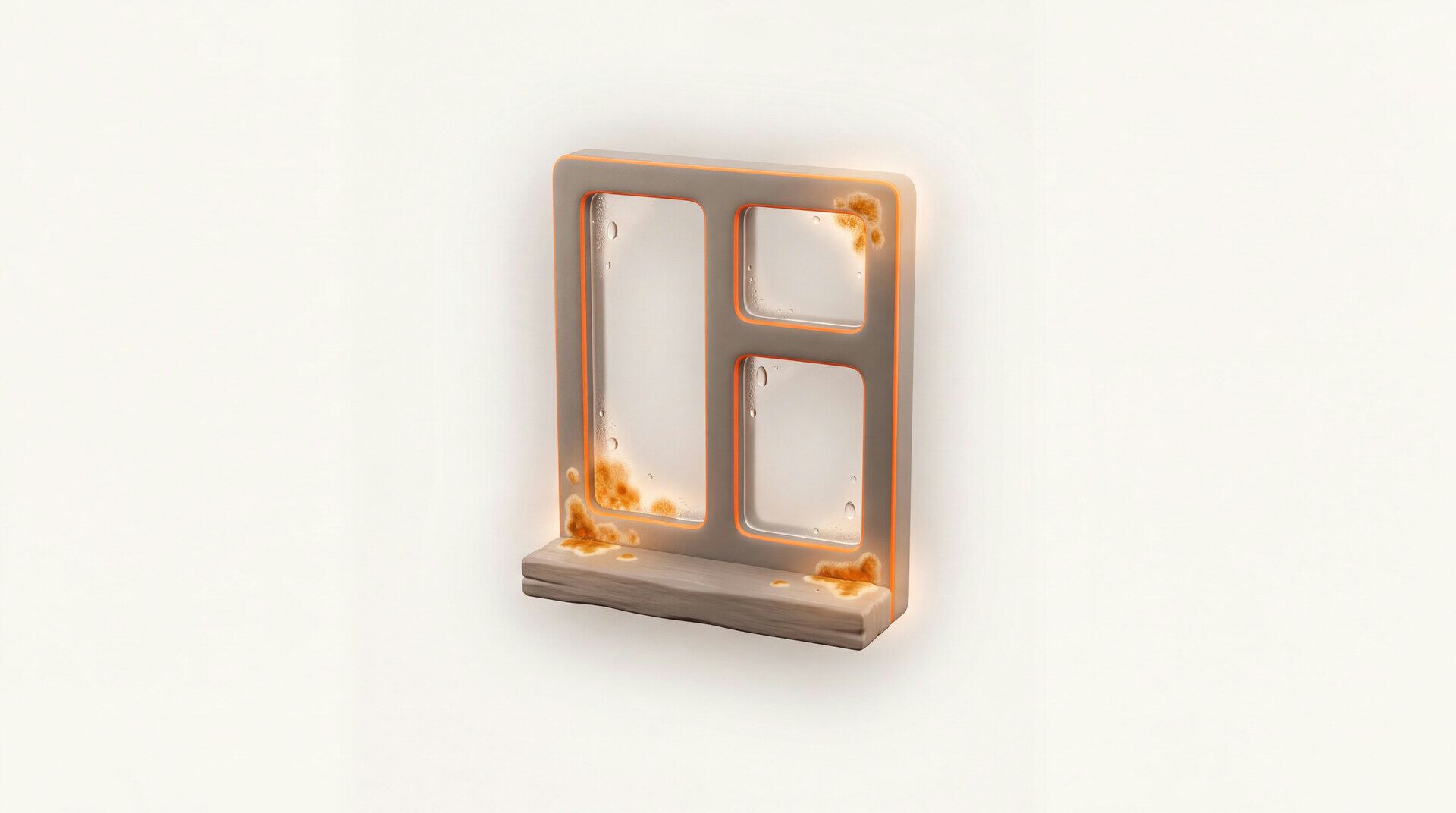
The most common ways water gets behind walls: plumbing leaks inside the wall (supply lines and drain pipes), roof leaks that travel down through the top plate, window and door flashing failures that let rain in during storms, condensation on cold exterior walls in winter, and flooding that wicks up through drywall from the floor.
A leading remediation science expert, notes that mold behind walls is especially dangerous because the HVAC system pulls air from wall cavities and distributes spores throughout the entire house. You may never see the mold, but you breathe it in every day.
Signs of mold behind walls
Persistent odor: A musty odor can justify investigating moisture, but it cannot confirm active or hidden growth.
Bubbling or peeling paint: Finish damage can have several causes. Do not assume it proves saturated drywall or mold.
Warped, soft, or stained materials: Keep clear of unstable material and have the moisture source investigated directly.
Discoloration: Record changes and check accessible moisture conditions, but do not identify the substance from color alone.
Symptoms: Symptoms have many possible causes and cannot diagnose a building. Seek medical care for health concerns and investigate the building separately.
How to detect mold behind walls without cutting
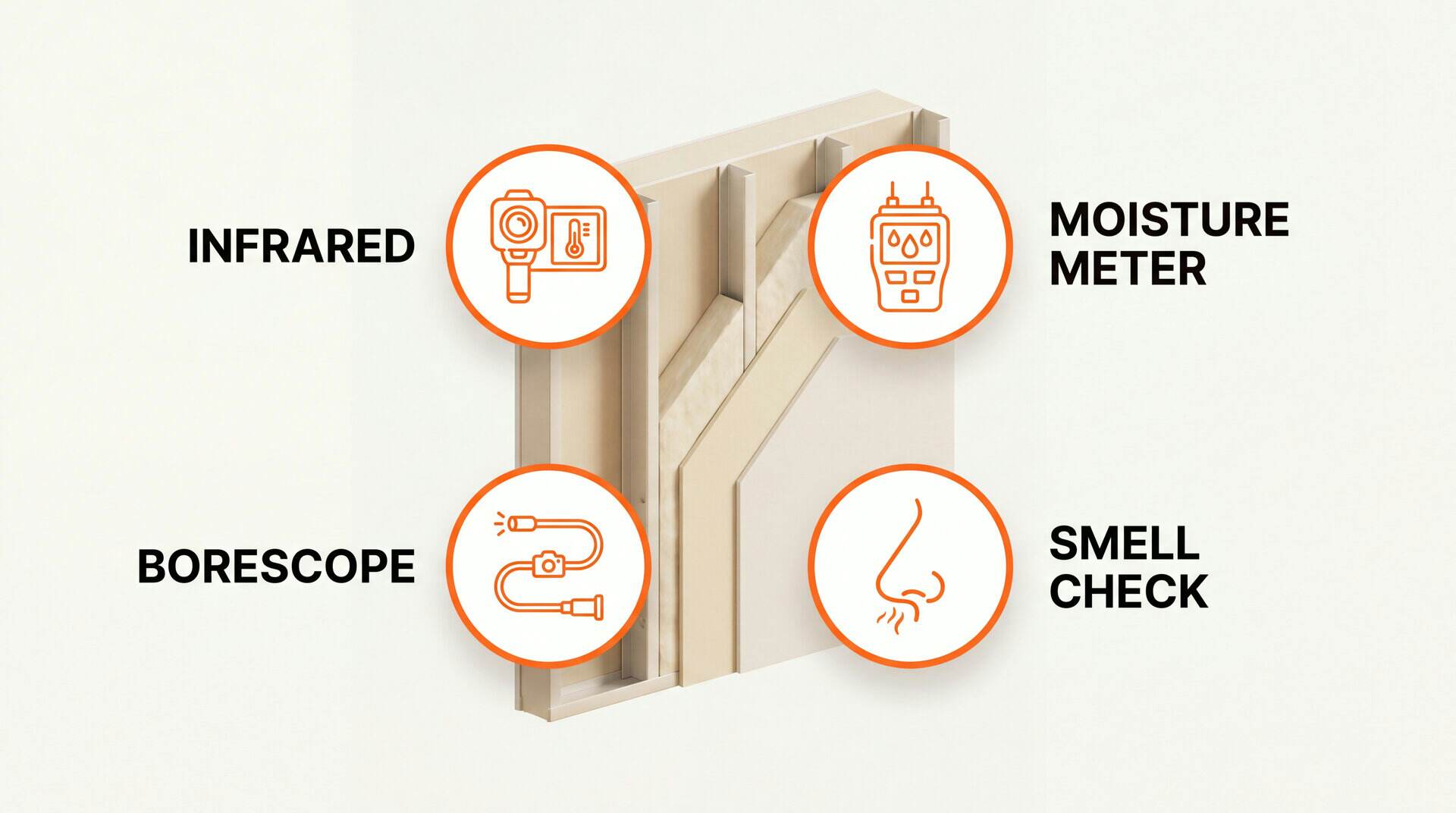
Moisture meter: Readings depend on the meter, material, calibration, and comparison area. A reading can support a moisture investigation but cannot confirm mold or locate a hidden source by itself.
Thermal camera: It shows surface-temperature differences, not water or mold. Sun, insulation, airflow, and material changes can create similar patterns.
Cavity inspection: Drilling or cutting can disturb electrical wiring, plumbing, hazardous materials, or contamination. Leave invasive work to a qualified professional with a safety and containment plan.
Dust or air sampling: A sample describes the material collected under a particular plan. No ERMI, HERTSMI-2, air, or dust score proves where hidden growth is located or that a home is safe.
Professional inspection: Ask for a written scope, the tools and limits used, any sampling purpose, and a clear separation between observation and inference.
What to do when you find mold behind a wall
Do not cut into the wall yourself. Opening a cavity can contact wiring, plumbing, asbestos-containing material, lead paint, unstable construction, or contamination. A qualified professional should decide whether invasive inspection is justified and what safety controls are needed.
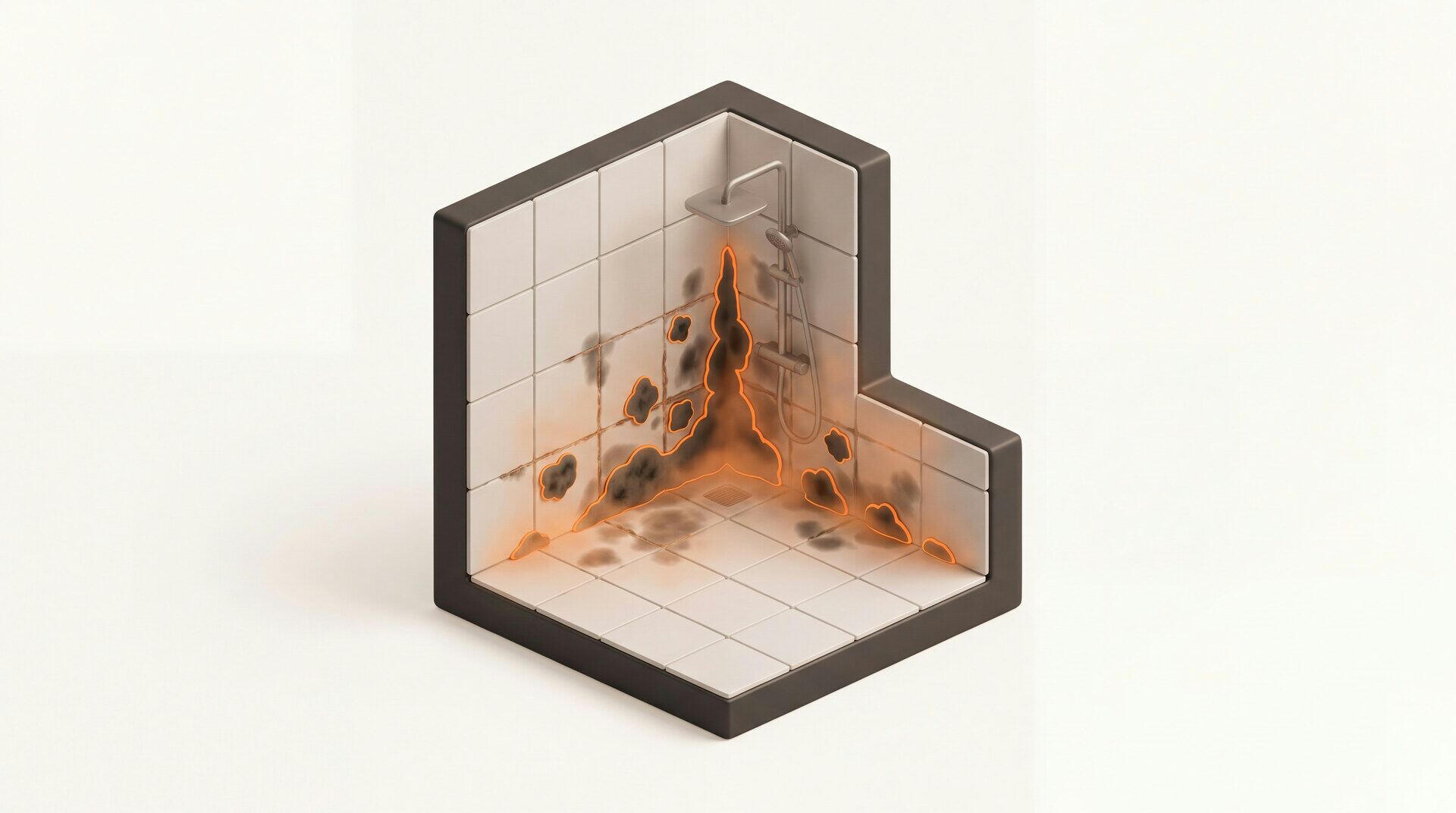
Correct the water source. Locate and repair the leak, condensation, drainage, or ventilation problem before closing the assembly. Where the moisture is condensation rather than a leak, lowering indoor humidity with a dehumidifier reduces how much water reaches the cavity.
Use a finding-specific scope. Removal boundaries, containment, cleaning methods, and material replacement depend on direct observations, the material, the extent, and applicable requirements. Porous material like wet drywall is removed rather than cleaned, while a non-porous surface that stays in place can be treated with a surface product such as the one in our RMR-86 review. A fixed distance, product, or number of cleaning cycles is not universal.
Verify the objective. Post-remediation verification should check the agreed scope, source correction, dryness, cleanliness, and any project-specific acceptance criteria. Sampling is not always required and no generic mold count proves a home is safe for every occupant.
Frequently asked questions
How do you know if there is mold behind your walls?
You cannot confirm hidden mold from odor, symptoms, stains, a moisture reading, or a photo alone. Those clues can justify investigating the moisture source. A qualified professional can assess concealed areas and determine whether invasive inspection is necessary.
Can a thermal camera find mold behind walls?
No. A thermal camera shows surface-temperature patterns, not water or mold. Insulation, sunlight, airflow, framing, and material changes can create similar patterns. Findings need confirmation with direct moisture investigation and context.
How much does it cost to address suspected mold behind walls?
Cost depends on the water source, affected materials, accessibility, containment needs, local labor, and repair scope. Get a written, itemized scope based on direct findings rather than assuming a fixed price or that every wall requires demolition.
Should I cut into the wall to check for mold?
Do not open a wall yourself to chase an odor or uncertain reading. Cutting can contact wiring, plumbing, asbestos-containing material, lead paint, or contamination. If invasive inspection is justified, use a qualified professional with an appropriate safety and containment plan.
Sources
Every claim on this page traces to one of these. Links open the primary document.