Toxic Mold Symptoms: The Complete Checklist from 6 Mold Doctors
Toxic mold exposure causes fatigue, brain fog, sinus congestion, joint pain, and respiratory problems. The strongest sign: symptoms improve when you leave home and return when you come back. 24% of people are genetically unable to clear mold toxins, making them vulnerable to chronic illness called CIRS.
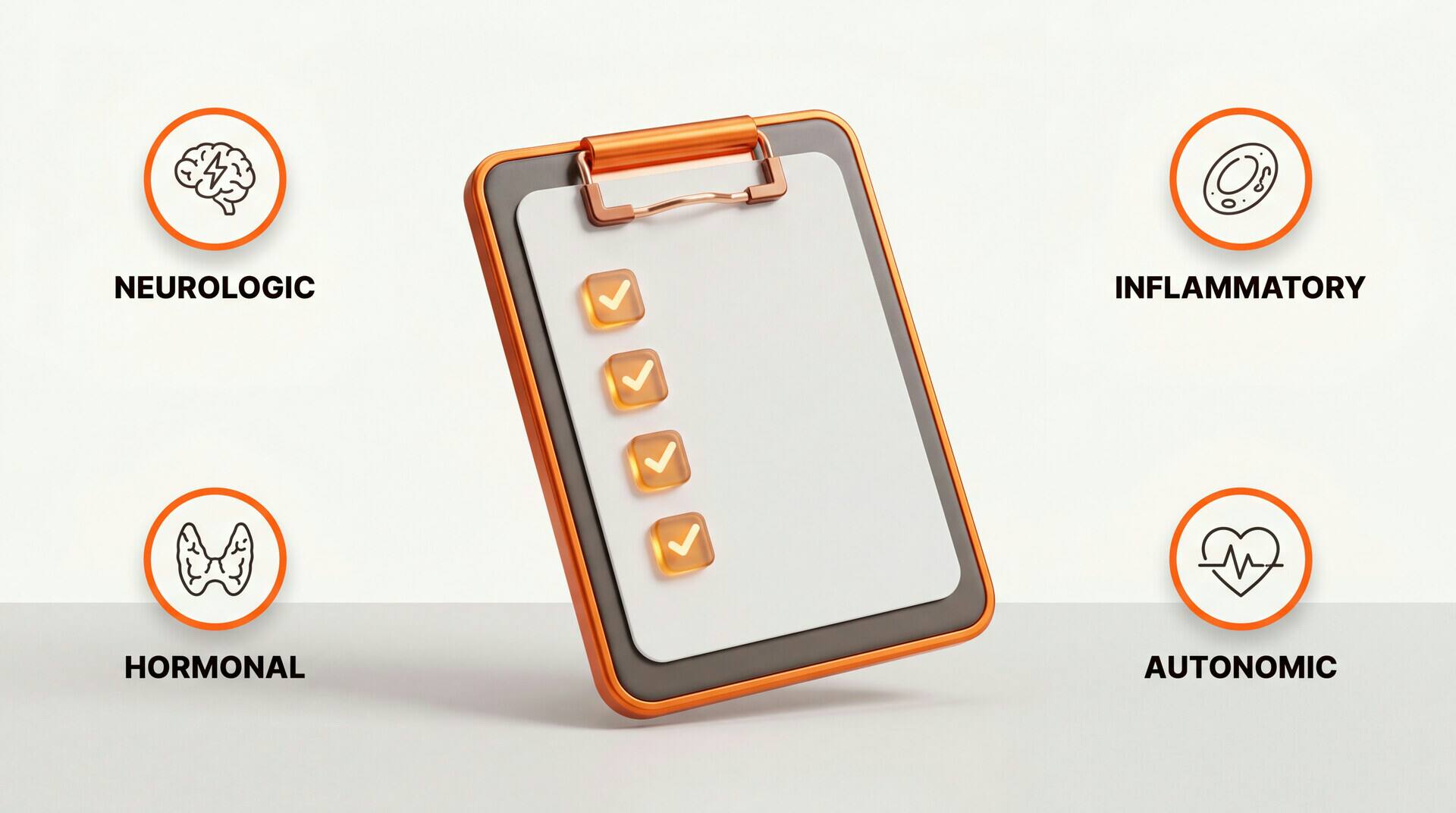
The CIRS 13 cluster symptom checklist
Leading mold illness researchers created the field of mold illness medicine. His research across 150+ publications identified 13 clusters of symptoms that predict mold toxicity with high accuracy. If you experience symptoms in 8 or more of these 13 clusters, combined with a failed VCS (Visual Contrast Sensitivity) test, there is a 98% probability you have CIRS.
Cluster 1: Fatigue. Persistent exhaustion that does not improve with sleep or rest. Not regular tiredness. A deep, bone level fatigue that makes basic tasks feel impossible.
Cluster 2: Weakness. Muscle weakness, decreased grip strength, difficulty with stairs. Different from fatigue. Your muscles literally cannot perform.
Cluster 3: Body aches. Joint pain, muscle pain, morning stiffness. Often misdiagnosed as fibromyalgia or early arthritis.
Cluster 4: Headaches. Persistent headaches, often in new patterns. Migraines that started after moving to a new home are a red flag.
Cluster 5: Light sensitivity. Eyes hurt in bright light. Tearing, blurred vision. The VCS test measures this neurotoxic damage directly.
Cluster 6: Memory and concentration problems. Brain fog, word finding difficulty, trouble following conversations, getting lost in familiar places.
Cluster 7: Skin sensitivity. Unusual static shocks (highly specific to CIRS per CIRS research), numbness, tingling, "ice pick" pains, electrical sensations (a mold specific pattern).
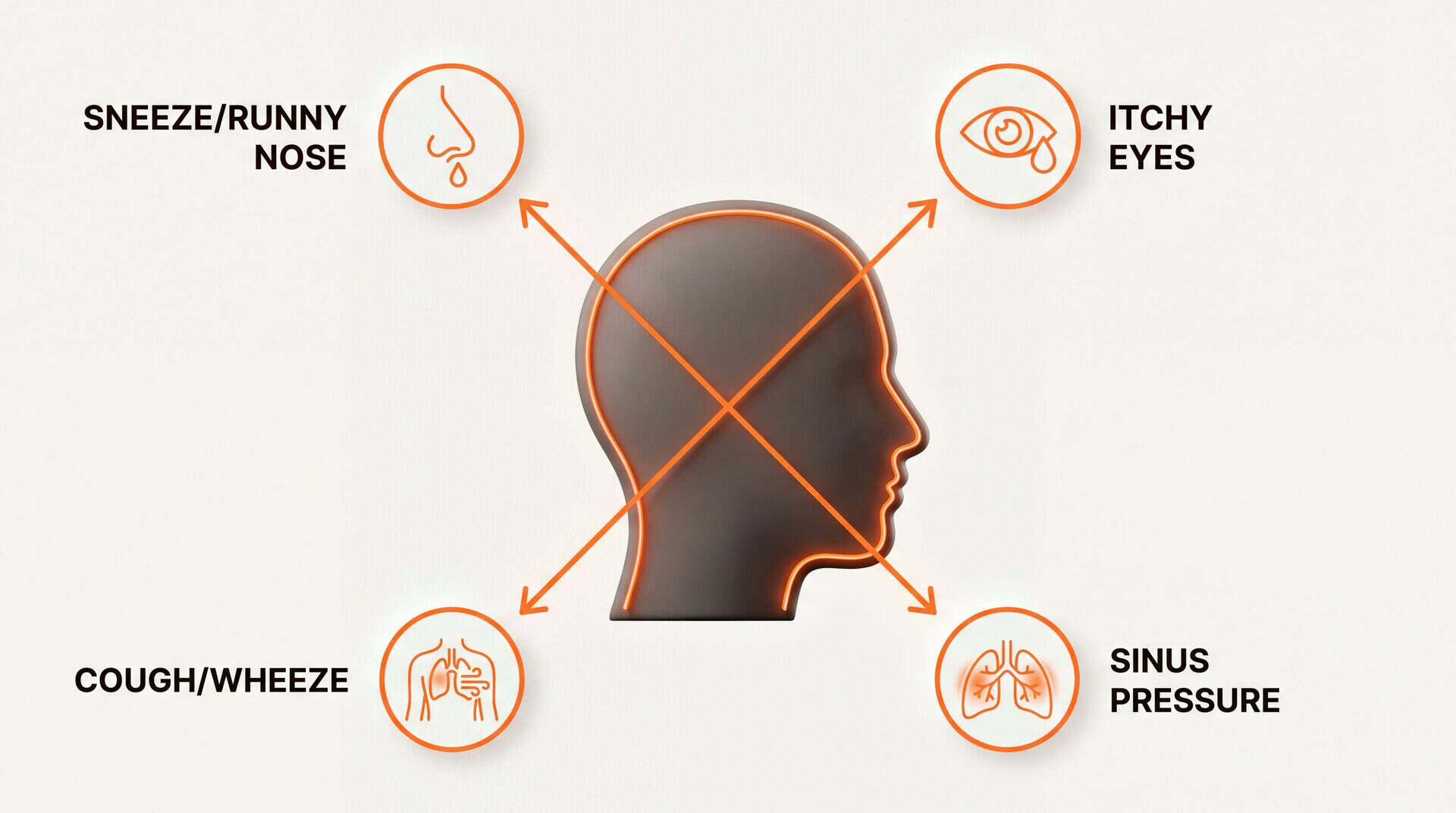
Cluster 8: Shortness of breath. Air hunger, cough, wheezing, sinus congestion that never fully resolves.
Cluster 9: Sinus problems. Chronic congestion, recurring sinus infections, post nasal drip. Leading naturopathic mold experts note that mold colonizes the sinuses and then re-seeds the gut from above.
Cluster 10: Abdominal problems. Nausea, diarrhea, bloating, cramping, appetite changes. Gut symptoms are often dismissed as IBS.
Cluster 11: Tremors. Internal vibrating or tremoring sensations. Leading environmental health researchers identify this as a mold specific neurological pattern.
Cluster 12: Vertigo. Dizziness, balance problems, disorientation.
Cluster 13: Metallic taste. Unusual taste in the mouth, excessive thirst, frequent urination, temperature dysregulation.
CIRS: the chronic illness behind mold symptoms
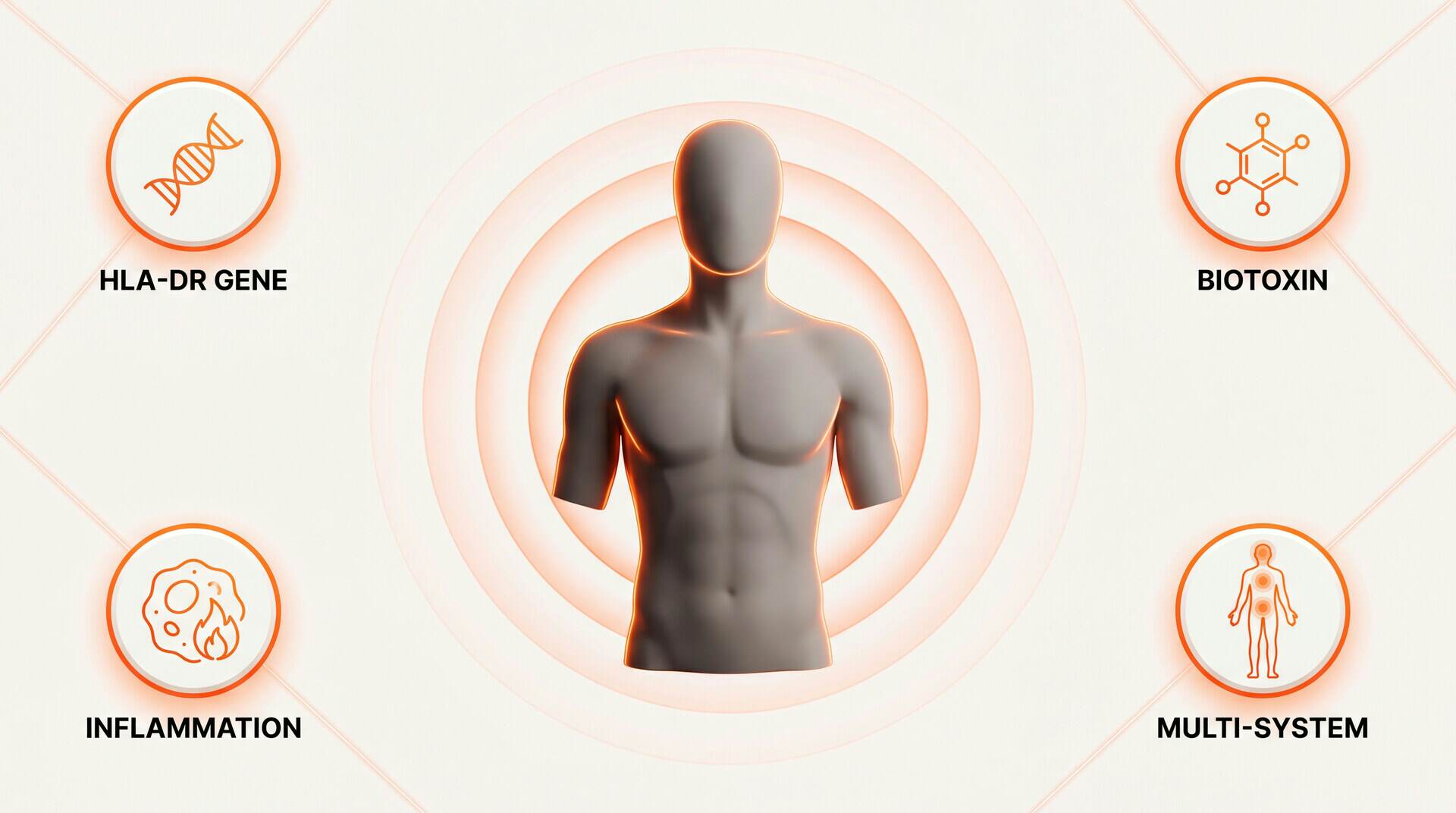
CIRS stands for Chronic Inflammatory Response Syndrome. It is not an allergy. It is a systemic inflammatory condition triggered by biotoxins, and mold mycotoxins are the most common trigger. Here is what happens inside your body.
When you breathe in mold spores or mycotoxins, your immune system is supposed to recognize them, tag them, and clear them. In 76% of the population, this system works. The toxins get processed and eliminated. You might sneeze or cough, but you recover.
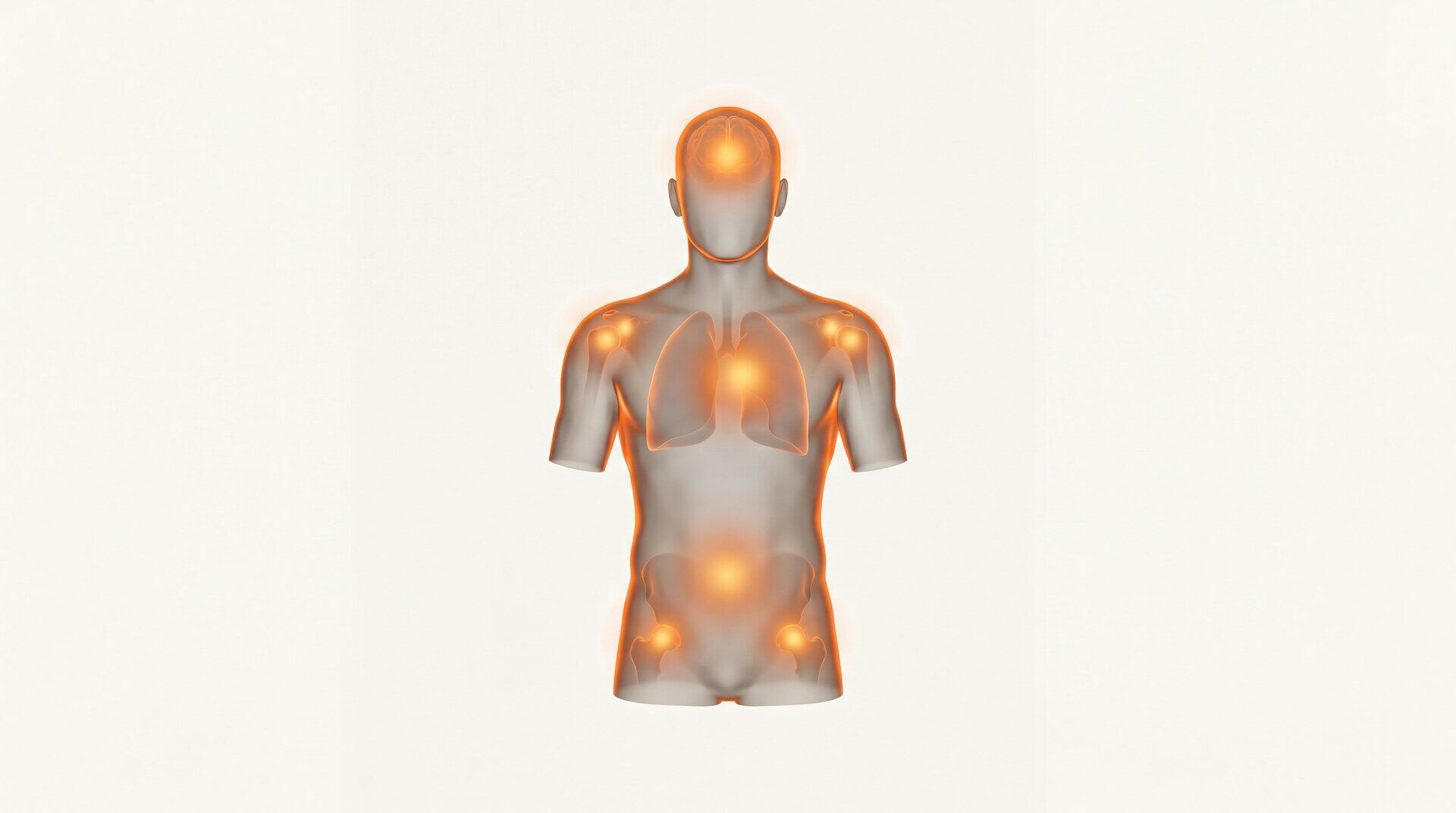
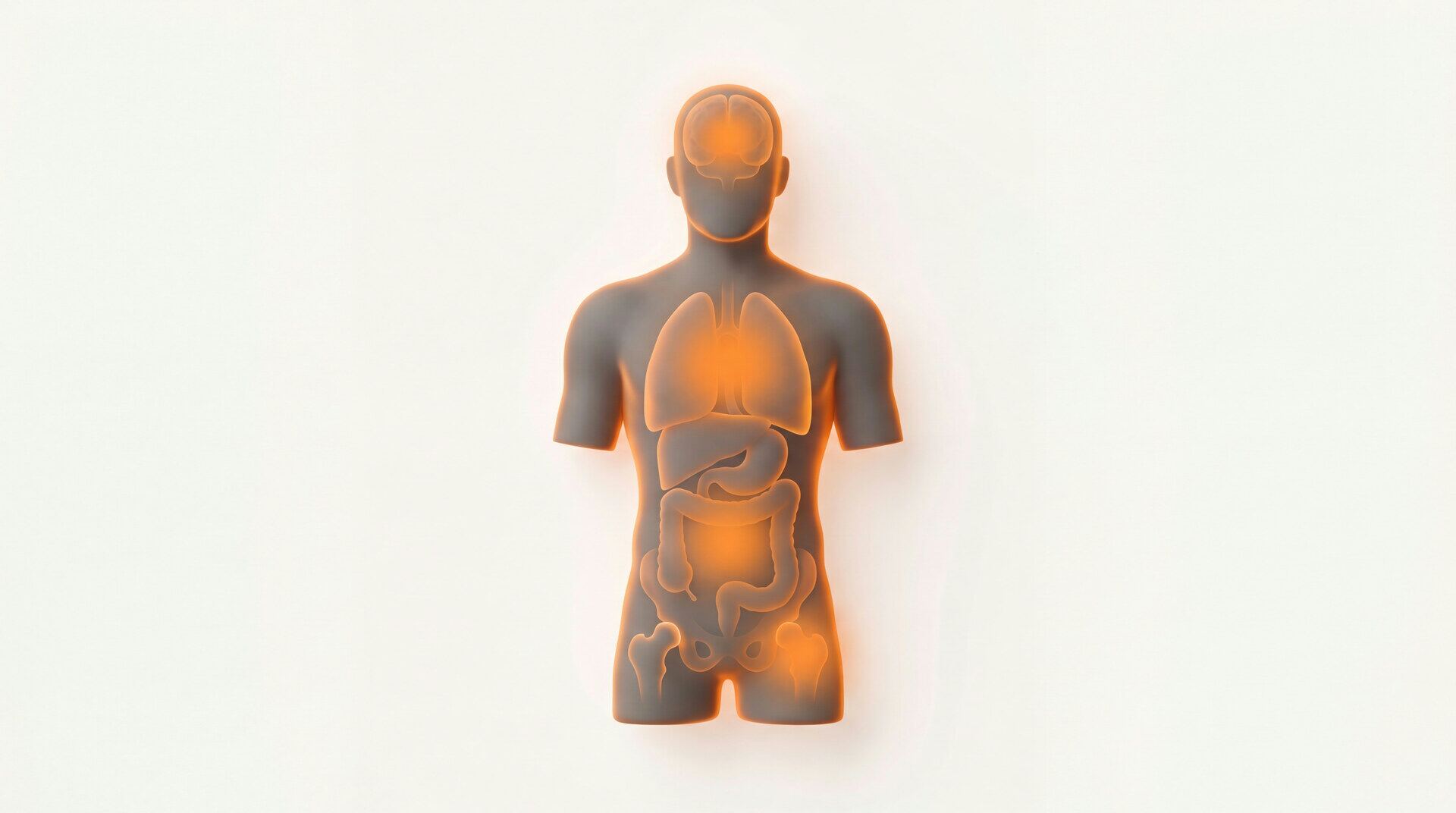
In the other 24%, the immune system cannot properly tag the toxins for removal. This is due to specific HLA-DR gene variants identified by leading mold illness researchers. The toxins recirculate in the bloodstream, triggering a cascade of inflammation that affects every organ system: brain, lungs, gut, joints, skin, hormones.
Leading environmental health researchers estimate 10 million Americans have some degree of mold toxicity. The average US home has a HERTSMI-2 score of about 30. A safe score is below 11. Most homes in America would fail a mold doctor's clearance test.
The hallmark of CIRS is that it is multi-system. If you only have a runny nose, that is probably an allergy. If you have fatigue plus brain fog plus gut problems plus joint pain plus sinus issues, and they all started around the same time or after a water damage event, that pattern points to CIRS.
MCAS: the mast cell connection to mold
80% of mold toxic patients studied by leading environmental health researchers develop mast cell activation syndrome (MCAS). This is not a coincidence. It is a direct consequence of the inflammatory cascade.
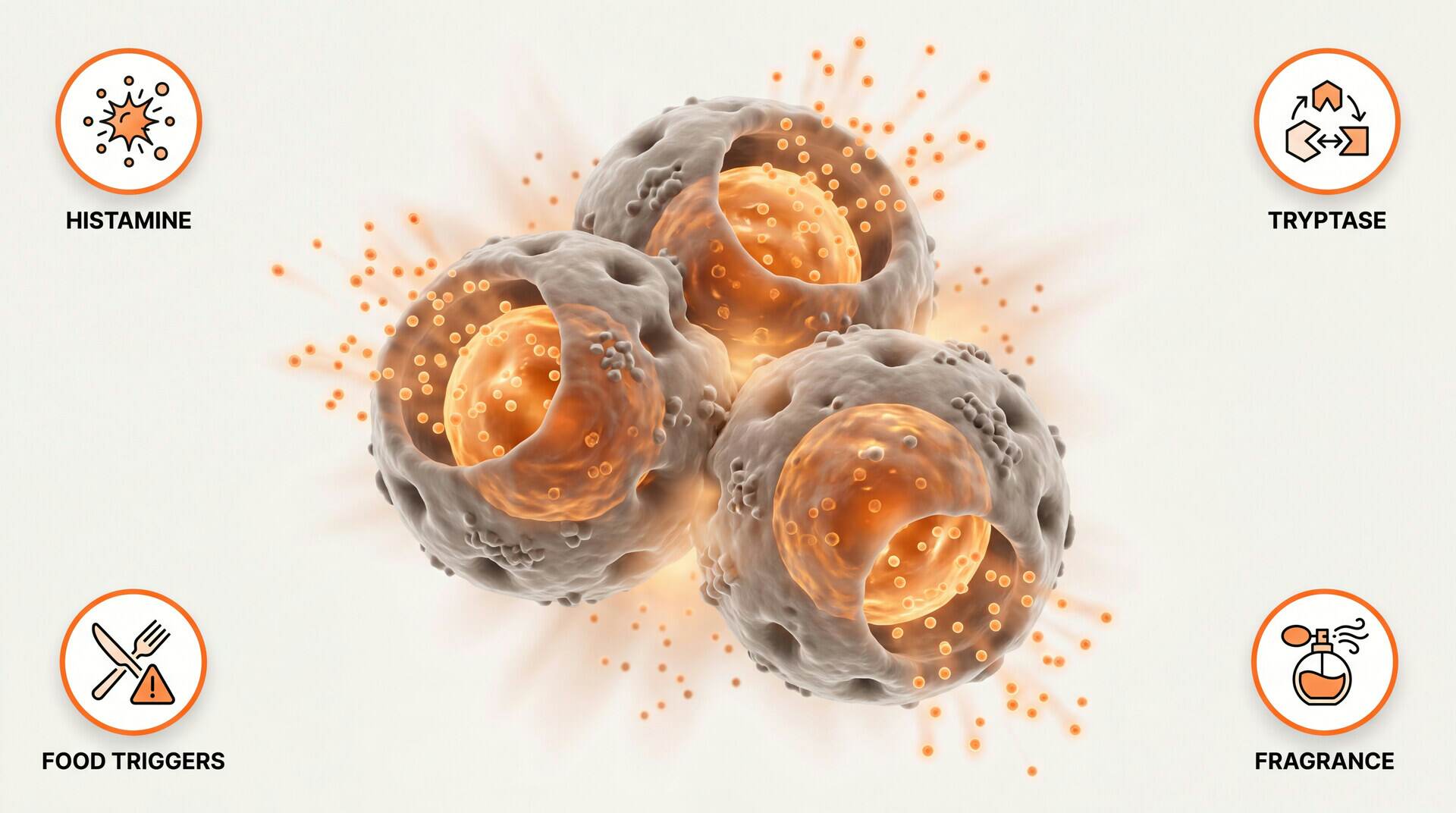
Mast cells are immune cells that release histamine and other chemicals when they detect a threat. In MCAS, these cells become hyperactive. They fire at things that should not be threats: foods, chemicals, temperature changes, stress, even sunlight. The result is a patient who reacts to everything.
Common MCAS symptoms from mold: Flushing and hives. Rapid heart rate after meals. New food sensitivities (leading naturopathic mold experts note garlic, onions, dairy, and eggs are common new triggers). Reactions to perfumes, cleaning products, and gasoline. Anxiety or panic that seems to come from nowhere. Insomnia. Abdominal cramping after eating.
MCAS prevalence in the general population is estimated at 9 to 17% (O'Hara, cited by leading environmental health researchers). But in mold patients, it jumps to 80%. If you have mold symptoms plus you are reacting to more and more foods, chemicals, and environmental triggers, MCAS is likely part of the picture.
The BREESI screener (Brief Environmental Exposure and Sensitivity Inventory) can help identify this pattern. It is 3 questions that predict chemical sensitivity with 90% accuracy when all 3 are positive: (1) Do you feel sick around tobacco smoke, cleaning supplies, perfumes, or pesticides? (2) Do you react badly to antibiotics, painkillers, or anesthetics? (3) Do you react to dairy, wheat, eggs, alcohol, or food additives? If you answer yes to all three, the probability of multiple chemical sensitivity is 90%.
The "better away, worse at home" gold standard
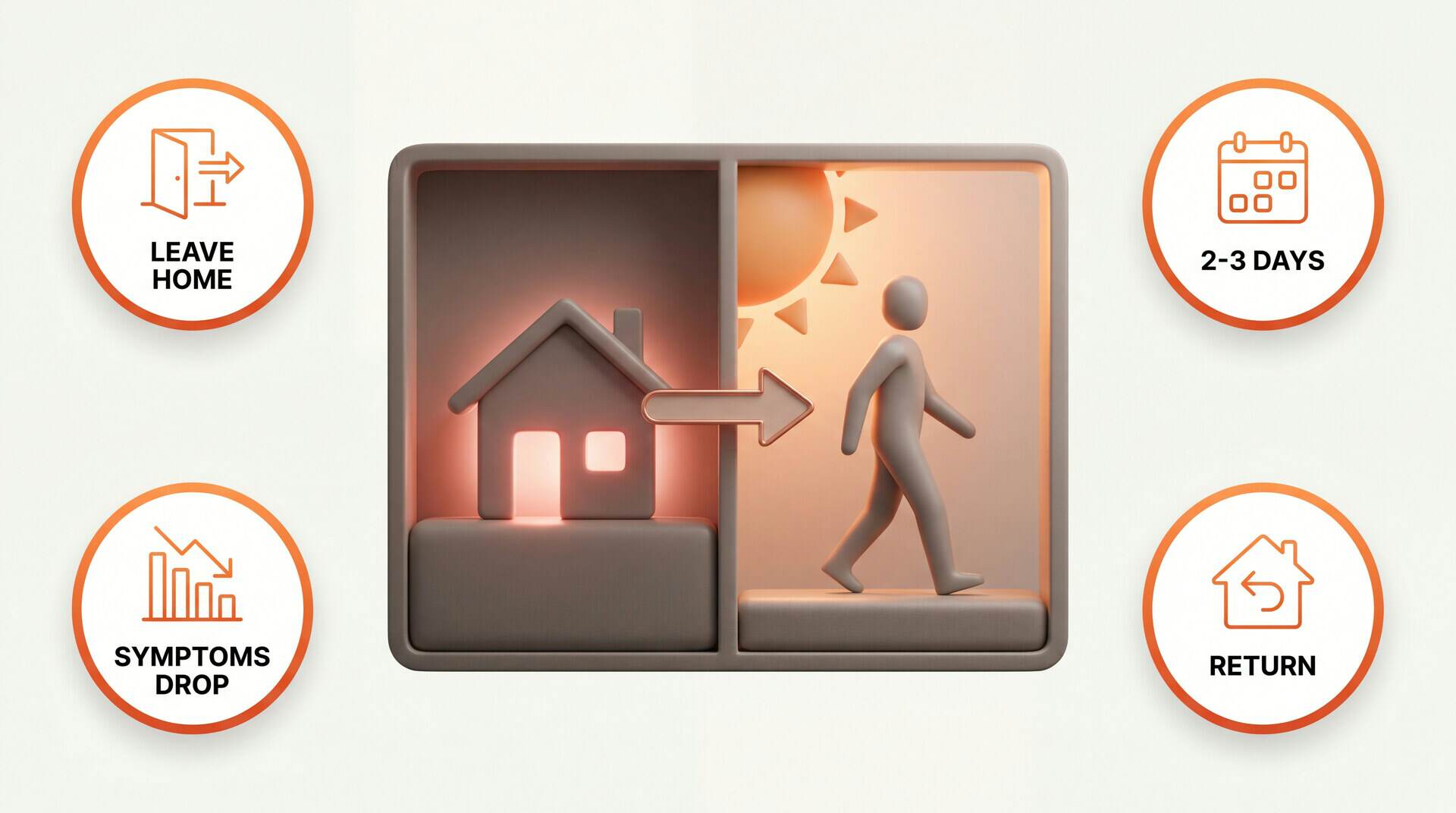
Every single mold expert we studied names this as the number one diagnostic pattern. If your symptoms improve when you leave your home for 2 or more days and come back when you return, mold is the most likely cause. Leading mold illness researchers call it the gold standard. It is used as the first screening question across all major protocols.
This pattern works because it removes you from the ongoing exposure. Your body starts to clear the toxins (in genetically normal people) or at least stops accumulating new ones (in HLA-DR susceptible people). Symptoms begin to lift. Then you walk back into the contaminated environment and the cycle restarts.
A vacation test is different from just leaving for a workday. You need at least 2 to 3 days away, in a clean environment, to see the difference. Leading naturopathic mold experts recommend 3 to 7 days for a definitive test. If you notice a clear pattern of improvement away and worsening at home, that is your answer.
Important note: about one third of patients do improve just by leaving the moldy environment (clinical estimate). The other two thirds have internal colonization in their sinuses and gut, meaning the mold is growing inside their body. These patients need treatment beyond just leaving the building. This is why The recommended protocol addresses both environmental removal and internal colonization.
Symptoms by body system
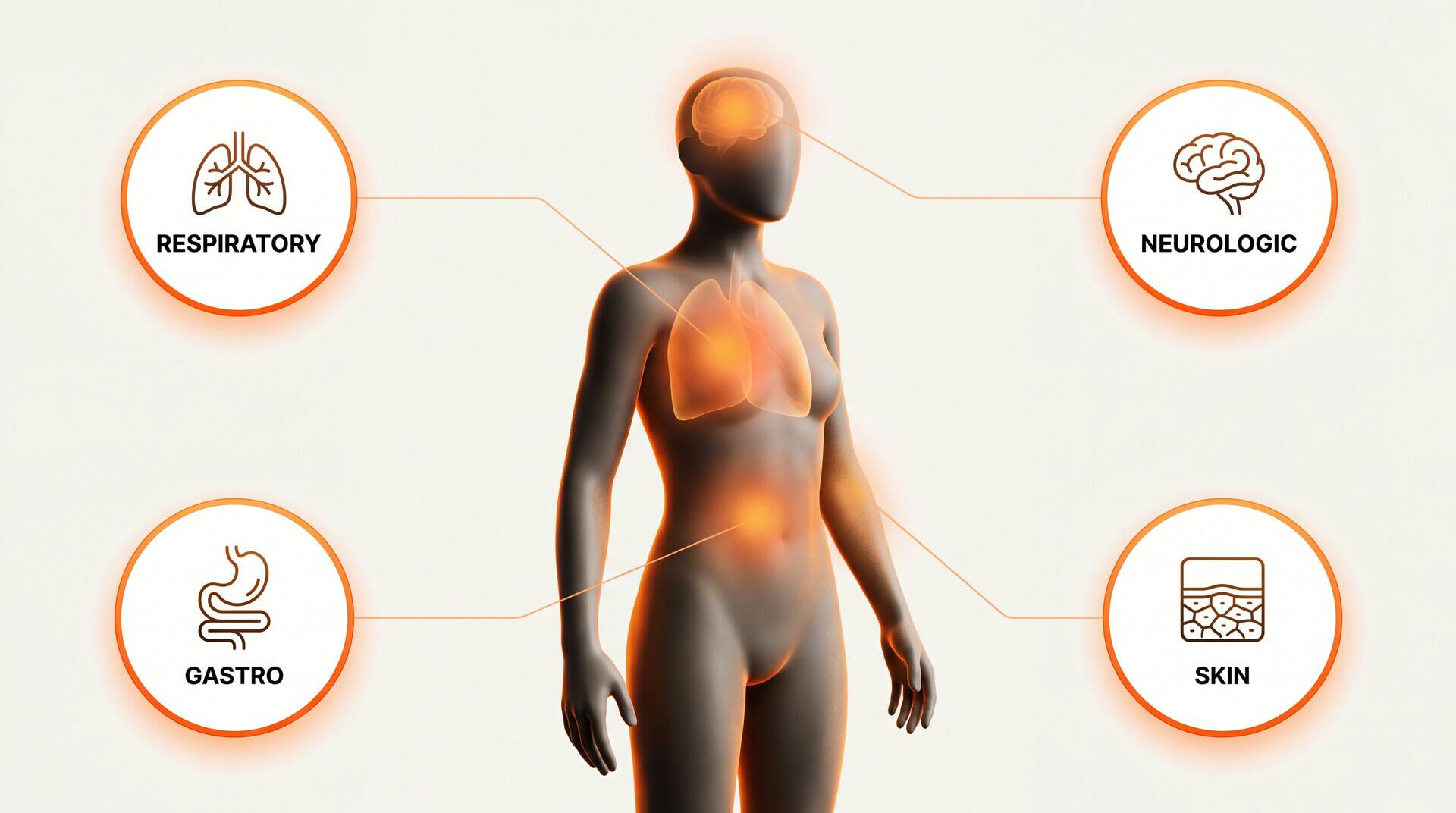
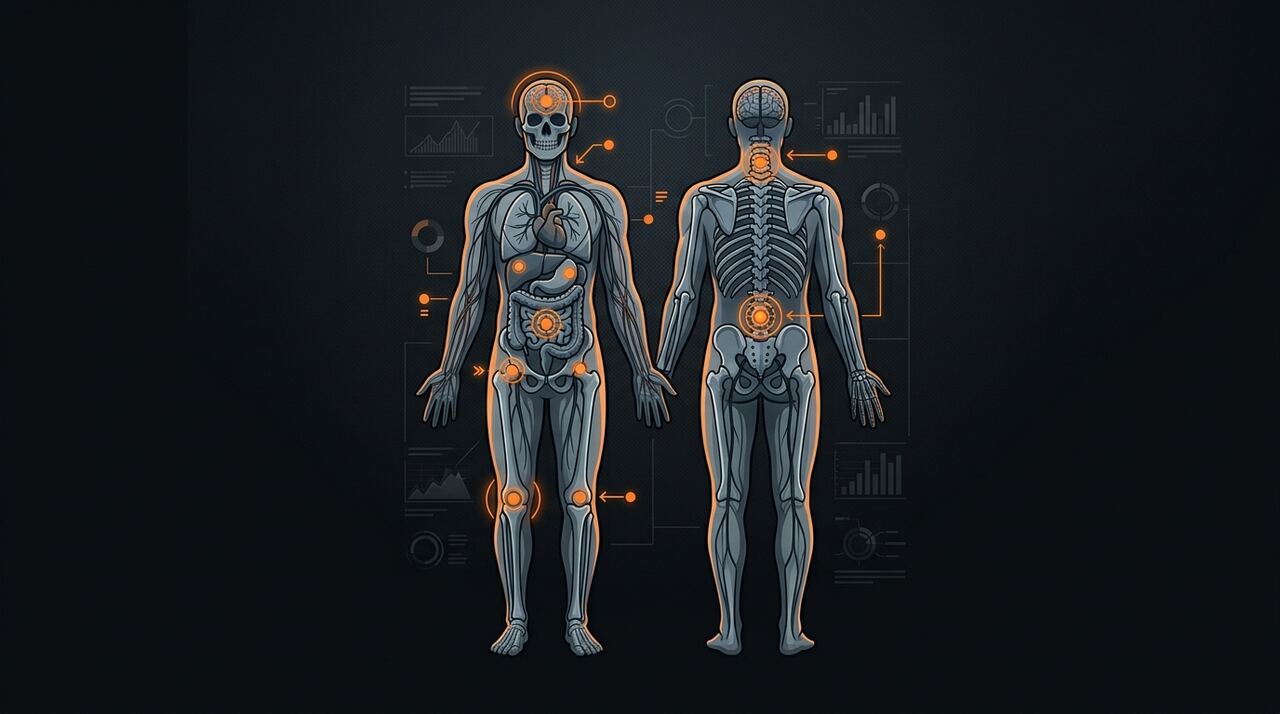
Brain and nervous system: Brain fog, memory loss, difficulty concentrating, word finding problems, confusion, disorientation, headaches, light sensitivity, mood swings, anxiety, depression, insomnia, ice pick pains, electrical sensations, internal tremoring. Leading environmental health researchers say neurological symptoms are often the most debilitating and the last to resolve.
Respiratory: Chronic cough, wheezing, shortness of breath, air hunger, recurring pneumonia, asthma that developed in adulthood, sinus congestion that never resolves, post nasal drip, recurring sinus infections, nosebleeds.
Digestive: Bloating, cramping, diarrhea or constipation (alternating), nausea, food sensitivities, appetite changes, SIBO symptoms. Leading naturopathic mold experts explain that mold colonizes sinuses first, then drips into the gut and colonizes there too.
Skin: Rashes, hives, flushing, eczema, unusual itching, static electricity shocks a specific CIRS biomarker, numbness, tingling.
Musculoskeletal: Joint pain, muscle pain, morning stiffness, weakness, decreased endurance, cramps. Often misdiagnosed as fibromyalgia.
Hormonal: Temperature dysregulation (always cold or always hot), excessive thirst, frequent urination, night sweats, irregular cycles.
Cardiovascular: POTS (postural orthostatic tachycardia), racing heart, blood pressure instability. Leading environmental health researchers have noted that mold is an under-recognized trigger for POTS.
When to see a doctor and what kind
See a doctor experienced in environmental medicine if you score 8 or more of 13 on the CIRS symptom clusters, if the "better away, worse at home" pattern applies to you, or if you have multi-system symptoms that started after a known water damage event.
Regular doctors will miss this. Most primary care physicians have zero training in mold illness. They may test for mold allergies (IgE blood test), which is a completely different mechanism than mold toxicity. A negative allergy test does not mean mold is not making you sick.
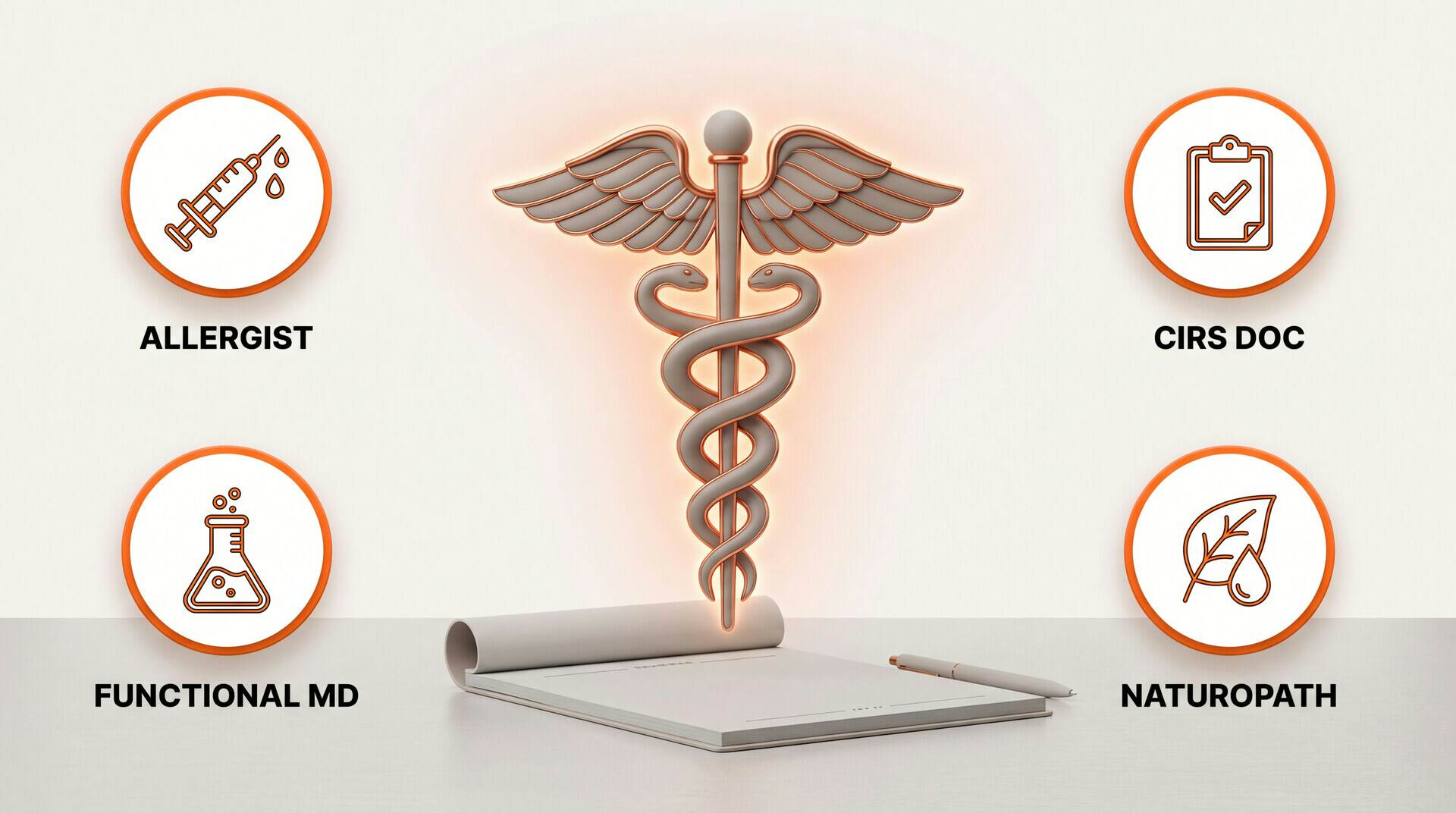
Find a mold literate doctor: CIRS certified physicians at survivingmold.com/physicians. Functional medicine practitioners at ifm.org/find-a-practitioner. Naturopathic doctors trained in mold at aanp.org/find-a-doctor.
Tests your doctor should order: VCS (Visual Contrast Sensitivity) test, available free at vcstest.com with 92% accuracy. HLA-DR genetic test via LabCorp (identifies the 24% who are susceptible). Urine mycotoxin panel from RealTime Laboratories (~$700) or Mosaic Diagnostics. CIRS biomarker panel: MSH, C4a, TGF-beta-1, MMP-9, VEGF, ADH, osmolality via LabCorp or National Jewish labs.
Start here at no cost: Take the free VCS test at vcstest.com. Run through the BREESI 3 question screener above. Scan your home with Mold Scanner AI. These three steps cost nothing and give you strong evidence to bring to a doctor.
Think mold might be causing your symptoms?
Our app walks you through 160 professional mold hotspots room by room. Same checklist every IICRC certified inspector uses. AI powered verdict in 5 minutes.
Get Early AccessFrequently Asked Questions
What are the first signs of toxic mold exposure?
The earliest signs are usually fatigue that does not improve with sleep, brain fog or difficulty concentrating, and chronic sinus congestion. Many people also notice they feel better when they leave their home for a few days and worse when they return. This pattern is the number one signal that mold is making you sick.
What is CIRS from mold exposure?
CIRS stands for Chronic Inflammatory Response Syndrome. It is a multi-system illness triggered by biotoxins including mold mycotoxins. Leading mold illness researchers identified it and created a 12-step treatment protocol. About 24% of the population has genetic variants that make them unable to clear mold toxins naturally, leaving them vulnerable to CIRS.
Can mold cause brain fog and memory problems?
Yes. Brain fog is one of the most common symptoms of mold toxicity. Mycotoxins cause neuroinflammation that impairs memory, concentration, and word finding. Leading environmental health researchers report that neurological symptoms are often the most debilitating and the last to resolve during treatment. The VCS (Visual Contrast Sensitivity) test can detect this neurotoxicity with 92% accuracy.
How do I know if my symptoms are from mold?
The strongest indicator is the CIRS gold standard: your symptoms get better when you leave your home for 2 or more days and come back when you return. Also take the BREESI screener, which is 3 questions that predict chemical sensitivity with 90% accuracy. If you score 8 or more of 13 on the CIRS symptom clusters, there is a 98% probability of CIRS.