
The Georgia humidity profile
Georgia pulls moist air from two directions: the Gulf of Mexico to the southwest and the Atlantic to the east. NOAA National Weather Service climatological normals for 1991 to 2020 put annual average relative humidity for the major metros roughly between 68 and 73 percent. The national average sits near 65. From late May through September, dew points south of the fall line hold above 70 F for weeks at a time, which keeps homes in the growth zone EPA flags for common household molds. You can check your own area with our mold risk by ZIP tool.
Then there’s the rain. Atlanta averages about 50 inches a year, more than Seattle, and most of it lands in hard thunderstorm bursts rather than drizzle. Those bursts find torn shingles, lifted flashing, clogged gutters, and window seals. EPA guidance says porous materials that stay wet longer than 24 to 48 hours are at risk of mold colonization, so every summer downpour starts a clock somewhere.
The third factor sits under the floor. A large share of Georgia housing, from pre-war bungalows in Macon to 1970s and 1980s subdivisions around Atlanta, stands on vented crawl spaces over red clay that drains slowly. In summer, humid outdoor air flows through the vents, cools against shaded soil, framing, and ductwork, and condenses. That’s why so many Georgia mold cases start on floor joists and subfloor that nobody looks at for years.
The coast adds an occasional storm accelerant. Hurricane Matthew (2016) and Hurricane Irma (2017) both pushed surge and flooding into coastal Georgia. Hurricane Michael (2018) was still a major hurricane when it crossed into southwest Georgia, and Hurricane Helene (2024) cut a damage corridor from Valdosta to Augusta. Compared with Louisiana’s 60+ landfalls, Georgia’s storm count is modest. Humidity, rainfall, and crawl spaces do most of the work here.
Georgia vs U.S. average
| Metric | Georgia | U.S. average | Source |
|---|---|---|---|
| Annual avg relative humidity (metros) | 68 to 73% | ~65% | NOAA NWS 1991 to 2020 |
| Annual avg dew point (metros) | 54 to 61 F | ~50 F | NOAA NWS 1991 to 2020 |
| Annual rainfall (major metros) | 45 to 52 in | ~30 in | NOAA NWS 1991 to 2020 |
| Named storms with major Georgia impact since 2016 | 4 (Matthew, Irma, Michael, Helene) | varies | NOAA NHC |
Georgia’s five metros ranked by mold risk
Methodology. Composite risk score = (annual avg RH) × (storm and flood exposure weight 1.0 to 1.4 from NOAA NHC historical track data) × (housing-stock factor for crawl-space share and building age). Humidity and dew point figures are approximate, from NOAA 1991-2020 normals for the main airport station serving each metro, rounded to whole numbers. The ranking is editorial: it weighs how each metro’s housing handles water, not climate alone.
Every place on file, ranked by avg RH (approx.)
Savannah reads 72% against 68% at Atlanta. The target for a basement is 50 percent, so every row on this chart sits above it.
View the data
| # | Place | Avg RH (approx.) |
|---|---|---|
| 1 | Savannah | 72% |
| 2 | Brunswick | low 70s |
| 3 | Macon | 71% |
| 4 | Augusta | 70% |
| 5 | Atlanta | 68% |
| # | Metro | Avg RH (approx.) | Avg dew pt | Risk band | Notes |
|---|---|---|---|---|---|
| 1 | Savannah | 72% | 60 F | Very high | Coastal air keeps mornings near saturation. Historic homes on raised foundations and crawl spaces. Brushed by Matthew (2016) and Irma (2017). |
| 2 | Brunswick | low 70s | 61 F | Very high | Lowest-lying metro on the Georgia coast. Marsh-front flooding during Irma. Older wood-frame housing dries slowly. |
| 3 | Macon | 71% | 57 F | High | Ocmulgee River valley fog mornings, hot summers, and one of the state’s oldest housing stocks, heavy on vented crawl spaces. |
| 4 | Augusta | 70% | 57 F | High | Savannah River corridor humidity. Helene (2024) tree strikes opened roofs across the metro and left wet attics behind. |
| 5 | Atlanta | 68% | 54 F | High | Driest air on this list but about 50 inches of rain a year, slow-draining red clay, and the state’s largest stock of crawl spaces and basements. |
Savannah
Coastal air keeps mornings near saturation. Historic homes on raised foundations and crawl spaces. Brushed by Matthew (2016) and Irma (2017).
Brunswick
Lowest-lying metro on the Georgia coast. Marsh-front flooding during Irma. Older wood-frame housing dries slowly.
Macon
Ocmulgee River valley fog mornings, hot summers, and one of the state’s oldest housing stocks, heavy on vented crawl spaces.
Augusta
Savannah River corridor humidity. Helene (2024) tree strikes opened roofs across the metro and left wet attics behind.
Atlanta
Driest air on this list but about 50 inches of rain a year, slow-draining red clay, and the state’s largest stock of crawl spaces and basements.
Why Savannah tops the ranking. Three factors compound. First, humidity: coastal Georgia posts the state’s highest annual RH, and morning readings near the river regularly run into the high 80s. Second, housing: the historic district is packed with homes more than a century old, full of heart pine, plaster on wood lath, and vented crawl spaces under raised floors. Those cellulose-heavy materials hold water long enough for colonization. Third, storms: the metro evacuated for Matthew in 2016 and took surge flooding from Irma in 2017, and each event resets the 24-to-48-hour wet-materials clock EPA warns about.
Why Atlanta still makes the list. Atlanta sits over 1,000 feet up with drier air than the coast, so people assume mold is a coastal problem. The metro’s risk comes from water hitting the house, not air alone: roughly 50 inches of rain a year in hard bursts, red clay that sheds water toward foundations, and the state’s biggest inventory of vented crawl spaces and below-grade basements. A crawl space that stays damp all summer can keep the subfloor above it wet enough to grow mold without a single visible leak, and that growth can spread out of sight inside walls before anyone smells it.
Common mold species in Georgia homes
Every EPA indoor air quality guide lists the same core species for warm humid climates. Georgia homes concentrate five of them.
Cladosporium
Cladosporium spp.The most common indoor mold nationwide and the usual find on Georgia HVAC evaporator coils and supply registers after a long AC season. Olive-green to black. Tolerates cool surfaces, so it colonizes condensate lines and duct interiors. EPA lists it as a common allergenic mold.
Aspergillus niger
Aspergillus nigerBlack or dark-brown. Prefers surfaces with high moisture and organic dust, which is why it dominates bathroom grout, caulking, and washing-machine gaskets across the state. EPA and CDC flag Aspergillus species as allergens and, in rare cases, as a cause of aspergillosis in immunocompromised individuals.
Stachybotrys chartarum
Stachybotrys chartarumThe species commonly called toxic black mold. Requires sustained wet cellulose. In Georgia it shows up most often on subfloor and joists above a chronically wet crawl space, and on ceiling drywall under storm-damaged roofs left wet for 72+ hours. Visible black slimy growth on water-stained material is the warning sign. Do not disturb it. Contain and remediate.
Penicillium
Penicillium spp.Blue-green. Grows on carpet padding, wallpaper, and damp fabric. Atlanta-area basements that hold summer humidity are a favorite habitat. EPA lists Penicillium species among the most frequently recovered genera in indoor air samples.
Alternaria
Alternaria alternataDark green to black. Thrives on window condensation lines, shower stalls, and any surface that sweats. Commonly flagged on allergenic panels, often correlating with asthma flare-ups in sensitive individuals. EPA’s remediation guidance identifies Alternaria as one of the dominant indoor genera in humid climates.
Species information is general and informational. Health responses vary. See a licensed physician for symptom evaluation. Species sources: EPA Mold Remediation in Schools and Commercial Buildings, EPA A Brief Guide to Mold Moisture and Your Home, CDC National Center for Environmental Health guidance.
Georgia-specific actions
Three actions cover most of the mold risk reduction available to a Georgia homeowner. Each maps to a free Mold Scanner AI tool or guide.
A. Dry out the crawl space first
Most Georgia mold stories start under the floor, so start there. Twice a year, look for standing water, damp clay, white fuzz on joists, or a musty smell at the vents. Cover exposed soil with 6-mil plastic sheeting, lapped and taped, get downspouts discharging well away from the foundation, and fix grading that slopes toward the house. If the space stays damp all summer, a sealed crawl space with a dedicated dehumidifier is the durable fix. Our crawl space guide walks the full inspection, and an ERMI dust test can help show whether crawl-space spores are reaching the living space. If you find growth, start with our guide to getting rid of mold. For anything bigger than about 10 square feet, EPA’s threshold, hire a qualified mold remediation professional (one who follows the IICRC S520 standard; ACAC or RIA credentials and state licenses count too).
B. Keep indoor RH below 50 percent
EPA guidance is 30 to 50 percent indoor relative humidity. For Georgia summers, 45 to 50 percent is the practical target. Put a hygrometer in each living zone, run your readings through the Indoor Humidity Context Calculator, and add a dehumidifier in any basement or room over a crawl space that reads above 55 percent in July.
C. Start the clock after every storm
Georgia’s storm story is mostly thunderstorms: hail-torn shingles, wind-lifted flashing, gutters dumping water into walls. After any roof leak or flooding, run the storm damage mold timer and work the post-flood checklist, because the 24-to-48-hour window EPA describes goes fast. Coastal homeowners should treat the June 1 to November 30 hurricane season the way Savannah does: roof and gutter inspection by late May, and a dry-out plan ready before the first named storm.
Seasonal risk profile for Georgia
Monthly average outdoor RH for Georgia, approximate statewide averages built from NOAA NWS climatological normals for 1991 to 2020. Unlike the Gulf Coast, Georgia has a real seasonal swing: spring runs driest, late summer peaks.
Georgia relative humidity peaks in August
The monthly mean runs from 64 percent in April to 75 percent in August, a 11 point swing across the year.
View the data
| Month | Jan | Feb | Mar | Apr | May | Jun | Jul | Aug | Sep | Oct | Nov | Dec |
|---|---|---|---|---|---|---|---|---|---|---|---|---|
| Mean RH | 70% | 67% | 66% | 64% | 68% | 71% | 74% | 75% | 74% | 70% | 68% | 70% |
The April dip is real but shallow. Even Georgia’s driest months average above 60 percent outdoors, and July through September keeps crawl spaces and closed rooms in the growth zone. Mold season never fully closes here, it slows down. Our prevention guide covers the year-round routine.
Where to get help in Georgia
Georgia has no widely known state-level mold licensing program; verify current rules with the state health department. The agencies below are the authoritative starting points.
Questions on file
Is mold worse in Georgia than other states?
Georgia sits above the national average but below the Gulf Coast extremes. Annual average relative humidity across the major metros runs roughly 68 to 73 percent against a national average near 65, and summer dew points south of the fall line hold above 70 F for weeks. Add 45 to 52 inches of rain a year and a housing stock heavy on vented crawl spaces, and Georgia produces steady indoor mold pressure from May through September. Louisiana metros, by comparison, run 73 to 77 percent year-round.
Why do Georgia crawl spaces grow mold?
Vented crawl spaces pull humid summer air under the house. That air cools against shaded soil, framing, and AC ductwork, its relative humidity climbs, and condensation forms on joists and subfloor. Georgia red clay drains slowly, so the ground under the house adds moisture too. A ground vapor barrier, working gutters, and grading that slopes away from the foundation handle most cases. A sealed crawl space with a dehumidifier handles the stubborn ones.
Do Georgia landlords have to fix mold?
Georgia has no statute that names mold specifically in a way most renters could point to. What landlords do have is a general duty to keep rental property in repair, so mold caused by leaks or plumbing failures the landlord won’t fix is usually argued as a repair and habitability problem. Put requests in writing, photograph the growth and the water source, and keep copies. Our tenant mold rights guide covers the playbook step by step. This is general information, not legal advice. For a dispute, talk to a Georgia landlord-tenant attorney.
Does Georgia license mold remediators?
Georgia has no widely known state-level mold licensing program; verify current rules with the Georgia Department of Public Health before you hire. Screen contractors to the industry standard instead: hire a qualified mold remediation professional (one who follows the IICRC S520 standard; ACAC or RIA credentials and state licenses count too). Ask how they’ll contain the work area, what they’ll remove versus clean, and whether they offer post-remediation verification.
What indoor humidity should a Georgia home keep?
EPA guidance is 30 to 50 percent indoor relative humidity. For Georgia, aim for 45 to 50 percent in summer as a practical target because the outdoor load is high and over-drying stresses HVAC systems. Put a hygrometer in each major living zone, watch basements and rooms over crawl spaces closely, and add dehumidification if any space holds above 55 percent for more than a few hours.
Source register
Every source chip on this page points here. Agency and statute pages first, then the federal technical references.
Find the mold in your Georgia home
The scanner is open. Get a detailed photo report, next steps, testing options and estimated cleanup costs.
Scan My Photo Get the free mold checklistRelated guides on Mold Scanner AI
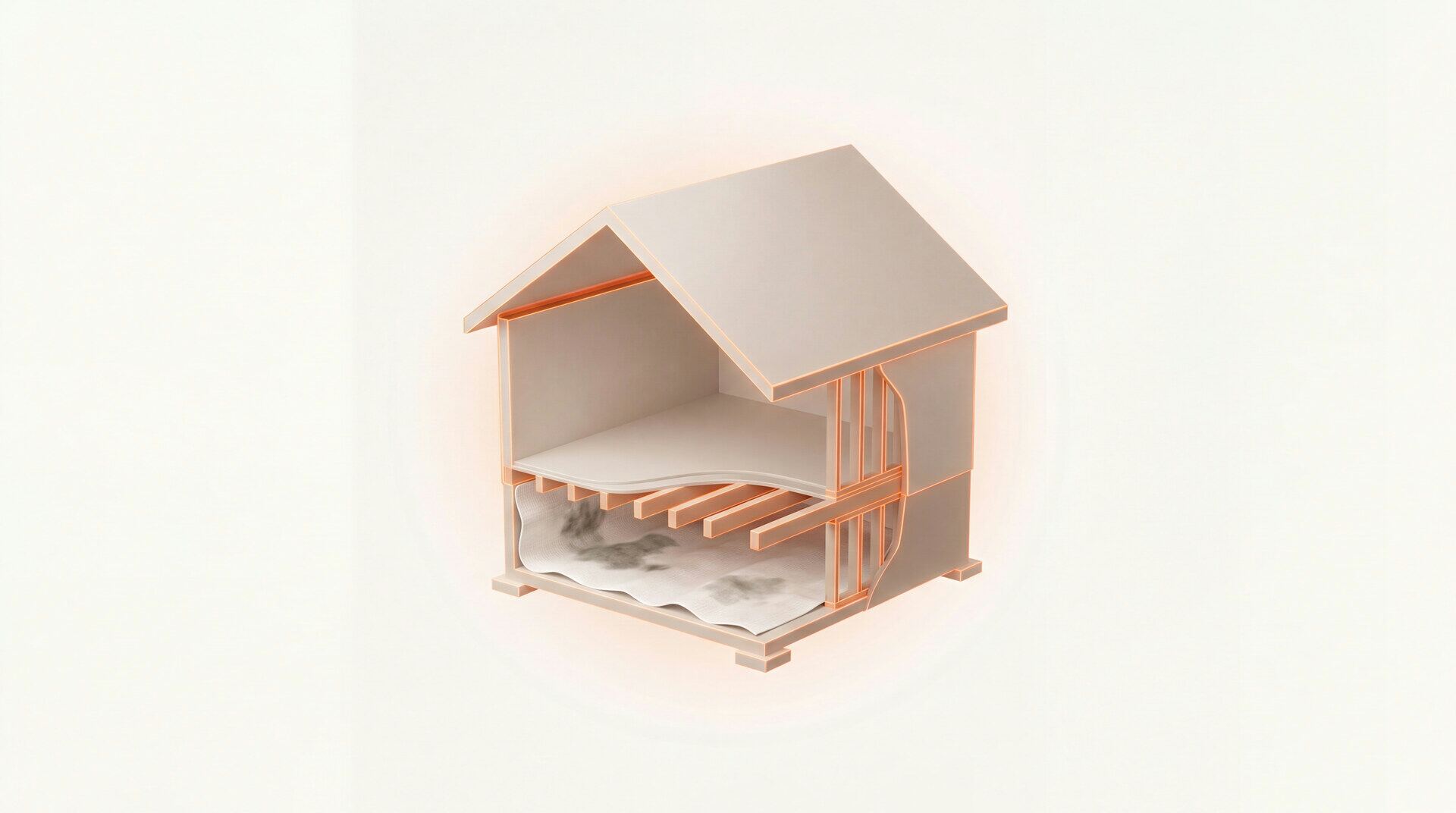
Mold in Crawl Spaces
Why it starts under the floor and how to stop it.
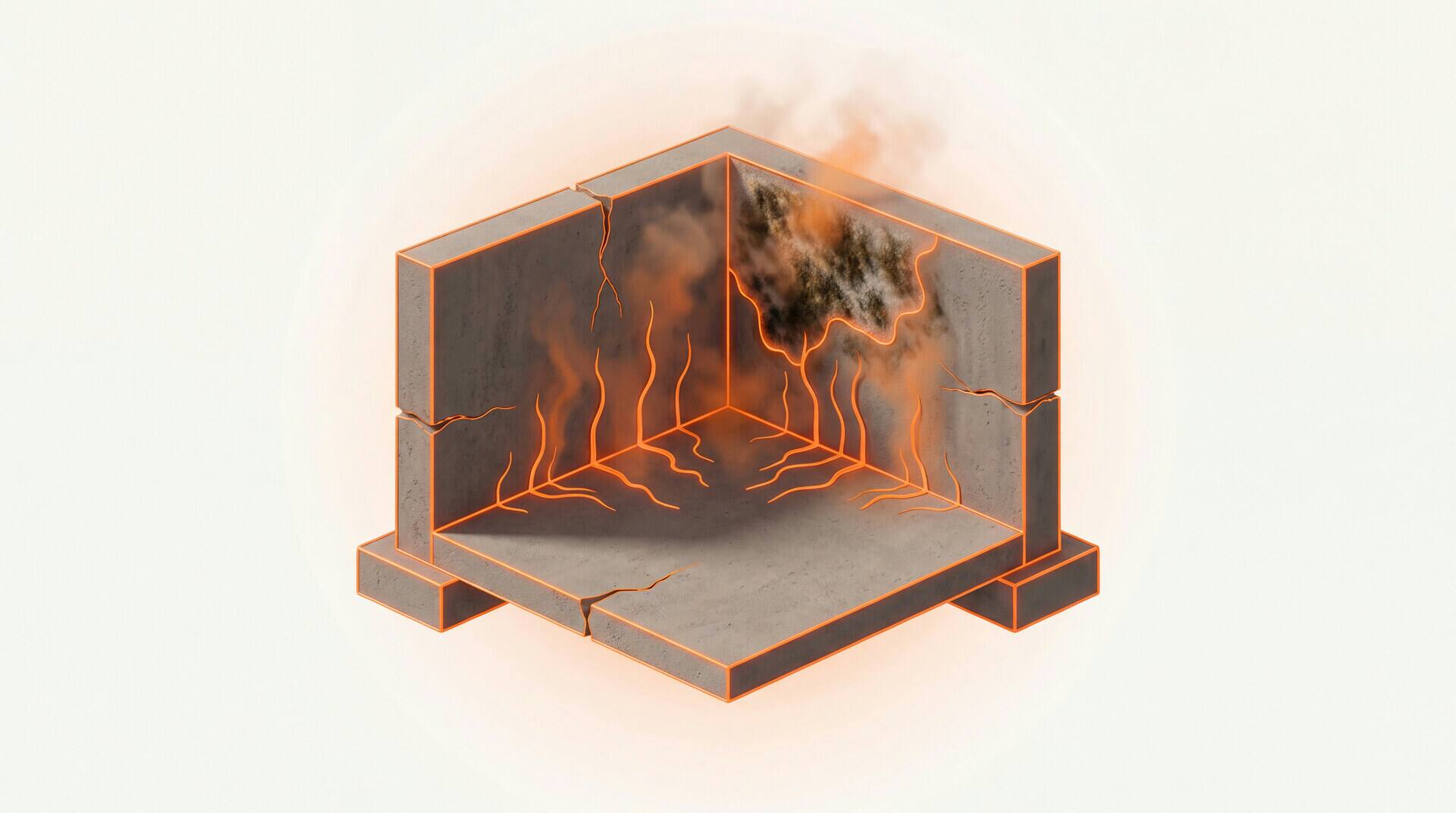
Mold in Basements
Damp below-grade rooms and what dries them out.
Mold in Louisiana
How the Gulf Coast extreme compares to Georgia.
Mold Growth Timeline
Hour by hour: when spores germinate and colonies appear.
Picking the Right Dehumidifier
Sizing, drain options, and the spec that matters.

Mold in Apartments: Renter Rights
What landlords owe you and how to push.