
The Tennessee humidity profile
Tennessee runs from the Mississippi River in the west to the Appalachian ridges in the east, and almost all of it sits in the humid subtropical zone. NOAA National Weather Service climatological normals for 1991 to 2020 put annual average relative humidity in the state’s major metros in the high 60s to low 70s percent. That is several points above the U.S. national average near 65 percent, and it stays high enough, for long enough, that mold has a growth window through most of the warm season.
The honest driver in Tennessee is not one number. It is the shape of the year. Summer dew points across the state climb into the upper 60s and low 70s F, which is Gulf-Coast territory for three to four months. The river valleys (the Mississippi at Memphis, the Cumberland at Nashville, the Tennessee at Chattanooga and Knoxville) trap that moist air and hold morning fog well past sunrise. When warm wet outdoor air meets a cool crawl-space floor or an air-conditioned wall cavity, water condenses on the surface, and that surface moisture is what mold feeds on.
Tennessee’s other mold engine is fast water. The state sits in a corridor that sees heavy spring and early-summer rain, frequent flash flooding, and a long severe-storm and tornado season. The May 2010 flood that put much of Nashville and middle Tennessee underwater is the clearest example, a documented federal disaster that soaked tens of thousands of homes. EPA guidance is blunt about what happens next: porous materials that stay wet longer than 24 to 48 hours are treated as at risk of mold colonization. Add the state’s large stock of vented crawl-space homes, which hold ground moisture under the floor, and you get year-round risk punctuated by flood spikes. You can check your own address with our Indoor Humidity Context Calculator.
Tennessee vs U.S. average
| Metric | Tennessee | U.S. average | Source |
|---|---|---|---|
| Annual avg relative humidity | 69-72% | ~65% | NOAA NWS 1991-2020 |
| Summer avg dew point | upper 60s to low 70s F | ~mid 50s F | NOAA NWS 1991-2020 |
| Days/year above 70% RH | ~150-190 | ~120 | NOAA NWS 1991-2020 |
| Most common moisture-trapping feature | vented crawl space | varies | HUD Healthy Homes |
Humidity and dew point values approximate, from NOAA 1991-2020 normals. Whole-percent rounding. Day counts are editorial estimates from the same normals.
Tennessee’s five metros ranked by mold risk
Methodology. Composite risk score = (annual avg RH) × (summer dew-point load) × (flash-flood and severe-storm exposure weight 1.0 to 1.4 based on NWS flood event density and river-valley setting) × (crawl-space housing weight). All humidity inputs from NOAA NWS 1991-2020 climatological normals for the official airport station serving each metro. Storm and flood weighting from NOAA National Weather Service flood event records. The ranking is editorial judgment, not a laboratory measurement. All values approximate, from NOAA 1991-2020 normals.
Every place on file, ranked by avg RH
Tri-Cities reads 72% against 70% at Memphis. The target for a basement is 50 percent, so every row on this chart sits above it.
View the data
| # | Place | Avg RH |
|---|---|---|
| 1 | Memphis | 70% |
| 2 | Chattanooga | 71% |
| 3 | Nashville | 70% |
| 4 | Knoxville | 71% |
| 5 | Tri-Cities | 72% |
| # | Metro | Avg RH | Summer dew pt | Risk band | Notes |
|---|---|---|---|---|---|
| 1 | Memphis | 70% | 70 F | Very high | Mississippi and Wolf River bottomlands, the hottest and most humid metro in the state, dense pre-war housing in the core, repeated flash flooding. |
| 2 | Chattanooga | 71% | 68 F | Very high | Tennessee River valley ringed by ridges that trap fog and humidity, heavy crawl-space housing on slopes, high annual rainfall. |
| 3 | Nashville | 70% | 69 F | High | Cumberland River basin, site of the catastrophic May 2010 flood, fast-growing mix of old and new housing on flood-prone ground. |
| 4 | Knoxville | 71% | 67 F | High | East Tennessee valley with long foggy mornings, hillside homes on crawl spaces and basements, damp shoulder seasons. |
| 5 | Tri-Cities | 72% | 65 F | Moderate | Johnson City, Kingsport, and Bristol. Northeast Appalachian valleys hold high humidity and fog, older housing stock, cooler air slows growth. |
Memphis
Mississippi and Wolf River bottomlands, the hottest and most humid metro in the state, dense pre-war housing in the core, repeated flash flooding.
Chattanooga
Tennessee River valley ringed by ridges that trap fog and humidity, heavy crawl-space housing on slopes, high annual rainfall.
Nashville
Cumberland River basin, site of the catastrophic May 2010 flood, fast-growing mix of old and new housing on flood-prone ground.
Knoxville
East Tennessee valley with long foggy mornings, hillside homes on crawl spaces and basements, damp shoulder seasons.
Tri-Cities
Johnson City, Kingsport, and Bristol. Northeast Appalachian valleys hold high humidity and fog, older housing stock, cooler air slows growth.
Why Memphis tops the ranking. Three factors compound. First, climate: Memphis posts the state’s highest summer heat and dew points, with months of Gulf-style moisture. Second, geography: the Mississippi and Wolf River bottomlands keep the water table close to the surface, so ground moisture wicks into foundations and crawl spaces as a baseline. Third, housing stock: the urban core holds some of Tennessee’s oldest homes, with cellulose-heavy plaster, wood lath, and original framing that hold water long enough to colonize. Flash flooding is a regular event, not a rare one. Compared with a Gulf-Coast city like New Orleans, Memphis is a step down in raw year-round humidity, but it lands in the same high-risk tier on housing age and river-bottom geography.
Why the Tri-Cities rank lower despite the highest humidity. Northeast Tennessee records some of the highest morning relative humidity in the state because mountain valleys hold fog late into the day. The trade-off is elevation and cooler air. Mold grows fastest in warm wet conditions, and the Tri-Cities spend more of the year on the cool side of that line. The risk is real, especially in crawl spaces and basements, but the pace is slower than in Memphis or Chattanooga. Humidity alone does not set the ranking. Temperature, flood exposure, and what a house is built from all pull on the score.
Common mold species in Tennessee homes
Every EPA indoor air quality guide lists the same core species for warm humid climates. Tennessee homes concentrate five of them, with crawl spaces, basements, and bathrooms doing most of the hosting.
Cladosporium
Cladosporium spp.The most common indoor mold nationwide and the one most often found on Tennessee HVAC evaporator coils, crawl-space floor joists, and window condensation lines. Olive-green to black. It tolerates cool surfaces, so it colonizes AC condensate lines and duct interiors. EPA lists it as a common allergenic mold.
Aspergillus niger
Aspergillus nigerBlack or dark-brown. It prefers surfaces with high moisture and organic dust, which is why it shows up on bathroom grout, caulk, washing-machine gaskets, and the walls of humid basements. EPA and CDC flag Aspergillus species as allergens and, in rare cases, as a cause of infection in people with weakened immune systems.
Stachybotrys chartarum
Stachybotrys chartarumThe species commonly called “toxic black mold.” It needs sustained wet cellulose, meaning wet drywall, wet ceiling tile, or wet paper-faced insulation. In Tennessee it shows up most after flash floods and slow crawl-space or roof leaks that sit for days. When to worry: visible black slimy growth on water-stained drywall after a water event. Do not disturb it. Contain and remediate. See our black mold guide.
Penicillium
Penicillium spp.Blue-green. It grows on carpet padding, wallpaper, and damp fabric, and it thrives in finished basements that hold moisture. Tennessee’s humid summers and damp crawl-space air create a steady habitat. EPA lists Penicillium species among the most frequently recovered genera in indoor air samples.
Alternaria
Alternaria alternataDark green to black. It thrives in windows, shower stalls, and around any condensation-prone surface. It is commonly flagged on allergenic panels and often correlates with asthma symptoms in sensitive people. The EPA Mold Remediation Guide identifies Alternaria as one of the dominant indoor genera in humid climates.
Species information is general and informational. Health responses vary, and only a licensed physician can evaluate symptoms. Species sources: EPA Mold Remediation in Schools and Commercial Buildings, EPA A Brief Guide to Mold Moisture and Your Home, CDC National Center for Environmental Health guidance.
Tennessee-specific actions
Three actions account for most of the mold risk you can remove from a Tennessee home. Each one maps to a free Mold Scanner AI tool.
A. Treat the crawl space first
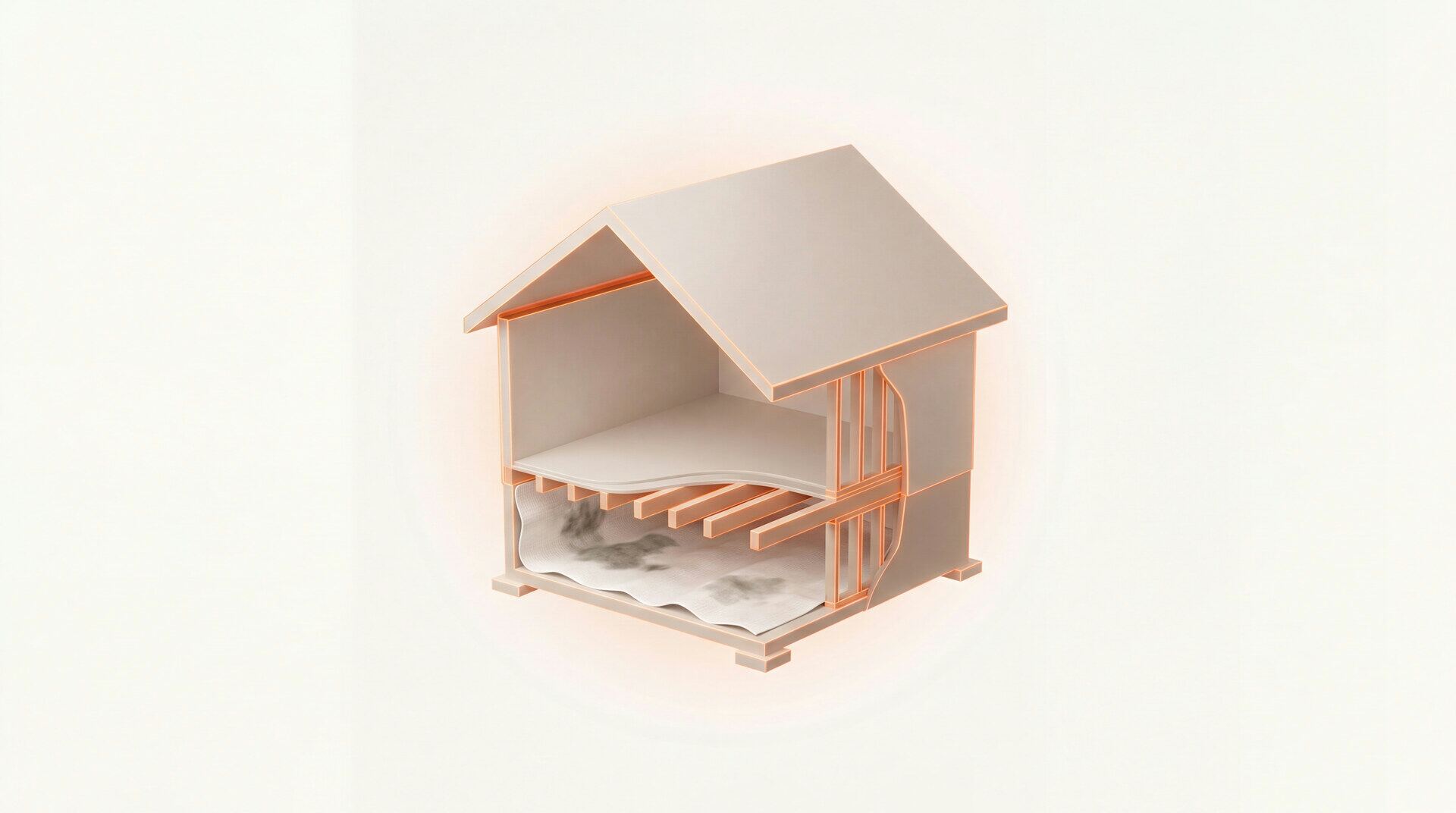
Most Tennessee homes sit over a vented crawl space, and that is the single most common place mold starts in the state. Look for standing water or damp soil, a missing or torn vapor barrier on the ground, wet insulation sagging from the floor joists, and a musty smell rising into the first floor. The fix that experts agree on is a sealed and conditioned crawl space with a full ground vapor barrier and a dedicated dehumidifier, not more vents that pull humid outdoor air under the house. Read the full crawl space guide and how mold travels up into the rooms above through wall cavities.
B. Keep indoor RH below 50 percent, year-round
Put a hygrometer in each living zone, plus the crawl space and any basement. Add portable dehumidification in any space above 55 percent. EPA guidance is 30 to 50 percent indoor relative humidity. For Tennessee, target 45 to 50 percent given the summer outdoor load. A right-sized dehumidifier in the crawl space does more for a Tennessee home than almost anything else you can buy.
C. Have a flood-and-storm plan for spring
First 48 hours after water gets in: remove standing water, run a dehumidifier and air movers, open windows only when outdoor air is drier than indoor, and photograph all damage for insurance. First 7 days: cut out wet drywall a foot above the visible water line, pull saturated insulation and carpet padding, dry framing, and log moisture-meter readings daily. Materials that still read above 16 percent moisture content after 72 hours of drying should come out. Record accessible event conditions with the water-damage documentation helper. If growth keeps coming back, the pillar guide on how to get rid of mold and how to prevent mold cover the full method, and an ERMI test can map what is in the house dust before and after.
Seasonal risk profile for Tennessee
Monthly average relative humidity across the state, based on NOAA NWS climatological normals for 1991 to 2020. These are approximate statewide averages, rounded to whole percents.
Tennessee relative humidity peaks in September
The monthly mean runs from 65 percent in April to 76 percent in September, a 11 point swing across the year.
View the data
| Month | Jan | Feb | Mar | Apr | May | Jun | Jul | Aug | Sep | Oct | Nov | Dec |
|---|---|---|---|---|---|---|---|---|---|---|---|---|
| Mean RH | 73% | 71% | 68% | 65% | 71% | 72% | 73% | 75% | 76% | 73% | 73% | 74% |
Tennessee does have a drier stretch in spring, when afternoon humidity drops. The risk then climbs through late summer into a September peak, and flash-flood events can spike moisture in any month. Crawl spaces and basements stay damp year-round no matter what the calendar says, which is why they need their own dehumidifier rather than a seasonal one.
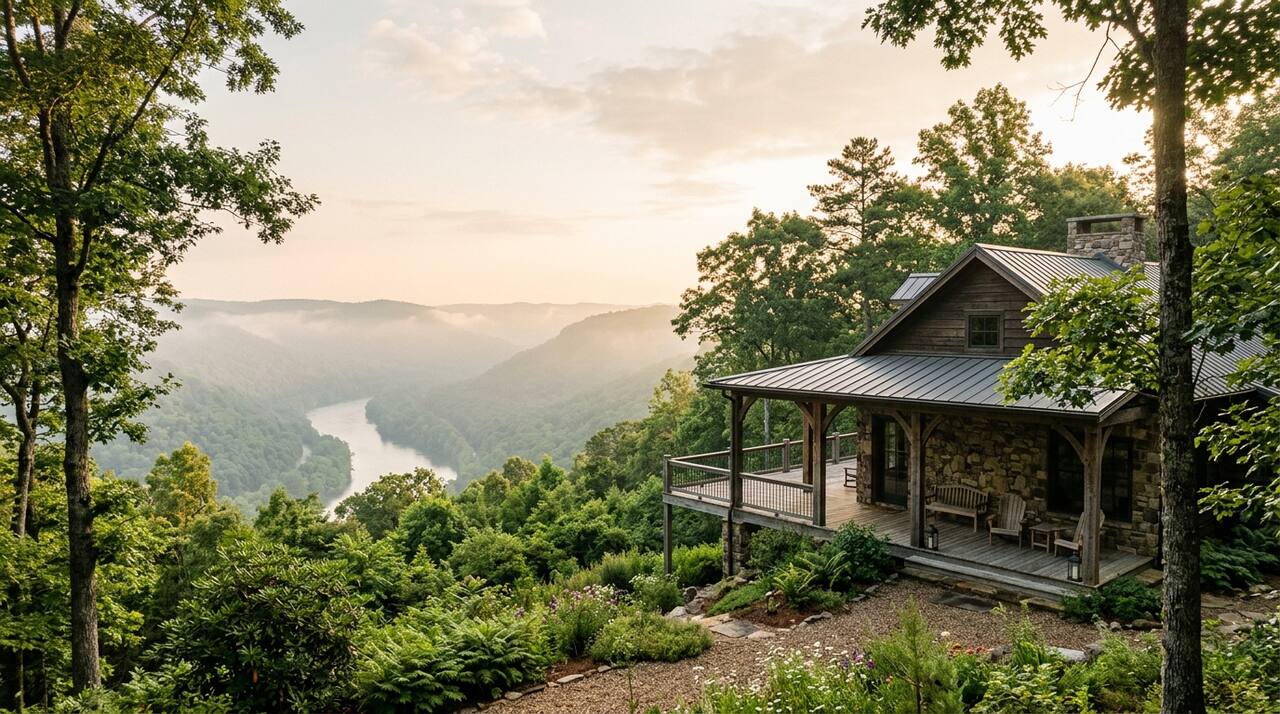
Where to get help in Tennessee
Tennessee has no widely known state-level mold licensing program. Verify the current rules with the state health department before you hire anyone, because programs change. Renters dealing with mold should start with our renter rights overview and the legal-aid resource below. The agencies here are the authoritative starting points.
Questions on file
Is mold a big problem in Tennessee homes?
It is a real and common problem, driven by a different mix than the Gulf Coast. Annual average relative humidity across Tennessee metros sits in the high 60s to low 70s percent, above the national average near 65 percent. Summer dew points climb into the upper 60s and low 70s F for months, which is Gulf-Coast territory. Add a large stock of vented crawl-space homes and a corridor that sees frequent flash flooding, and most Tennessee homes have a real mold window through the warm season and after any water event.
Does Tennessee license mold inspectors or remediators?
Tennessee has no widely known state-level mold licensing program. Verify the current rules with the Tennessee Department of Health before you hire anyone, because programs change. When you hire, choose a professional who follows the IICRC S520 standard, with ACAC or RIA credentials and a state contractor license where the work requires one. This page is general information, not legal advice.
Source 1, Tennessee Department of HealthCan my landlord be required to fix mold in Tennessee?
General information only, not legal advice. Tennessee has no statute that names mold directly. Lease terms and basic habitability expectations can still apply, and many of the state’s larger counties follow the Uniform Residential Landlord and Tenant Act, which covers repairs and fit housing. Document the moisture in writing, notify your landlord in writing, keep copies, and use our renter rights overview and the legal-aid links above. Outcomes depend on your lease, your county, and the facts.
Do Tennessee homes need a dehumidifier?
For most of the state, yes, and the crawl space or basement usually needs its own unit. EPA recommends keeping indoor relative humidity below 50 percent to suppress mold growth. Tennessee summer dew points stay high enough that air conditioning alone often falls short during mild and rainy stretches when the system runs less. A crawl-space dehumidifier or a high-capacity portable unit is standard guidance for the region.
What humidity level should I keep a Tennessee home at?
EPA guidance is 30 to 50 percent indoor relative humidity. For Tennessee, aim for 45 to 50 percent as a practical target, because outdoor moisture load is high in summer and over-drying stresses HVAC equipment. Put a hygrometer in each major living zone, including the crawl space and basement, and add dehumidification if any space holds above 55 percent for more than a few hours.
Source register
Every source chip on this page points here. Agency and statute pages first, then the federal technical references.
Find the mold in your Tennessee home
The scanner is open. Get a detailed photo report, next steps, testing options and estimated cleanup costs.
Scan My Photo Get the free mold checklistRelated guides on Mold Scanner AI
Mold in a Crawl Space
The number one place Tennessee mold starts.
Mold in the Basement
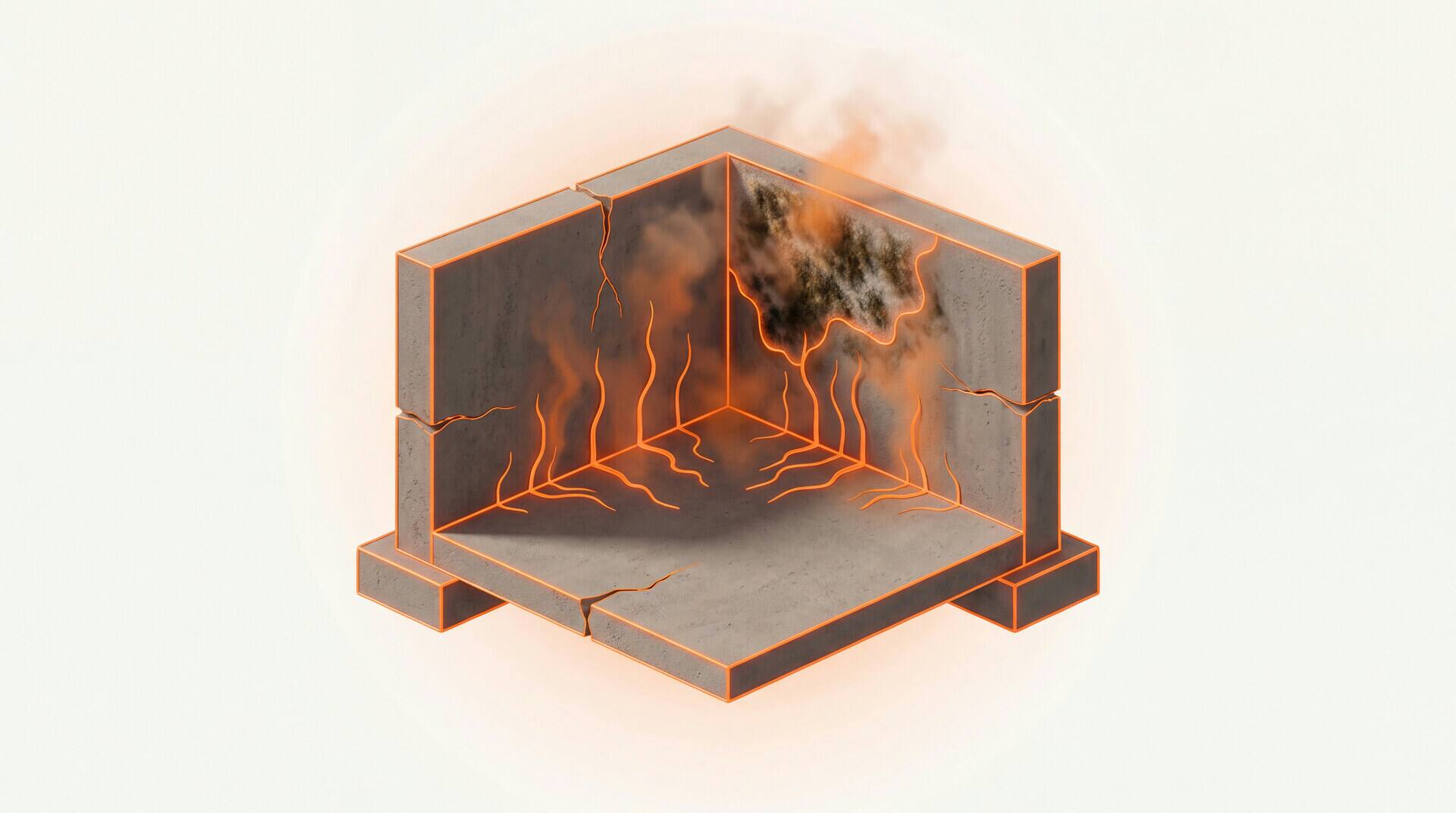
Why finished basements trap moisture, and the fix.
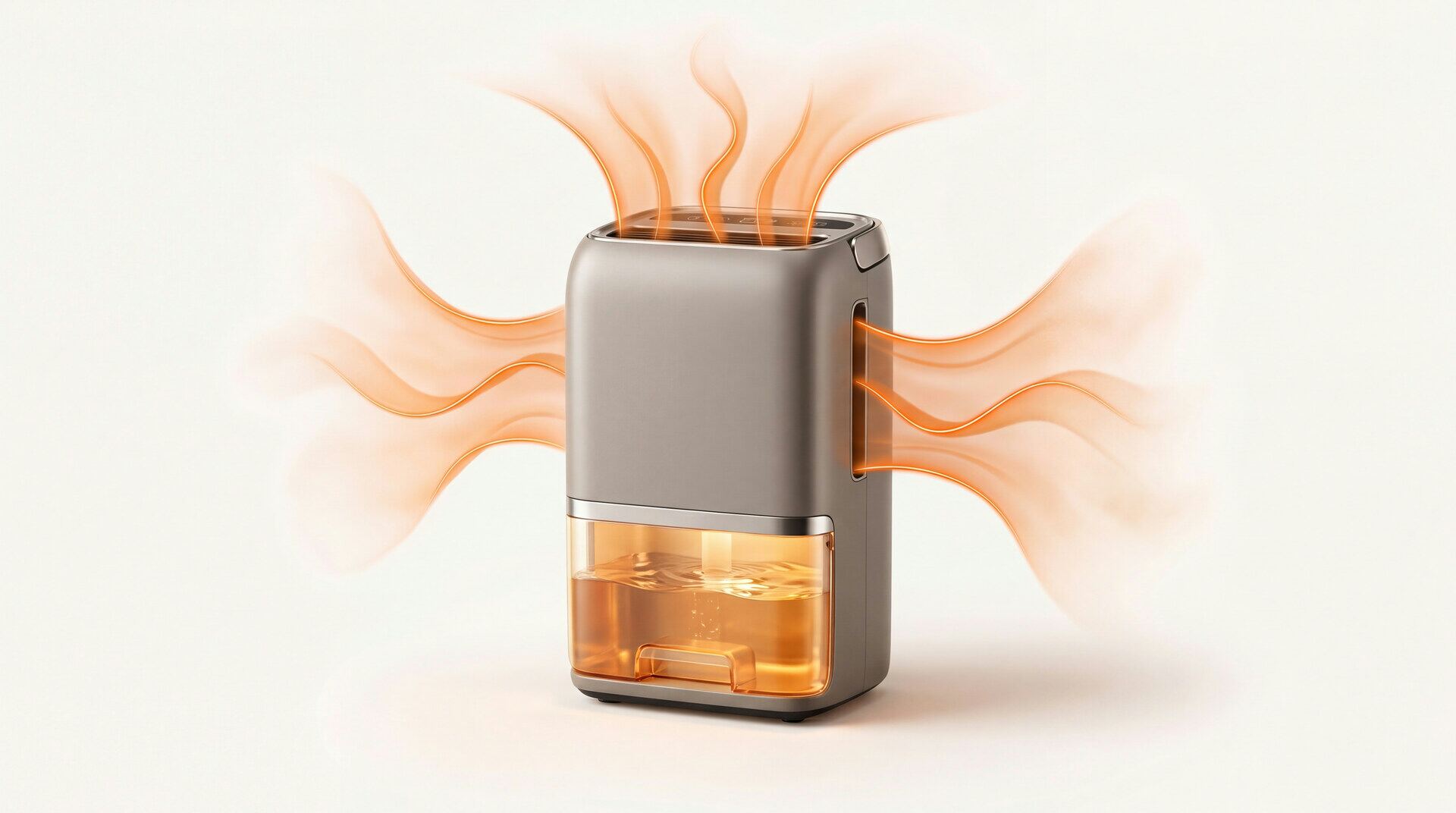
Picking the Right Dehumidifier
Sizing, drain options, and the spec that matters.
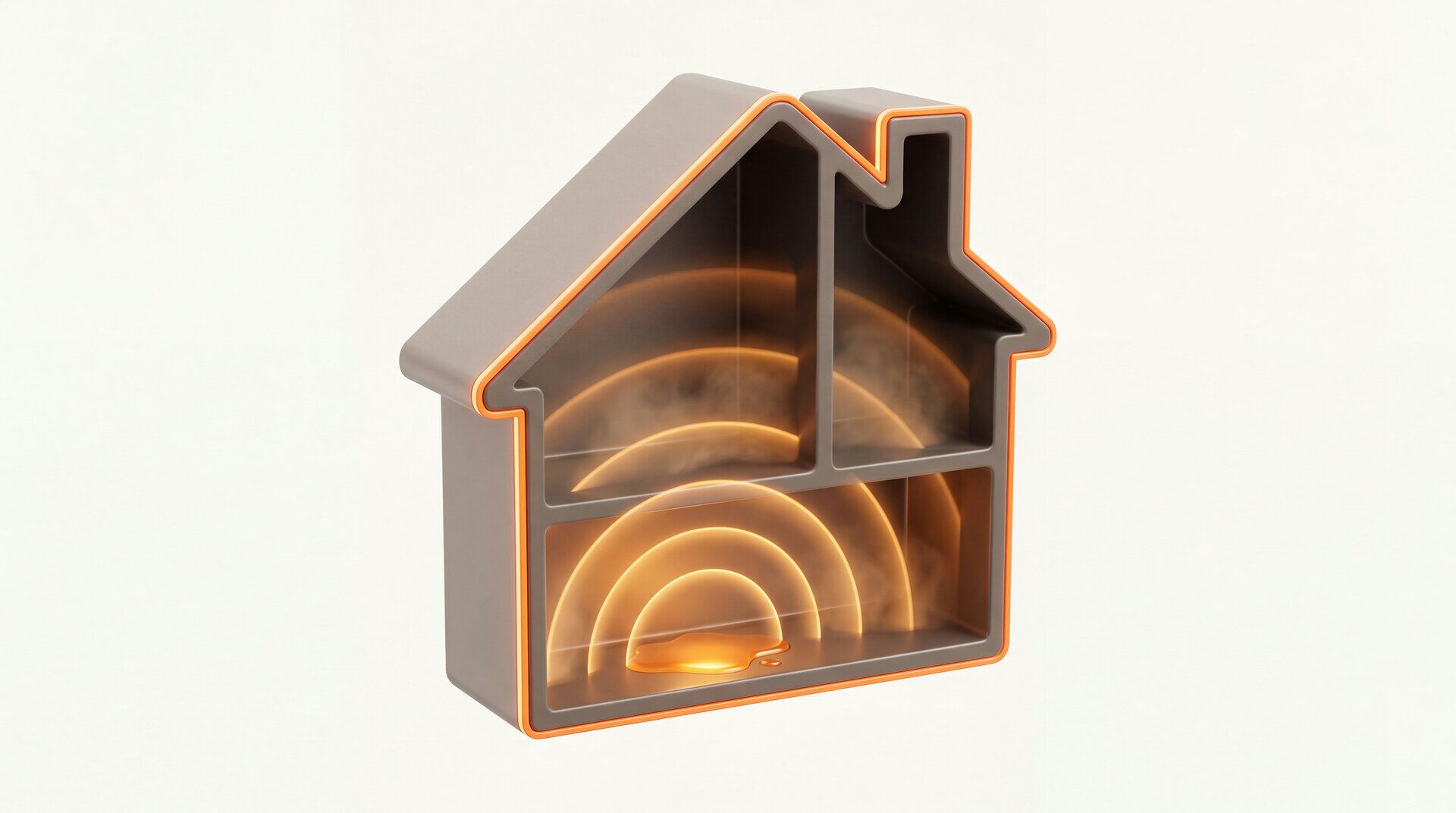
Mold Growth Timeline
Hour by hour: when spores germinate and colonies appear.
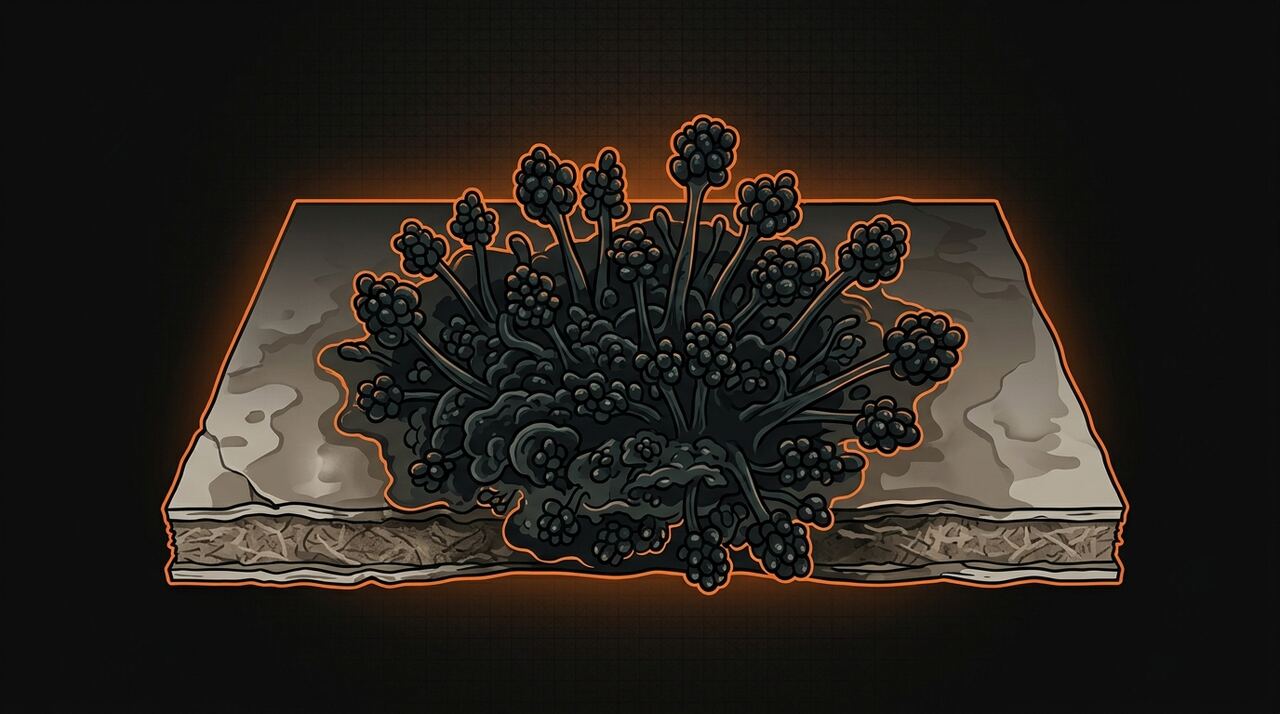
Black Mold Explained
What Stachybotrys is, and when to worry.
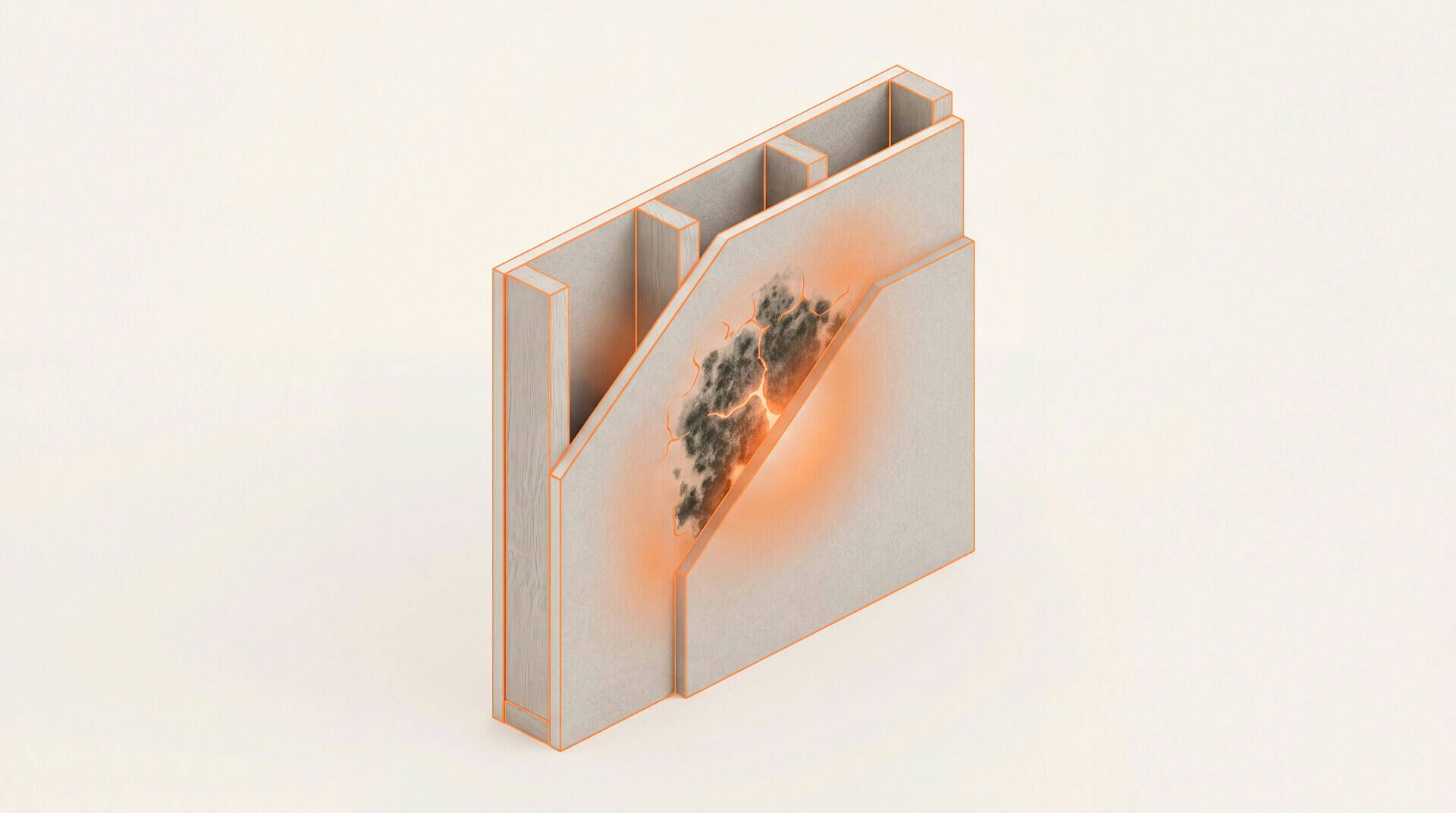
Mold Behind Walls
How to read the signs without opening the drywall.