Why crawl spaces grow mold
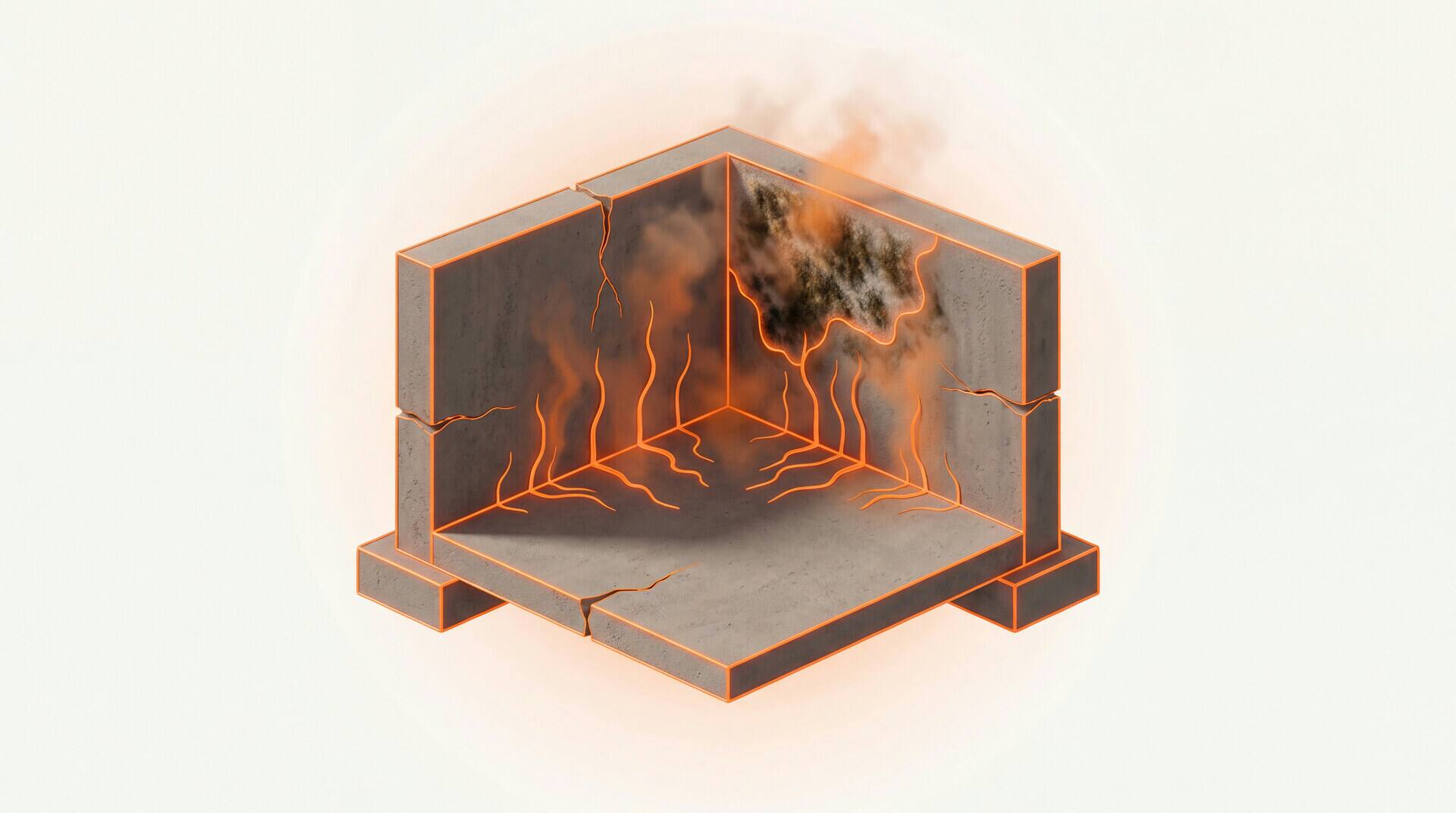
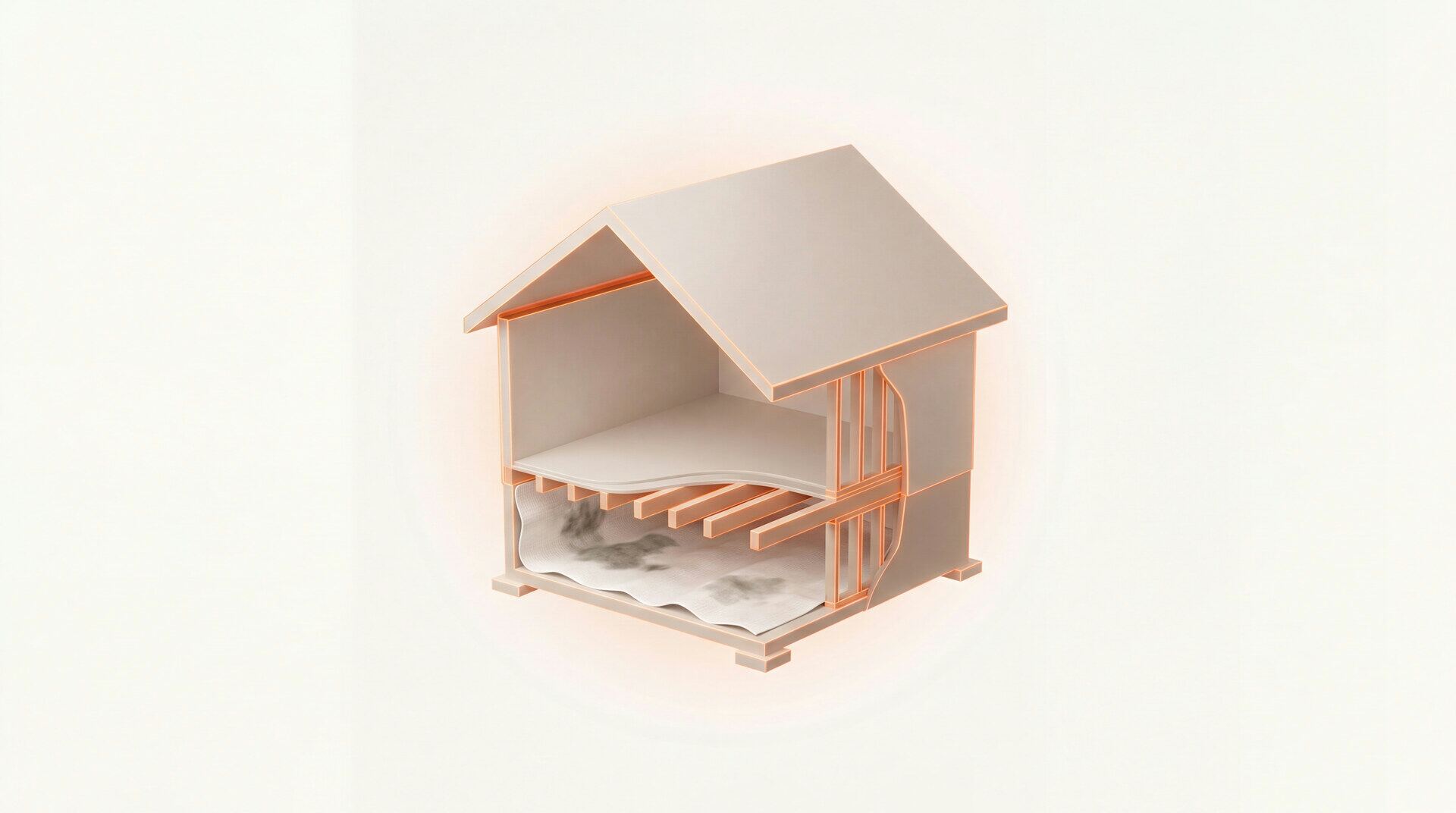
A crawl space is a low, unfinished area between the ground and your first floor. It is usually 18 inches to 4 feet tall. The ground underneath is often bare dirt. That dirt releases water vapor constantly. In a humid climate, the crawl space can sit at 80 to 90% relative humidity year round.
A leading remediation science expert, calls the crawl space the most overlooked mold source in any home. The reason is simple: nobody goes down there. Mold can grow for years on floor joists, subfloor sheathing, insulation, and ductwork before anyone notices the musty smell upstairs.
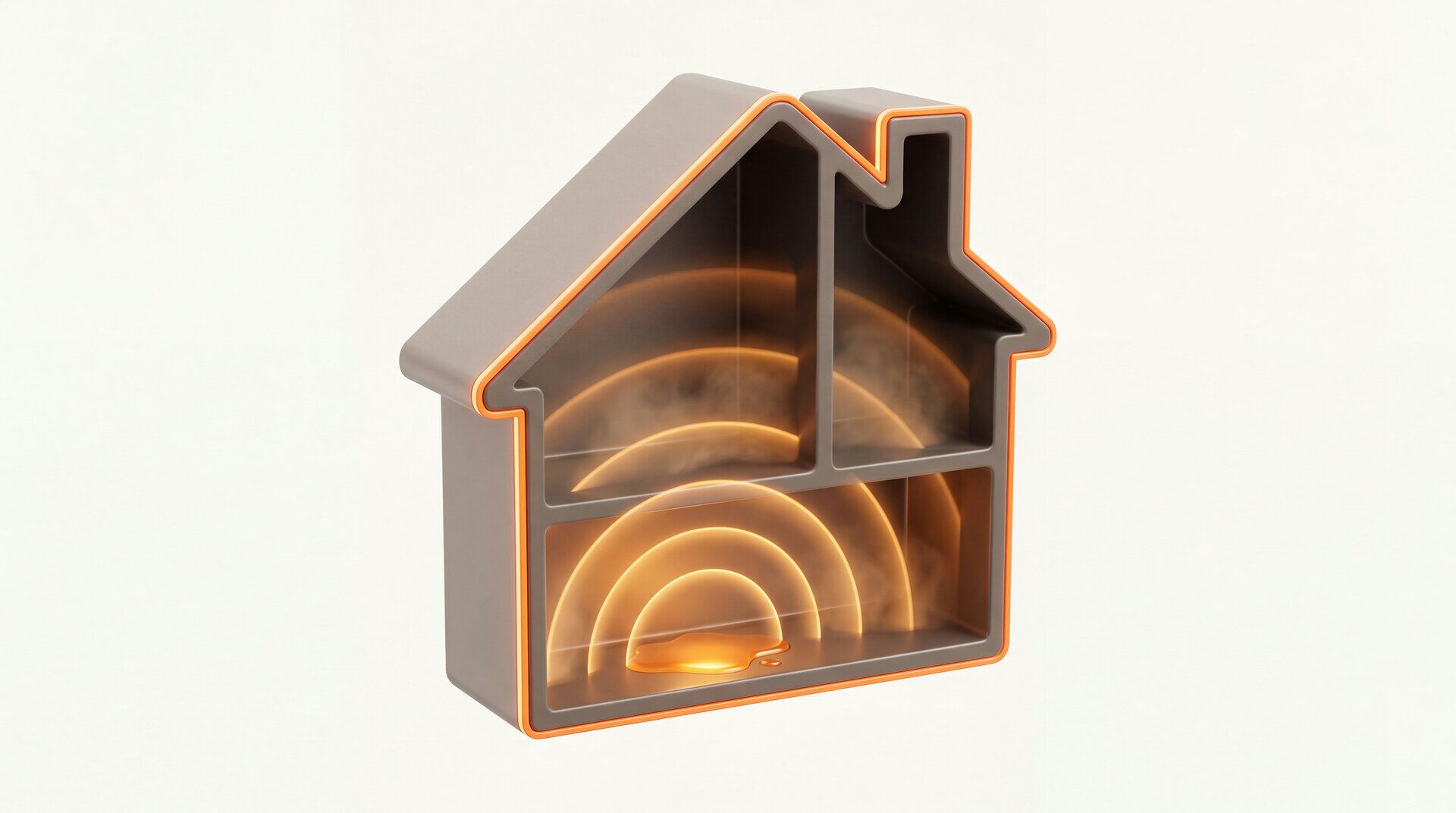
The stack effect makes crawl space mold a whole house problem. Warm air rises through your home and exits through the attic. As it leaves, it pulls replacement air up from the lowest point: the crawl space. Up to 50% of the air on your first floor started in the crawl space. If that air is full of mold spores, your entire family is breathing them.
Common causes of crawl space mold
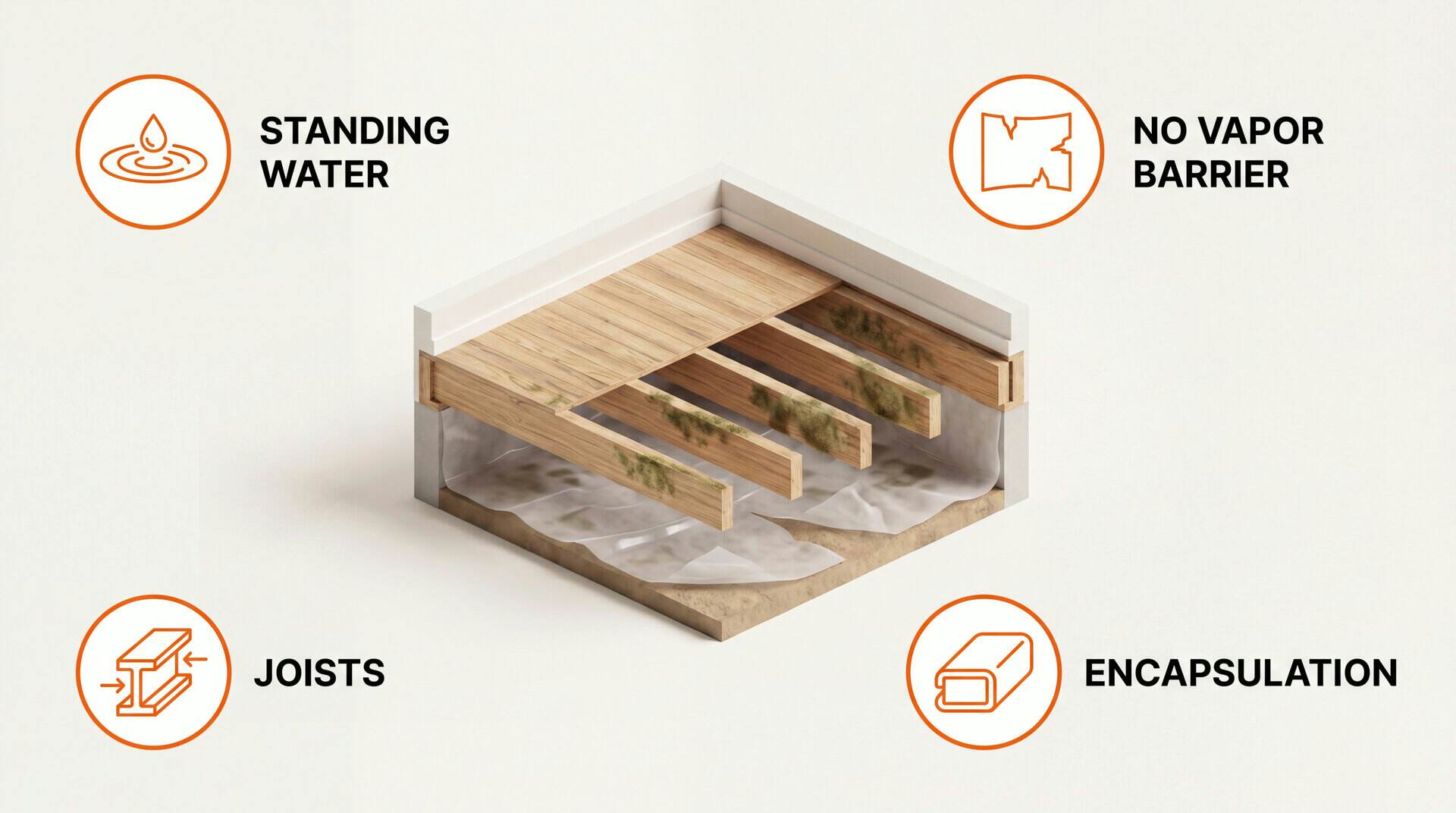
Bare dirt floor: The number one cause. Soil releases water vapor nonstop. Without a vapor barrier, that moisture goes straight into the crawl space air and condenses on cold surfaces like floor joists and metal ductwork.
Standing water: Poor grading around the foundation lets rainwater flow toward the house instead of away from it. Clogged gutters dump water right next to the foundation wall. Plumbing leaks from above drip into the crawl space for months before anyone notices.
Open crawl space vents: Old building codes required crawl space vents for air exchange. Modern building science shows this is wrong. In humid climates, open vents let warm, moist outside air into the cool crawl space where it condenses instantly. Closing and sealing the vents is step one in any crawl space mold fix.
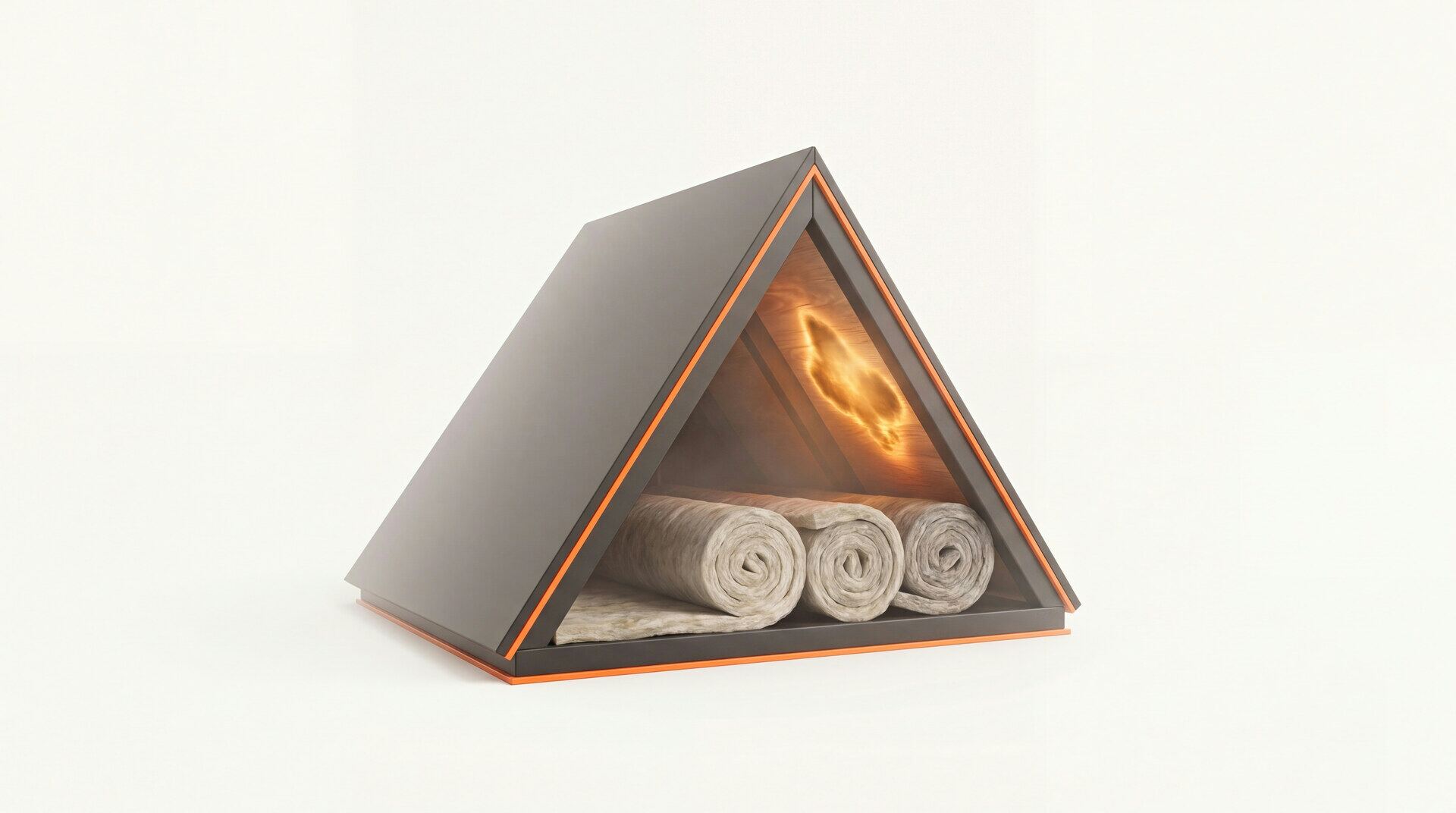
Failed insulation: Fiberglass batt insulation between floor joists absorbs moisture like a sponge. Once wet, it holds that moisture against the wood, creating a perfect mold incubator. Wet insulation should be removed and replaced with closed cell spray foam that repels moisture.
Plumbing leaks: Water supply lines and drain pipes run through crawl spaces. A slow leak can feed mold for months. Check for water stains on the soil, dripping pipes, and damp insulation.
Crawl space encapsulation: the permanent fix
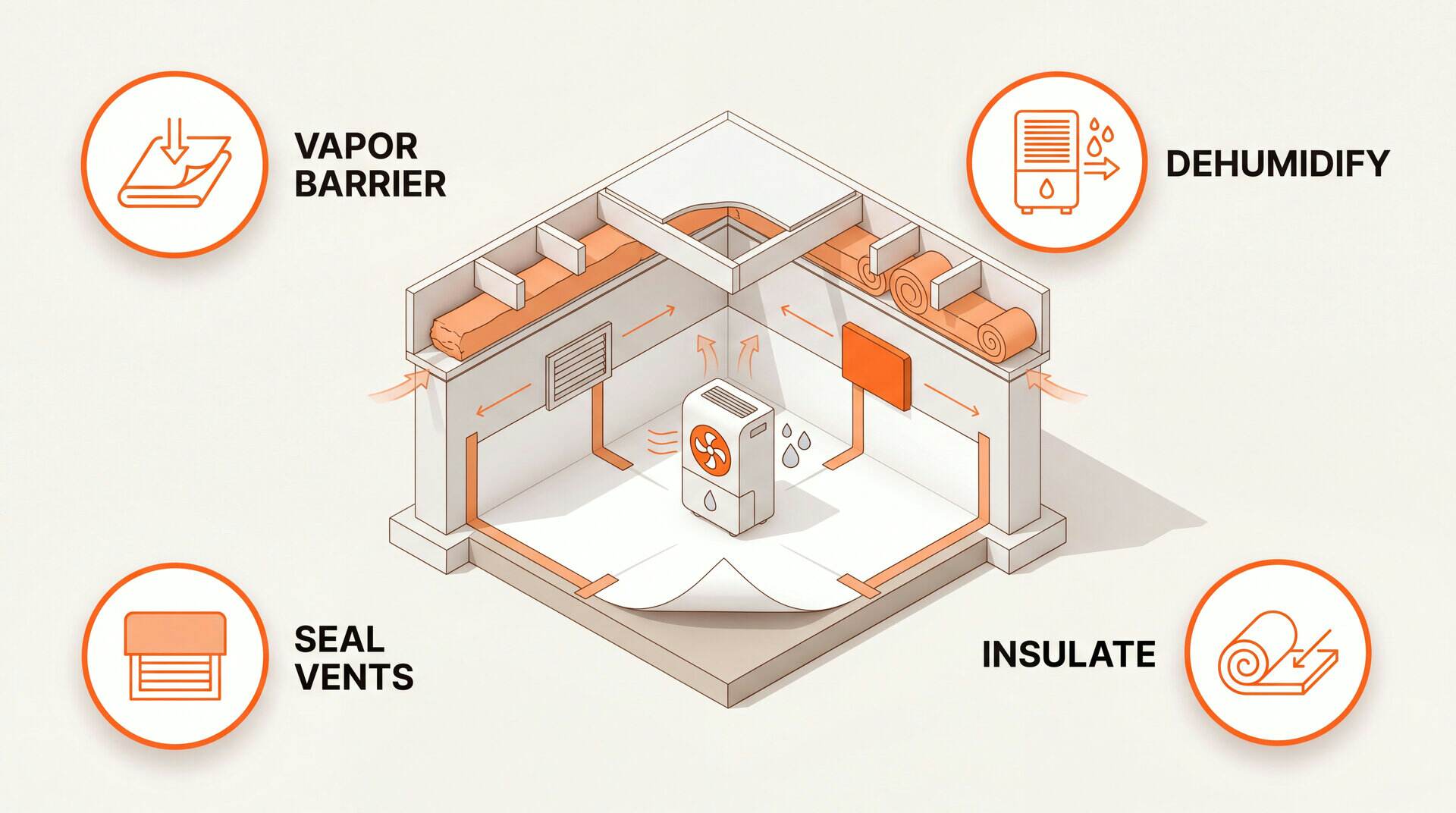
Encapsulation means sealing the crawl space from the ground up. It turns a damp, dirt floor cavity into a clean, dry, conditioned space. Here is what a proper encapsulation includes:
Vapor barrier: A 20 mil (minimum) polyethylene sheet covers the entire floor and extends up the foundation walls. All seams are overlapped 12 inches and sealed with tape. The barrier is secured to the walls with mechanical fasteners and sealant. This stops ground moisture from entering the space.
Sealed vents: All crawl space vents are closed and sealed with foam board and caulk. This prevents humid outside air from entering.
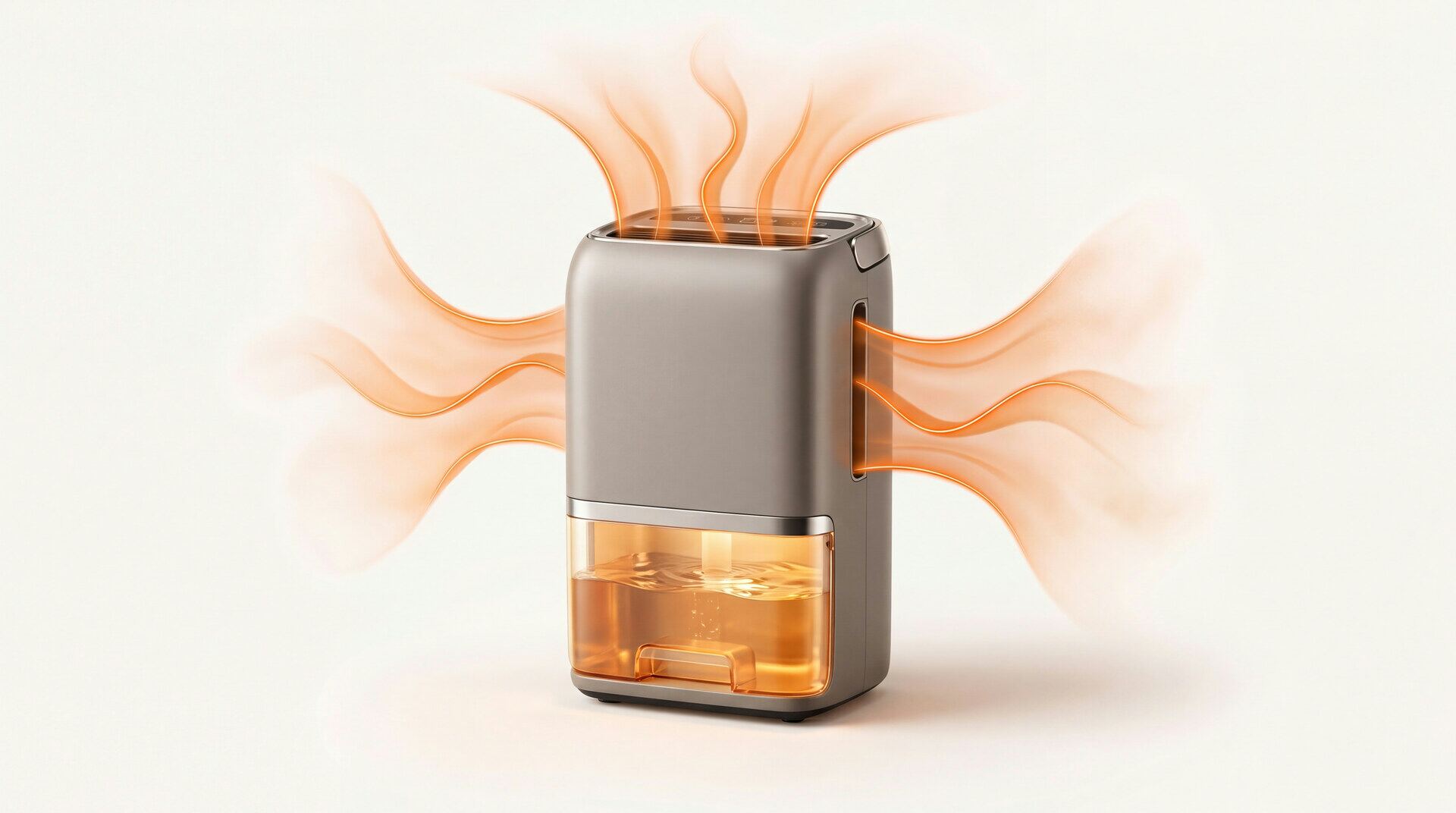
Dehumidifier: A commercial grade crawl space dehumidifier maintains humidity at 45 to 50%. These units are rated for low temperatures (down to 40F) and have auto drain to a sump pump or exterior. A residential unit will frost up and stop working.
Drainage: If standing water is present, a French drain around the interior perimeter directs water to a sump pump. The vapor barrier goes over the drain system.
Insulation: Closed cell spray foam on foundation walls (not floor joists) insulates the space and adds another moisture barrier. R10 minimum.
Cost: Full encapsulation runs $5,000 to $15,000 for a typical 1,000 to 1,500 sq ft crawl space. A vapor barrier alone costs $1,500 to $3,000. These numbers pay for themselves quickly when you consider that mold remediation in a crawl space costs $3,000 to $10,000 and the problem will keep coming back without encapsulation.
How to remove existing crawl space mold
DIY (under 10 sq ft, no standing water): Wear a Tyvek suit, N95 mask, and gloves. HEPA vacuum all surfaces first to remove loose spores. Spray affected wood with hydrogen peroxide or a botanical disinfectant. Scrub with a stiff brush. HEPA vacuum again after drying. Run a fan for 24 hours to dry the space.
Professional (over 10 sq ft or toxic species present): Hire a qualified mold remediation professional (one who follows the IICRC S520 standard; ACAC or RIA credentials and state licenses count too). They will set up containment barriers, negative air pressure with HEPA filtered air scrubbers, and physically remove mold from structural wood. Heavily damaged joists or sheathing may need to be sistered or replaced. Remediation science experts emphasize that remediation must include three cleaning cycles with post testing to confirm the mold is gone.
After remediation: Address the moisture source immediately. If you remediate mold without fixing the moisture problem, the mold will return within weeks. Encapsulation is the only permanent solution for crawl spaces with chronic moisture.
How to spot mold in a crawlspace
Mold in crawlspace areas usually shows up as fuzzy or spotty growth on floor joists, subfloor sheathing, insulation, or ductwork, often with a musty smell that drifts upstairs. "Crawlspace" and "crawl space" mean the same place, and the moisture rules are the same either way.
Because nobody goes down there, crawlspace mold can grow for years before anyone sees it. Bring a flashlight and check these spots first:
- Floor joists and subfloor sheathing: look along the wood above you for dark or fuzzy patches.
- Insulation between the joists: fiberglass batts that look damp or stained hold moisture against the wood.
- The soil and the pipes: water stains on the ground and dripping supply or drain lines feed growth for months.
- Ductwork and other cold metal: humid air condenses on it.
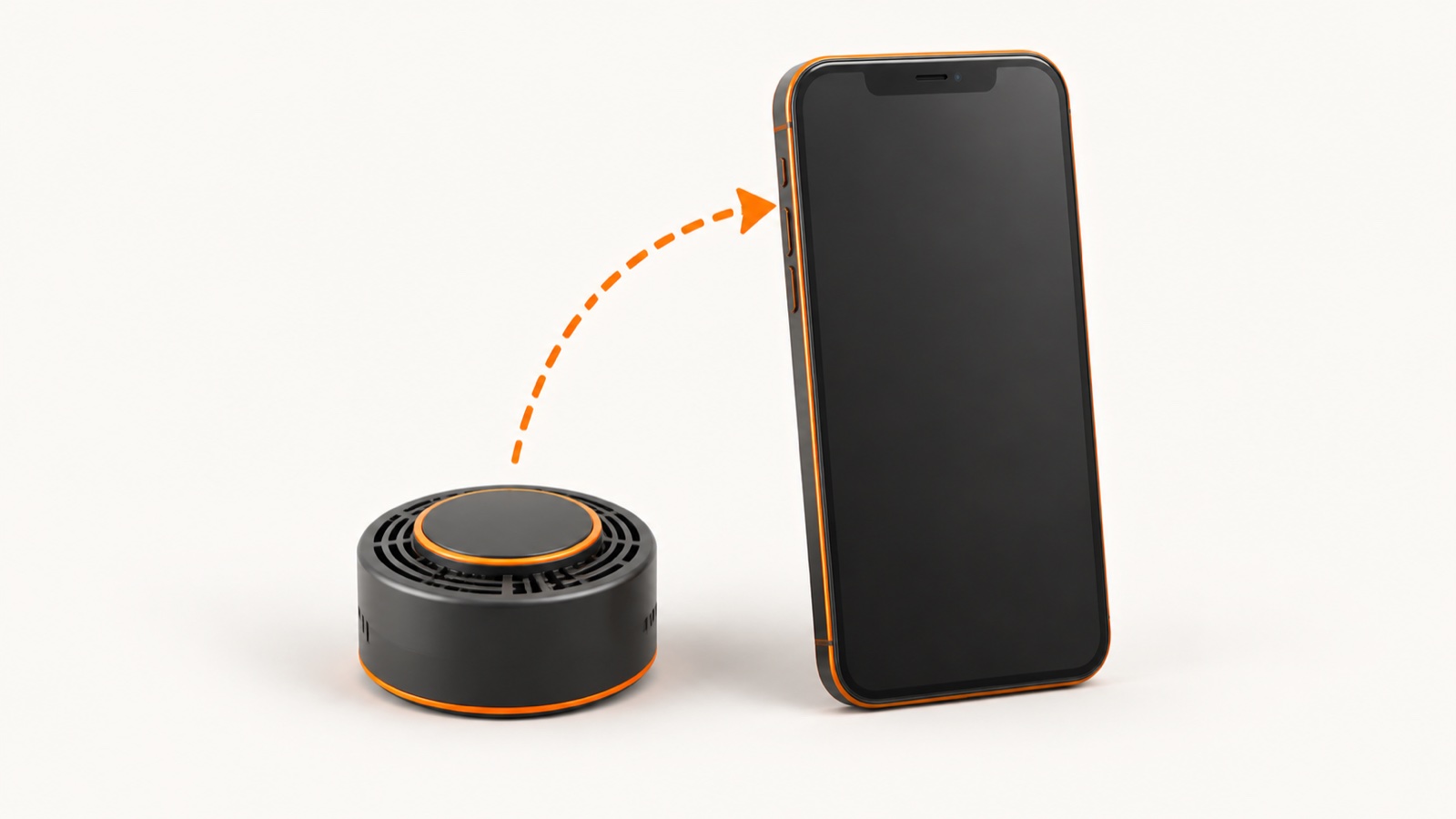
If you find mold in crawlspace insulation or framing, take a photo before you touch anything. Mold Scanner checks a photo for signs of mold growth on visible surfaces, which helps you decide what to do next. Mold hidden inside the subfloor still needs a physical inspection.
Standing water or growth covering more than 10 square feet is a job for a qualified remediation professional, not a weekend cleanup.
Dealing with crawlspace mold in the right order
Dealing with crawlspace mold starts with stopping the water, then cleaning the growth, then drying and sealing the space so it does not come back.
The order matters. If you remove mold without fixing the moisture source, it returns within weeks. When dealing with crawlspace mold, work through these steps:
- Stop the water. Fix plumbing leaks, clear clogged gutters, and correct grading that sends rainwater toward the foundation.
- Close the vents. Seal them with foam board and caulk so humid outside air stops coming in.
- Pull out wet insulation. Damp fiberglass batts should be removed, not dried in place.
- Clean the surfaces. Wear a Tyvek suit, N95 mask, and gloves. HEPA vacuum first, spray the wood with hydrogen peroxide or a botanical disinfectant, scrub with a stiff brush, and HEPA vacuum again once it is dry.
- Dry the space. Run a fan for 24 hours, then hold humidity at 45 to 50% with a crawl space dehumidifier.
- Seal the ground. A 20 mil vapor barrier over the soil keeps ground moisture out of the air.
What crawlspace mold removal costs
Professional crawlspace mold removal runs $3,000 to $10,000 for a crawl space. A vapor barrier alone costs $1,500 to $3,000, and full encapsulation runs $5,000 to $15,000 for a typical 1,000 to 1,500 sq ft space. Do the cleanup yourself only for mold under 10 square feet with no standing water. Otherwise hire a professional who follows the IICRC S520 standard.
Frequently asked questions
What does mold in a crawlspace smell like?
Mold in a crawlspace usually smells musty or earthy. Because warm air rises through the house and pulls crawl space air up with it, the smell often shows up on the first floor before anyone sees the mold. A musty smell upstairs is a reason to check the crawl space for damp insulation, water stains, and growth on the joists.
How much does crawlspace mold removal cost?
Professional crawlspace mold removal typically costs $3,000 to $10,000 for a crawl space. A vapor barrier alone runs $1,500 to $3,000, and full encapsulation runs $5,000 to $15,000 for a typical 1,000 to 1,500 sq ft space. Removal without fixing the moisture source usually fails, because the mold returns within weeks.
What causes mold in a crawl space?
Ground moisture evaporates into the crawl space and has nowhere to go. Without a vapor barrier, the soil releases water vapor 24/7. Add poor ventilation and organic materials like floor joists and insulation, and you have the perfect mold environment. Standing water from poor drainage or plumbing leaks makes it even worse.
Should I encapsulate my crawl space to prevent mold?
Yes. Crawl space encapsulation is the gold standard for mold prevention. A 20 mil vapor barrier covers the floor and walls, sealed at every seam. Combined with a dehumidifier, encapsulation cuts humidity from 80 to 90 percent down to 45 to 50 percent. Cost ranges from 5,000 to 15,000 dollars for a typical home but it pays for itself in avoided mold remediation and energy savings.
Is crawl space mold dangerous to the rest of the house?
Absolutely. Up to 50% of the air you breathe on your first floor comes from the crawl space through a process called the stack effect. Warm air rises through the house and pulls crawl space air up with it. If that air contains mold spores, everyone in the home is breathing them in. The EPA reports that indoor air is typically 5 times worse than outdoor air.
Can I remove crawl space mold myself?
Only if the mold covers less than 10 square feet and you do not see standing water. Wear an N95 mask, Tyvek suit, and gloves. HEPA vacuum all surfaces first, then treat with hydrogen peroxide or a botanical disinfectant. For anything larger, hire a qualified mold remediation professional (one who follows the IICRC S520 standard; ACAC or RIA credentials and state licenses count too). Crawl spaces often contain Stachybotrys (black mold) which releases trichothecene mycotoxins that are dangerous at close range.
Sources
Every claim on this page traces to one of these. Links open the primary document.