
The Maryland humidity profile
Maryland sits squarely in the mid-Atlantic humid subtropical zone, bordered by the Chesapeake Bay and the Atlantic Ocean to the east and the Appalachian ridges to the west. According to NOAA National Weather Service climatological normals for 1991 to 2020, the annual average relative humidity at Baltimore runs near 64 percent, climbing to roughly 69 percent in August and dipping near 58 percent in March. Morning readings are higher still, often near 75 to 80 percent before the afternoon sun burns the air back. Those are approximate climatological normals, not live readings.
The number that matters for mold is the summer dew point. From June through September, Maryland dew points routinely sit above 65 F. Dew point is the more honest moisture metric because it does not move with temperature. A 65 F dew point means any surface, wall cavity, or pipe that drops to 65 F is collecting condensation. In a Maryland basement where the concrete sits near 60 to 65 F all summer, that condition is the default for months at a time.
Maryland is not a hurricane-driven mold state the way the Gulf Coast is. The Maryland story is slower and more constant: a humid warm season layered on a housing stock heavy with basements, crawl spaces, and dense urban row houses. Cool below-grade surfaces meet warm humid air all summer, and EPA guidance notes that porous materials staying wet longer than 24 to 48 hours are considered at risk of mold colonization. In Maryland, the wet clock often never resets in an undehumidified basement between June and September.
Maryland vs U.S. average
| Metric | Maryland | U.S. average | Source |
|---|---|---|---|
| Annual avg relative humidity | 64-72% | ~65% | NOAA NWS 1991-2020 (approx normals) |
| Peak summer relative humidity (Aug) | ~69% | ~70% | NOAA NWS 1991-2020 (approx normals) |
| Summer dew point (Jun-Sep) | 65-70 F | ~55-60 F | NOAA NWS 1991-2020 (approx normals) |
| Typical undehumidified basement RH (summer) | up to 70% | varies | EPA moisture guidance |
| EPA safe indoor RH ceiling | 50% | 50% | EPA A Brief Guide to Mold |
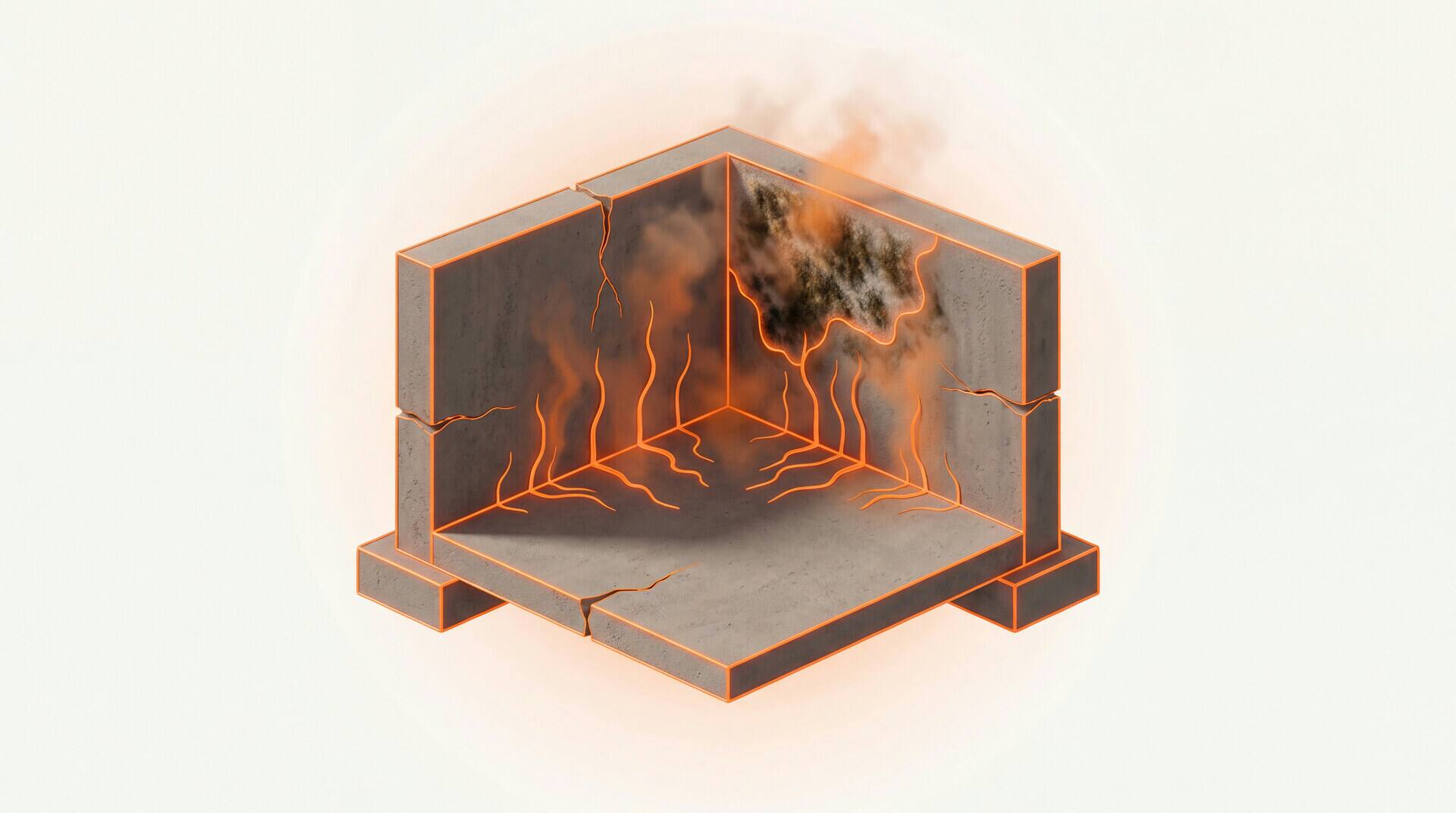
Maryland’s five metros ranked by mold risk
Methodology. Composite risk score = (annual avg RH) × (warm-season dew point load) × (basement and coastal moisture weight 1.0 to 1.4 based on proximity to the Chesapeake Bay and Atlantic plus prevalence of below-grade living space). All humidity inputs are approximate NOAA NWS 1991-2020 climatological normals for the official airport station serving each metro. Coastal and basement weighting reflects documented Maryland housing patterns, not a measured count.
Every place on file, ranked by avg RH
Salisbury reads 72% against 64% at Cumberland. The target for a basement is 50 percent, so every row on this chart sits above it.
View the data
| # | Place | Avg RH |
|---|---|---|
| 1 | Salisbury | 72% |
| 2 | Baltimore | 68% |
| 3 | Frederick | 67% |
| 4 | Hagerstown | 66% |
| 5 | Cumberland | 64% |
| # | Metro | Avg RH | Summer dew pt | Risk band | Notes |
|---|---|---|---|---|---|
| 1 | Salisbury | 72% | 69 F | Extreme | Eastern Shore, hemmed by the Chesapeake Bay and Atlantic. Low elevation, high water table, near-saturated summer air. |
| 2 | Baltimore | 68% | 67 F | Extreme | Dense century-old row-house stock with unfinished basements. Cool below-grade walls collect condensation all summer. |
| 3 | Frederick | 67% | 66 F | Very high | Monocacy River valley with a high water table. Mix of historic downtown homes and newer basement-heavy suburbs. |
| 4 | Hagerstown | 66% | 65 F | Very high | Cumberland Valley transition zone. Slightly drier air, but older housing stock and finished basements hold moisture. |
| 5 | Cumberland | 64% | 64 F | High | Western Maryland mountains. Driest of the five, but stone-foundation basements and shoulder-season swings still drive growth. |
Salisbury
Eastern Shore, hemmed by the Chesapeake Bay and Atlantic. Low elevation, high water table, near-saturated summer air.
Baltimore
Dense century-old row-house stock with unfinished basements. Cool below-grade walls collect condensation all summer.
Frederick
Monocacy River valley with a high water table. Mix of historic downtown homes and newer basement-heavy suburbs.
Hagerstown
Cumberland Valley transition zone. Slightly drier air, but older housing stock and finished basements hold moisture.
Cumberland
Western Maryland mountains. Driest of the five, but stone-foundation basements and shoulder-season swings still drive growth.
Why Salisbury tops the ranking. Three factors compound on the Eastern Shore. First, humidity: the Salisbury area is hemmed by the Chesapeake Bay and the Atlantic, both of which pump near-saturated air over the land through summer calms. Second, geography: the Eastern Shore is flat and low, with a high water table that keeps soil and crawl spaces damp year round. Third, the dew point load is the highest in the state, so any cool surface in a Salisbury home stays wet for long stretches. The Köppen classification for the region is humid subtropical with no dry season, which is the textbook recipe for continuous mold pressure.
Why Cumberland is the lowest in the state but still “high”. Western Maryland sits in the Appalachian highlands, where air masses arrive drier than on the coastal plain and annual RH runs several points lower than Salisbury. The trade-off is older housing stock, stone and block foundations, and finished basements built before modern vapor barriers. When summer dew points climb into the mid-60s, cool basement surfaces still cross the condensation line. Cumberland beats the coastal metros on outdoor humidity, but a leaky basement evens the odds fast.
Common mold species in Maryland homes
Every EPA indoor air quality guide lists the same core species for warm humid climates. Maryland homes, with their cool damp basements, concentrate five of them.
Cladosporium
Cladosporium spp.The most common indoor mold nationwide and the one most often found on Maryland basement walls, window sills, and HVAC supply registers. Olive-green to black. It tolerates cold surfaces, so it colonizes concrete foundation walls and the cool drywall just above a basement floor. EPA lists it as a common allergenic mold.
Aspergillus
Aspergillus spp.Often black, brown, or yellow-green. Prefers surfaces with high moisture and organic dust, which is why it dominates basement storage boxes, bathroom grout, and washing-machine gaskets. EPA and CDC flag Aspergillus species as allergens and, in rare cases, as a cause of aspergillosis in people with weakened immune systems.
Stachybotrys chartarum
Stachybotrys chartarumThe species commonly called “toxic black mold.” It requires sustained wet cellulose such as wet drywall, wet ceiling tile, or wet paper-faced insulation. In Maryland it most often shows up 72 or more hours after a basement flood, a roof leak, or a burst pipe. When to worry: visible black slimy growth on water-stained drywall after a water event. Do not disturb it. Contain and remediate.
Penicillium
Penicillium spp.Blue-green. Grows on carpet padding, stored cardboard, wallpaper, and damp fabric, all common in Maryland basements. The state’s long humid warm season and the lived-in moisture of finished basements create a year-round habitat. EPA lists Penicillium species among the most frequently recovered genera in indoor air samples.
Alternaria
Alternaria alternataDark green to black. Thrives in windows, shower stalls, and around any condensation-prone surface. Commonly flagged on allergenic panels, often correlating with asthma exacerbation in sensitive individuals. The EPA Mold Remediation Guide identifies Alternaria as one of the dominant indoor genera in humid climates.
Species information is general and informational. Health responses vary. Consult a physician for symptom evaluation. Species sources: EPA Mold Remediation in Schools and Commercial Buildings, EPA A Brief Guide to Mold Moisture and Your Home, CDC National Center for Environmental Health guidance.
Maryland-specific actions
Three actions account for most of the mold risk reduction available to a Maryland homeowner. Each maps to an existing free Mold Scanner AI tool.
A. Win the basement before summer (by May)
Before the warm season: Inspect the foundation for cracks, clear gutters and extend downspouts at least four feet from the wall, grade soil to slope away from the house, and verify the sump pump runs. Through June to September: Run a basement dehumidifier set to hold relative humidity below 50 percent, keep a dehumidifier drain line clear, and avoid opening basement windows on humid afternoons (you import moisture, you do not vent it). After any water event: Cut out wet drywall a foot above the visible water line, remove saturated insulation and carpet padding, and dry framing with air movers. Materials that still read above 16 percent moisture content after 72 hours of drying should be removed.
B. Keep indoor RH below 50 percent through the warm season
Use a hygrometer on each level, and watch the basement most closely. Add portable dehumidification in any space above 55 percent. EPA guidance: 30 to 50 percent indoor relative humidity. For Maryland, target 45 to 50 percent in living areas and treat the basement as the room most likely to drift high.
C. Scan quarterly, especially after summer storms
Maryland’s four highest-risk windows are June (start of the humid season), August and September (peak dew point and tropical-remnant rainfall), and the spring HVAC switchover when systems change from heat to cool and cold surfaces reappear.
Seasonal risk profile for Maryland
Monthly average relative humidity at the Baltimore reporting station, expressed as the percent of the year the air pushes basement surfaces toward the indoor growth threshold. Based on approximate NOAA NWS climatological normals 1991-2020.
Maryland relative humidity peaks in August
The monthly mean runs from 58 percent in March to 69 percent in August, a 11 point swing across the year.
View the data
| Month | Jan | Feb | Mar | Apr | May | Jun | Jul | Aug | Sep | Oct | Nov | Dec |
|---|---|---|---|---|---|---|---|---|---|---|---|---|
| Mean RH | 64% | 60% | 58% | 60% | 65% | 67% | 68% | 69% | 68% | 66% | 64% | 64% |
Maryland’s humidity peaks August through October, while late winter is the driest stretch. The danger is not the headline percentage. It is the warm-season dew point meeting cool basement concrete, which is why mold risk concentrates from June through September even though the RH numbers look moderate.
Where to get help in Maryland
Maryland regulates mold-related contracting, and the rules are changing. The Maryland Mold Remediation Services Act (House Bill 1309, Chapter 537 of 2008), codified in Title 7 of the Home Improvement Law within the Business Regulation Article, required firms providing residential mold remediation to be licensed by the Maryland Home Improvement Commission (MHIC), an agency in the Maryland Department of Labor, and required remediation workers to hold microbial-remediation certification. That dedicated mold-remediation licensing subtitle was terminated by sunset on July 1, 2019. Today a contractor performing the structural work in a mold project (tearing out and rebuilding walls, drywall, or flooring) must still hold an active MHIC home improvement license. More recently, the Maryland Tenant Mold Protection Act (Senate Bill 856, Chapter 539 of 2025), effective July 1, 2025, set landlord assessment, remediation, and disclosure duties, and directed the Maryland Department of the Environment (MDE) to adopt uniform mold assessment and remediation standards by June 1, 2027. General information only. Confirm current rules with the agencies below and a licensed Maryland attorney.
Questions on file
Is mold common in Maryland homes?
Yes. Maryland sits in a humid subtropical climate where annual average relative humidity runs near 64 to 72 percent across the major metros, and summer dew points routinely climb above 65 F. That moisture load combines with a housing stock heavy on basements, row houses, and crawl spaces, which means cool below-grade surfaces collect condensation through the warm months. EPA flags the 50 percent indoor relative humidity line as the upper safe bound, and most Maryland basements drift above it from June through September without dehumidification.
Why do Maryland basements grow mold in the summer?
Warm, humid outdoor air enters a basement and meets cool concrete walls and cold water pipes that sit well below the dew point. The moisture condenses into liquid water on those surfaces, and EPA guidance notes that porous materials staying wet longer than 24 to 48 hours are at risk of mold colonization. Maryland summer dew points above 65 F mean basement surfaces near 60 to 65 F are wet most afternoons. A basement dehumidifier holding relative humidity below 50 percent is standard guidance across the state.
What mold species are common in Maryland homes?
Cladosporium and Aspergillus dominate indoor air samples across Maryland homes, with Penicillium common on damp basement materials. Stachybotrys chartarum (black mold) appears after sustained water intrusion, such as a basement flood, roof leak, or plumbing failure. Alternaria rounds out the typical panel around windows and showers. EPA notes all molds can cause reactions in sensitive people. See a physician for symptom evaluation. This page is general information, not medical advice.
Do Maryland homes need a dehumidifier?
For most homes with a basement or crawl space, yes, at least from late spring through early fall. EPA recommends keeping indoor relative humidity below 50 percent to suppress mold growth. Maryland outdoor dew points exceed 65 F from June through September, which makes air conditioning alone insufficient in below-grade spaces where the AC runs little. A basement dehumidifier or a whole-home unit tied to the HVAC return is the common fix.
Does Maryland law require landlords to deal with mold?
General information only. The Maryland Tenant Mold Protection Act (Senate Bill 856, Chapter 539 of 2025), effective July 1, 2025, requires covered landlords to perform a mold assessment within 15 days of written tenant notice and complete remediation within 45 days of the assessment, maintain ventilation and low indoor humidity, and provide a mold information pamphlet. The Maryland Department of the Environment is directed to adopt uniform mold assessment and remediation standards by June 1, 2027. Read your own lease and consult a licensed Maryland attorney or your local housing code office.
What is the best humidity level for a Maryland home?
EPA guidance is 30 to 50 percent indoor relative humidity. For Maryland, target 45 to 50 percent in living areas and watch the basement closely, since that is where summer humidity climbs fastest. Use a hygrometer in each major zone and add dehumidification if any space exceeds 55 percent for more than a few hours. In winter, dropping below 30 percent is rare in Maryland and usually only happens with aggressive heating.
How much does mold remediation cost in Maryland?
Typical professional remediation in the Baltimore area averages about 2,400 USD, with most projects falling between 1,236 and 3,622 USD for contained areas. Basement and crawl space jobs run 1,200 to 4,800 USD because of access difficulty and unfinished space common in older row houses. Maryland contractors commonly quote 12 to 24 USD per square foot, and a separate mold inspection runs 300 to 1,075 USD. Whole-home remediation after a major flood or long-running leak can reach 10,000 to 30,000 USD when drywall, insulation, and subfloor all need replacement. Use contractors who follow the IICRC S520 standard and hold a Maryland Home Improvement Commission license for any structural work. See our remediation cost guide for a detailed breakdown.
Source 6, , Institute of Inspection, Cleaning and Restoration CertificationWho do I report a mold problem to in Maryland?
Start with your local housing or environmental health office, since mold in rentals is often handled under local livability codes. The Maryland Department of the Environment publishes statewide indoor air quality and mold guidance. For contractor licensing questions, the Maryland Home Improvement Commission handles complaints about licensed contractors. For a rental dispute under the new Tenant Mold Protection Act, consult a licensed Maryland attorney or a tenant advocacy organization.
Source register
Every source chip on this page points here. Agency and statute pages first, then the federal technical references.
Find the mold in your Maryland home
The scanner is open. Get a detailed photo report, next steps, testing options and estimated cleanup costs.
Scan My Photo Get the free mold checklistRelated guides on Mold Scanner AI

Mold Risk by ZIP Code
Type your ZIP, get climate based mold risk.
Water Damage Documentation Helper
Record accessible water-event conditions without a risk score.
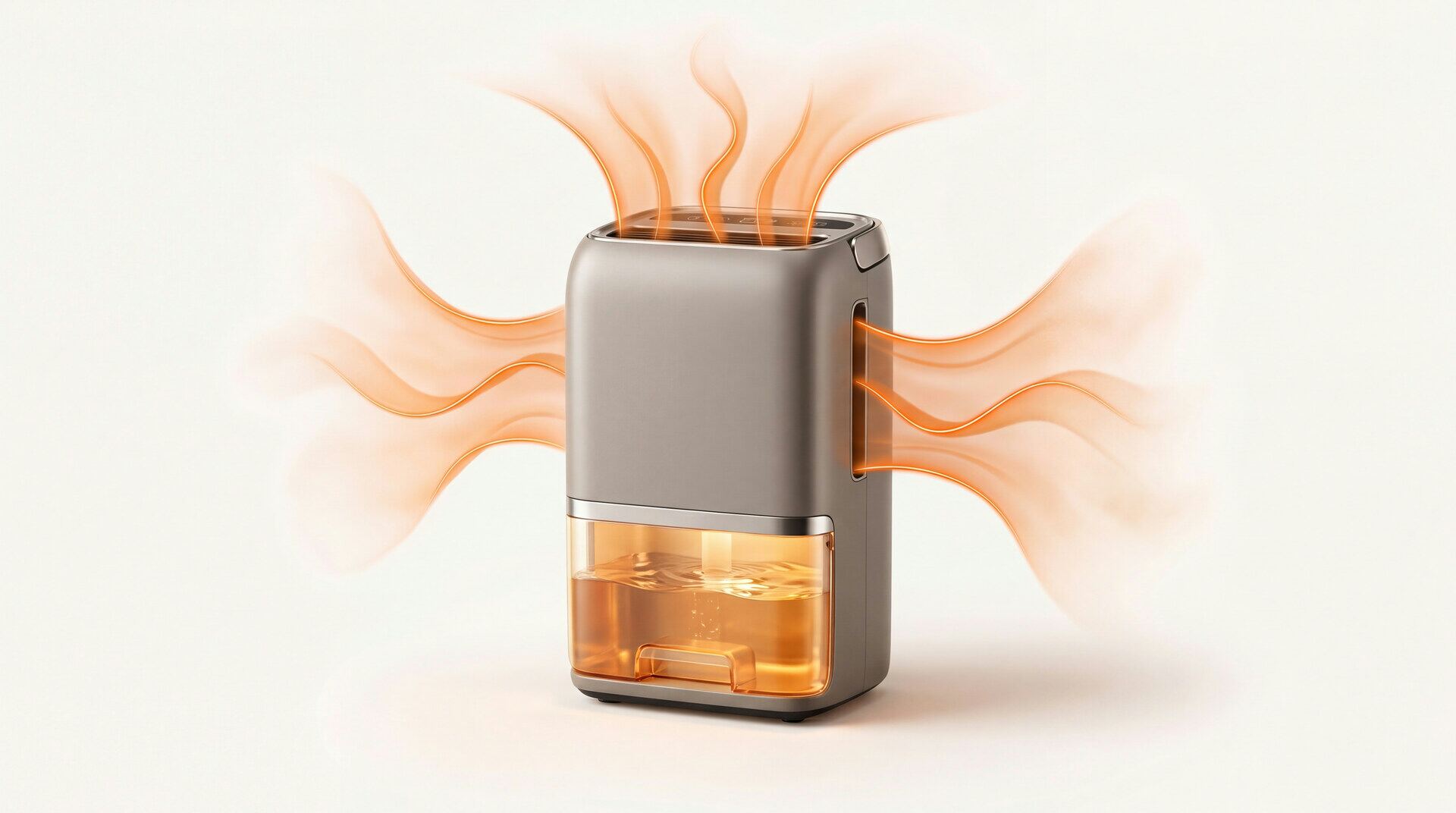
Picking the Right Dehumidifier
Sizing, drain options, and the spec that matters.
Mold Growth Timeline
Hour by hour: when spores germinate and colonies appear.
Indoor Humidity from Your Phone
What works, what does not, and a free alternative.

Stop Mold in a Closed Up House
Vacation home, rental, second property.