
What is the ERMI test?
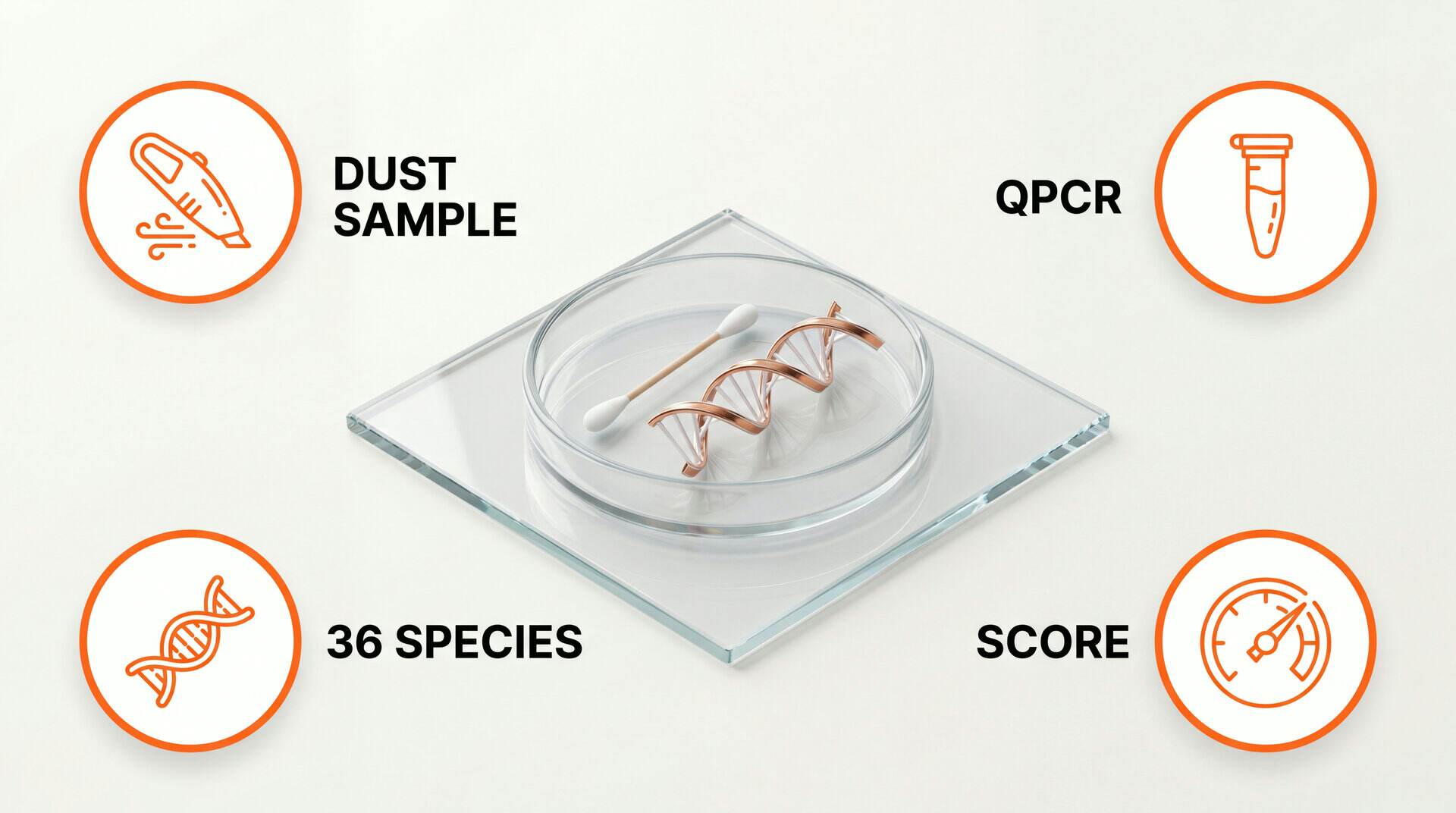
ERMI stands for Environmental Relative Moldiness Index. It was developed by the EPA's Office of Research and Development and uses a laboratory technique called MSQPCR (Mold Specific Quantitative Polymerase Chain Reaction) to identify mold species by their DNA in settled dust.
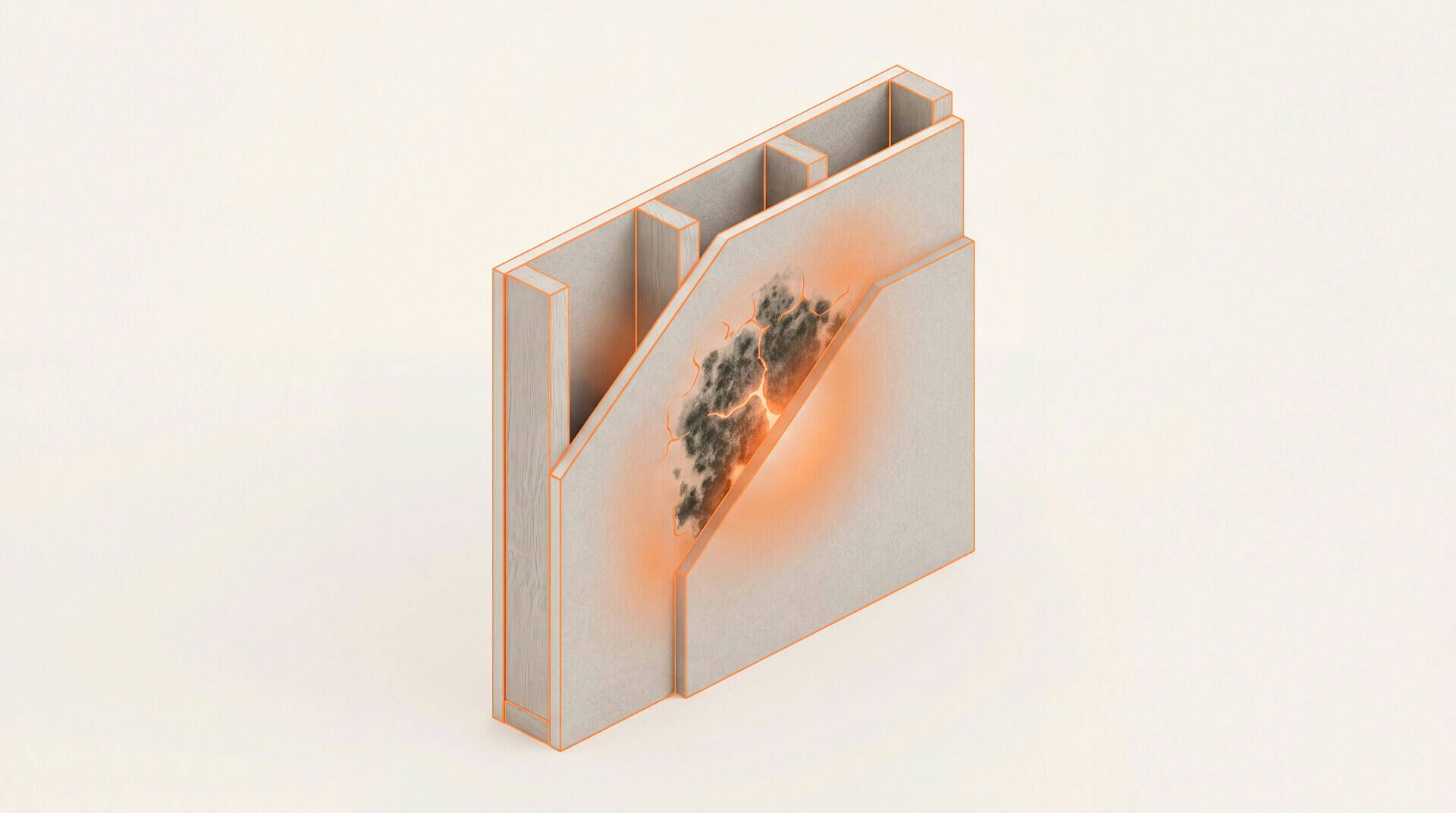
Unlike air sampling, which only captures mold spores floating at the exact moment the sample is taken, ERMI analyzes dust that has settled over weeks or months. This gives a time integrated picture of what mold species are present and in what quantities. All 6 mold experts in our research synthesis agree that dust based DNA testing is superior to air sampling for detecting hidden mold problems.
The test identifies 36 mold species divided into two groups. Group 1 includes 26 species associated with water damaged buildings. Group 2 includes 10 common outdoor species found in all homes. The ERMI score is the difference between Group 1 and Group 2 levels. A high score means your home has significantly more water damage related mold than normal background levels.
HERTSMI-2: the score that matters most
HERTSMI-2 uses DNA measurements for five named molds to calculate its own score. The selection and scoring do not make those species a universal health-risk ranking. Detection does not establish dose, exposure, source, active growth, or medical causation.
Published HERTSMI-2 bands come from a specific framework rather than a government health-based indoor standard. Do not use them as an occupancy order, remediation prescription, or medical result.
How to collect an ERMI dust sample
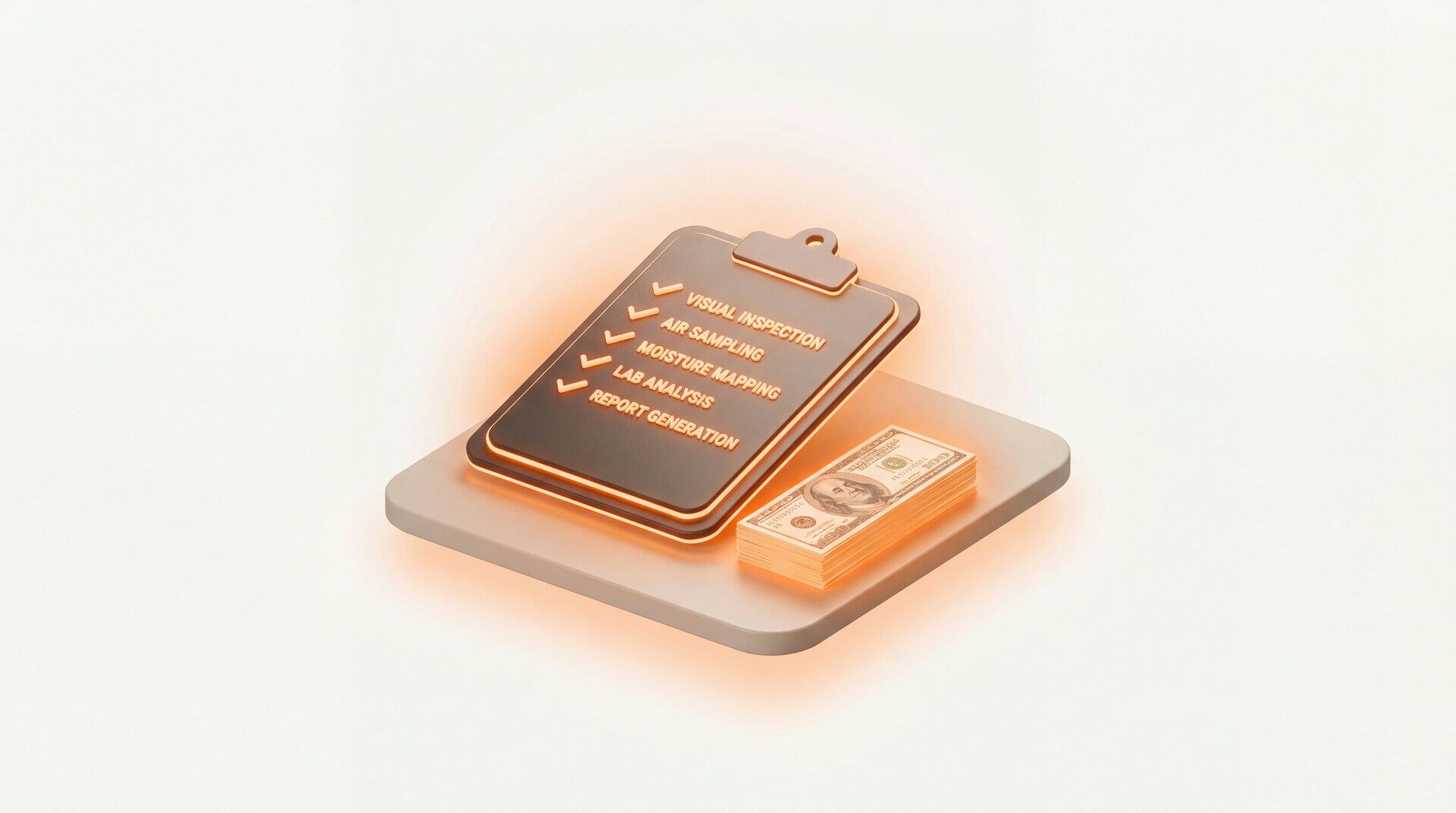
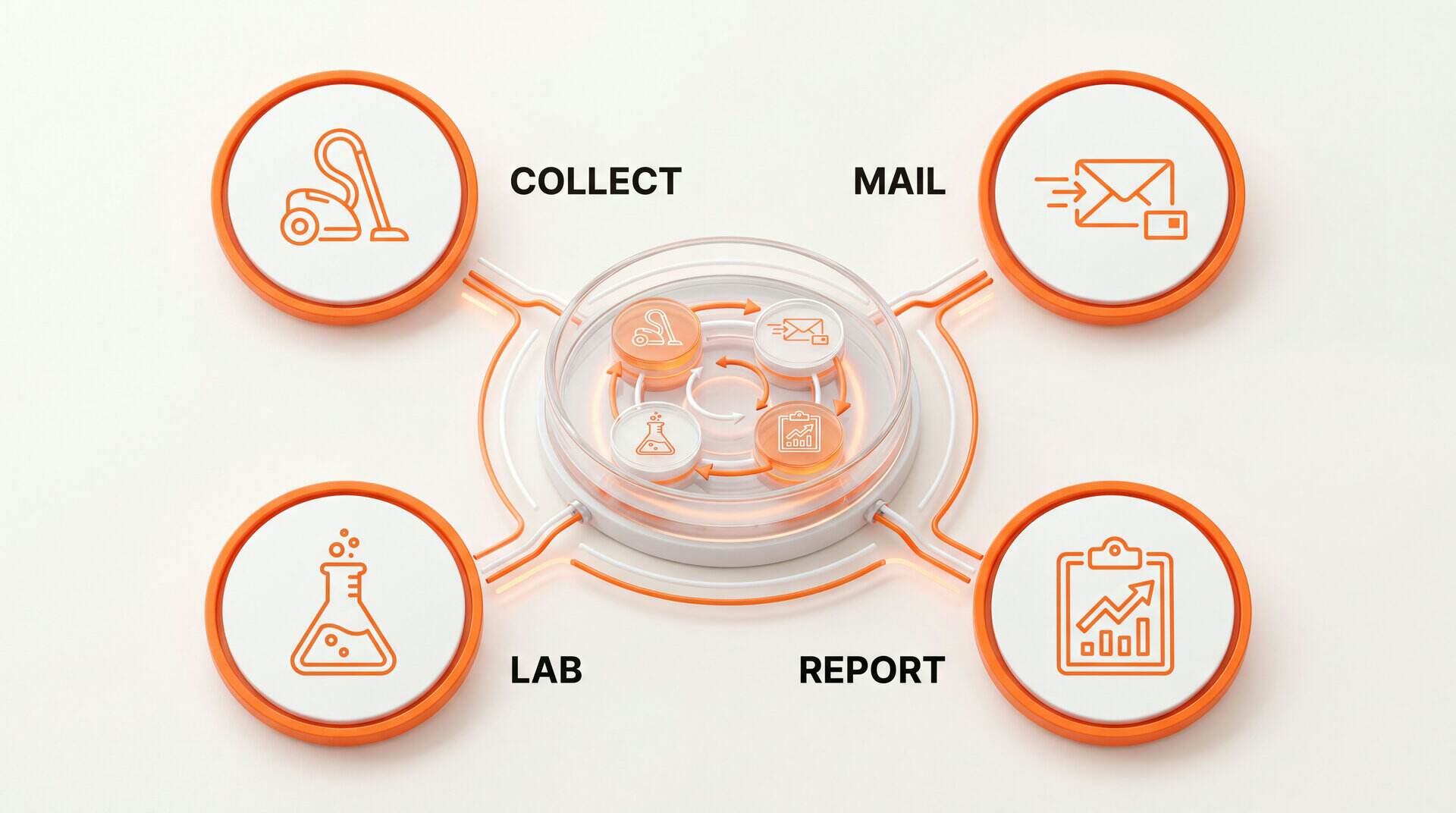
Step 1: Order a kit. EnviroBiomics (envirobiomics.com) and Mycometrics (mycometrics.com) are the two most used labs. Kits cost $150 to $300 and include a Swiffer cloth and collection instructions. Our roundup of the best ERMI test kits compares what each lab includes and how the reports differ.
Step 2: Collect dust from the right locations. The standard method is to Swiffer a 6 foot by 3 foot area of carpet or floor in the main living area and the bedroom. The idea is to collect settled dust from areas where you spend the most time. Do not vacuum the area for at least a week before sampling so dust has time to accumulate.
Step 3: Avoid contamination. Wear clean gloves. Do not touch the Swiffer cloth with bare hands. Do not sneeze on it. Place the cloth in the provided bag and seal it immediately after collection.
Step 4: Mail to the lab. Results arrive in 7 to 10 business days. You will receive a report listing all 36 species with concentration levels, your ERMI score, and enough data to calculate your HERTSMI-2 score. Some labs calculate HERTSMI-2 for you; others provide the raw species data and you calculate it yourself.
Pro tip: Take samples from multiple rooms if you want to identify the source. A high HERTSMI-2 score in the bedroom but normal in the living room points to a moisture problem near the bedroom. Remediation science experts recommend looking at individual species data rather than just the composite score because the species tell you what type of water damage is occurring.
ERMI vs air sampling vs The Dust Test
Air sampling: Captures material during a defined time window. Location, timing, ventilation, outdoor conditions, flow, and controls affect interpretation.
ERMI and HERTSMI-2: Apply calculations to targeted DNA measurements in settled dust. Dust history, cleaning, tracking, sample locations, and method affect the result. EPA does not recommend ERMI for routine public use.
Other dust panels: May analyze different organisms or compounds. Verify the laboratory method and never assume that a product called a dust test measures mold DNA, mycotoxins, and bacteria in the same way.
Bottom line: No format is universally best. Start with a defined question and direct moisture investigation, then use qualified sampling only when the result will change a decision. If you are weighing ERMI against simpler consumer options, our mold testing kit guide covers the surface and air formats.
Frequently asked questions
What is an ERMI test kit and what comes in it?
An ERMI test kit is a dust collection package you order from a lab. It includes a Swiffer cloth and collection instructions. You wipe a set area of floor, seal the cloth in the bag, and mail it to the lab, which reports the mold DNA results from that dust.
How much does an ERMI test cost?
The ERMI test cost is $150 to $300 for a kit. The kit includes a Swiffer cloth and collection instructions. Prices change, so confirm the current price, what the report includes, and the turnaround with the lab before you order. Results arrive in 7 to 10 business days after you mail the sample.
What is an ERMI test?
ERMI is a research index calculated from DNA measurements for a defined group of molds in settled dust. It does not measure mycotoxins, locate a moisture source, or represent every area of a home. EPA does not recommend ERMI for routine public use.
What is a good ERMI score?
There is no health-based ERMI score that proves a home is safe or unsafe. ERMI was designed as a research tool for comparing groups of homes, not as a public clearance or medical standard. Interpret any laboratory result within its sampling plan and stated limitations.
What is HERTSMI-2 and how is it different from ERMI?
HERTSMI-2 combines DNA measurements for five molds into a separate proprietary score, while ERMI uses a larger defined group to calculate a research index. Neither score diagnoses a person, locates a source, or establishes safe re-entry.
Where can I verify current ERMI testing options?
Laboratories and kits change, so verify the current laboratory, method, accreditation, collection instructions, price, and turnaround directly. Before ordering, define the question the sample must answer and how the result will change a decision.
Sources
Every claim on this page traces to one of these. Links open the primary document.