
The New Mexico humidity profile
New Mexico's three NOAA humidity stations report 41 percent at Albuquerque, 45 at Roswell and 51 at Clayton. Annual precipitation runs 8.8 inches at Albuquerque to 16.1 at Clayton, against a statewide long-term average NOAA puts at 14.0 inches. This is one of the driest states in the country, and the practical consequence is simple: outdoor air in New Mexico does not grow mold indoors. If you have mold, you have water, and the water came from inside the building or from a specific event.
The monthly shape is unusual and worth understanding. Relative humidity peaks in December and January at 52 to 53 percent and bottoms out in April at 37 percent. That winter peak is a cold-air artifact rather than a moisture increase: the calculated mean dew point stays in the 30s F all year. The real moisture event is the North American Monsoon, which runs roughly June 15 to September 30 and delivers up to half of annual rainfall in some regions, pushing the morning mean to 64 percent in August. That is when a roof that has been baking and cracking for nine months meets an inch of rain in twenty minutes.
The disaster record confirms the pattern. Of 38 billion-dollar weather disasters affecting New Mexico from 1980 to 2024, 18 were drought and 12 were wildfire, and not one was a flood. But wildfire produces the state's most dangerous water event indirectly: the National Weather Service in Albuquerque explains that fire destroys the vegetation that would absorb rainfall and leaves hydrophobic ground, so rain on a burn scar runs off instantly and floods far faster than normal terrain. A New Mexico flood is usually a burn-scar flood, and it arrives with no warning.
New Mexico against the national picture
| Metric | New Mexico | What it means indoors | Source |
|---|---|---|---|
| Annual mean relative humidity | 41 to 51% | Among the lowest in the country, so outdoor air is not the source | NOAA NCEI Comparative Climatic Data |
| Morning mean relative humidity | 53 to 61% | Peaks at 64 percent in August, during the monsoon | NOAA NCEI Comparative Climatic Data |
| Calculated annual mean dew point | 34 to 42 F | In the 30s F all year, which is why indoor water is the whole story | Calculated from NOAA 1991 to 2020 normals |
| Annual normal precipitation | 8.8 to 16.1 in | Under 15 inches across most of the state, delivered largely in monsoon bursts | NOAA NCEI 1991 to 2020 normals |
Relative humidity figures are the mean of the morning and afternoon observations NOAA publishes for each first-order station, rounded to whole percent. Dew point is calculated from the NOAA normal mean temperature and that mean relative humidity using the Magnus formula, so treat it as a derived figure rather than a published one.
How much water the sky delivers, station by station
Clayton takes 16.1 inches a year against 8.8 at Albuquerque. Bulk water is the mechanism behind most basement and crawl space mold, so the wettest station is the one to plan around.
View the data
| Station | Annual normal |
|---|---|
| Clayton | 16.1 in |
| Roswell | 11.6 in |
| Albuquerque | 8.8 in |
New Mexico stations ranked by measured humidity
Methodology. Ranked by annual mean relative humidity, the one input that traces to a station record rather than an opinion. Relative humidity is the mean of NOAA's published morning and afternoon values. Mean dew point is calculated from the NOAA 1991 to 2020 normal mean temperature and that mean relative humidity. The humidity band names what the column measures and nothing more. Humidity is not the whole story: a burst supply line in the driest metro on this table soaks the same drywall as a humid August, and EPA guidance treats wet porous material as at risk of mold growth after 24 to 48 hours either way.
Every place on file, ranked by mean RH
Clayton reads 51% against 41% at Albuquerque. The target for a basement is 50 percent, so every row on this chart sits above it.
View the data
| # | Place | Mean RH | Morning RH | Annual precip |
|---|---|---|---|---|
| 1 | Clayton | 51% | 61% | 16.1 in |
| 2 | Roswell | 45% | 58% | 11.6 in |
| 3 | Albuquerque | 41% | 53% | 8.8 in |
| # | Station | Mean RH | Morning RH | Mean dew pt | Annual precip | Humidity band | Notes |
|---|---|---|---|---|---|---|---|
| 1 | Clayton | 51% | 61% | 37 F | 16.1 in | Very dry | Northeast plains, closest to the Great Plains climate. The state's highest humidity and rainfall. |
| 2 | Roswell | 45% | 58% | 42 F | 11.6 in | Very dry | The state's highest calculated dew point at 42 F, from Pecos Valley irrigation and southeastern moisture. |
| 3 | Albuquerque | 41% | 53% | 34 F | 8.8 in | Very dry | The driest station in the state at 41 percent and 8.8 inches. Mold in the metro is a plumbing or cooler problem, essentially always. |
Clayton
Northeast plains, closest to the Great Plains climate. The state's highest humidity and rainfall.
Roswell
The state's highest calculated dew point at 42 F, from Pecos Valley irrigation and southeastern moisture.
Albuquerque
The driest station in the state at 41 percent and 8.8 inches. Mold in the metro is a plumbing or cooler problem, essentially always.
Every row on this table is dry, and that changes the diagnosis rather than removing it. In a humid state you can reasonably ask whether growth came from ambient humidity. In New Mexico you cannot. At a 34 to 42 F mean dew point, the outdoor air simply does not carry enough water to wet an indoor surface. So when growth appears, the question is never "is it humid here," it is "which pipe, which appliance, which roof penetration."
The evaporative cooler is the New Mexico-specific answer more often than people expect. A swamp cooler works by adding water to the air on purpose, and a house running one in July is deliberately raising indoor humidity by 20 points or more. That is normally fine and is why they work in a dry climate. It stops being fine when the pads stay wet through a monsoon week, when the cooler sits over an unconditioned attic and drips onto the ceiling below, or when the unit is left connected through a wet October. Check ours against the Arizona and Utah reports, which share the mechanism.
Common mold species in New Mexico homes
EPA and CDC name the same core genera everywhere, but the mix in a dry state skews toward species that exploit a specific wet spot rather than general dampness.
Cladosporium
Cladosporium spp.The most commonly found indoor mold nationwide, and in New Mexico the usual find inside evaporative cooler housings, on cooler pads, and on the ceiling below a cooler that has been dripping. Olive-green to black. EPA lists it among the common allergenic indoor molds.
Aspergillus
Aspergillus spp.Black, green or brown depending on species. It needs steady moisture and organic dust, which in a dry state means the inside of a cooler, a bathroom with no exhaust fan, or the cabinet under a slow-leaking sink. EPA and CDC flag Aspergillus species as allergens and, in rare cases, as a cause of aspergillosis in people who are immunocompromised.
Penicillium
Penicillium spp.Blue-green and powdery, on cardboard, paper and damp fabric. In New Mexico it turns up where a slab leak has wicked into carpet padding, which can go unnoticed for months because there is no ambient dampness to make the room feel wrong. EPA lists Penicillium among the most frequently recovered genera in indoor air samples.
Stachybotrys chartarum
Stachybotrys chartarumThe species commonly called toxic black mold. It needs sustained wet cellulose, so in a dry climate it is a strong signal that water has been present for a long time: a supply line inside a wall, or drywall that was flooded and never removed. Visible black slimy growth on water-stained drywall is the signature. Do not disturb it.
Chaetomium
Chaetomium spp.Olive to grey and cotton-textured. Like Stachybotrys it is a chronic-moisture species, and in New Mexico finding it almost always means a long-running leak rather than a recent event. Treat it as a dating tool for the problem.
Alternaria
Alternaria alternataDark green to black, on shower stalls, window tracks and any surface that collects condensation. It is a common allergen panel entry and is often correlated with asthma flare-ups in sensitive individuals per EPA remediation guidance.
Species information is general and informational. Health responses vary. See a licensed physician for symptom evaluation. Species sources: EPA Mold Remediation in Schools and Commercial Buildings, EPA A Brief Guide to Mold Moisture and Your Home, CDC National Center for Environmental Health guidance.
What mold remediation costs in New Mexico
No New Mexico agency publishes a mold remediation price schedule, and the Department of Health is explicit that it does not conduct mold testing or home inspections and does not resolve landlord and tenant disputes. There is no state benchmark and no state referral list. Everything you find with a dollar figure attached to a New Mexico city came from a contractor.
There is no state benchmark and no state referral list.
What drives the number in a dry state is diagnosis, and it is usually the cheapest and most valuable part of the job. In a humid climate a remediator can reasonably attribute growth to ambient conditions. Here they cannot, so the money is well spent on finding the water: a moisture meter survey, a look behind the cooler, a check of the slab for a hot-side leak, an inspection of every roof penetration. A firm that quotes remediation without identifying a source in New Mexico has skipped the step that decides whether the work holds.
The second driver is slab construction. Much of the New Mexico housing stock is slab-on-grade, and a supply line failure inside or under a slab produces a moisture problem that spreads laterally through flooring and up into base plates while showing almost nothing on the surface. Locating it can require leak detection equipment, and repairing it can mean rerouting rather than opening the slab. That repair, not the mold work, is the large number on the invoice.
The third is that nobody is licensed for mold here, so bids will differ in scope as much as in price. Get an itemized written scope from each bidder. Our national mold remediation cost guide covers the drivers that move a quote in any market, the cost estimator lets you scope your own job first, and mold inspection cost covers the assessment side.
On insurance: a sudden and accidental discharge such as a burst supply line is normally the covered event, and slab leaks are often covered for the water damage while the pipe repair itself may not be. Long-term seepage is usually excluded, and flooding, including burn-scar flooding, is not covered by a standard homeowners policy at all. Take coverage questions to the New Mexico Office of Superintendent of Insurance, and read our guide to homeowners insurance and mold.
Mold remediation licensing in New Mexico: who can legally do the work
New Mexico does not license, certify or register mold assessors or mold remediators.
New Mexico does not license, certify or register mold assessors or mold remediators. The state health department says so in writing on its own mold page: "New Mexico does not have laws or state agencies that regulate mold or have jurisdiction to enforce abatement." That is about as clear as a state gets, and it means no state body will inspect your home, arbitrate your dispute, or vouch for a contractor.
What governs the work instead is ordinary contractor licensing under the Construction Industries Licensing Act, run by the Construction Industries Division of the Regulation and Licensing Department. The division's classification rule at 14.6.6 NMAC lists every license class it issues, and the word mold does not appear anywhere in it. A remediation firm doing demolition and rebuild work therefore operates under a general classification such as GB-98 general building. A person working one project at a time for under $7,200 a year in casual or minor repairs is exempt from licensing entirely, under NMSA 1978 § 60-13-3(D)(14).
The CID license is still the check worth making, because it is the only state credential in play. Verify the license number and classification with the Construction Industries Division before you sign, and confirm it covers the work being proposed. If the job includes a plumbing repair or an HVAC change, confirm the firm or its subcontractor holds the right trade classification for that too, because the repair is what decides whether the mold returns.
For the mold work itself, you are building the credential check yourself. Ask for IICRC certification and ask whether the work will follow ANSI/IICRC S520, the industry consensus standard. Ask whether the same firm is assessing and remediating, since nothing in New Mexico separates the two. And in this climate above all, ask them to tell you where the water came from before they tell you what the remediation costs. If they cannot answer that, you do not have a diagnosis, you have a quote.
New Mexico mold laws and tenant rights
New Mexico has no mold-specific statute. A mold complaint runs through the Uniform Owner-Resident Relations Act. NMSA 1978 § 47-8-20(A) requires the owner to substantially comply with applicable minimum housing codes materially affecting health and safety, to make repairs and do whatever is necessary to keep the premises in a safe condition, to keep common areas safe, and to maintain electrical, plumbing, sanitary, heating, ventilating and air conditioning facilities in good and safe working order.
The remedy at § 47-8-27.1(A)(1) runs on a short clock. The resident delivers written notice specifying the acts and omissions, and the rental agreement terminates on a date not less than seven days after receipt if the owner does not make a reasonable attempt to remedy within seven days. Section 47-8-27.1(C) also allows damages and injunctive relief for material noncompliance.
New Mexico then gives residents something most states do not: a statutory rent abatement. Under § 47-8-27.2, a resident who gives written notice and gets no remedy within seven days may abate one third of the pro rata daily rent for each day the condition persists, or 100 percent of the rent for each day the dwelling is uninhabitable and the resident is not living there. That is a defined, calculable remedy rather than a vague right, which makes it unusually usable without a lawyer.
One local resource is worth naming because it is better than the state's. The City of Albuquerque Environmental Health Department publishes the strongest government mold page in New Mexico, including a tenant fact sheet with a written notice and three-day response process, a referral to New Mexico Legal Aid, and a 311 path to Code Enforcement for an uncorrected leak. If you rent in Albuquerque, start there. Everywhere else, send dated written notice using our landlord letter generator and read our guide to mold and apartment rights.
General information, not legal advice. For your situation, talk to a New Mexico attorney, a legal aid office, or your local tenant council.
New Mexico-specific actions
In a state this dry, the whole game is finding indoor water fast. Three moves cover most of it.
A. Service the evaporative cooler at both ends of the season
A swamp cooler adds moisture to the house by design, which is why it works here and why it is the most common New Mexico mold source. In spring, replace or clean the pads, check the float and the bleed line, and look at the housing and the ceiling directly below for dark staining. In autumn, drain and disconnect it properly rather than leaving it plumbed through a wet October. If the cooler sits on the roof, check the curb and the penetration while you are up there, because a cooler mount is a hole in a roof that bakes at 5,000 feet.
B. Treat any unexplained damp spot as a slab leak until proven otherwise
Much of New Mexico is slab-on-grade, and a leak in a supply line under or inside a slab shows up as a warm patch on the floor, an unexplained rise in the water bill, a running meter with everything shut off, or carpet that stays damp in one place. Because the ambient air is dry, there is no general clamminess to warn you, and these can run for months. Shut off every fixture and watch the meter for 30 minutes. If it moves, you have a leak, and finding it is the job.
C. Know your burn-scar exposure before monsoon season
New Mexico's flood risk is concentrated below wildfire burn scars, where the National Weather Service explains that hydrophobic ground sheds rain almost instantly. If you are downstream of a recent fire, standard flood advice arrives too late, because the water moves in minutes rather than hours. Check the NWS Albuquerque flash flood guidance for your area before the monsoon starts around June 15, know your evacuation route, and understand that a standard homeowners policy does not cover flood damage at all.
Seasonal risk profile for New Mexico
Monthly mean relative humidity across New Mexico's three NOAA stations. The winter peak is a cold-air artifact rather than a moisture increase. The number that matters is the August morning mean, which is the monsoon.
New Mexico relative humidity peaks in December
The monthly mean runs from 37 percent in April to 53 percent in December, a 16 point swing across the year.
View the data
| Month | Jan | Feb | Mar | Apr | May | Jun | Jul | Aug | Sep | Oct | Nov | Dec |
|---|---|---|---|---|---|---|---|---|---|---|---|---|
| Mean RH | 52% | 47% | 40% | 37% | 38% | 39% | 47% | 50% | 49% | 47% | 49% | 53% |
July through September is the monsoon window. The morning mean climbs to 64 percent in August, and up to half the annual rainfall in some regions arrives in this stretch. This is when a roof that has spent nine months cracking under high-altitude sun meets an inch of rain in twenty minutes, and when a burn scar upstream turns a normal storm into a flash flood. Inspect the roof before June 15 rather than after the first storm.
December and January read highest on relative humidity and mean nothing. The dew point stays in the 30s F, so the air holds almost no water. What the winter reading does affect is condensation on cold single-pane glass in older adobe and frame housing, where interior moisture from cooking and bathing has nowhere to go. That is a ventilation fix, not a dehumidifier fix.
April and May are the driest months and the best time to work. The daily mean bottoms at 37 percent. If you need to dry out a structure or open a wall, this is the window when the ambient air is doing the work for you. Use the mold risk by ZIP tool for the local read.
Where to get help in New Mexico
New Mexico regulates mold not at all, but its health department and the City of Albuquerque both publish useful guidance, and Albuquerque's is better than most states'.
Questions on file
Does New Mexico regulate mold or license remediators?
No, and the New Mexico Department of Health states it in writing on its own mold page: New Mexico does not have laws or state agencies that regulate mold or have jurisdiction to enforce abatement. No state body will inspect your home, arbitrate a landlord dispute, or vouch for a contractor. What does apply is ordinary contractor licensing through the Construction Industries Division, whose classification rule at 14.6.6 NMAC contains no mold class, so a remediation firm works under a general classification such as GB-98. Work under $7,200 a year in casual or minor repairs is exempt from licensing entirely.
How long does a New Mexico landlord have to fix mold?
Seven days from written notice. Under NMSA 1978 § 47-8-27.1(A)(1), the resident delivers written notice specifying the acts and omissions, and the rental agreement terminates on a date not less than seven days after receipt if the owner does not make a reasonable attempt to remedy within seven days. New Mexico also gives a calculable rent abatement at § 47-8-27.2: after that same seven days a resident may abate one third of the pro rata daily rent, or 100 percent of the rent for each day the dwelling is uninhabitable and the resident is not living there.
Source 2, New Mexico Regulation and Licensing DepartmentCan mold grow in a climate as dry as New Mexico's?
Yes, but essentially never from the outdoor air. New Mexico's calculated annual mean dew point runs 34 to 42 F and Albuquerque averages 8.8 inches of rain a year, so ambient humidity does not wet indoor surfaces. When mold appears in a New Mexico house, water came from a specific indoor source: a supply line in a wall or under a slab, an evaporative cooler, a condensate drain, a water heater, or a roof penetration that failed during the monsoon. That is good news, because it means the diagnosis is usually findable and the fix is usually permanent.
Do evaporative coolers cause mold?
They can, and they are the most common New Mexico-specific source. A swamp cooler works by adding water to the air on purpose, so a house running one in July is deliberately raising indoor humidity substantially. Problems start when the pads stay saturated through a monsoon week, when a roof-mounted unit drips onto the ceiling below, or when the unit is left plumbed through a wet autumn. Service the pads, float and bleed line in spring, look at the housing and the ceiling under it for dark staining, and drain and disconnect it properly at the end of the season.
Does New Mexico flood?
Rarely as a river flood and frequently as a flash flood, and the difference matters. Of 38 billion-dollar weather disasters affecting New Mexico from 1980 to 2024, 18 were drought and 12 were wildfire, and none was a flood. But the National Weather Service in Albuquerque explains that wildfire leaves hydrophobic ground, so rain on a burn scar runs off almost instantly and floods far faster than normal terrain. If you are downstream of a recent fire, your water risk is minutes rather than hours, and a standard homeowners policy does not cover flood damage at all.
What should I ask a New Mexico mold contractor?
Where the water came from, before anything about price. In a humid state a contractor can attribute growth to ambient conditions; here they cannot, so a quote without a diagnosis is not a plan. Then verify the Construction Industries Division license number and classification, confirm it covers the work proposed, ask for IICRC certification and whether the job will follow ANSI/IICRC S520, and ask whether the same firm is doing both the assessment and the remediation. Nothing in New Mexico law separates those two roles, so the conflict is yours to price in.
Source 9, Institute of Inspection, Cleaning and Restoration CertificationSource register
Every source chip on this page points here. Agency and statute pages first, then the federal technical references.
Find the mold in your New Mexico home
The scanner is open. Get a detailed photo report, next steps, testing options and estimated cleanup costs.
Scan My Photo Get the free mold checklistRelated guides on Mold Scanner AI

All 51 State Reports
Humidity, licensing and tenant law for every state.
Mold in a Window Unit
The cooler and window-unit failure mode.
How to Test for Mold
When testing is worth it and when it is not.
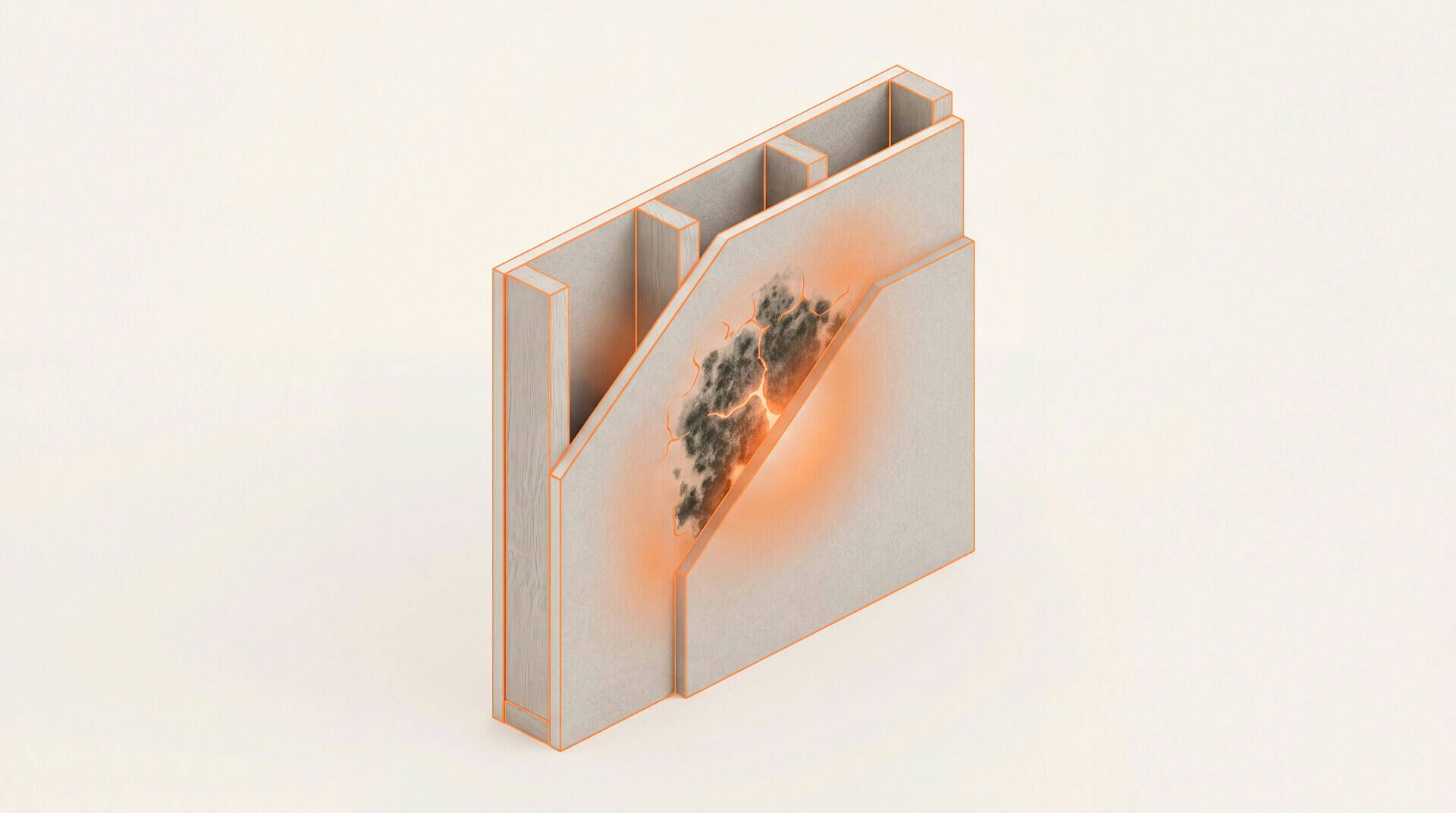
Mold Behind Walls
Signs of hidden growth from a slab or supply leak.

What Remediation Costs
The drivers that actually move a quote.

Mold in Your Apartment
Renter rights, notice letters, and landlord duties.