Will OxiClean kill mold?
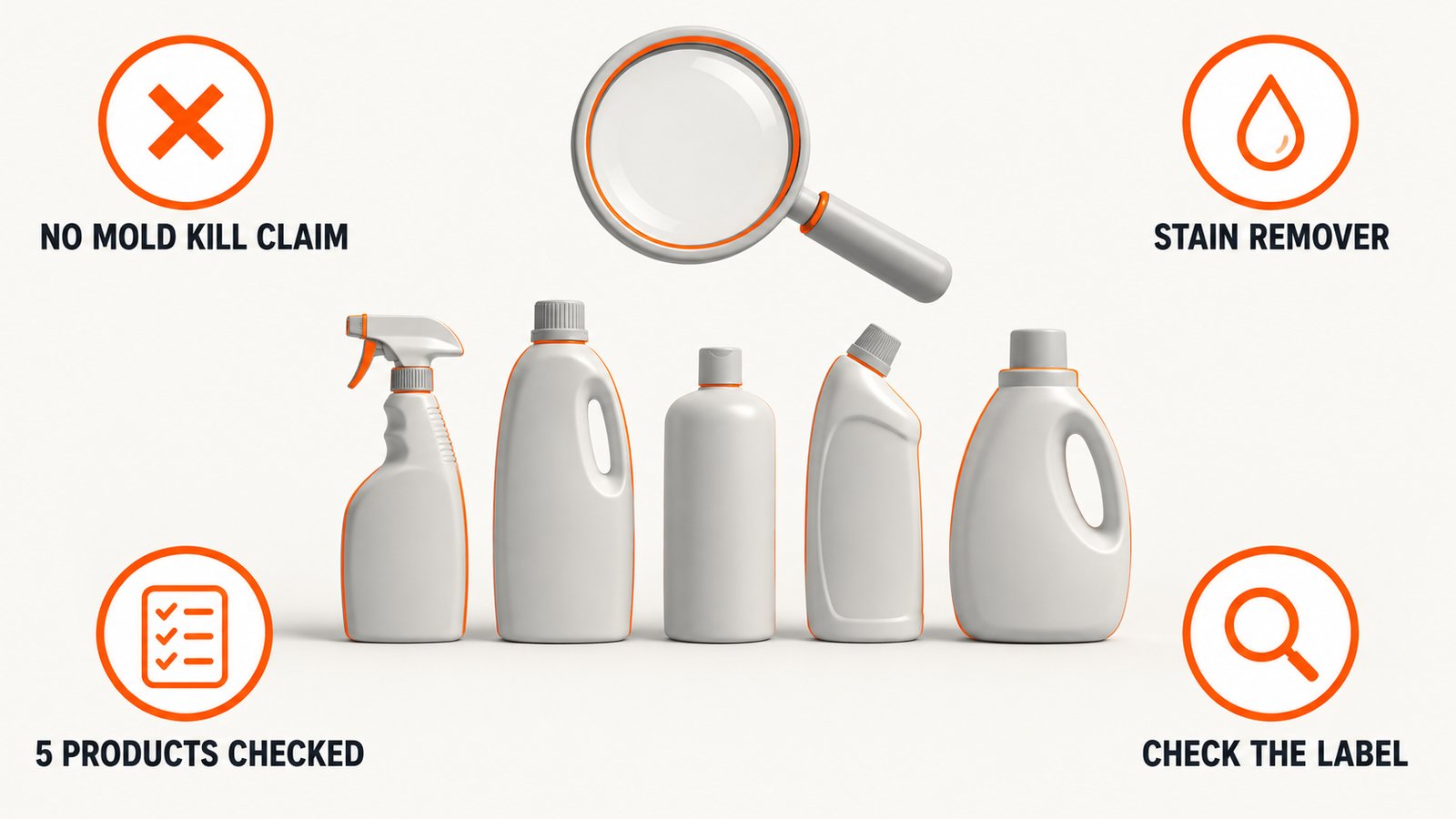
OxiClean is a family of products, so the answer depends on which one you're holding. I read the maker's product pages and ingredient disclosures (Church & Dwight owns the brand) for the five products people most often use around mold. Not one says it kills mold.
| Product | What the maker says it does | Mold claim |
|---|---|---|
| Versatile Stain Remover (powder) | Stain remover and laundry booster. "Chlorine-free and color safe," releases oxygen in water | None on the page |
| Odor Blasters (powder or liquid) | Gets musty odors out of clothes, towels and fabric | Odor claim only |
| Bleach Mold & Mildew Bathroom Stain Remover (spray) | Active-bleach foam that removes mold and mildew stains on non-porous bathroom surfaces | Stain removal. No EPA registration number on the pages I read |
| Washing Machine Cleaner with Odor Blasters | Removes odor-causing residues from a washer | None on the page |
| 3 in 1 Deep Clean Disinfectant (spray) | Kills 99.9% of bacteria and the virus that causes COVID-19 on hard non-porous surfaces | Germ list names bacteria and viruses, not mold |
One limit: I read web pages and ingredient disclosures, not the printed label on your bottle, and labels change. For a hard answer on a specific bottle, look for an "EPA Reg. No." line on the carton. Also, a mold stain and mold are different things. A product can lift the dark color off tile and leave living growth in the grout behind it.
Where OxiClean powder helps and where it stops
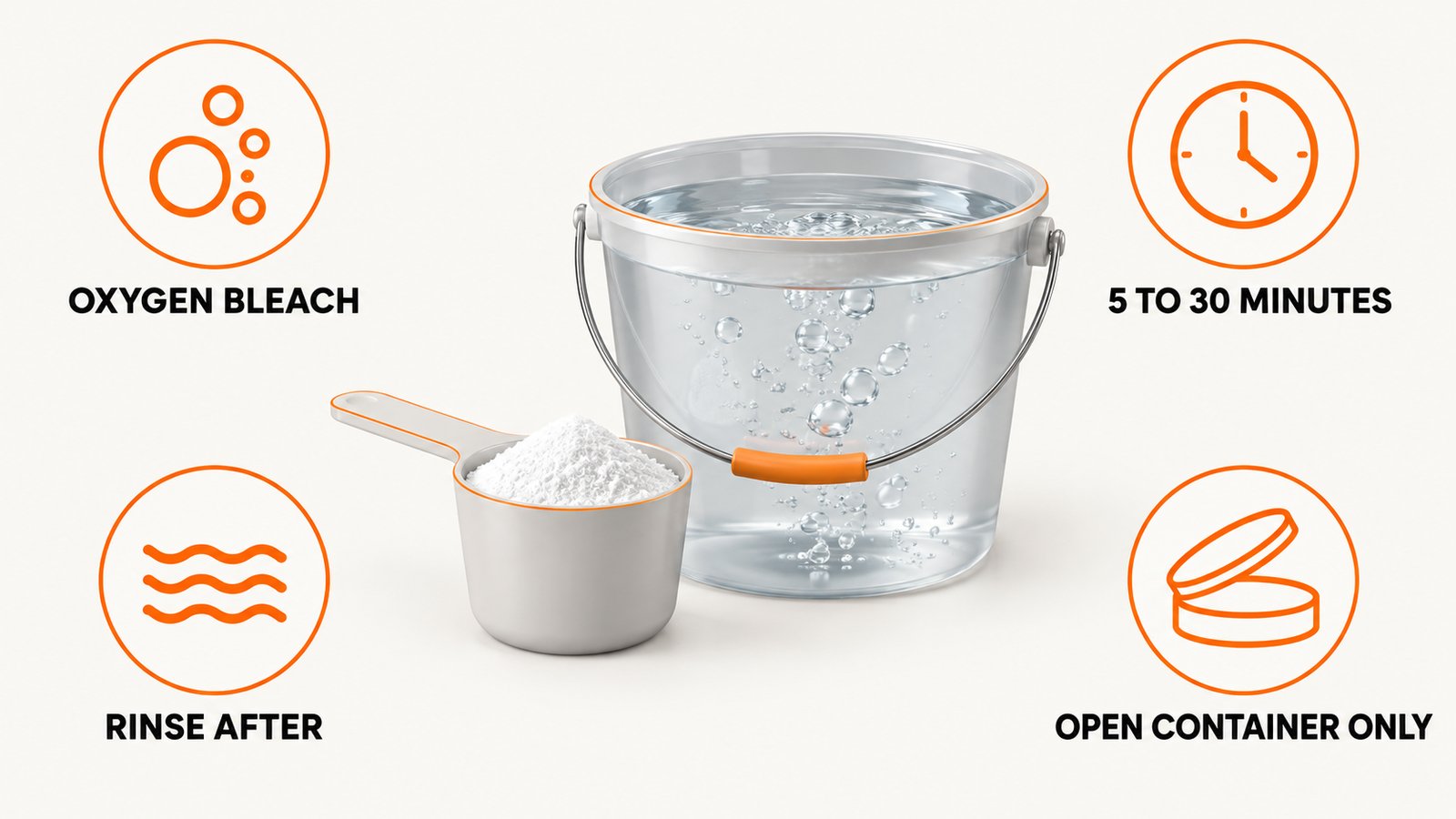
OxiClean Versatile Stain Remover is the orange tub most people mean. Church & Dwight's ingredient disclosure lists sodium carbonate and sodium carbonate peroxide (an oxygen bleach, also called sodium percarbonate) plus surfactants. Add water and it releases oxygen, which is how it lifts stains.
That's why people compare it to our hydrogen peroxide for mold guide. Sodium percarbonate releases hydrogen peroxide in water. But the OxiClean page makes no mold claim and gives no peroxide strength for a mixed solution. Treat it as a stain remover, not a swap for a product with a mold claim.
For hard surfaces, the label's directions are:
- Mix to Line 4 per gallon of water. For some surfaces, like grout, a more concentrated paste may be used.
- Apply with a cloth, sponge or brush, or pour it on.
- Let it stand 5 to 30 minutes and scrub as needed. Work small areas so the solution doesn't dry on the surface.
- Rinse with clean water and blot dry.
Label details worth knowing: warm to hot water works best, but never boiling. The diluted solution can reach a pH of up to 11. And it keeps giving off oxygen, so the maker says to keep it in an open container, because a sealed one can build pressure and rupture.
Where it stops: porous material. If mold has grown into drywall or deep into wood, a surface soak won't reach it, and the EPA says porous materials may have to be thrown away.
Does OxiClean get rid of mold on clothes?
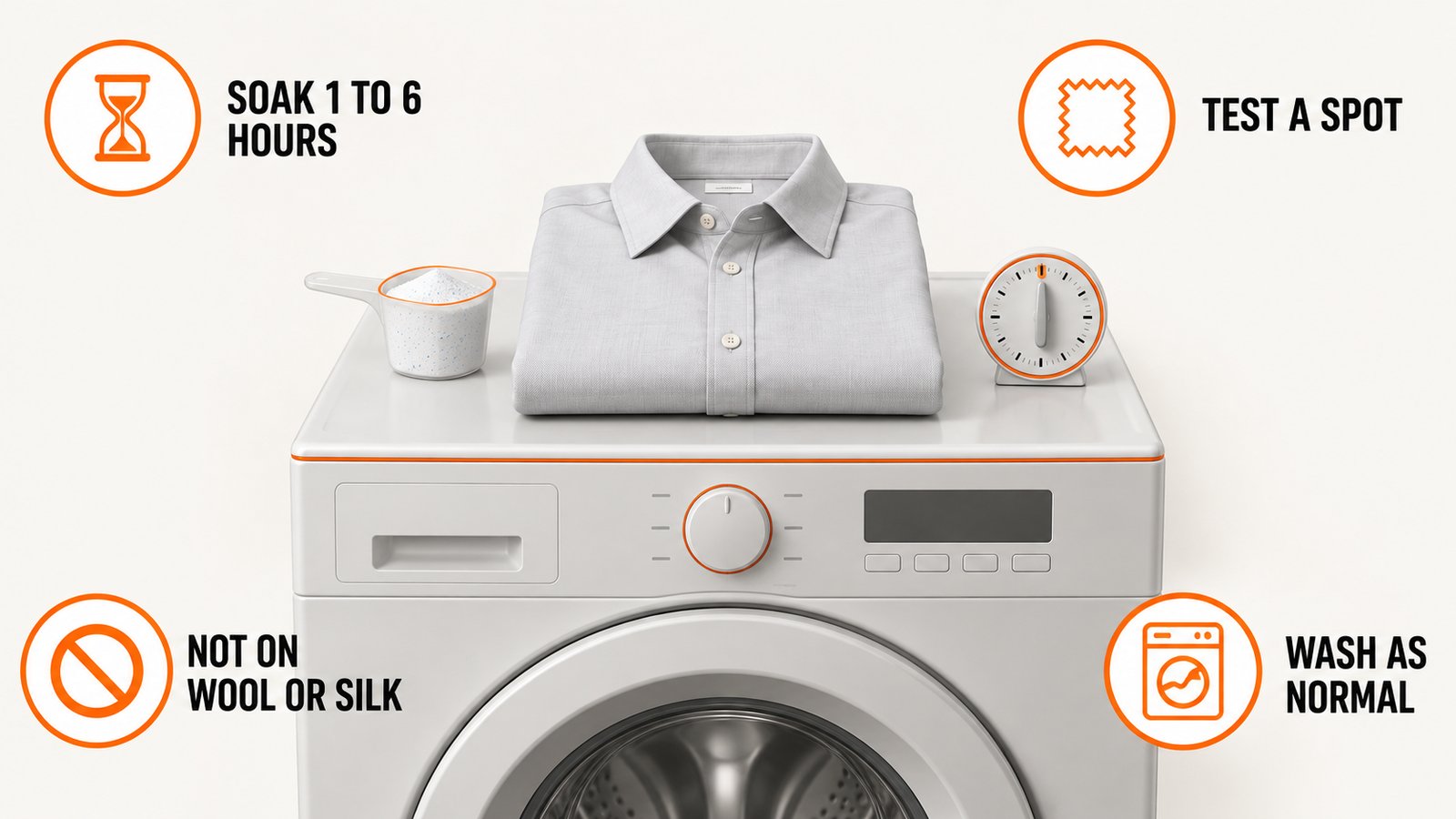
Laundry is where OxiClean fits best, and it's the use the maker actually writes directions for. Neither laundry product claims to kill mold, but both claim to deal with what mold leaves behind.
- Versatile Stain Remover: mix to Line 2 to 4 per gallon of water, soak the items for 1 to 6 hours, then wash as normal. Test on a hidden spot first. It can be used on all washable clothes.
- Odor Blasters: OxiClean's musty-odor page says to mix a full scoop per gallon, soak 3 to 6 hours (6 for best results) and wash as normal. Don't use it on wool, wool blends, silk, silk blends, leather or anything labeled dry-clean only.
Is there outside evidence that oxygen bleach helps in the wash? A little, with limits. A 2014 Journal of Applied Microbiology study washed contaminated cotton swatches at 20 to 60 degrees Celsius and found that detergents with activated oxygen bleach improved hygiene even at the lowest temperatures. It tested bacteria, a yeast and a skin fungus, not mold, and the oxygen bleach had virtually no effect on the yeast. That supports oxygen bleach as a laundry hygiene step, not as proof of a mold kill.
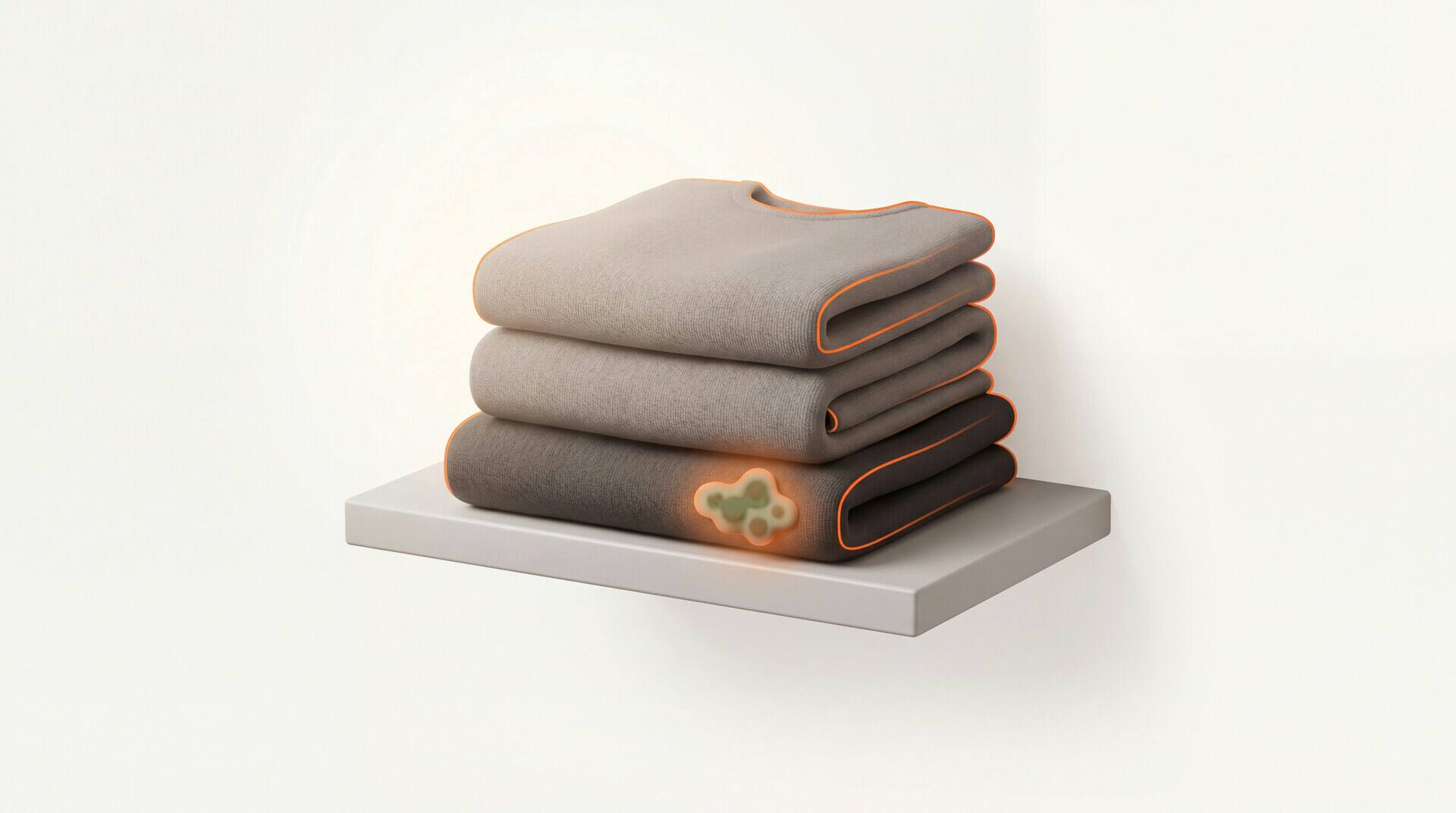
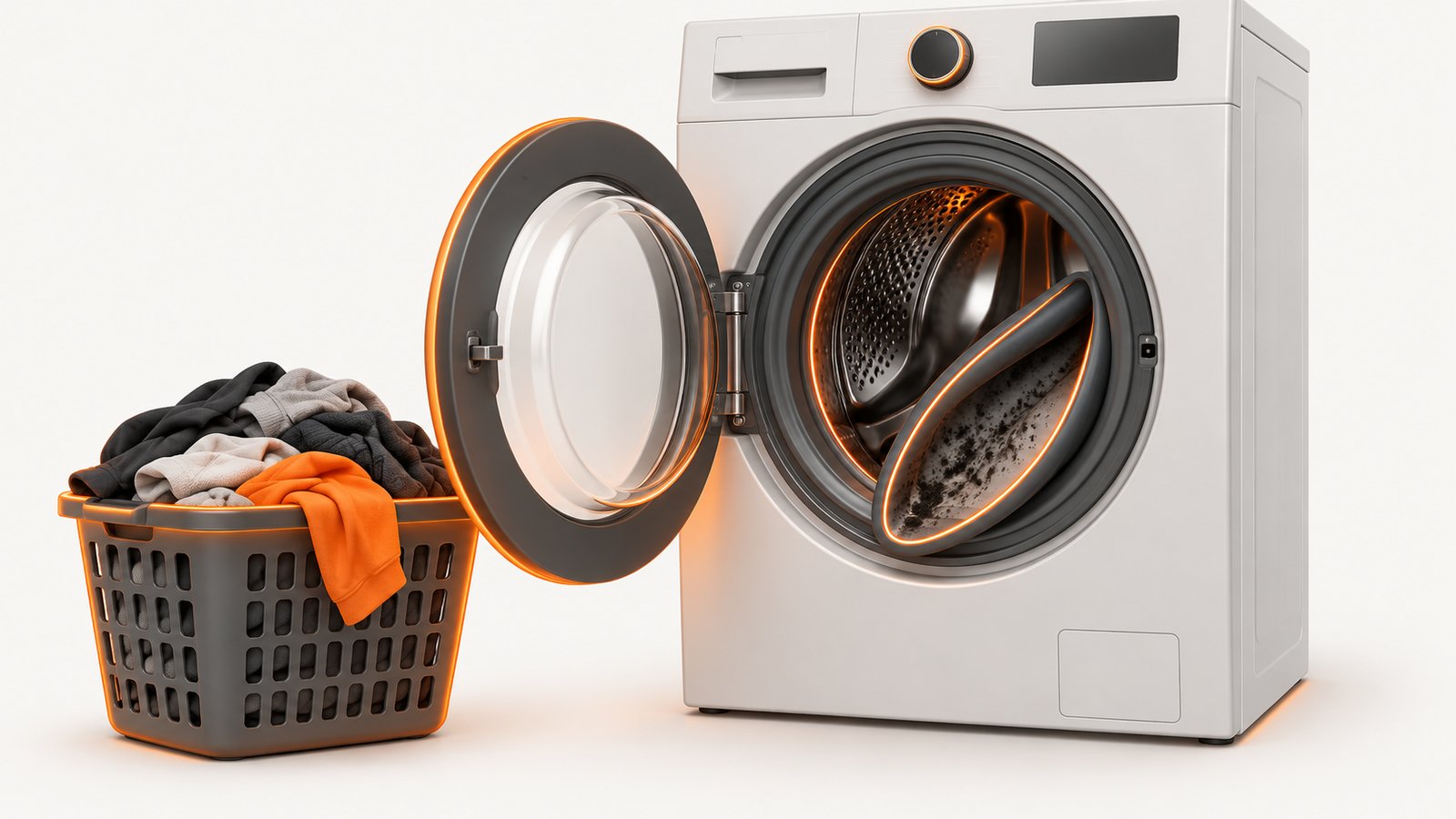
For visibly moldy fabric, our mold on clothes guide uses the hottest water the fabric allows, borax and sunlight, and our guide to getting the mold smell out of clothes covers drying, which decides whether the smell returns. If every load comes out musty, the washer may be the source. OxiClean's Washing Machine Cleaner says it removes odor-causing residues. Our mold in washing machine guide covers the gasket and drawer.
Does OxiClean kill mold spores?
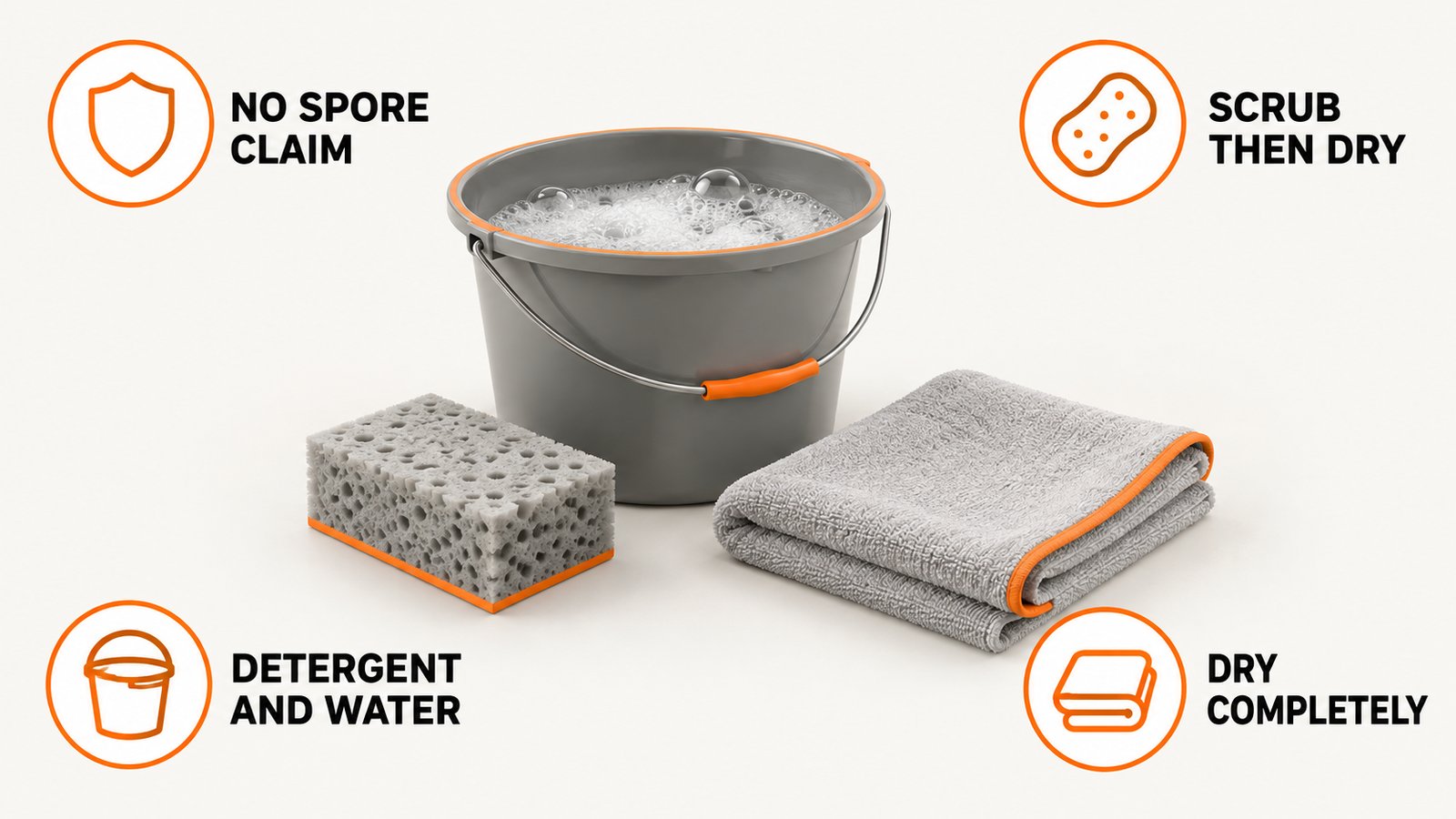
No OxiClean page I read mentions spores. That's less of a gap than it sounds, because the EPA's guidance isn't built around killing them. It says dead mold can still cause allergic reactions in some people, so mold has to be physically removed whether or not it's dead, and that sterilizing an area is usually neither possible nor desirable because some background spores will remain.
The EPA's basic method for hard surfaces is plain: scrub mold off with detergent and water, and dry completely. It also says biocides such as chlorine bleach are not recommended as a routine part of mold cleanup. So even for a product that claimed to kill spores, the job would be the same: wipe it off, then keep it dry.
Drying is the part people skip. The EPA says to dry water-damaged areas and items within 24 to 48 hours to prevent mold growth. Our mold vs mildew guide explains why the same damp conditions grow both.
OxiClean mildew remover: what the bleach spray claims
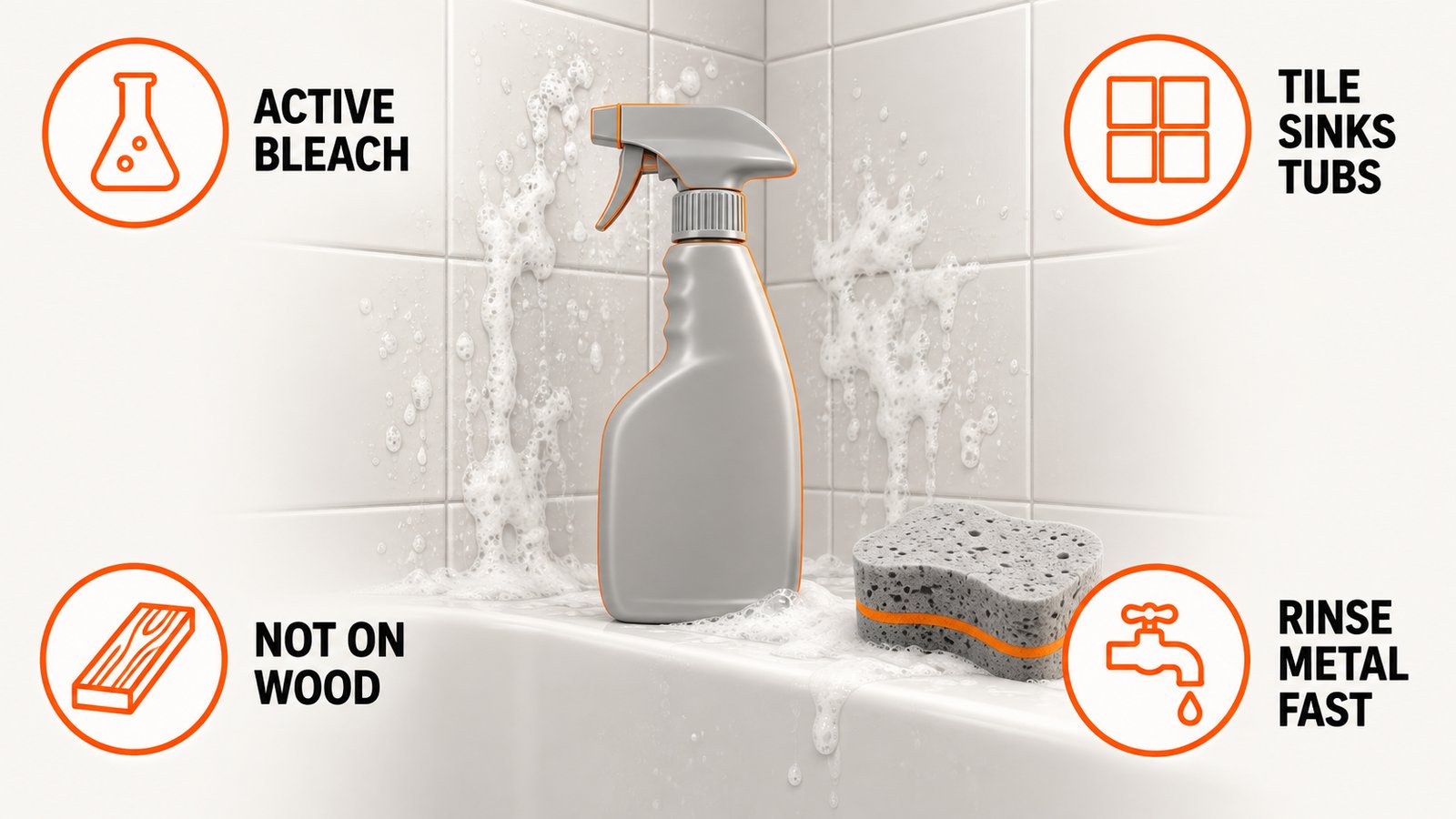
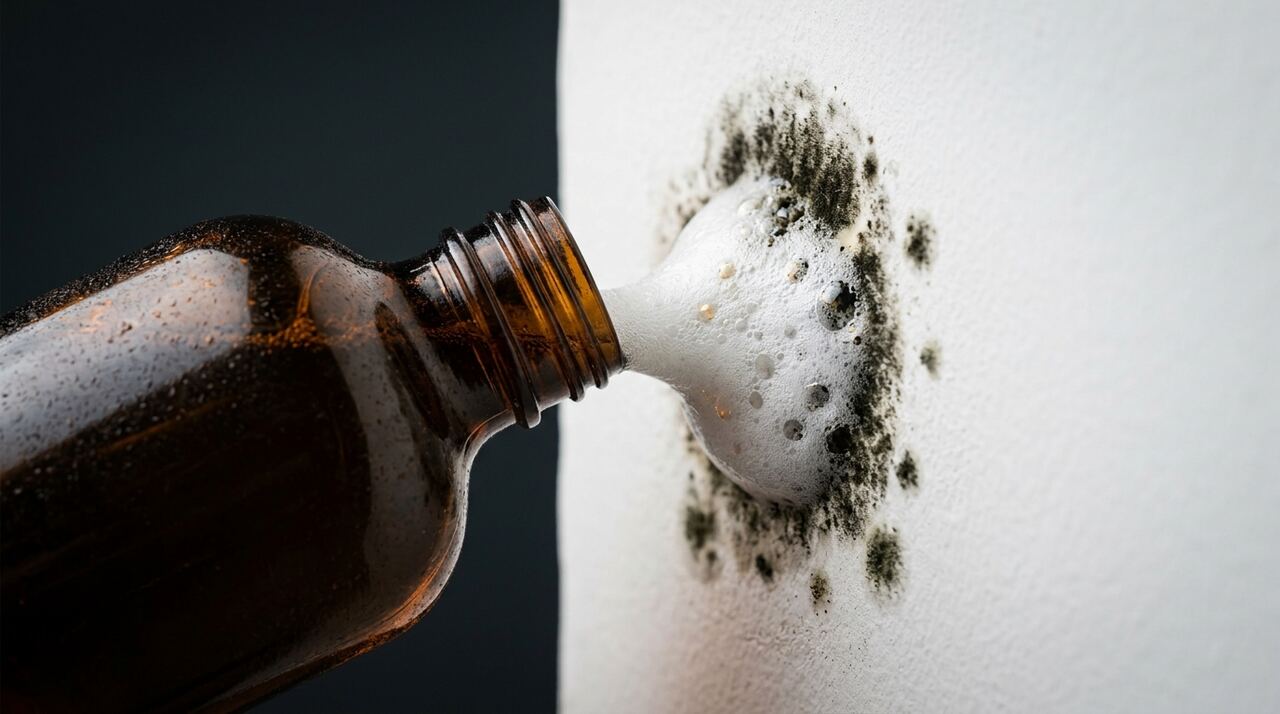
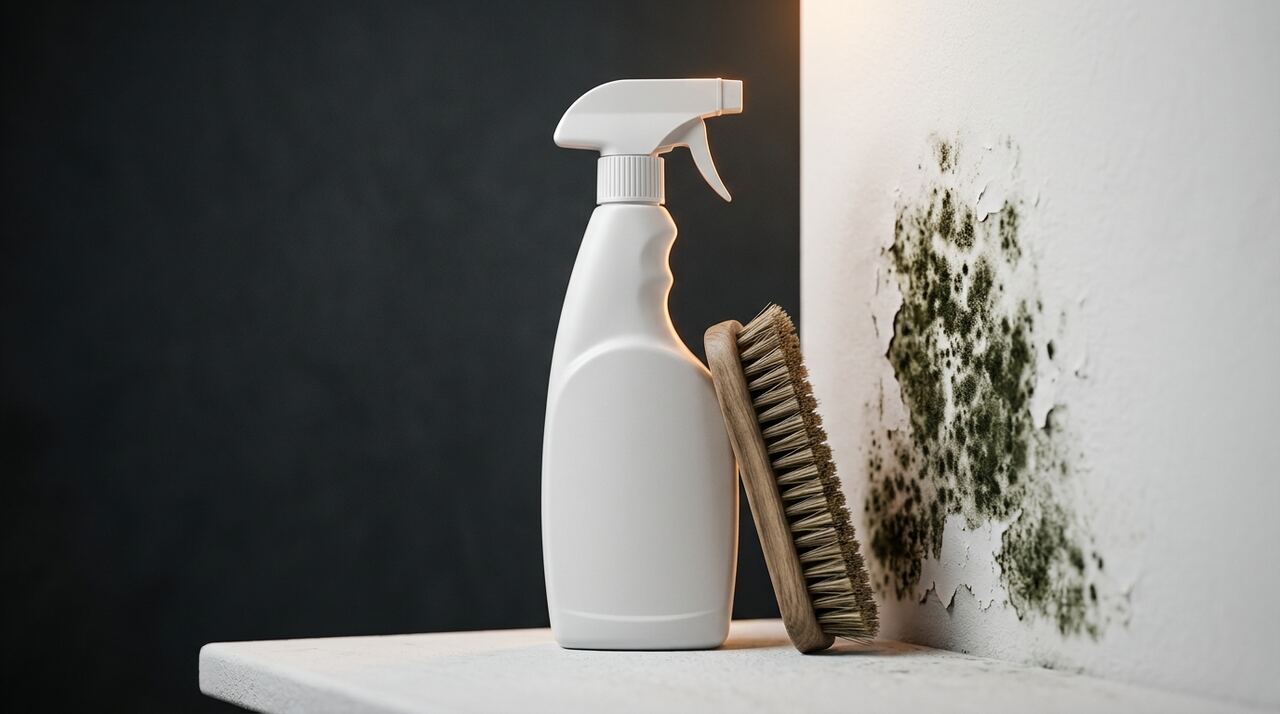
The Bleach Mold & Mildew Bathroom Stain Remover is the only OxiClean product built around the word mold. Its page says the active-bleach foam clings to vertical surfaces and "penetrates and eliminates mold and mildew stains." The how-to page says the bleach helps remove those stains on non-porous bathroom surfaces such as tiles, sinks and tubs. The FAQ says it's the same formula as the Kaboom No Drip Foam spray under a new name. The ingredient disclosure lists sodium hypochlorite (bleach) among its ingredients.
Read the verbs. "Eliminates stains" and "removes stains" are stain claims. The pages I read show no EPA registration number and no statement that it kills mold. That matches what the EPA says about bleach in general: not recommended as a routine mold cleaner.
Directions from the maker:
- Turn the nozzle to Foam and spray to cover the stains.
- Let the foam sit. The maker says you may wait several hours or overnight, but rinse right away on metal or porcelain to avoid pitting or discoloration.
- Wipe with a wet sponge or cloth. Heavy stains may need longer contact or a repeat.
Where not to use it, per the maker: clothes, fabric, wood, rubber, and painted or papered surfaces. Spot test other surfaces first. That limit lines up with our does bleach kill mold page, where bleach works on hard, non-porous materials and fails on wood and drywall because the water in it soaks in and the roots survive.
For shower and tile jobs, see our mold in shower guide, the mold on grout guide and the Tilex review, or the best mold remover for shower roundup if you want products that carry their own claims.
Never mix OxiClean products with other cleaners
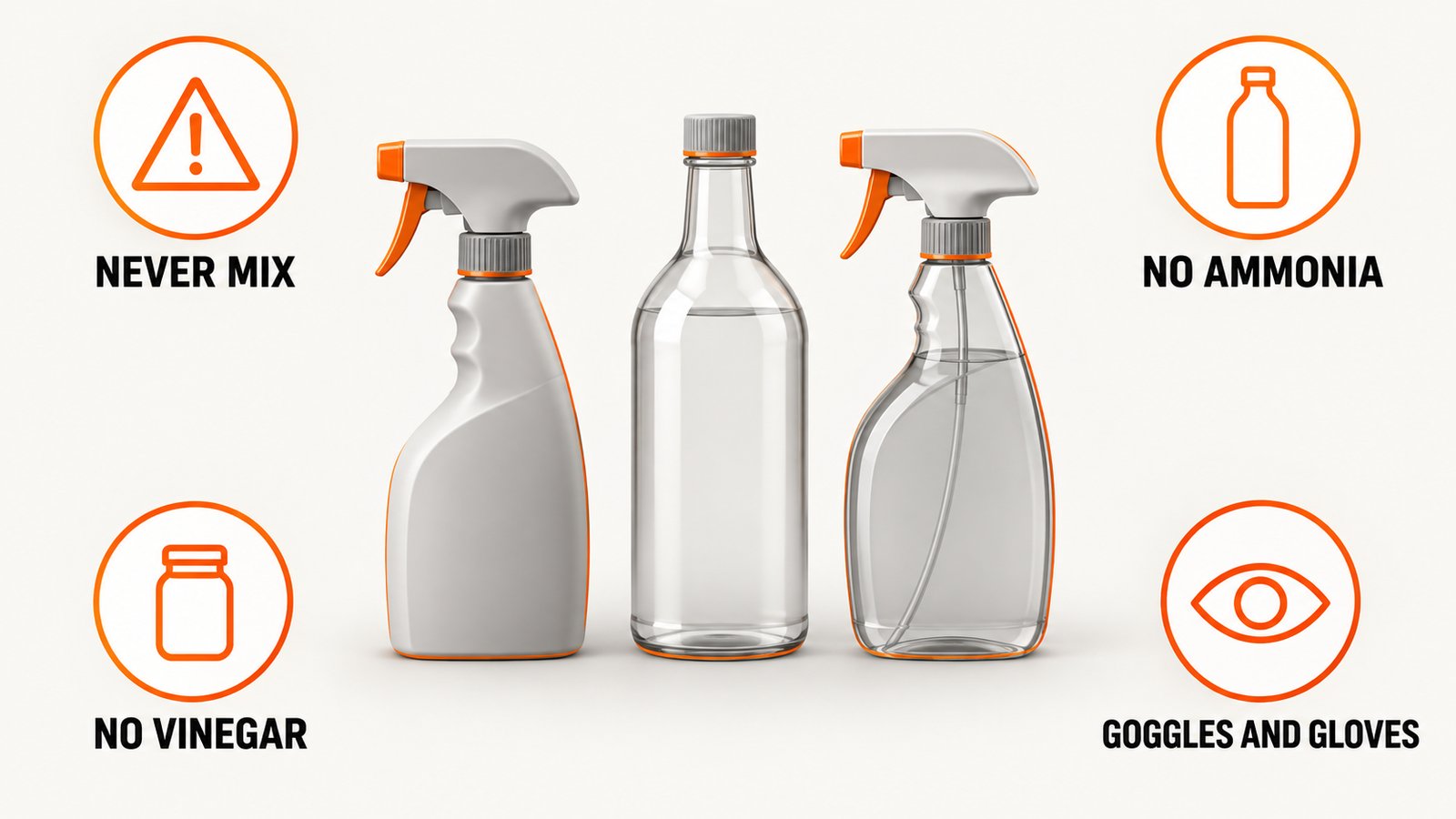
Because the Mold & Mildew spray is bleach, the old rule applies to it. Health Canada says it is never safe to mix bleach with other cleaning products, that bleach will react with any cleaning product containing ammonia or an acid, including vinegar, and that mixing can create toxic gases like chloramine. In practice:
- Don't spray the bleach foam over a surface you just cleaned with vinegar, a glass cleaner or a toilet bowl cleaner. Rinse well with water and let the surface dry between products.
- Don't add the bleach spray to a bucket of OxiClean powder solution, or anything else.
- Don't seal a powder solution in a bottle. The maker warns the container can rupture.
Our bleach vs vinegar for mold page covers why combos tempt people. Pick one product and use it alone.
For protective gear, the EPA's mold guide recommends gloves (long ones reaching mid-forearm), goggles without ventilation holes, and an N-95 type respirator to limit breathing in spores. It also says to avoid touching mold with bare hands.
Fix the moisture first, then clean
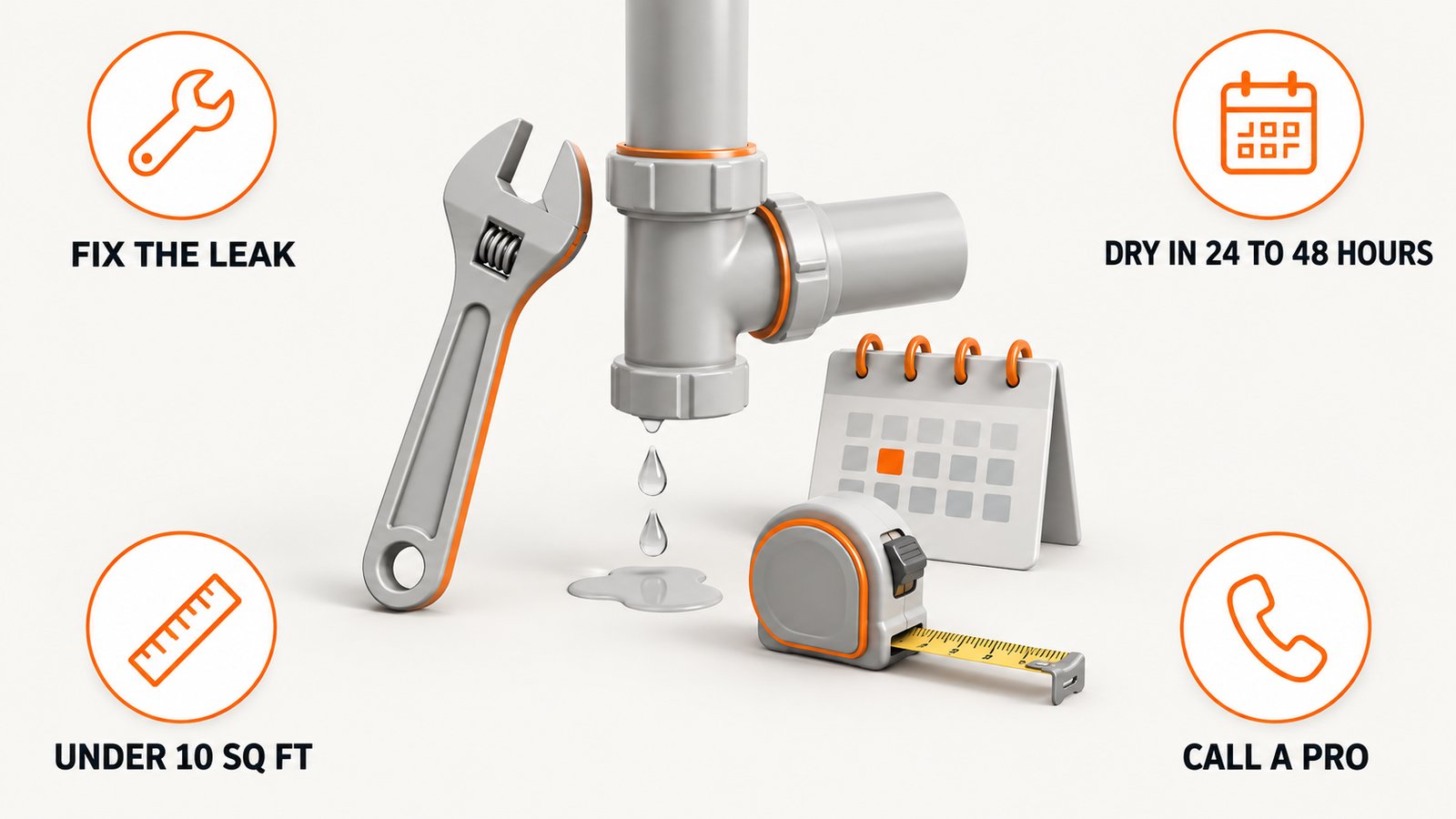
The EPA is blunt: fix plumbing leaks and other water problems as soon as possible, and dry all items completely. Cleanup isn't finished until the moisture problem is fixed, and cleaning without fixing it means the mold will likely return. An oxygen bleach soak and a bleach foam both lose to a damp wall.
A sensible sequence for a small job:
- Find and stop the water. A dehumidifier helps with humidity but doesn't replace a repair.
- Put on gloves, goggles and a respirator.
- Pick one product for the surface: the bleach foam for tile and tubs, a laundry soak for washable fabric, detergent and water for everything else.
- Rinse, then dry completely, ideally within 24 to 48 hours of the wetting.
The EPA says you can usually handle a moldy area smaller than about 10 square feet (roughly a 3 foot by 3 foot patch) yourself. Bigger areas or heavy water damage call for the EPA's remediation guidance or a professional. Our how to get rid of mold guide goes surface by surface, and mold remediation covers bigger jobs. If you can't tell whether a spot is mold at all, start with is this mold, and see how to prevent mold to keep it from coming back.
Frequently asked questions
Will OxiClean kill mold?
No OxiClean page I read says it does. The powder is sold as a stain remover, Odor Blasters for musty smells, and the Bleach Mold & Mildew spray claims it removes mold and mildew stains on non-porous bathroom surfaces. A removed stain is not proof the mold is dead, so clean, dry and fix the water source.
Does OxiClean get rid of mold on clothes?
OxiClean's own directions cover stains and musty odors, not mold killing. Versatile Stain Remover is a 1 to 6 hour soak before a normal wash, and Odor Blasters is a 3 to 6 hour soak for musty smells. If the smell or spots come back after a few washes, the closet, hamper or washer may be the real source.
Does OxiClean kill mold spores?
None of the OxiClean product pages I read makes a spore claim. The EPA says dead mold can still cause allergic reactions in some people, so the goal is to remove mold and keep the area dry, not to sterilize it.
Does OxiClean mildew remover work on grout?
The bleach foam spray is aimed at mold and mildew stains on tile, sinks, tubs and grout lines in the bathroom, per the maker's how-to page. Its claim is stain removal on non-porous surfaces. Rinse metal or porcelain right away.
Can I mix OxiClean with bleach or vinegar?
Don't. The Mold & Mildew spray already contains sodium hypochlorite, which is bleach, and Health Canada says bleach reacts with any cleaning product containing ammonia or an acid, including vinegar. Use one product at a time and rinse between products.
Is OxiClean the same as hydrogen peroxide for mold?
Not on the label. Versatile Stain Remover lists sodium carbonate peroxide, which releases hydrogen peroxide in water, but OxiClean sells it as a stain remover with no mold claim and gives no peroxide strength for the mixed solution. For peroxide itself, see our hydrogen peroxide guide.
Does OxiClean Washing Machine Cleaner kill mold?
Its page says it removes odor-causing residues from your washing machine and does not claim to kill mold. The directions are one pouch a week for 3 weeks, then one a month.
Sources
Every claim on this page traces to one of these. Links open the primary document.