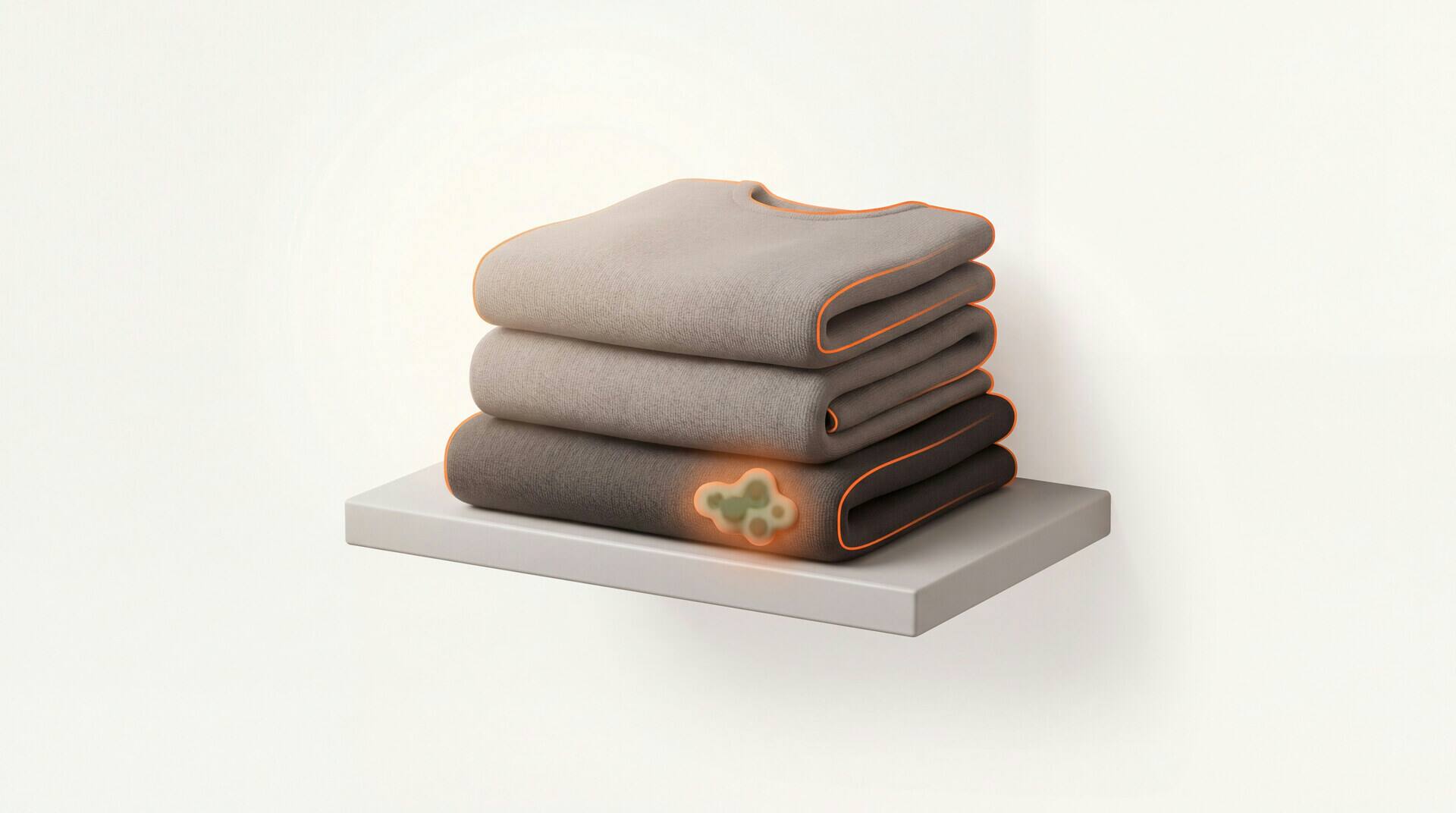
Where mold on clothes actually comes from
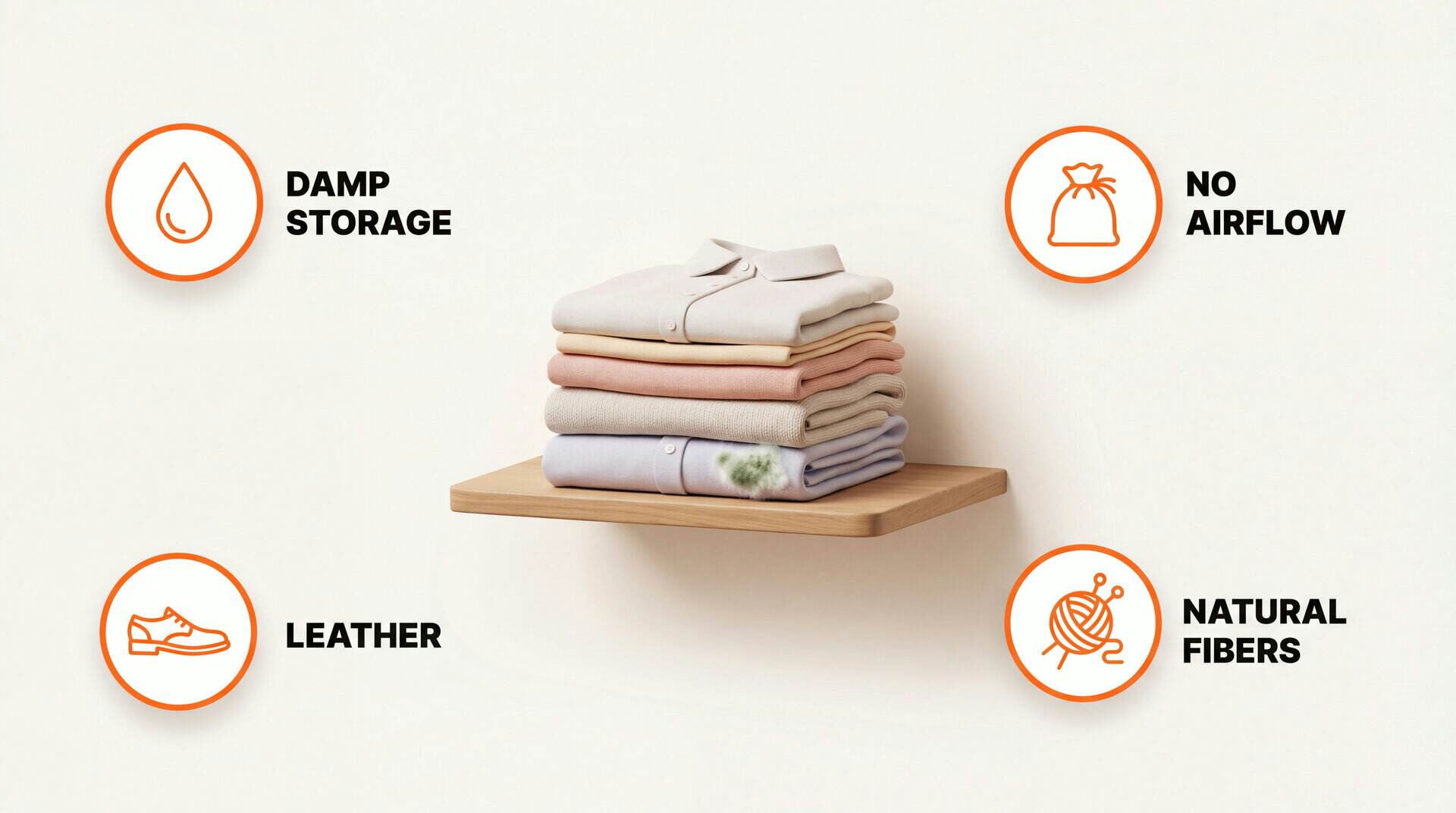
Most people think the mold grew on the clothes. In most cases, the clothes were contaminated by the environment they were stored in. There are three common sources:
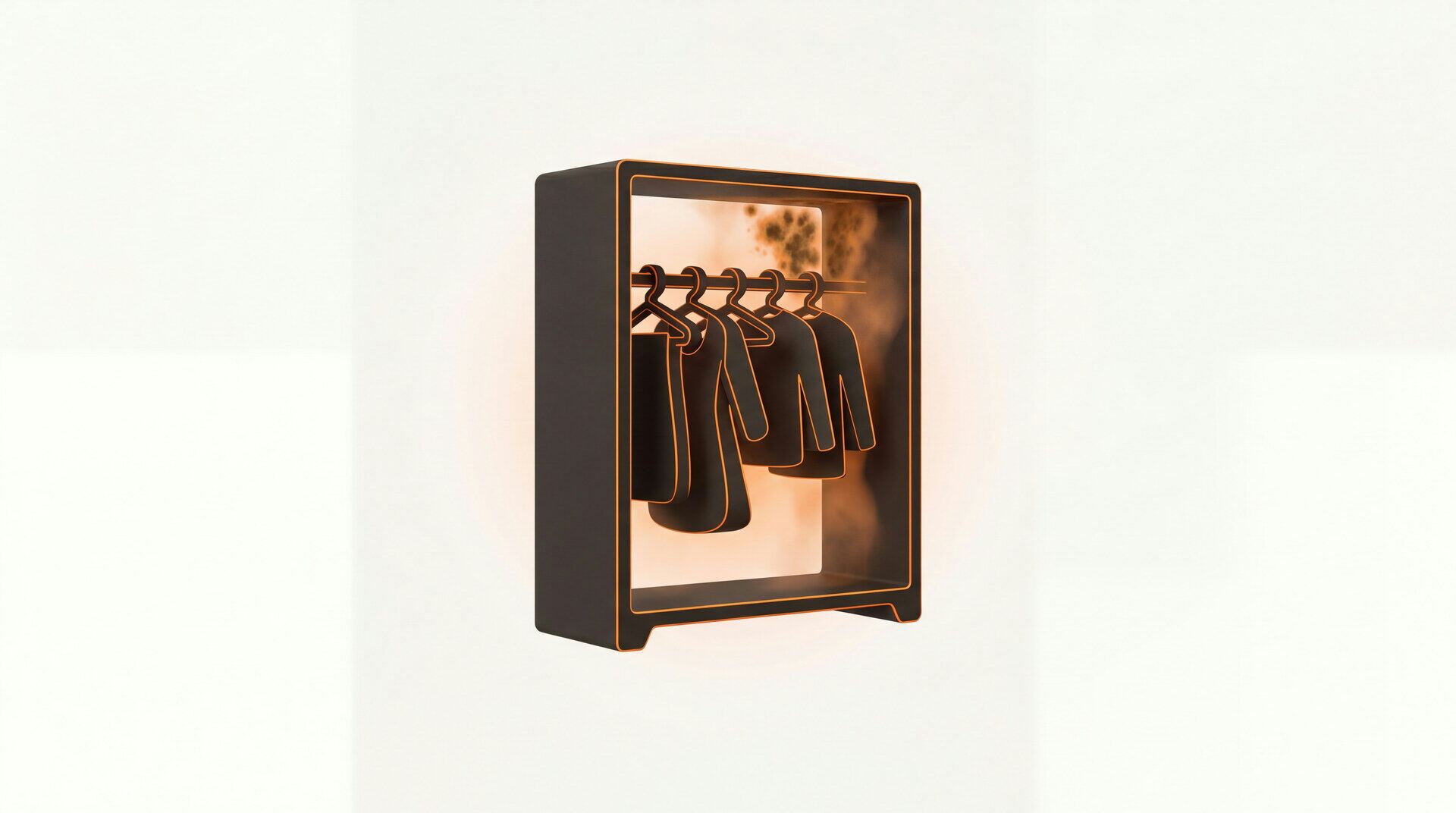
Musty closet: A closet with poor airflow and an exterior wall creates a dead air zone where humidity builds up. Mold grows on the closet wall and transfers to clothes that touch the wall or hang nearby. If multiple items in your closet smell musty, the closet itself is the source.
Damp hamper: Sweaty gym clothes, damp towels, or swimwear thrown into a closed hamper create a moist, dark environment. Mold can start growing on damp fabric within 24 to 48 hours. An open weave hamper that allows airflow, or hanging damp items to dry before putting them in the hamper, prevents this.
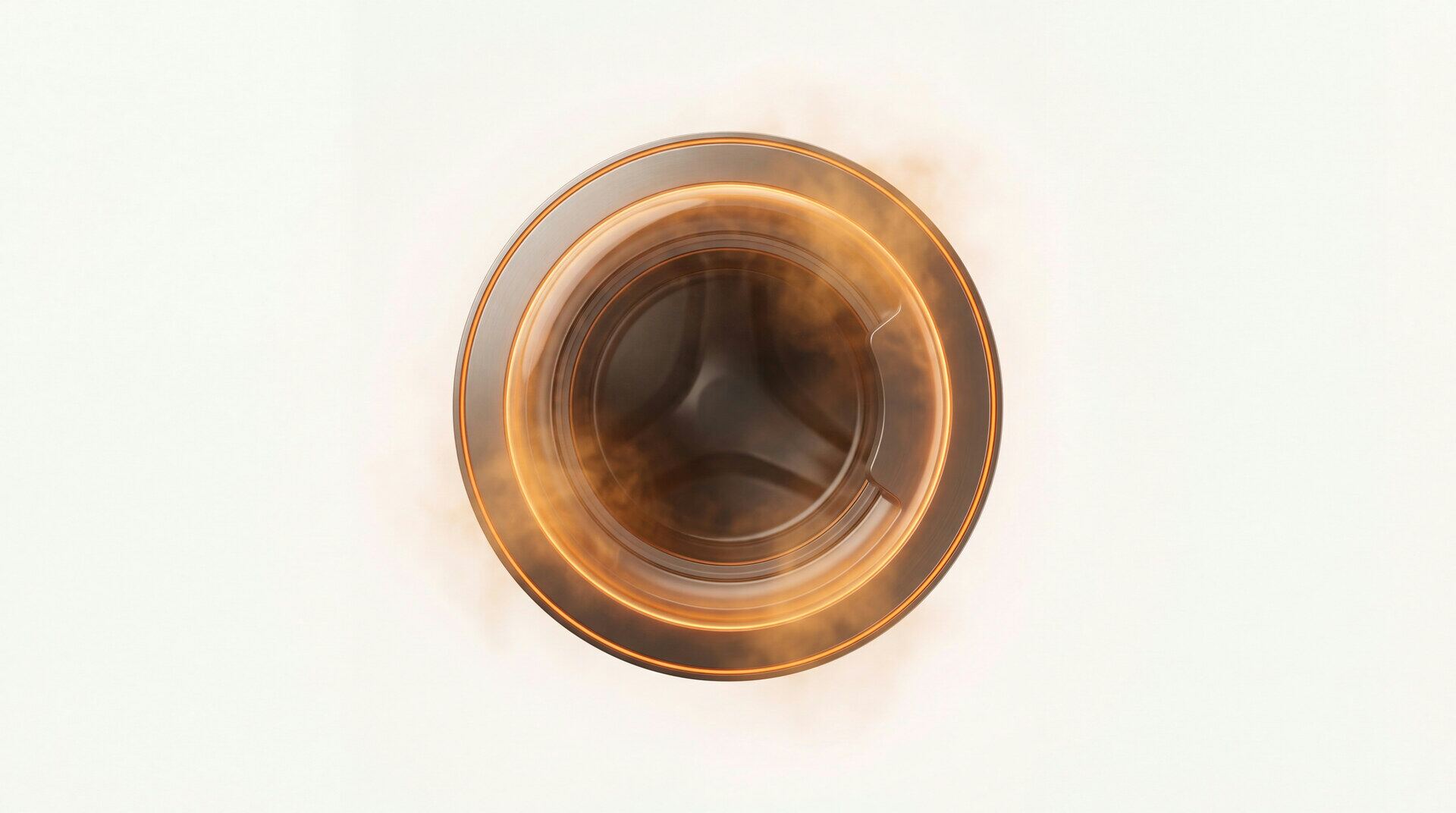
Moldy washing machine: Front loader washers are notorious for growing mold in the rubber door gasket and behind the drum. That mold transfers spores to your clothes during the wash cycle. Your clothes come out "clean" but smell musty because the machine itself is contaminated. If every load comes out smelling funky, clean the washer first.
Flood or water damage: Clothes stored in a basement, closet, or storage unit that experienced water damage can develop heavy mold growth. If the clothes sat in standing water or high humidity for more than 48 hours, the mold may be too deep to remove.
How to remove mold from clothes step by step
Step 1: Take clothes outside. Brush off any visible mold growth outdoors so spores do not spread inside your home. Shake the garment gently. Do this wearing an N95 mask if you are sensitive.
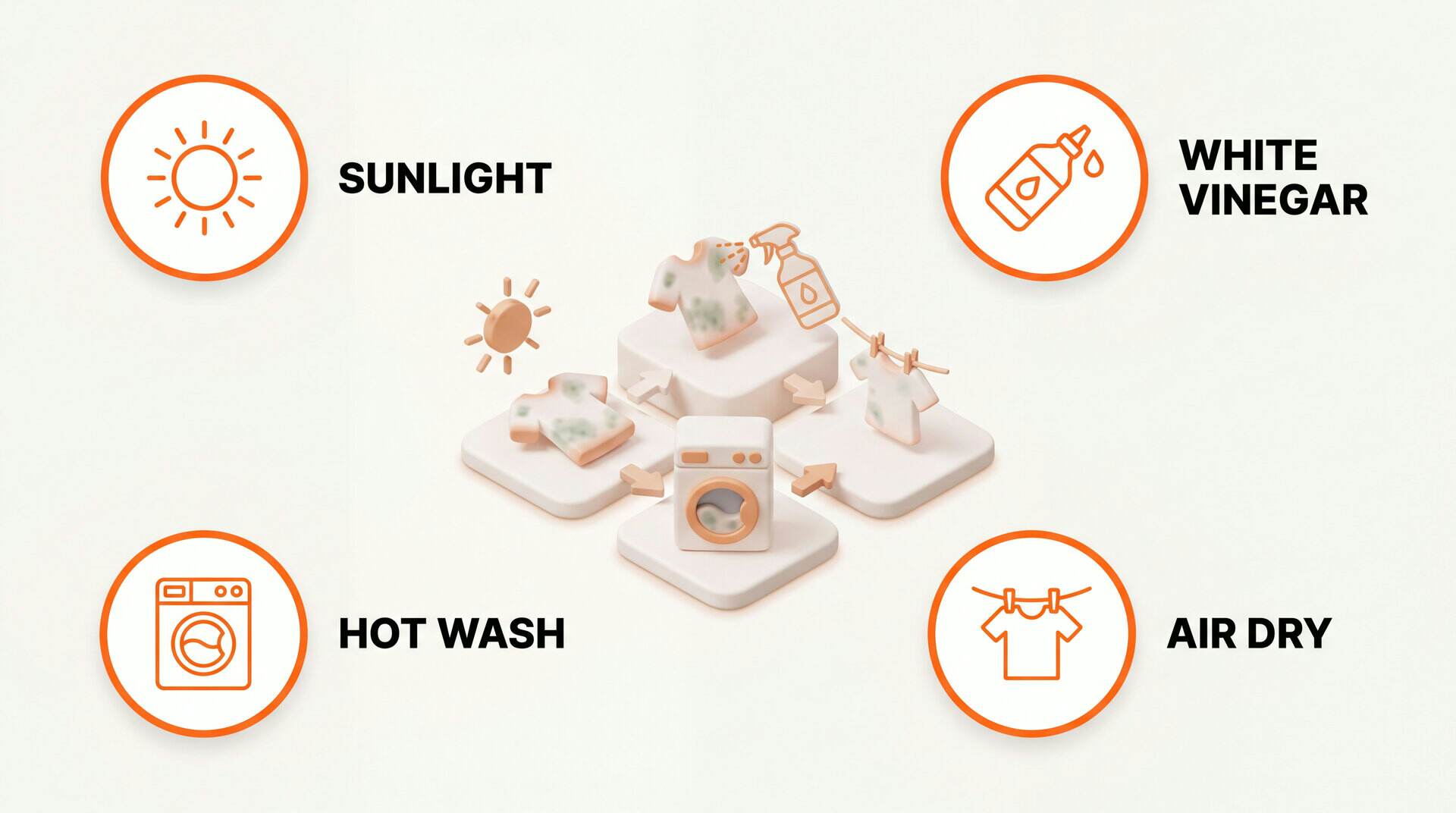
Step 2: Pre treat stains. For visible mold spots, apply a paste of baking soda and water directly on the stain. Let it sit for 30 minutes. This lifts the mold from the fabric surface.
Step 3: Wash in hot water with borax. Use the hottest water setting the fabric allows (check the care label). Add 1/2 cup of borax along with your regular detergent. Borax is a natural mineral that kills mold and deodorizes at the same time. For white fabrics, add 1 cup of white vinegar to the rinse cycle for extra mold killing power.
Step 4: Use EC3 Laundry Additive for delicates. A leading remediation science expert, recommends EC3 Laundry Additive for fabrics that cannot handle hot water or borax. It is a botanical formula that kills mold spores at any water temperature.
Step 5: Dry in sunlight. Hang clothes in direct sunlight for 4 to 6 hours. UV light kills mold spores on the fabric surface and helps fade any remaining stains on white fabrics. If sunlight is not available, use the dryer on high heat.
Step 6: Smell check. After drying, smell the garment. If it still smells musty, repeat the wash with borax. Some heavily contaminated items need 2 to 3 wash cycles. If the smell persists after 3 washes, the fabric is too far gone.
What to do with clothes that cannot be saved
Some items are not worth saving. Mold that has deeply penetrated cotton, linen, or leather may leave permanent stains and a smell that never fully goes away. Dry clean only items can be sent to a cleaner that specializes in mold treatment, but this costs more than the garment is often worth.
If you are throwing away moldy clothes, bag them in plastic before carrying them through the house. This prevents spreading spores to clean areas. Do not donate moldy clothes because the mold will survive and affect the next person.
How to prevent mold on clothes
Fix your closet airflow. Leave the closet door open, install a louvered door, or add a small USB fan inside the closet. Do not pack clothes tight against the back wall, especially if it is an exterior wall.
Never store damp items. Gym clothes, swimwear, and towels must dry completely before going in a closet or hamper. Hang a simple hook inside the bathroom door for damp towels.
Use a dehumidifier. If your closet or bedroom humidity stays above 50%, a small dehumidifier in the room will prevent mold on clothes and on the closet walls. The EPA says keeping humidity below 50% prevents mold growth.
Clean your washing machine. Run a monthly cleaning cycle with vinegar or Affresh. Leave the door open between loads. Wipe the gasket dry. A clean machine means clean clothes.
Do not leave wet laundry sitting. Move clothes from the washer to the dryer (or clothesline) within 30 minutes of the cycle ending. Wet clothes sitting in a closed washer for 24 hours will grow mold.
Frequently asked questions
How should I handle moldy clothes?
Follow the garment's care label and detergent instructions. Avoid mixing cleaning products. Valuable, delicate, or extensively affected items may need a qualified textile cleaner, while materials that cannot be cleaned and dried may need disposal.
Why do my clothes smell musty?
A musty odor can be associated with damp storage, delayed drying, residue in a washer, or microbial growth, but odor alone cannot confirm active mold. Inspect and correct the moisture or laundry-process problem.
Can mold on clothes make you sick?
Mold exposure may cause nasal, eye, skin, cough, or wheeze symptoms in some people and no symptoms in others. People with asthma, mold allergy, immune suppression, or chronic lung disease may be more vulnerable. Symptoms are nonspecific, so seek medical care for personal guidance.
Does a dryer prove that clothes are mold-free?
No. A normal drying cycle is not a test or clearance method. Follow the care label, clean and dry the item completely, address the moisture source, and use a qualified textile professional when the item cannot be handled safely.
Sources
Every claim on this page traces to one of these. Links open the primary document.