What mildew looks like
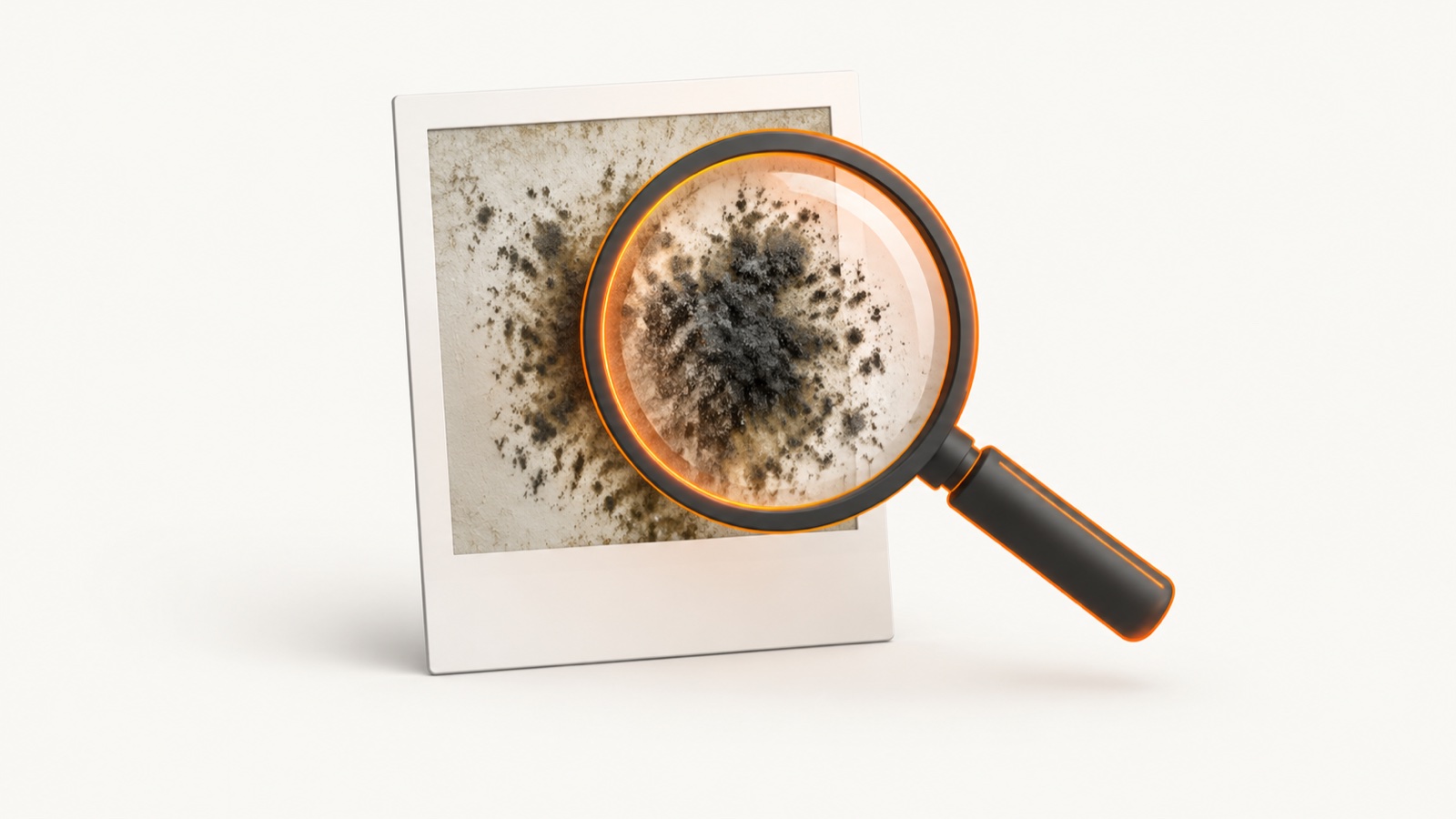
Mildew is a common label for flat or powdery growth noticed on a surface.
Appearance: It is often described as thin, powdery, or downy and may appear gray, white, or light yellow. Other biological growth and residue can look the same.
Where people notice it: Shower walls, windowsills, damp fabric, paper, and other areas with recurring moisture.
Smell: A musty odor may accompany a damp area, but odor does not identify the substance.
Wipe test limit: Whether a mark transfers or wipes away describes the surface only. It cannot confirm mildew, rule out mold, or assess material below the surface.
What mold looks like
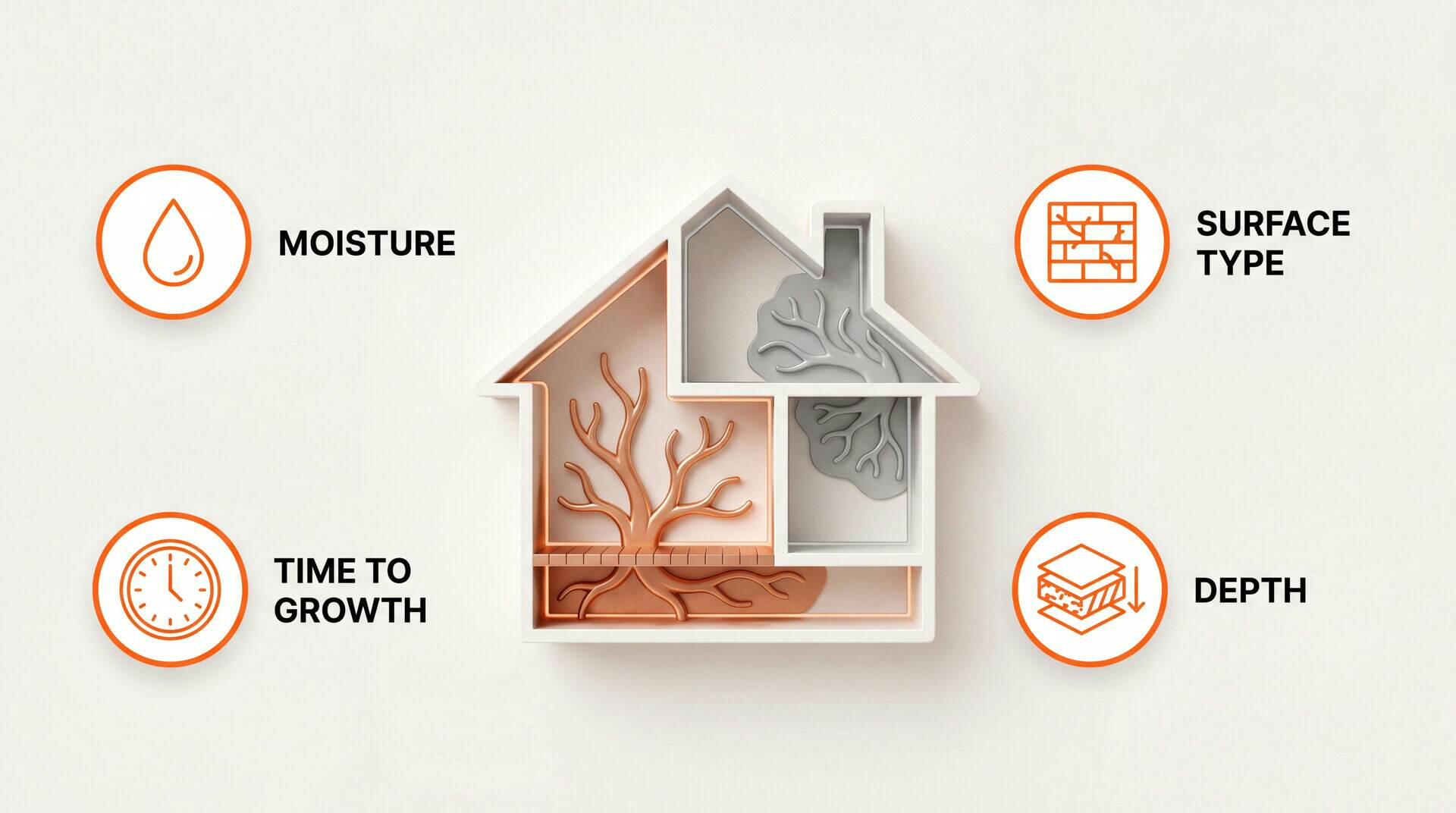
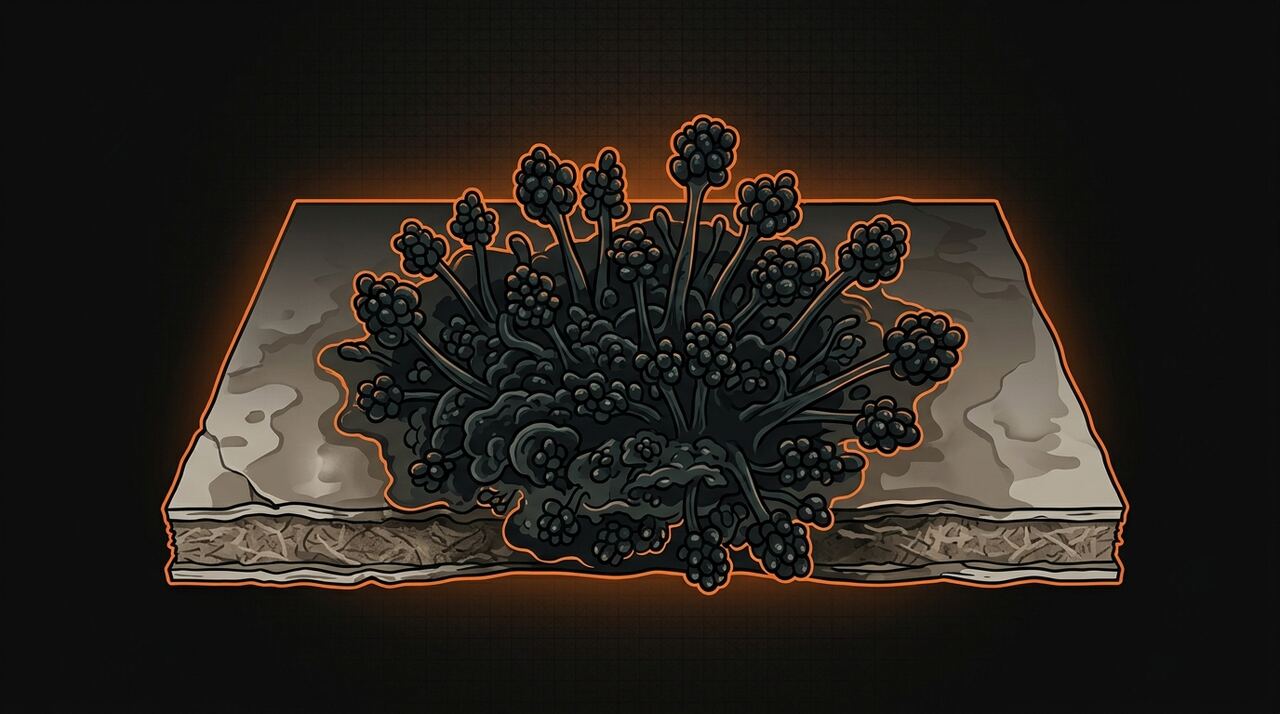
Mold-like growth may affect the surface or pores of a damp material.
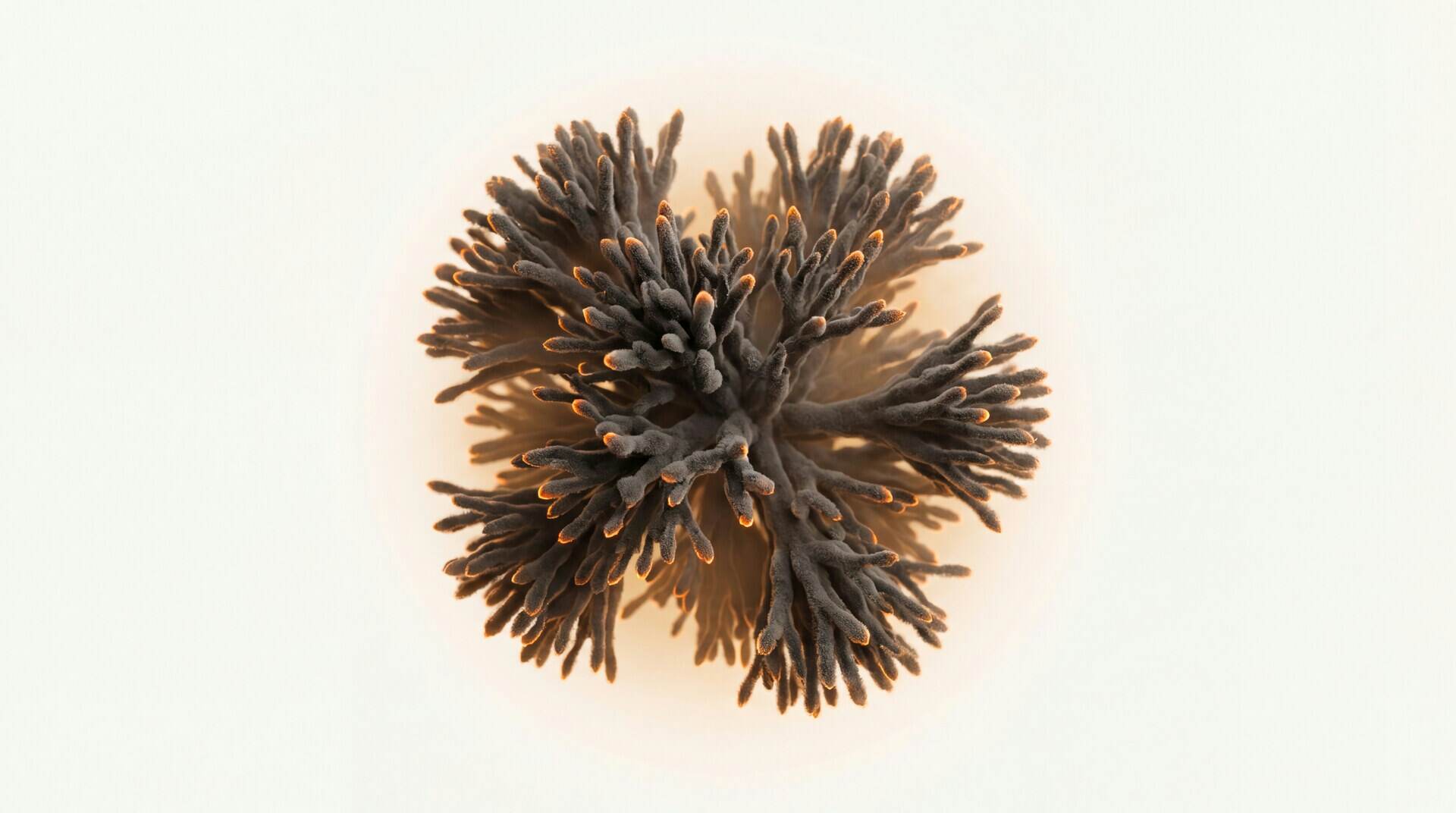
Appearance: It may look fuzzy, slimy, powdery, or textured and can appear in many colors. Color alone cannot identify a genus or species.
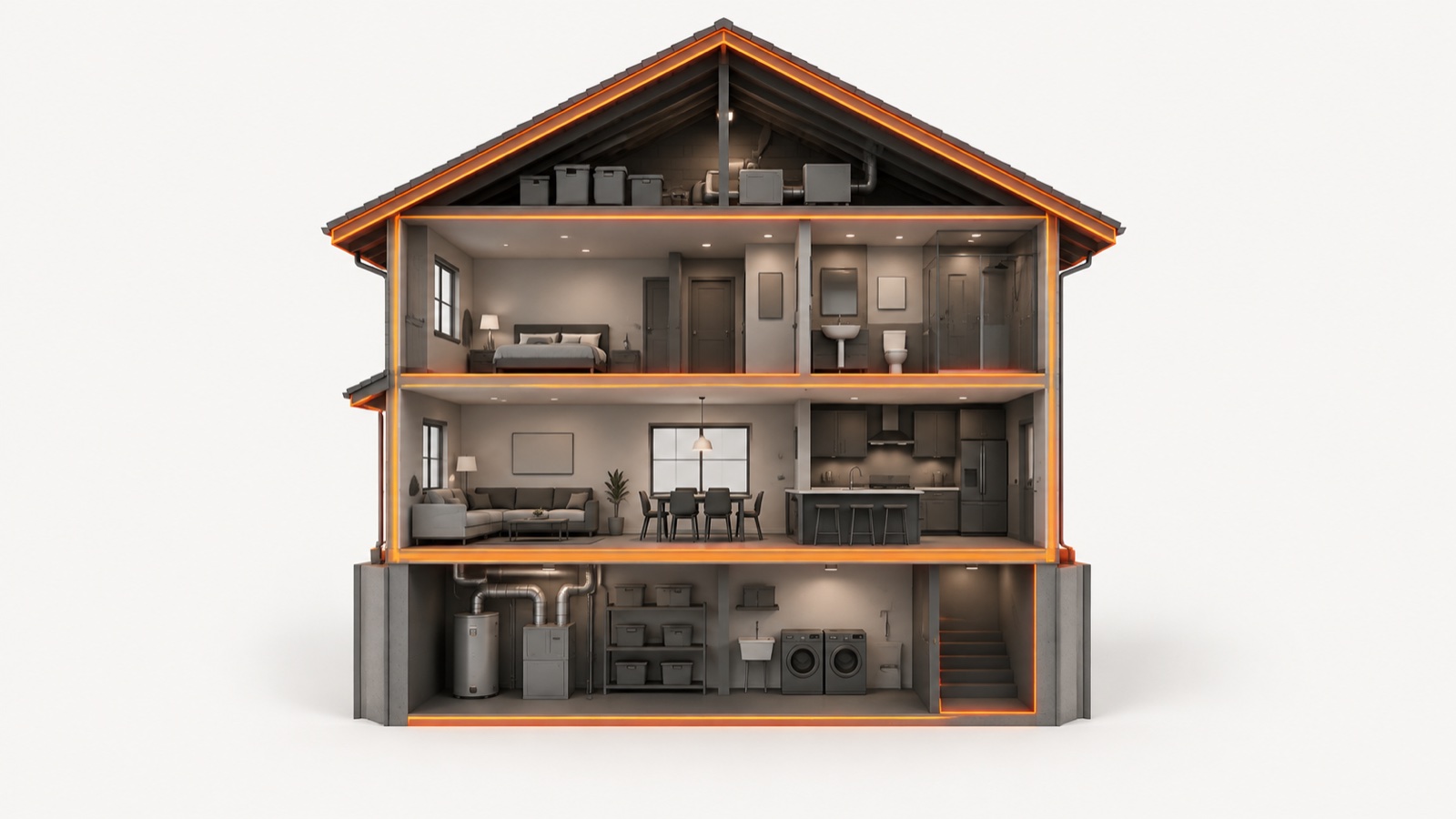
Where you may notice moisture problems: Under sinks, around windows, in basements, crawl spaces, attics, and near HVAC components. A camera cannot assess concealed cavities or confirm hidden growth.
Smell: A musty odor is a reason to investigate moisture, but odor alone does not confirm mold or locate its source.
Growth pattern: Changes in a patch over time can be useful building observations. They still do not identify the substance.
Side by side comparison
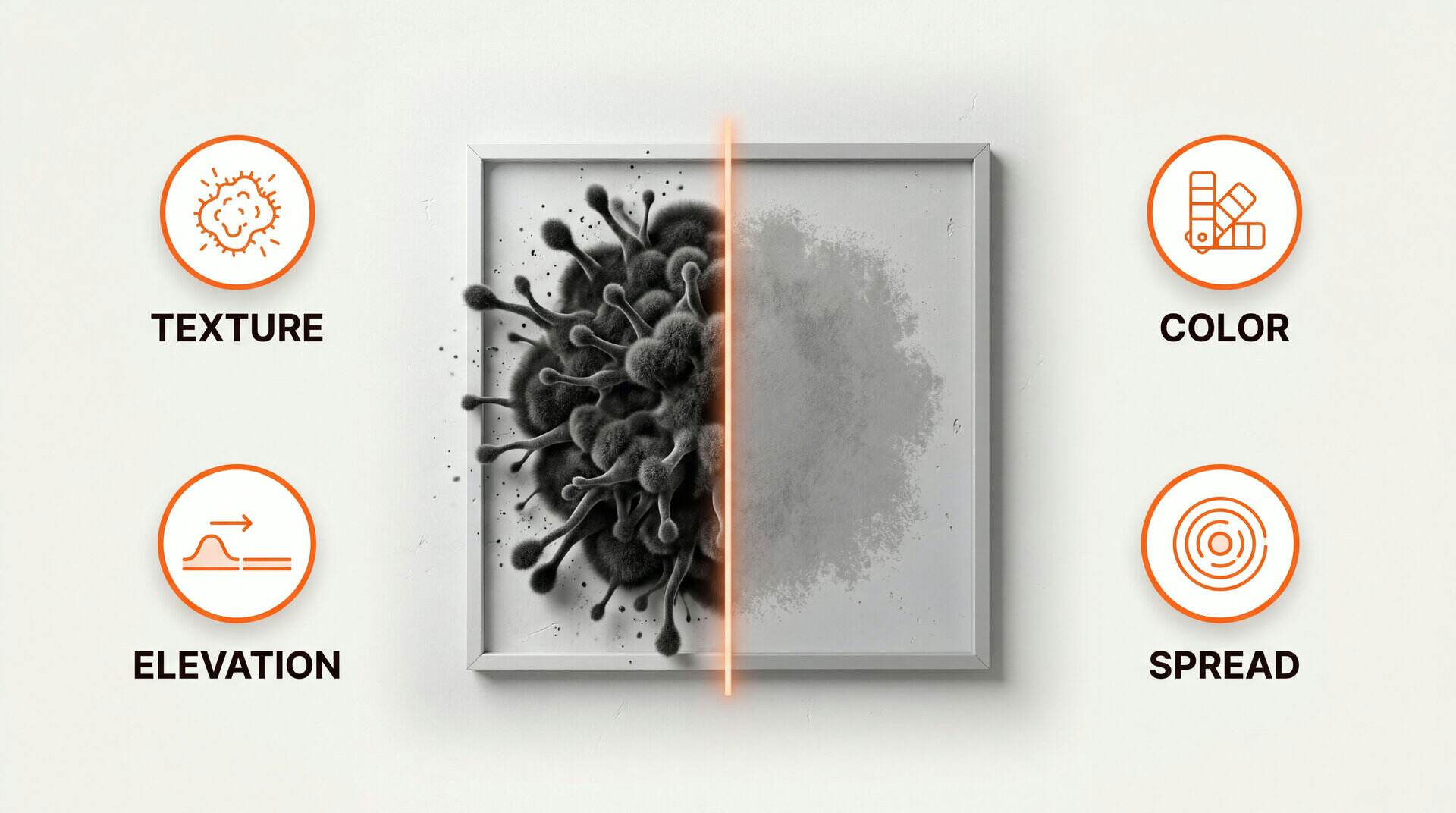
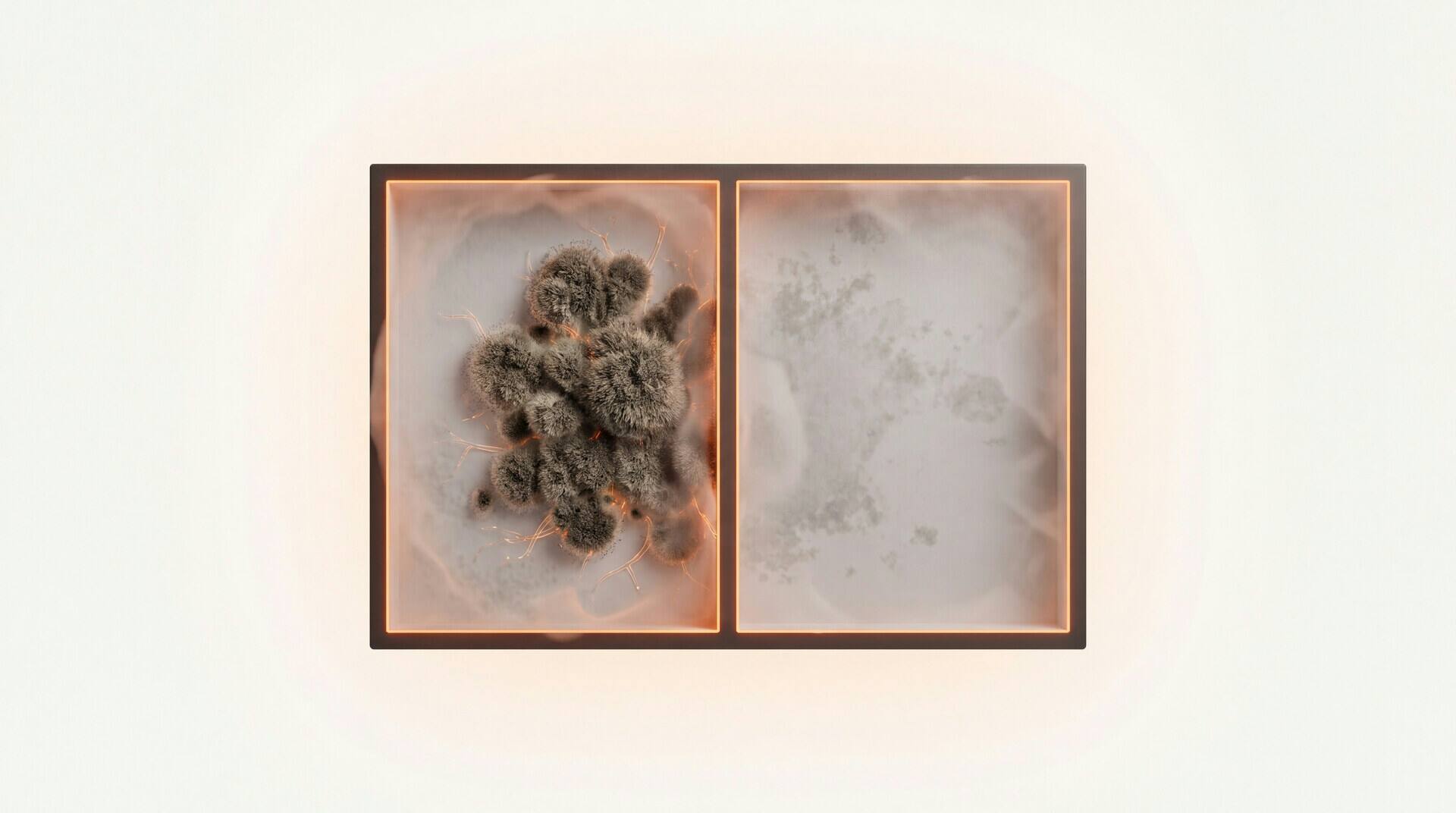
Texture: Growth described as mildew is often flat or powdery, while other mold-like growth may be fuzzy, slimy, or raised. These cues overlap.
Color: White, gray, black, green, orange, and pink discoloration can have many biological and nonbiological causes.
Surface vs depth: A surface wipe can reveal whether discoloration transfers, but it cannot show what is inside a porous material.
Removal difficulty: The appropriate response depends on the material, moisture source, affected area, and whether the area can be handled safely.
Health: Appearance does not establish exposure or predict a person's health response. If you have symptoms, consult a licensed physician. Evaluate the building separately with a qualified professional.
Professional help: Ask for professional assessment when growth is large, recurring, concealed, associated with major water damage, or unsafe to access.
Building damage: Persistent moisture can damage drywall, wood, insulation, and carpet regardless of what a stain is called.
How to clean mildew
For a small area on a hard, nonporous surface, follow the cleaner's label and applicable public-health guidance.
Step 1: Confirm that the surface and product can be handled safely. Never mix cleaning products.
Step 2: Clean only the safely accessible area and avoid spreading dust or debris.
Step 3: Dry the area completely.
Step 4: Correct the moisture source with ventilation, humidity control, or leak repair as appropriate. Cleaning without moisture control does not address the building condition.
How to deal with mold
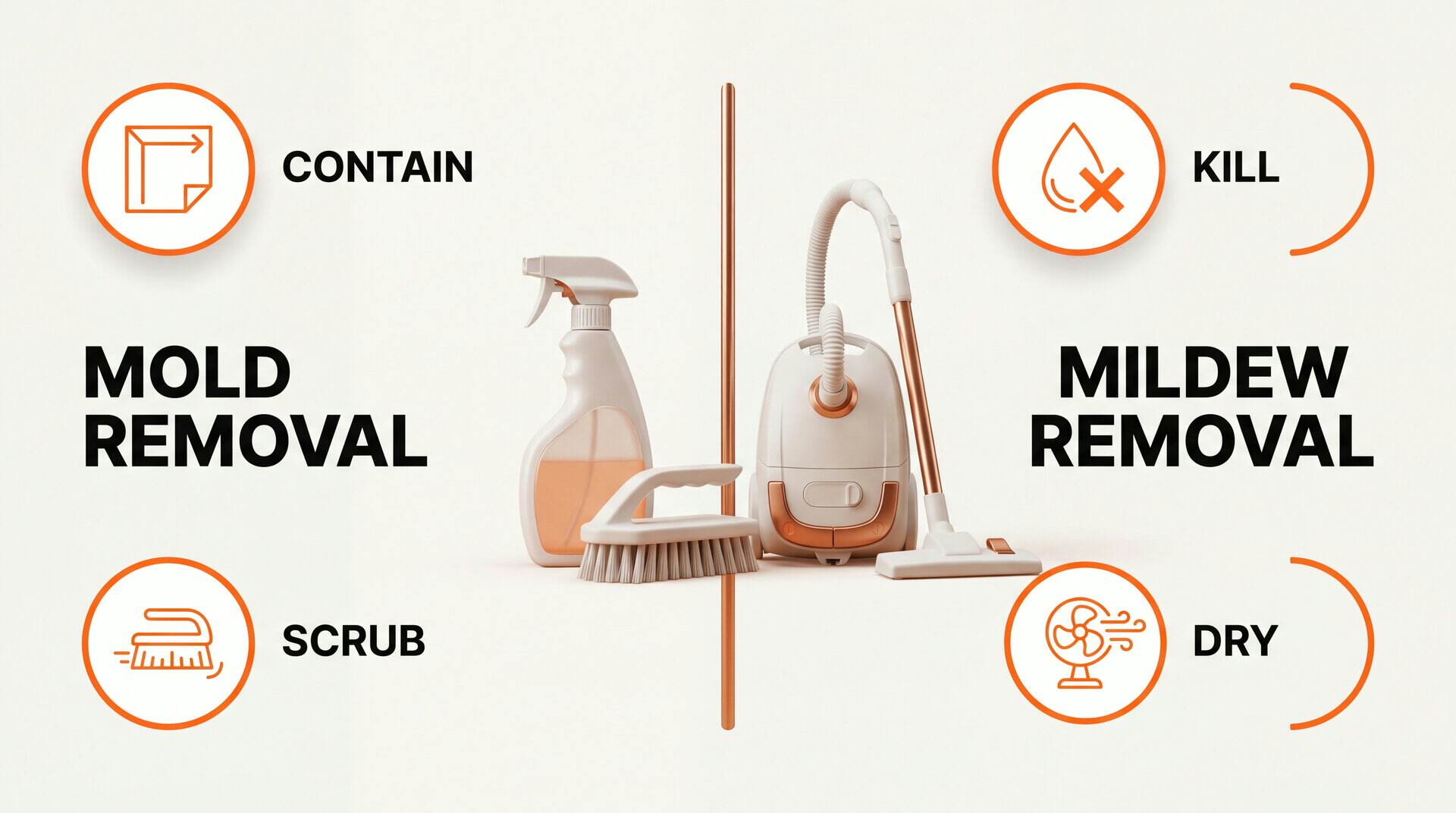
The response should match the material, moisture source, affected area, and access conditions.
Small, safely accessible areas: Follow current public-health guidance and every product label. Avoid mixing chemicals or disturbing material you cannot handle safely.
Large, recurring, concealed, or heavily water-damaged areas: Ask a qualified building professional to define the assessment and remediation scope. A visual screen cannot inspect inside walls, HVAC systems, or subfloors.
If you have symptoms: Do not use odor, timing, a photograph, or a home test to diagnose the cause. Consult a licensed physician for symptoms and evaluate the building as a separate question.
What our app screens
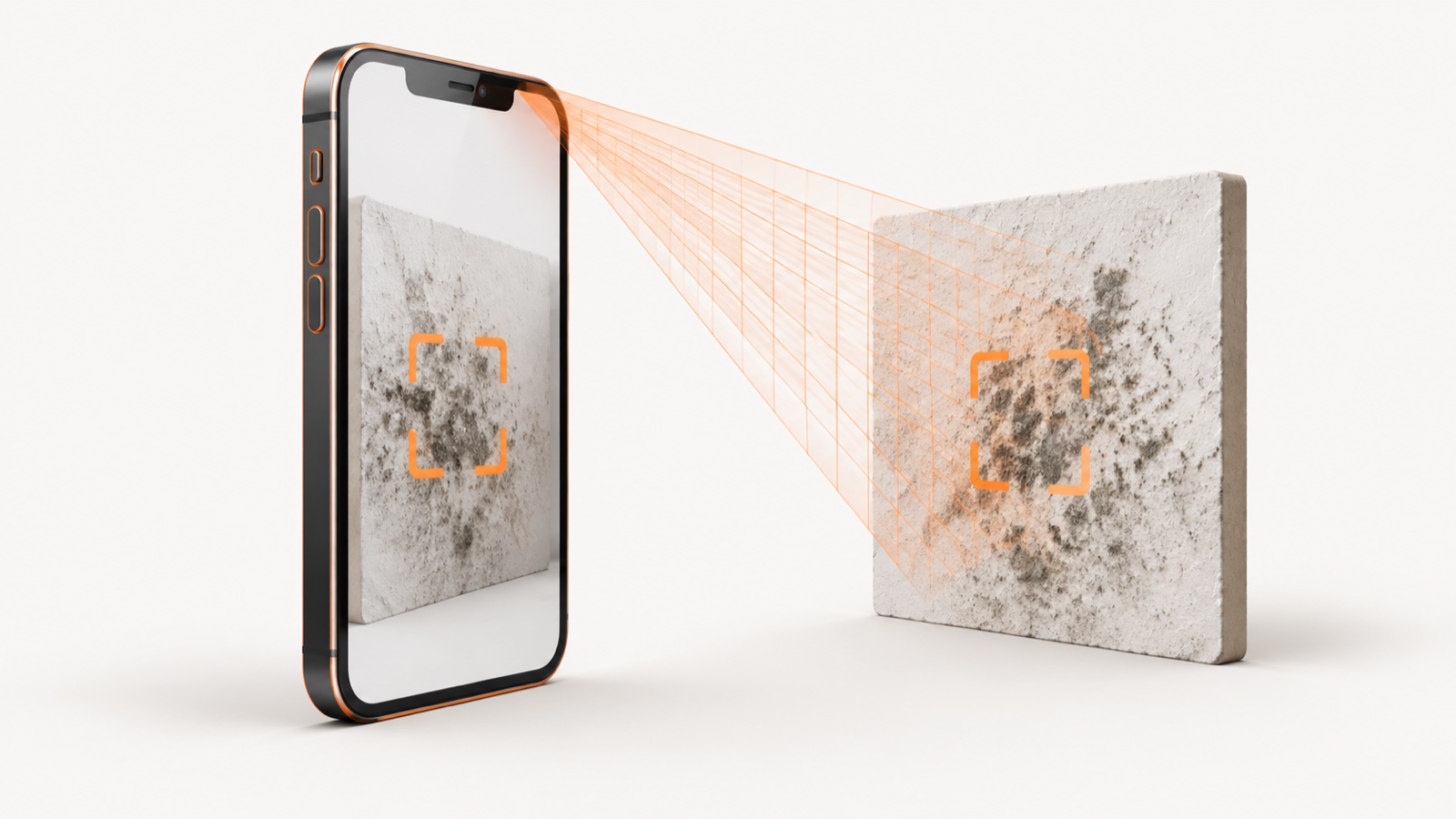
Mold Scanner AI compares visible patterns in a photo with common mold-like growth and lookalikes such as dirt, soap scum, efflorescence, and rust stains.
The app offers 266 guided photo prompts across 19 rooms, with 38 in Quick and 129 in Standard. It provides AI-assisted visual screening only, and processing time varies.
A photo cannot confirm active mold, identify species, find hidden growth, assess health or liability, or replace a licensed inspection.
Frequently asked questions
What is the difference between mold and mildew?
Mildew is a common label for flat, powdery surface growth, while mold-like growth may look fuzzy, slimy, or raised and can affect porous materials. These are visual tendencies, not identification rules. Color, texture, and a wipe test cannot confirm the substance or species.
Can I clean mildew myself or do I need a professional?
Small areas on hard, nonporous surfaces may be manageable under product-label and public-health guidance after the moisture source is corrected. Do not disturb large, recurring, hidden, or heavily water-damaged areas; ask a qualified professional for an assessment.
Is mildew dangerous to your health?
Health effects cannot be ranked from the words mildew versus mold, from color, or from a photograph. Damp or moldy environments may affect people differently. If you have symptoms, seek advice from a licensed physician; assess the building separately with a qualified professional.
Can an app tell the difference between mold and mildew?
Not definitively. Mold Scanner AI can screen visible patterns in a submitted photo and describe cues and common lookalikes. A photo cannot confirm the substance, identify a species, or establish active growth. Use appropriate sampling or a qualified inspector when the distinction matters.
How to know if it's mildew or mold?
Mildew is the common label for flat, powdery surface growth, usually gray, white, or light yellow. Mold-like growth tends to look fuzzy, slimy, or raised and can affect the pores of a damp material. Those are visual tendencies, not identification rules. Color, texture, and a wipe test cannot confirm which one you have.
What is worse, mold or mildew?
Neither label tells you severity. What matters is the material and the moisture. Flat growth on non-porous tile or glass usually wipes off and returns if the damp stays. Growth in porous drywall, wood, or insulation involves the material itself, so the water source has to be fixed and the material assessed.
What kills mildew instantly?
Nothing works instantly on a porous surface. On hard, non-porous surfaces like tile, glass, and fiberglass, a bleach-based stain remover lifts visible staining in seconds, but that is surface cleanup rather than removal. On drywall or wood the growth sits inside the material, so the moisture source has to be corrected first.
Sources
Every claim on this page traces to one of these. Links open the primary document.