How Tilex Mold and Mildew Remover works
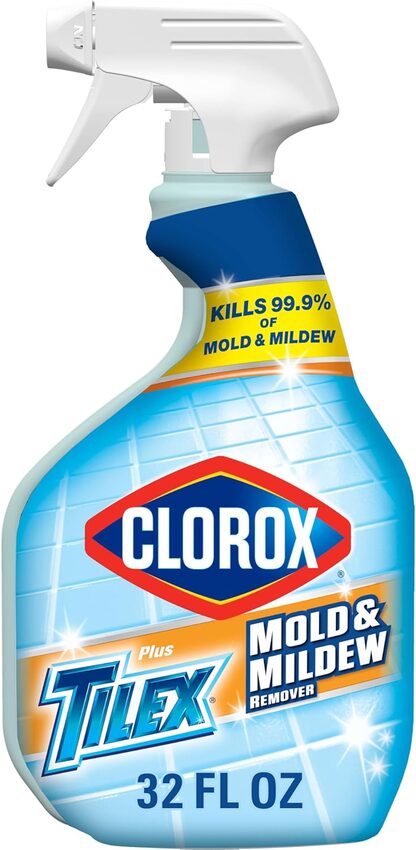
Tilex is bleach chemistry in a targeted spray. The active ingredient is sodium hypochlorite, listed on the safety data sheet at 1 to 5 percent by weight, alongside sodium hydroxide at 0.1 to 1 percent. The product carries EPA Reg. No. 5813-24, which means the kill claim on the front of the bottle, 99.9 percent of mold and mildew, is a registered pesticide claim reviewed by the EPA, not marketing copy.
The mechanism is simple: hypochlorite oxidizes the mold and mildew on contact and bleaches out the dark staining at the same time. That is why the results are visible in minutes. The directions on the current label are exactly three moves: spray the surface, wait about five minutes while the stains fade, and rinse well. No scrubbing is required on most surfaces, which is the product's whole pitch.
The same chemistry sets the hard limit. Bleach works where it touches. On a glazed tile wall or a fiberglass tub, that is the entire mold colony. On porous material like drywall or bare wood, the growth extends roots below the surface where the liquid cannot follow, so the surface looks clean while the colony survives. This is why the EPA does not recommend bleach for mold cleanup on porous surfaces, and why we review Tilex as a stain remover for hard surfaces, not a remediation product. If the growth looks like fuzzy black mold on drywall or wood, identify it first, because deeply penetrated material needs replacing, not spraying.
Where to use it (and where NOT to)
Use it on: the label's approved list, which is long for a bathroom product: grout, glazed ceramic tile, tubs, fiberglass, glass shower doors, vinyl shower curtains, counters, sinks, no-wax floors, and synthetic marble. Clorox also labels it for outdoor use on cement pools, glazed pool tile, and outdoor vinyl or plastic patio furniture. If your problem is pink or black film creeping across shower surfaces, this is the exact lane the product was built for.
Do NOT use it on: wood, painted surfaces, aluminum, clothes, fabric, carpet, or paper. The label also says to avoid prolonged contact with rubber, plastic, vinyl, metal, and old porcelain, which can pick up a temporary rust-like stain. In practice the biggest casualty is whatever fabric is nearby: overspray that drifts onto bath mats, rugs, and towels strips their color, and that is one of the most common complaints in critical reviews at Walmart and Home Depot.
Never mix it. Do not use it with or near toilet bowl cleaners, rust removers, vinegar, other acids, or anything containing ammonia. The safety data sheet is explicit that those combinations produce hazardous gases, including chlorine. One product in the bathroom at a time, rinsed well before the next.
It does not fix the cause. Mildew stains come back to bathrooms that stay humid. Run the exhaust fan during and after showers, squeegee the glass, and if the room never dries out, get humidity under control with a dehumidifier. Not sure how serious the problem is yet? Use our free water-damage documentation helper to record accessible water-event conditions.
Step by step application
Step 1: Ventilate and protect yourself. Open a window or run the exhaust fan before you start. The safety data sheet carries a Warning signal word for serious eye irritation and notes the product may irritate skin, so wear gloves and eye protection. High concentrations of vapor can also aggravate heart conditions or chronic respiratory problems such as asthma, so anyone sensitive should stay out of the room.
Step 2: Clear the splash zone. Move bath mats, rugs, towels, and anything colored out of range. Bleach overspray does not negotiate with fabric.
Step 3: Spray. Turn the nozzle to the spray position and coat the stained surface. Keep the mist directed at the target; this is a trigger sprayer, and complaints about the sprayer sticking or dripping onto hands show up regularly in critical reviews, so spray deliberately rather than pumping fast.
Step 4: Wait about five minutes. Let the stains visibly fade. Heavier buildup in grout lines can need a second application. No scrubbing is required on the approved surfaces, though a quick pass with a soft brush speeds up stubborn grout lines.
Step 5: Rinse well. Rinse the treated surface thoroughly with water. Do not leave the product sitting on metal fixtures or old porcelain, where prolonged contact can leave a temporary rust-like stain.
Storage note: Clorox says the active ingredient loses its strength after one year. If the bottle under your sink has been there since two apartments ago, replace it before concluding the product does not work.
Tilex vs RMR-86 vs Concrobium vs plain bleach
Tilex vs plain bleach and water: same core chemical, different execution. A DIY bleach mix is cheaper per gallon, but it is easy to mix too strong, it comes with no surface guidance, and you still need a spray bottle. Tilex arrives pre-mixed at an EPA-registered strength with an approved-surface list printed on the back. For a bathroom, the few extra dollars buy the guesswork out of the job. The fume and fabric risks are identical, so ventilation rules apply to both.
Tilex vs RMR-86: both are bleach-based stain removers, and they split by job size. RMR-86 is the heavy-hitter contractors buy for big, established staining, and it costs more per bottle. Tilex is the maintenance tool: cheaper, sold in every grocery store, and the right strength for weekly shower upkeep. Whole flooded basement wall of staining: RMR-86. Grout lines going pink in the guest bath: Tilex.
Tilex vs Concrobium Mold Control: different categories. Concrobium contains no bleach, works by crushing mold at the root as it dries over 4 to 24 hours, and leaves a residual barrier that slows regrowth. Tilex works in five minutes but leaves nothing behind. For visible stains on glazed tile, Tilex is faster. For mold on semi-porous surfaces, for anyone avoiding bleach fumes, or for anywhere you want lasting protection, Concrobium is the better tool.
Tilex vs hydrogen peroxide: peroxide is the gentler oxidizer, safer around fabrics and quieter on the lungs, but slower on heavy staining and not EPA-registered for this use in the DIY spray form most people mix at home. If your household cannot tolerate bleach at all, peroxide-based cleaning is the fallback, and expect more repeat applications.
For how Tilex stacks up against every other option, see our full guide to the best mold removal products.
Pros and cons
Pros: Visible results in about five minutes with no scrubbing. The 99.9 percent mold and mildew kill claim is an EPA-registered label claim (Reg. No. 5813-24). Cheap, and stocked at practically every grocery, hardware, and big-box store in America. The approved-surface list covers nearly the whole bathroom: grout, glazed tile, tubs, fiberglass, shower doors, vinyl curtains, counters, sinks, and no-wax floors. Labeled for outdoor jobs too, including cement pools, glazed pool tile, and plastic patio furniture. Amazon buyers rate it 4.8 stars across 1,733 ratings, which is exceptional for a cleaning product.
Cons: It is bleach, with everything that means: strong fumes that need real ventilation, a Warning-level eye irritation hazard on the safety data sheet, and an absolute ban on mixing with ammonia or acids. It removes surface growth and stains but cannot reach mold rooted in porous material, and it leaves no residual barrier, so stains return to a bathroom that stays damp. Overspray bleaches fabric, and the label rules out wood, painted surfaces, and aluminum entirely. The trigger sprayer is the most complained-about part in critical reviews: sticking, leaking, and occasionally arriving broken. And the active ingredient loses strength after one year, so it does not keep.
Our rating: 4.0 / 5. Near-perfect at its actual job, which is fast cosmetic cleanup of mold and mildew stains on hard, nonporous surfaces. It loses ground for the bleach trade-offs, the sprayer complaints, and the fact that it treats symptoms, not causes.
Bottom line: Every bathroom that grows pink film and grout mildew should probably have a bottle of Tilex under the sink. Just know what you bought: a stain remover, not a remediation product. Fix the humidity, keep fabrics clear, ventilate while you spray, and for mold on drywall, bare wood, or anything bigger than about 10 square feet, hire a qualified professional who follows the IICRC S520 standard instead of reaching for any spray bottle.
Works in minutes · EPA-registered · best for shower tile, tubs, and grout. Affiliate link.
Skip this product if
- The mold is on drywall, bare wood, or anything porous. Bleach cannot reach the roots, and the EPA does not recommend it for that job. Mold-soaked porous material gets cut out and replaced.
- You want the mold to stay gone without repeat treatments. Tilex leaves no residual barrier. For lasting protection on hard surfaces, a product like Concrobium is the better fit.
- Anyone in the home reacts badly to bleach fumes. The safety data sheet says high vapor concentrations can aggravate heart conditions and chronic respiratory problems, and the smell carries well beyond the bathroom.
- You cannot ventilate the room. A windowless bathroom with no working exhaust fan is the wrong place for any hypochlorite spray.
- The surface is wood, painted, aluminum, or anywhere near colored fabric. The label bans those surfaces outright, and overspray permanently bleaches mats, rugs, and towels.
- You are already using a vinegar, ammonia, or acid-based cleaner in the same space. Mixing chlorine bleach with any of those produces hazardous gases.
- The bottle is over a year old. Clorox says the active ingredient loses its strength after one year, so an old bottle will quietly underperform.
Frequently asked questions
Does Tilex Mold and Mildew have bleach?
Yes. The active ingredient is sodium hypochlorite, the same chemical as household bleach. Tilex Mold and Mildew Remover ingredients, per the safety data sheet: sodium hypochlorite at 1 to 5 percent by weight and sodium hydroxide at 0.1 to 1 percent. That is why it needs ventilation, and why it must never be mixed with ammonia or acids.
Does Tilex kill mold?
Yes, on hard, nonporous surfaces like glazed tile, tubs, and fiberglass. The label claims it kills 99.9 percent of mold and mildew when you spray, wait about five minutes, and rinse. Will Tilex kill black mold? On those same surfaces, yes. Mold rooted in drywall or bare wood is out of reach, and the EPA does not recommend bleach for that job. If stains keep coming back, the room is probably staying damp, so run the exhaust fan after showers.
Does Tilex Mold and Mildew Remover actually work?
Yes, on the job it is designed for: mold and mildew stains on hard, nonporous surfaces like glazed tile, tubs, fiberglass, and glass shower doors. The label claims it kills 99.9 percent of mold and mildew, and the directions are spray, wait about five minutes, and rinse, with no scrubbing. What it cannot do is reach mold rooted inside porous material like drywall or bare wood. That is a limit of bleach chemistry, not a defect of this bottle.
How long does Tilex take to work?
Minutes. The directions say to spray the stained surface, wait about five minutes while the stains fade, and rinse well. Heavier staining can need a second pass. Compared with products like Concrobium that need 4 to 24 hours of drying time, Tilex is one of the fastest options in the category.
Is Tilex just bleach?
The active ingredient is sodium hypochlorite, the same chemical as household bleach, at 1 to 5 percent by weight per the safety data sheet, along with sodium hydroxide at 0.1 to 1 percent. The difference from a jug of bleach is the format: it is pre-mixed at a strength registered with the EPA for this use (Reg. No. 5813-24), it comes in a targeted trigger sprayer, and the label spells out exactly which surfaces are approved. A DIY bleach mix is cheaper but easy to mix too strong, with the same fume and fabric risks and none of the label guidance.
Can you use Tilex on wood or painted walls?
No. The label says not to use it on wood, painted surfaces, aluminum, clothes, fabric, carpet, or paper, and to avoid prolonged contact with rubber, plastic, vinyl, metal, and old porcelain. Overspray that lands on bath mats, rugs, towels, or shower curtains can strip their color, which is one of the most common complaints in critical reviews.
Does Tilex kill black mold?
On hard, nonporous surfaces, the label claim covers 99.9 percent of mold and mildew, including the dark species people call black mold. The real question is where the mold is growing. On glazed tile or a fiberglass surround, Tilex removes it. If dark mold is growing on drywall, bare wood, or anything porous, bleach cannot reach the roots, and the EPA does not recommend bleach for that job. Mold-soaked porous material needs to be cut out and replaced, not sprayed.
Is Tilex safe to breathe?
Treat the fumes with respect. The safety data sheet carries a Warning signal word for serious eye irritation, notes it may irritate skin, and says high concentrations of vapor or mist can aggravate heart conditions or chronic respiratory problems such as asthma or emphysema. Run the exhaust fan, open a window, and wear gloves and eye protection. Never mix it with ammonia products, toilet bowl cleaners, rust removers, vinegar, or acids, because that reaction produces hazardous chlorine gases.
Does Tilex disinfect?
Not under the current label. Clorox states this product kills mold and mildew but does not disinfect viruses and bacteria. If you want a bathroom disinfectant, that is a separate product with a separate EPA registration. Tilex Mold and Mildew Remover is registered for one job: killing mold and mildew and removing their stains.
Sources
Every claim on this page traces to one of these. Links open the primary document.