What We Can Say for Sure About Purple Mold
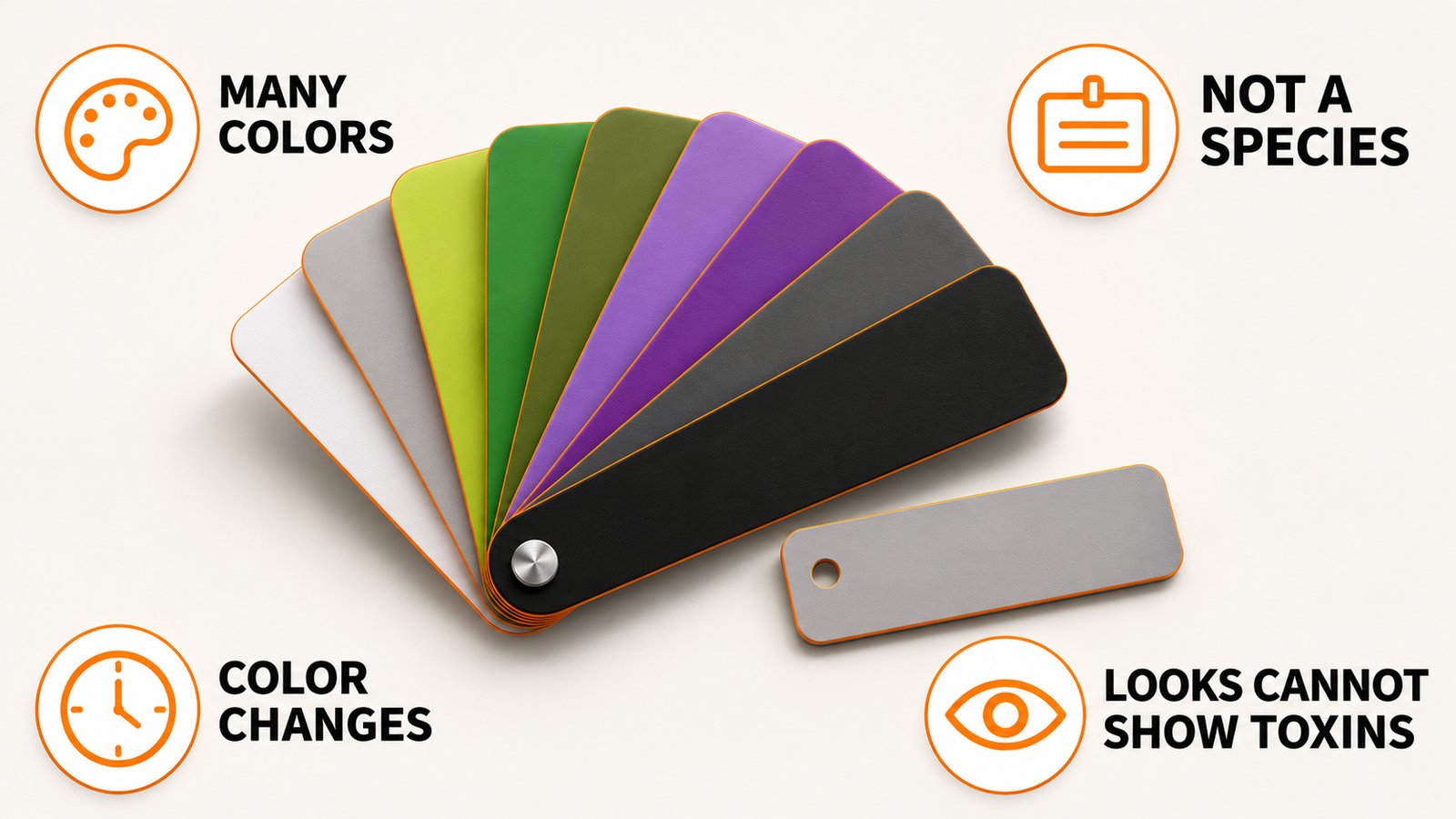
Start with what the sources say, because "purple mold" gets treated online as if it were a known thing. It is not a defined species, and we did not find it named as one in the EPA and CDC pages we read for this guide.
The EPA mold course makes a related point about the best-known color word. It says molds come in many colors, including white, and that "black mold" is not a species or a specific kind of mold, and neither is "toxic mold." A color nickname is a nickname. The same reasoning covers purple.
The CDC says mold can look like spots of many different colors. It names Cladosporium, Penicillium and Aspergillus as the most common indoor molds, but it does not link any of them to a color, and neither does this page.
One more line from the EPA mold course matters for anyone worried about a strange color. As some molds grow they may produce potentially toxic byproducts called mycotoxins under some conditions, but not all molds do. And it says no one can tell whether a mold is producing mycotoxins just by looking at it. So a dramatic color does not mean a dangerous mold, and a dull color does not mean a harmless one.
For the full list of names people use, see types of mold. For the tools and limits of identifying mold from how it looks, see mold identification.
Can Mold Be Purple?
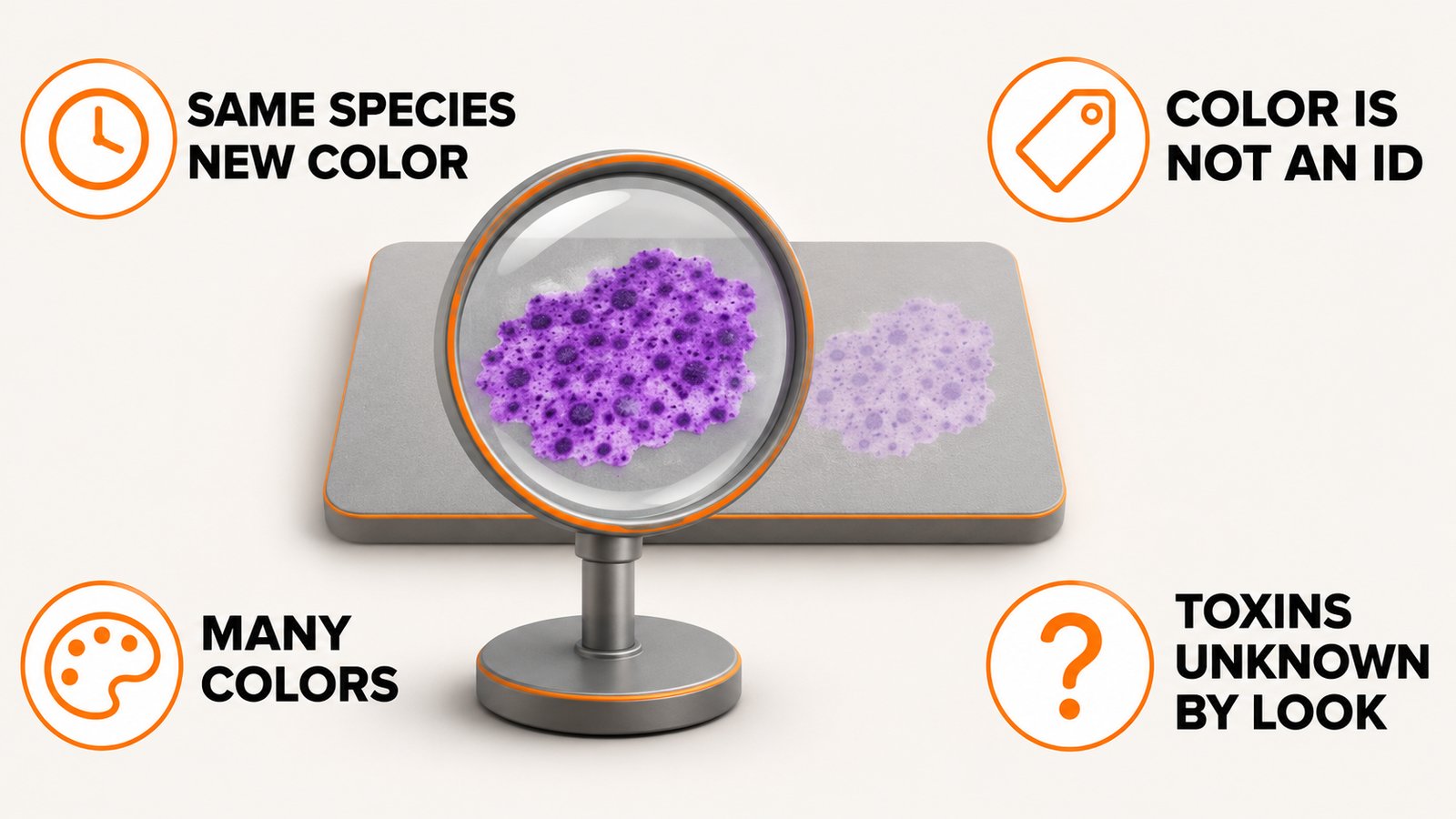
Can mold be purple? The agencies do not say it cannot. They say molds come in many colors, forms and textures, which leaves purple open as a possibility. They do not say it is common, and they do not say it is rare, so we will not either.
The EPA mold image library adds something that makes color even less reliable. It says the same species of mold can change in color and appearance over time. A spot that looks purple today may have looked different a week ago. A photo is one moment in a growth that is still changing.
That cuts two ways. You cannot say "this is a purple mold, so it is X." And you cannot say "it is purple, so it is not mold." What you can say is that the color is a poor reason to worry or to relax.
Other color questions come up on this site as well. Our pages on green mold, white mold and yellow mold take the same approach, and Penicillium shows how a single group of molds gets described by several color names.
Purple Mold on Wall: What Else It Could Be
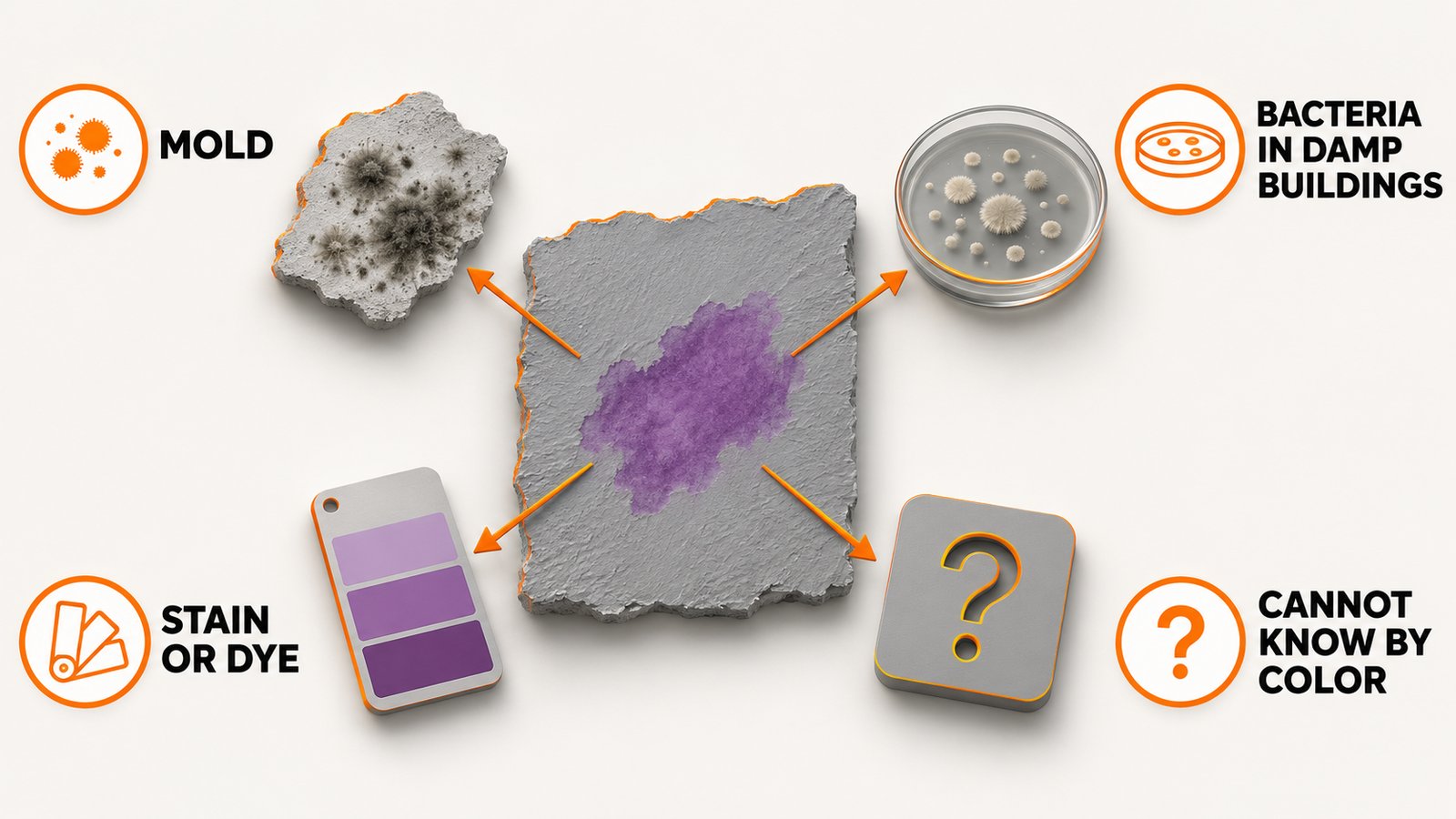
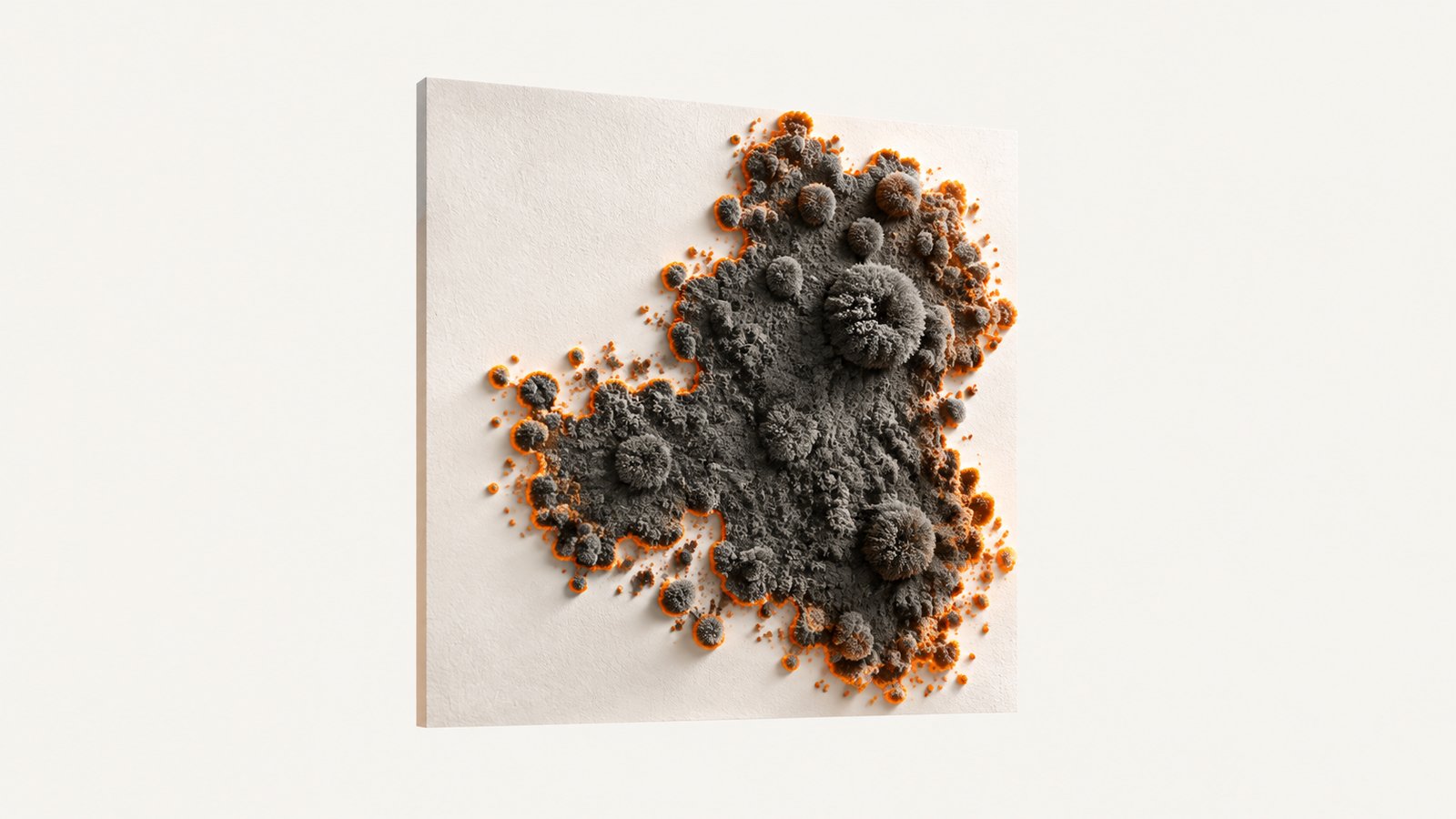
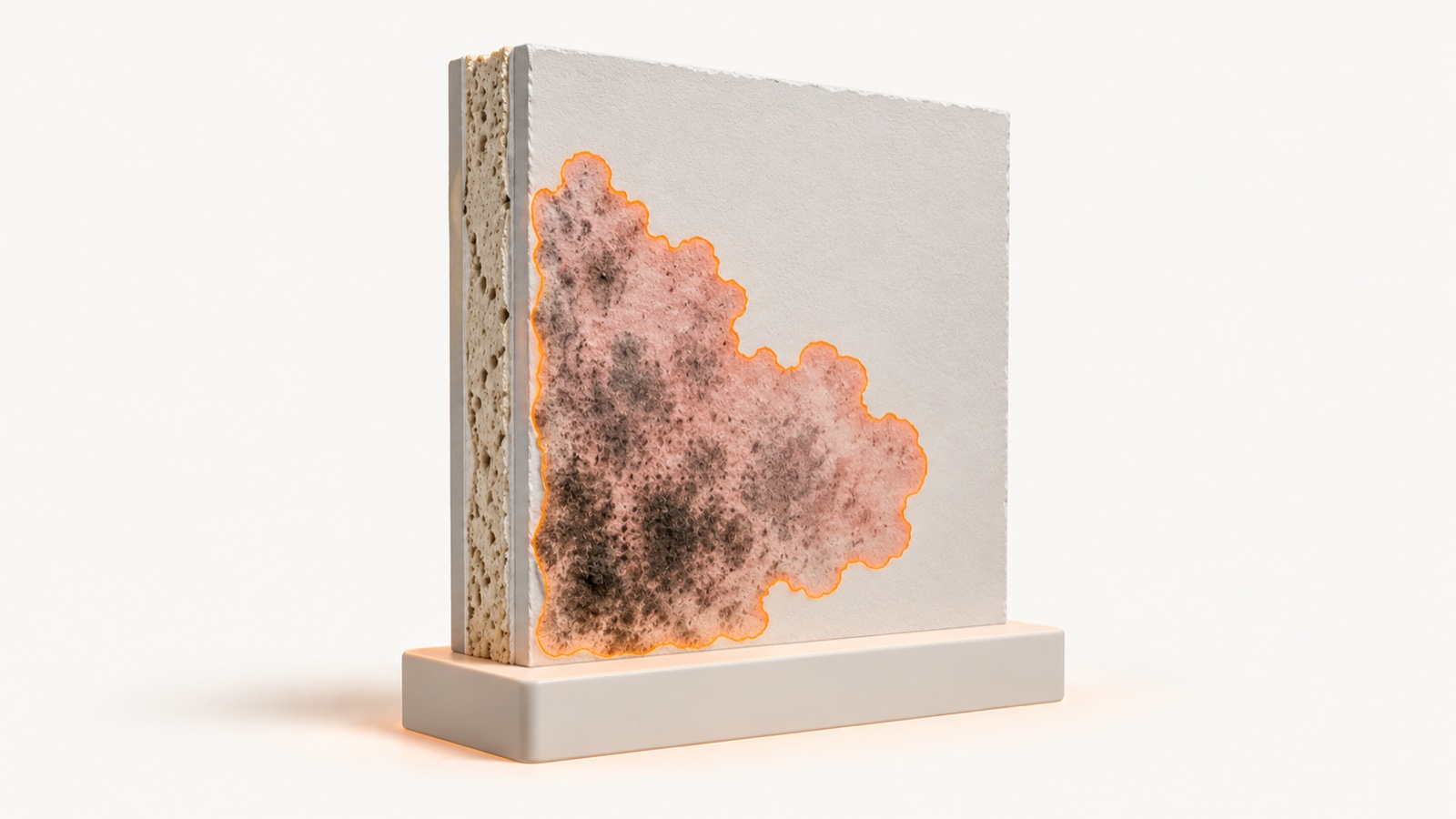
If you find purple mold on a wall, the first question is whether it is mold at all. The sources give us two things to hold onto, and one thing we have to admit we cannot source.
It may be mold. Molds come in many colors, so a purple patch on a damp wall could be growth.
It may be something else that lives in damp places. The EPA mold course says damp or wet buildings can contain other contaminants, including bacteria, dust mites, cockroaches and other pests. That does not mean a bacteria colony is purple. It means mold is not the only living thing a wet wall can host. Our pink mold page shows a well-known case, where a colored film in a shower is described as bacteria rather than mold.
It may be a stain, dye or paint issue. A spill, a dye that bled from fabric or a product, or a mark in the paint can all look like growth. We have no EPA or CDC source on purple stains, so we offer this as a possibility to rule out, not a finding.
What decides it is not the color. It is whether the area is damp, whether the mark changes or spreads, whether there is a musty smell, and whether there is a water source nearby. The EPA says a moldy odor suggests mold is growing in the building and should be investigated. If the mark sits on a wall that is also showing dark patches, our guides to black mold on wall and mold on drywall cover the same moisture questions.
How to Check Purple Growth Safely
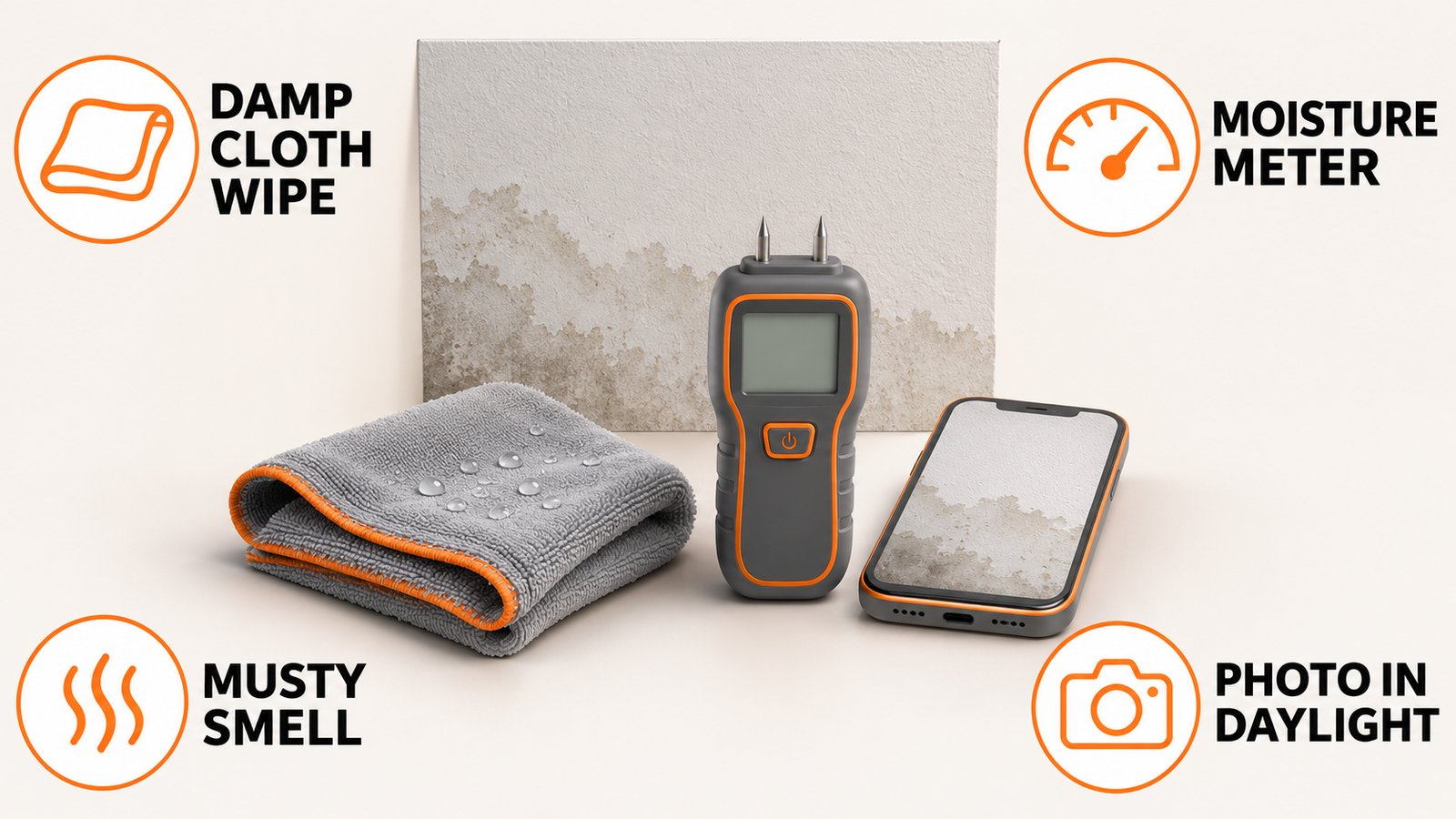
Here is a short check, in the order we would do it.
- Photograph it first, in daylight if you can. Indoor lighting and cameras change how a color looks, and a photo gives you a record before anything is cleaned.
- Ask where the water is. The EPA says moisture is the most important factor for indoor mold growth. Look for a leak, a cold wall with condensation, or a damp spot. If you cannot find any moisture source, a growth is less likely, though hidden water is possible.
- Measure humidity. The EPA says to keep indoor humidity below 60 percent, ideally between 30 and 50 percent, and says a moisture meter can help find areas of concern even when mold is not visible.
- Smell it from where you stand. A musty smell points to mold, according to the EPA. No smell does not clear it.
- Try a damp cloth wipe, gloved. This is our check, not an agency method. If the color lifts onto the cloth, it was sitting on the surface. If it does not, it may be in the paint or behind it. Neither result names the substance.
- Skip the sample. The EPA says that in most cases, if visible mold growth is present, sampling is unnecessary, and that no federal limits exist for mold or mold spores.
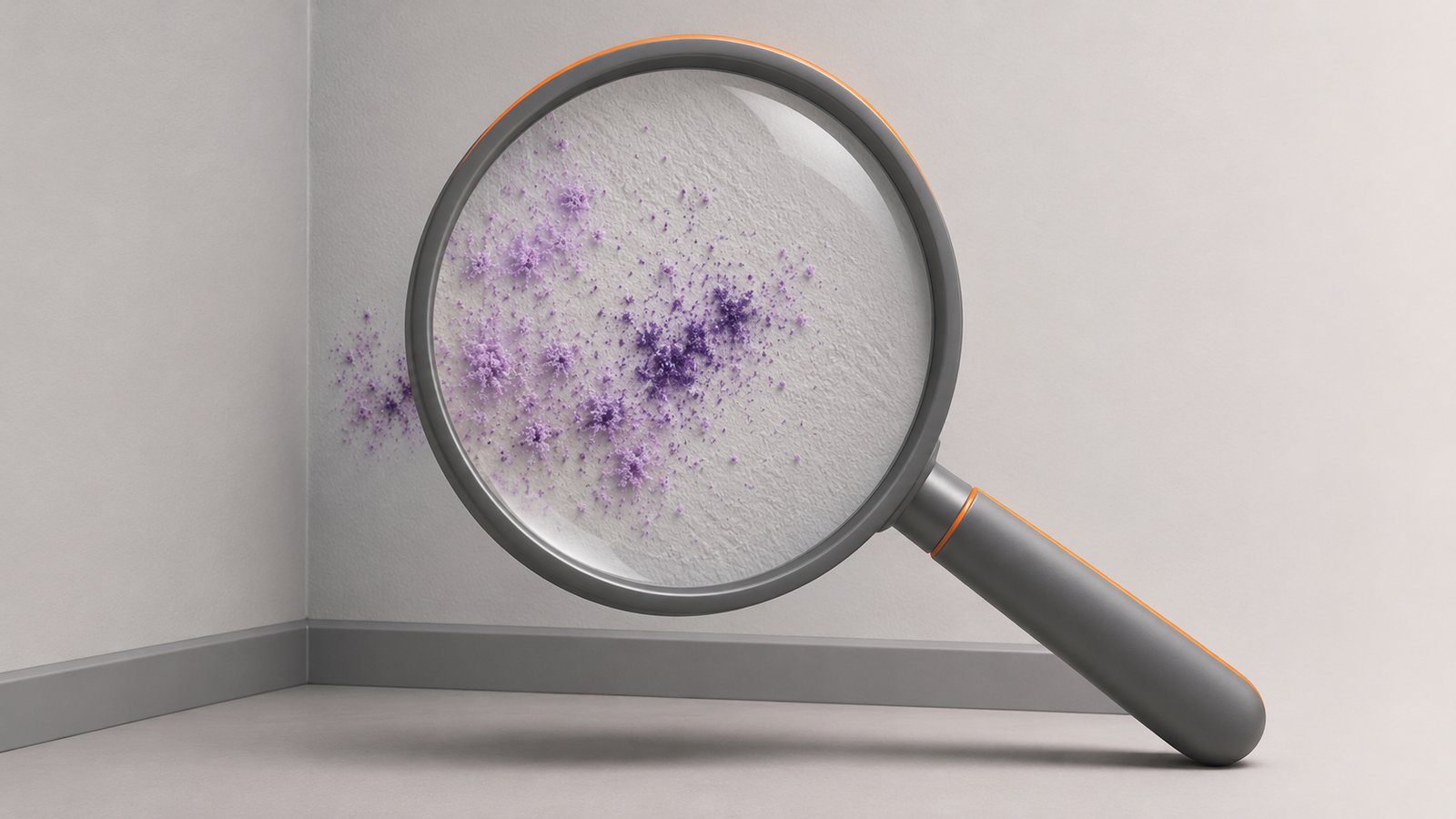
Then run a clear photo through the app. It gives a visual screening of what is visible, meaning whether the spot looks like mold and what to do next. It cannot name a species or tell you how dangerous it is. Our guide on telling if it's mold from a photo explains what a photo can and cannot show, and what mold looks like shows the common appearances.
How to Clean Purple Mold
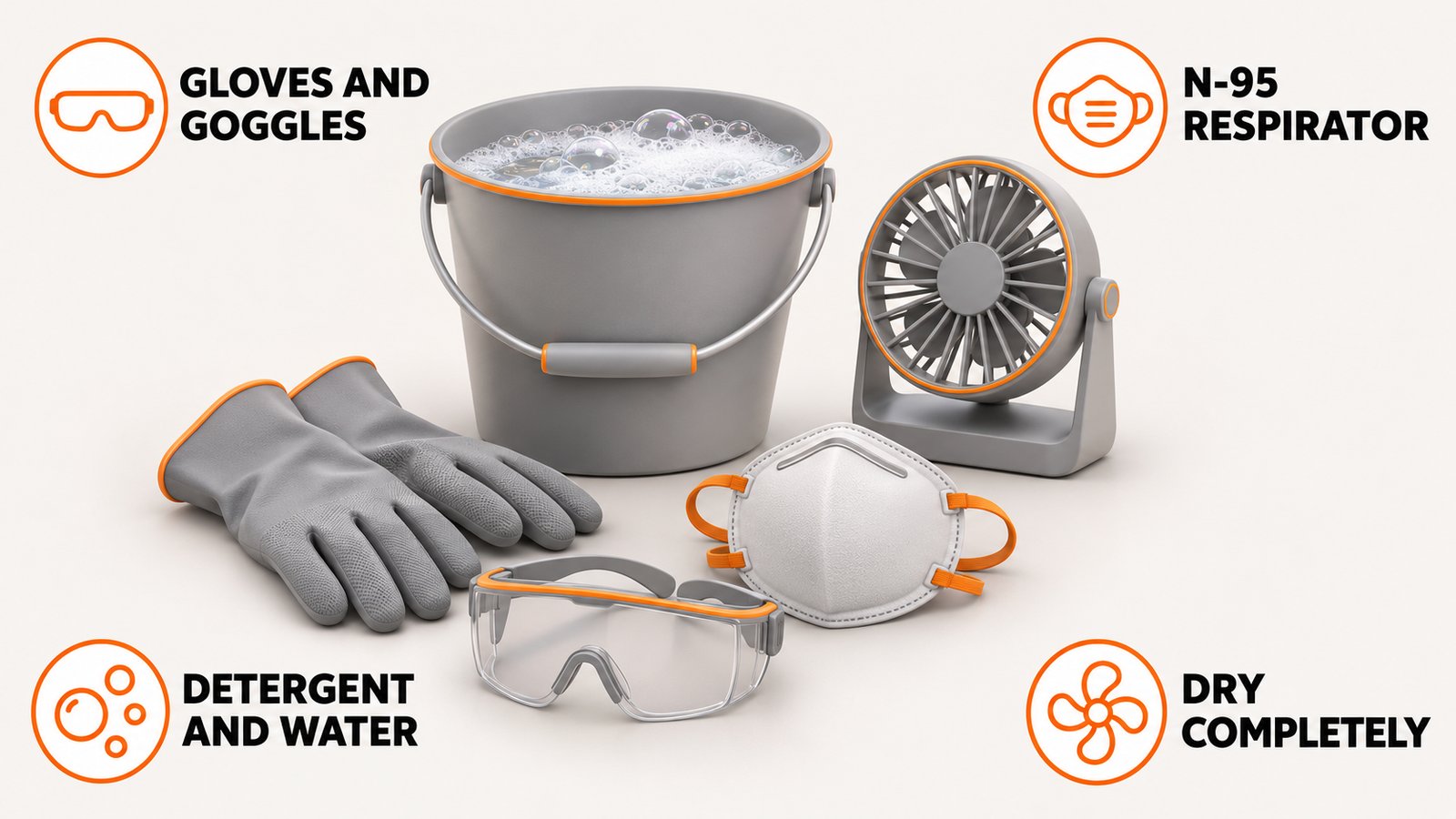
If the spot looks like mold and sits on a small, hard surface, the steps are the same for every color. The EPA says that if the moldy area is under about 10 square feet, roughly a 3 foot by 3 foot patch, in most cases you can handle the job yourself.
- Fix the water first. The EPA says that if you clean up mold but do not fix the water problem, it will most likely come back. It also says drying wet materials within 24 to 48 hours in most cases prevents growth.
- Wear protection. The EPA says you may want to wear an N-95 respirator, and it recommends long gloves and goggles without vent holes. It prices a respirator at about $12 to $25.
- Scrub with detergent and water, then dry completely. That is the EPA's instruction for hard surfaces.
- Skip routine bleach. The EPA says a biocide such as chlorine bleach is not recommended as a routine practice during mold cleanup. See does bleach kill mold and how to get rid of mold for what to use. Never mix bleach with other cleaners.
- Discard soft, porous material. The EPA says absorbent materials, such as ceiling tiles and carpet, may have to be thrown away if they become moldy.
- Do not paint over it. The EPA says to clean and dry first, because paint over mold is likely to peel.
If the purple mark is a stain or dye, none of this will fix it, and that is one more way to learn what it was. If it comes back after a careful clean and dry, treat that as a sign of moisture.
When to Call a Pro
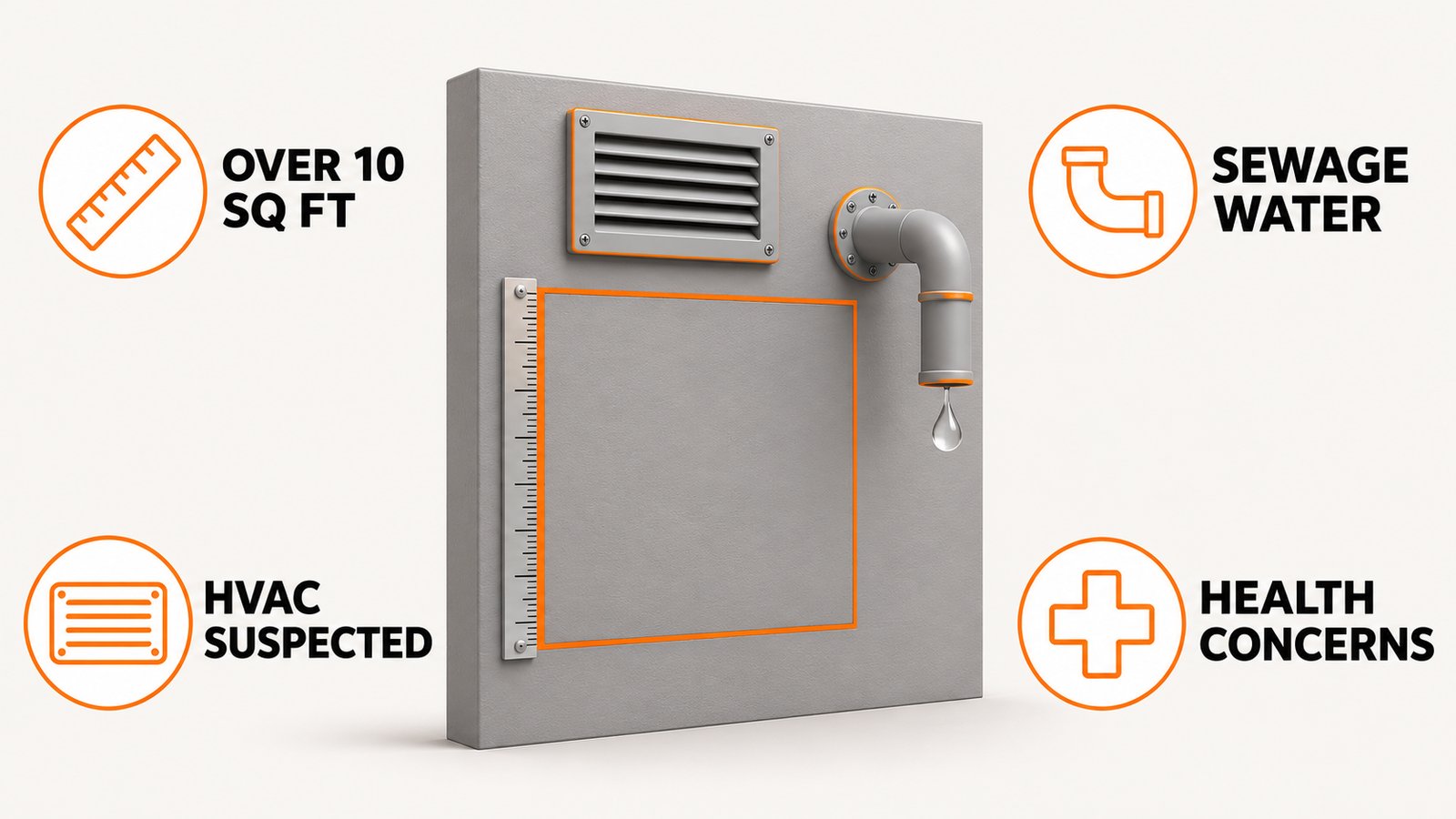
Color never changes the threshold. Call a professional when:
- the growth covers more than about 10 square feet or there has been a lot of water damage. Past that, the EPA points to its guide for larger jobs, and that is where we suggest a professional;
- the water came from sewage or other contaminated water, where the EPA says to hire someone experienced with that damage;
- you suspect the HVAC system is involved. The EPA says not to run it if you know or suspect it is contaminated;
- you have health concerns. The EPA says to consult a health professional before starting cleanup, and the CDC says people with asthma or mold allergy may have severe reactions.
See mold inspection for what a visit involves, and mold vs mildew if you are unsure what you are looking at.
Frequently asked questions
Is there a mold species called purple mold?
We did not find one named in the EPA and CDC pages we read. The EPA mold course says even "black mold" is not a species or specific kind of mold. Color words are nicknames, not scientific names.
Can mold be purple?
The agencies say molds come in many colors, forms and textures, so it is possible. They do not say how common purple is. The EPA also says the same species can change color and appearance over time.
Is purple mold dangerous?
Color cannot answer that. The EPA says no one can tell whether a mold is producing mycotoxins just by looking at it. For health questions, see a physician. For the surface, find the moisture and clean or remove it.
Is purple mold on a wall always mold?
No. It could be mold, another kind of growth, a stain or a dye. Check whether the area is damp, whether the mark spreads, whether it smells musty, and where the water might come from.
Do I need a test for purple mold?
Usually not. The EPA says that in most cases, if visible mold growth is present, sampling is unnecessary. It also says no federal limits have been set for mold or mold spores.
Does it matter what kind of mold it is before I clean it?
The CDC says you do not need to know the type of mold if mold is growing in your home. The steps are the same: fix the moisture, clean or discard the material, and dry it completely.
How big can a purple patch be before I hire someone?
The EPA says a patch under about 10 square feet, roughly 3 feet by 3 feet, is in most cases a job you can handle yourself. Past that, or after a lot of water damage, it points to its guide for larger jobs, and that is where we suggest a professional. Sewage, a suspected HVAC link or health concerns are reasons to get help at any size.
Sources
Every claim on this page traces to one of these. Links open the primary document.