What Is Pink Mold?
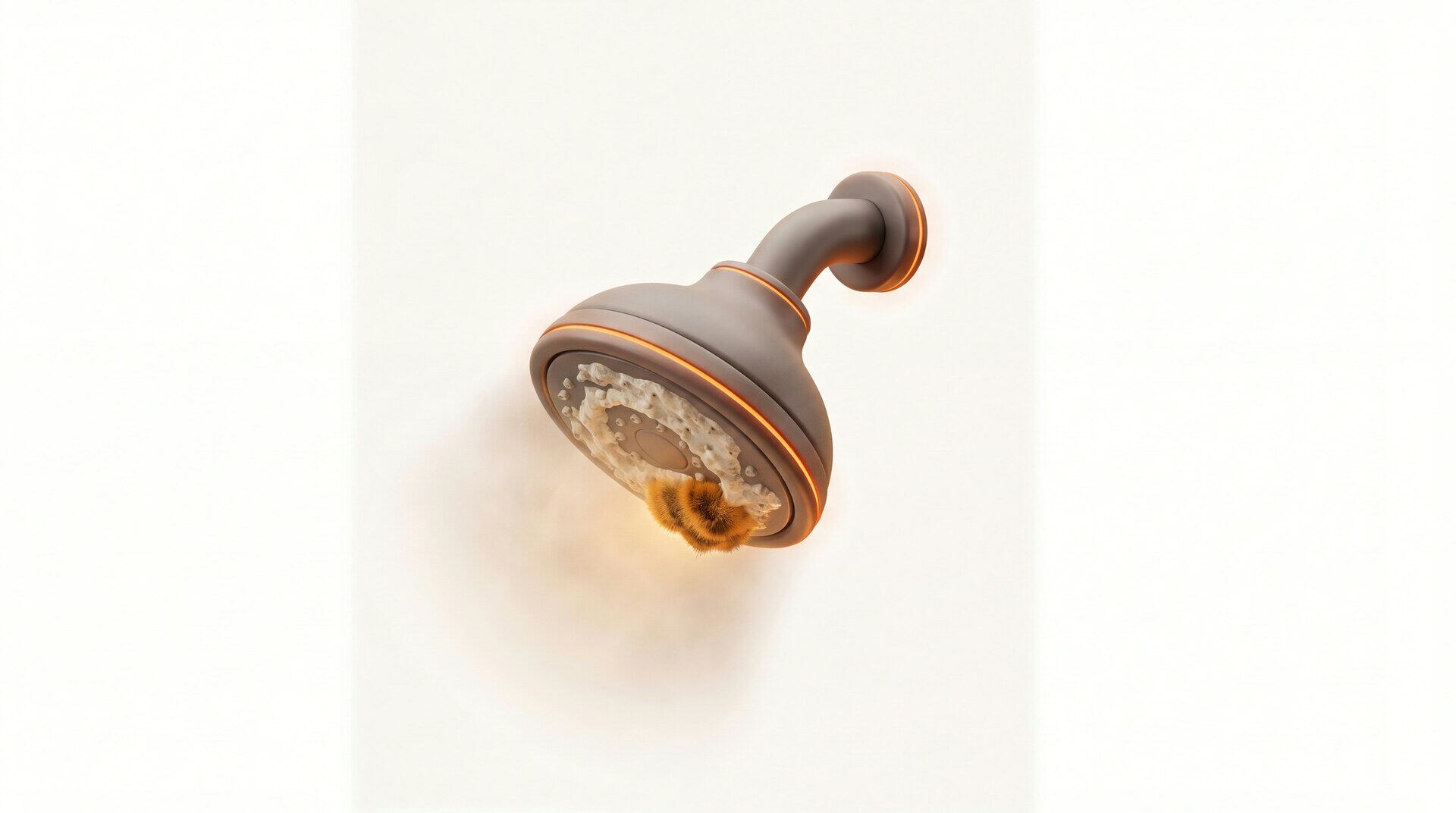
Pink mold is a nickname, not a species, and most of the time it isn't a fungus at all. That rosy or salmon film creeping along your shower grout is usually a bacteria called Serratia marcescens. It drifts through the air, lands on a wet surface, and builds a slick pink layer wherever soap residue gives it something to eat.
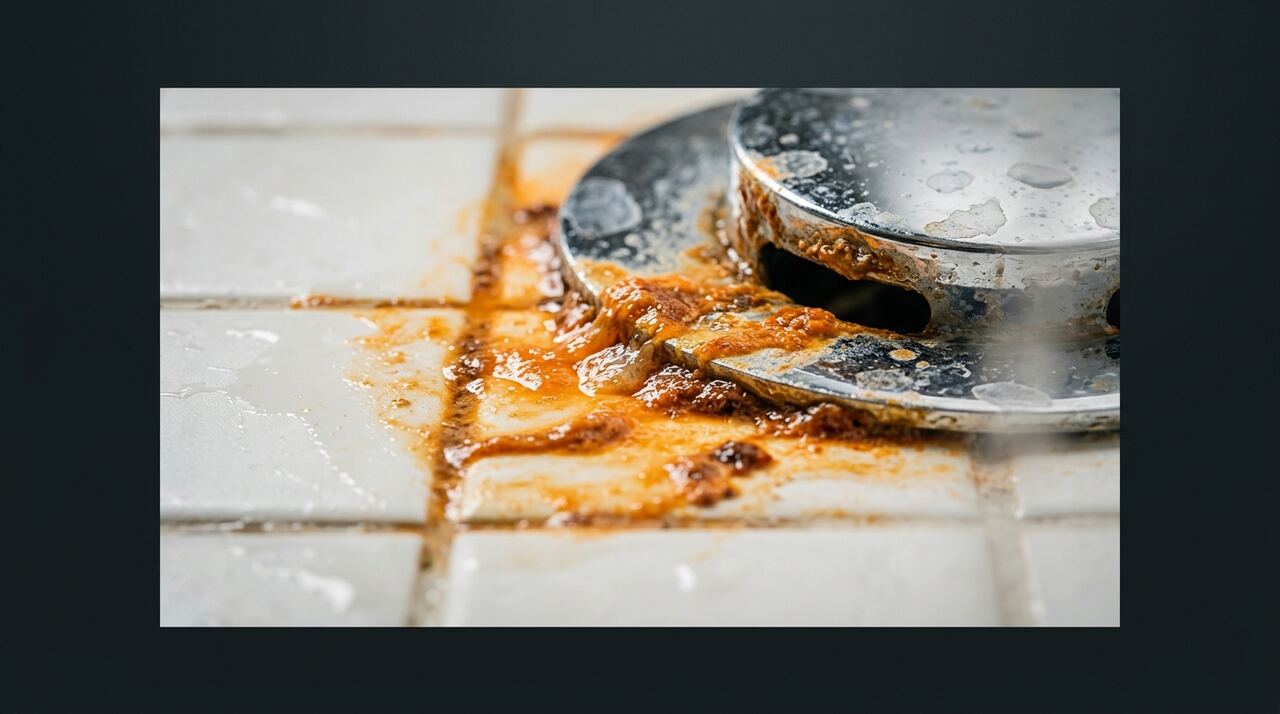
Serratia gets its color from a red pigment it produces. Depending on temperature and conditions, that pigment can read as bright pink, dull rose, or even orange, which is why the orange film in a shower is often the same bug. The pigment is the tell. Most other bathroom growth shows up black or green instead.
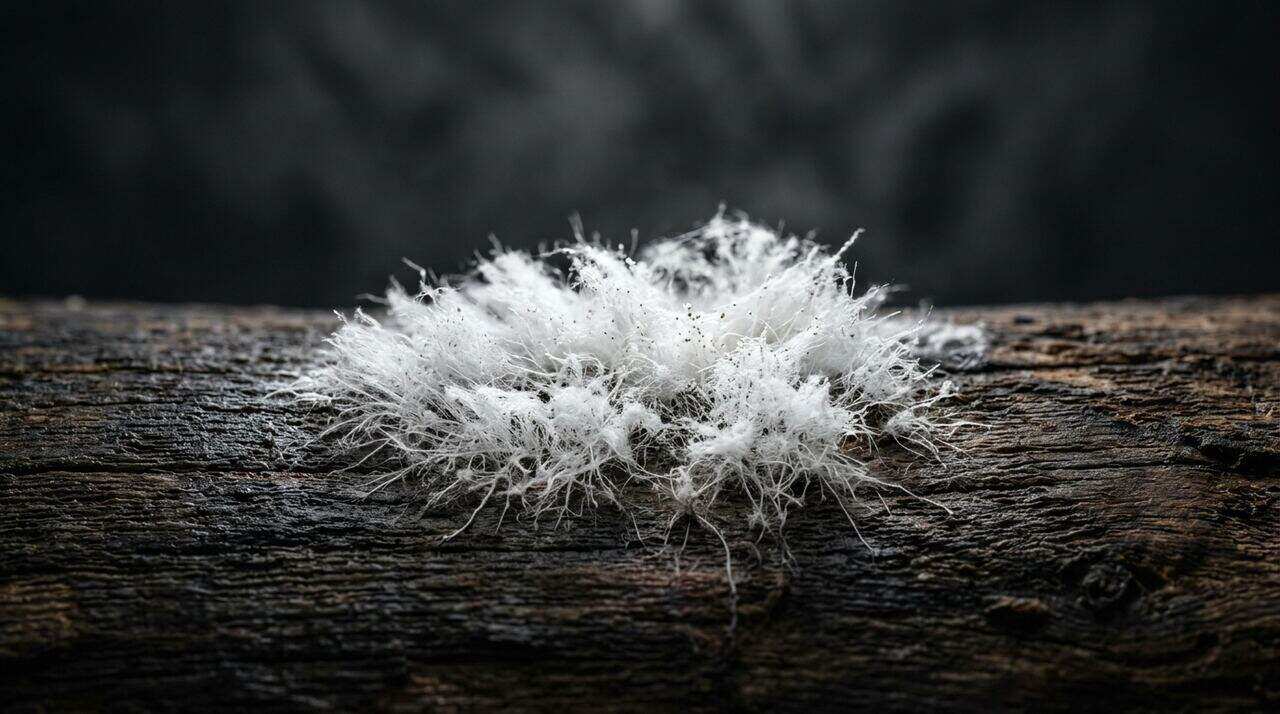
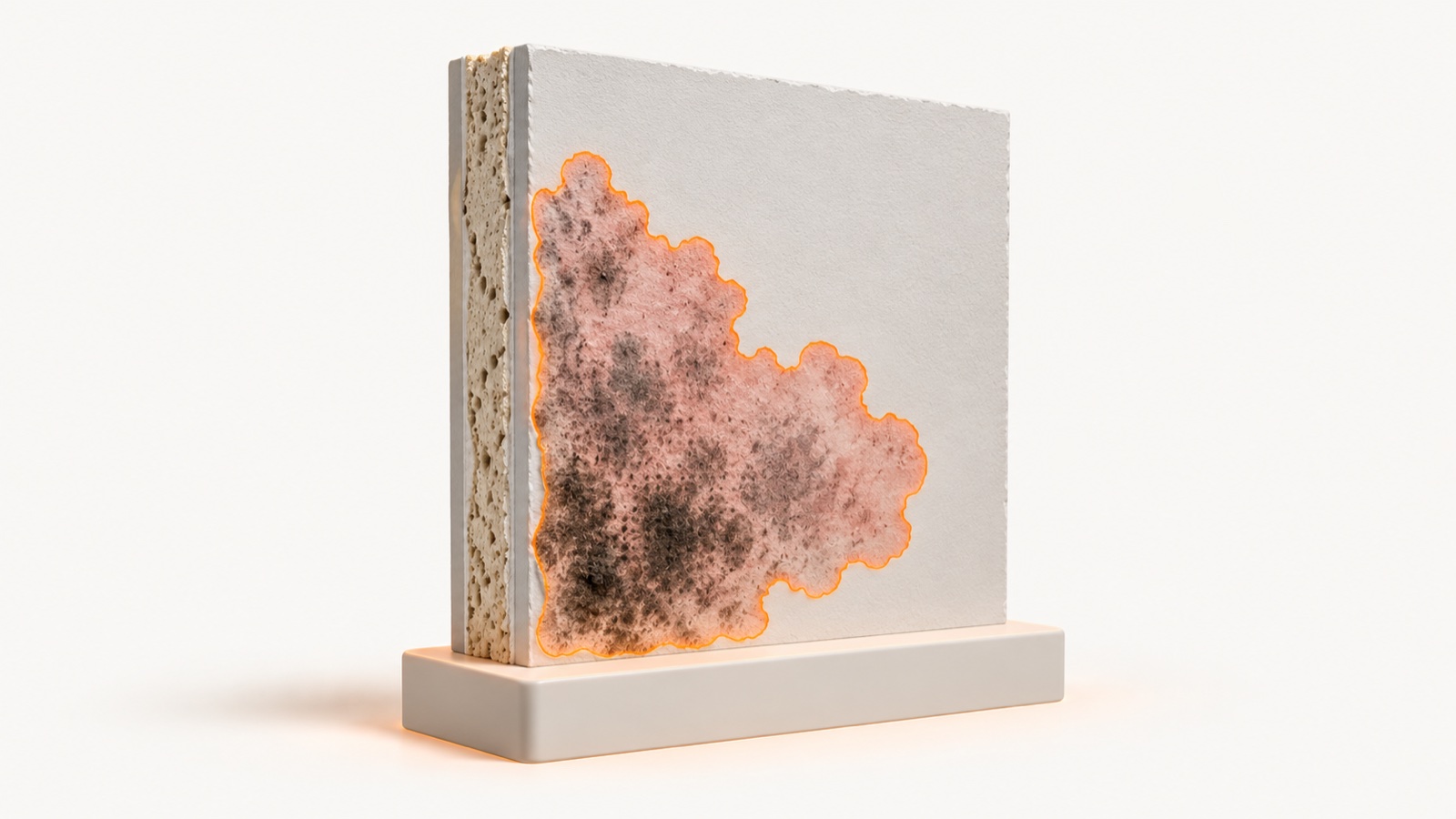
True pink fungi do exist. Aureobasidium pullulans starts out pink or pale and turns dark brown to black as it matures, and it likes caulk, window frames, and painted surfaces. A few damp-loving molds such as Fusarium can also carry a pinkish or salmon tint on wet organic material. But none of these are as common in bathrooms as the Serratia bacteria.
Here's the part that trips people up: you can't read the organism off the color. One bug shows several shades, and several organisms can all look pink. If you need to know exactly what you're dealing with, a lab test is the only sure answer. For the wider color picture, see our guide to the types of mold.
Where Pink Mold Grows
Pink film follows two things: water and soap. Anywhere a damp surface stays coated in the fatty residue from shampoo, body wash, or bar soap, Serratia can settle in. The usual spots are easy to predict.
- Shower and tub: Along grout lines, in corners, on the caulk seam, and where the curtain liner stays wet.
- Drains and fixtures: Around the drain cover, on the faucet base, and inside the overflow.
- Toilet bowl: A pink ring at the waterline, where standing water and mineral residue collect.
- Sinks and pet bowls: Bathroom sink edges, and any water bowl left out for a day or two.
- Humidifiers and bath toys: Tanks, reservoirs, and the inside of squeeze toys that hold water.
Real mold grows in bathrooms too, but it usually shows up black or green and digs into the grout or caulk rather than wiping away. If you see fuzzy, raised growth instead of a smooth slimy film, treat it as mold. Our pages on mold in the shower and mold in the bathroom walk through the hiding spots for each surface.
Is Pink Mold Dangerous?
For most healthy people, a pink ring in the bathroom is a cleaning chore, not an emergency. Knowing the real risks helps you judge your own situation.
On the allergy side, the CDC links mold and damp indoor conditions to a stuffy nose, coughing, wheezing, a sore throat, and itchy or burning eyes, with stronger reactions in people who have asthma or a mold allergy. Those effects come from breathing spores over time, not from one look at a pink spot.
The bacteria behind most pink film, Serratia marcescens, is considered opportunistic. That means it mostly causes trouble for people who are already sick or who get it somewhere it shouldn't be. It has been linked to urinary tract infections, eye infections in contact lens wearers, and wound infections. So it's sensible to keep it off open cuts, away from contact lens cases, and out of reach of anyone with a weakened immune system.
The honest takeaway: the pink itself is usually mild, but it's a flag that a surface stays wet. That same moisture can feed hidden mold you can't see. If anyone in the home has ongoing symptoms, the right move is to talk to a licensed physician rather than self-diagnose from a website.
How to Remove Pink Mold
Most pink film sits on hard, non-porous surfaces, so it lifts off with a little work. Match the method to the surface.
Non-porous surfaces (tile, glass, plastic, sealed grout)
- Spray the area with 3% hydrogen peroxide, undiluted white vinegar, or a standard bathroom cleaner. Let it sit about 10 minutes.
- Scrub the grout lines, corners, and drain with a stiff brush, then rinse well.
- Dry the surface with a towel or squeegee. The bacteria need that water film to restart.
- Wash fabric shower curtains and replace cheap vinyl liners that hold growth in the seams.
- Clean weekly. The film comes back fast if soap scum stays, so removing its food source matters as much as the scrub. A dedicated mold cleaning product helps for stubborn spots.
Porous and semi-porous surfaces (wood, drywall, old caulk)
- For a small area under 10 square feet, spray with a no-bleach mold-control product or 3% hydrogen peroxide, scrub, and dry fully.
- If a true pink fungus has soaked into drywall, insulation, or failing caulk, cleaning won't reach the roots. Cut out and replace the affected section.
- Wear an N95 mask, gloves, and goggles. Scrubbing throws spores and bacteria into the air.
For anything larger than 10 square feet, stop and hire a qualified mold remediation professional. Look for firms that follow the IICRC S520 standard. ACAC or RIA credentials and state licenses count too. For a water event, use our free water-damage documentation helper to record accessible conditions without a risk score. And if a landlord is dragging their feet on a leak, our tenant mold complaint letter generator drafts a paper trail in minutes.
Skip the bleach on porous surfaces. On wood and drywall, the chlorine stays on top while the water soaks in and feeds the regrowth underneath. A mold-control product, hydrogen peroxide, and plain physical removal work better. Never mix bleach with ammonia or other cleaners, because the combination makes a poison gas.
Preventing Pink Mold
Pink film runs on moisture and soap. Take away either one and it can't hold on. A few habits keep it gone.
- Run the exhaust fan. Keep it on during every shower and for 30 minutes after. No fan? Crack a window or have one installed.
- Squeegee after each shower. Thirty seconds of wiping the walls and door strips the water film that bacteria need to start.
- Clean the shower weekly. Wiping away soap scum removes the exact food source Serratia feeds on.
- Keep humidity below 50 percent. A small hygrometer costs about $10 to $20. Run a dehumidifier in any room that stays above that line.
- Empty standing water. Refresh pet bowls daily, dry bath toys, and clean humidifier tanks often.
- Fix leaks within 24 to 48 hours. A wet surface can grow mold in that window, so dry it fast and repair the source.
Stay ahead of the moisture and you rarely have to scrub. Prevention costs a squeegee and a fan timer. Remediation costs a weekend or a contractor.
Frequently asked questions
Is pink mold actually mold?
Usually not. The pink or reddish film on shower tile, grout, drains, and toilet bowls is almost always Serratia marcescens, a common bacteria. It feeds on the soap scum and body oils left behind after a shower. It wipes off non-porous surfaces with light pressure, but it returns fast if the soap film stays. A true pink fungus called Aureobasidium does exist, but it usually darkens to brown or black as it ages.
Is pink mold dangerous?
For most healthy people, the pink film in a bathroom is low risk. The CDC links mold and damp exposure to a stuffy nose, coughing, wheezing, and itchy eyes, with stronger reactions in people who have asthma or weak immune systems. The Serratia bacteria behind most pink film is opportunistic, which means it mostly causes infections in people who are already sick or who get it into a cut, the eyes, or the urinary tract. Clean it promptly, keep it off open wounds and contact lenses, and talk to a licensed physician about any symptoms.
How do you get rid of pink mold in the shower?
Spray the film with 3% hydrogen peroxide, white vinegar, or a bathroom cleaner, let it sit about 10 minutes, then scrub the grout and corners with a stiff brush and rinse. Dry the surface fully. Wash or replace shower curtain liners. The film feeds on soap scum, so clean weekly and squeegee the walls after each shower to remove its food source and slow regrowth.
Why does pink mold keep coming back?
Pink film returns because its food source and water source are still there. Serratia bacteria float through the air and settle on any wet surface coated in soap scum, shampoo residue, or body oil. If you scrub the pink away but leave the soap film and the humidity, it regrows within days. The fix is to remove the food, remove the water, and keep bathroom humidity below 50 percent.
What is the difference between pink mold and orange mold?
Often there is no difference in the organism. The pink ring and the orange film in showers usually come from the same bacteria, Serratia marcescens, which makes a pigment that ranges from pink to orange depending on conditions. True orange molds like Acremonium and Fusarium are separate fungi that prefer damp wood and corners. Color alone cannot tell you which organism you have.
Sources
Every claim on this page traces to one of these. Links open the primary document.