Looks more colorful than white? Compare green mold, orange mold, yellow mold, or all 12 types of mold.
What Is White Mold?
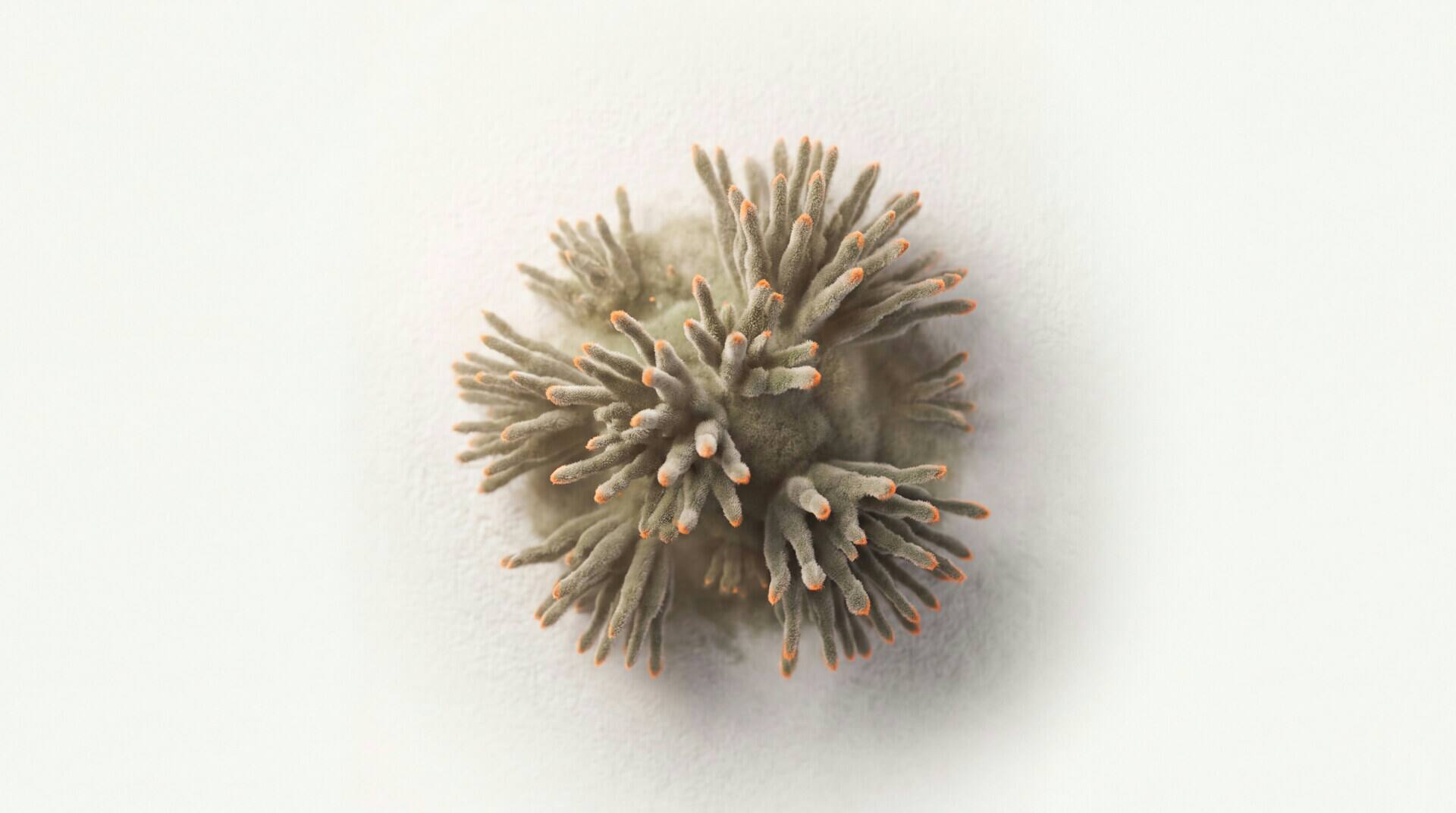
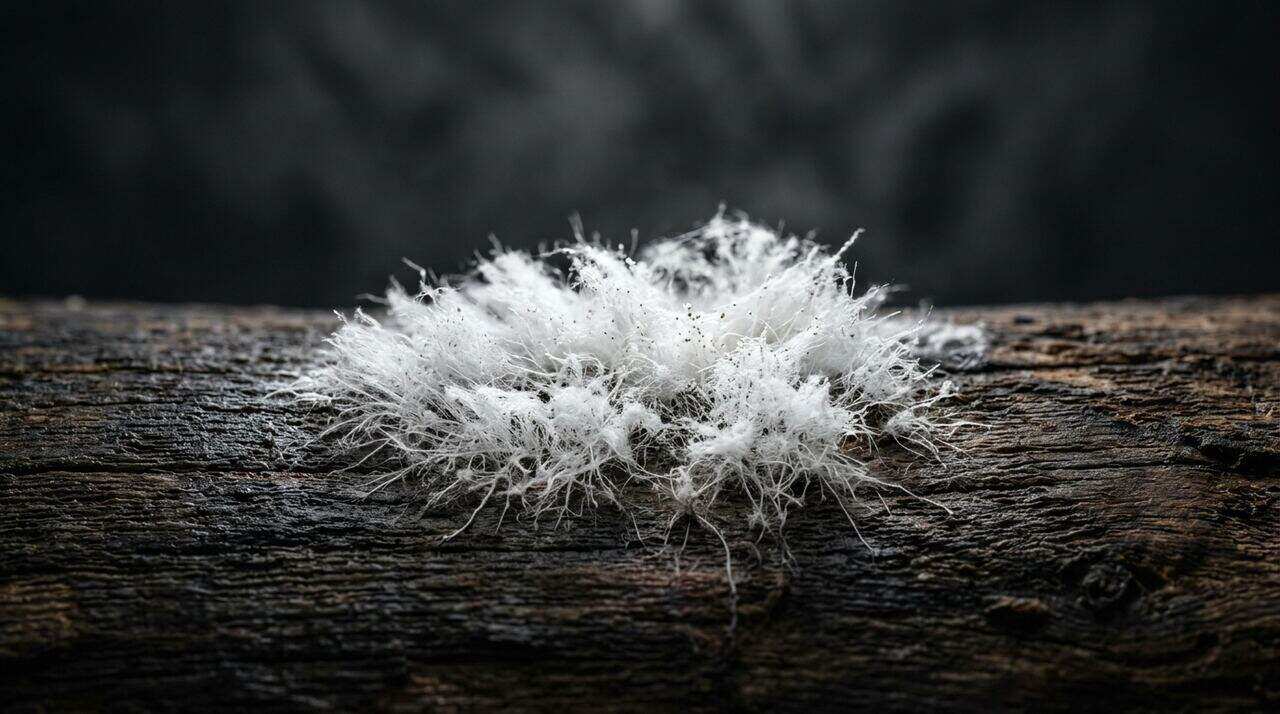
White mold isn't one species. It's a label for any mold that looks white, off-white, or pale gray to the naked eye. Indoors, that usually means Penicillium, Aspergillus, or Cladosporium. All three are common house molds, and all three can grow pale colonies.
Many molds start out white. A young colony hasn't made spores yet, and spores carry most of a mold's color. So the white fuzz you spot on a damp board today can turn green, gray, or black over the next week as it matures. Some species also stay light for life. Plenty of Aspergillus and Penicillium strains keep a pale, powdery look from start to finish.
Texture gives you more clues than color does. White mold can look fuzzy like cotton, flat like a dusting of flour, or stringy like fine roots spreading across a surface. On crawl space joists it often shows up as patchy white fuzz. On fabric it tends to form a thin gray-white film with a musty smell.
One thing color can't do is name the species. That's the same stance we take on green mold and yellow mold: the color is a clue, never an ID. A white patch could be a mild allergen or a species you'd rather not breathe around, and lab testing is the only way to know. For a visual tour of colors, textures, and lookalikes, see our guides to what mold looks like and the 12 common types of household mold.
White Mold vs Efflorescence: The Spray Bottle Test
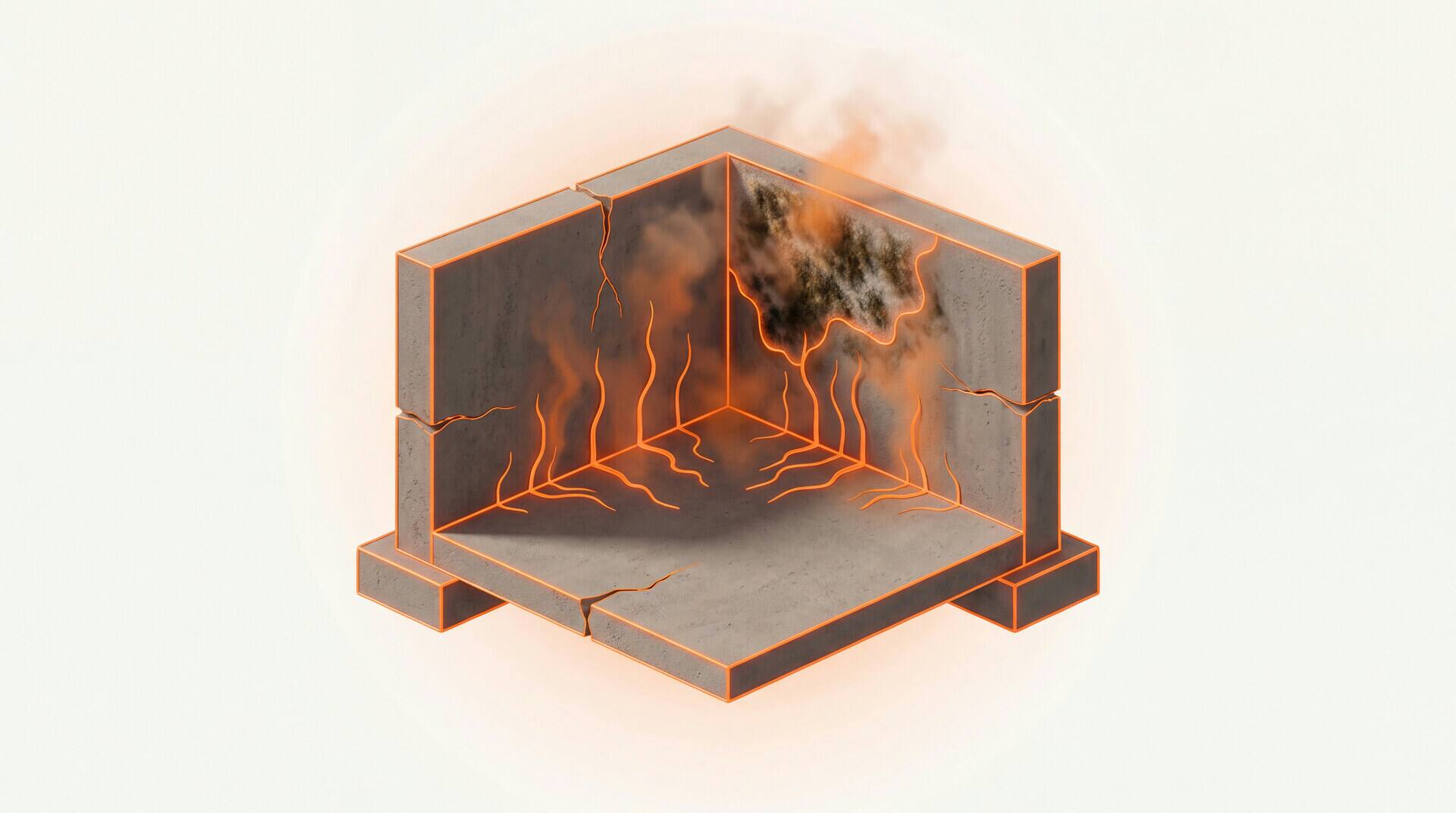
The most common white mold lookalike isn't mold at all. It's efflorescence, a chalky white deposit that forms on concrete, brick, block, and stone. Water moves through the masonry, dissolves minerals inside it, then evaporates at the surface and leaves the salt behind. Efflorescence is mineral salt. It's not alive, it doesn't spread on its own, and it doesn't grow roots.
Telling the two apart takes a spray bottle and thirty seconds. Mist the white patch with plain water and watch what happens:
- Efflorescence dissolves. The salt crystals melt into the water, and the white film smears or disappears while it's wet.
- Mold doesn't dissolve. The patch stays fuzzy, soft, or stain-like no matter how wet it gets.
A few more tells help confirm the call:
- Surface. Efflorescence forms on masonry only. A white patch on wood, drywall, fabric, or soil is not efflorescence.
- Texture. Efflorescence is crystalline and crumbles into dry powder under a gloved finger. Mold feels soft, fuzzy, or slimy.
- Pattern. Efflorescence follows the path water takes through a wall, often in streaks or tide lines. Mold grows in roundish colonies that expand over time.
Both point to the same root problem: water moving where it shouldn't. Even harmless efflorescence means moisture is passing through your foundation or slab, and damp masonry can feed real mold on any organic material nearby. Our mold on concrete guide covers white deposits on basement walls and garage floors in more detail.
White Mold vs Mildew
People say "mildew" for almost any light-colored growth, so the two words blur together. To scientists, mildew means a narrow group of plant diseases, like the powdery mildew that coats squash leaves. The growth on your bathroom ceiling or windowsill is mold, no matter what the label on the cleaner says.
The practical difference comes down to depth. What most people call mildew is flat, powdery, surface-level growth that wipes off with a rag and a bathroom cleaner. Mold digs in. White mold on a basement joist or a drywall edge sends root-like threads (hyphae) into the material, so it returns after a surface wipe unless you treat it and dry the area.
One famous "mildew" isn't a fungus at all. The pink film that rings shower drains and curtains is a bacteria called Serratia marcescens, and it gets its own playbook in our pink mold in shower guide.
Where White Mold Grows in Homes
White mold favors cool, damp, still air and untreated organic surfaces. These spots come up again and again:
- Basements. Concrete wicks ground moisture, humidity sits high, and stored cardboard hands mold an easy meal. Check the lower edge of drywall, the backs of stored boxes, and anything leaning against an exterior wall. Our mold in basement guide walks the whole space.
- Crawl spaces. White fuzz on floor joists and subfloor is one of the most common finds in humid regions. Ground moisture rises, air barely moves, and raw lumber feeds the growth. See the mold in crawl space guide for vapor barriers and drying steps.
- Attic sheathing. Roof leaks, and bathroom fans that vent into the attic instead of outside, leave a white or gray bloom across the plywood. It can spread wide before anyone looks up there.
- Raw, unfinished wood. Framing lumber, stair undersides, furniture backs, and firewood stored indoors. Unsealed wood soaks up moisture and holds it.
- Fabric and leather. Closets on exterior walls, shoes, jackets, and upholstered furniture in damp rooms. The growth usually starts as a faint film you smell before you see.
- Potted-plant soil. White fuzz on the soil surface is usually a harmless mold feeding on the potting mix. It's still a sign of overwatering, and it can bother people with mold allergies.
Is White Mold Dangerous?
White mold sits in the same risk category as every other indoor mold. The color doesn't make it safer, and it doesn't make it worse.
The CDC links damp, moldy indoor spaces to stuffy nose, coughing, wheezing, sore throat, and itchy eyes or skin. People with asthma or mold allergies tend to react more strongly. The CDC also notes that people with weakened immune systems face a higher risk of infection from some molds, including certain Aspergillus species. Most healthy people handle small amounts of mold without lasting trouble.
Keep the color in perspective. Black mold gets the scary headlines, but a white Penicillium colony in your closet belongs to the same genus as a blue-green one in your basement, and your body reacts to the spores either way. The size of the growth and how long you breathe around it matter far more than the shade.
Two practical rules follow. First, treat any indoor mold as worth removing, whatever its color. Second, if someone in your home has symptoms that seem tied to the house, talk to a licensed physician, and fix the moisture problem in parallel.
How to Remove White Mold
Size decides who does the work. The EPA's threshold is 10 square feet, roughly a 3 by 3 foot patch. Under that, you can handle it yourself with basic gear. If the growth covers more than 10 square feet, keeps coming back after cleaning, or you can smell mold without finding it, hire a qualified mold remediation professional. Look for firms that follow the IICRC S520 standard; ACAC or RIA credentials and state licenses count too.
For small patches, work in this order:
Step 1: Stop the water. Find the leak, the condensation, or the humidity source and fix it first. A cleaned surface that stays damp regrows mold within 24 to 48 hours.
Step 2: Gear up. Put on an N95 mask, rubber gloves, and goggles. Scrubbing mold throws spores into the air. Open a window or run a fan blowing outward while you work.
Step 3: Match the cleaner to the surface.
- Hard, non-porous surfaces (tile, glass, metal, sealed concrete): Spray a no-bleach mold-control product like Concrobium Mold Control, 3% hydrogen peroxide, or undiluted white vinegar. Let it sit 10 to 15 minutes, scrub with a stiff brush, then wipe the surface dry.
- Raw wood (joists, framing, plywood): Treat with a mold-control product or 3% hydrogen peroxide and let it dry fully. If white staining remains, sand the surface lightly and treat again. Dry wood is the real cure; damp joists regrow mold no matter what you spray.
- Drywall: A light surface film on painted drywall can be cleaned like tile. If the growth returns, the paper is stained through, or the board feels soft, cut out the section and replace it. Mold inside drywall can't be cleaned away.
- Fabric: Wash in the hottest water the care tag allows and dry completely, outdoors in the sun if you can. Toss anything that still smells musty after washing.
- Potted plants: Scoop off the top inch of soil and water less. If the fuzz returns fast, repot with fresh mix in a clean pot.
Step 4: Vacuum with a HEPA filter. After everything dries, HEPA vacuum the area and the floor around it to capture settled spores. A regular vacuum blows them back into the room. Then recheck the spot weekly for a month.
Skip the bleach. On porous surfaces like wood and drywall, bleach fails in a specific way: the chlorine stays at the surface while the water it's mixed with soaks deeper and feeds the regrowth you were trying to kill. Never mix bleach with ammonia or other cleaners; the combination releases toxic gas. The best mold removal products, 3% hydrogen peroxide, or white vinegar handle white mold without those risks.
For the full room-by-room playbook, including containment and when to bag and toss materials, read our complete guide on how to get rid of mold.
How to Keep White Mold From Coming Back
Every white mold patch traces back to moisture. Take the moisture away and the mold has nothing to work with:
- Hold indoor humidity below 50 percent. A cheap hygrometer tells you where you stand. Run a dehumidifier in basements, crawl spaces, and any room that reads high through the seasons.
- Keep air moving. Mold loves dead air. Leave a gap between furniture and exterior walls, crack closet doors open, and run a fan in rooms that feel stale.
- Fix leaks within a day or two. Mold can establish on a wet surface in 24 to 48 hours, so speed beats perfection. Dry whatever got wet, then repair the source.
- Store smart. Keep cardboard boxes off concrete floors, use plastic bins in basements and attics, and don't press stored fabric against masonry walls.
- Vent moisture outdoors. Bathroom fans, kitchen hoods, and dryer vents should all end outside the house, never in the attic or crawl space.
- Watch cold surfaces. Condensation on windows, pipes, and north-facing walls is a standing invitation. Wipe it down, and add insulation where it keeps happening.
What causes white mold, and why it looks fluffy
What causes white mold is not a different organism from what causes any other mold. It is water sitting somewhere long enough for something airborne to land and take hold. Three conditions have to line up: a damp surface, a material to feed on, and still air. Remove any one of them and growth stops.
In practice that means the same short list of causes turns up over and over: a crawl space or basement holding humidity above roughly 60 percent, condensation on cold surfaces such as concrete walls, window frames, and uninsulated ducts, a slow leak nobody has found yet, wet lumber that was closed into a wall or a floor before it dried, and stored cardboard or fabric pressed against an exterior wall where no air moves.
The fluffy look people describe has a plain explanation. When growth starts on a surface with plenty of moisture and no disturbance, the fine filaments stand up off the material rather than lying flat, which reads as white fuzz or cotton. Wiped surfaces and drier growth look flat and powdery instead. The texture tells you about the conditions and the age of the patch, not about the species.
One thing worth ruling out before you clean: white fluffy growth on masonry, concrete, and block is very often efflorescence, which is mineral salt rather than mold. The spray bottle test above separates them in a few seconds, and it is worth doing before you buy anything.
Frequently asked questions
Is white mold dangerous?
White mold carries the same potential risks as any other indoor mold. The CDC links damp, moldy indoor spaces to stuffy nose, wheezing, coughing, and itchy eyes or skin, with stronger reactions in people who have asthma or mold allergies. Color can't tell you the species or the risk level. Clean small patches promptly, fix the moisture source, and talk to a licensed physician about any symptoms.
How can I tell white mold from efflorescence?
Spray the patch with plain water. Efflorescence is mineral salt left behind by water moving through concrete or brick, so it dissolves and smears away when wet. Mold is alive and won't dissolve. Efflorescence only forms on masonry and crumbles into dry powder when rubbed. Mold also grows on wood, drywall, fabric, and soil, and it stays fuzzy or soft no matter how wet it gets.
What kills white mold on wood?
Spray a no-bleach mold-control product or 3% hydrogen peroxide on the wood and let it sit 10 to 15 minutes. Scrub with a stiff brush, let the wood dry fully, then sand lightly and treat again if staining remains. Skip bleach: on wood, the chlorine stays at the surface while the water soaks in and feeds regrowth. Wear an N95 mask, gloves, and goggles while you work.
Why does white mold grow in basements?
Basements stay cool, damp, and still, which is exactly what mold wants. Ground moisture wicks through concrete walls and floors, humidity often sits above 50 percent, and the air barely moves. Stored cardboard, fabric, and raw wood framing give white mold an easy food source. Run a dehumidifier, keep storage off the floor and away from exterior walls, and fix leaks quickly.
Is white mold the same as mildew?
Not quite. Mildew is the casual word for flat, powdery growth that wipes off a surface, and scientists reserve the term for certain plant diseases. White mold tends to grow deeper into wood, drywall, and fabric, so it comes back after a surface wipe. The response is the same either way: clean the growth, then dry out the room so it can't return.
Sources
Every claim on this page traces to one of these. Links open the primary document.