Not green after all? Compare orange mold, yellow mold, white mold, or all 12 types of mold.
Real green mold photos
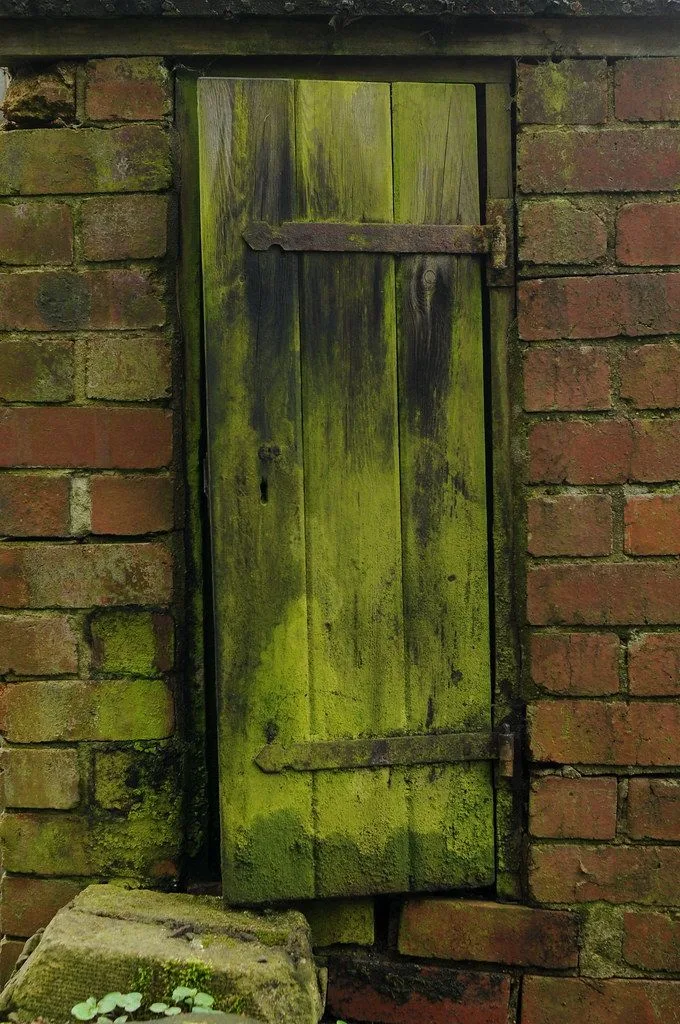
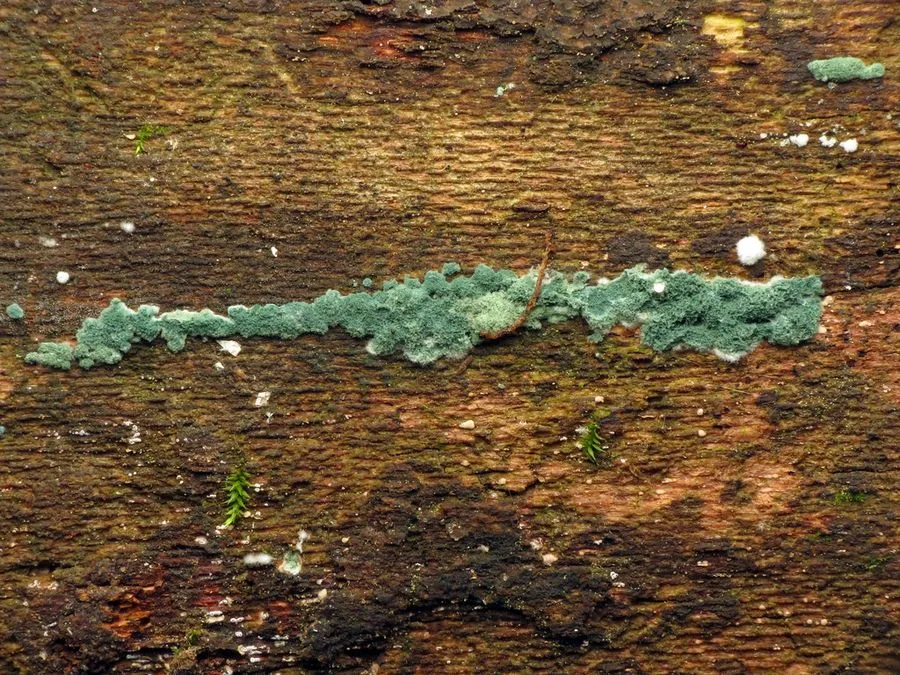
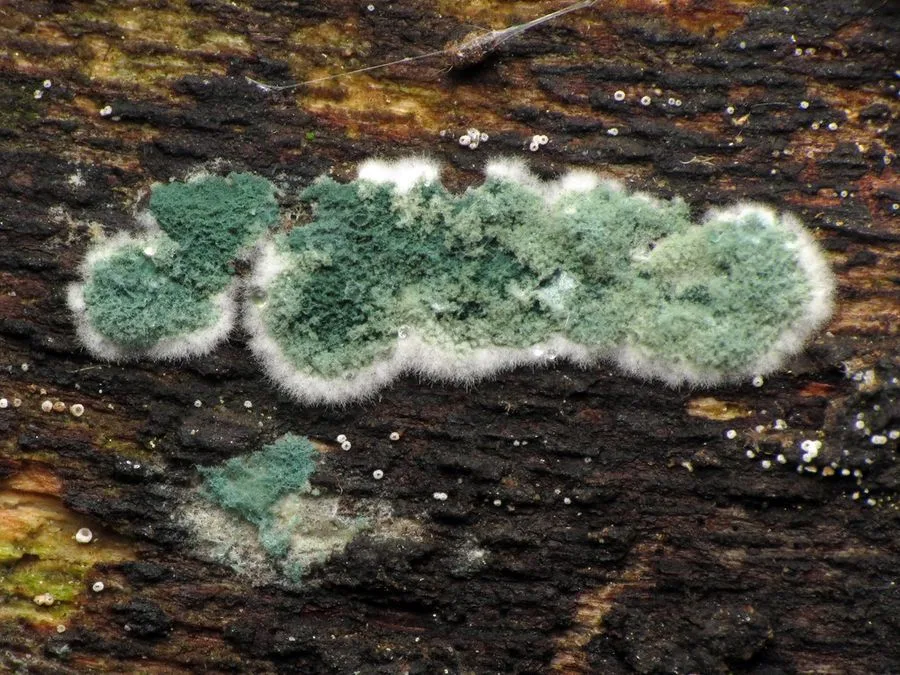
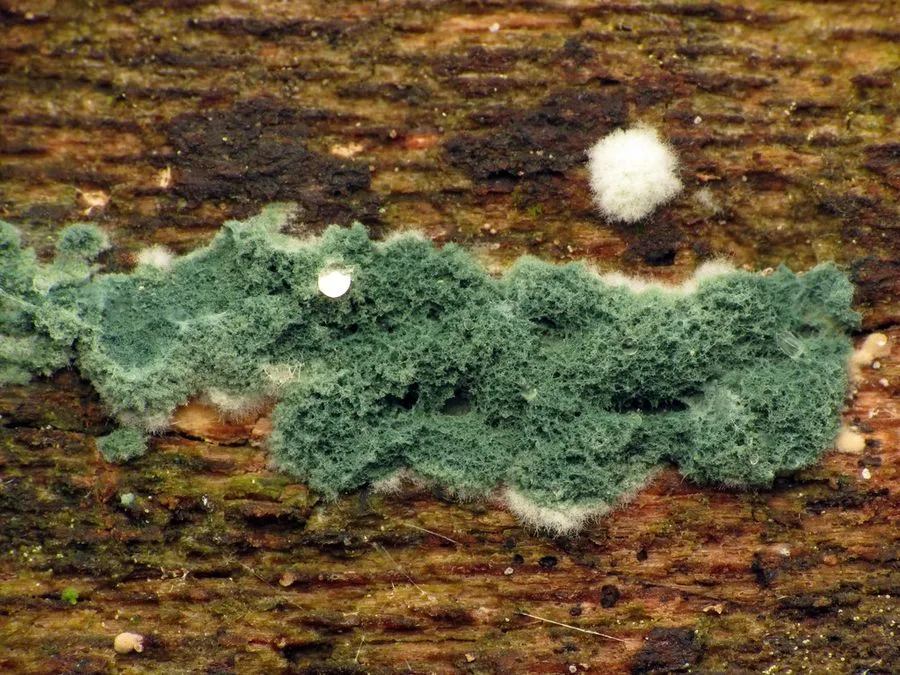
Real, unedited photos of green mold on wood, surfaces, and around the home, so you can compare against what you are seeing.
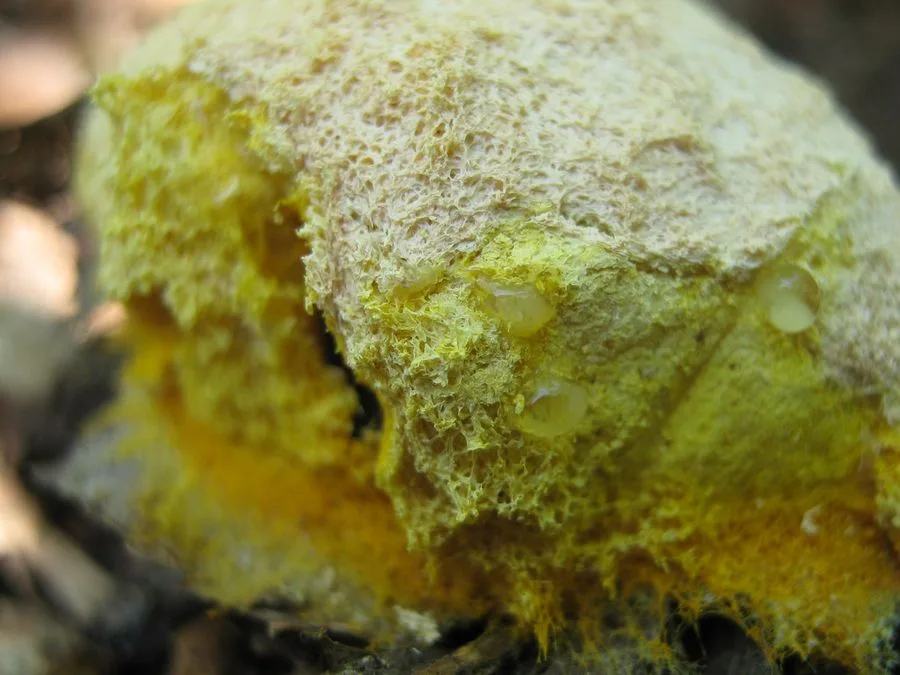
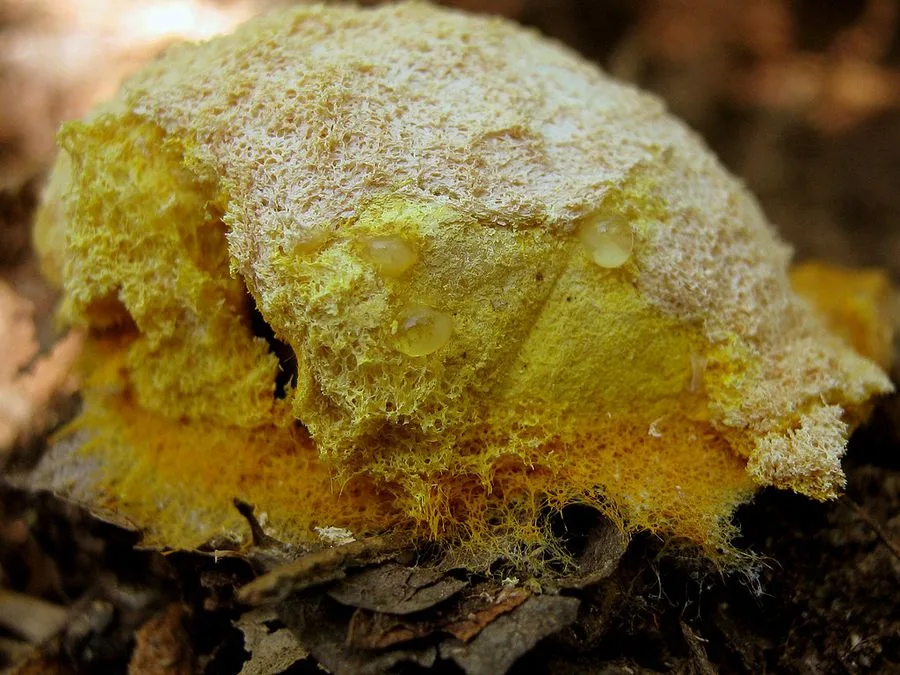
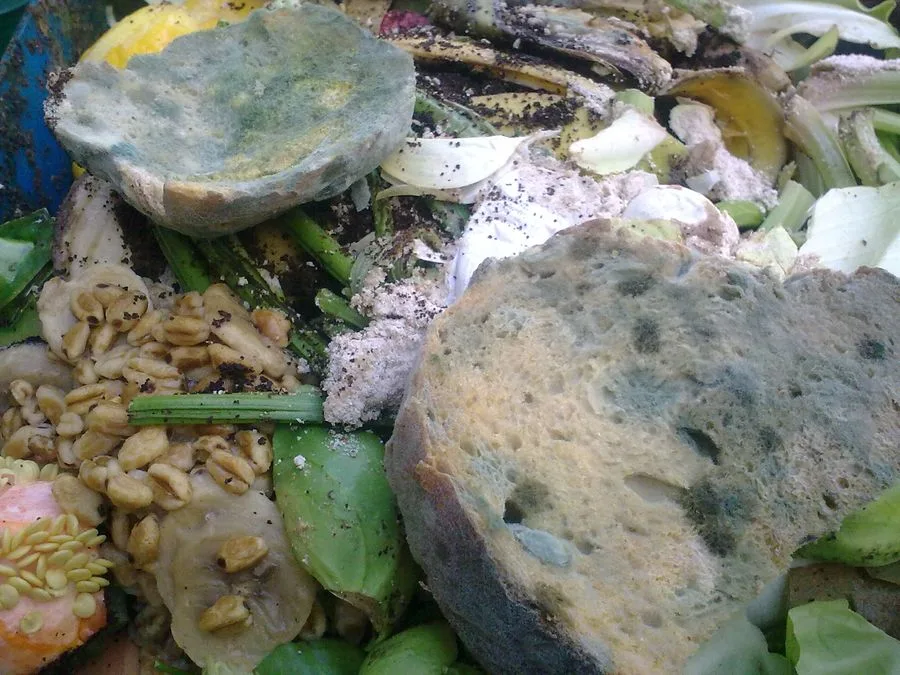
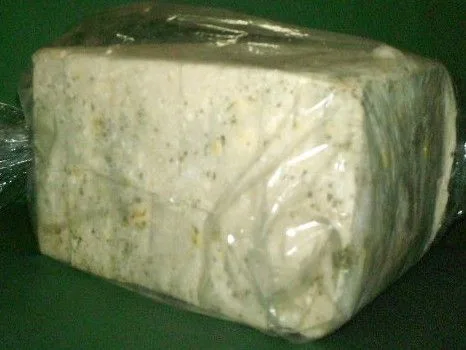
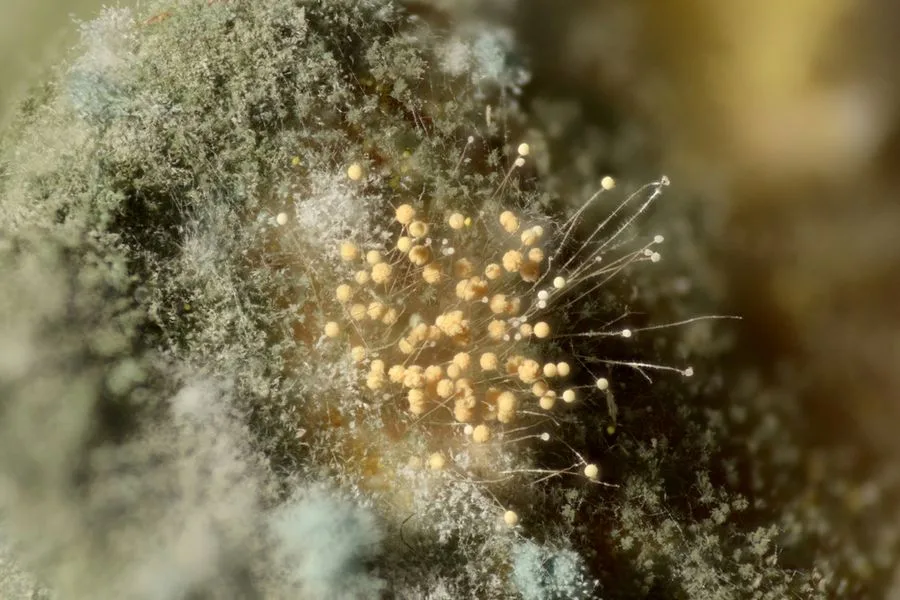
What Is Green Mold?
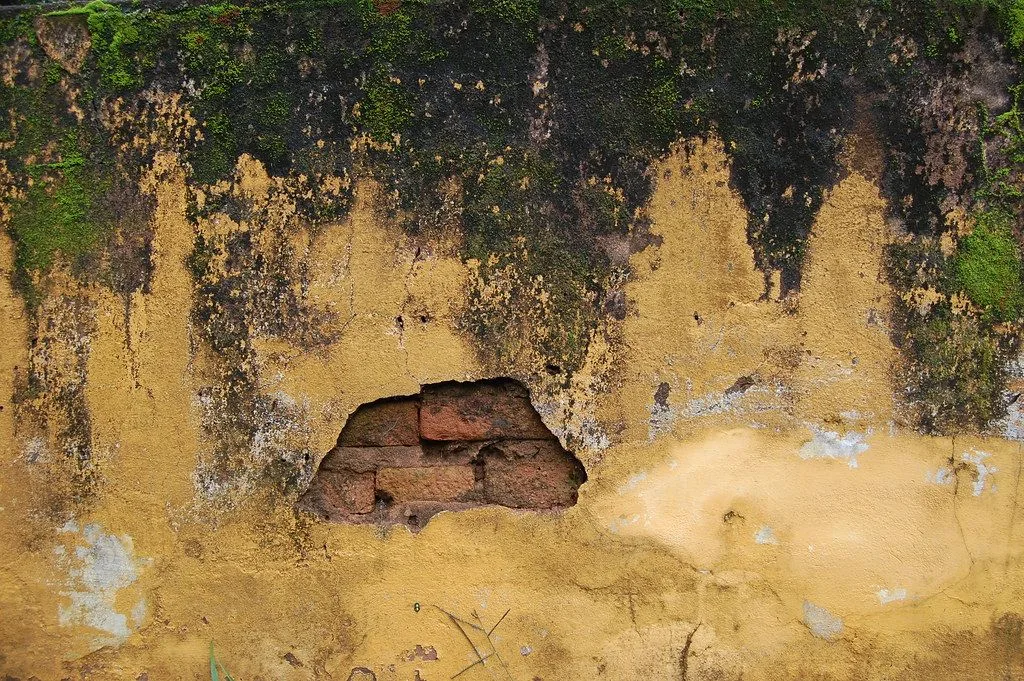
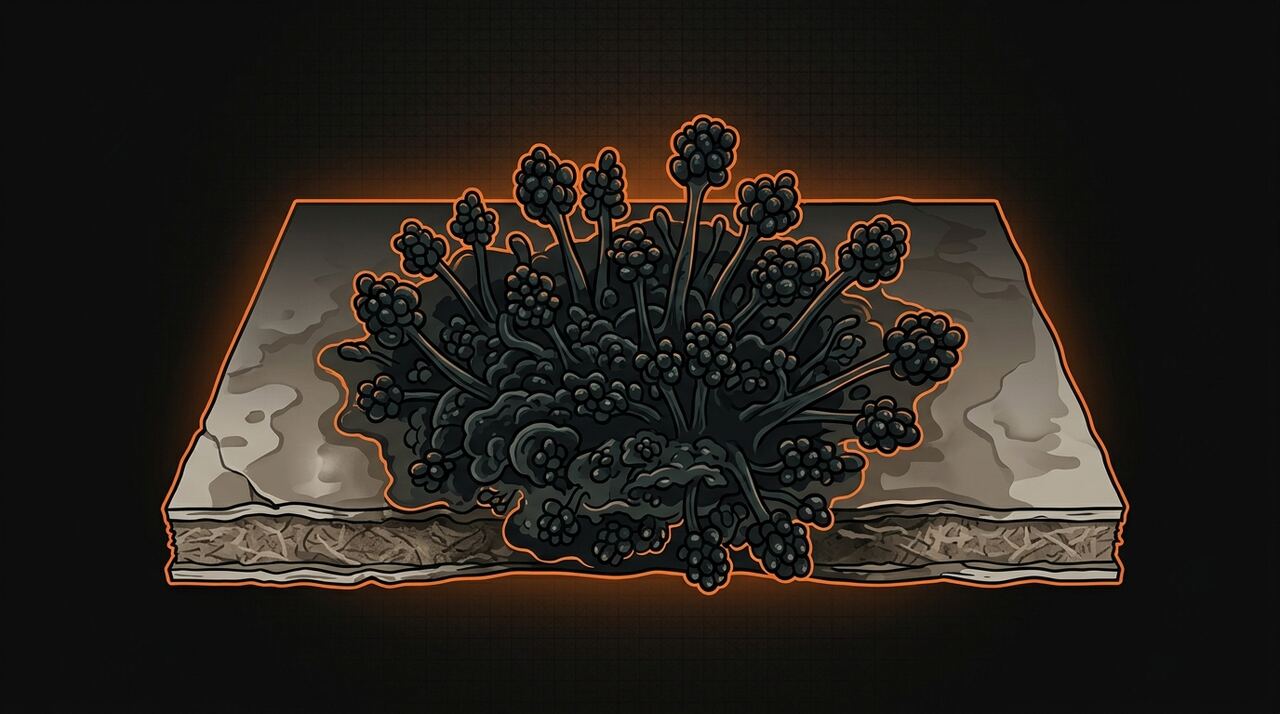
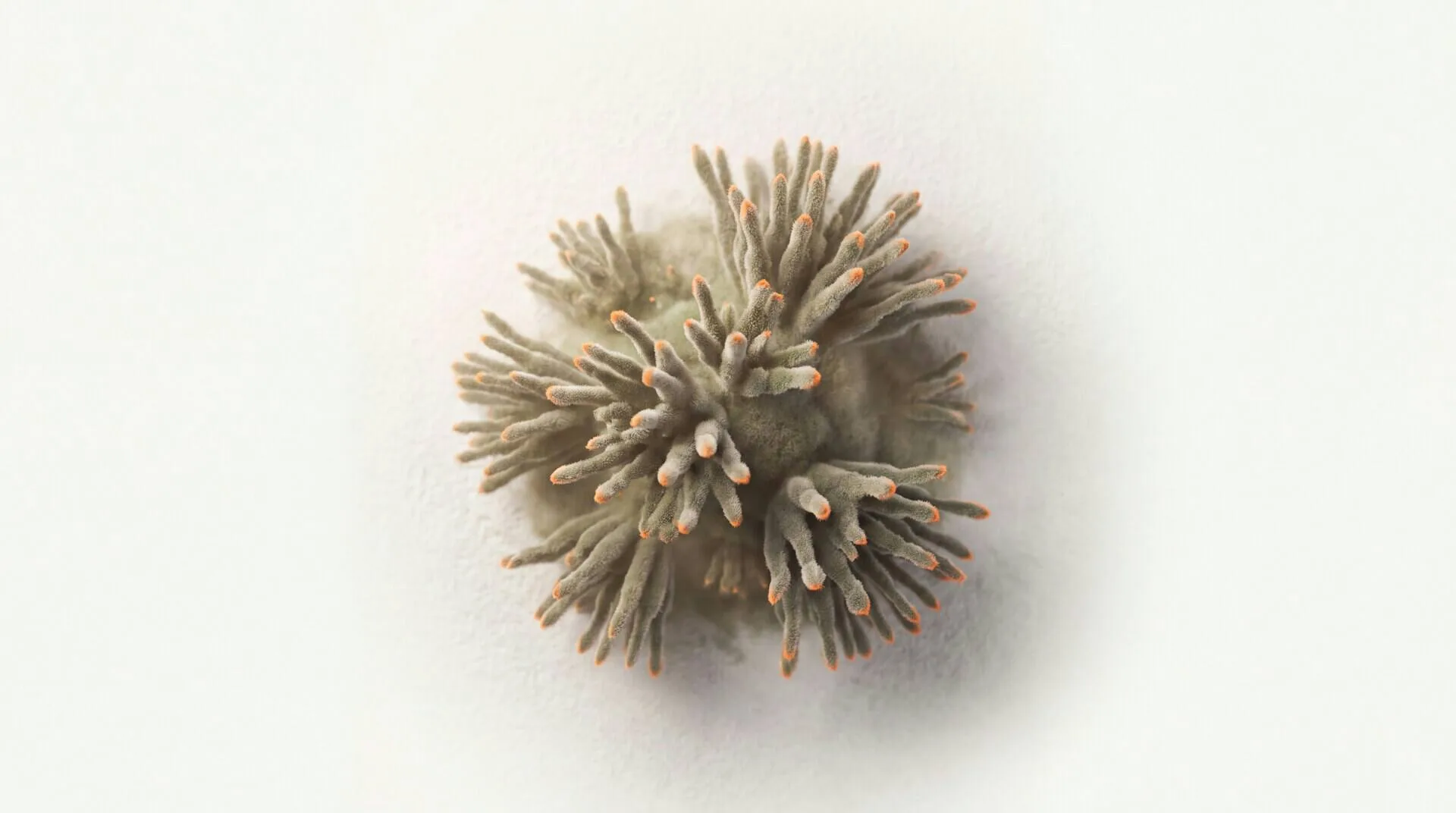
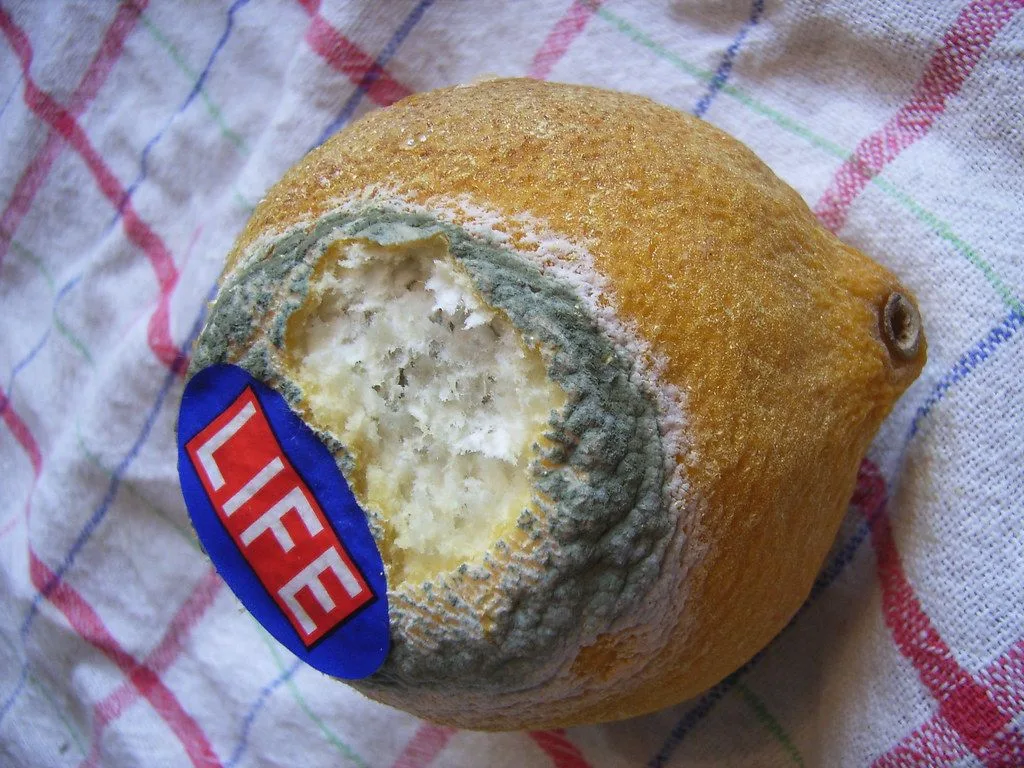
Green mold is not a single species. It is a description of any mold that appears green to the naked eye. Dozens of mold species can look green, ranging from bright lime green to dark forest green to blue-green. The three most common green molds found in homes are Penicillium, Aspergillus, and Cladosporium.
Color and surface appearance cannot establish a species, source, or health risk. A mold detection app can screen the visible surface from a photo, but it cannot confirm the species either. CDC advises treating indoor mold as a moisture problem that should be cleaned up and corrected, without requiring identification of the type.
Why color and species labels are not a risk ranking

Several kinds of mold may appear green, and a single kind may appear in more than one color. CDC says color does not indicate whether mold is more or less dangerous. Do not use a visual label to rank toxicity, predict symptoms, or choose a medical response. The practical action is to correct moisture and clean visible mold safely. So can mold be green in color? Yes, mold green color is common across dozens of species, and in dim light, is mold green or black is often impossible to tell from an eye alone.
Is Green Mold Dangerous or Harmful?
Dangerous and harmful are the two words people use for this, and the answer is the same for both: the color does not decide it. What decides it is how much there is, how much of it you are breathing, and who is in the room. CDC advises treating any indoor mold as a moisture problem that should be addressed. It does not provide health-based indoor mold standards or a color- or species-based toxicity ranking. People with asthma, allergies, chronic lung disease, or weakened immune systems should discuss personal health concerns with a licensed health care professional. How dangerous is green mold specifically? No more or less than mold of any other color; the size of the colony and who is exposed matter far more than the shade.
Where Green Mold Grows in Homes
Green mold follows moisture. If you have green mold, you have a moisture problem. Here are the most common locations:
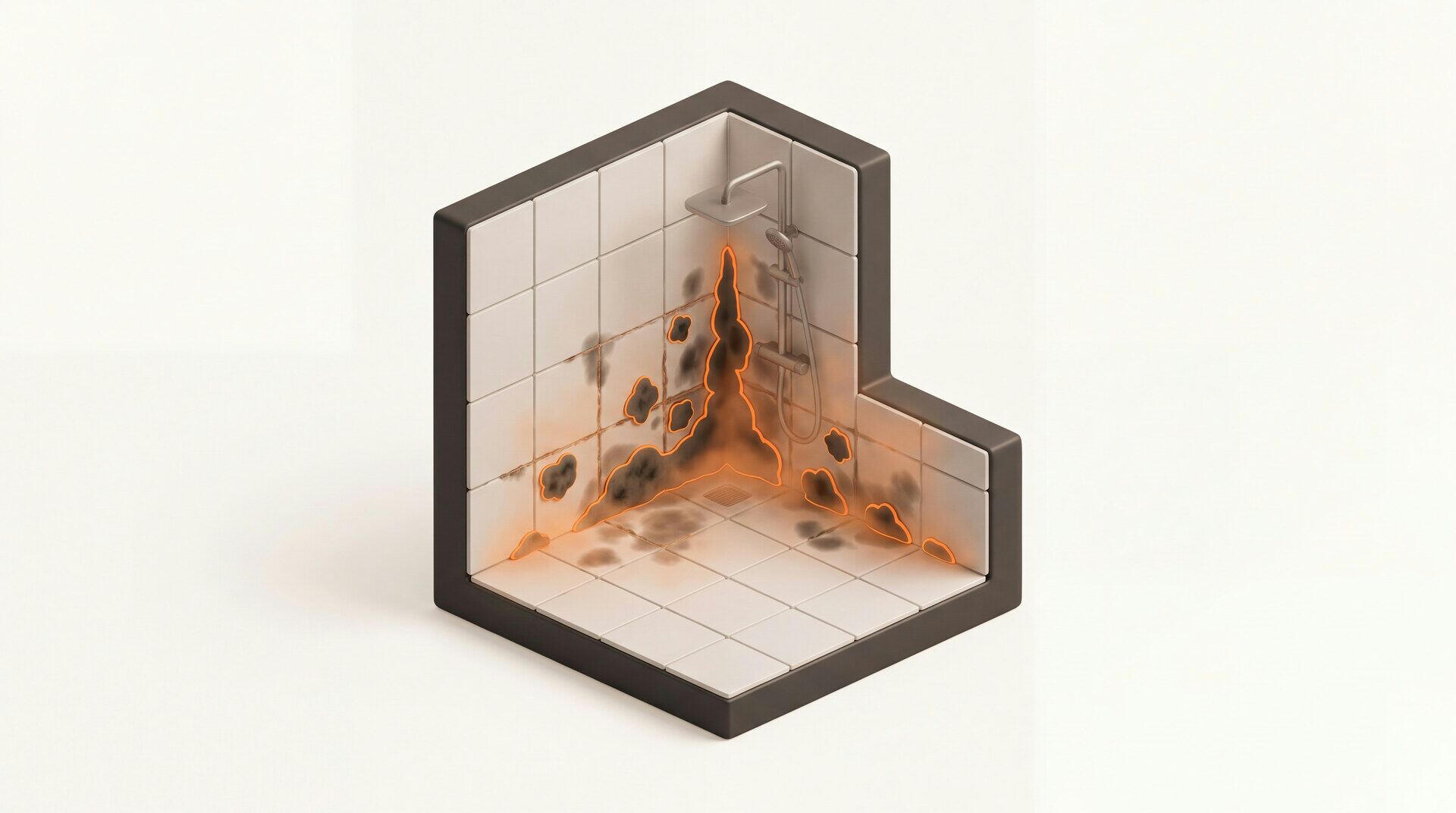
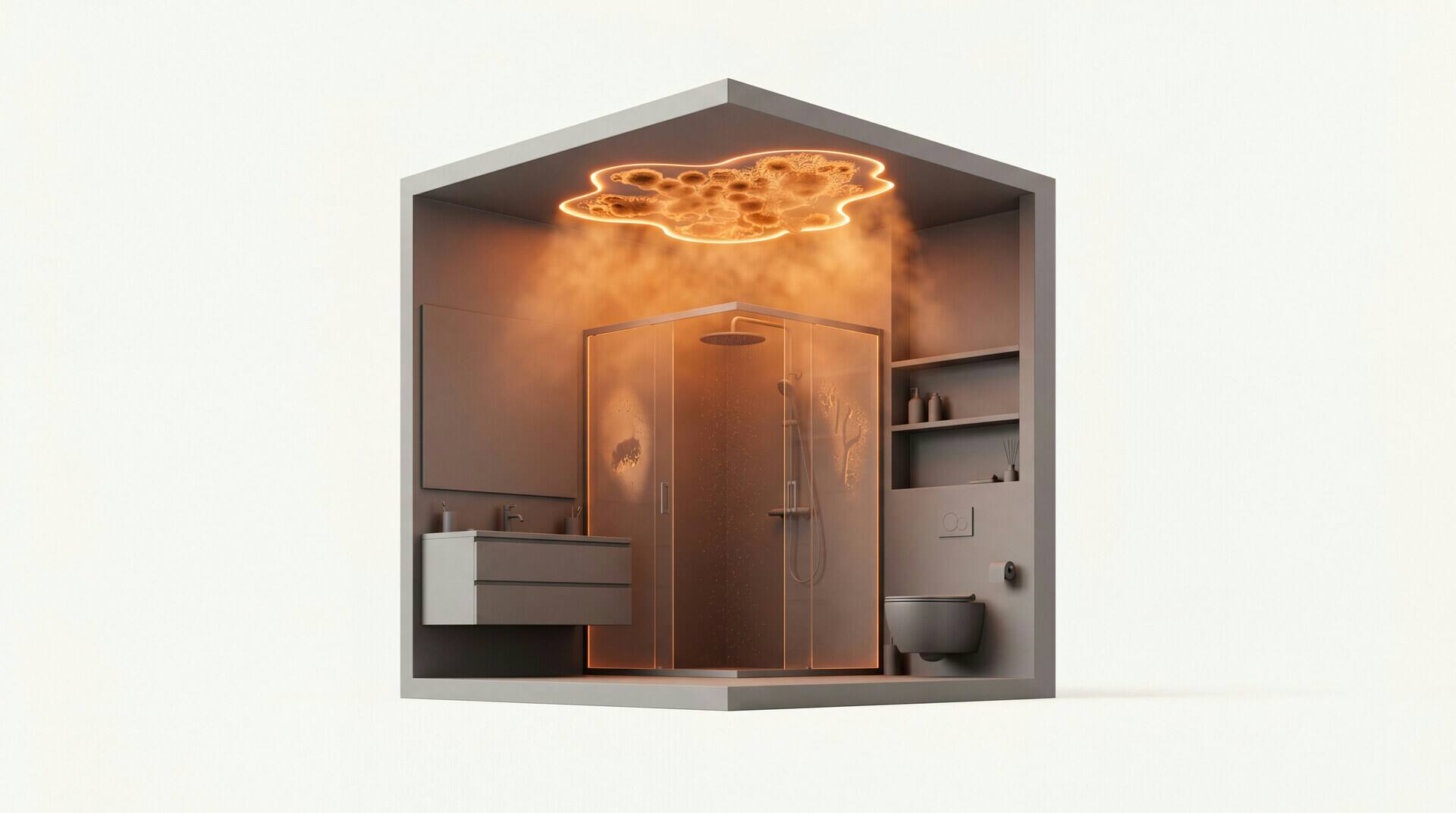
Bathroom: Shower walls, grout lines, ceiling above the shower, under the sink, around the toilet base, and behind the vanity. Bathrooms provide the trifecta green mold needs: humidity, warmth, and organic surfaces.
Kitchen: Under the sink (P-trap drips, supply line leaks), inside the dishwasher door gasket, behind the refrigerator drip pan, and on stored food (bread, fruit, cheese).
Basement: Drywall lower walls where foundation moisture wicks up, on stored cardboard boxes, carpet and carpet pad on concrete floors, and around window wells.
HVAC system: On the evaporator coil, inside ductwork, on the drip pan, and on supply register ceiling halos. Green mold in your HVAC spreads spores to every room in the house.
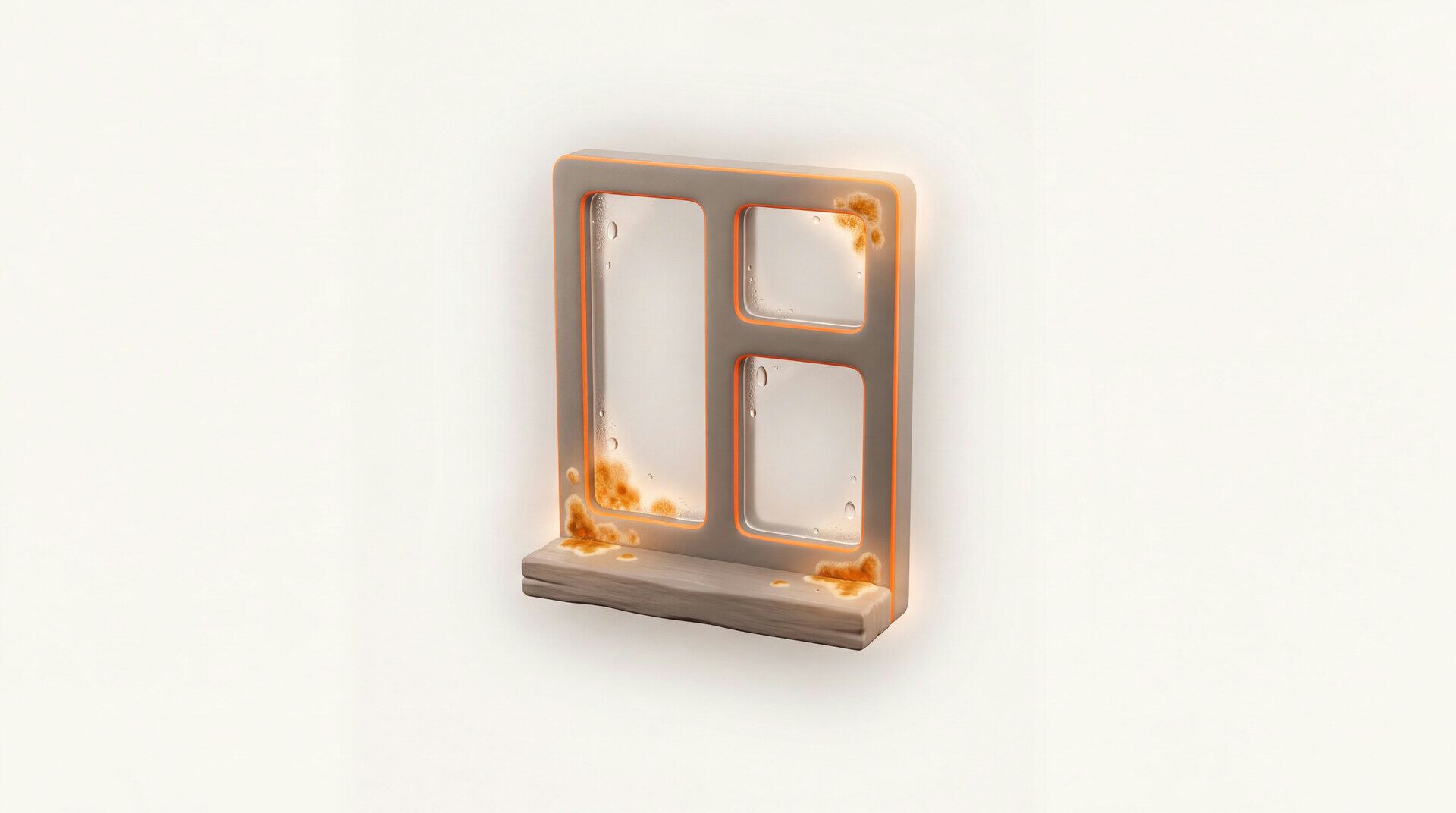
Windows: On the sill, in the track, and on the surrounding frame. Condensation from temperature differences creates the moisture green mold needs.
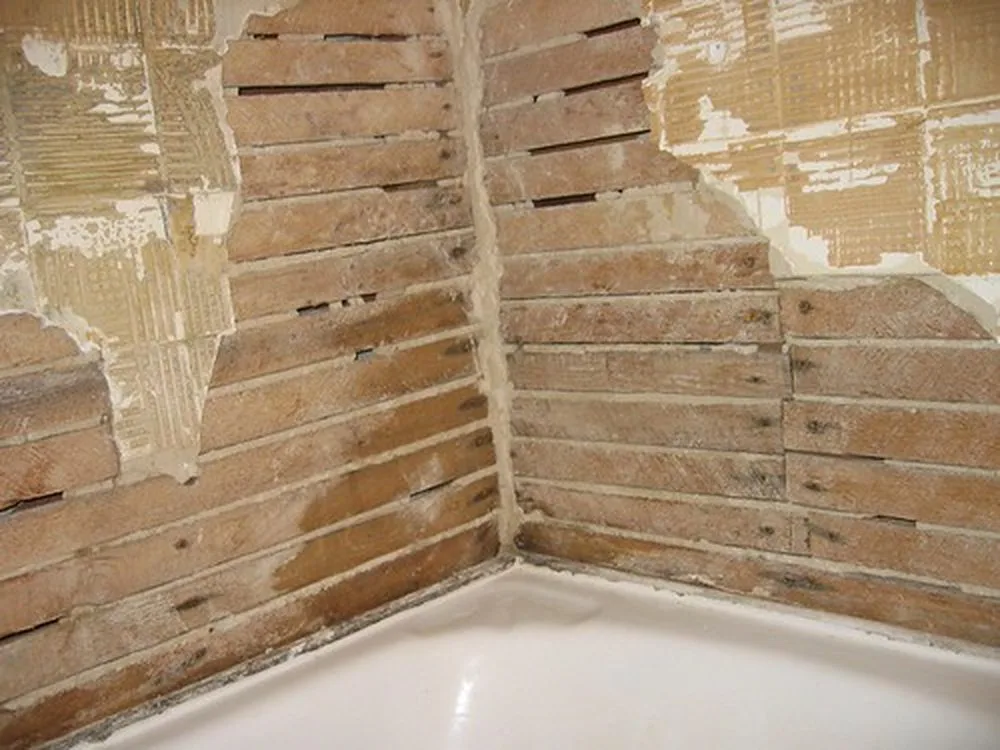
How to Remove Green Mold
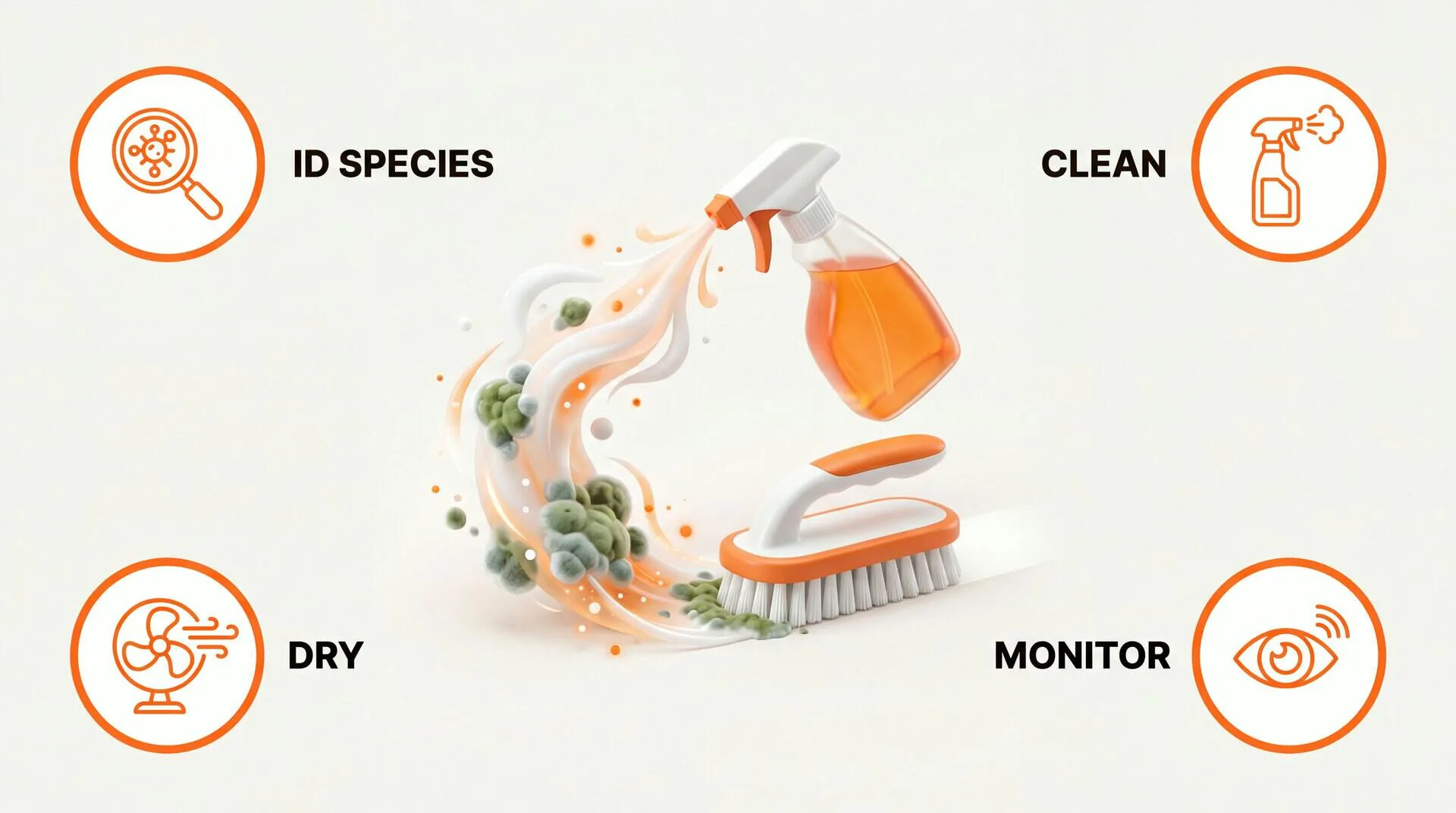
Correct moisture first. Fix leaks and other water problems as soon as possible, then dry materials completely. EPA says that in most cases a moldy area under about 10 square feet can be handled by the homeowner. For larger areas, extensive water damage, sewage contamination, expensive materials, or health concerns, consult an experienced professional.
Use public-health cleanup guidance. EPA advises scrubbing hard surfaces with detergent and water and drying them completely. If you would rather reach for a labeled mold cleaner, our reviews of the best mold removal products and Concrobium Mold Control cover which ones suit hard surfaces. Follow product directions, provide fresh air, and never mix bleach with ammonia or other cleaners. Do not cut into walls, remove building materials, or attempt HVAC work based on an online page.
Preventing Green Mold
Prevention is always cheaper than remediation. Follow these rules:
- Keep humidity below 50%. Use a hygrometer ($10 to $20) to monitor. Run a dehumidifier in the basement, crawl space, or any room that consistently reads above 50%.
- Ventilate bathrooms. Run the exhaust fan during every shower and for 30 minutes after. If you do not have an exhaust fan, install one. Bathroom humidity without ventilation regularly exceeds 80%.
- Fix leaks within 24 hours. Mold can establish a colony on a wet surface in 24 to 48 hours. The faster you dry the surface, the less chance mold has to start growing.
- Clean HVAC systems annually. Have your ductwork inspected and the evaporator coil cleaned. Replace filters every 90 days (or monthly if you have pets or allergies).
- Use mold-resistant materials. When renovating, use mold-resistant drywall (purple board), mold-resistant paint (mold-resistant paint), and avoid carpet in basements and bathrooms.
Green powdery mold, light green mold, and green fungus
The searches that land on this page are more specific than "green mold", and the wording almost always describes texture rather than species. Here is what each description usually points at, and what none of them settle.
- Green powdery mold: a dry, dusty, chalk-like surface that smears when you touch it. On wood, on drywall paper, or on stored goods, that powder is the colony producing spores at the surface. It is a reason to stop poking at it, not a species identifier. Mist the area with your cleaning solution before wiping so the dust stays down.
- Light green mold: pale, sometimes close to mint, and common on framing lumber, plywood, and the backs of furniture pressed against a cool exterior wall. Color moves with the material underneath and how wet it is, so one organism can read light green on one board and much darker on the next.
- Neon or bright green mold: vivid color is pigment, not a hazard rating. It shows up on damp wood, on produce, and on paper that has stayed wet. Treat it the same way you would treat any visible growth of that size.
- Green fungus: the phrase people reach for when the growth looks organized enough to be more than a stain. Mold is a fungus, so green fungus on wood and green mold on wood are the same question. What separates them is nothing about the name.
- Green dust on wood: often the same powdery growth seen before it spreads, though fine sawdust, pollen, and algae on outdoor lumber all look similar at a glance. Wipe a small test patch. Growth returns in the same spot; dust does not. Green dusty mold that smears when touched is the same powdery growth described above, so mist it before wiping.
- Moldy green: when the color is the main thing people notice, before texture or spread comes into it. If a moldy green patch is spreading, growing fuzzy, or returning after cleaning, treat it as active growth rather than a stain and start with the moisture check above.
None of these appearances establishes a species, and no photograph does either. Laboratory testing is what names an organism. The questions that actually change what you do are the same for every variant: where the water is coming from, how large the affected area is, and whether the material underneath is still sound.
What Causes Green Mold in a House?
Excess moisture is what causes green mold in a house. CDC lists excess moisture as the main driver of indoor mold growth, and that holds for every shade, including green. A green colony needs nothing extra to establish itself once a surface stays damp long enough.
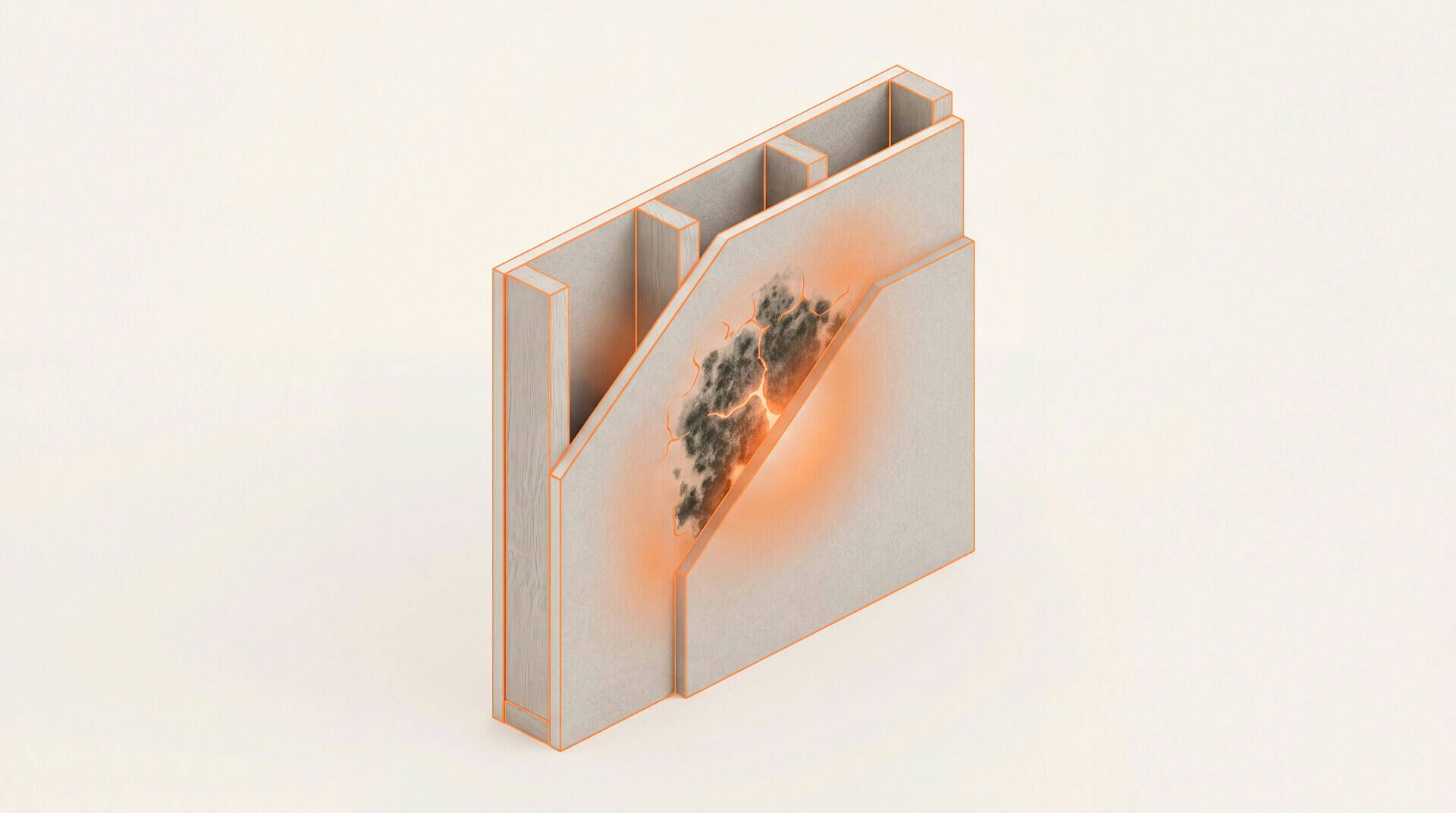
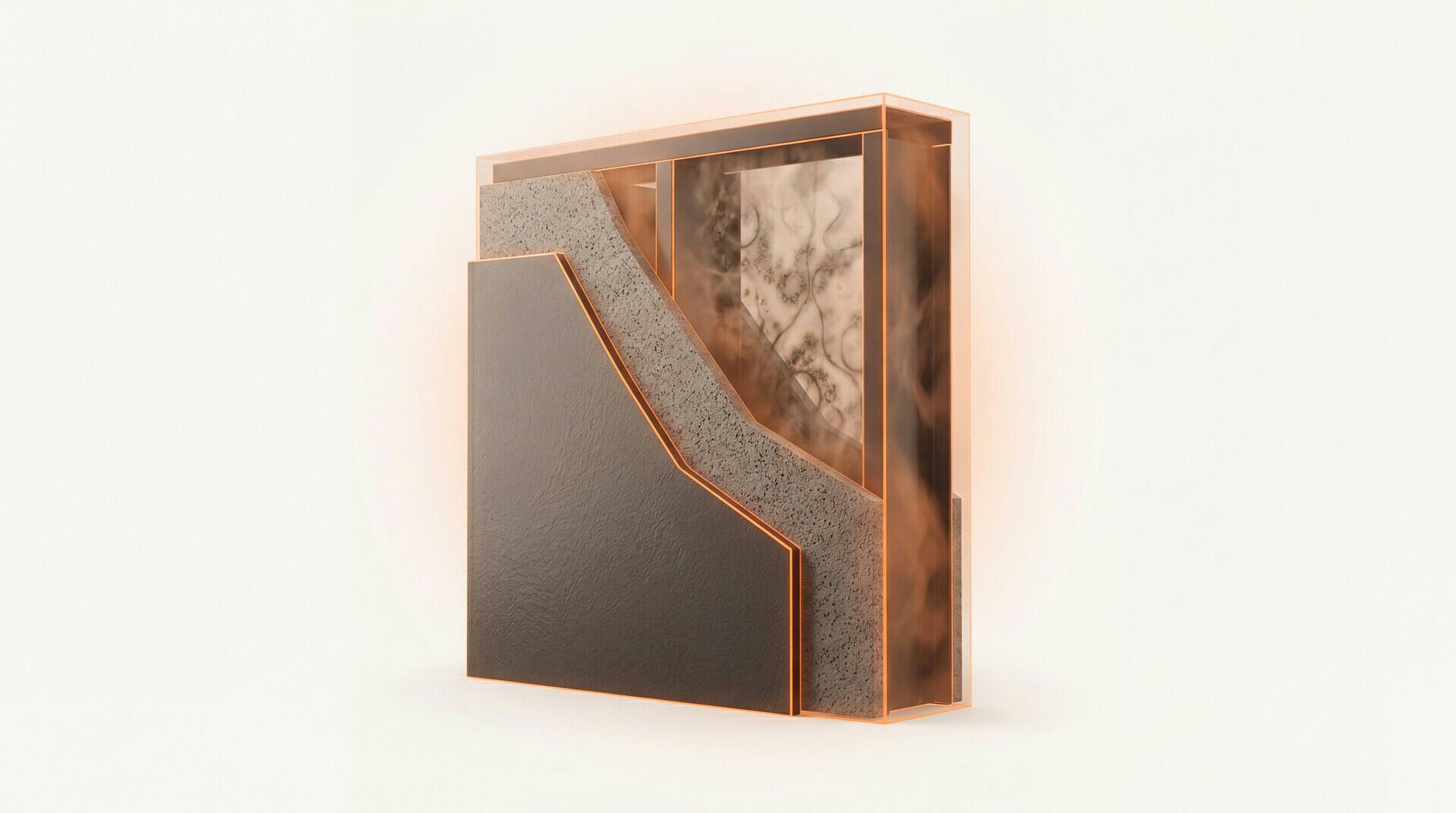
What causes green mold on walls specifically is usually one of three things: a slow leak inside the wall cavity, condensation where warm indoor air meets a cold exterior surface, or ambient humidity that sits above 50% for days at a time. Poor airflow makes it worse, because still, humid air next to a wall dries more slowly than air that circulates. The fix is the same regardless of the trigger: find and correct the moisture source, then clean or remove the affected material.
Dark Green Mold and Blue Green Mold
Dark green mold and blue green mold are shade descriptions, not separate species. CDC says mold color does not necessarily indicate whether it is more or less dangerous, so a near-black green colony carries the same guidance as a pale one.
The same three common indoor species named earlier, Penicillium, Aspergillus, and Cladosporium, can each show up anywhere from bright lime green to dark forest green to blue-green, depending on the material, the light, and how long the colony has been growing. Dark green mold on wood often looks darker simply because it has been established longer or because the wood underneath is stained by moisture. Blue green mold on walls and on wood is most often Penicillium, the same fuzzy blue-green growth seen on bread.
Some people search greenish mold rather than green mold, usually when the tint is faint. Greenish mold on wood often reads that way because the wood's own color shows through a thin, early-stage colony. None of these shades change the cleanup approach: correct the moisture source, then clean or remove the affected material following EPA guidance.
Green Mold vs. Green Mildew
Green mildew and green mold usually describe the same visible growth. Mildew is a common everyday word for surface fungal growth, and building science does not draw a hard line between mildew and mold, so can mildew be green has the same answer as asking whether mold can be green: yes, and the shade tells you nothing about risk.
Where people do distinguish the words, mildew usually means a thinner, more surface-level fungal film, often on fabric, grout, or paint, while mold refers to a thicker, more established colony. Indoors, treat mildew green growth the same way you would treat any small mold patch: correct the moisture, then clean the hard surface with detergent and water and dry it completely, per EPA guidance. See mold vs. mildew for the fuller comparison.
White and Green Mold, and Green and Black Mold
White and green mold, and green and black mold, usually mean two colonies growing side by side, or a single colony showing more than one tone as it matures. Neither combination is more dangerous than a single-color patch. CDC's color guidance applies the same way: it does not indicate whether mold is more or less dangerous.
Green and white mold on wood commonly appears where a lighter surface mold sits on top of an older, more established green colony underneath, similar to the green and black colonies growing together down a damp interior wall shown earlier on this page. Green and black mold together on the same surface is not evidence of a more toxic species. It is evidence the surface has been wet for a while and more than one organism has moved in. Treat the combination the way you would treat any visible mold: correct the moisture source, then clean or remove the material following EPA guidance.
Is green fuzzy mold dangerous?
Green fuzzy mold is not more or less dangerous because it is green or fuzzy. CDC says mold color does not necessarily indicate danger, and texture cannot name a species or a health risk either.
Fuzzy just describes how the growth looks up close: raised, soft, cotton-like or velvety instead of flat or dusty. It usually means the colony has had time to build up, which points to a surface that has stayed damp for a while. Penicillium, the blue-green fuzz on old bread, is one common example, but a photo cannot confirm which mold you have.
Green fuzzy mold on wood
Wood is porous, so green fuzzy mold on wood can reach below the surface. Do not brush or wipe it dry, because disturbing growth can release spores. Lightly mist the area with your cleaning solution first, then scrub hard surfaces with detergent and water and dry them completely.
- Under about 10 square feet, EPA says most homeowners can handle the cleanup.
- If the wood stays damp or soft, it may need to be removed rather than cleaned.
- Larger areas, water damage, or health concerns call for an experienced professional.
Whatever the texture, the fix starts with the water. Find the leak, the condensation, or the humidity that let the fuzz grow, and dry it out.
Black mold vs green mold
The difference between green mold and black mold is the color you see, and color alone does not tell you which one is more dangerous. CDC says mold color does not necessarily indicate whether it is more or less dangerous.
Black mold is a nickname, and many molds can look black or very dark. Many others can look green. A mold can also change shade as it ages or as the material underneath gets wetter, so a patch that looks green today can read darker later. That is why black vs green mold is not a reliable way to sort a safe patch from a risky one.
Black and green mold in the same spot
Black and green mold together is common on damp walls, where more than one colony grows side by side. It is a sign the surface has been wet for a while, not proof of a rarer species.
- Only laboratory testing names an organism. A photo, an app, or a color chart cannot.
- The cleanup steps are the same for both colors: fix the moisture, then clean a small area or call a professional for a large one.
- If you are unsure what you are looking at, scan a photo to check the surface for signs of mold growth.
So when you compare black mold vs green mold, the better question is how big the patch is and where the water is coming from.
Can mold be bright green?
Yes, mold can be bright green. Neon green mold and lime green mold are just vivid shades of the same growth, and CDC says mold color does not necessarily indicate how dangerous it is.
Bright color usually shows up on a colony that is actively growing on a wet surface, such as damp wood, drywall paper, cardboard, or stored food. Dozens of species can look green, from lime to forest green to blue-green, so a neon shade does not point to one species.
- Lime green mold is often a lighter, yellowish green on wood or paper that has stayed wet.
- Neon green mold can look almost glowing in bright light, and duller in the shade.
- Light, material and age all change how the color reads in a photo.
Do not guess a species from the shade. Treat vivid green like any other visible mold: correct the moisture source, then clean a small hard surface with detergent and water and dry it completely, following EPA guidance. Upload a photo to check the surface if you are not sure it is mold at all.
Frequently asked questions
What is the difference between green mold and black mold?
The main difference is color, and CDC says color does not necessarily indicate whether mold is more or less dangerous. Only laboratory testing names a species. Cleanup is the same for both: correct the moisture, then clean a small area or call a professional for a larger one.
Is green fuzzy mold dangerous?
Green fuzzy mold is not more dangerous because of its color or texture. CDC says mold color does not necessarily indicate danger, and a photo cannot identify a species. Do not dry-brush it, correct the moisture source, and clean or remove the affected material following EPA guidance.
Can mold be bright green?
Yes. Mold can be bright green, including neon and lime shades. CDC says mold color does not necessarily indicate how dangerous it is, and a vivid shade does not identify a species. Correct the moisture source, then clean a small area with detergent and water and dry it fully.
Can Mildew Be Green?
Yes. Mildew is a common everyday word for surface fungal growth, and it can appear in green along with white, gray, or black. Building science does not draw a hard line between mildew and mold, so the same moisture-correction and cleanup steps apply.
Is White and Green Mold Dangerous?
White and green mold together usually means two colonies, or one colony showing more than one tone, not a more hazardous type. CDC's color guidance applies the same way. Correct the moisture source and clean or remove the affected material following EPA guidance.
Is Blue Green Mold Dangerous?
Blue green mold, often Penicillium, follows the same rule as every shade: CDC says color does not indicate danger. Treat it like any other visible mold, fix the moisture problem, then clean a small area yourself or bring in a professional for a larger one.
Is Dark Green Mold Dangerous?
No more than any other shade. CDC says mold color does not necessarily indicate whether it is more or less dangerous, so a darker green does not signal a more toxic species. Correct the moisture source and clean or remove the affected material the same way you would for any visible mold.
Does green color identify a mold species or health risk?
No. CDC says mold color does not necessarily indicate whether it is more or less dangerous. Do not use color, a photo, or an app to identify a species or personal health risk.
Is green mold safe to touch?
Avoid handling it with bare hands. Disturbing growth can release spores, and contact can irritate skin, especially for people with allergies or asthma. If you touched it briefly, wash the area with soap and water. For cleanup, EPA guidance is to wear gloves, goggles, and an N-95 respirator, and to ventilate the area while you work.
What causes mold to grow indoors?
Excess moisture is the major cause of indoor mold growth. Check for leaks, flooding, condensation, and high humidity, then correct the moisture problem.
How should I clean a small visible moldy area?
EPA says that in most cases a moldy area under about 10 square feet can be cleaned by the homeowner. Scrub hard surfaces with detergent and water, dry completely, and follow product directions. For larger areas, extensive water damage, or health concerns, consult an experienced professional.
Is green mold as toxic as black mold?
Color does not measure toxicity. CDC says the color of a mold does not necessarily indicate how dangerous it is, and neither green nor dark growth can be identified from a photo. Treat them the same way: correct the moisture problem and clean or remove the affected material, without needing to know the type.
What should I do with moldy food?
Follow food-safety guidance for the specific food. This page addresses indoor building mold, not food safety or medical advice.
How do you get rid of green mold?
Correct the moisture source first, or it comes back. For a small area on a hard, non-porous surface, clean with a detergent solution and dry the area fully. Porous material that stays damp may need to be removed rather than cleaned. Larger areas, contaminated water, or vulnerable occupants call for a qualified professional.
Sources
Every claim on this page traces to one of these. Links open the primary document.
Gallery photographs are used under Creative Commons licenses. See the full image credits.