What Penicillium Mold Is
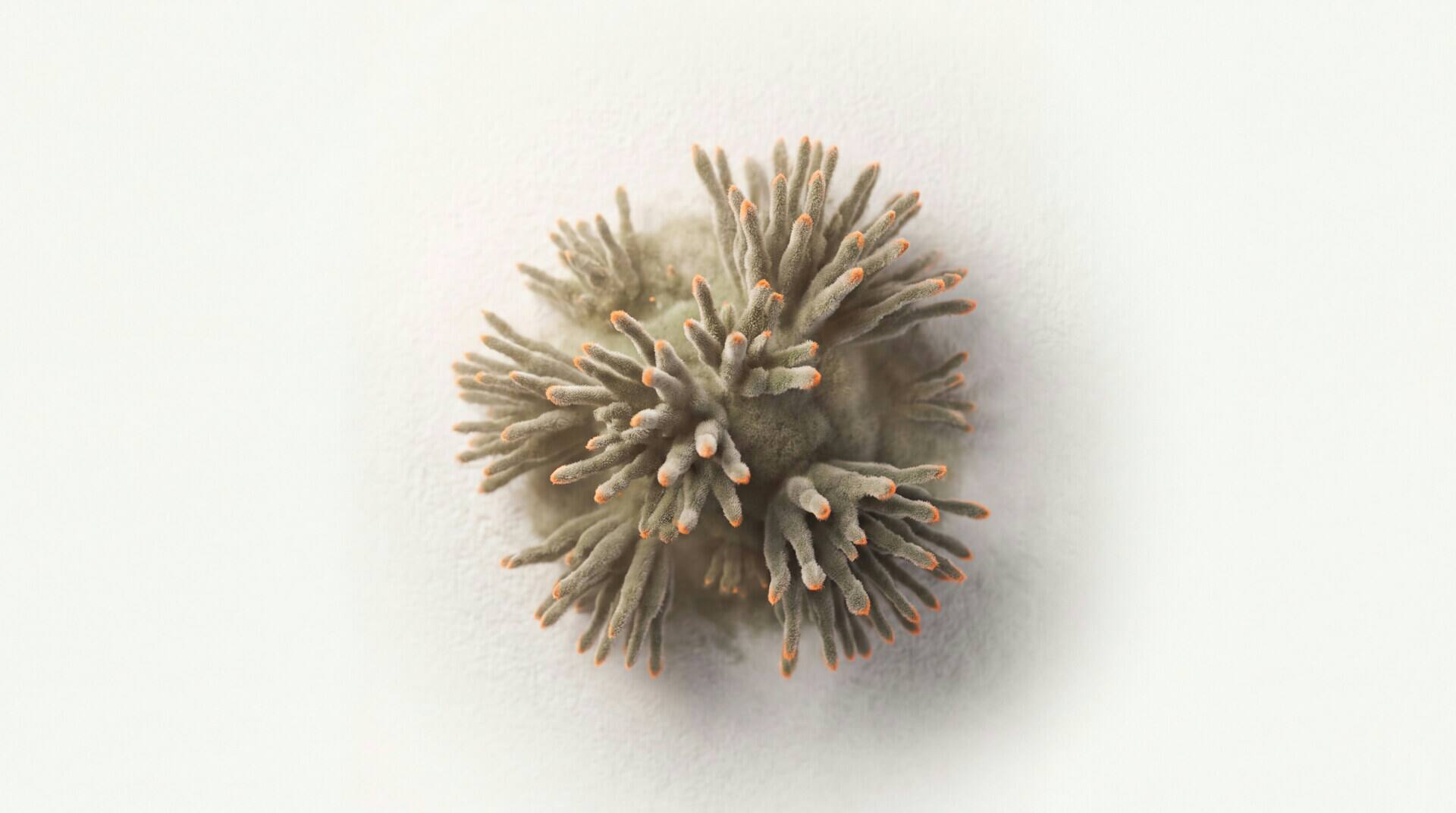
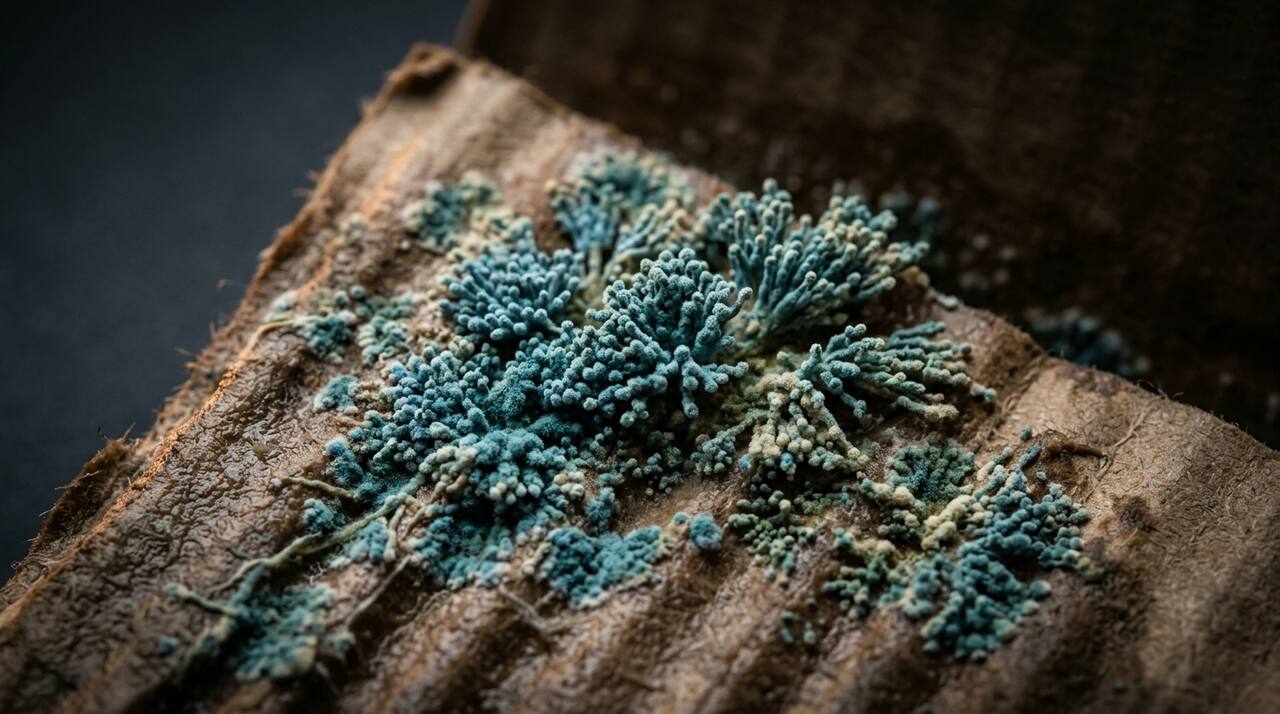
Penicillium is not one mold. It's a huge group with more than 300 known species. Most share the same look: soft, velvety colonies in shades of blue-green, teal, or sage. Up close the texture is powdery, almost like a colored dust you could brush off. It's one of the most common molds found indoors, and it shows up fast after any water problem.
You've probably heard the name before. Penicillium is the genus that gave us penicillin, the first true antibiotic. That fact makes some people relax when they spot it on a wall. They shouldn't. The species growing on your damp drywall isn't making medicine. It's a household mold like any other, and it can trigger allergies and chew through building materials.
What sets Penicillium apart is speed. After a leak, a flood, or a humid stretch, it's often the first mold to take hold. It grows at cooler temperatures than many molds do, so basements, crawl spaces, and even the back of a fridge suit it fine. Give a surface 24 to 48 hours of moisture and a colony can start.
Penicillium is one of three molds people mean when they say green mold. The other two are Aspergillus and Cladosporium. Color alone won't tell you which one you have. A bright blue-green patch is often Penicillium, but only a lab test confirms the species for certain.
Where Penicillium Grows Indoors
Penicillium follows water. Find the damp spot and you'll usually find the mold. Because it likes cooler, humid conditions, it spreads into places other molds skip. Here's where it turns up most.
Water-damaged drywall and wallpaper. This is the classic spot. When drywall gets wet and stays wet, the paper facing becomes mold food. Penicillium feeds on that paper and on the glue behind wallpaper, often spreading in rings behind the surface before you ever see it.
Carpet and carpet padding. A soaked carpet is a buffet. The pad underneath holds water for days, and Penicillium settles into both layers. By the time the carpet smells musty, the colony below can be large. Our guide on mold in carpet covers when a carpet can be saved and when it can't.
Insulation. Fiberglass and cellulose insulation trap moisture inside walls and attics. Hidden from light and airflow, it makes a quiet home for Penicillium. You often can't see this growth at all without opening the wall.
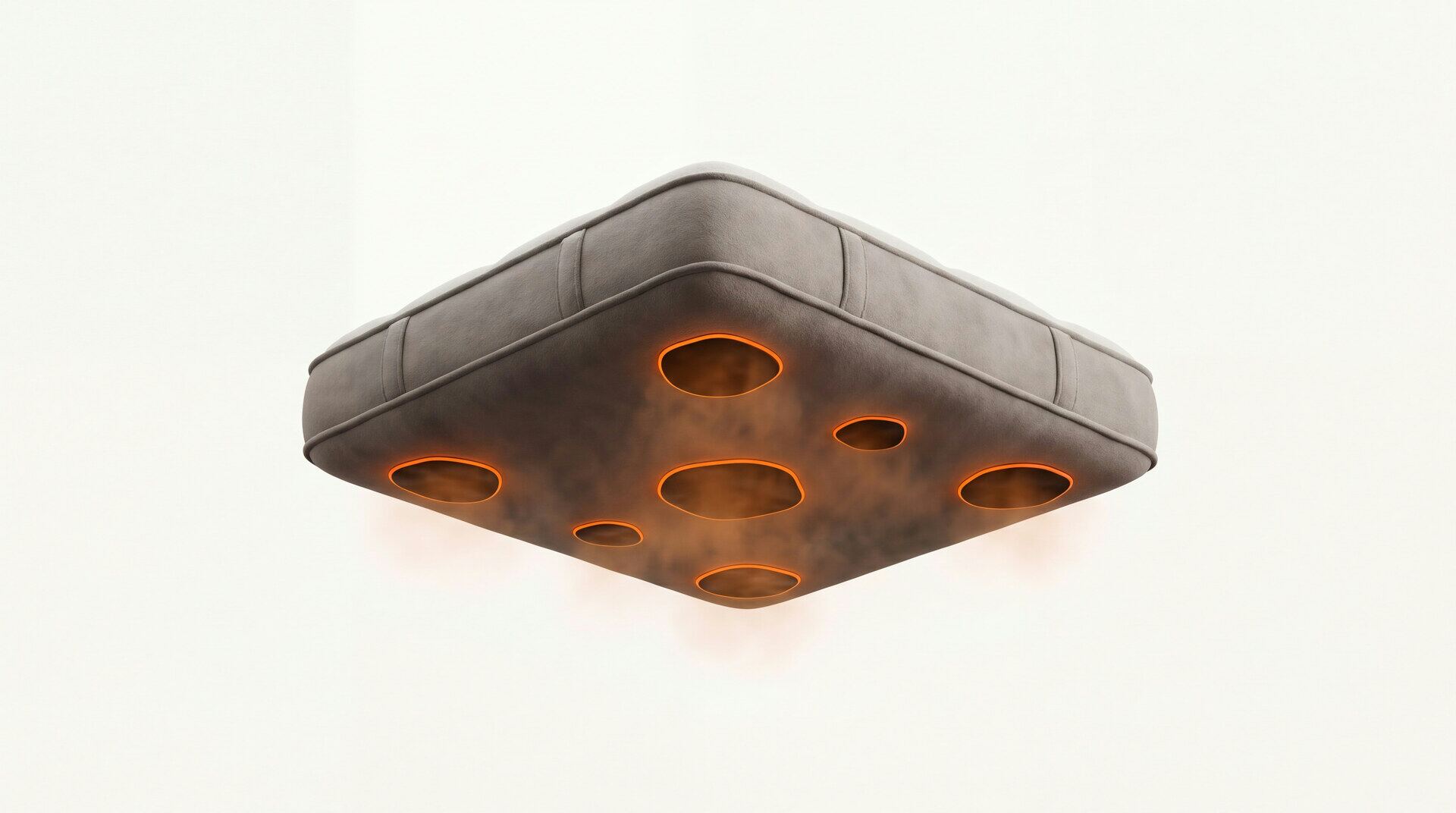
Mattresses and upholstered furniture. Soft, absorbent, and rarely moved, these hold body moisture and room humidity. A mattress pushed against a cool exterior wall is a common target. See mold on a mattress for how to check it and what to do next.
Refrigerated food. Penicillium grows where most molds can't: in the cold. That fuzzy blue-green on old bread, cheese, or fruit in your fridge is usually Penicillium. More on that next.
Penicillium on Food vs. in Walls
The same mold that ruins your leftovers can also grow in your walls, but the two need very different responses. Knowing the difference saves you from both a stomach bug and a bigger mold problem.
On food
Penicillium is the blue-green fuzz you see on forgotten bread, citrus, and cheese. A few Penicillium species are used on purpose to make blue cheeses like Roquefort and Gorgonzola, but the strains drifting through your kitchen aren't those food-grade ones. Federal food-safety guidance gives a clear rule for moldy food, and it depends on how hard the food is.
For hard cheeses and firm produce (think a block of cheddar or a carrot), you can cut off at least 1 inch around and below the mold spot and eat the rest. The dense texture keeps the mold roots near the surface. This is the same inch rule we cover in our green mold guide.
For soft foods, throw the whole thing out. Bread, soft cheese, yogurt, jam, cooked leftovers, and soft fruit all let mold roots spread through the entire item, even where you can't see them. Cutting off the visible spot doesn't make the rest safe to eat.
In walls and building materials
This is a different problem. Mold on drywall, wood, or insulation isn't about one item you can toss in the bin. It means a moisture source is feeding growth inside your home, and some Penicillium species produce mycotoxins as they break down those materials. That growth has to be cleaned or cut out, and the water behind it has to be fixed. The rest of this guide covers how.
The Health Picture
Penicillium is best known indoors as an allergy trigger. It's one of the molds flagged most often in indoor air studies, and its spores spread easily through the air in a home. For people who are sensitive to it, exposure can bring on the familiar allergy signs.
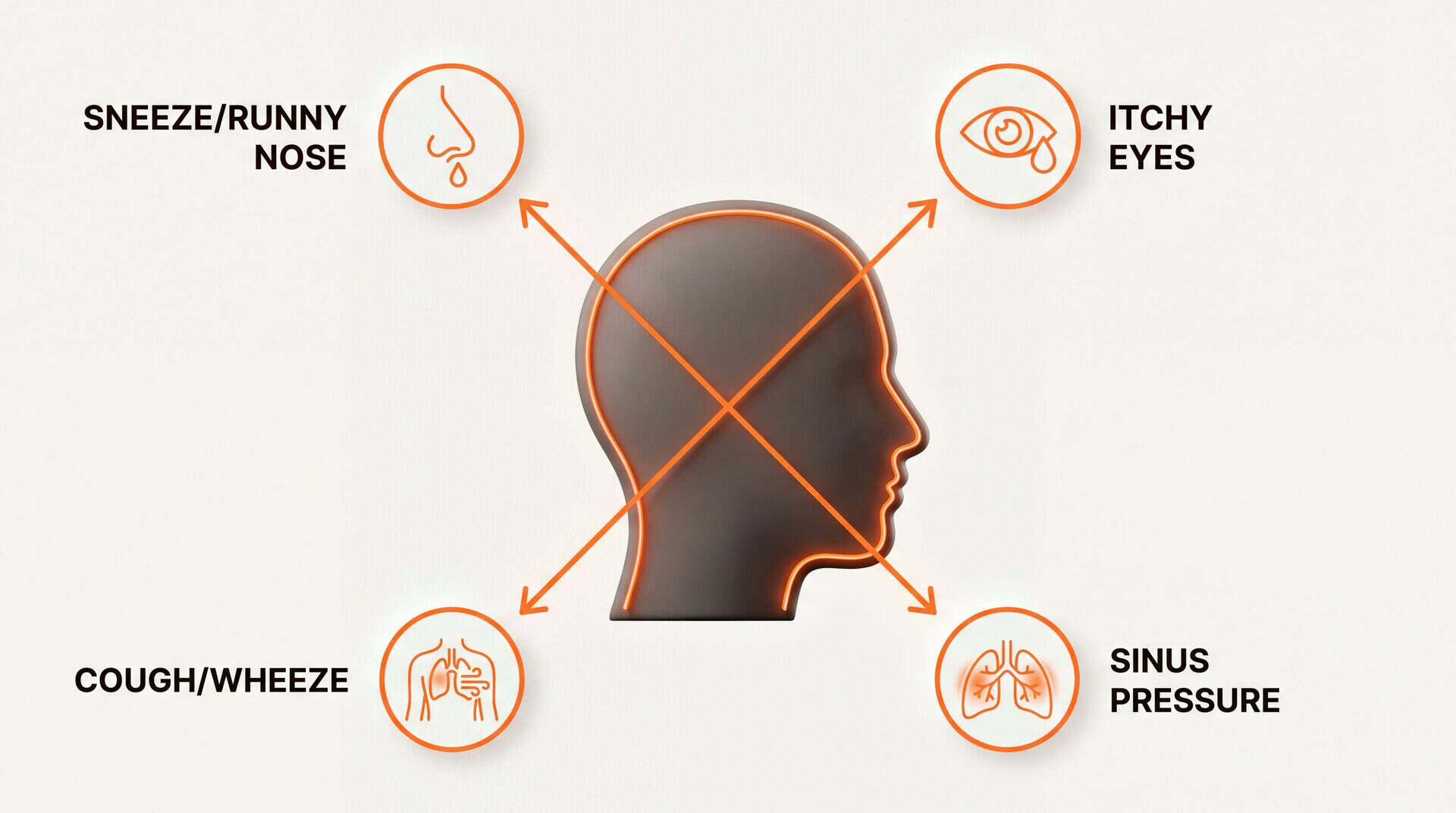
The CDC links indoor mold exposure to symptoms like a stuffy or runny nose, sneezing, coughing, wheezing, red or itchy eyes, and skin irritation. People with asthma or a mold allergy tend to react more strongly. The CDC also notes that people with weakened immune systems or chronic lung conditions can face more serious effects. Our page on mold allergy symptoms breaks these down in plain language.
Some Penicillium species do more than trigger allergies. As they grow on damp building materials, certain strains produce mycotoxins, compounds that can carry their own health concerns at higher exposures. That's part of why you don't want a colony living in your walls long term, even when it looks harmless on the surface.
If you want to know whether Penicillium is part of your home's mold profile, the ERMI test can help. ERMI is a lab analysis of a dust sample that measures the DNA of 36 mold species, and several Penicillium species sit on that panel. It won't diagnose a health condition, but it can show what's present and at what level.
One honest note: this is health information, not medical advice. If you have ongoing symptoms you think are tied to mold, talk to a licensed physician. No website can diagnose you, and the right next step for your body is a real conversation with a real doctor.
How to Remove Penicillium Mold
How you remove Penicillium depends on what it's growing on and how much there is. The pillar guide on how to get rid of mold walks through the full process. Here's the short version for Penicillium.
Step 1: Fix the water first. Penicillium came because something got wet. Find the leak, dry the area, or lower the humidity before you clean anything. If the moisture stays, the mold returns within 24 to 48 hours and you're right back where you started.
Step 2: Gear up. Put on an N95 mask, rubber gloves, and eye protection. Cleaning disturbs the colony and sends a cloud of spores into the air. Open a window if you can.
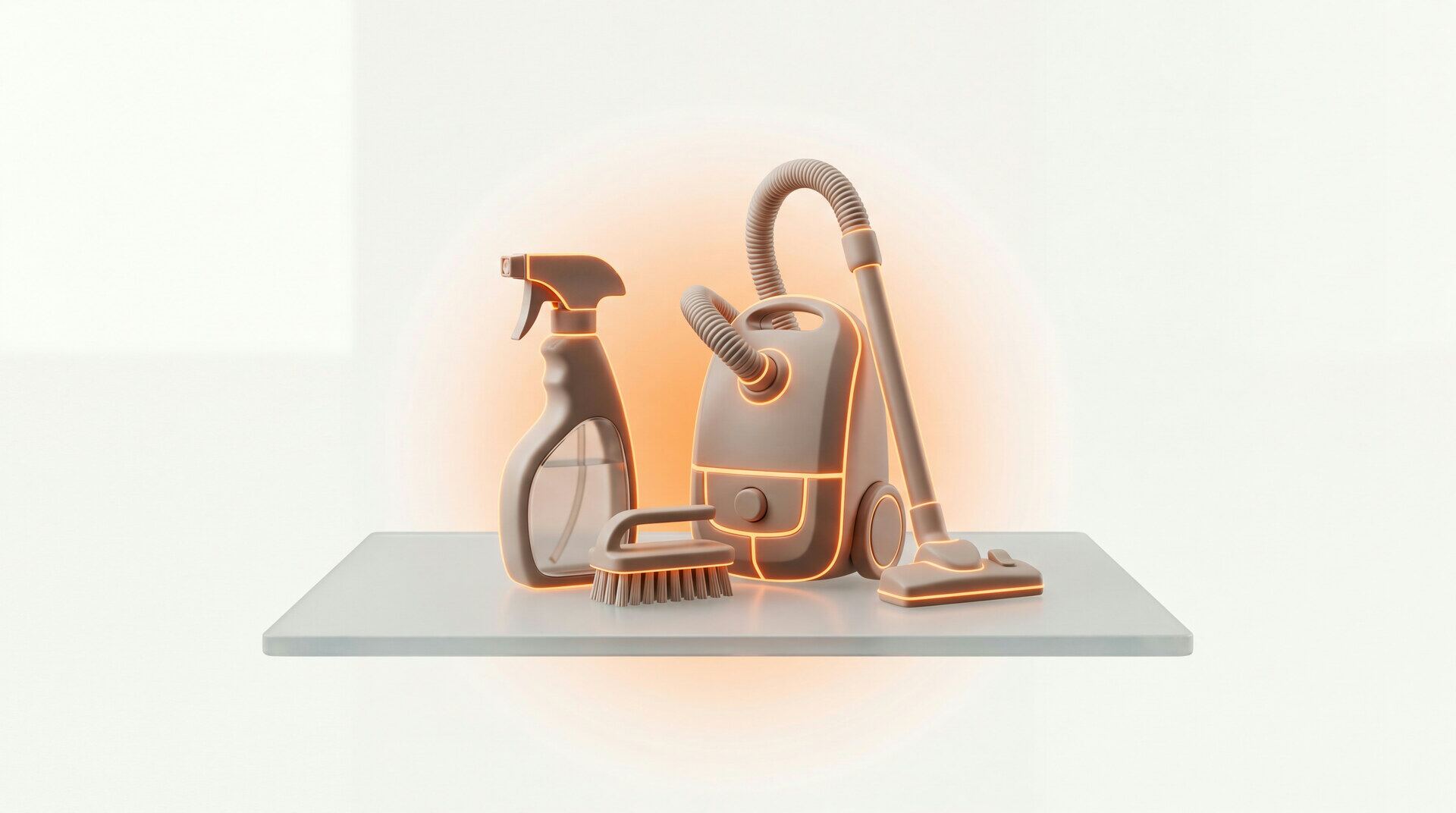
Step 3: Clean small, hard surfaces. For a small area on a non-porous surface (tile, glass, sealed metal, finished wood), spray on 3% hydrogen peroxide or plain white vinegar. Let it sit about 10 minutes. Scrub with a stiff brush, then wipe clean. Both lift mold without the downsides of bleach.
Skip the bleach. On porous materials like drywall and bare wood, bleach fails. The chlorine stays up on the surface while the water in it soaks deeper and feeds the mold underneath. Hydrogen peroxide, white vinegar, or a product like a no-bleach mold-control product are better picks. And never mix bleach with ammonia or other cleaners, because that combination makes a toxic gas.
Step 4: Cut out porous, water-damaged materials. This is the big one for Penicillium. Once it has soaked into drywall, carpet pad, insulation, or wallpaper, cleaning the surface won't reach the roots. Those materials usually get cut out and replaced. Remove the wet, moldy section plus a margin past the visible edge, bag it up, and put in fresh material once the area is fully dry.
Step 5: Know when to call a pro. The EPA's rule of thumb: if the moldy area is larger than about 10 square feet (roughly a 3 foot by 3 foot patch), hire a qualified mold remediation professional. Look for firms that follow the IICRC S520 standard; ACAC or RIA credentials and state licenses count too. Big jobs, HVAC growth, and any mold from sewage or flood water belong with a pro.
Preventing Penicillium
Penicillium needs moisture to grow. Take that away and it can't get started. Prevention comes down to keeping your home dry and acting fast the moment water shows up.
- Dry wet spots within 24 to 48 hours. This window matters. Mold can start a colony on a wet surface in as little as a day or two. A spill or overflow that's dried fast rarely turns into a mold problem. One that sits for a week almost always does.
- Keep indoor humidity below 50 percent. Penicillium loves damp air. A cheap hygrometer lets you watch the number in any room. If a basement or bathroom keeps reading above 50 percent, run a dehumidifier or improve airflow until it drops.
- Fix the slow leaks. A dripping P-trap, a sweating pipe, or a roof that lets water in during storms can feed mold quietly for months. Walk your home now and then and check under sinks, behind the toilet, and around windows for damp spots or stains.
- Ventilate the wet rooms. Run the bathroom exhaust fan during showers and for a while after. Use the range hood when you cook. Moving humid air out keeps surfaces from staying damp long enough for Penicillium to settle.
- Mind the cold spots. Penicillium thrives where warm, humid air meets a cold surface, like an exterior wall behind a couch or an uninsulated closet. Leave a gap between large furniture and outside walls so air can move, and keep an eye on those corners.
Frequently asked questions
Is Penicillium mold dangerous?
Penicillium is mostly an allergy concern indoors. The CDC links mold exposure to a stuffy nose, sneezing, coughing, wheezing, and itchy eyes, and people with asthma or mold allergies react more strongly. Some Penicillium species also make mycotoxins as they grow on damp building materials. It's rarely an emergency for healthy people, but a colony in your walls should be cleaned and the moisture behind it fixed.
What does Penicillium mold look like?
Penicillium usually shows up as soft, velvety patches in blue-green, teal, or sage. Up close the texture looks powdery, almost like colored dust. It often spreads in rough circles or rings that grow outward. You'll see it on damp drywall, wet carpet, and old food in the fridge. Color alone can't confirm the species, though. Only a lab test can do that.
Is the Penicillium in my house the same as the antibiotic penicillin?
No. Penicillin the antibiotic comes from one specific species, Penicillium chrysogenum, grown under controlled lab conditions. The Penicillium spreading on your damp wall or food is a different household mold from the same large genus. It isn't making medicine, and seeing it is not a reason to relax. Treat it like any other indoor mold and remove it.
Can you eat food with Penicillium mold on it?
It depends on the food. For hard cheese and firm produce, you can cut off at least 1 inch around and below the spot and eat the rest, because the roots stay near the surface. For soft foods like bread, soft cheese, yogurt, jam, and leftovers, throw the whole item out. Mold roots spread through soft food where you can't see them.
How do you get rid of Penicillium mold?
Fix the water source first, then put on an N95 mask and gloves. For small spots on hard surfaces, spray 3% hydrogen peroxide or white vinegar, wait about 10 minutes, scrub, and wipe clean. Porous materials like soaked drywall, carpet pad, or insulation usually get cut out and replaced. For areas larger than 10 square feet, hire a qualified mold remediation professional. Look for firms that follow the IICRC S520 standard; ACAC or RIA credentials and state licenses count too.
Sources
Every claim on this page traces to one of these. Links open the primary document.