
The Oregon humidity profile
Oregon's six NOAA stations spread further than any state in this report except Texas. Astoria reports an 80 percent annual mean relative humidity and 70.3 inches of precipitation. Pendleton, on the other side of the Cascades, reports 58 percent and 12.8 inches. That is a 22-point humidity gap and more than five times the rainfall, inside one state under one set of laws.
West of the Cascades the seasonal shape is the mold problem. The daily mean reaches 84 percent in December and 81 percent in January, and the morning mean holds 86 to 87 percent from November through February. Unlike almost everywhere else in this report, that peak is not a cold-air artifact: the calculated mean dew point at the western stations is 44 to 45 F, so the air genuinely carries water through a mild, wet winter. There is no freeze to dry the envelope and no hot summer month in the wet season to bake it out. Materials that get wet in November may not dry until May.
NOAA's state climate summary reports that parts of the Coast Range receive more than 100 inches of precipitation a year while eastern desert areas get under 10, and that statewide annual precipitation has ranged from about 22 inches in 1930 to about 49 inches in 1996. One finding matters for how you plan: unlike much of the country, Oregon has not seen an upward trend in extreme precipitation frequency, and 2-inch events have been mostly below normal since 2000. So Oregon's mold problem is chronic sustained wetting rather than cloudburst flooding. NOAA counted 41 billion-dollar disasters affecting Oregon from 1980 to 2024, dominated by 16 drought and 16 wildfire events with only 3 floods.
Oregon against the national picture
| Metric | Oregon | What it means indoors | Source |
|---|---|---|---|
| Annual mean relative humidity | 58 to 80% | A 22-point split between the coast and the eastern plateau | NOAA NCEI Comparative Climatic Data |
| Morning mean relative humidity | 68 to 86% | Holds 86 percent or higher from November through February in the west | NOAA NCEI Comparative Climatic Data |
| Calculated annual mean dew point | 38 to 45 F | Genuinely high in the west, so the winter peak is real rather than a cold-air artifact | Calculated from NOAA 1991 to 2020 normals |
| Annual normal precipitation | 12.8 to 70.3 in | More than five times as much rain at Astoria as at Pendleton | NOAA NCEI 1991 to 2020 normals |
Relative humidity figures are the mean of the morning and afternoon observations NOAA publishes for each first-order station, rounded to whole percent. Dew point is calculated from the NOAA normal mean temperature and that mean relative humidity using the Magnus formula, so treat it as a derived figure rather than a published one.
How much water the sky delivers, station by station
Astoria takes 70.3 inches a year against 12.8 at Pendleton. Bulk water is the mechanism behind most basement and crawl space mold, so the wettest station is the one to plan around.
View the data
| Station | Annual normal |
|---|---|
| Astoria | 70.3 in |
| Eugene | 40.8 in |
| Salem | 40.1 in |
| Portland | 36.9 in |
| Medford | 18.4 in |
| Pendleton | 12.8 in |

Oregon stations ranked by measured humidity
Methodology. Ranked by annual mean relative humidity, the one input that traces to a station record rather than an opinion. Relative humidity is the mean of NOAA's published morning and afternoon values. Mean dew point is calculated from the NOAA 1991 to 2020 normal mean temperature and that mean relative humidity. The humidity band names what the column measures and nothing more. Humidity is not the whole story: a burst supply line in the driest metro on this table soaks the same drywall as a humid August, and EPA guidance treats wet porous material as at risk of mold growth after 24 to 48 hours either way.
Every place on file, ranked by mean RH
Astoria reads 80% against 58% at Pendleton. The target for a basement is 50 percent, so every row on this chart sits above it.
View the data
| # | Place | Mean RH | Morning RH | Annual precip |
|---|---|---|---|---|
| 1 | Astoria | 80% | 86% | 70.3 in |
| 2 | Eugene | 74% | 86% | 40.8 in |
| 3 | Salem | 72% | 84% | 40.1 in |
| 4 | Portland | 70% | 82% | 36.9 in |
| 5 | Medford | 64% | 80% | 18.4 in |
| 6 | Pendleton | 58% | 68% | 12.8 in |
| # | Station | Mean RH | Morning RH | Mean dew pt | Annual precip | Humidity band | Notes |
|---|---|---|---|---|---|---|---|
| 1 | Astoria | 80% | 86% | 45 F | 70.3 in | Very humid | The wettest and most humid station in this report outside Hawaii and Alaska: 80 percent and 70.3 inches. A 74 percent afternoon mean, so it barely dries at all. |
| 2 | Eugene | 74% | 86% | 45 F | 40.8 in | Very humid | Southern Willamette Valley. An 86 percent morning mean, tied for the state's highest, against a 61 percent afternoon. |
| 3 | Salem | 72% | 84% | 45 F | 40.1 in | Humid | Mid-valley, 72 percent and 40.1 inches, with the same 45 F dew point as the rest of the west side. |
| 4 | Portland | 70% | 82% | 45 F | 36.9 in | Humid | The metro. 70 percent and 36.9 inches, an 82 percent morning against a 59 percent afternoon. |
| 5 | Medford | 64% | 80% | 44 F | 18.4 in | Moderate | Rogue Valley, in the rain shadow. 64 percent and 18.4 inches, with an 80 percent morning mean and a 47 percent afternoon, the widest swing in the state. |
| 6 | Pendleton | 58% | 68% | 38 F | 12.8 in | Dry | East of the Cascades. 58 percent, 12.8 inches, and a 38 F dew point. A different climate entirely. |
Astoria
The wettest and most humid station in this report outside Hawaii and Alaska: 80 percent and 70.3 inches. A 74 percent afternoon mean, so it barely dries at all.
Eugene
Southern Willamette Valley. An 86 percent morning mean, tied for the state's highest, against a 61 percent afternoon.
Salem
Mid-valley, 72 percent and 40.1 inches, with the same 45 F dew point as the rest of the west side.
Portland
The metro. 70 percent and 36.9 inches, an 82 percent morning against a 59 percent afternoon.
Medford
Rogue Valley, in the rain shadow. 64 percent and 18.4 inches, with an 80 percent morning mean and a 47 percent afternoon, the widest swing in the state.
Pendleton
East of the Cascades. 58 percent, 12.8 inches, and a 38 F dew point. A different climate entirely.
Astoria's afternoon number is the one to look at. Most stations in this report drop 20 points or more between morning and afternoon. Astoria drops six, from 86 percent to 74. That means the air essentially never dries out, so a surface that picks up moisture overnight still has it at 4 PM, and in December it still has it the next morning. That is the definition of a wet envelope, and it is why Coast Range construction details that fail elsewhere fail faster here.
Medford and Pendleton are not the same state as Astoria for these purposes. Medford swings 33 points a day and Pendleton runs 58 percent annual on a 38 F dew point. East of the Cascades, mold behaves like it does in Idaho: it means something is leaking, and the diagnosis is the job. West of the Cascades, ambient moisture does real work on its own and prevention is about ventilation, drainage and drying capacity. Advice that treats Oregon as one climate is wrong for a large share of the people reading it. Neighboring reports for Washington, Idaho, California and Nevada cover the states Oregon borders.
Common mold species in Oregon homes
EPA and CDC name the same core genera. West of the Cascades a long wet season without a drying period shifts the mix toward species that colonize framing, siding and finishes rather than waiting for a flood.
Cladosporium
Cladosporium spp.The most commonly found indoor mold nationwide and the standard western Oregon find on window frames, siding, and the cool side of exterior walls. Olive-green to black. In a climate that barely dries between November and May it establishes on surfaces that would stay clean anywhere else. EPA lists it among the common allergenic indoor molds.
Aureobasidium
Aureobasidium pullulansPink to black, on caulk, grout, painted trim and window frames. Western Oregon is one of the places it thrives outdoors as well as in, and it is the growth most often mistaken for dirt on exterior paint and bathroom caulk because it starts as a film before it darkens.
Penicillium
Penicillium spp.Blue-green and powdery, on cardboard, paper, carpet padding and stored fabric. In a crawl space or an under-house storage area west of the Cascades it has a five-month window with no drying period. EPA lists Penicillium among the most frequently recovered genera in indoor air samples.
Aspergillus
Aspergillus spp.Black, green or brown depending on species. It wants steady moisture and organic dust, which describes a bathroom with a weak fan, an unvented crawl space, and the back of a closet on a north-facing wall. EPA and CDC flag Aspergillus species as allergens and, in rare cases, as a cause of aspergillosis in people who are immunocompromised.
Stachybotrys chartarum
Stachybotrys chartarumThe species commonly called toxic black mold. It needs sustained wet cellulose, and a western Oregon winter is exactly the condition that supplies it if a roof, window or siding detail is leaking. Visible black slimy growth on water-stained material is the signature. Do not disturb it.
Alternaria
Alternaria alternataDark green to black, on window tracks, shower stalls and condensation-prone surfaces. It is a common allergen panel entry and is often correlated with asthma flare-ups in sensitive individuals per EPA remediation guidance.
Species information is general and informational. Health responses vary. See a licensed physician for symptom evaluation. Species sources: EPA Mold Remediation in Schools and Commercial Buildings, EPA A Brief Guide to Mold Moisture and Your Home, CDC National Center for Environmental Health guidance.
What mold remediation costs in Oregon
No Oregon agency publishes a mold remediation price schedule. Oregon Health Authority's mold page does state two things that shape the spend: testing is generally not helpful because there are no standards for judging safe indoor mold levels, and county and state public health departments do not have resources to inspect private homes or test for mold. So the state will not inspect, and it advises against leading with a test.
The Oregon cost driver west of the Cascades is drying capacity, and it is the opposite of the mainland norm. Most of the country dries a structure by moving outdoor air through it. From November to April in western Oregon the outdoor air is at an 86 percent morning mean and a 45 F dew point, so it is not going to dry anything. Drying here means sealed containment and mechanical dehumidification, run longer, which costs more than an equivalent job in a state with a real dry season. A bid that proposes to open windows and run fans in a Willamette Valley January has not understood the climate.
The second driver is the crawl space, because so much western Oregon housing sits on one over saturated ground. The permanent fix is a heavy vapor barrier across the ground and up the walls, sealed vents, an air-sealed rim joist, a dehumidifier draining to a pump, and grading and gutter work outside. That package is a bigger number than the remediation and it is the one that holds.
The third is that no state credential exists, so bids differ in scope. Get an itemized written scope from each. Our national mold remediation cost guide covers what moves a quote in any market, and the cost estimator lets you scope your own job first.
On insurance: a sudden and accidental discharge such as a burst pipe is usually covered, long-term seepage and ambient humidity generally are not, and flooding is excluded from a standard homeowners policy entirely. A chronic wet-envelope problem is exactly the kind of claim insurers decline as gradual, which is one more reason to fix the water path rather than wait. Take coverage questions to the Oregon Division of Financial Regulation, and read our guide to homeowners insurance and mold.
Mold remediation licensing in Oregon: who can legally do the work
The Construction Contractors Board has exactly five specialty licenses and certifications, Home Inspector, Lead-Based Paint, Locksmith, Home Energy Assessor and Construction Flagging, and mold appears nowhere on that page.
Oregon does not license or certify mold assessors or mold remediators, and the Oregon Health Authority says so in plain words on its own indoor air quality page: "While OHA does not regulate mold concerns, OHA has a library of resources."
The Construction Contractors Board has exactly five specialty licenses and certifications, Home Inspector, Lead-Based Paint, Locksmith, Home Energy Assessor and Construction Flagging, and mold appears nowhere on that page. What does apply is the ordinary CCB license: Oregon requires anyone working for compensation on improvements to real property to be licensed, and the CCB's list of covered work includes carpentry, floor covering, painting and most construction and repair services.
There is a line worth knowing about what falls outside that. Pure cleaning work such as pressure washing and debris cleanup is expressly outside the CCB license. So a firm that only cleans surfaces may operate without one, while a firm that cuts out and replaces mold-damaged building materials needs a CCB license, an exam and a 16-hour pre-license training. Nothing in that process tests mold competence, but the license is public, checkable and backed by a bond and insurance requirement, so verify it.
Mold-specific qualifications in Oregon are private certifications only. Ask for IICRC certification and ask whether the work will follow ANSI/IICRC S520, the industry consensus standard. Ask whether the same firm is doing the assessment and the remediation. And ask the western Oregon question: what is the drying plan for a job that runs in January, when the outdoor air will not dry anything?
Oregon mold laws and tenant rights
Oregon names mold in statute, and it names it to exclude it. ORS 90.368 lets a tenant repair a minor habitability defect costing up to $300 and deduct it from rent after seven days' written notice, but subsection (1)(b) states that a minor habitability defect does not mean the presence of mold, radon, asbestos or lead-based paint. A mold problem therefore cannot be self-remedied under that section. That is a deliberate legislative choice and it is the single most surprising fact on this page for an Oregon tenant.
The claim runs through ORS 90.320 instead, which requires an Oregon landlord to maintain the dwelling unit in a habitable condition at all times and deems a unit uninhabitable if it substantially lacks any of a listed set of elements. The ones a mold claim runs through are (a) effective waterproofing and weather protection of roof and exterior walls including windows and doors, (h) floors, walls, ceilings, stairways and railings maintained in good repair, (i) ventilating, air conditioning and other facilities maintained in good repair if supplied by the landlord, and (f) premises kept clean and sanitary.
The remedy is ORS 90.360(1)(a). A tenant facing a material noncompliance with ORS 90.320 delivers written notice specifying the acts and omissions, and the rental agreement terminates on a date not less than 30 days after delivery unless the landlord cures within 7 days for an essential service or 30 days otherwise. A recurrence of substantially the same failure within six months lets the tenant terminate on 14 days' notice. ORS 90.360(2) also lets the tenant recover damages and obtain injunctive relief.
So the practical Oregon sequence is: written notice under ORS 90.360 specifying which ORS 90.320 element is lacking, not a repair-and-deduct attempt, which the statute has closed off for mold. Our landlord letter generator produces the notice, and our guide to mold and apartment rights covers the general playbook. One caveat on currency: Oregon's own chapter page carries a notice that sections in Chapter 90 were amended or repealed during the 2026 regular session, and the state's legislative server would not respond to us, so check the current text before relying on it in a dispute.
General information, not legal advice. For your situation, talk to a Oregon attorney, a legal aid office, or your local tenant council.
Oregon-specific actions
West of the Cascades the air will not dry anything for five months. Three moves cover most of it.
A. Seal and dehumidify the crawl space, do not ventilate it
The old advice to add crawl space vents assumes outdoor air is drier than the crawl space. In western Oregon from November through April it is not: the morning mean holds 86 percent and the dew point sits at 45 F. Opening the space pushes damp air onto framing that is cooler than the air. Seal it instead: a heavy vapor barrier across the ground and up the walls, vents closed, rim joist air-sealed, and a dedicated dehumidifier draining to a pump. Fix grading and gutters outside first. Our guide on mold in a crawl space covers the sequence.
B. Treat gutters and downspouts as a mold control, not a chore
OHA's own mold page names clogged gutters and downspouts first among the causes of household mold, ahead of plumbing and roofs. In a climate with 36 to 70 inches of rain and a five-month wet season, an overflowing gutter puts water against the siding and the foundation continuously rather than occasionally. Clear them twice a year, extend downspouts at least six feet from the foundation, and watch where the water actually goes during a real storm rather than assuming.
C. Run mechanical drying in winter, because the air will not do it
OHA advises keeping indoor humidity at 30 to 60 percent, running exhaust fans and removing carpet in persistently wet areas. In practice, west of the Cascades that means a dehumidifier through the wet season rather than open windows, and bath and kitchen fans on timers rather than switches. Condensation on single-pane windows and on uninsulated walls and pipes is the tell OHA names, so watch for it and treat it as a measurement rather than a nuisance. Our indoor humidity calculator reports measured relative humidity plus calculated dew point.
Seasonal risk profile for Oregon
Monthly mean relative humidity across Oregon's six NOAA stations, blending a rainforest coast with a high desert. The winter peak here is genuine moisture rather than a cold-air artifact, which is what makes Oregon different from every cold state in this report.
Oregon relative humidity peaks in December
The monthly mean runs from 56 percent in July to 84 percent in December, a 28 point swing across the year.
View the data
| Month | Jan | Feb | Mar | Apr | May | Jun | Jul | Aug | Sep | Oct | Nov | Dec |
|---|---|---|---|---|---|---|---|---|---|---|---|---|
| Mean RH | 81% | 76% | 71% | 68% | 65% | 63% | 56% | 57% | 61% | 71% | 80% | 84% |
November through February is the wet envelope. The daily mean runs 80 to 84 percent and the morning mean 86 to 87 percent, with a 44 to 45 F dew point at the western stations. There is no drying period inside that window. Material that gets wet in November may not dry until spring without mechanical help, which is the single most important planning fact for a western Oregon building.
July and August are the drying window at 56 to 57 percent. This is when the ambient air genuinely helps. Schedule crawl space work, wall repairs, exterior painting and any structural drying for this stretch, because the same job in January costs more and works less well.
Oregon is not a cloudburst state, and that changes the plan. NOAA reports no upward trend in extreme precipitation frequency, with 2-inch events mostly below normal since 2000, and only 3 flooding events among 41 billion-dollar disasters since 1980. So the money goes to chronic-moisture control, drainage, ventilation and drying capacity, rather than to flood preparation. The mold risk by ZIP tool gives you the local read.
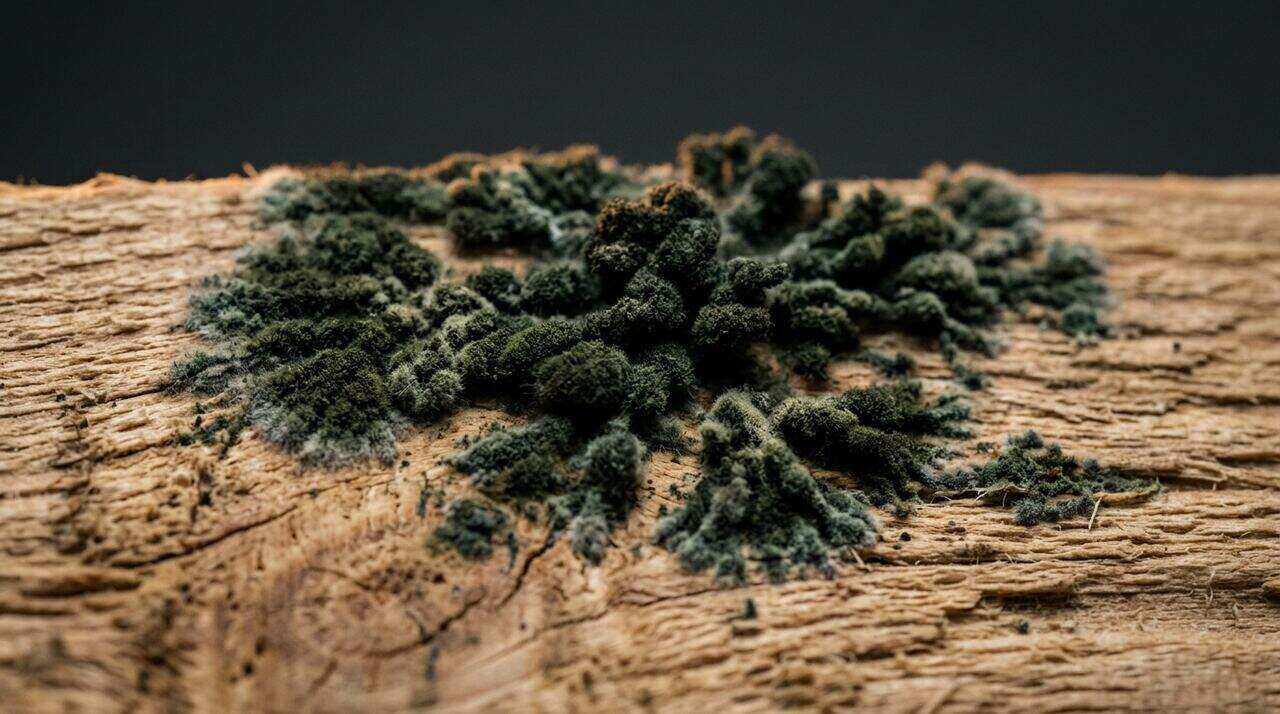
Where to get help in Oregon
Oregon Health Authority publishes a solid consumer mold page and is candid that neither it nor county health will inspect your home. These are the starting points.
Questions on file
Does Oregon require a license for mold remediation?
No, and the Oregon Health Authority says so directly on its indoor air quality page: while OHA does not regulate mold concerns, it has a library of resources. The Construction Contractors Board has exactly five specialty licenses and certifications, Home Inspector, Lead-Based Paint, Locksmith, Home Energy Assessor and Construction Flagging, and mold is not among them. What does apply is the ordinary CCB license for anyone working for compensation on improvements to real property, which a firm cutting out and replacing mold-damaged materials needs. Pure cleaning work such as pressure washing is expressly outside it.
Source 3, Oregon Construction Contractors BoardCan an Oregon tenant use repair and deduct for mold?
No, and the statute says so by name. ORS 90.368 lets a tenant repair a minor habitability defect costing up to $300 and deduct it from rent after seven days' written notice, but subsection (1)(b) states that a minor habitability defect does not mean the presence of mold, radon, asbestos or lead-based paint. Mold is deliberately carved out. The claim runs through ORS 90.320 habitability instead, with the remedy at ORS 90.360: written notice specifying the acts and omissions, and termination on a date not less than 30 days out unless the landlord cures within 7 days for an essential service or 30 days otherwise.
Source 2, Oregon LegislatureWhat makes a rental uninhabitable in Oregon?
ORS 90.320 deems a unit uninhabitable if it substantially lacks any of a listed set of elements. Four of them carry a mold claim: (a) effective waterproofing and weather protection of roof and exterior walls including windows and doors, (h) floors, walls, ceilings, stairways and railings maintained in good repair, (i) ventilating, air conditioning and other facilities maintained in good repair if supplied by the landlord, and (f) premises kept clean and sanitary. Mold itself is not named there, so name the missing element rather than the mold when you write your notice.
Source 2, Oregon LegislatureWhy is western Oregon such a bad mold climate?
Because there is no drying period. Astoria reports an 80 percent annual mean relative humidity with a 74 percent afternoon reading, a swing of only six points, and the western stations run a 44 to 45 F dew point through a mild wet winter. From November through February the daily mean holds 80 to 84 percent. Unlike a cold state, that is genuine moisture rather than a cold-air artifact, so material that gets wet in November may not dry until May without mechanical help. Drying in a Willamette Valley January means containment and dehumidification, not open windows.
Is eastern Oregon the same problem?
No. Pendleton reports 58 percent annual mean relative humidity, 12.8 inches of rain and a 38 F dew point, which is a different climate from Astoria's 80 percent and 70.3 inches. East of the Cascades, mold behaves the way it does in Idaho: it means something is leaking, and finding the leak is the job. Medford, in the Rogue Valley rain shadow, sits in between with the widest daily swing in the state at 33 points. Advice that treats Oregon as one climate is wrong for a large share of the state.
Should I test for mold in Oregon?
OHA says testing is generally not helpful, because there are no standards for judging safe indoor mold levels, and it adds that county and state public health departments do not have the resources to inspect private homes or test for mold. Its guidance is moisture control instead: fix the water problem, keep indoor humidity at 30 to 60 percent, run exhaust fans, and remove carpet in persistently wet areas. If you do test, for a landlord or insurance dispute, use someone who does not also sell you the remediation.
Source register
Every source chip on this page points here. Agency and statute pages first, then the federal technical references.
Find the mold in your Oregon home
The scanner is open. Get a detailed photo report, next steps, testing options and estimated cleanup costs.
Scan My Photo Get the free mold checklistRelated guides on Mold Scanner AI

All 51 State Reports
Humidity, licensing and tenant law for every state.
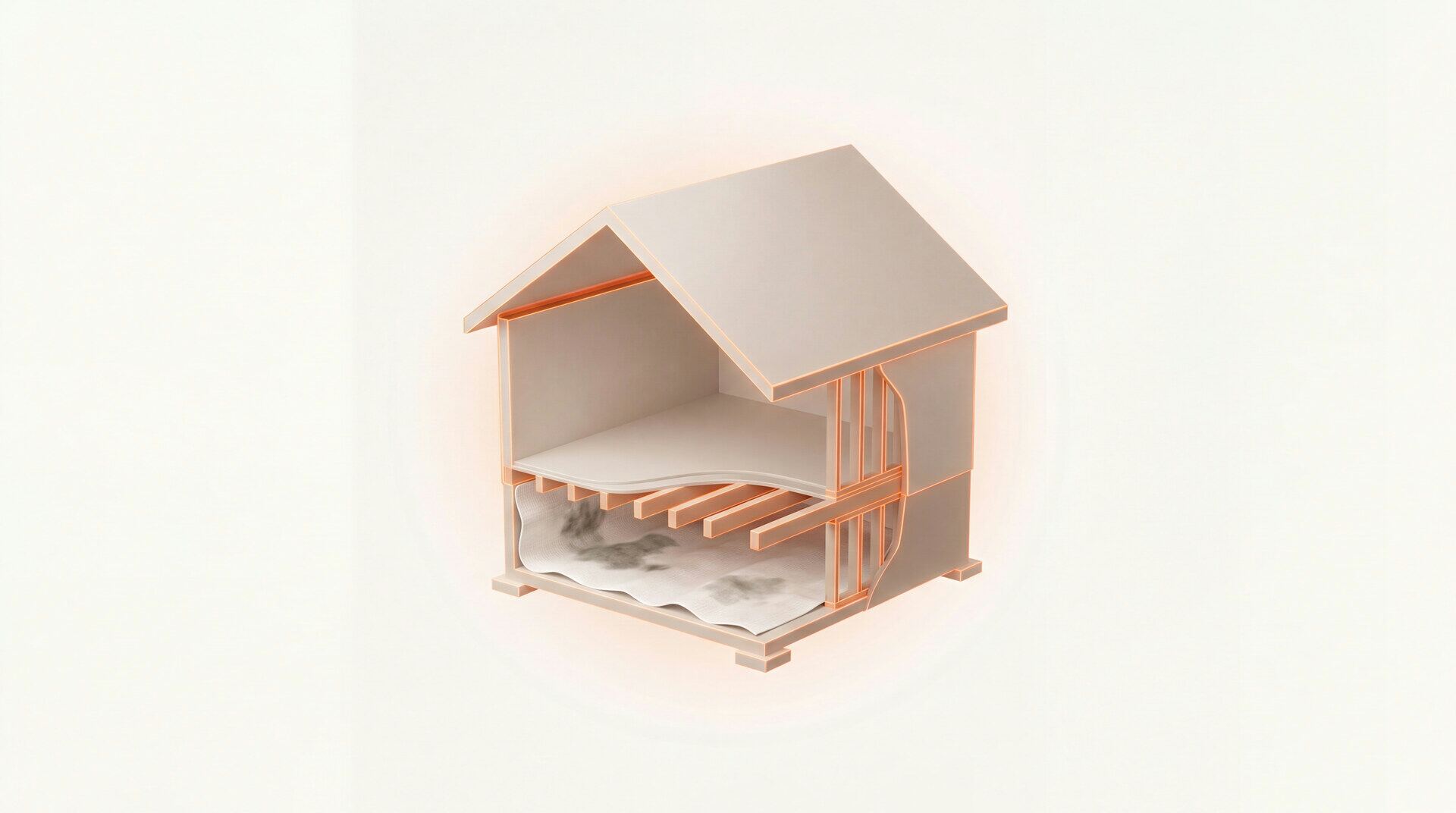
Mold in a Crawl Space
The western Oregon failure mode, and why sealing beats venting.
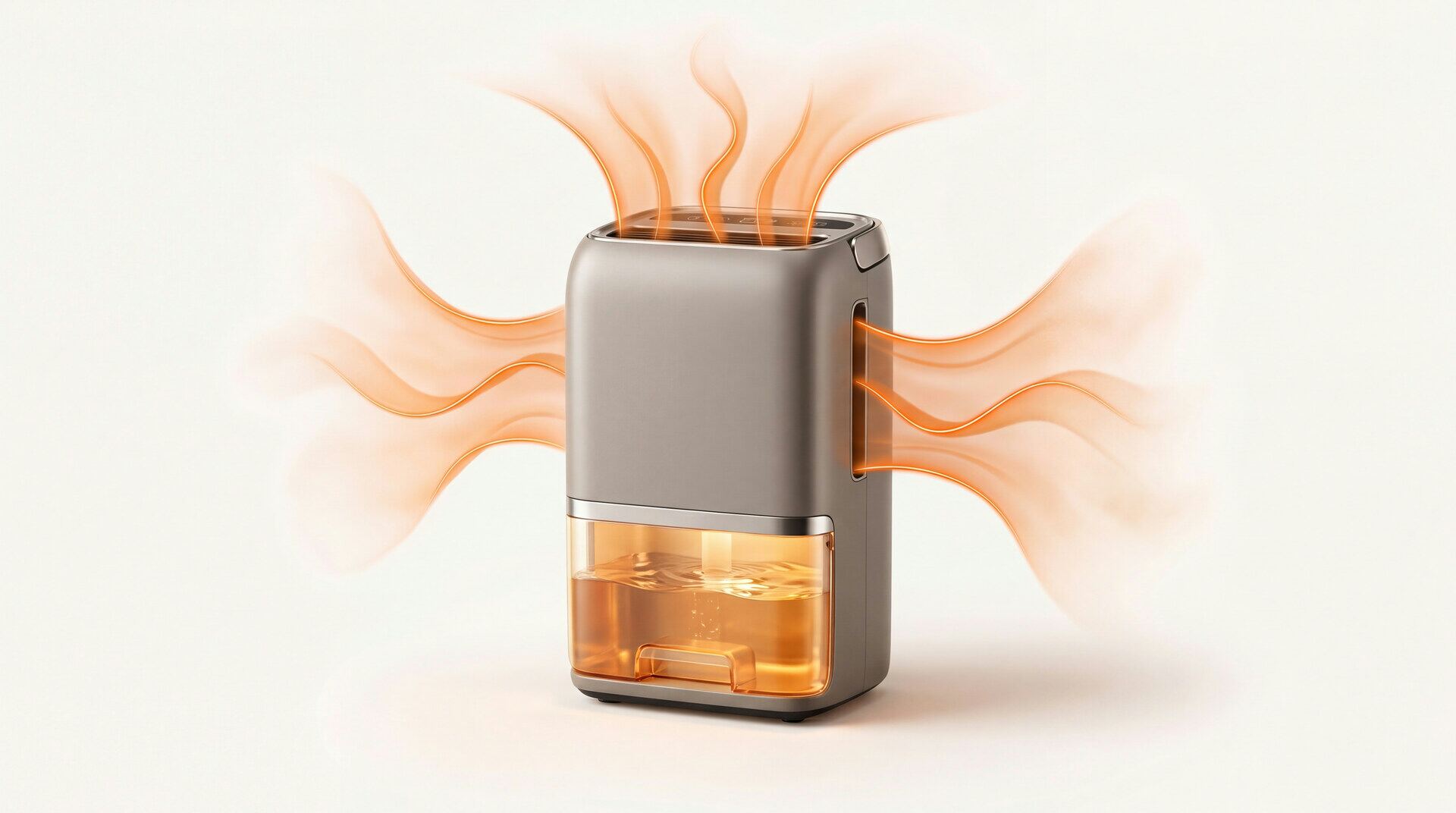
Picking a Dehumidifier
Sizing, drain options, and the spec that matters.
Is This Mold?
Telling growth from staining, dirt and efflorescence.

Mold in Your Apartment
Renter rights, notice letters, and landlord duties.

What Remediation Costs
The drivers that actually move a quote.