Does Mold Grow in the Cold?
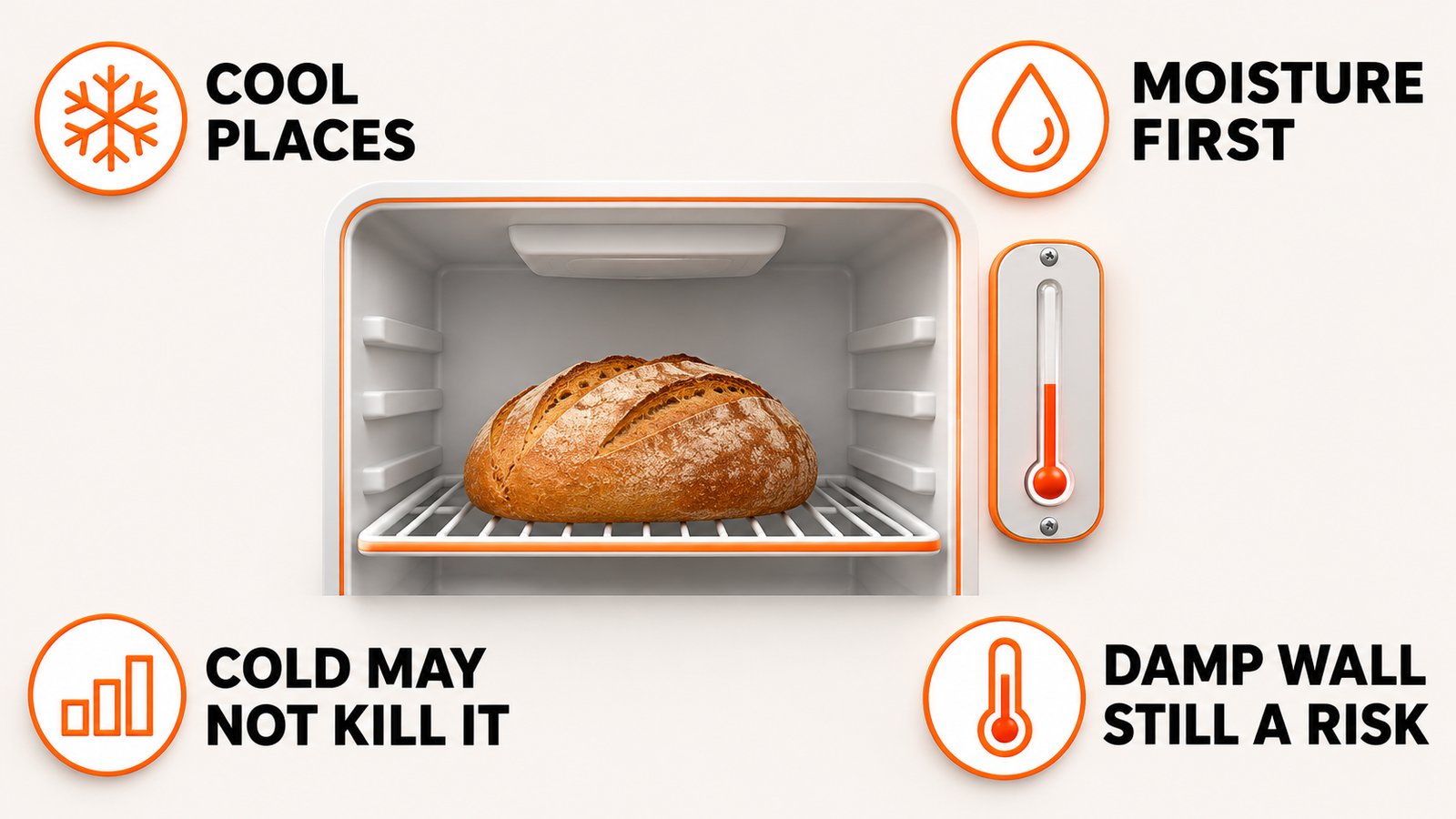
It can. The EPA's mold course says that in most cases temperature is not an issue: some molds grow in warm areas, while others prefer cool locations such as bread stored in a refrigerator.
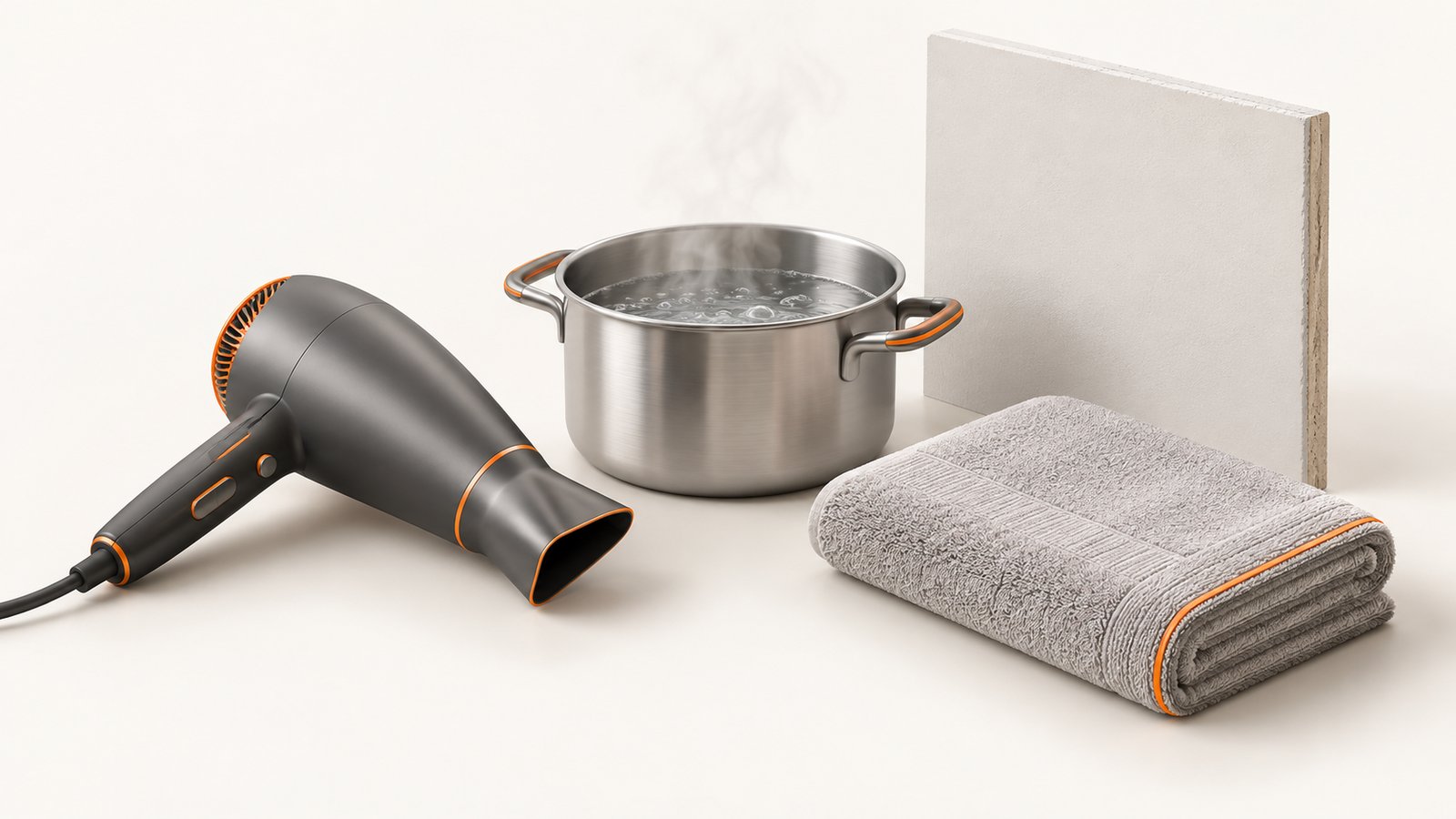
Cold slows things in at least one setting. The USDA Forest Products Laboratory's Wood Handbook says decay in wood is relatively slow at temperatures below 50 degrees F (10 C), and that decay essentially ceases when the temperature drops as low as 35 degrees F (2 C). Read that with care. It is about decay fungi in wood products, not mold on a wall, and it does not say whether the fungus goes dormant or dies.
The EPA's Brief Guide also says none of the many types of mold will grow without water or moisture. So a cold room with a damp wall is still a mold risk. For the hot end of the temperature scale, see our does heat kill mold page.
Can Mold Grow in Winter?
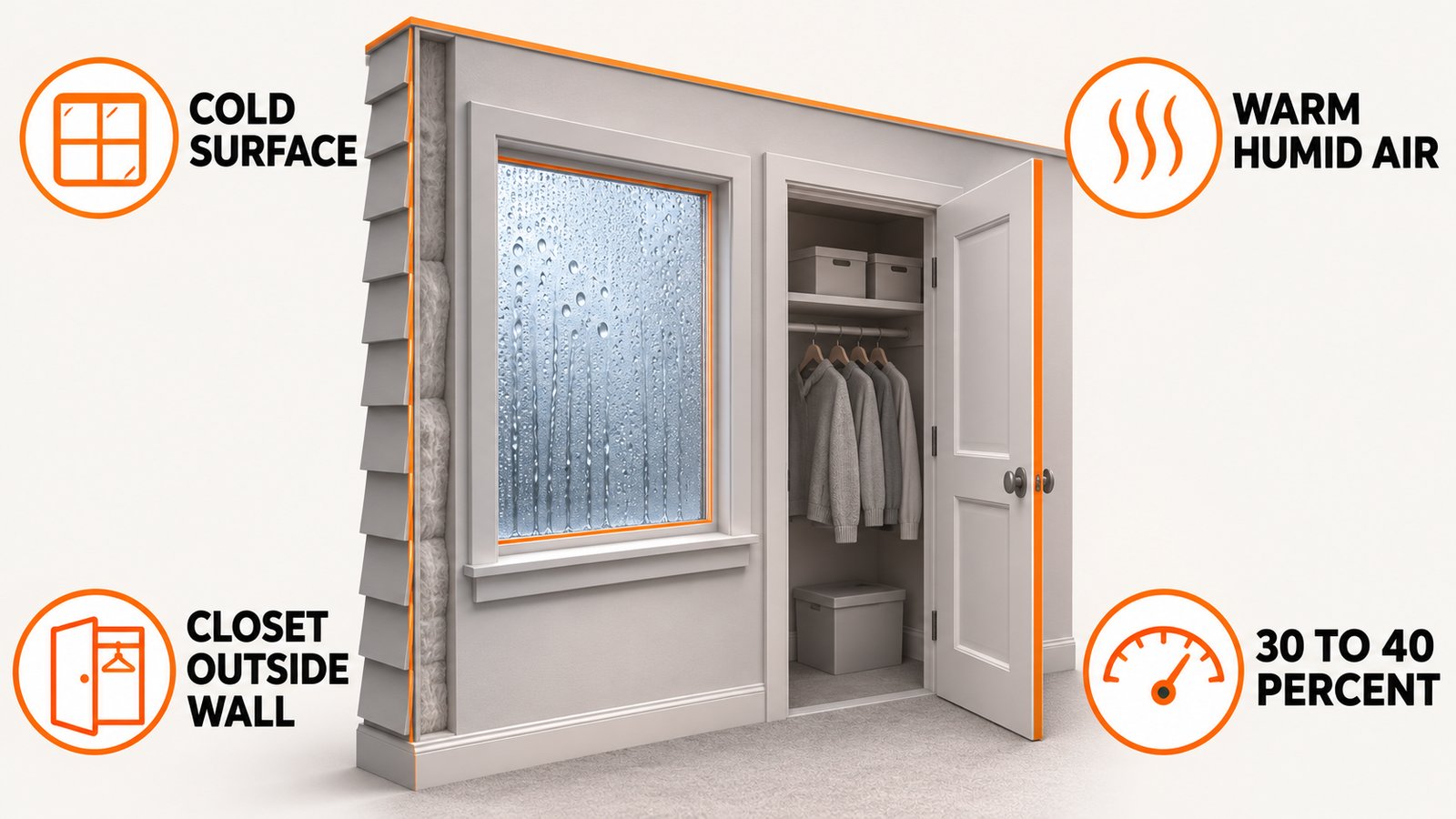
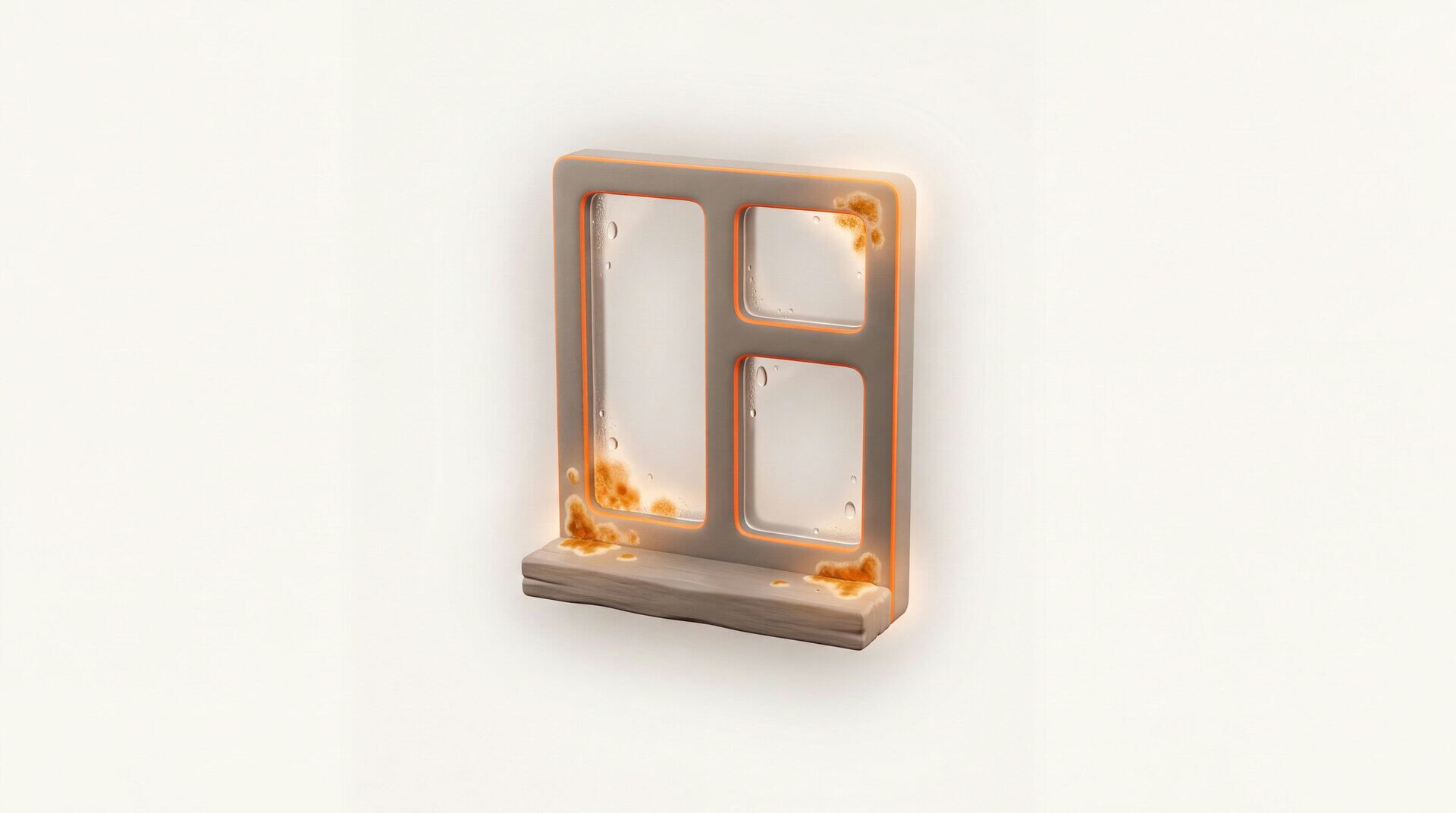
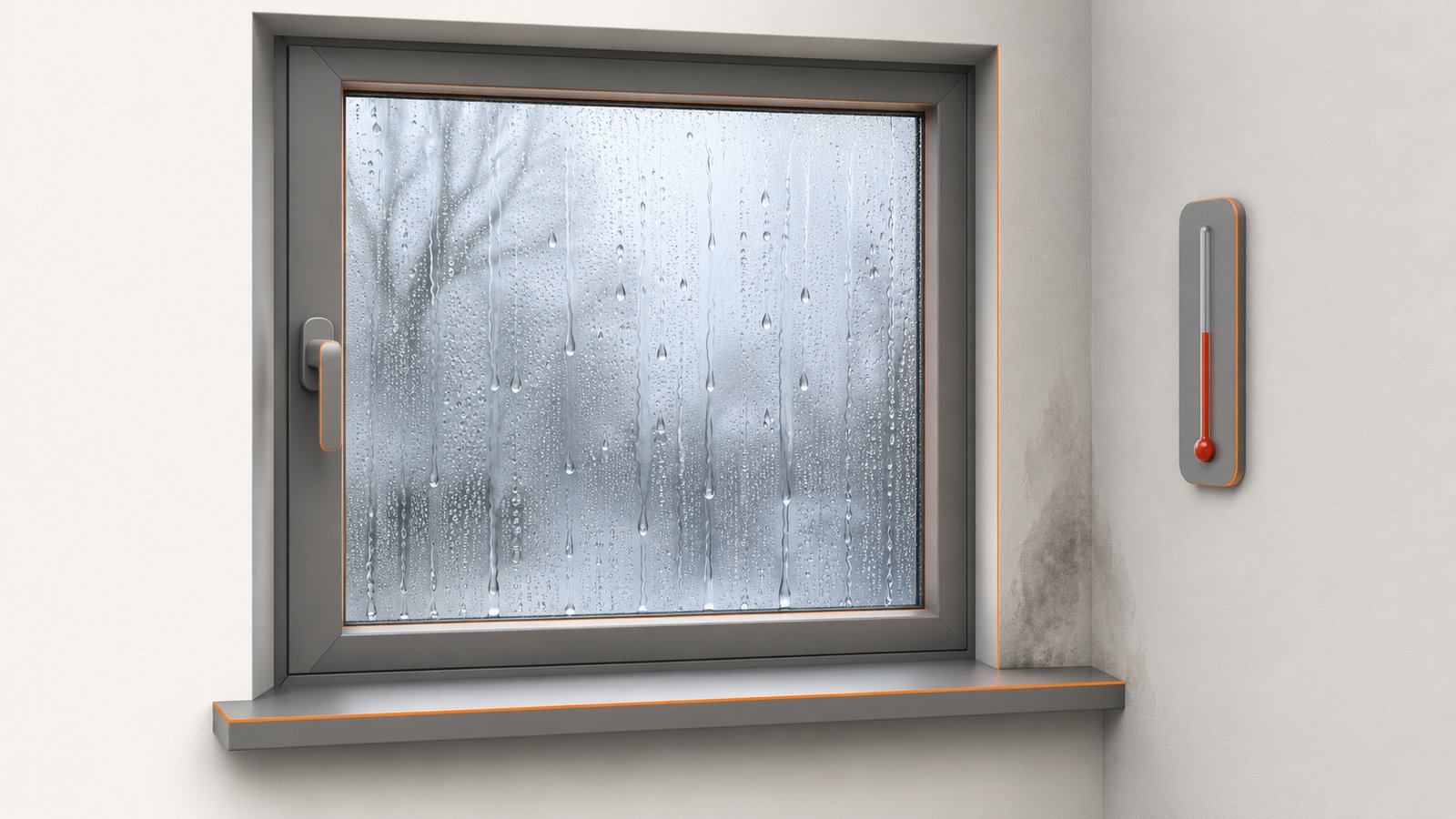
Yes, and the cold is part of the reason. The EPA's mold course explains the mechanism: when warm, humid air contacts a cold surface, condensation may form. It also says mold is frequently found on walls in cold corners behind furniture where condensation forms.
North Dakota State University Extension makes the same point for winter. Agricultural engineer Ken Hellevang said in a December 2011 extension news release that as outdoor temperatures cool, home moisture problems increase because moisture condenses on cool surfaces, and that it is common to see window condensation and mold growth on walls beginning at that time of year. His practical points:
- Windows. Air leakage cools the window surface. Storm windows, another pane of glass or plastic over the window warm it.
- Drapes. He says closing drapes typically causes more condensation on the window, because they insulate the glass, cooling it, while still letting moisture-laden room air reach it.
- Furniture and closets. Objects near a wall can have the same effect. Warm air needs to circulate behind furniture and onto the outside walls of closets, he says, to keep the surfaces warm.
- Humidity. He recommends keeping relative humidity at 30 to 40 percent in winter. The EPA's broader advice is below 60 percent, ideally between 30 and 50 percent.
He also notes that dehumidifiers may have limited ability to control winter condensation, because they are designed for warm air at high relative humidity. He says the best way to cut winter humidity is more ventilation, exchanging inside air for outside air. See our mold on window sill and mold in closet guides for those spots.
Can Mold Grow in a Refrigerator?

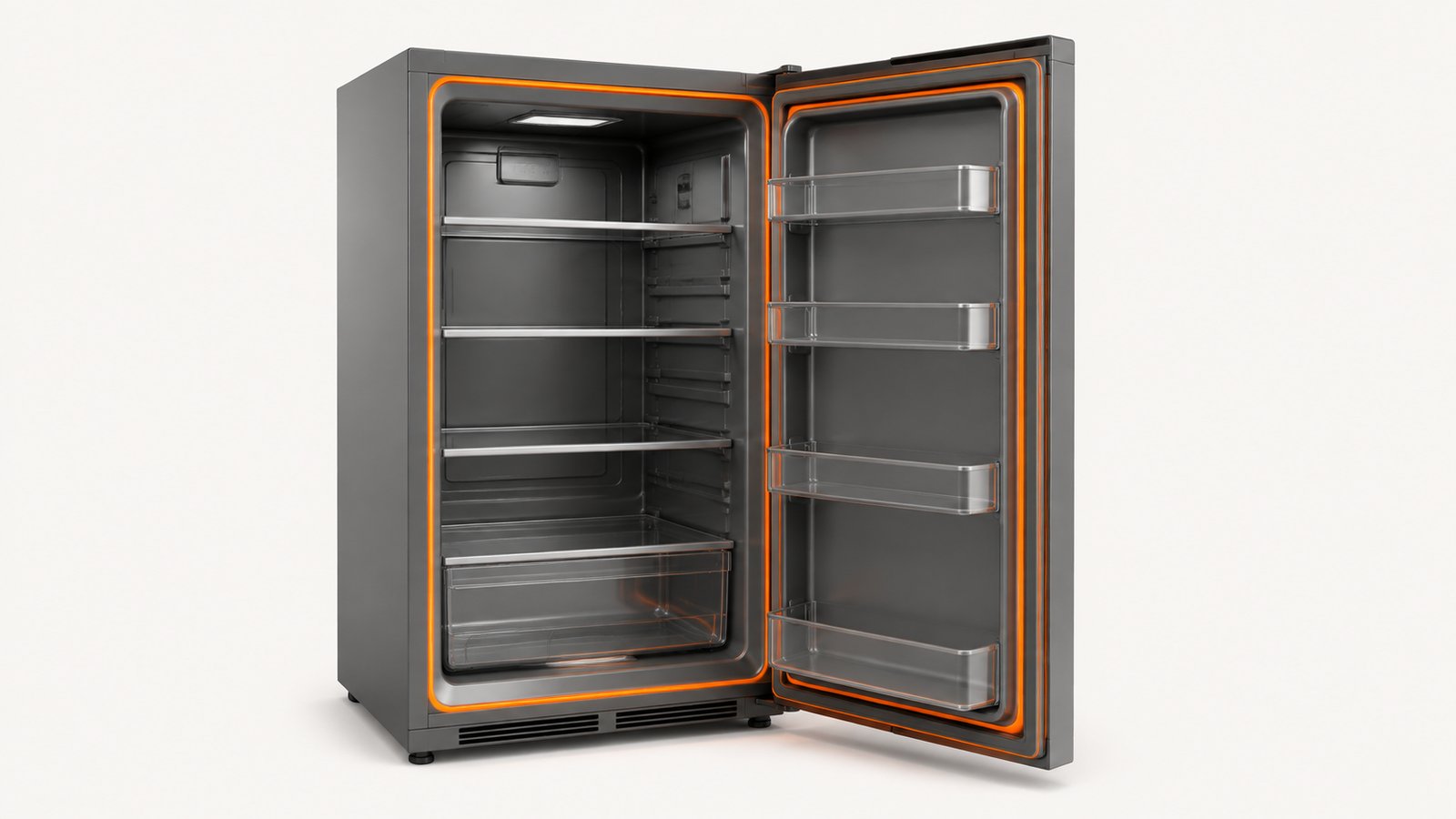
Yes. A Washington State University Extension food safety flyer (Lewis County) says that while most molds prefer warmer temperatures, they can grow at refrigerator temperatures too. Molds tolerate salt and sugar better than most other food invaders, it adds, so they can grow in refrigerated jams and jellies and on cured, salty meats such as ham and salami. It also warns that mold spores from contaminated food can build up in the refrigerator, in dishcloths and in other cleaning utensils.
That matters for cleanup: we would wash or throw out the cloth after wiping a moldy shelf. Our mold in the fridge guide covers the cleaning steps, including the freezer and the door seal.
We make no claim here about whether any particular refrigerated or frozen food is safe to eat. That is a food safety question, and the USDA's Food Safety and Inspection Service has a page for it, Molds on Food: Are They Dangerous? For bread and cheese, see mold on bread and mold on cheese.
Does Cold Kill Mold?
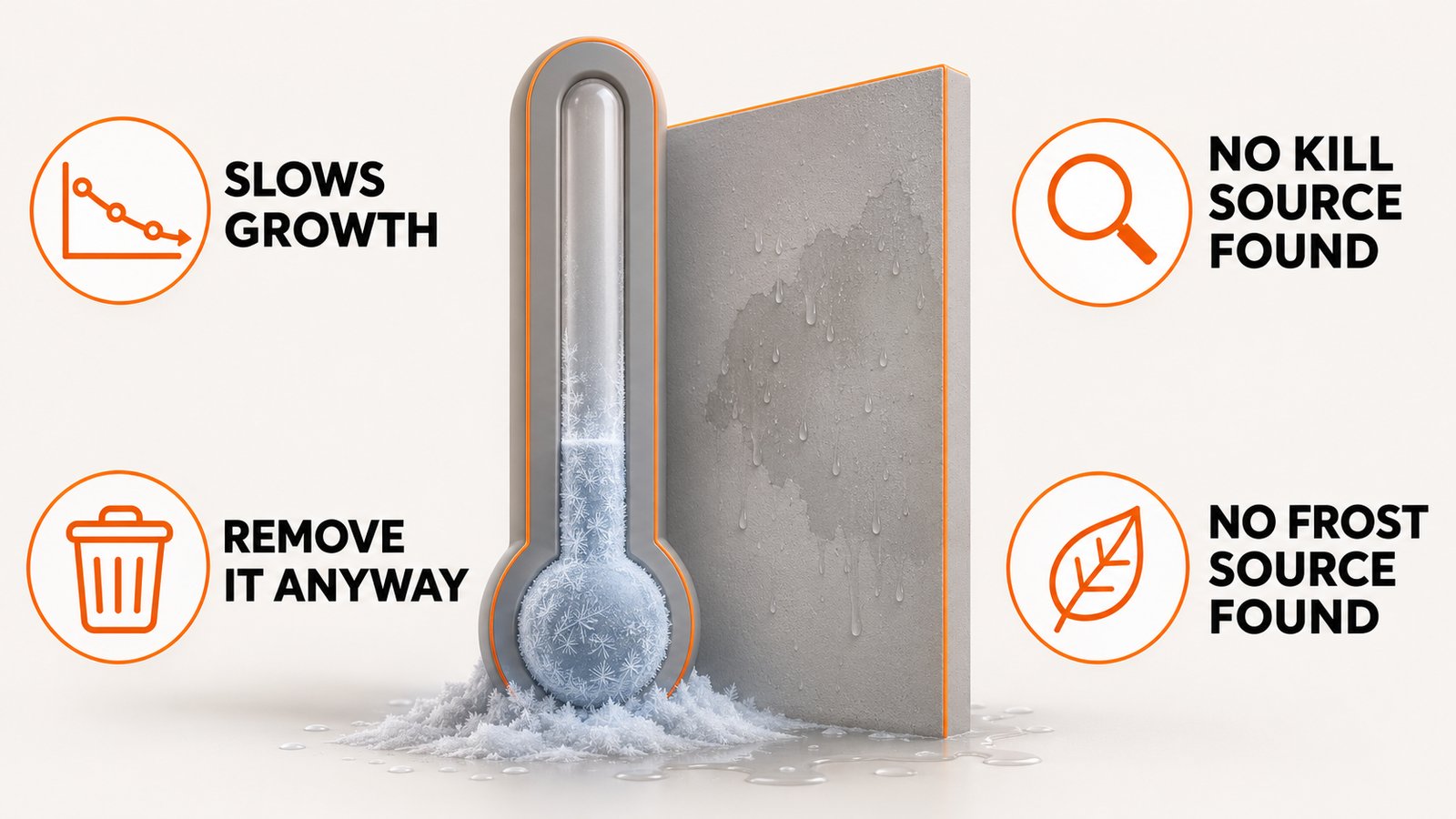
We did not find an EPA, CDC or university source we could read that says cold kills household mold. What the sources do say is narrower. The USDA Forest Products Laboratory says decay in wood essentially stops near 35 degrees F, which is a stop, not a kill. The EPA says some molds prefer cool places. The extension flyer above says mold can grow at refrigerator temperatures. None of them describes a cold temperature that clears mold from a building.
We found no agency page on whether a hard frost kills mold outdoors, so we make no claim.
Even a true kill would not finish the job. The EPA says dead mold may still cause allergic reactions in some people, so it is not enough to simply kill the mold. It must also be removed. Our does mold die on its own page covers the dried-out version of the same question.
Does Freezing Kill Mold?
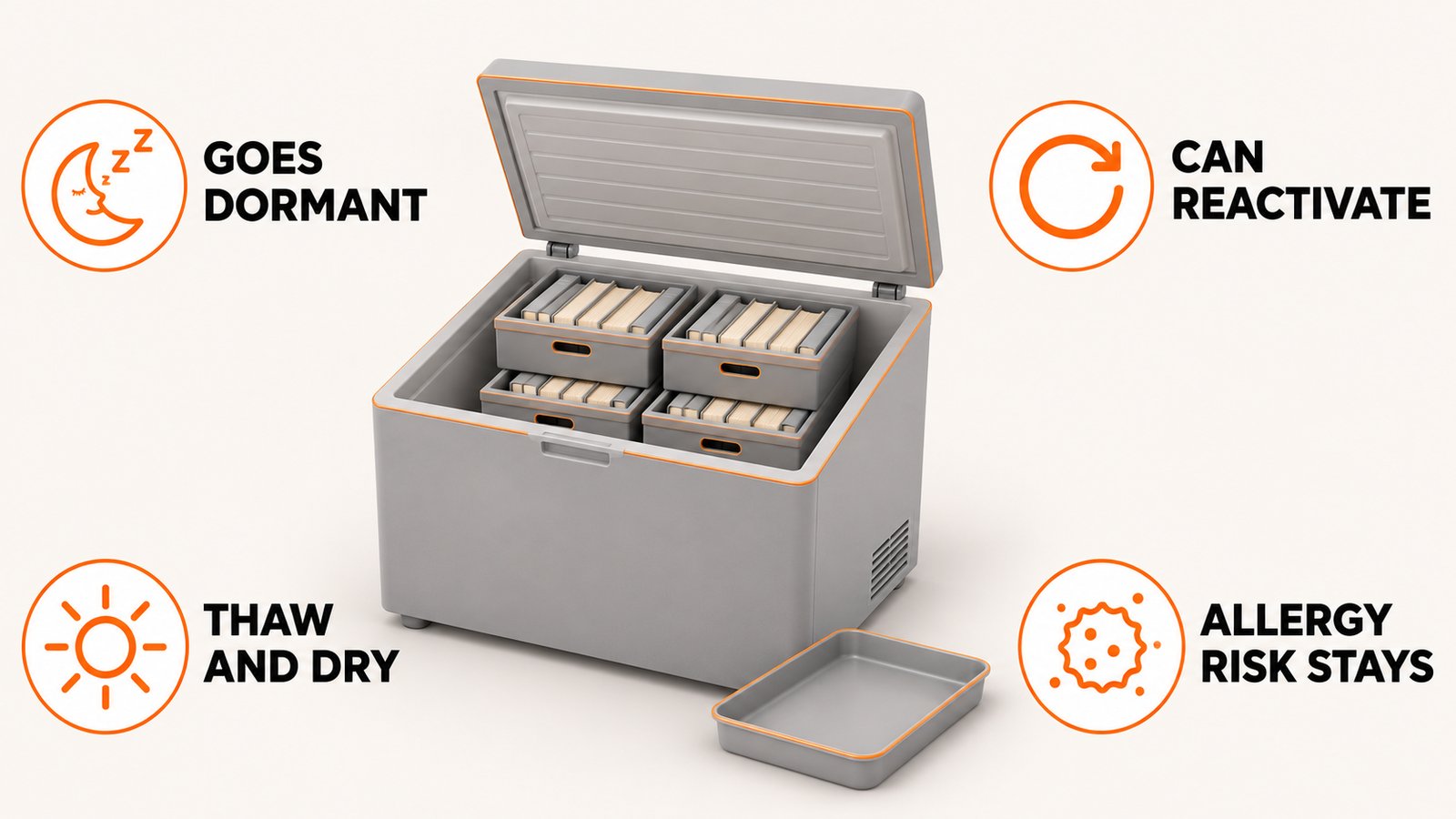
The sources we read say freezing pauses mold. None says it kills mold. The best source we found is not about houses. It is a free preservation leaflet from the Northeast Document Conservation Center, written for institutions that hold collections of books and paper. In it, freezing is a way to pause mold, not remove it.
The leaflet says that the goal of deactivation is to make the mold go dormant, and that wet or actively moldy items should be frozen until drying or cleaning can start. It says freezing will inhibit further mold growth until you have a chance to clean or dry the material. It describes inactive mold as simply dormant, and says it may become active again if subjected to the right environmental conditions. It also says many individuals experience allergic symptoms in the presence of inactive mold. A companion leaflet says freezing inhibits mold growth, which buys time to decide what to save.
Details that show how limited this is:
- Items are frozen for at least 24 hours and then allowed to defrost before cleaning. Plastic bags come off before defrosting, because a bag creates a microclimate that leads to mold growth.
- Wet items must be dried before cleaning, and the leaflet says mold will normally grow on wet materials within 48 hours.
- Some items should not be frozen at all, including photographs, audio-visual materials, leather-bound books and vellum or parchment.
We are not recommending a freezer as a cleanup method for your home. The leaflet is written for trained staff in protective gear. It is about paper collections and does not address food safety or building materials. For food, go to the USDA page named above. For a moldy book, start with mold on books. The EPA's point still applies to anything that thaws: dead mold may still cause allergic reactions, so it must be removed.
Keeping Mold Out of a Cold Room
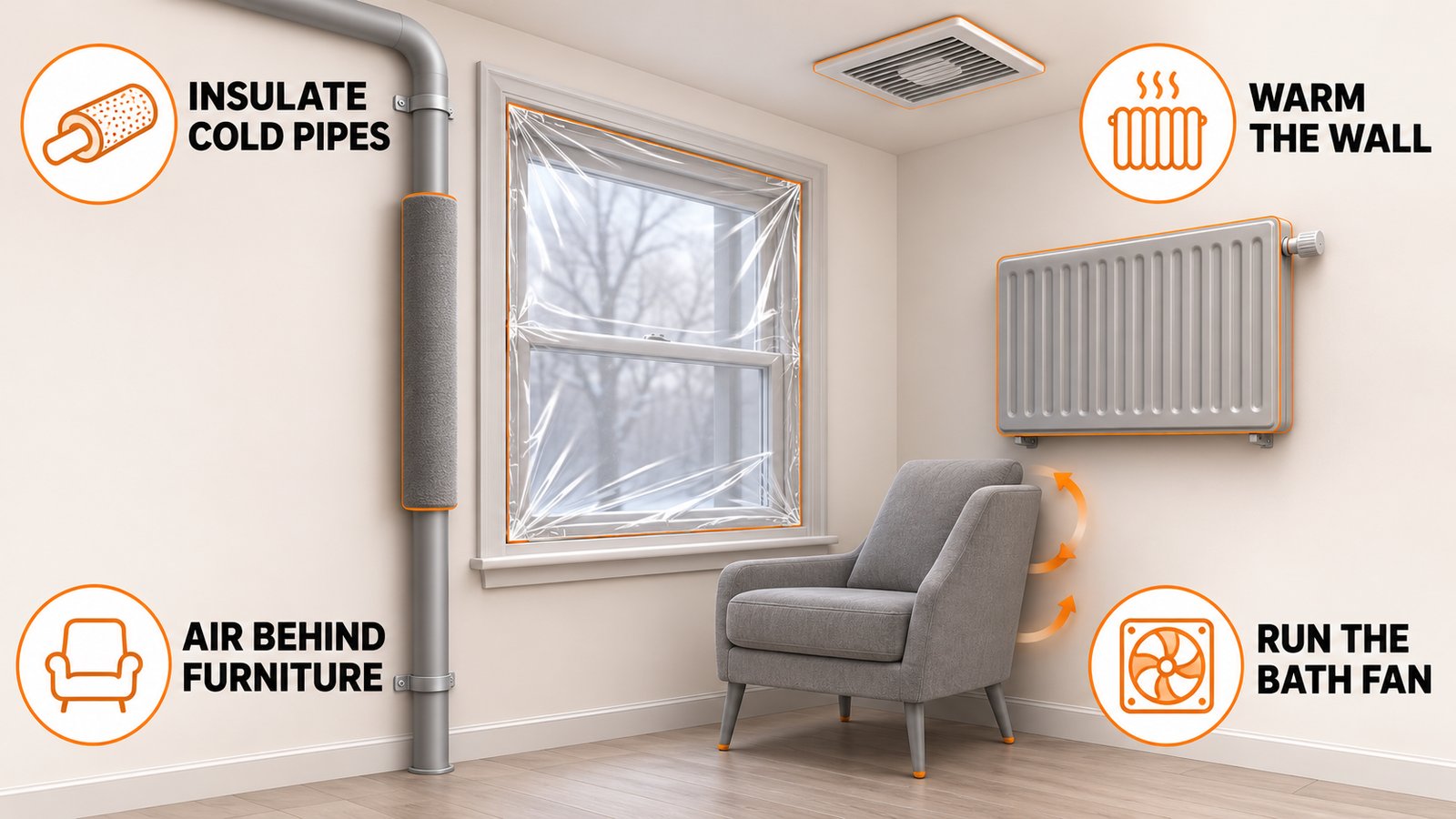
The EPA's Brief Guide lists these ways to help prevent condensation: reduce the humidity, increase ventilation or air movement, cover cold surfaces such as cold water pipes with insulation, and increase air temperature. NDSU Extension adds storm windows or plastic over windows.
- Read the humidity with a meter. The EPA says a moisture or humidity meter is a small, inexpensive ($10 to $50) instrument. Our humidity risk calculator turns a reading into a plain risk picture.
- Dry condensation fast. The EPA says to act quickly to dry wet windows, walls or pipes and reduce the moisture source.
- Vent moisture. The EPA says to run the bathroom fan or open a window when showering, and to use exhaust fans or open windows when cooking or dishwashing.
- If mold is already there, scrub it off hard surfaces with detergent and water and dry completely, as in how to get rid of mold. The EPA says to dry wet or damp areas within 24 to 48 hours and that, in most cases, mold will not grow if they are dried in that time.
Other cold spots: mold in the basement, mold in the attic, mold in the garage. Year-round habits are in how to prevent mold.
When to Call a Pro
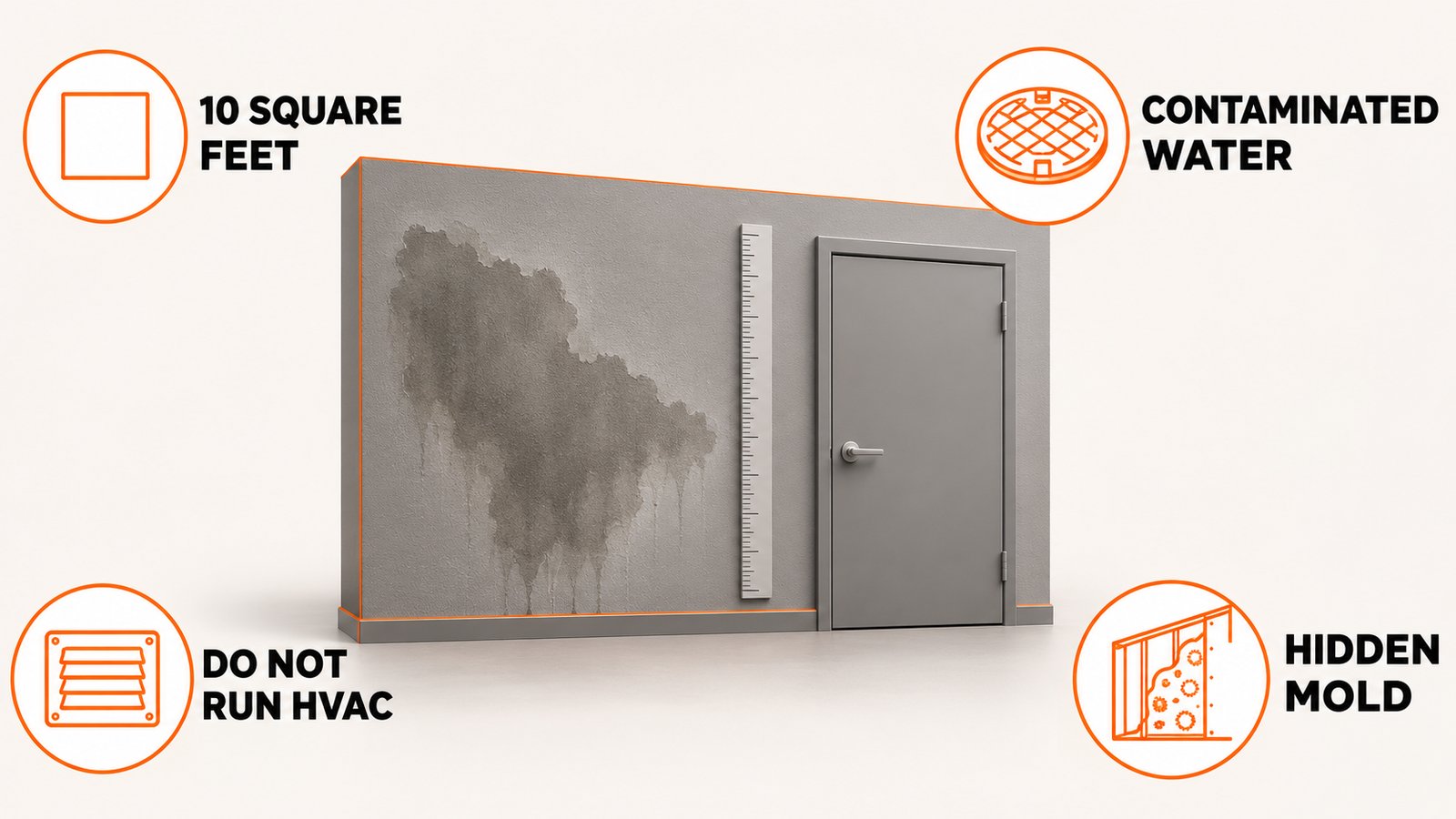
Cold spots hide mold. The EPA says hidden mold may be found on the surface of walls behind furniture, where condensation forms, and inside walls around leaking or condensing pipes. You may suspect it if a building smells moldy but you cannot see the source, or if you know there has been water damage and residents are reporting health problems. The EPA says to consider hiring an experienced professional.
On size, the EPA says a moldy patch under about 10 square feet (roughly 3 feet by 3 feet) is, in most cases, a job you can handle yourself. Past that, or after a lot of water damage, it points to its guide for larger jobs, and we suggest a professional. Its own "call in a professional" is for sewage or other contaminated water. If the HVAC system may be contaminated, it says not to run it. If you have health concerns, it says to consult a health professional before cleanup. See mold removal.
Frequently asked questions
Does mold grow in the cold?
It can. The EPA's mold course says that in most cases temperature is not an issue, and that some molds prefer cool locations such as bread stored in a refrigerator. The EPA also says none of the many types of mold will grow without water or moisture.
Does mold grow in winter?
Yes, mostly through condensation. NDSU Extension says home moisture problems increase as outdoor temperatures cool, because moisture condenses on cool surfaces, and the EPA says mold is frequently found on walls in cold corners behind furniture where condensation forms.
Does cold kill mold?
We found no EPA, CDC or university source we could read that says cold kills household mold. The sources describe cold as slowing growth, and the EPA says dead mold may still cause allergic reactions, so mold has to be removed either way.
Does freezing kill mold?
The Northeast Document Conservation Center describes freezing as a way to make mold go dormant and inhibit growth, and says inactive mold may become active again under the right conditions. It does not describe freezing as removing mold. Take food questions to the USDA.
Can mold grow in a refrigerator or freezer?
Washington State University Extension says molds can grow at refrigerator temperatures, including on jams, jellies and cured meats. A conservation leaflet describes freezing as inhibiting mold growth. Our fridge guide covers cleaning both.
What humidity should I keep in winter to stop mold?
NDSU Extension recommends 30 to 40 percent relative humidity in winter. The EPA advises below 60 percent, ideally between 30 and 50 percent.
Do I still need to clean up mold if the cold stopped it?
Yes. The EPA says dead mold may still cause allergic reactions in some people, and a conservation center notes that inactive mold can cause allergic symptoms too. Scrub hard surfaces with detergent and water, dry completely, and fix the moisture source.
Sources
Every claim on this page traces to one of these. Links open the primary document.