
Why attic mold is so common
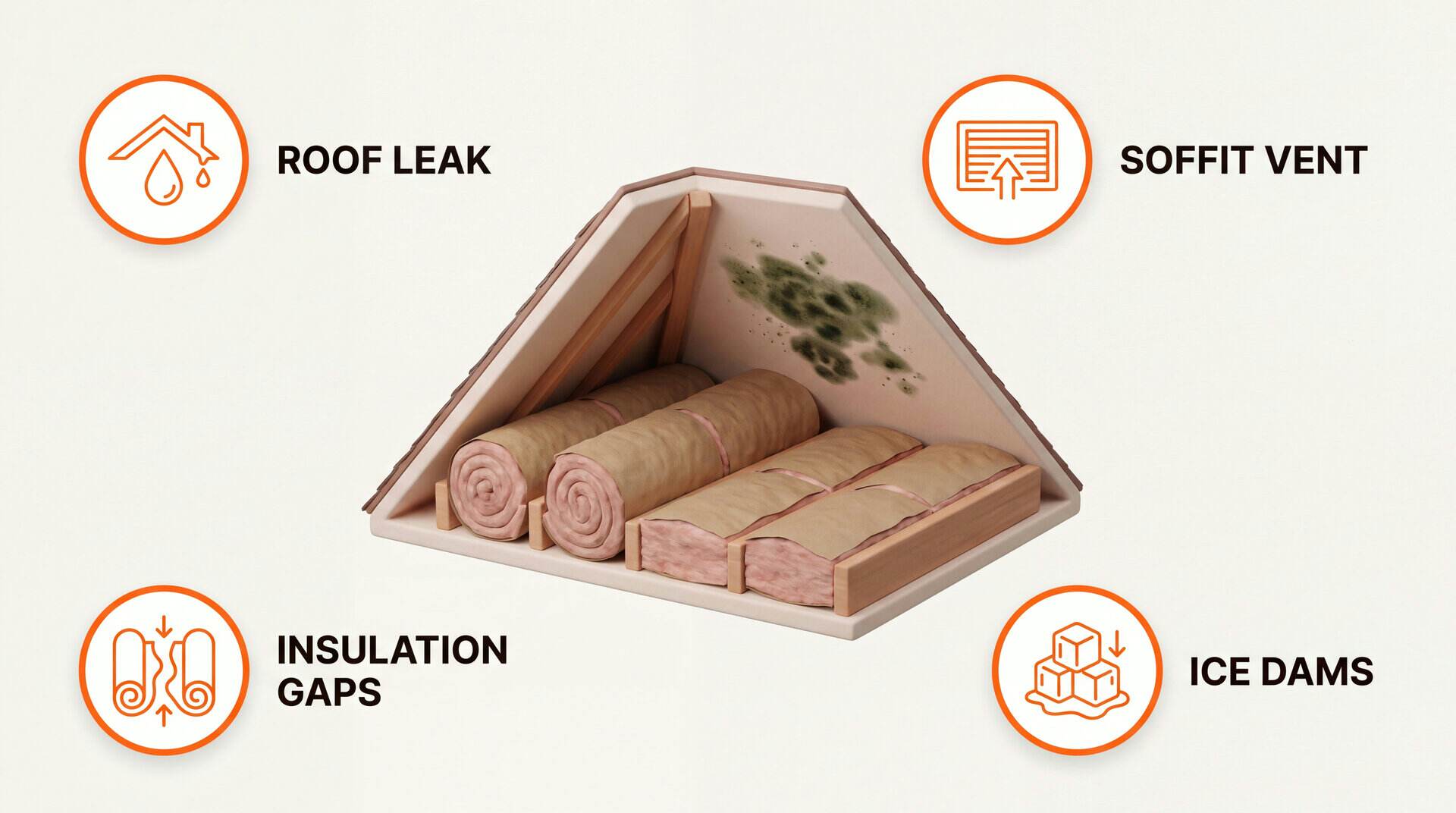
Your attic should be a cold, dry, well ventilated space. Cool outside air enters through soffit vents at the bottom of the roof and exits through ridge vents or gable vents at the top. This constant airflow carries moisture out before it can condense.
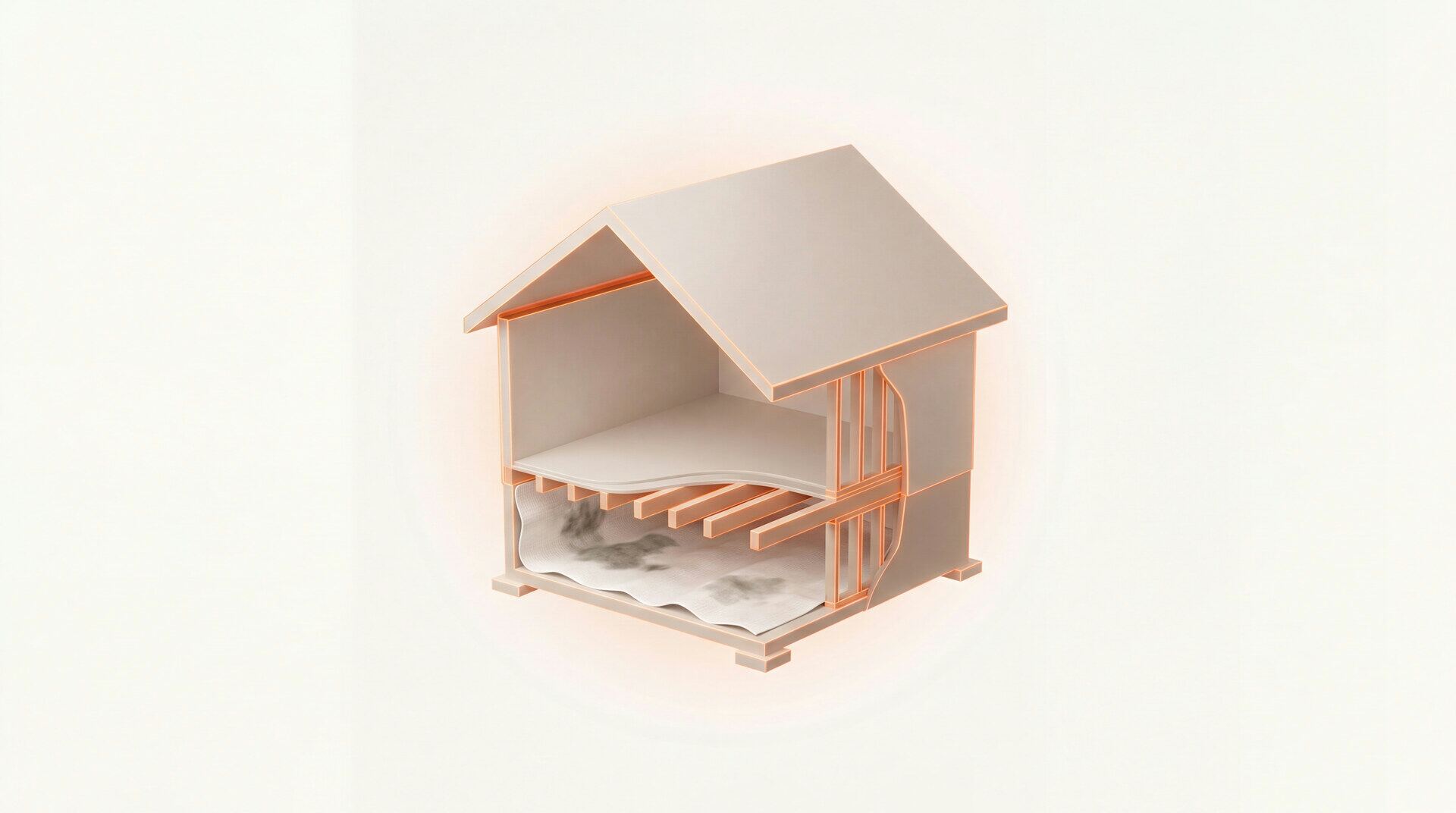
When that airflow is blocked or interrupted, warm moist air from the living space gets trapped in the attic. In winter, the roof sheathing is cold. The warm air hits the cold plywood and condensation forms, just like water droplets on a cold glass of water. That moisture soaks into the wood and mold starts growing within days.
The problem is invisible from inside the house. You can have severe attic mold for years without knowing it. Most people discover it during a home inspection for a sale, or when they go into the attic for something else and see black staining on the roof sheathing. By then, it may have been growing for months or years.
The 3 main causes of attic mold
1. Soffit vents blocked by insulation: Soffit vents are the intake ports at the bottom edge of the roof. They let cool outside air enter the attic. When attic insulation is installed or added, it often gets pushed against the roof edge, covering the soffit vents. This blocks the air intake and kills the ventilation cycle. The fix: install rafter baffles (also called vent chutes or insulation baffles) at every soffit vent. These plastic or foam channels keep insulation away from the vents and maintain the airflow path. They cost $1 to $3 each and take 10 minutes to install per bay.
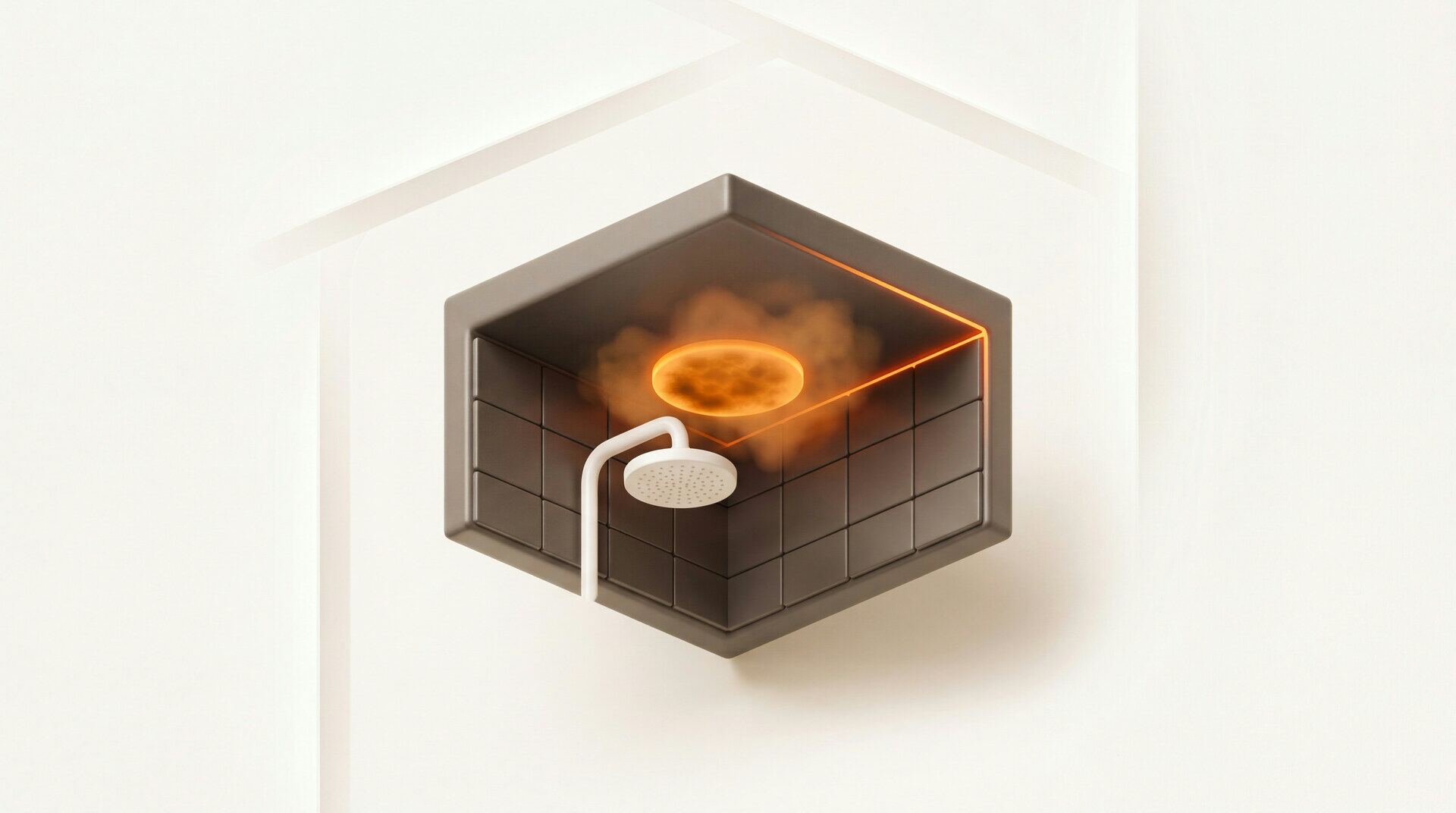
2. Bathroom exhaust fans venting into the attic: This is one of the most common building code violations in residential construction. The International Residential Code (IRC Section M1501.1) requires all exhaust air to be discharged to the outdoors. But many homes, especially older ones, have bathroom fans that simply dump humid air into the attic space. Every shower pumps warm, moisture laden air directly onto the roof sheathing. This single issue causes attic mold in thousands of homes every year. The fix: run the exhaust duct through the attic and out through the roof or a gable wall. Use insulated duct to prevent condensation inside the duct. Make sure the exterior termination has a damper to prevent backdrafts.
3. Not enough roof vents: The general rule is 1 square foot of net free ventilation area for every 150 square feet of attic floor space. If you have a vapor barrier on the warm side of the attic floor, that ratio drops to 1:300. Many homes do not meet this minimum. The fix: add ridge vent along the entire peak of the roof (the most effective), or add more gable vents, or install powered attic fans. Ridge vent combined with soffit vents creates natural convection that works 24/7 with no electricity.
What attic mold looks like
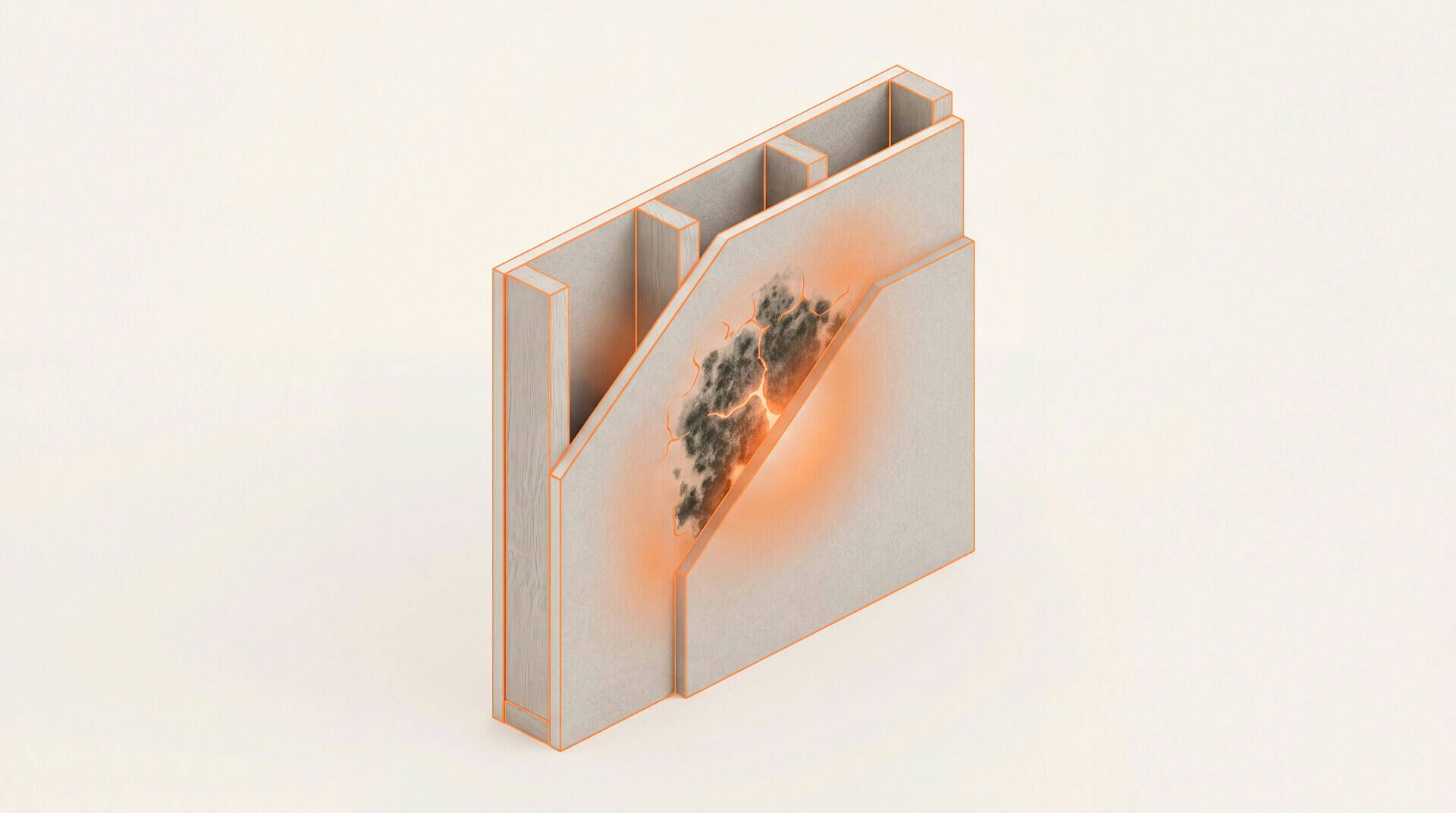
Attic mold appears on the underside of the plywood or OSB roof sheathing. In early stages, it looks like dark speckling, almost like someone flicked black paint across the wood. The spots are small, scattered, and often concentrated near the peak of the roof or around areas with poor ventilation.
In moderate cases, the dark spots merge into larger stained areas. The plywood looks discolored, gray to black. You can see the mold clearly on the light colored wood.
In severe cases, the entire underside of the roof sheathing is black. The wood may be soft when you push on it with a screwdriver. At this point, the plywood is structurally compromised and may need replacement. You may also see mold on the rafters, truss chords, and any exposed framing.
Other signs: Frost on nail tips poking through the sheathing in winter (the nails conduct cold and cause localized condensation). Dark staining around the nail tips. A musty smell when you open the attic access hatch. Any of these warrant a closer look.
How to fix attic mold
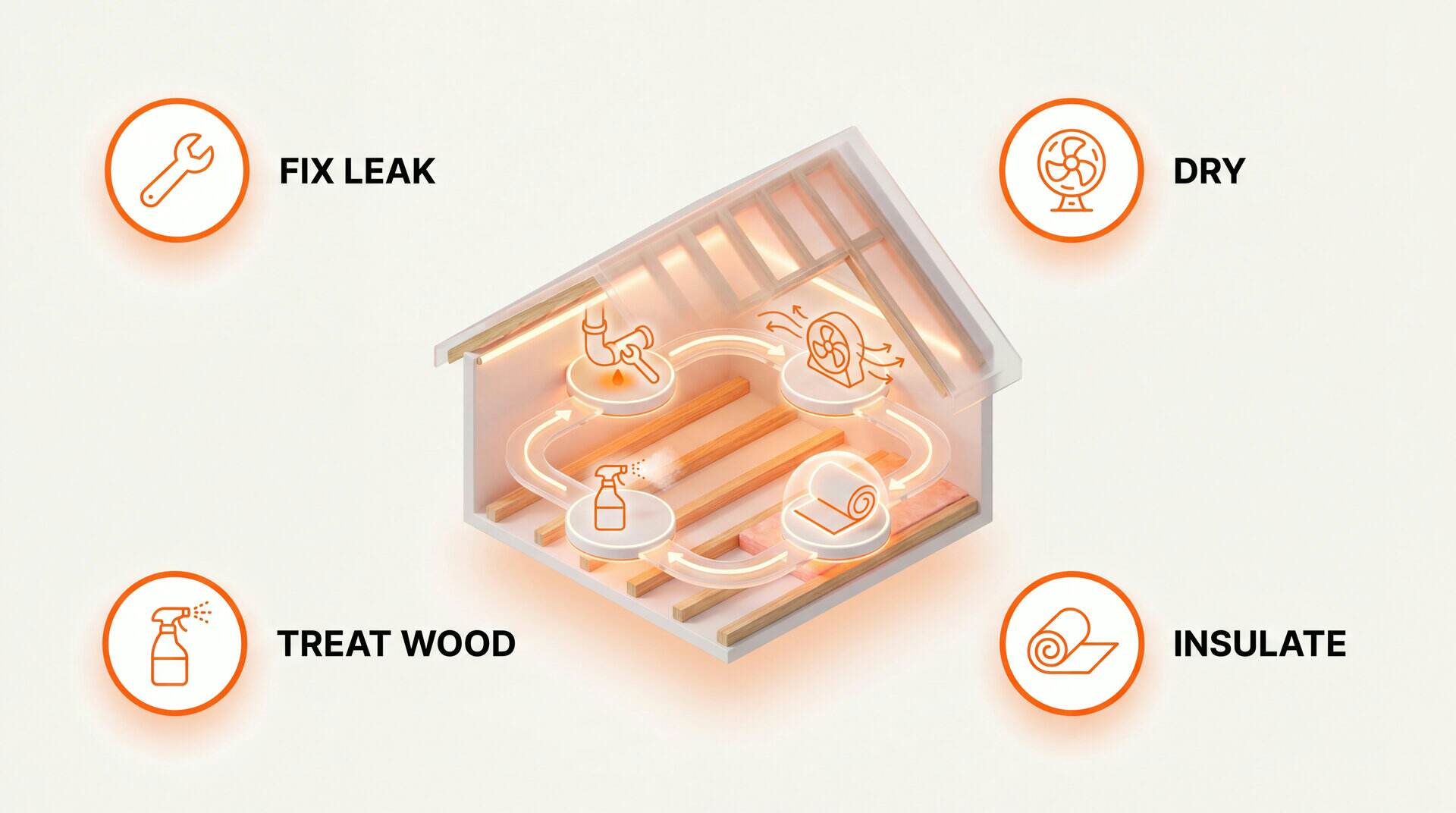
Step 1: Fix the ventilation (always first). This is not optional. If you clean or remediate the mold without fixing the ventilation, it will come back. Check soffit vents for blockage. Check bathroom exhaust ducts. Count your roof vents and compare to the 1:150 or 1:300 rule. Fix every ventilation issue before spending money on mold cleaning.
Step 2: Seal air leaks from the living space. Warm air enters the attic through gaps around light fixtures, pipes, wires, the attic hatch, and ductwork connections. Sealing these gaps with caulk, spray foam, and weatherstripping reduces the moisture load on the attic dramatically. Pay special attention to recessed can lights, which are major air leakage points.
Step 3: Remediate the mold. For small areas (less than 10 square feet), you can clean it yourself. HEPA vacuum the affected wood first. Then spray with a mold cleaning solution like a botanical disinfectant or hydrogen peroxide. Let it dry completely. For larger areas or if the wood is soft and structurally damaged, hire a professional mold remediator. They will set up containment, HEPA vacuum, treat the wood, and may need to replace damaged sheathing. Cost: $1,500 to $5,000 for standard remediation, $10,000 to $15,000 or more if sheathing replacement is needed.
Step 4: Monitor. After fixing ventilation and cleaning the mold, check the attic every few months. Look at the same areas where mold was found. If you see new growth, the ventilation fix was not sufficient. Consider adding a humidity monitor to the attic to track conditions remotely.
Frequently asked questions
What causes mold in the attic?
The number one cause is poor ventilation. Warm moist air from the living space rises into the attic and gets trapped. It condenses on the cold roof sheathing and mold grows. Common ventilation problems include soffit vents blocked by insulation, bathroom exhaust fans venting into the attic instead of outside, and not enough ridge or gable vents for proper air circulation.
Is it a code violation to vent a bathroom fan into the attic?
Yes. The International Residential Code (IRC Section M1501.1) requires all exhaust air to be discharged to the outdoors. Venting a bathroom fan into the attic pumps warm moist air directly onto the roof sheathing. This is one of the most common causes of attic mold and one of the most common code violations found during home inspections. The duct must run through the attic and exit through the roof or a gable wall.
What does attic mold look like?
Attic mold appears as black speckling or dark staining on the underside of the plywood roof sheathing. It often looks like someone sprayed black paint in a random pattern. In advanced cases, the plywood may appear completely black. You may also see mold on the rafters, truss chords, and any exposed wood framing. White fuzzy mold can also appear on the wood.
How much does attic mold remediation cost?
Attic mold remediation costs $1,500 to $5,000 for most homes. If the roof sheathing is structurally damaged and needs replacement, the cost can reach $10,000 to $15,000 or more. The remediation must include fixing the ventilation problem, not just cleaning the mold. If the ventilation is not fixed, the mold will come back.
Sources
Every claim on this page traces to one of these. Links open the primary document.