
Why condensation causes window mold
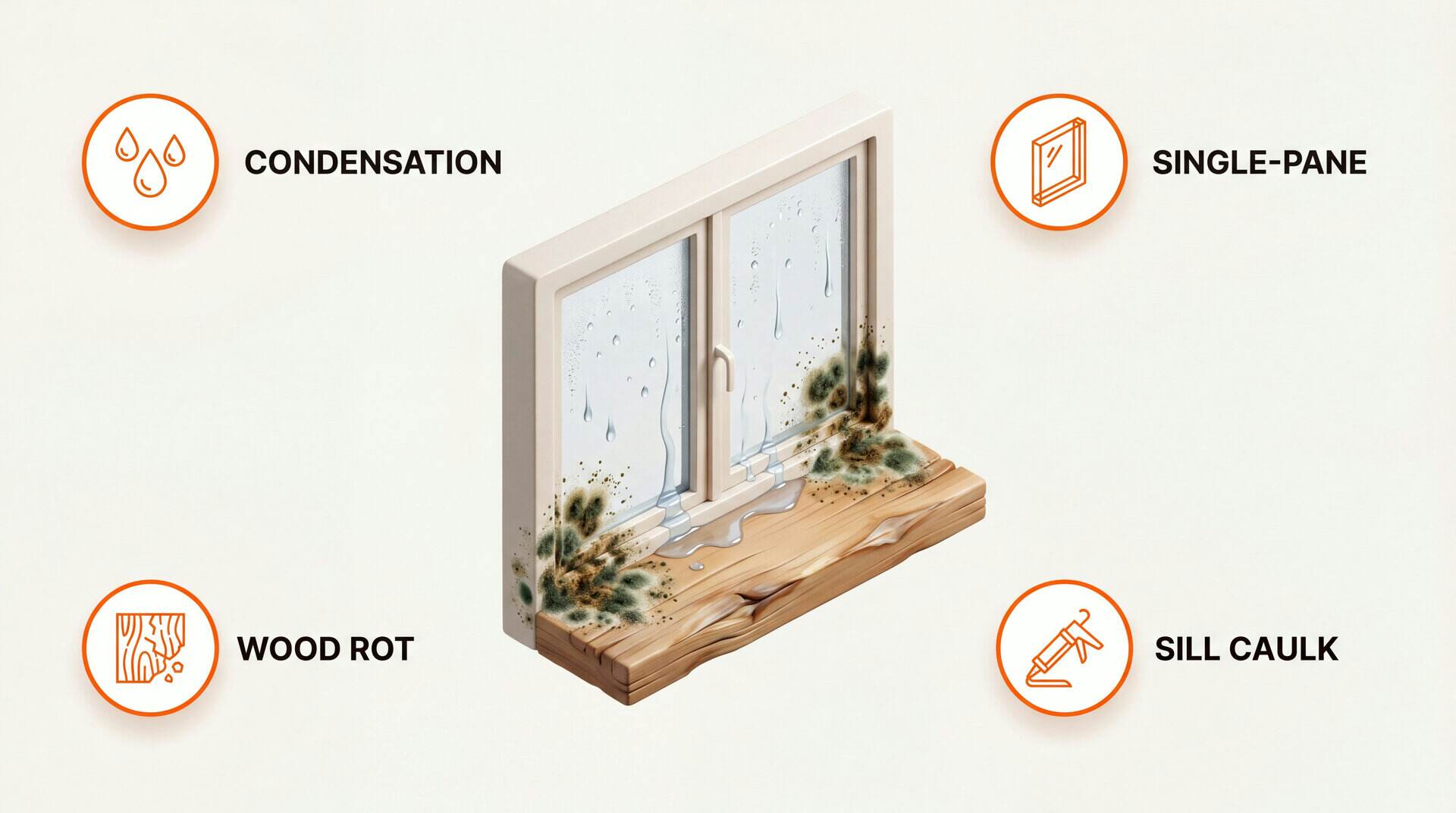
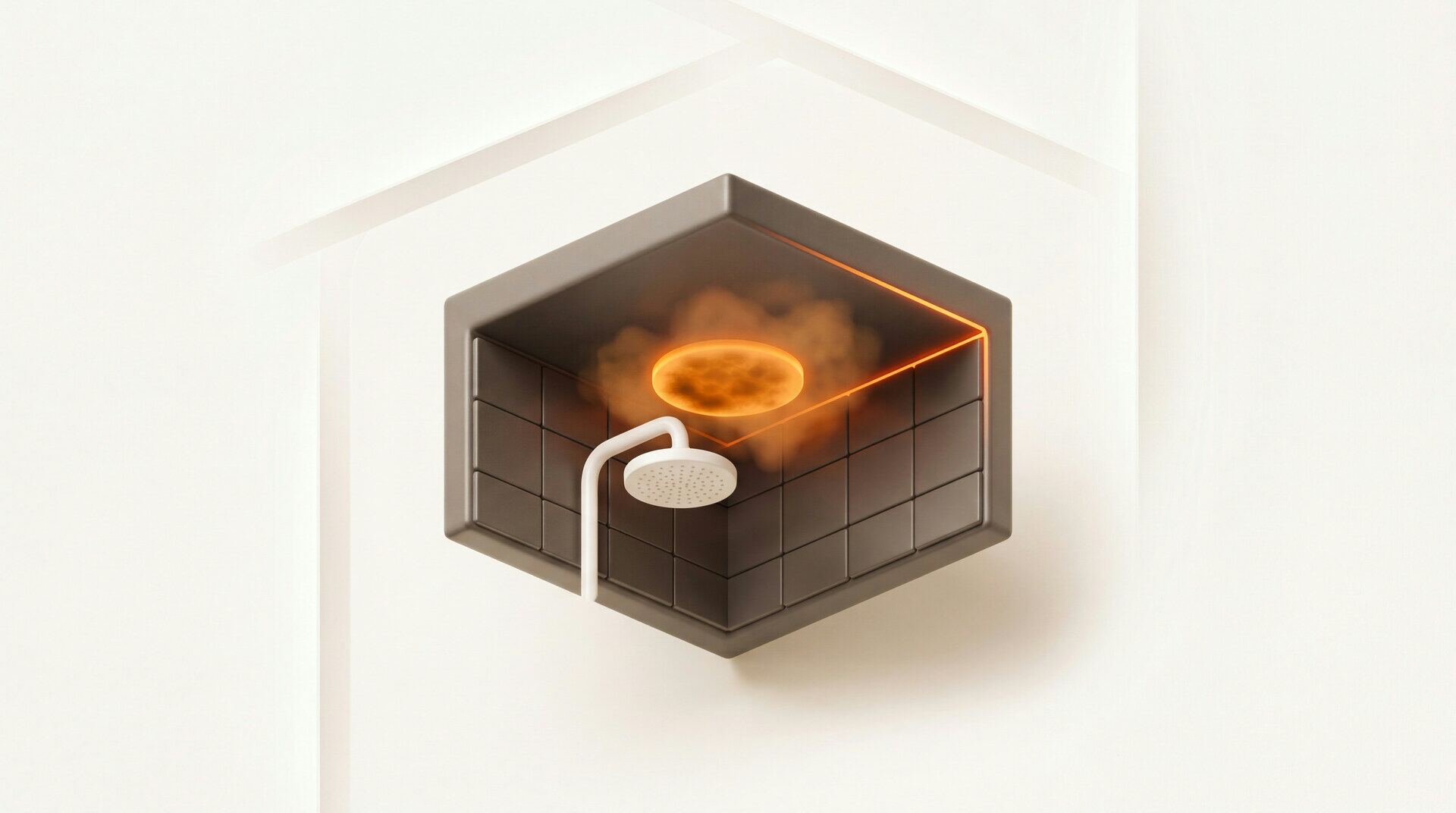
Glass is the coldest surface in any room, especially single pane windows. When warm, humid indoor air touches the cold glass, the moisture in the air condenses into water droplets. This is the same thing that happens on a cold glass of water on a summer day.
Those water droplets run down the glass and collect in the window track. The track has grooves and channels that trap water. Dust and dirt in the track provide the organic food source mold needs. The mold starts growing in the track, then spreads to the sill below it, and eventually to the wood frame around the window.
This problem is worst in winter when the temperature difference between inside and outside is greatest. It is also worse at night when indoor heating raises the humidity while outside temperatures drop, increasing condensation. Bedrooms are the most common room for window mold because you spend 8 hours breathing in a closed room, adding moisture to the air all night.
Remediation research highlights condensation on windows as a key environmental signal for mold risk. If you see condensation on your windows regularly, your indoor humidity is too high. That same moisture is likely causing problems in other hidden spots throughout the home.
Where to look for window mold
Window track: The track where the window slides or sits collects water and debris. Pull the window open and look into the bottom track with a flashlight. Dark buildup in the grooves is usually a mix of dirt and mold. This is the most common starting point for window mold.
Window sill: The flat ledge below the window. Water overflows from the track onto the sill. On painted wood sills, look for peeling or bubbling paint, which indicates moisture underneath. On vinyl or tile sills, look for dark staining in the grout or along edges.
Window frame corners: The corners where the frame meets the wall are where moisture collects. Caulk in these corners can crack and allow water behind the frame. Check for dark staining, soft wood, or a musty smell.
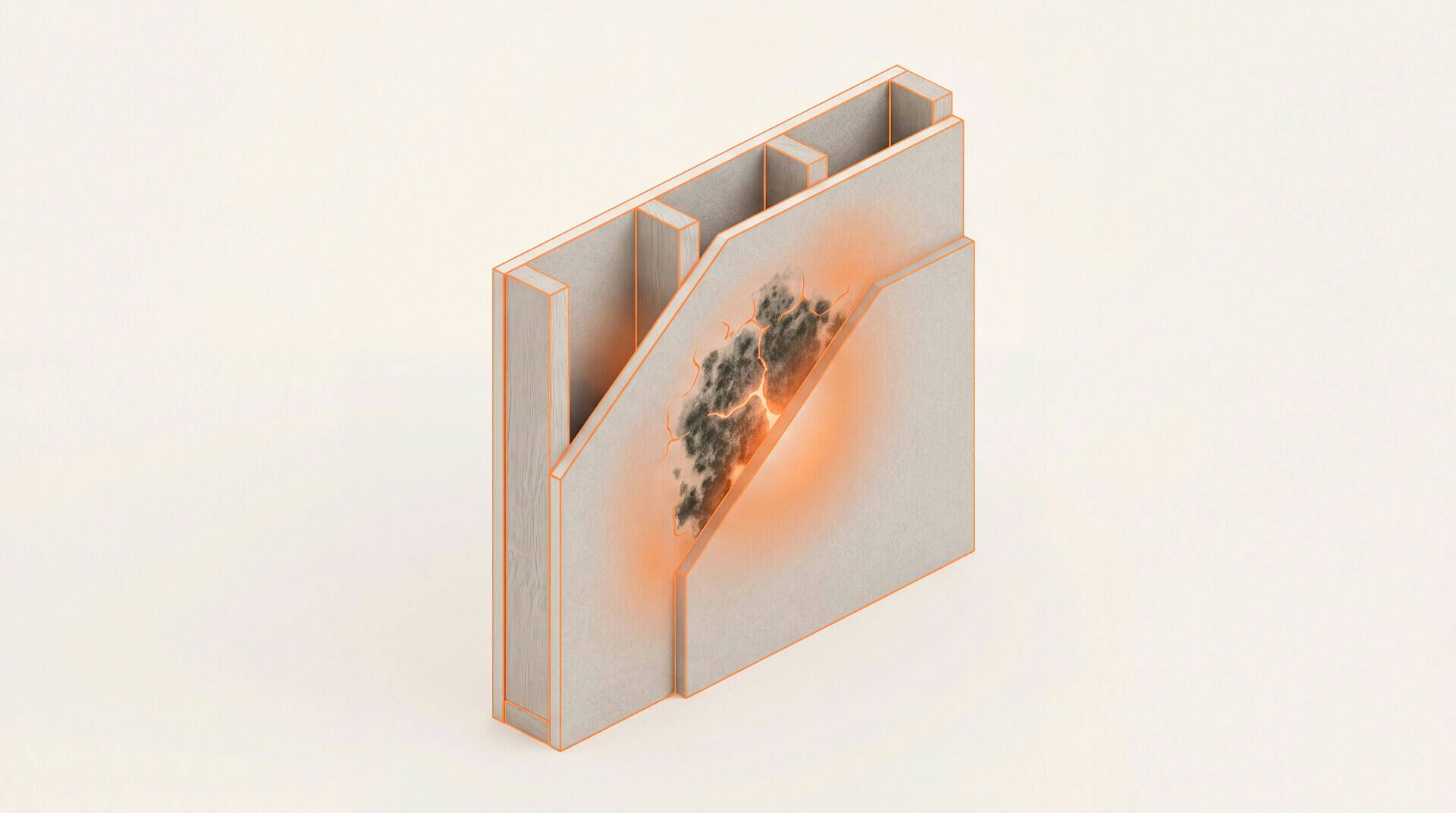
Below the window on the wall: This is the hidden danger. Condensation water can run down the inside of the wall below the window, behind the drywall, where you cannot see it. If you notice a musty smell near a window but cannot find visible mold, the problem may be behind the wall. Look for bubbling or discolored paint on the wall below the window.
Curtains and blinds: Heavy curtains trap moisture between the fabric and the window. Mold grows on the backside of curtains that touch or hang near cold glass. Pull your curtains away from the window and check the back. Venetian blinds collect condensation droplets on the slats.
How to clean window sill mold
Step 1: Clean the window track first. Use a stiff brush or old toothbrush to loosen debris in the track grooves. Vacuum with a crevice attachment. Spray hydrogen peroxide (3%) into the track. Let it sit for 10 minutes. Scrub again. Wipe clean with a damp cloth. Dry completely.
Step 2: Clean the sill. Spray hydrogen peroxide on the entire sill surface. Let it sit for 10 minutes. Scrub with a brush. Wipe clean and dry. For wood sills with deep mold staining that does not come off with cleaning, sand lightly with 120 grit sandpaper. Wipe with a damp cloth. Let dry for 24 hours. Apply a mold resistant primer like a stain-blocking primer Mold Killing Primer. Paint with a semi gloss or gloss finish that resists moisture.
Step 3: Clean the frame. Spray hydrogen peroxide on the window frame, especially the corners. Wipe clean. Check for soft or crumbling wood. Soft wood means the mold has penetrated deeper and the wood may need replacement.
Step 4: Check behind the wall if needed. If the smell persists after cleaning all visible surfaces, or if you see bubbling paint below the window, there may be mold behind the wall. At that point, call a professional mold inspector. Do not cut into the wall yourself as this can release trapped spores.
Prevention: stop window condensation and mold

Lower indoor humidity below 50%. Use a dehumidifier or improve whole house ventilation. Run exhaust fans in the kitchen and bathrooms. Open windows for 10 minutes a day when the weather allows to exchange humid indoor air for drier outdoor air.
Improve airflow near windows. Do not push furniture against the wall directly below a window. Do not keep heavy curtains closed all day. Air needs to circulate against the glass and sill to carry away moisture. During the day, open curtains fully to let warm air reach the glass and reduce condensation.
Window insulation film. For single pane windows, self adhesive window insulation film creates an air gap between the film and the glass. This raises the surface temperature of the interior layer and reduces condensation. It costs $5 to $15 per window and installs with a hair dryer. This is a cheap and effective fix for renters who cannot upgrade the windows.
Upgrade to double or triple pane windows. If condensation is chronic and your windows are single pane, upgrading to double pane windows eliminates the problem. The inner pane stays warmer because of the insulating air gap between the panes. This is the most effective long term solution. Cost: $300 to $700 per window installed.
Clean the window track monthly. Do not let dirt and debris accumulate. A quick monthly wipe of the track removes the organic material mold feeds on and catches any early moisture problems before they become a mold colony.
Wipe up condensation daily in winter. If you see water droplets on the glass in the morning, wipe them up with a dry cloth before they run into the track. This takes 30 seconds per window and prevents the moisture from accumulating.
Frequently asked questions
Why does mold grow on my window sill?
Warm indoor air hits the cold window glass and condenses into water droplets. That water runs down the glass, collects in the window track, and pools on the sill. The track and sill stay wet, especially overnight when temperatures drop. Dust and dirt in the track provide food. Mold starts growing within days. This is worst in bedrooms where we breathe and add moisture all night with the windows closed.
How do I clean mold off a window sill?
Spray the moldy area with 3% hydrogen peroxide. Let it sit for 10 minutes. Scrub with a stiff brush, paying attention to the window track grooves. Wipe clean with a damp cloth and dry completely. For painted wood sills with deep mold staining, sand lightly after cleaning, prime with a mold resistant primer, and repaint. Clean the window tracks monthly to prevent buildup.
How do I stop condensation on my windows?
Keep indoor humidity below 50% with a dehumidifier or better ventilation. Improve airflow near windows by keeping curtains open during the day and not pushing furniture against the wall below the window. Consider window insulation film for single pane windows. Upgrade to double pane windows if condensation is chronic. Run exhaust fans in kitchens and bathrooms to reduce whole house humidity.
Is window sill mold dangerous?
Window sill mold is usually Cladosporium or Penicillium, which are lower risk than Stachybotrys (black mold). However, any mold produces spores that trigger allergies and respiratory symptoms in sensitive people. Window mold is also a warning sign. If there is enough moisture for mold on the sill, there may be hidden mold behind the wall below the window where moisture runs down.
Sources
Every claim on this page traces to one of these. Links open the primary document.