Color Is Not Identification
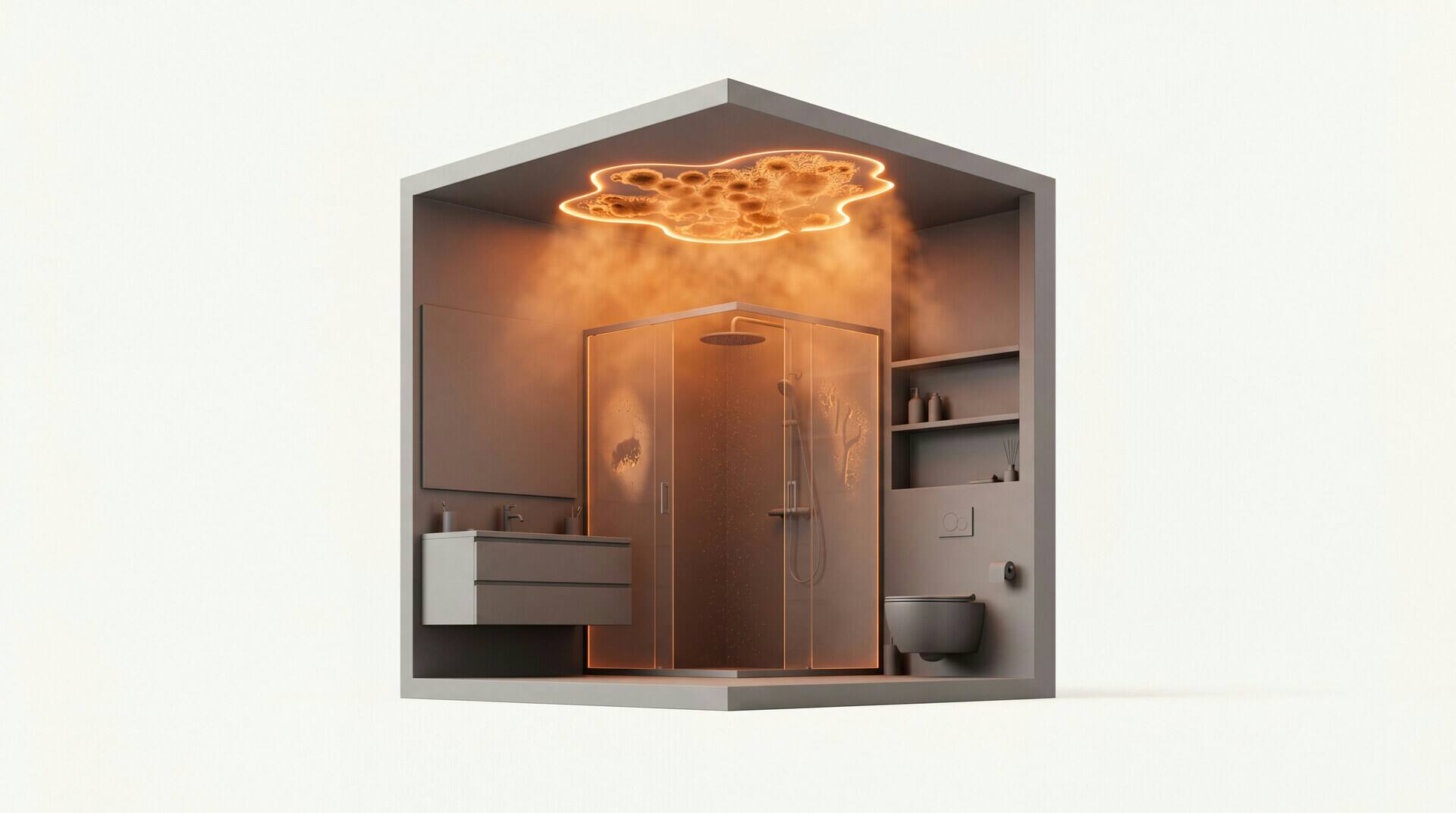
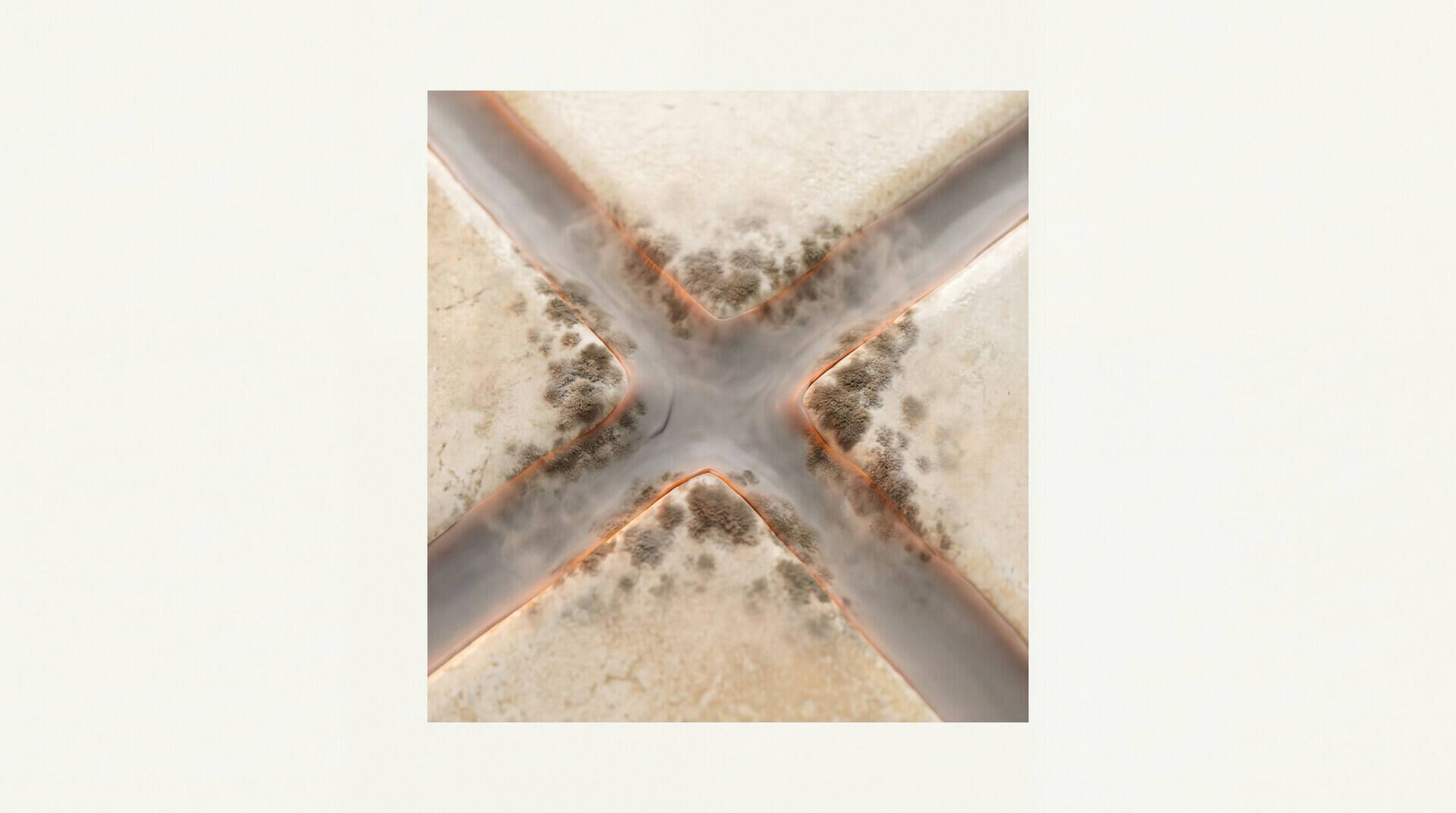
Pink, orange, or red discoloration may involve residue, mineral or product staining, biofilm, fungal growth, bacteria, yeast, or more than one condition. A phone photo and household observations cannot distinguish these possibilities with certainty.
Do not diagnose Serratia marcescens, Aureobasidium, "pink mold," or another organism from color, slime, fuzz, odor, or how easily a spot wipes away. Those labels can create false medical and cleaning conclusions.
What Appearance Can Document
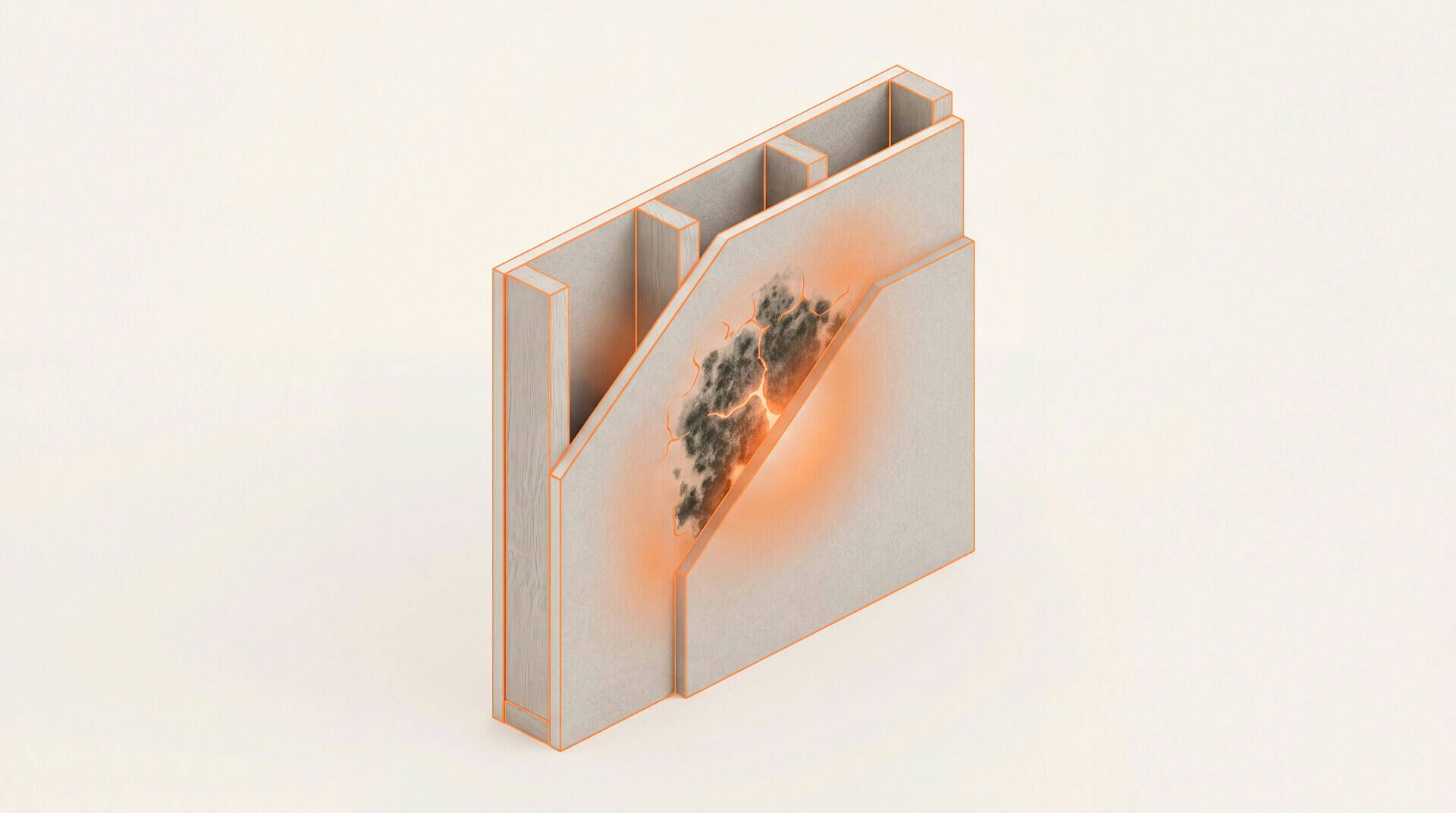
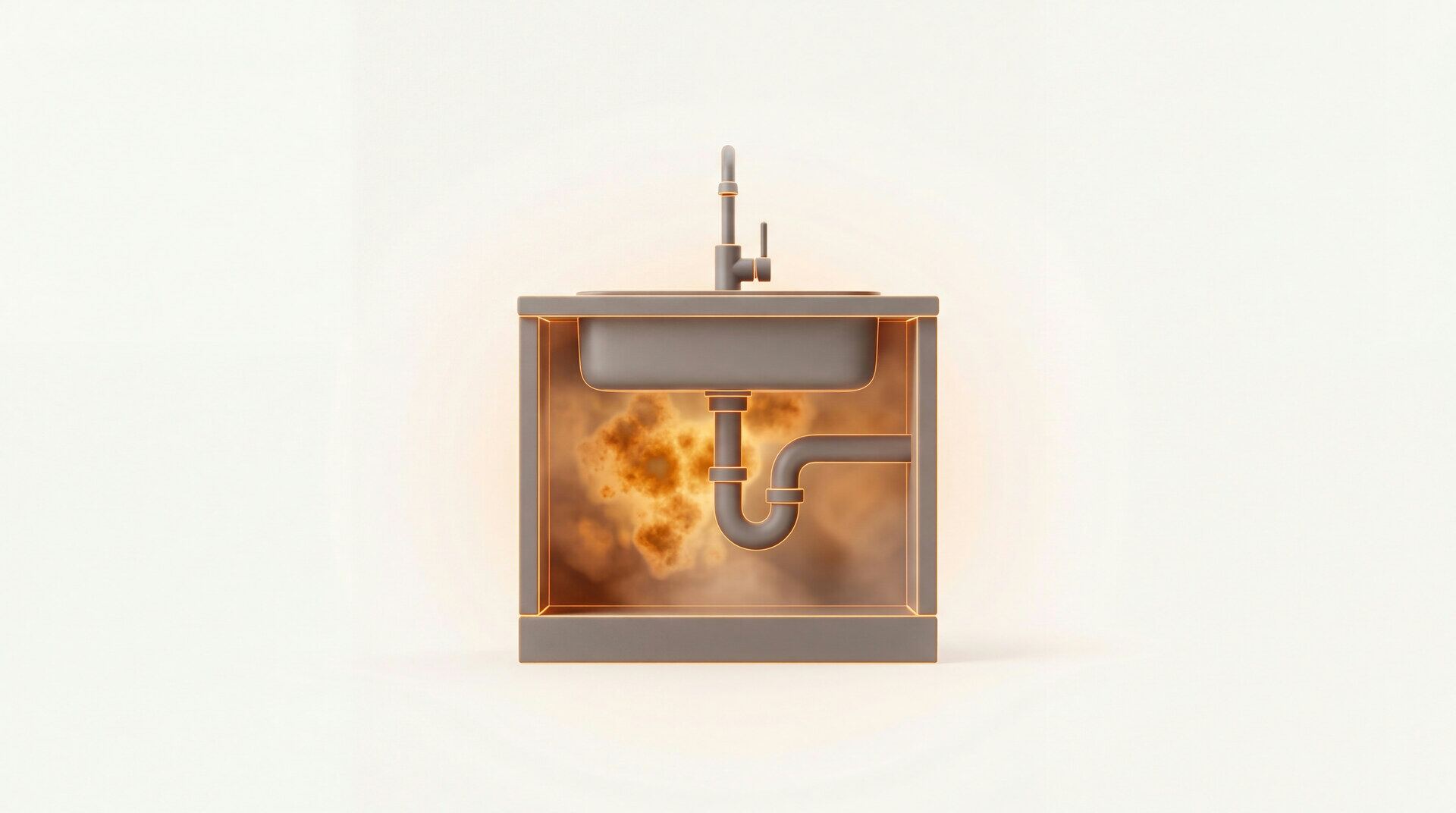
Record the location, affected material, area, recurrence, active leaks, standing water, damaged sealant, ventilation condition, and whether porous material remains wet. These observations help define a building-maintenance problem.
They do not identify an organism, show what is behind a surface, measure exposure, establish a health risk, or determine safe occupancy. Avoid touching or disturbing unknown material merely to classify it.
Plan Cleaning Safely
Identify the surface and consult its manufacturer before choosing a cleaner. Use a compatible product only as its label directs, including dilution, contact time, ventilation, protective equipment, rinsing, and storage.
Never mix bleach with ammonia or other cleaners. Do not combine hydrogen peroxide, vinegar, baking soda, bleach, or other products from an online recipe. Chemistry and material compatibility cannot be inferred from the color of a film.
Stop and use experienced help if cleaning requires demolition, involves damaged porous material, contaminated water, electrical or plumbing hazards, a large or recurring area, or work you cannot perform safely.
Reduce Recurring Moisture and Residue
Repair leaks and drainage problems. Dry washable surfaces and textiles, remove residue using surface-compatible methods, and maintain sealants and finishes according to their manufacturers.
Use bathroom ventilation according to the fan manufacturer and local requirements. There is no universal run time or airflow number that fits every room, climate, fan, and duct system. A qualified professional can evaluate persistent condensation or inadequate exhaust.
Recurring discoloration may mean the material cannot be cleaned, moisture is concealed, or plumbing, drainage, or ventilation needs attention. Do not assume recurrence proves a specific organism.
Separate Building and Health Questions
A pink shower condition cannot be translated into a "low," "moderate," or "high" personal health risk. Without valid identification and clinical context, claims about infections, mycotoxins, or individual vulnerability are not supported by the appearance.
If you have symptoms, an open wound, a weakened immune system, or another health concern, ask a qualified healthcare professional for guidance. A building page, photo, or home sample cannot diagnose a condition or prove its cause.
For the building, continue to focus on safe cleaning, moisture control, damaged materials, and professional evaluation when the source or scope is uncertain.
Sources: CDC mold and dampness guidance, CDC/NIOSH testing and remediation guidance, and EPA mold cleanup guidance.
Frequently asked questions
Is pink film in a shower always mold or bacteria?
No. Pink or orange discoloration can have multiple biological and non-biological causes. Color, texture, odor, and a photo cannot confirm mold, bacteria, Serratia marcescens, or any other organism.
What product should I use on pink shower film?
Use a product compatible with the surface and follow its label and the surface manufacturer's instructions. Never mix bleach with ammonia or other cleaners. A web article cannot prescribe a universal chemical, concentration, or contact time for an unidentified material.
Can pink shower film determine a health risk?
No. Appearance cannot identify the organism, measure exposure, assess an individual health risk, or explain a symptom. Ask a qualified healthcare professional about health concerns rather than using a color or photo as a diagnosis.
How can I reduce recurring pink film in a shower?
Repair leaks, reduce standing water and residue, dry washable surfaces and textiles, and use ventilation according to the equipment manufacturer and local requirements. Recurrence may require evaluation of plumbing, drainage, materials, or ventilation.
Sources
Every claim on this page traces to one of these. Links open the primary document.