The 5 best air purifiers for mold, at a glance
| Purifier | Best for | Filtration | Coverage |
|---|---|---|---|
| IQAir HealthPro Plus | Best overall | HyperHEPA to 0.003 microns + carbon and gas bed | Up to 1,125 sq ft |
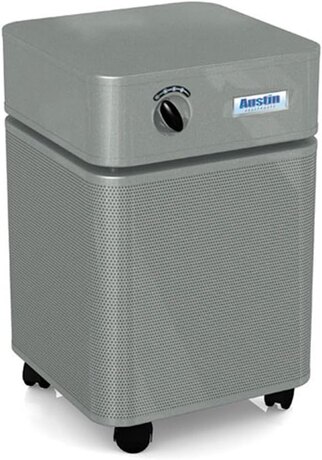
| Austin Air HealthMate Plus | Carbon / sensitive people | True HEPA + about 15 lb carbon and zeolite | Up to 1,500 sq ft |
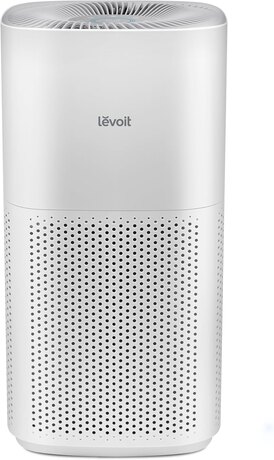
| Levoit Core 600S | Large-room value | Pre-filter + HEPA + carbon, 391 CADR (AHAM verified) | Large rooms, about 1 air change per hour |
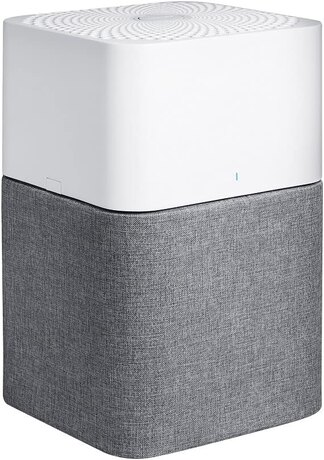
| Blueair Blue Pure 211+ Auto | Quiet auto mode | HEPASilent + carbon + washable pre-filter | Large rooms |
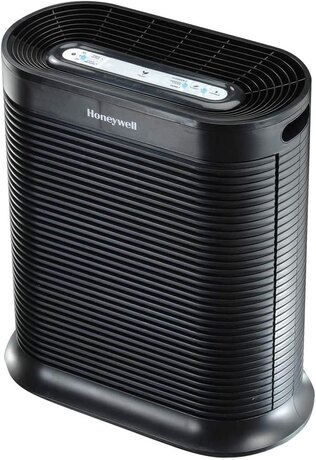
| Honeywell HPA300 | Budget | True HEPA, 300 CADR, thin carbon pre-filter | Up to 465 sq ft |
Specs are the manufacturers' published figures. Coverage varies with ceiling height and air changes per hour. Tap any product to check the current price on Amazon.
What an Air Cleaner Can and Cannot Do
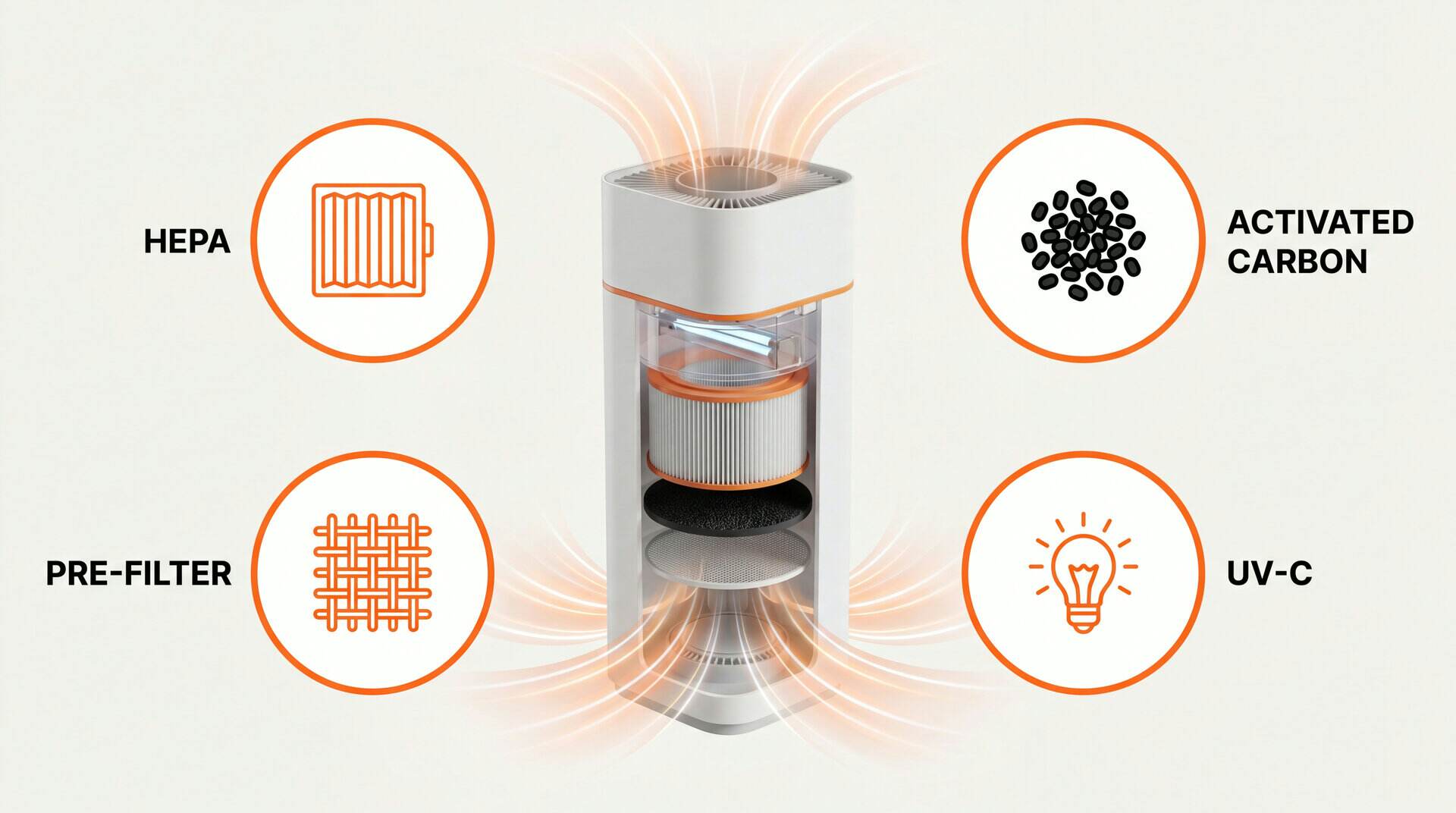
EPA says some air cleaners, under the right conditions, can remove certain airborne particles. Their performance depends on the unit, room, airflow, and use. An air cleaner is not a mold test, a medical device, or a substitute for moisture control and cleanup.
CDC notes that damp and moldy environments may cause a variety of health effects, or none at all. This page cannot determine whether mold caused symptoms or whether an air cleaner changes an individual health risk.
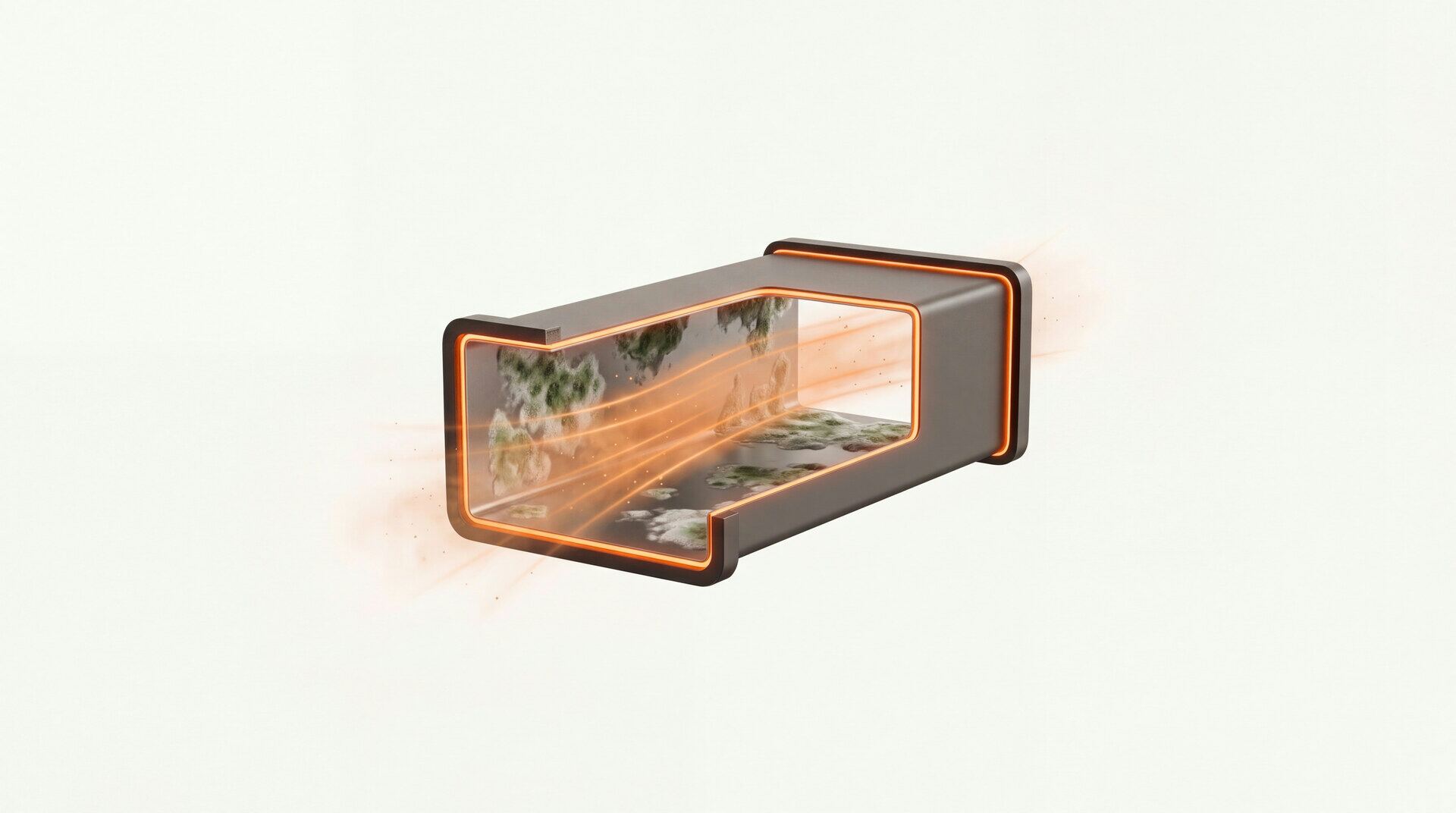
An air cleaner may supplement source control for certain airborne particles. It cannot remove mold growing on surfaces, correct a water problem, identify a mold source, or resolve contaminated HVAC equipment.
What to Look for in a Mold Air Purifier
Not all air purifiers handle mold equally. Here are the five features that matter most:
1. True HEPA H13 filter. This is non-negotiable. True HEPA captures 99.97% of particles at 0.3 microns. Since most mold spores are 1 to 30 microns, HEPA catches them easily. Avoid "HEPA-type" or "HEPA-like" filters. These are marketing terms with no performance standard.
2. Product claims need context. Manufacturers may describe particle or gas-filtration performance under test conditions. Those claims do not confirm that mold is present, identify the source of an odor, or show that the product solves a building or health problem.
3. High CADR rating. CADR stands for Clean Air Delivery Rate. It tells you how many cubic feet of air the purifier cleans per minute. Match CADR to your room size. A 300 square foot bedroom needs at least 200 CADR. A 500 square foot living room needs 350 or higher.
4. Sealed system design. Air should only pass through the filter, not around it. A sealed system prevents unfiltered air from leaking past the edges. Poorly sealed purifiers let 10 to 20% of air bypass the filter entirely.
5. Low ozone emissions. Some purifiers (especially ionizers and UV-C models) produce ozone as a byproduct. The EPA warns that ozone can irritate the lungs and worsen asthma. Look for purifiers certified by the California Air Resources Board (CARB) as zero-ozone or low-ozone.
Heads up: product links below are affiliate links. Buying through them may earn Mold Scanner AI a small commission at no extra cost to you.
Top 5 Air Purifiers for Mold in 2026
- Best overall: IQAir HealthPro Plus, HyperHEPA down to 0.003 microns
- Best carbon, sensitive people: Austin Air HealthMate Plus, 15 lb carbon plus zeolite
- Best large-room value: Levoit Core 600S, 391 CADR, 3-in-1 HEPA plus carbon
- Best quiet auto-mode: Blueair Blue Pure 211+ Auto, washable pre-filter
- Best budget: Honeywell HPA300, True HEPA, 300 CADR, under $250
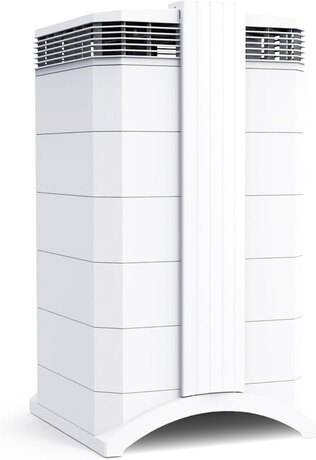
IQAir HealthPro Plus
HyperHEPA filtration captures particles down to 0.003 microns, far below the 0.3 micron standard HEPA rating, with a granular carbon and gas bed for musty VOCs. Covers rooms up to 1,125 square feet, the unit many remediators run during and after a cleanup. Read our full IQAir HealthPro Plus review for measured noise, real filter cost, and who should skip it.
Austin Air HealthMate Plus
Packs about 15 pounds of activated carbon and zeolite, more than any competitor, so it captures spores with True HEPA while absorbing VOCs and odors. Covers up to 1,500 square feet and the filter lasts years, the pick when chemical sensitivities rule out lighter units. Read our full Austin Air HealthMate Plus review for measured noise, real filter cost, and who should skip it.
Levoit Core 600S
A 3-in-1 pre-filter, HEPA, and high-density activated carbon stack with a 391 CADR, AHAM verified, that cycles a large room in about an hour. The carbon layer handles the musty smell, and the auto mode plus PM2.5 monitor adjust the fan to real-time air quality. Read our full Levoit Core 600S review for measured noise, the bonded-filter cost trap, and who should skip it.
Blueair Blue Pure 211+ Auto
Pairs a HEPASilent particle filter with a carbon layer and a washable pre-filter, so it traps spores quietly and clears large rooms fast. The auto mode reads the air and ramps the fan on its own, a good set-and-forget unit for a bedroom with a mold history. Read our full Blueair Blue Pure 211+ Auto review for measured noise against the marketing number, real filter cost, and who should skip it.
Honeywell HPA300
A True HEPA filter with a 300 CADR that covers rooms up to 465 square feet, usually under $250. It runs a thinner carbon pre-filter, so it leans on spore capture more than odor control, but for pure airborne spore removal on a tight budget it delivers. Read our full Honeywell HPA300 review for measured noise, real running cost, and who should skip it.
Affiliate disclosure: some links above are affiliate links. If you buy through them, Mold Scanner AI may earn a small commission at no extra cost to you. We only list products our editorial review stands behind, and prices and coverage figures come from each manufacturer. Product photos: manufacturers via Amazon.
Also worth a look: the AirDoctor 3500 review, a UltraHEPA unit rated to capture 99.99% of particles down to 0.003 microns.
Do not treat an air cleaner as the solution
If you see indoor mold, EPA and CDC advise cleaning it and correcting the moisture problem. An air cleaner cannot confirm that an odor comes from mold, find hidden growth, or resolve a leak, wet material, or contaminated HVAC system. For large areas, major water damage, or complex concerns, consult an experienced professional.
HEPA vs Ionizer: Which Is Better for Mold?
HEPA wins. Here is why.
A HEPA filter physically removes mold spores from the air by trapping them in dense fiber mesh. The spores stay in the filter until you replace it. They are gone from your breathing air.
An ionizer charges particles with negative ions so they stick to walls, floors, and furniture. The spores are no longer floating, but they are still in your room. A child crawling on the floor or a pet walking through the room kicks them back into the air. Ionizers also produce trace ozone, which the EPA identifies as a lung irritant.
Some purifiers combine HEPA and ionizer functions. If yours has both, use the HEPA filter and turn off the ionizer. You get the benefit of physical filtration without the ozone risk.
Where to Place Your Air Purifier
Placement makes a bigger difference than most people think. Follow these rules:
Put it in the room where you spend the most time. For most people, that is the bedroom. You spend 6 to 8 hours sleeping and breathing the same air. A purifier running all night significantly reduces your nightly spore exposure.
Place it near the mold source if possible. If you know where the mold is growing (bathroom, basement, crawl space), put the purifier as close as you can. It will capture spores before they spread to other rooms.
Keep it 3 to 5 feet from walls. Air purifiers need airflow on all sides to work efficiently. Pushing one against a wall reduces intake by up to 30%.
Do not put it on the floor behind furniture. Spores circulate at all heights, and blocking the intake with a couch or bookcase defeats the purpose. Eye level or tabletop placement works well for smaller units.
One purifier per room. Air purifiers do not clean air in other rooms. Doors, hallways, and walls block airflow. If you have mold concerns in multiple rooms, you need multiple purifiers or one large unit in a central open area.
Air Purifier Plus Dehumidifier: The Best Combo
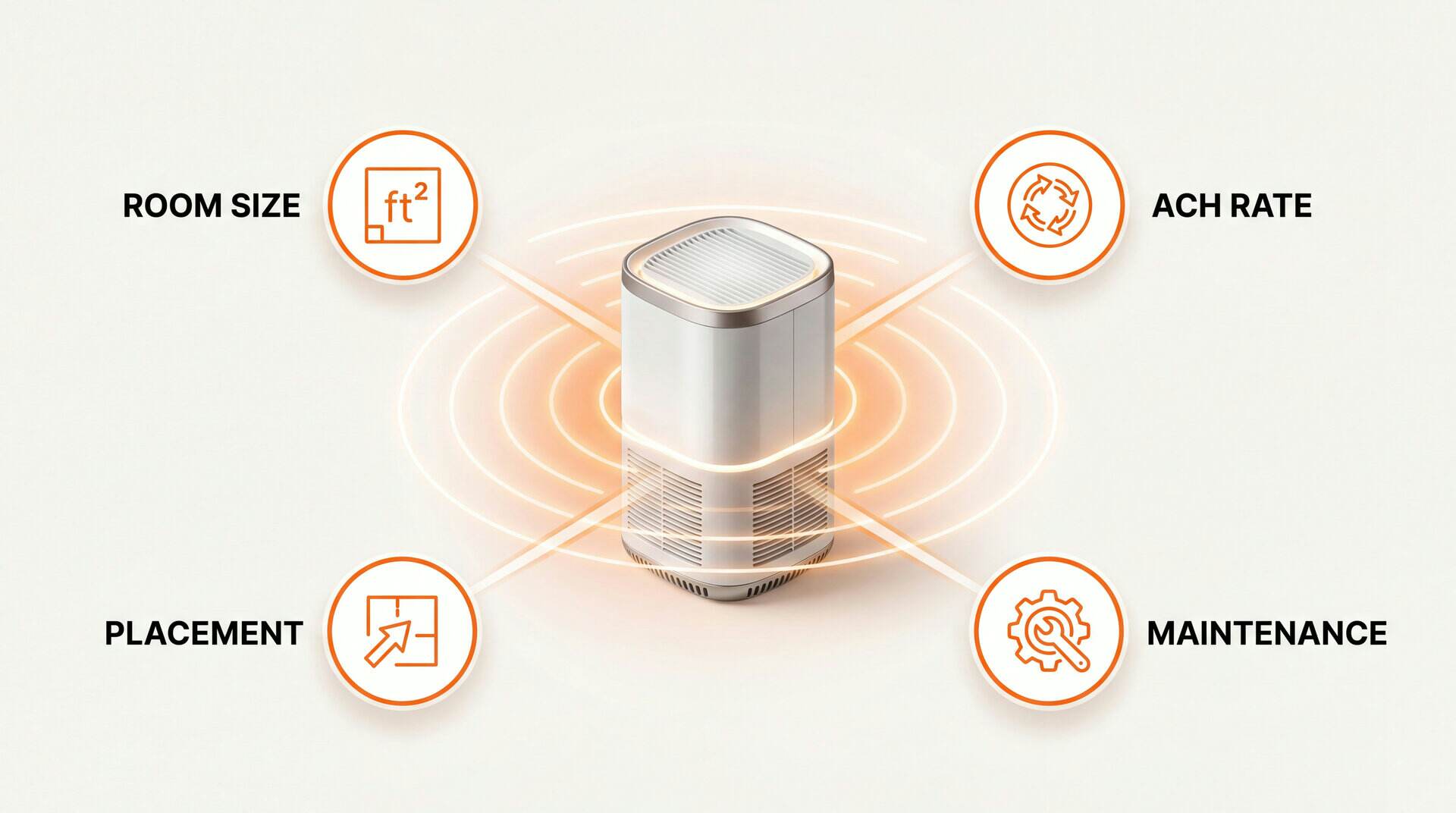
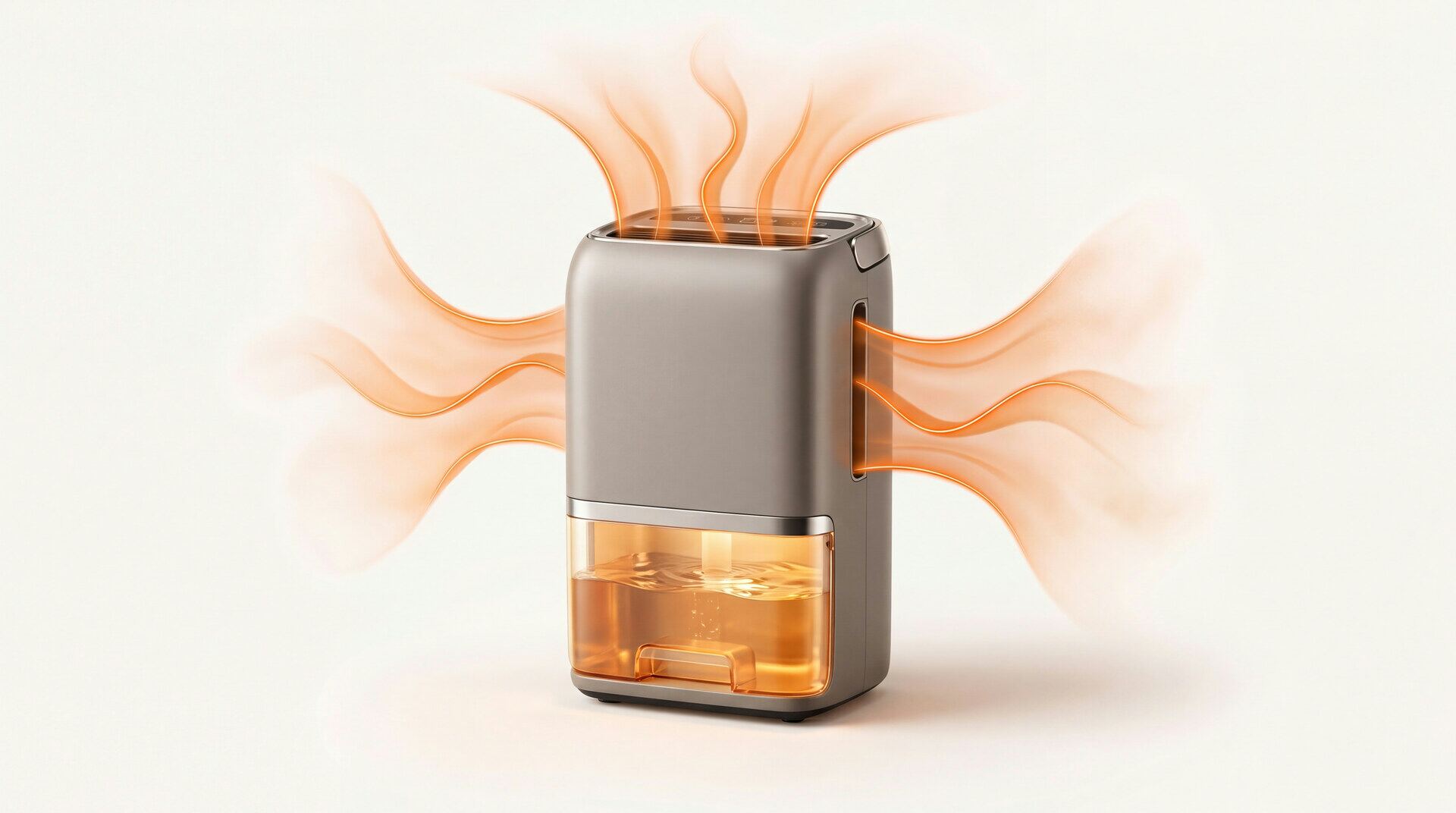
An air purifier catches spores that are already in the air. A dehumidifier stops mold from growing in the first place by keeping humidity below 50%. Together, they are the most effective indoor air quality defense against mold.
The EPA recommends keeping indoor relative humidity between 30% and 50%. Mold needs humidity above 60% to grow actively. A quality dehumidifier in your basement, crawl space, or bathroom removes the moisture that mold feeds on.
Setup for a typical home with mold history:
- One 50 pint dehumidifier in the basement or crawl space
- One HEPA air purifier in the master bedroom
- A second purifier in the living room or home office if budget allows
- Exhaust fans running during and 30 minutes after every shower
Leading remediation experts call this the "clean air triangle": remove the source, filter the air, and control the moisture. Skip any one of the three and mold comes back.
Frequently asked questions
Can an air cleaner solve a mold problem?
No. EPA identifies source control and moisture control as the primary response to indoor mold. An air cleaner cannot remove mold growing on surfaces or correct a water problem.
Can an air cleaner diagnose mold or health risk?
No. An air cleaner cannot identify mold species, confirm a mold source, measure personal exposure, or diagnose a health condition.
What can an air cleaner do?
EPA says some air cleaners, under the right conditions, can remove certain airborne particles. Their performance depends on the unit, room, airflow, and use. They are a supplement, not a substitute for source control.
What should I do if I see indoor mold?
CDC and EPA advise cleaning visible mold and correcting the moisture problem. For a large area, major water damage, or a complex concern, consult an experienced professional.
Sources
Every claim on this page traces to one of these. Links open the primary document.