Where Moisture Conditions Appear
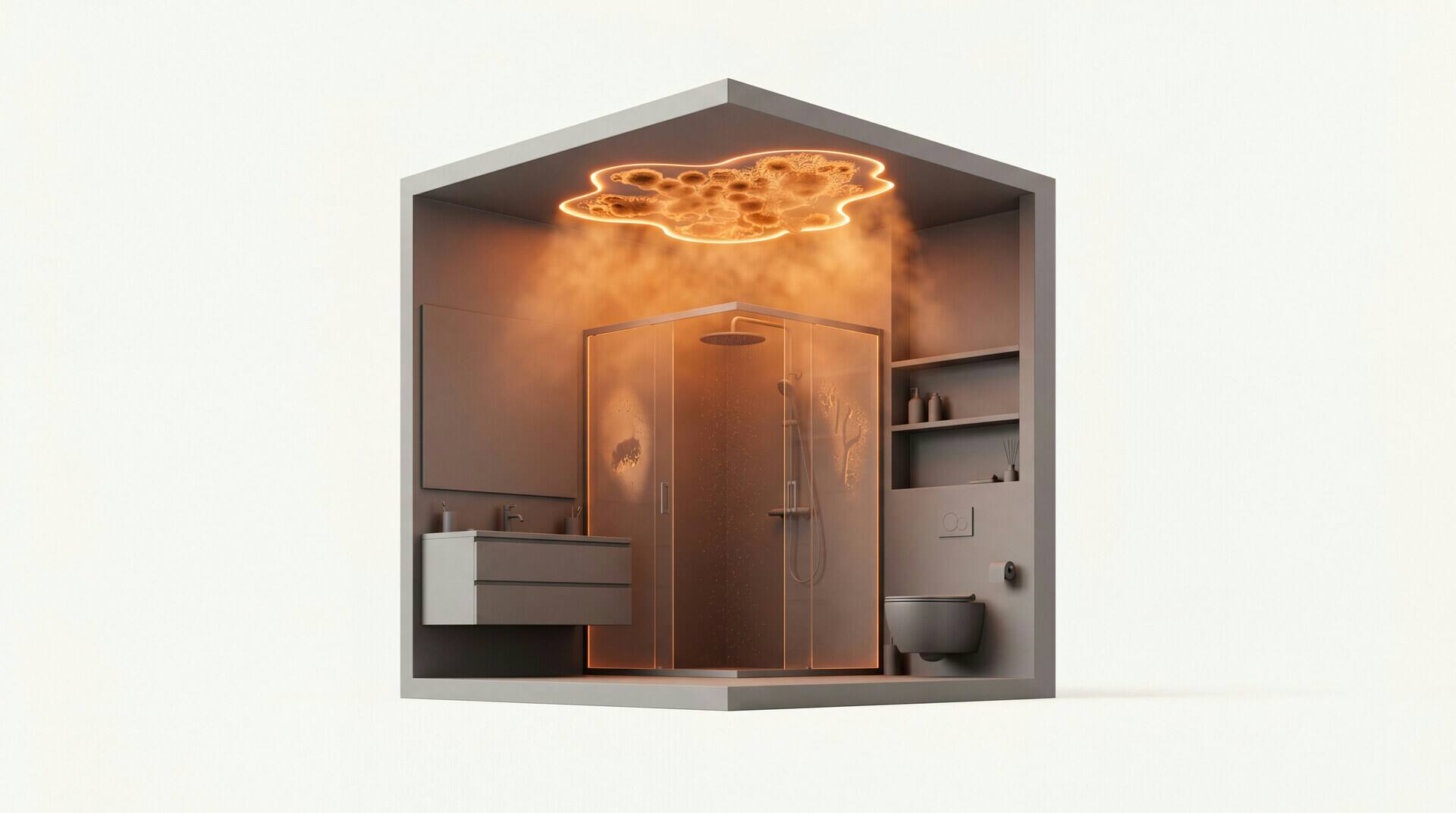
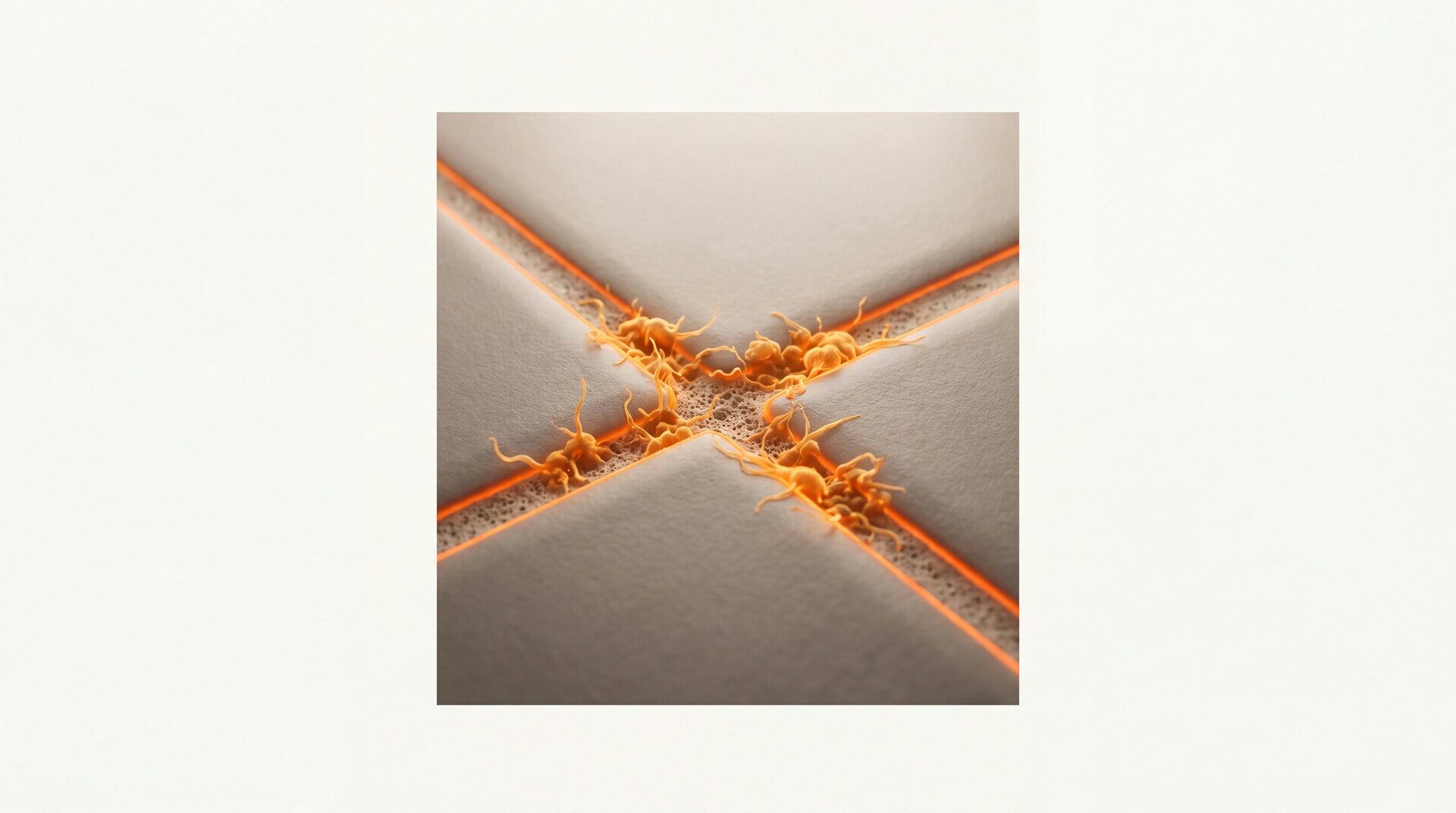
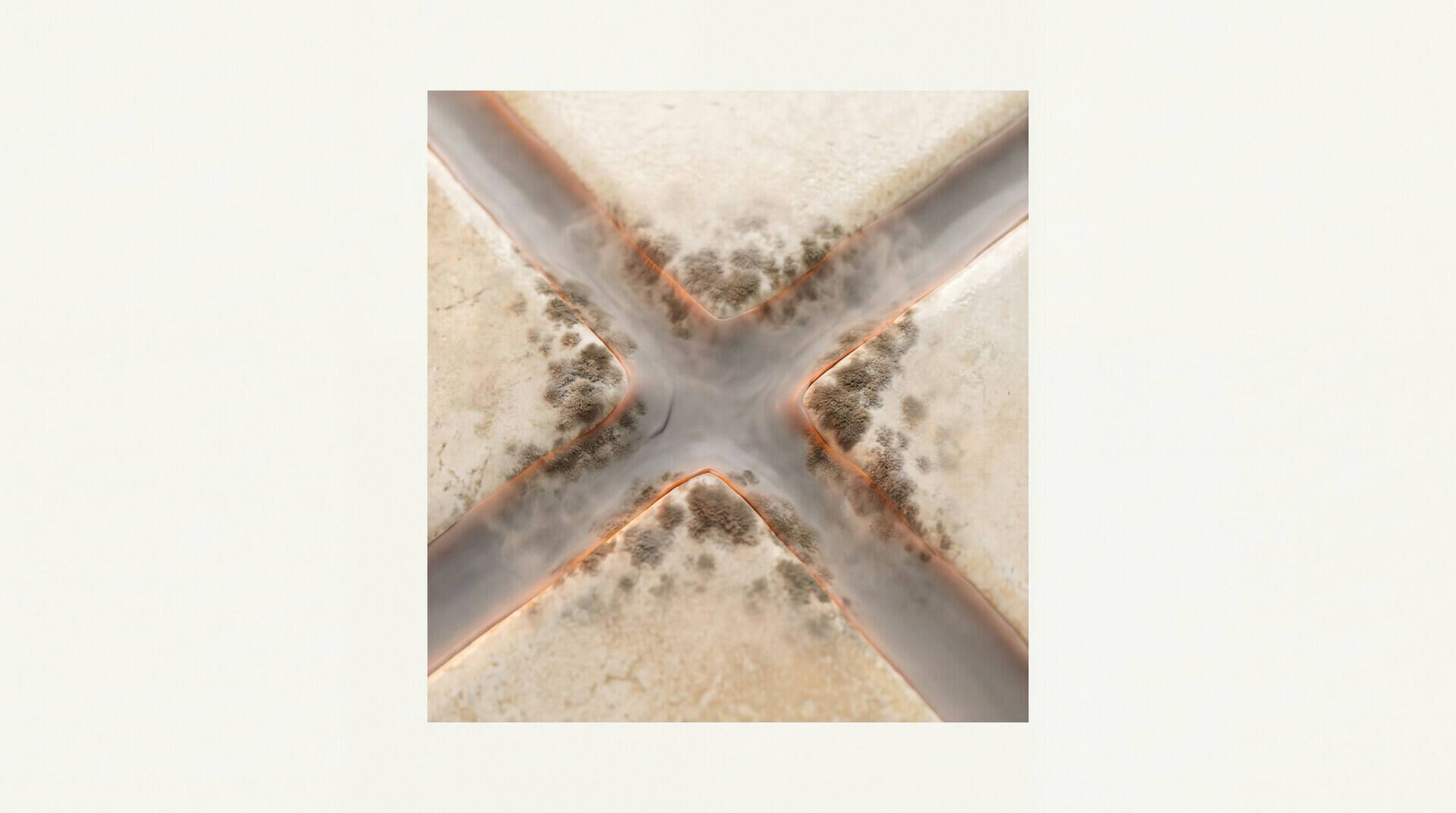
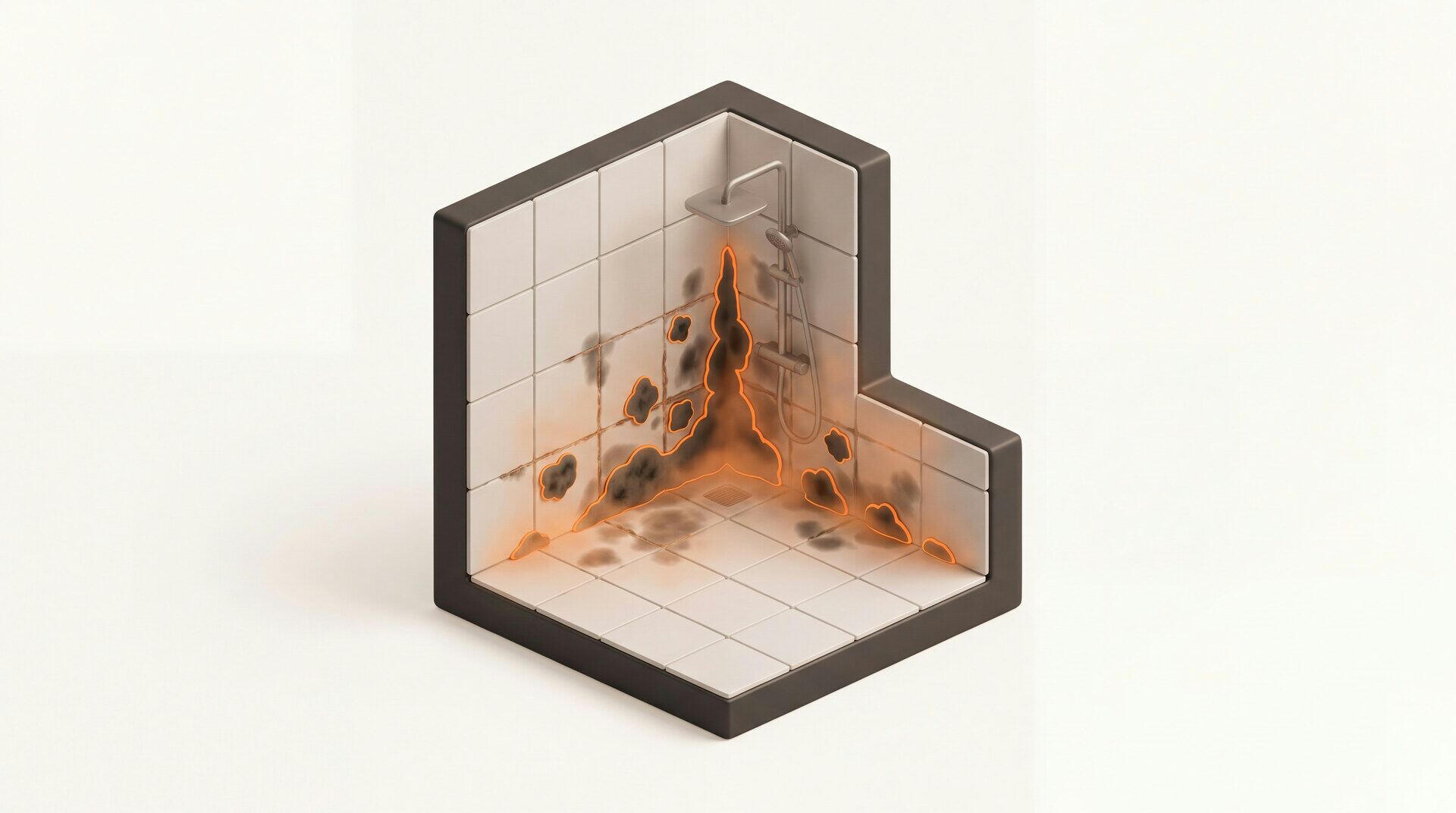
Bathrooms routinely contain water vapor, splashes, plumbing, sealants, porous finishes, and limited drying paths. Check accessible areas for active leaks, condensation, damaged paint, soft or swollen materials, failed sealant, recurring wetness, and visible surface change.
Useful places to document include the shower or tub surround, ceiling and wall intersections, accessible plumbing below a sink, the floor around fixtures, window frames, exhaust grilles, bath textiles, and nearby cabinets. Do not remove walls, open electrical equipment, disassemble plumbing, or enter an unsafe area to investigate.
A stain or odor may justify a closer moisture evaluation, but neither proves mold or locates hidden growth. A qualified building professional can investigate concealed or recurring water damage when necessary.
Why Color Cannot Rank Health Risk
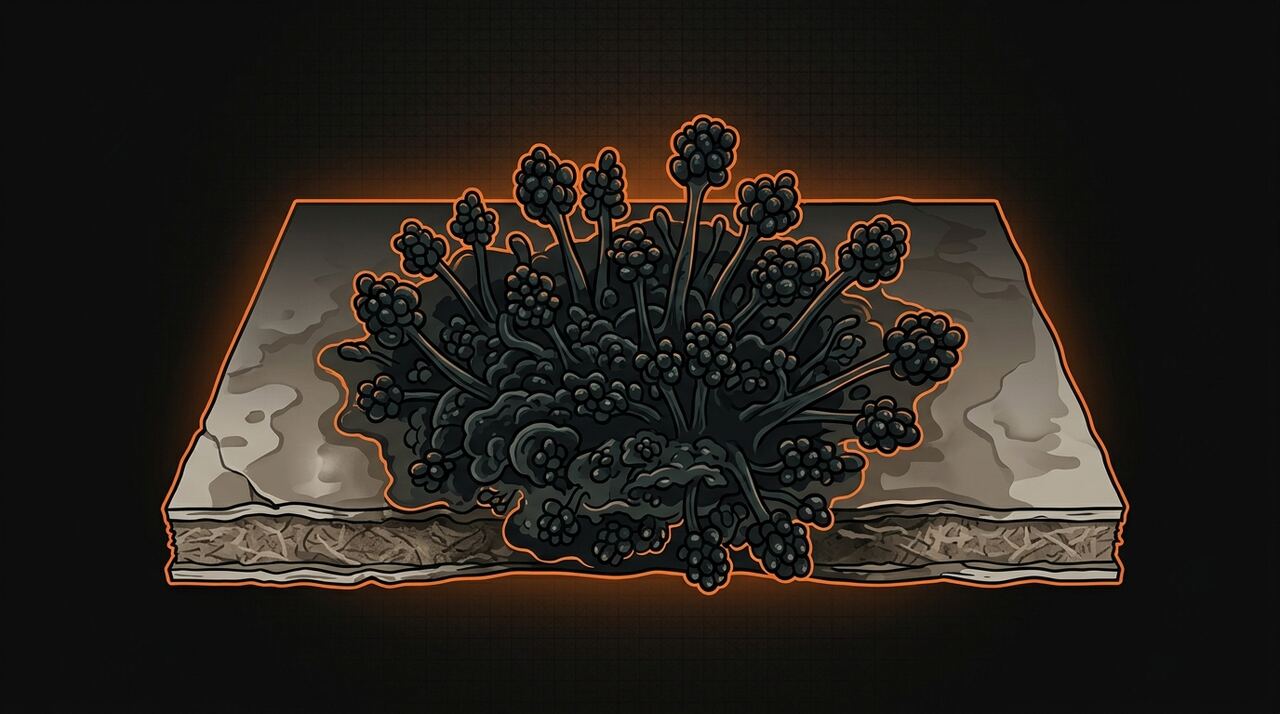
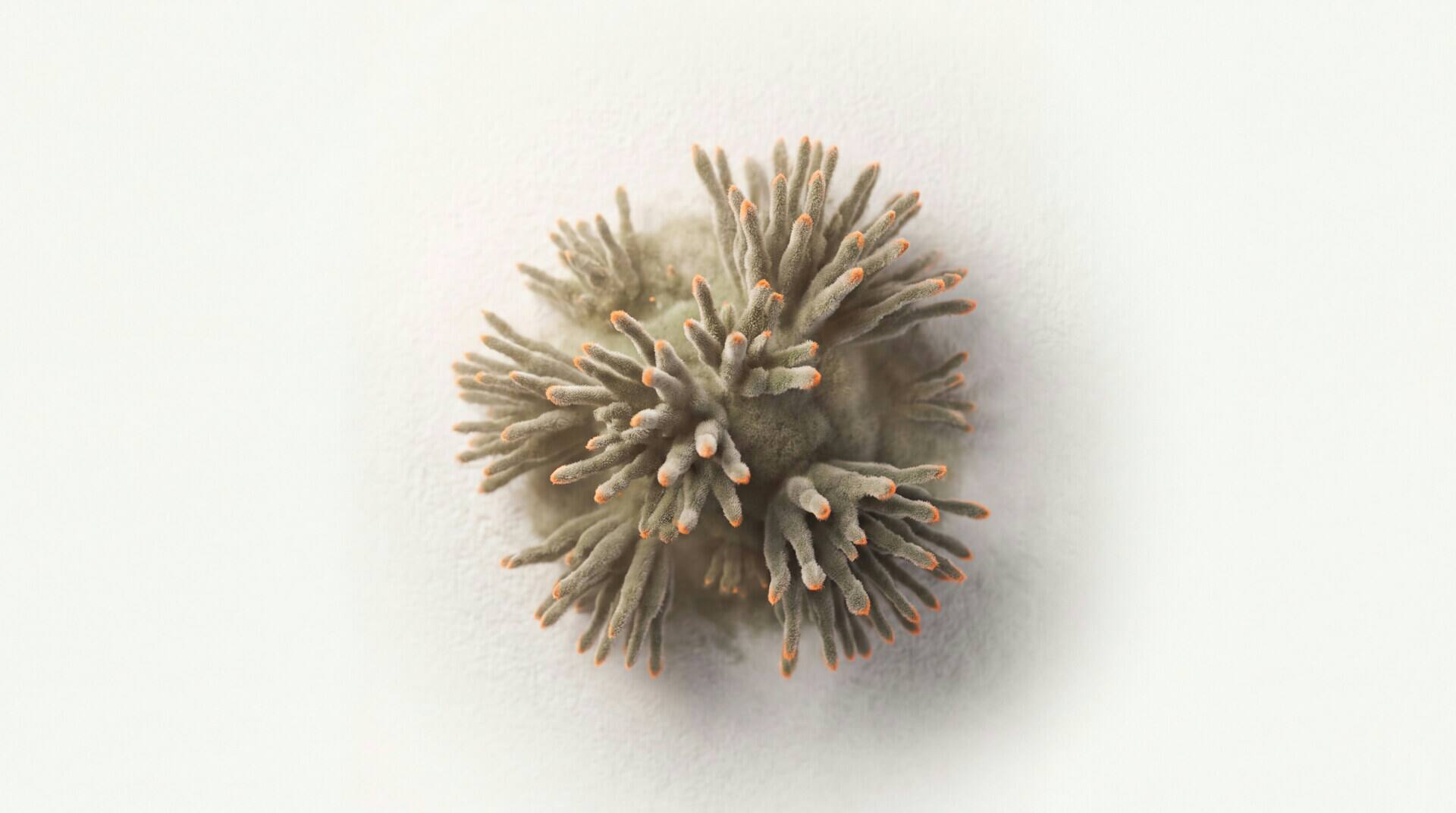
Dark bathroom growth cannot be assigned to Cladosporium, Aspergillus, Stachybotrys, or any other species by appearance. CDC/NIOSH guidance says mold color does not indicate whether it is more or less dangerous.
Building observations also cannot quantify exposure or connect a bathroom condition to a symptom. If you have symptoms or health concerns, speak with a qualified healthcare professional. The building response remains focused on moisture correction and safe cleanup.
Plan Cleanup from Scope and Material
First stop the leak, condensation, or humidity problem. Then assess the total affected area, whether the material is hard or porous, and whether sewage, flooding, HVAC equipment, electrical hazards, or concealed damage is involved.
EPA says many areas smaller than about 10 square feet can often be handled by a homeowner who can do the work safely and follows its cleanup guidance. That benchmark is not a guarantee that every small job is safe. Water source, material, access, occupant needs, and personal protective equipment still matter.
Use cleaning products only as their labels direct. Never mix bleach with ammonia or other cleaners. Do not invent contact times or chemical combinations from a web article.
Material and Product Safety
Hard, washable surfaces and porous or damaged building materials require different decisions. EPA guidance generally calls for cleaning mold from hard surfaces with water and detergent and drying completely. If you prefer a labeled mold cleaner over plain detergent, our reviews of RMR-86 and Concrobium Mold Control explain how each one is meant to be used on hard bathroom surfaces. Porous materials that remain damaged or cannot be cleaned may need to be discarded or replaced.
Do not cut drywall, remove flooring, disturb insulation, or open a wall unless the scope and hazards have been evaluated and you can perform the work safely. These tasks can expose concealed water damage, wiring, plumbing, or contaminated material.
Follow the manufacturer for bathroom finishes, sealants, exhaust equipment, and cleaning products. No product can compensate for an unresolved leak or persistent dampness.
When Experienced Help Makes Sense
Consider an experienced building, water-damage, HVAC, or remediation professional when:
- Growth or water damage is extensive or its full extent is uncertain.
- The water source is sewage or otherwise contaminated.
- Materials remain wet, soft, swollen, or repeatedly damaged.
- The concern involves HVAC equipment, ducts, electricity, structure, or a concealed area.
- The work requires demolition, containment, a ladder, or tools you cannot use safely.
- The condition returns because the moisture source has not been resolved.
Ask prospective contractors about relevant experience, references, the moisture-correction plan, containment when needed, and how they will define completion. A web page cannot estimate a project, clear a bathroom for occupancy, or verify remediation.
Moisture Control and Maintenance
Reduce recurring dampness with a maintenance plan suited to the room and equipment:
- Repair plumbing, enclosure, roof, or window leaks and replace damaged seals as appropriate.
- Use and maintain bathroom ventilation according to the fan manufacturer and local requirements.
- Dry wet surfaces and textiles, and avoid leaving absorbent material continuously damp.
- Track indoor humidity with a separate meter if persistent humidity is a concern.
- Have a qualified professional evaluate recurring condensation, inadequate exhaust, or concealed water damage.
No schedule, fan size, sealant, or coating is universal. Follow the product manufacturer, building conditions, and qualified local advice.
Frequently asked questions
Can dark bathroom spots be identified as black mold by appearance?
No. Color, texture, odor, and a photo cannot confirm mold, identify a species, establish toxicity, measure exposure, or assess health risk. They can document a visible condition and nearby moisture that may need attention.
Is dark bathroom growth more dangerous than growth of another color?
Not necessarily. CDC guidance says mold color does not indicate whether it is more or less dangerous. The priorities are correcting moisture and addressing indoor growth safely, regardless of color.
How should a small bathroom cleanup be approached?
Fix the moisture source, follow EPA cleanup guidance for the material and affected area, use products only as their labels direct, never mix cleaning products, and dry the area completely. Porous material that cannot be cleaned may need replacement.
Why can bathroom growth return after cleaning?
Recurring growth usually means moisture remains. Check for leaks, condensation, wet materials, or inadequate ventilation, and follow the fan manufacturer or a qualified professional for operation and maintenance rather than relying on a universal timer rule.
When should I use professional help for a bathroom moisture problem?
Use experienced help for extensive growth or water damage, contaminated water, HVAC involvement, hidden or inaccessible areas, electrical or structural hazards, or work you cannot perform safely. Ask a qualified healthcare professional about health concerns.
Sources
Every claim on this page traces to one of these. Links open the primary document.