
Seeing another color? Check green mold, yellow mold, white mold, or browse all types of mold.
What Is Orange Mold?
Orange mold isn't one specific thing. The word covers a handful of very different organisms that all happen to show up orange. Some are true molds. Some are slime molds. And the orange you spot in a shower often isn't mold at all.
True orange molds are fungi. The two you'll hear about most are Acremonium and Fusarium. Both can show orange, pink, or salmon tints, and both like damp organic surfaces such as wood, wallpaper paste, and the soft material behind a leak. Trichoderma can also drift toward orange as it ages.
Then there are slime molds. These aren't true fungi at all. They're a separate group that lives outdoors on mulch, bark, and rotting logs. The famous one is bright orange to yellow and earns the nickname "dog vomit" because of how it looks. It's harmless to your plants and your house.
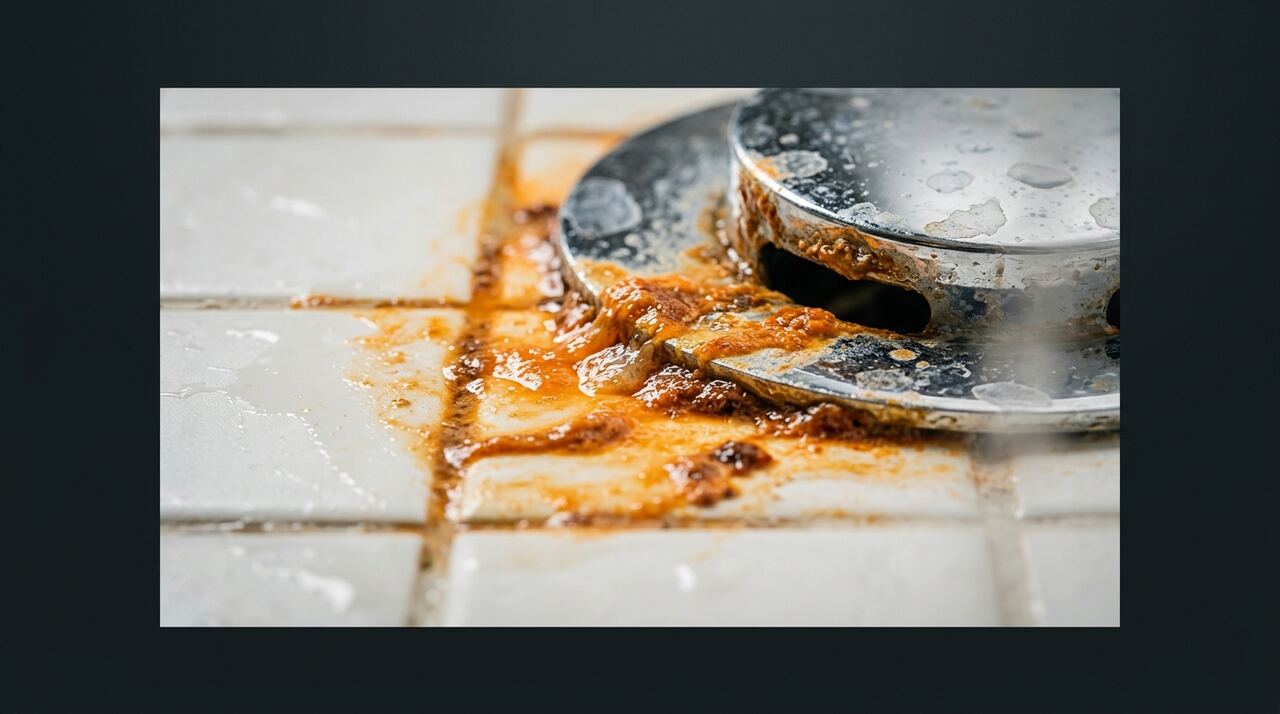
The orange or pinkish film in a bathroom is usually a bacteria, not a mold. It's called Serratia marcescens, and it's the same organism behind the pink ring in showers. It makes a pigment that runs from pink to orange. So that slick stripe along the grout has more in common with bathroom bacteria than with a real fungus.
Here's the part that trips people up: color is a weak clue. A single species can show up in several shades, and several species can all look orange. You can't read the danger or the species off the color. If you want to know exactly what you have, lab testing is the only sure answer. For a wider color guide, see our pages on yellow mold, white mold, and the full types of mold.
Orange in the Bathroom: Bacteria vs Mold
If the orange stuff is in your bathroom, odds are high it's bacteria. Serratia marcescens floats in on the air, lands on a wet surface, and settles into a slimy film. It feeds on the phosphorus and fat in soap scum, shampoo residue, and body oils. That's why it loves shower corners, grout lines, the toilet bowl waterline, drain covers, and the bottom of a shampoo bottle.
This is the same bug that causes the pink shower ring. The pigment just shifts toward orange in some conditions. Our guide to pink mold in shower film covers the same organism in more detail.
Texture is the easiest way to tell bacteria from real mold:
- Bacterial film is slimy and smooth. It smears when you wipe it and lifts off non-porous tile with light pressure. It comes back within days if the soap film stays.
- Mold is fuzzy, raised, or powdery. It grips the surface, digs into grout and caulk, and often carries a musty smell.
Real mold does grow in bathrooms, but it's usually black or green rather than bright orange. If you see fuzzy orange or dark spots creeping into the caulk or spreading on the ceiling, treat it as mold. Our pages on mold in the bathroom and mold in the shower walk through the usual hiding spots and what each surface needs.
Bright Orange Mold on Wood and Outdoors
Outdoors, orange growth is common and usually harmless. After warm rain, bright orange or yellow slime molds bloom on mulch beds, wood chips, tree bark, and rotting logs. They feed on bacteria and decaying plant matter, not on living wood. They spread fast, look strange, then dry into a crusty patch and crumble away. You can rake them out or hose them off if the look bothers you, but they won't hurt your garden or your home.
Damp lumber is a different story. Firewood, a wet deck board, framing in a leaky crawl space, or a water-stained subfloor can grow true orange fungi. Fusarium and Acremonium both turn up on cellulose that stays wet. Some wood-rot fungi also show orange or rusty tones as they break the wood down. On a structural surface, that growth can weaken the material over time, so it's worth taking seriously.
The rule of thumb is simple: orange slime on outdoor mulch is cosmetic, but orange growth on indoor wood means you have a moisture problem feeding it. Find the leak or the condensation source first. Brown and rusty staining on damp wood can point the same direction, which our brown mold guide covers, and pale fuzzy growth on lumber is often the white mold you'll read about in that companion page.
Is Orange Mold Dangerous?
For most healthy people, a patch of orange film in the bathroom is a cleaning problem, not an emergency. The real risks are simple, and knowing them helps you judge your own situation.
The allergy angle is the most common one. The CDC links mold exposure to a stuffy nose, coughing, wheezing, a sore throat, and burning or itchy eyes. People with asthma or a mold allergy can react more strongly. People with weakened immune systems can develop lung infections from certain molds. Those effects come from breathing in spores over time, not from one glance at a spot of orange.
The bacteria behind most bathroom film, Serratia marcescens, is considered low risk for healthy people. It's an opportunistic organism, which means it mostly causes trouble for people who are already sick or have weak immune systems. Keeping it off open cuts and away from contact lenses is sensible. True orange molds like Fusarium can also irritate the eyes, which is one reason contact lens wearers are told to keep cases and solution clean and dry.
The honest takeaway: the orange itself is usually mild, but it's a flag that a surface stays wet. That same moisture can feed hidden mold you can't see. If anyone in the home has ongoing symptoms, the right move is to talk to a licensed physician, not to self-diagnose from a website.
How to Remove Orange Mold
How you clean orange growth depends on the surface. Match the method to where it's growing.
Bathroom film on non-porous surfaces
This covers tile, glass, sealed grout, and plastic, where the film sits on top and lifts off with a little work. For small patches on hard surfaces like these, these cleaners handle orange growth without bleach.
- Spray the area with 3% hydrogen peroxide, undiluted white vinegar, a ready-made remover like RMR-86, or a standard bathroom cleaner. Let it sit about 10 minutes.
- Scrub the grout lines and corners with a stiff brush. Rinse well.
- Dry the surface with a towel or squeegee. Bacteria and mold both need that water film to restart.
- Wash fabric shower curtains and replace cheap vinyl liners that hold growth in the seams.
- Clean weekly. The film comes back fast if soap scum stays, so removing its food source matters as much as the scrub.
Porous and semi-porous surfaces
This covers wood, drywall, and failing caulk, where growth can soak in below the surface.
- For a small area under 10 square feet, spray with a no-bleach mold-control product or 3% hydrogen peroxide, scrub, and dry fully. On bare wood, you can seal the spot after it dries.
- If growth has soaked into drywall, insulation, or old caulk, cleaning won't reach the roots. Cut out and replace the affected section.
- Wear an N95 mask, gloves, and goggles. Scrubbing throws spores into the air.
For anything larger than 10 square feet, stop and hire a qualified mold remediation professional. Look for firms that follow the IICRC S520 standard; ACAC or RIA credentials and state licenses count too. Our full guide on how to get rid of mold breaks down each surface step by step.
Skip the bleach. On porous surfaces like wood and drywall, bleach fails: the chlorine stays on top while the water soaks in and feeds the regrowth underneath. The best mold removal products, hydrogen peroxide, and plain physical removal work better. And never mix bleach with ammonia or other cleaners, because the combination makes a poison gas.
Preventing Orange Mold
Orange film and mold both run on moisture. Take away the water and they can't hold on. A few habits keep them gone:
- Run the exhaust fan. Keep it on during every shower and for 30 minutes after. If there's no fan, crack a window or have one installed.
- Squeegee after each shower. Thirty seconds of wiping the walls and door strips the water film that bacteria and mold need to start.
- Keep humidity below 50 percent. A small hygrometer costs about $10 to $20. Run a dehumidifier in any room that stays above that line.
- Clean the shower weekly. Wiping away soap scum removes the exact food source Serratia feeds on, so the orange film has nothing to eat.
- Fix leaks within 24 to 48 hours. A wet surface can grow mold in that window, so dry it fast and repair the source.
- Don't leave wet items bunched up. Hang towels, bath mats, and loofahs to dry so they don't stay damp.
Stay ahead of the moisture and you rarely have to scrub. Prevention costs a squeegee and a fan timer. Remediation costs a weekend or a contractor.
Frequently asked questions
What is the orange colored mold on my walls and in the shower?
Orange colored growth on a bathroom wall or in the shower is most often not mold at all. The pink-to-orange film that forms on shower tile, along the tub line, on the shower curtain, and around drains is usually Serratia marcescens, a bacterium that lives on soap residue and stays wet between showers. It wipes off with an ordinary bathroom cleaner and comes straight back until the surface dries between uses, which is the real fix. Actual orange mold is more likely on damp wood, on window frames, on stored paper and cardboard, and outdoors on tree bark and mulch, and it tends to look raised or fuzzy rather than filmed. Color alone does not settle either case, so judge it by where it is growing, whether it feels slimy or fuzzy, and whether it returns after the surface dries.
Is orange mold in the shower really mold?
Usually not. The bright orange or pink film on shower tile, grout, and around drains is almost always Serratia marcescens, a common bacteria. It feeds on soap scum and the fatty residue left by shampoo and body wash. It wipes off non-porous surfaces easily, but it returns fast if the soap film stays. True fuzzy orange mold is far less common on bathroom tile.
Is orange mold dangerous?
For most healthy people, the orange film in a bathroom is low risk. The CDC links mold exposure to a stuffy nose, coughing, wheezing, and itchy eyes, with stronger reactions in people who have asthma or weak immune systems. The Serratia bacteria behind most bathroom film can cause infections in people who are already sick. Clean it promptly, fix the moisture, and talk to a licensed physician about any symptoms.
What is the orange slime on my mulch?
That is almost always a slime mold, not a true mold or a plant disease. Bright orange and yellow slime molds live on mulch, bark, and rotting logs, where they feed on bacteria and decaying matter. They look alarming, but they do not harm plants, pets, or your house. Most dry out and crumble away on their own once the surface dries.
How do you get rid of orange mold in the bathroom?
Spray the film with 3% hydrogen peroxide, white vinegar, or a bathroom cleaner, let it sit about 10 minutes, then scrub the grout lines with a stiff brush and rinse. Dry the surface fully. Wash or replace shower curtain liners. The key is removing the soap scum it feeds on, so clean weekly and squeegee the walls after each shower to slow regrowth.
What is the difference between orange mold and pink mold?
Often there is no difference in the organism. The pink ring and the orange film in showers usually come from the same bacteria, Serratia marcescens, which makes a pigment that ranges from pink to orange depending on conditions. True orange molds like Acremonium and Fusarium are separate fungi that prefer damp wood and corners. Color alone cannot tell you which organism you have.
Can mold be orange?
Yes. True orange molds such as Acremonium and Fusarium grow in orange tones on damp wood, drywall and organic material. On shower tile and grout, though, orange growth is more often Serratia marcescens bacteria than mold, and each one is cleaned differently.
What bacteria is orange mold?
Serratia marcescens. It is the bacteria behind the bright orange or pink film on shower tile, grout and around drains, and it is not a mold at all. It feeds on soap scum and the fatty residue left by shampoo and body wash. It wipes off non-porous surfaces easily, but it returns fast if the soap film stays.
Sources
Every claim on this page traces to one of these. Links open the primary document.