CIRS: Symptoms, Biomarkers, and the CIRS Treatment Protocol

MS
Mold Scanner AI Editorial Team
Published April 15, 2026. Reviewed from leading expert protocols and federal agency guidelines.
Chronic indoor mold exposure that triggers CIRS
Real mold photo. Source: Wikimedia Commons.
On this page
  1. What is CIRS and who gets it?
  2. CIRS symptoms: the 13 clusters
  3. The VCS test: free screening you can do right now
  4. The CIRS 12 step protocol<
  5. Think you might have mold?
Quick Answer

CIRS is a chronic inflammatory illness triggered by mold exposure in genetically susceptible people (24% of the population). Key symptoms: fatigue, brain fog, joint pain, sinus problems, and the hallmark pattern of feeling better away from home. The free VCS test at vcstest.com plus 8 of 13 symptom clusters identifies CIRS with 98.5% accuracy. Treatment follows the CIRS 12 step protocol starting with leaving the moldy environment and cholestyramine binding.

What is CIRS and who gets it?

Chronic Inflammatory Response Syndrome (CIRS) is a condition where the immune system gets stuck in a state of constant inflammation after exposure to biotoxins from water damaged buildings. Leading mold illness researchers defined and named the condition based on over 150 published papers and 25+ years of clinical research.

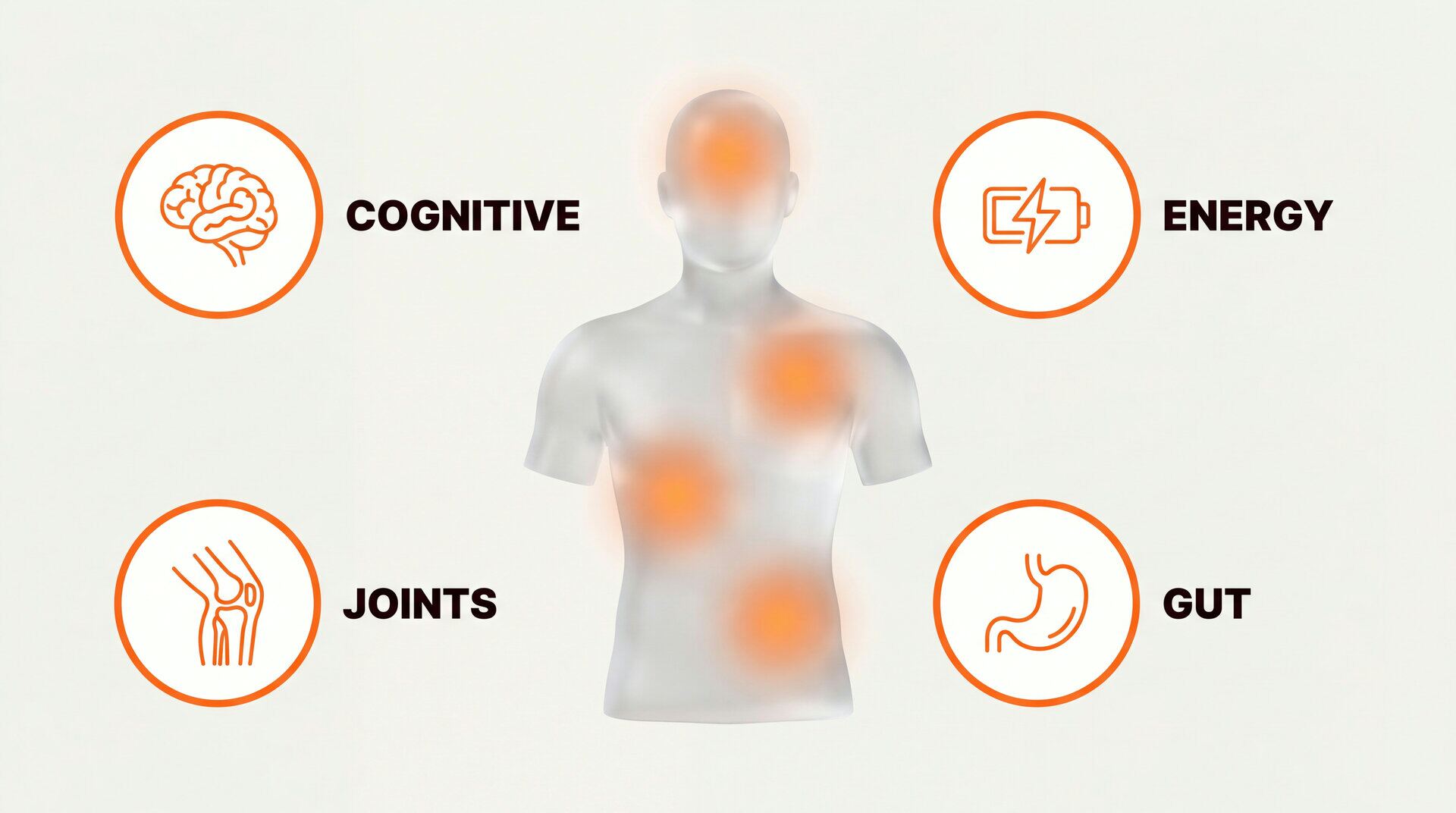
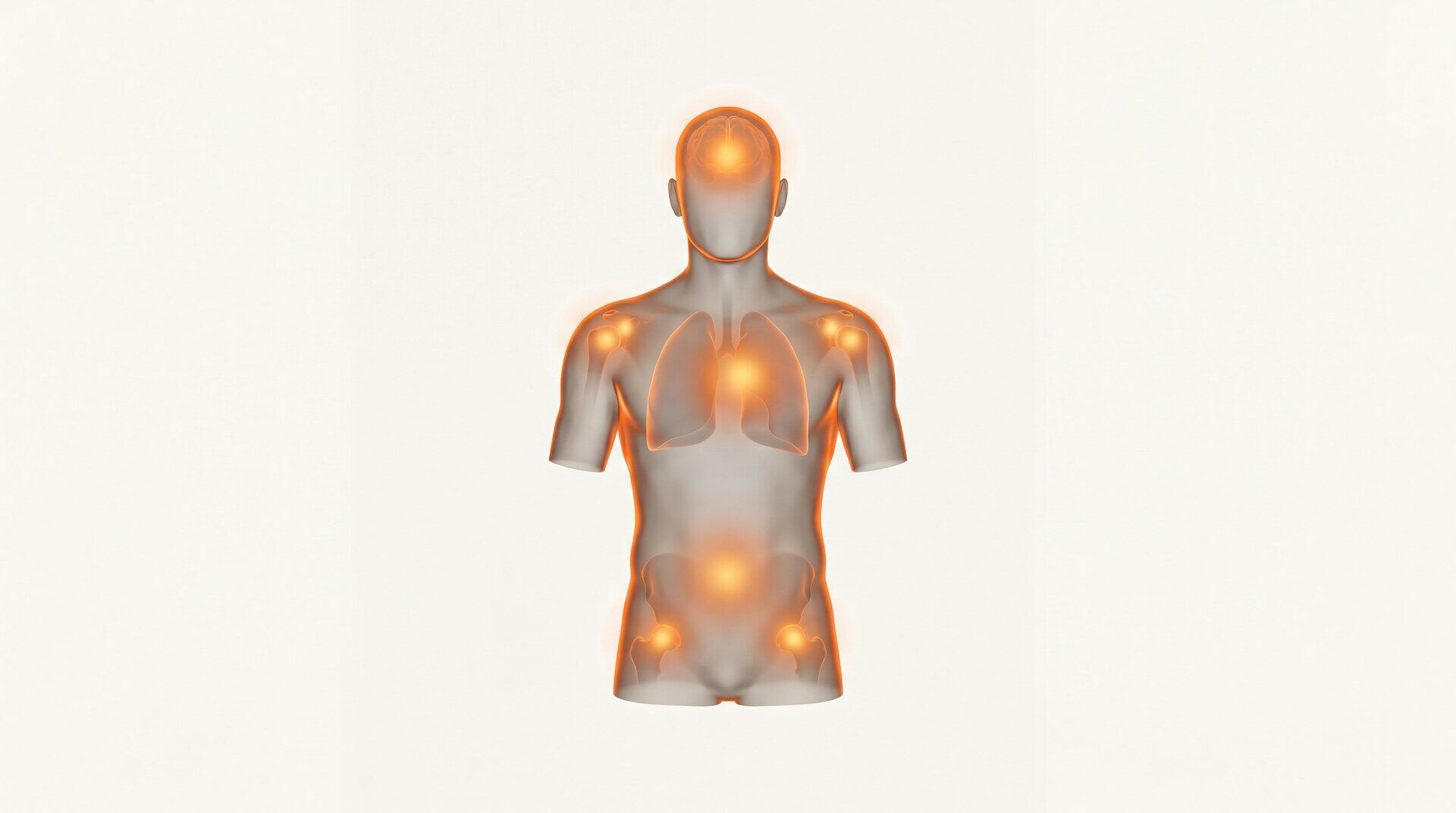
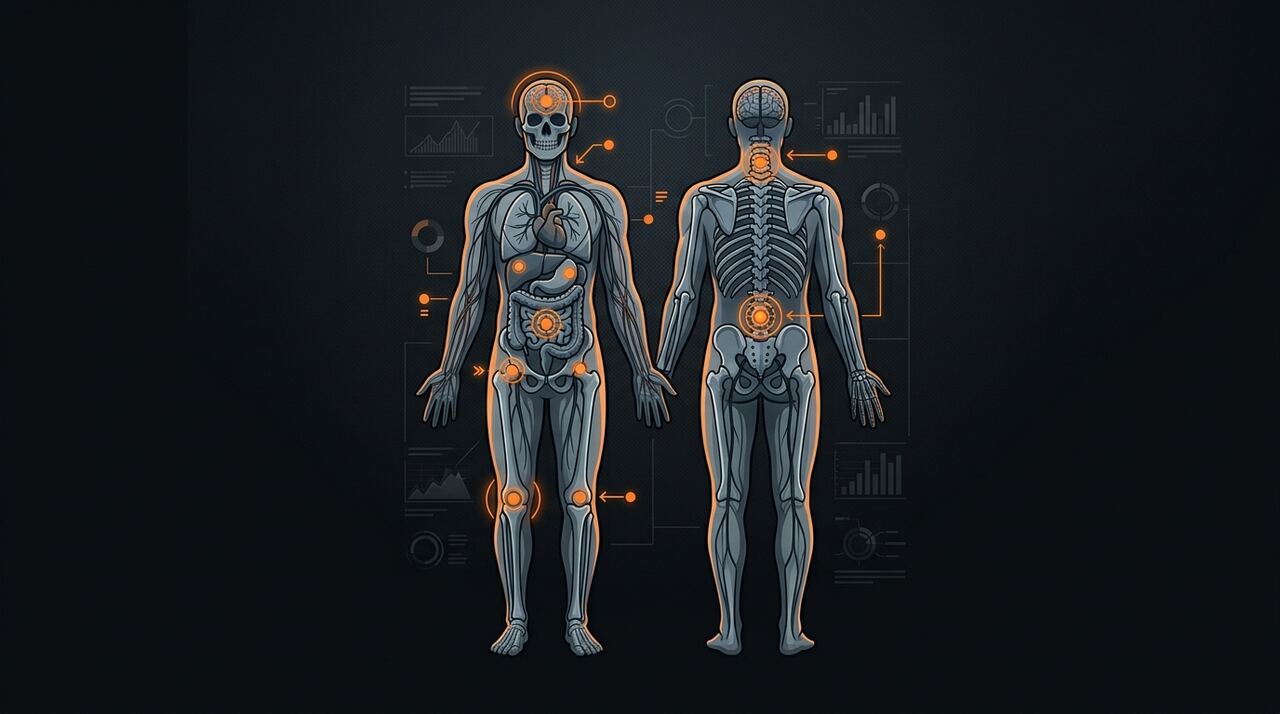
About 24% of the population carries HLA-DR genetic variants that make their immune system unable to recognize and clear mold biotoxins. When these genetically susceptible people are exposed to mold, the toxins recirculate in their body instead of being tagged, processed, and eliminated. The result is chronic, multi system inflammation that can persist for years, even after leaving the moldy environment.

The other 76% of people can get sick from acute mold exposure, but their immune system clears the toxins once exposure stops. For the 24% with susceptible genetics, the toxins stay in the body and the inflammation continues. This is why some family members get very sick in a moldy house while others seem fine.

CIRS symptoms: the 13 clusters

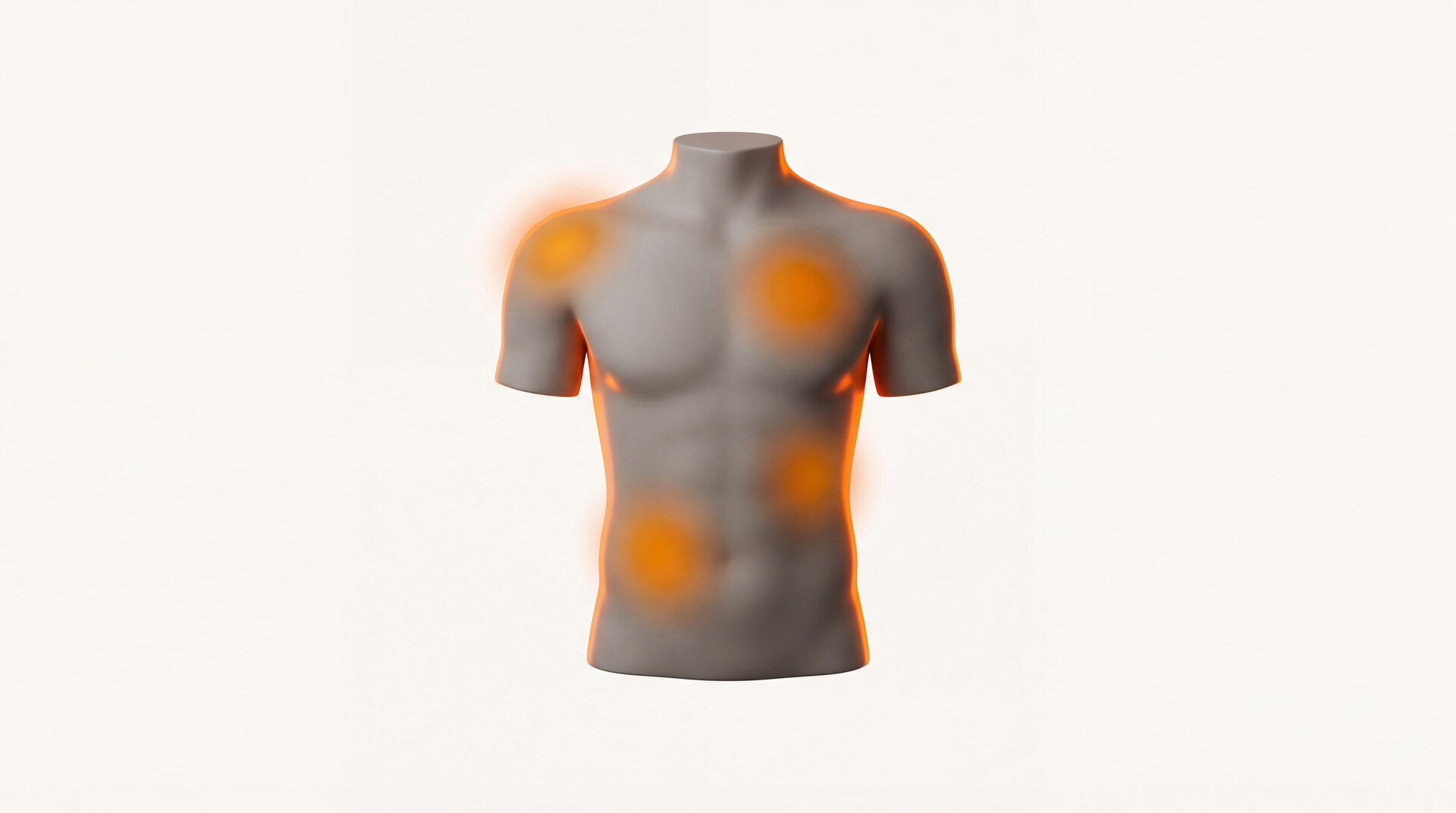
CIRS researchers identified 13 clusters of symptoms. Scoring positive in 8 or more clusters, combined with a failed VCS test, identifies CIRS with 98% accuracy. The clusters are:

1. Fatigue: Persistent exhaustion that does not improve with sleep or rest.
2. Weakness: Muscle weakness, reduced exercise tolerance, trouble climbing stairs.
3. Body aches: Joint pain, morning stiffness, muscle cramps, sharp "ice pick" pains.
4. Headaches: Frequent headaches, especially in the morning or when entering certain buildings.
5. Light sensitivity: Eyes hurt in bright light, difficulty driving at night, tearing eyes.
6. Memory and focus: Brain fog, word finding difficulty, poor concentration, confusion.
7. Skin sensitivity: Unusual tingling, numbness, or electrical sensations. Static electricity shocks (highly specific to CIRS).
8. Shortness of breath: Chronic cough, difficulty taking a full breath, sinus congestion.
9. Sinus problems: Chronic congestion, recurring sinus infections, post nasal drip.
10. Appetite and GI: Nausea, diarrhea, abdominal pain, new food sensitivities.
11. Temperature regulation: Night sweats, feeling too hot or too cold, alternating between both.
12. Urinary changes: Frequent urination, excessive thirst.
13. Mood: Anxiety, depression, irritability, mood swings without clear cause.

The most diagnostic single pattern is feeling better away from home and worse at home. Every single expert in our research says this is the gold standard signal for environmental mold exposure.

The VCS test: free screening you can do right now

Black mold growth on bathroom shower tiles

The Visual Contrast Sensitivity (VCS) test measures your ability to distinguish between shades of gray at different spatial frequencies. Mycotoxins damage the small capillaries that supply the optic nerve, reducing contrast sensitivity in a pattern that is highly specific to biotoxin exposure.

Take the free test at vcstest.com. It takes about 10 minutes. You will look at a series of images and identify which direction lines are tilted. A passing result means your contrast sensitivity is normal. A failing result means neurological inflammation is present. The VCS test has 92% accuracy alone and 98.5% accuracy when combined with the symptom cluster questionnaire.

Important: a passing VCS test does not rule out CIRS. About 8% of CIRS patients pass the VCS test because their optic nerve happens to be less affected. But a failing VCS test in someone with multi system symptoms is a strong signal to pursue full CIRS workup.

The CIRS 12 step protocol<

The protocol must be done in order. Skipping steps leads to relapse because each step depends on the one before it.

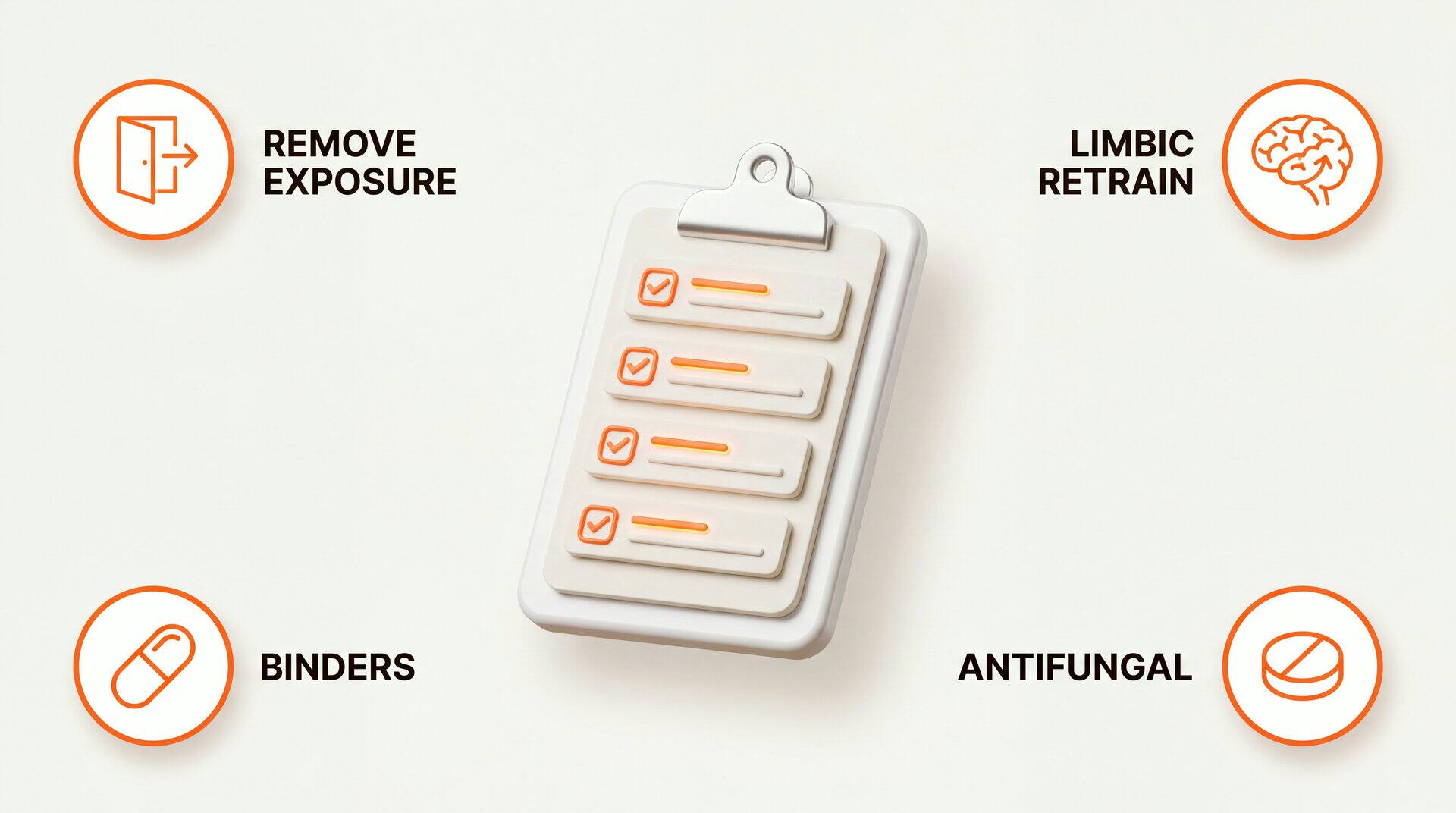
Step 1: Remove from exposure. Leave or remediate the water damaged building. Confirm with ERMI/HERTSMI-2 that the new environment is safe (score below 11).
Step 2: Cholestyramine (CSM). A prescription bile acid sequestrant that binds biotoxins in the gut and prevents reabsorption. Taken 4 times daily for 1 to 3 months. The most effective binder according to published clinical data.
Step 3: MARCoNS treatment. Multiple Antibiotic Resistant Coagulase Negative Staphylococci colonize the sinuses in CIRS patients. Treated with BEG nasal spray (bactroban, EDTA, gentamicin).
Step 4: Correct anti gliadin antibodies. Remove gluten if antibodies are elevated.
Step 5: Correct androgens. DHEA, testosterone, and estradiol often become imbalanced in CIRS.
Step 6: Correct ADH and osmolality. Many CIRS patients have dehydration from dysregulated antidiuretic hormone.
Step 7: Correct MMP-9. A marker of tissue destruction. High omega-3 diet and specific supplements.
Step 8: Correct VEGF. Vascular endothelial growth factor affects blood flow to tissues.
Step 9: Correct C3a. Complement system activation marker.
Step 10: Correct C4a. The primary inflammatory marker in CIRS. Often very elevated.
Step 11: Correct TGF-beta-1. Drives tissue remodeling and fibrosis.
Step 12: Restore VIP. Vasoactive Intestinal Peptide is the final step. VIP nasal spray restores immune regulation and typically resolves remaining symptoms.

Leading environmental health researchers add an important caveat: highly sensitive patients (about 30% of CIRS cases) cannot tolerate cholestyramine or other binders initially. For these patients, nervous system stabilization through limbic retraining (DNRS or Gupta Program) must come before binder therapy.

EPA CDC WHO Harvard Berkeley Lab IICRC

Think your home might be causing your symptoms?

Our app walks you through 160 professional mold hotspots room by room. Same checklist every IICRC certified inspector uses. AI powered verdict in 5 minutes.

Get Early Access

Frequently Asked Questions

What is CIRS?

CIRS stands for Chronic Inflammatory Response Syndrome. It is a multi system inflammatory illness caused by exposure to biotoxins, most commonly from water damaged buildings. It was defined by leading mold illness researchers, who have published over 150 peer reviewed papers on the condition. About 24% of the population carries genetic variants (HLA-DR) that make them unable to clear these biotoxins, leading to chronic inflammation affecting the brain, lungs, gut, joints, and hormones.

What are the symptoms of CIRS?

CIRS affects multiple body systems simultaneously. Common symptoms include fatigue that does not improve with sleep, brain fog and memory problems, chronic sinus congestion, joint pain and morning stiffness, shortness of breath, light sensitivity, frequent urination, static electricity shocks, ice pick pains, night sweats, mood changes, and new food sensitivities. The CIRS 13 cluster symptom questionnaire scores 8 or more out of 13 clusters in 98% of confirmed CIRS cases.

What is the VCS test for mold illness?

The Visual Contrast Sensitivity (VCS) test is a vision screening tool that detects neurological damage from biotoxin exposure. Mycotoxins damage the small capillaries that supply the optic nerve, reducing your ability to distinguish between shades of gray at certain spatial frequencies. The test takes 10 minutes and is available free online at vcstest.com. A failed VCS test combined with 8+ symptom clusters has 98.5% accuracy for identifying CIRS.

How is CIRS treated?

The CIRS Protocol is a 12 step sequential treatment. Step 1 is removing from exposure (the moldy building). Step 2 is cholestyramine, a prescription bile acid binder that removes biotoxins from the body. Subsequent steps address MARCoNS (antibiotic resistant staph in the sinuses), correct hormonal imbalances, reduce inflammatory markers like C4a and TGF-beta, and restore VIP levels. The protocol must be done in order. Skipping steps leads to relapse.

Related guides

Mold colony spreading across a gypsum drywall surface
8.1K/mo searches
Mycotoxin Testing
Urine panels to confirm mold toxin exposure.
2.4K/mo searches
ERMI Test
Test your home for safe re-occupancy.
8.1K/mo searches
Toxic Mold Symptoms
The symptoms that lead to a CIRS diagnosis.
6.6K/mo searches
Mold Allergy Symptoms
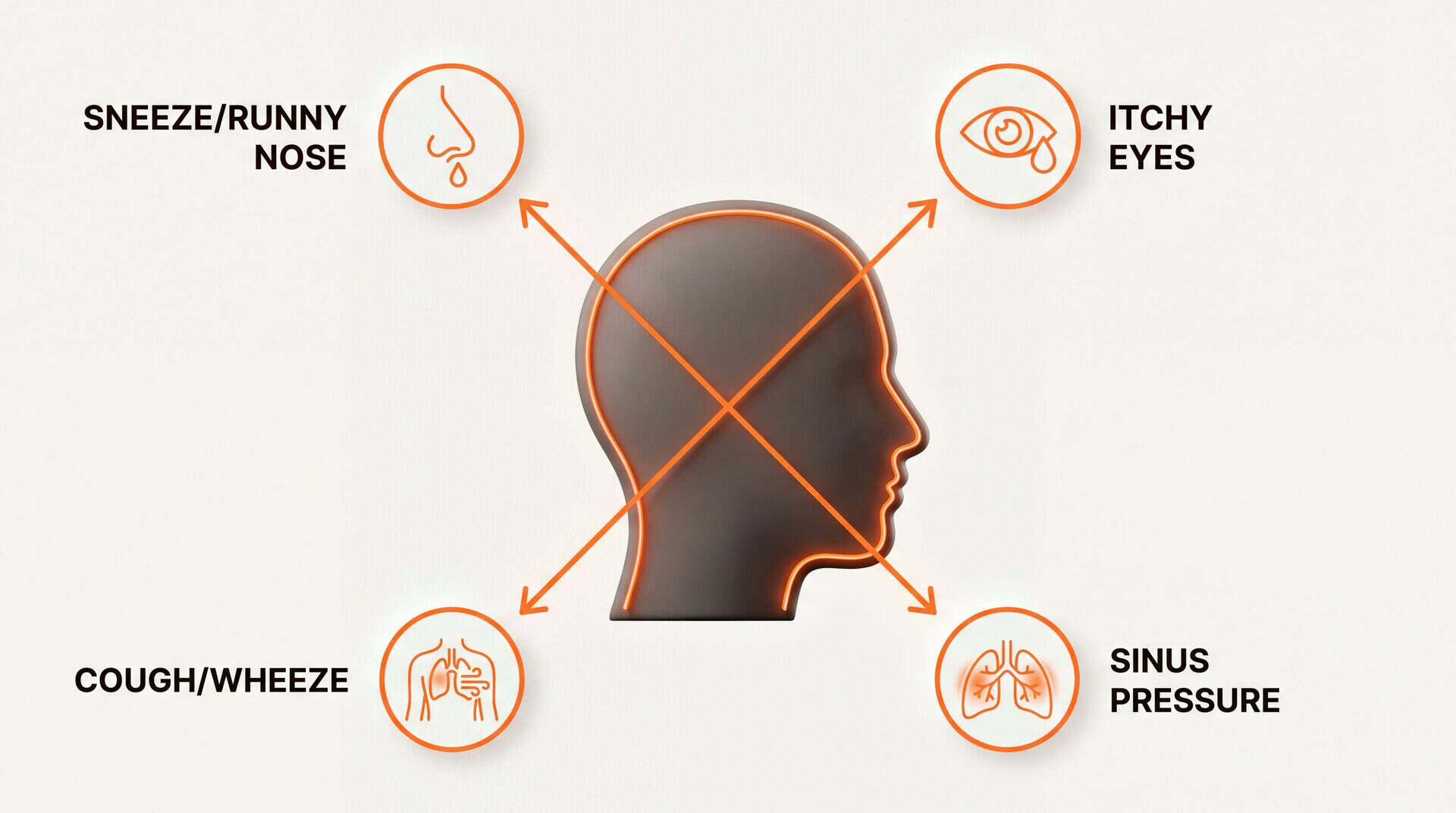
Allergy vs CIRS: different conditions.

Keep Reading

Mycotoxin Testing: Urine Panels, Labs, and How to Read Results
Read more
ERMI Test: What It Is, How It Works, HERTSMI-2 Scores Explained
Read more
Toxic Mold Symptoms: The Complete Checklist from Mold Doctors
Read more
Mold Allergy Symptoms vs Mold Toxicity: How to Tell the Difference
Read more

Think you might have mold?

Scan 160 hotspots with your phone. Get a forensic grade AI verdict in 5 minutes. No $670 inspector needed.

Scan Your Home Free