What Is Brown Mold?
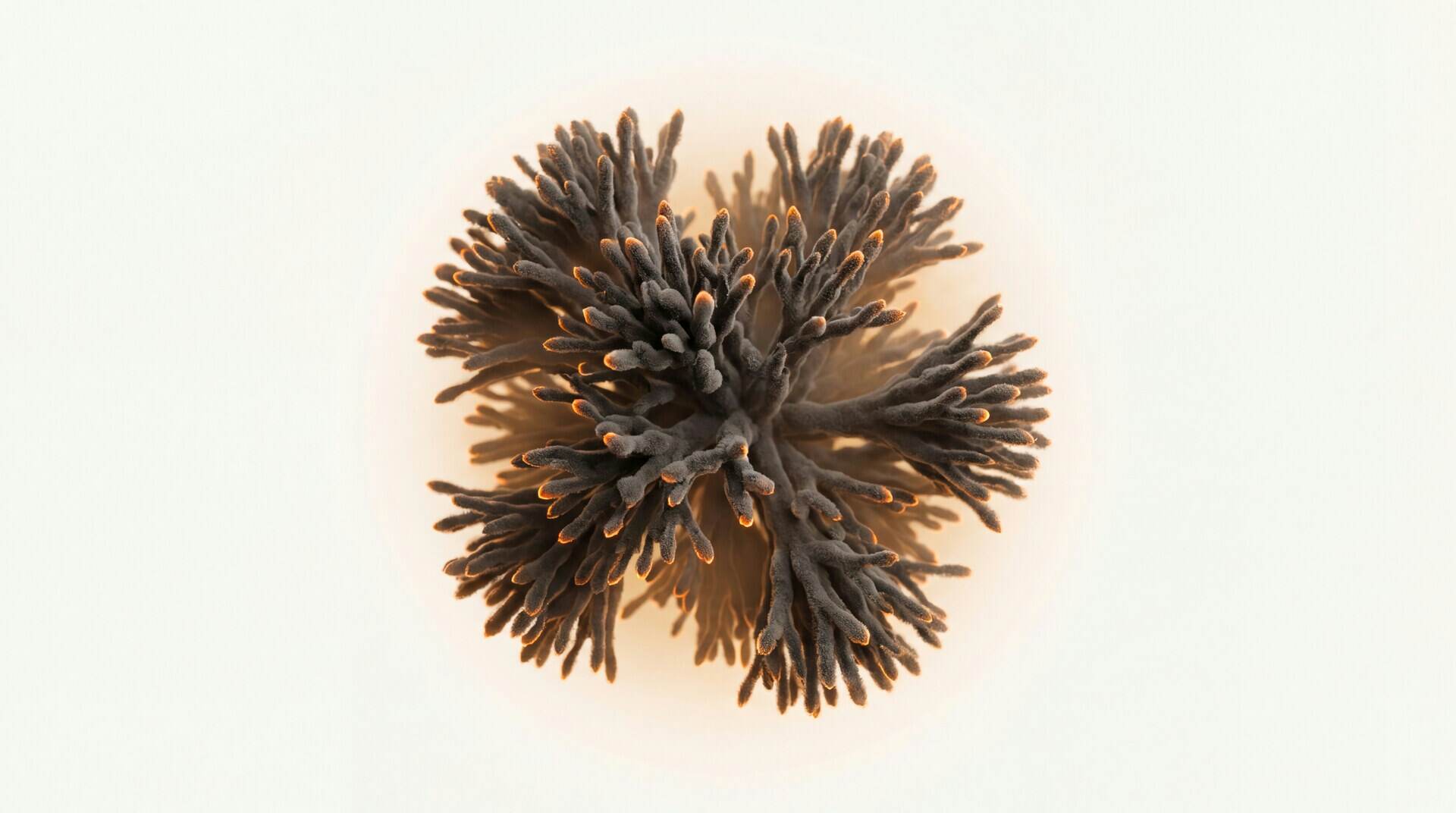
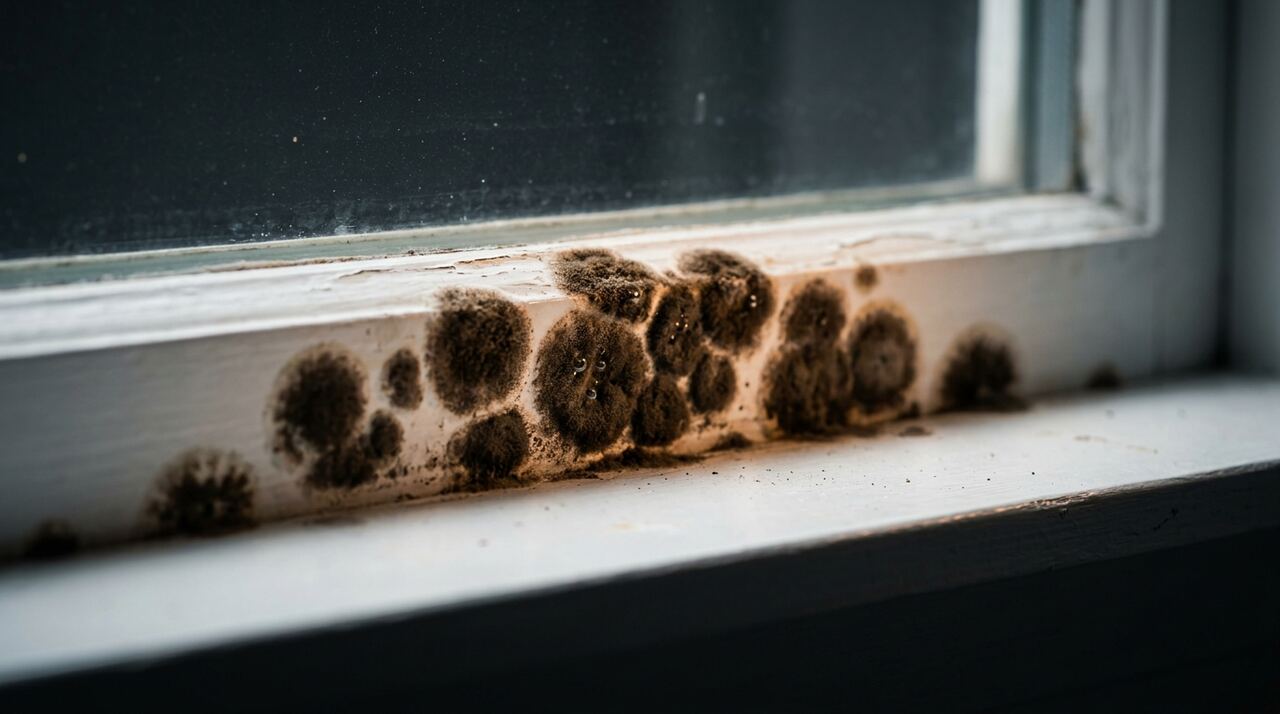
Brown mold is not one species. It is a catch-all name for any mold that looks brown to the eye. The shade runs from light tan to coffee brown to a dark, almost black-brown. Several different molds can wear this color, and they are not all the same under a microscope.
The three you are most likely to meet at home are Cladosporium, Aureobasidium, and Stemonitis. Cladosporium is the most common mold on earth, and it often reads as olive-brown or brown-black. Aureobasidium starts out pink or cream and turns dark brown as it ages, which is why it fools people on window caulk and door frames. Stemonitis is a slime mold that grows in fuzzy, hair-like brown tufts on damp wood, drywall, and mulch.
Here is the catch with brown mold. It blends into the colors already around your home. Wood grain, cardboard, dead leaves stuck in a window track, a dusty baseboard. Brown growth sits right on top of brown surfaces, so it can spread for weeks before anyone spots it. A bright green or inky black colony jumps out at you. A brown one hides in plain sight, which is the whole reason it earns its own page.
Color alone never tells you the species or the risk. A coffee-brown patch could be a mild allergen or something a lab needs to identify. Brown is just what your eyes see. For the full rundown of which molds show up in which colors, see our guide to the common types of mold. Mold also comes in other colors, each with its own usual suspects, so we have separate guides for white mold, yellow mold, and orange mold too.
Brown Mold vs Dirt vs Water Stains
Brown spots on a wall, sill, or ceiling are not always mold. Dirt, dust buildup, and old water stains all look similar at first glance. Three quick tests sort it out before you waste time scrubbing the wrong thing.
The spray test. Lightly mist the spot with water or a little diluted hydrogen peroxide. Mold often darkens, swells, or looks fuzzier when it gets wet, because the growth soaks up moisture. A flat water stain or plain dirt just looks wet and keeps the same shape.
The smear test. Put on a glove, dampen a paper towel, and wipe the spot once. Dirt and dust lift off clean, and the surface underneath looks normal. Mold tends to smear rather than lift, the stain stays, and the surface under it may look discolored or feel soft. For a deeper look at the visual clues, see our guide on what mold looks like.
The texture and smell check. Mold has a raised, fuzzy, speckled, or slimy texture, and it usually carries a musty, earthy smell. A water stain is flat and dry, often with a brown ring or tide line where the water dried and left minerals behind. Dirt feels gritty and brushes away with a dry cloth.
One more tell. If the brown spot keeps coming back after you clean it, that points to live mold with a moisture source feeding it. A true water stain stays put once the leak behind it is fixed, and it never regrows.
Where Brown Mold Hides
Brown mold chases two things at once: moisture, and a quiet spot where its color blends in. These are the places it turns up most in homes.
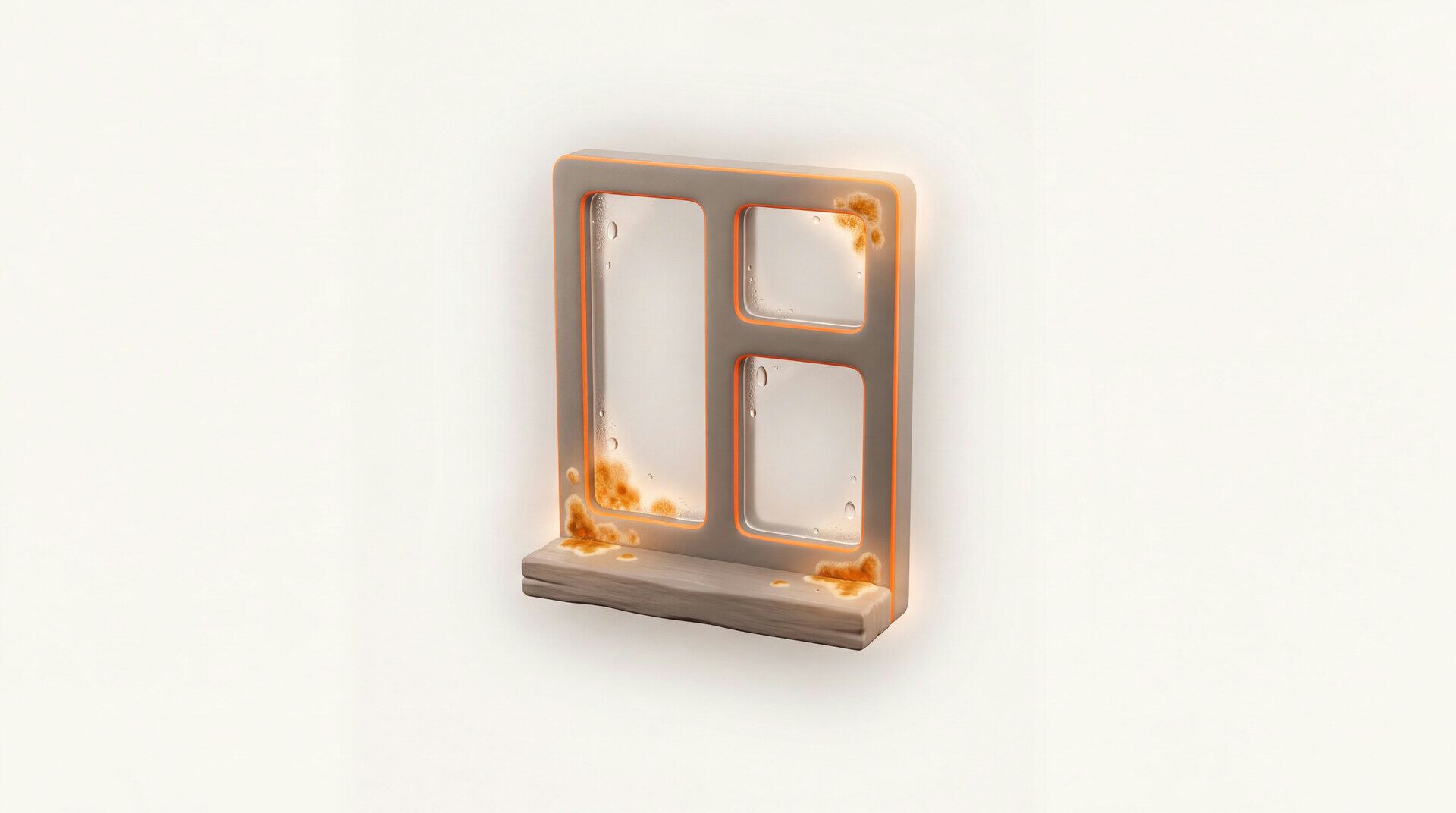
Window frames and sills. Cold glass sweats, and the water runs down onto wood or vinyl frames and pools in the corners. Aureobasidium loves this spot and darkens the corner of the frame to brown or black. People mistake it for grime for months. Our guide to mold on the window sill covers the condensation fix.
Bathroom grout and caulk. Grout lines and silicone caulk hold water long after a shower ends. Brown mold here can read like soap scum or hard-water staining, so it gets wiped past and ignored. A musty smell near the tub is a clue.
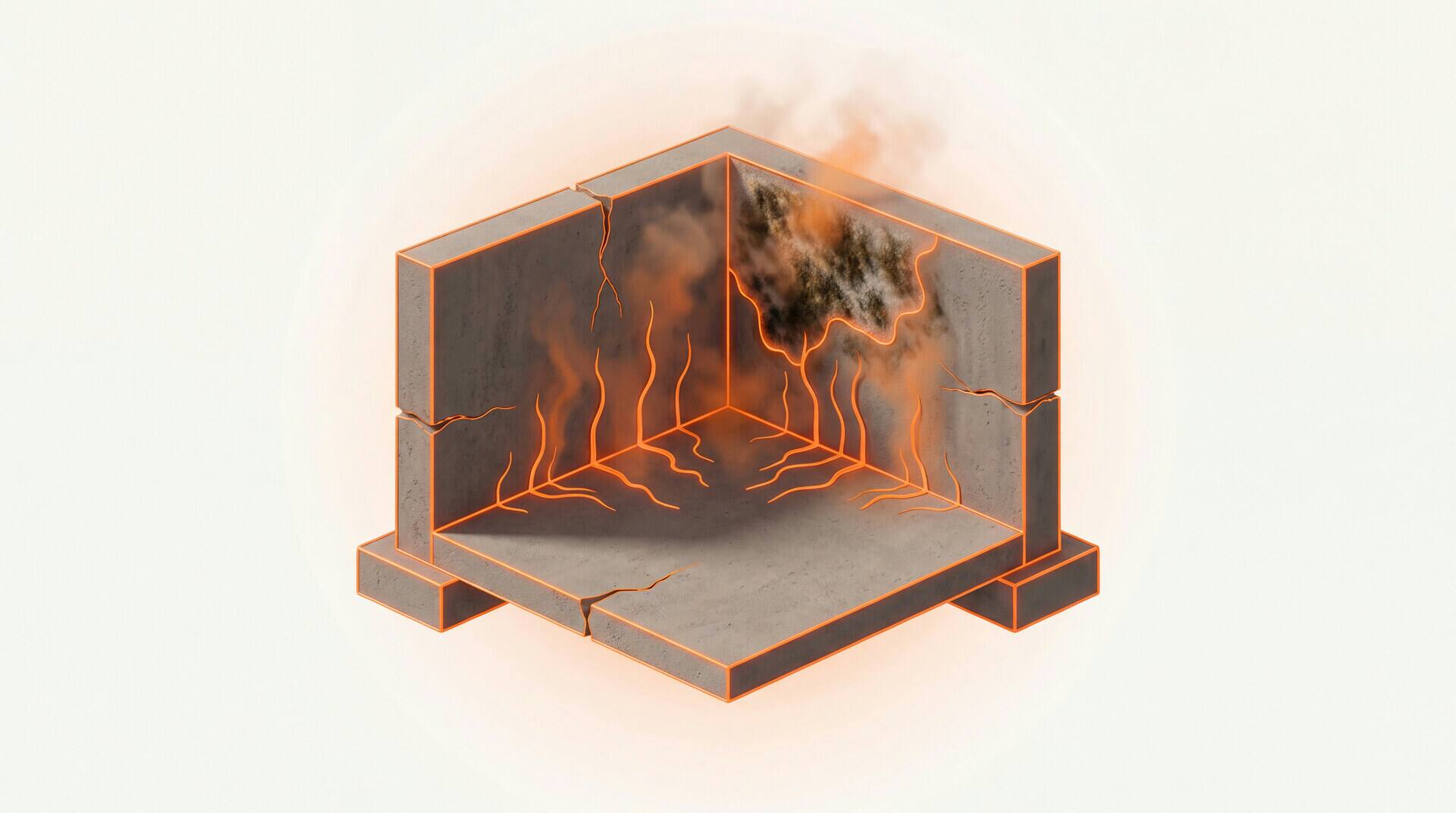
Basement joists and framing. Bare wood joists and subfloor over a damp basement are a magnet for brown growth, including Stemonitis slime mold. The wood is already brown, so a colony can creep along a beam unnoticed. See mold in the basement and our guide to mold on wood for the cleanup.
Cardboard boxes. Cardboard is cellulose, which is mold food, and it drinks up basement and garage humidity. Stacked boxes trap damp against the floor and grow brown mold on the bottom layer first, where no one is looking.
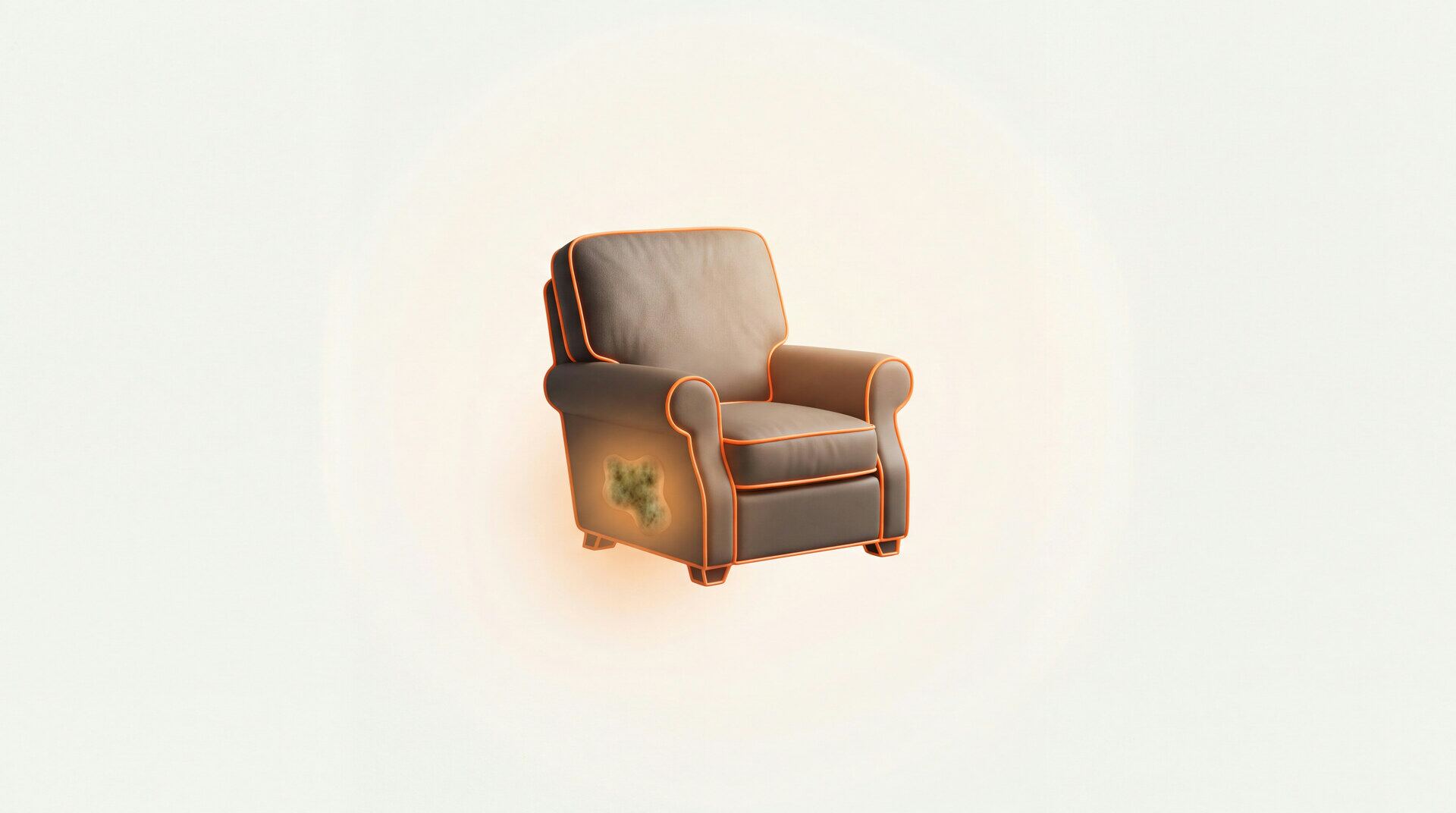
Behind furniture on exterior walls. A dresser or couch pushed tight against a cold outside wall blocks the air from moving. Condensation forms on the hidden wall and feeds brown mold you cannot see until you pull the piece away. Our guide to mold on furniture walks through both the wall and the wood.
Is Brown Mold Dangerous?
Brown mold is mostly an allergen, not a poison. For most people the risk lines up with other common indoor molds. The CDC links indoor mold exposure to a stuffy or runny nose, coughing, wheezing, and irritated eyes, skin, or throat, with stronger reactions in people who have asthma or a mold allergy.
A point that surprises a lot of people: the brown color does not tell you the species, and the species is what sets the real risk. Two brown patches in two homes can be very different molds. Color never confirms what you are dealing with. Only a lab test does, which is why our types of mold guide leans on testing instead of eyeballing.
Some molds that look brown, like Cladosporium, are common, low-risk allergens that bother sensitive people but rarely harm healthy ones. Others can be more irritating with long, heavy exposure. The CDC notes that people with asthma, allergies, or weakened immune systems tend to react more strongly, and so do infants and older adults. The safe response is the same no matter which species you have: find the moisture, remove the mold, and keep the surface dry.
If someone in the home has ongoing symptoms they think are tied to mold, the right move is to talk to a licensed physician. This page sticks to cleanup, protective gear, and moisture control. It does not give medical advice.
How to Remove Brown Mold
The EPA rule of thumb is simple. If the moldy area is smaller than about 10 square feet (roughly a 3-foot by 3-foot patch), you can usually handle it yourself. If it is bigger than that, or it keeps coming back, hire a qualified mold remediation professional. Look for firms that follow the IICRC S520 standard; ACAC or RIA credentials and state licenses count too.
Step 1: Fix the moisture first. Mold can regrow in 24 to 48 hours if water keeps feeding it. Track down the leak, the condensation, or the humidity source and fix it before you clean a thing. Our full guide on how to get rid of mold walks through the whole order of operations.
Step 2: Gear up. Wear an N95 mask, gloves, and eye protection. Cleaning kicks a burst of spores into the air. Open a window if you can.
Step 3: Clean by surface, because brown mold grows on very different materials.
- Hard, non-porous surfaces (tile, glass, vinyl window frames, sealed metal): spray with a no-bleach mold-control product like Concrobium Mold Control, 3% hydrogen peroxide, or undiluted white vinegar. Let it sit about 10 minutes, scrub with a stiff brush, then wipe clean.
- Wood (window frames, joists, furniture): use the same cleaners and scrub along the grain. Wood is semi-porous, so let it dry all the way afterward. Light surface growth usually lifts. If the wood is soft, spongy, or stained deep through the grain, that section may need to be cut out and replaced. Our mold on wood guide covers this in detail.
- Cardboard, paper, and soft porous items: there is no saving these. Bag them and throw them out. Brown mold sends roots deep into cardboard, so wiping the surface never gets it all.
Step 4: Skip the bleach. Bleach does not kill mold roots in porous surfaces like wood. The chlorine stays up on the surface while the water carries deeper into the material and feeds the regrowth. The best mold removal products, hydrogen peroxide, and white vinegar all work better on the wood, grout, and frames where brown mold lives. And never mix bleach with ammonia or other cleaners, because that combination makes a toxic gas. For small patches on hard surfaces, these cleaners handle brown mold without bleach.
Step 5: Dry, then check back. Dry the area completely with fans or a dehumidifier. Look again in a week. If the brown mold returns, the moisture problem behind it is still open and needs another pass.
Preventing Brown Mold
Brown mold needs damp to live. Take the damp away and it cannot come back. These habits keep it from returning.
- Keep indoor humidity between 30 and 50 percent. A $10 to $20 hygrometer tells you the number at a glance. Run a dehumidifier in any room that reads above 50 percent, basements first.
- Cut condensation on windows. Open blinds so air can reach the glass, wipe sills after cold nights, and run the bathroom and kitchen fans during and after you make steam.
- Move furniture off exterior walls. Pull dressers and couches a few inches away so air can move behind them and dry the surface.
- Get cardboard off the floor. Store items in sealed plastic bins on shelves instead of cardboard boxes sitting on a basement slab.
- Fix leaks within 24 hours. A wet surface can start growing mold in a day or two, so fast drying is your best defense.
Most brown mold problems trace back to one slow moisture source that nobody caught. Find that source, fix it, and the color stops coming back.
Frequently asked questions
Is brown mold dangerous?
Brown mold is mostly an allergen, not a poison. The CDC links indoor mold to a stuffy nose, coughing, wheezing, and eye or throat irritation, with stronger reactions in people who have asthma or mold allergies. The brown color does not tell you the species or the risk, so only a lab test confirms what you have. The safe move is the same for any mold: find the moisture, remove the growth, and keep the area dry.
How can I tell brown mold from dirt or a water stain?
Use the smear test and the spray test. Wipe the spot with a damp paper towel: dirt lifts off clean, while mold smears and the surface under it looks stained. Mist it with water: mold often darkens or swells, but a water stain looks the same wet. Mold also feels fuzzy and smells musty. A water stain is flat, dry, and has a brown ring where the water dried.
What kind of mold is brown?
Several molds can look brown. The most common indoors are Cladosporium (olive-brown), Aureobasidium (turns dark brown as it ages on caulk and window frames), and Stemonitis (a fuzzy brown slime mold on damp wood). Color alone never confirms the species. Two brown patches can be very different molds, so a lab test is the only way to know for certain.
Does brown mold on wood mean wood rot?
Not always, but it can be a warning sign. Surface brown mold often wipes off and the wood stays solid. Wood rot is different: the wood turns soft, spongy, crumbly, or stained deep through the grain. If you press the wood and it gives or flakes, that points to rot and the piece may need to be cut out and replaced. Fixing the moisture source stops both.
How do I get rid of brown mold on wood?
For an area under 10 square feet, scrub the wood with a no-bleach mold-control product, 3% hydrogen peroxide, or white vinegar, then let it dry fully. Wear an N95 mask and gloves. Skip bleach: it leaves the roots behind in porous wood. If the wood is soft or deeply stained, replace it. For areas larger than 10 square feet, hire a qualified mold remediation professional who follows the IICRC S520 standard.
What is the brown mold that looks like dust?
Brown mold that reads as dust is usually Cladosporium, Aureobasidium or Stemonitis growing on wood, cardboard or a dusty baseboard. Because brown growth sits on top of brown surfaces, it can spread for weeks before anyone notices, unlike a bright green or inky black colony that jumps out. Color never confirms the species, so treat any visible growth as something to clean once you have fixed the moisture.
Sources
Every claim on this page traces to one of these. Links open the primary document.