What mycotoxin testing tells you about a home
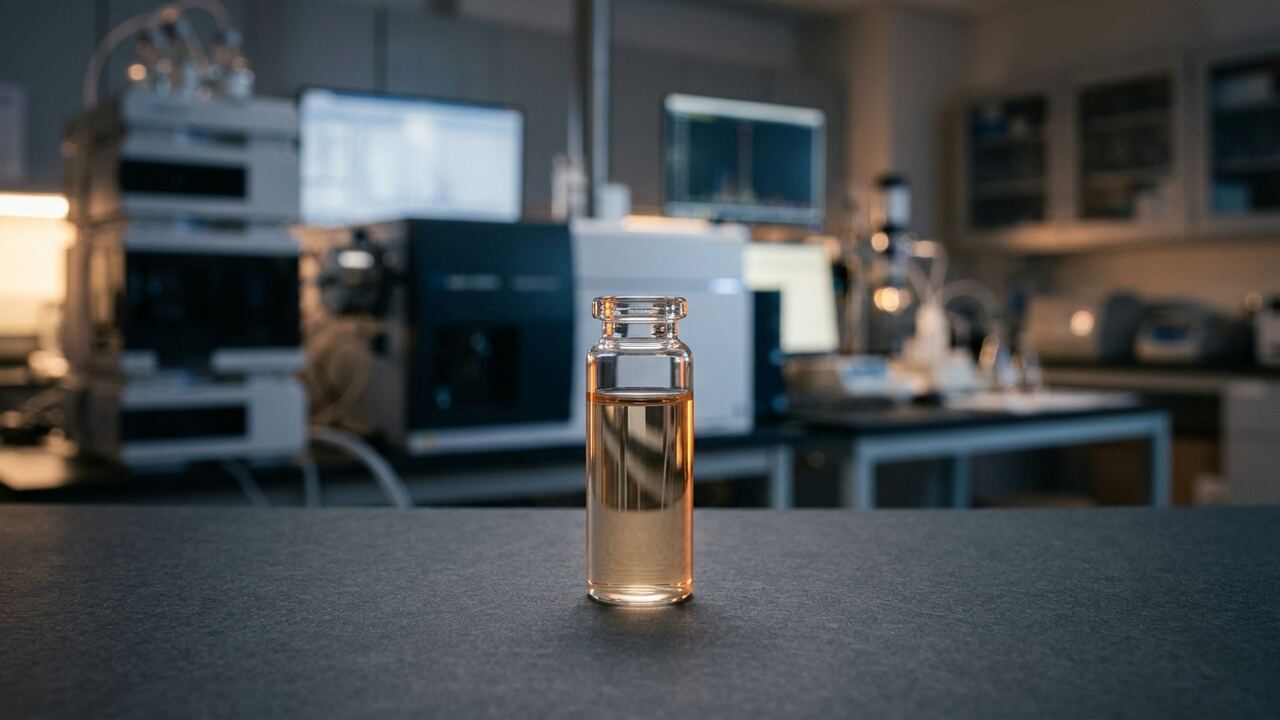
A laboratory can analyze selected compounds or fungal DNA in the material collected. The result describes that sample under that method. It does not automatically represent every room, locate the moisture source, measure a person's dose, or determine health effects.
Dust and air sampling have different biases and time windows. Neither is universally better. CDC and EPA generally emphasize direct moisture investigation and correction rather than routine sampling.
ERMI vs HERTSMI-2 vs surface tests
Three home tests come up most often. They differ in how much they cover and what they cost. Here is the plain version.
| Test | What it checks | Sample | Best for |
|---|---|---|---|
| ERMI | Targeted mold DNA combined into a research index | Settled dust | Research use with major interpretation limits |
| HERTSMI-2 | Targeted DNA for five molds combined into a score | Settled dust | A proprietary score, not a safety standard |
| Surface sample | Material collected from one selected spot | Swab, tape, or bulk material | A defined laboratory question about that sample |
Prices, panels, laboratory methods, and terms change. Verify the current scope directly with the laboratory.
What a HERTSMI-2 score cannot mean
HERTSMI-2 combines measurements for five molds into a proprietary score. It is not a health-based indoor standard, and no score proves that a building is safe or unsafe for a particular person. It also cannot locate a source or confirm active growth.
EPA does not recommend ERMI for routine public use. Treat any related score as method-specific laboratory data, not a remediation prescription, medical conclusion, or re-entry decision.
How to collect a dust sample
Follow the laboratory's written collection instructions and do not improvise locations or combine areas unless the method calls for it. Record the sampling area, conditions, recent cleaning, and any controls.
Do not disturb suspected growth or enter an unsafe area merely to collect dust. An app cannot select a defensible sampling location or plan. Use a qualified professional when sampling affects a high-stakes decision.
What to do if the score is high
Do not convert a score directly into a cleanup scope. Investigate the building for actual leaks, damp materials, visible growth, and damaged assemblies. Correct the water source and base the work plan on direct findings, materials, extent, water category, and applicable requirements.
Post-remediation verification should follow agreed acceptance criteria. Repeating the same dust index may provide a comparison, but it cannot by itself clear a building for occupancy.
Frequently asked questions
What is environmental mycotoxin testing?
Environmental mycotoxin testing analyzes selected compounds in a collected dust or material sample. It is not the same as measuring mold DNA, and a result does not establish a person's exposure, symptoms, or health risk.
What is an ERMI test?
ERMI is a research index calculated from DNA measurements for a defined group of molds in settled dust. It does not measure mycotoxins. EPA developed ERMI as a research tool and does not recommend it for routine public use.
What do HERTSMI-2 scores mean?
HERTSMI-2 combines DNA measurements for five molds into a proprietary score. It is not a health-based occupancy standard, cannot prove safe re-entry, and does not diagnose a person or locate a source.
Is a dust test the same as an air test?
No. Dust and air samples collect different material over different time windows. Neither is universally more accurate. The appropriate method depends on a defined question, a defensible sampling plan, and qualified interpretation.
Sources
Every claim on this page traces to one of these. Links open the primary document.