Mold and Pregnancy: Risks to Mother and Baby
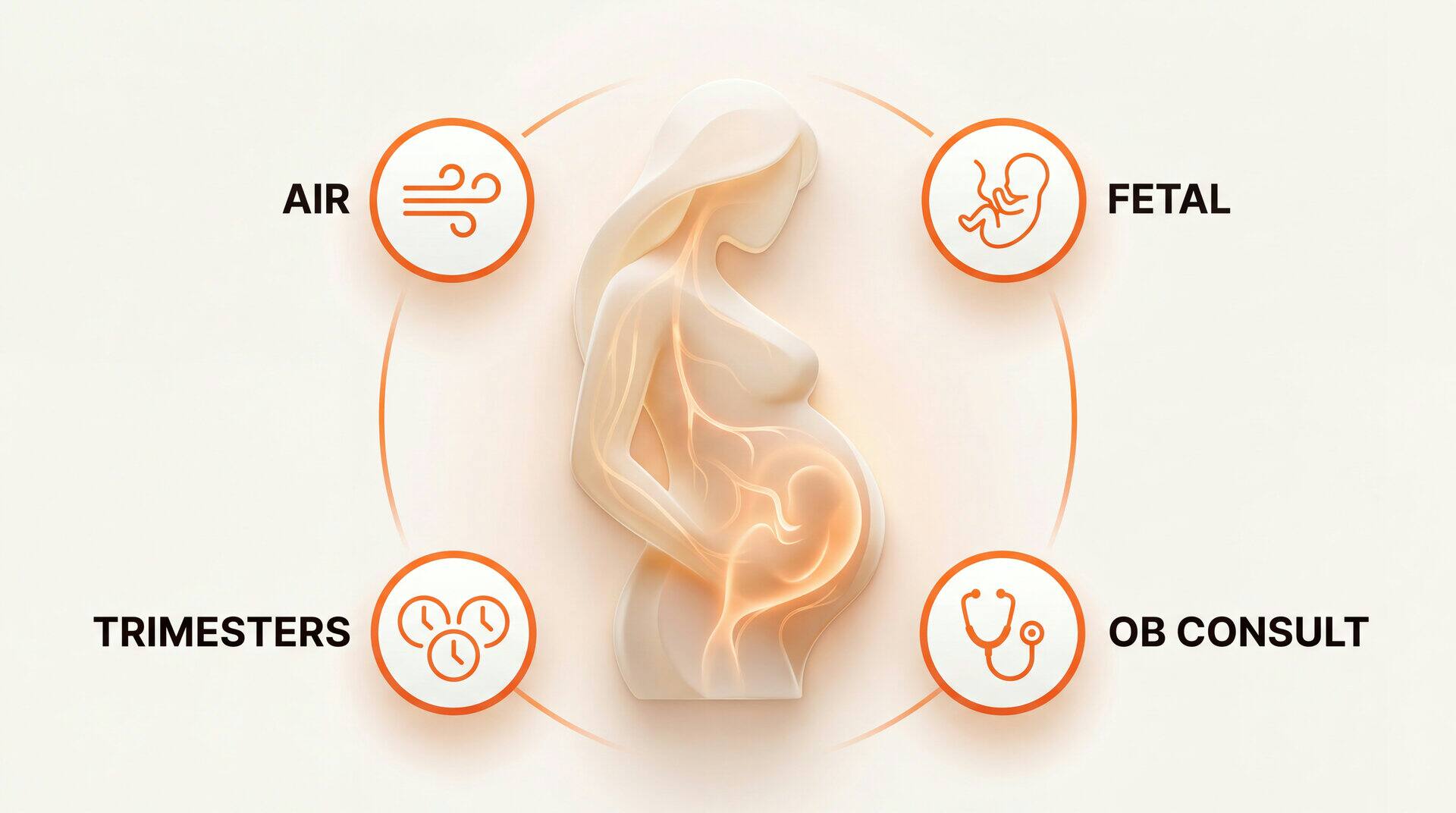
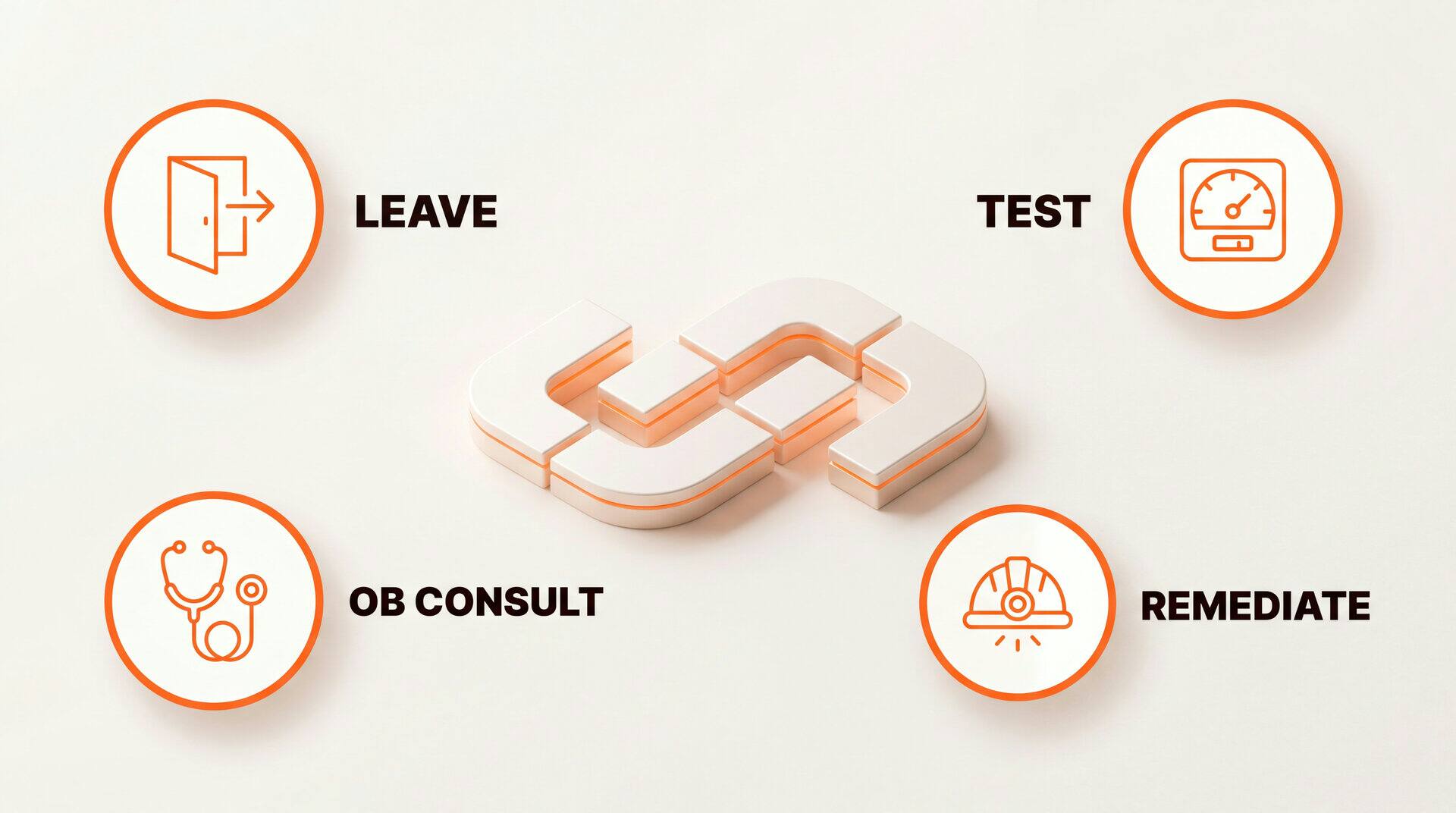
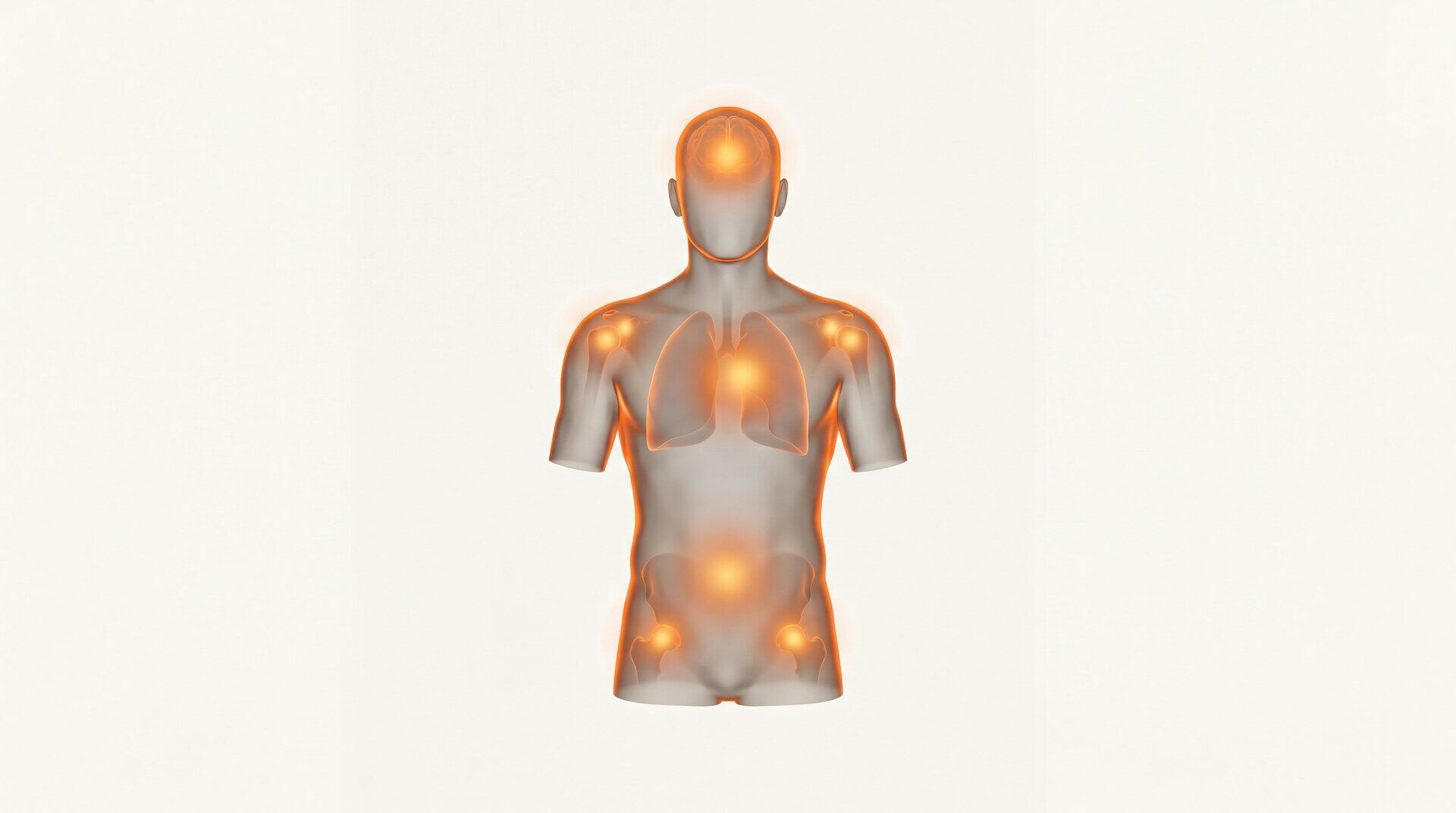
Mold exposure during pregnancy poses real risks. The WHO classifies indoor dampness and mold as a health hazard, especially for pregnant women. Your immune system is suppressed during pregnancy, making you more vulnerable. Do not clean mold yourself while pregnant. If you have visible mold larger than 10 square feet or a strong musty smell, leave the home until it is remediated.
Why pregnancy makes mold exposure more dangerous
During pregnancy, your immune system changes. It shifts toward a state called immune tolerance to prevent your body from attacking the growing baby. This is necessary and normal. But it also means your defenses against environmental threats like mold spores and mycotoxins are weakened.
Your respiratory system changes too. You breathe faster and deeper during pregnancy to supply oxygen to the baby. This means you inhale more air, and more of whatever is in that air, including mold spores. If you are living in a home with elevated mold levels, you are breathing in significantly more spores per hour than a non pregnant person in the same space.
The World Health Organization's 2009 Guidelines for Indoor Air Quality specifically identifies pregnant women, infants, and people with pre existing respiratory conditions as groups at highest risk from indoor dampness and mold. The EPA reports that indoor air is typically 5 times worse than outdoor air. For a pregnant woman spending 16+ hours a day inside, the cumulative exposure is substantial.
Risks to the mother
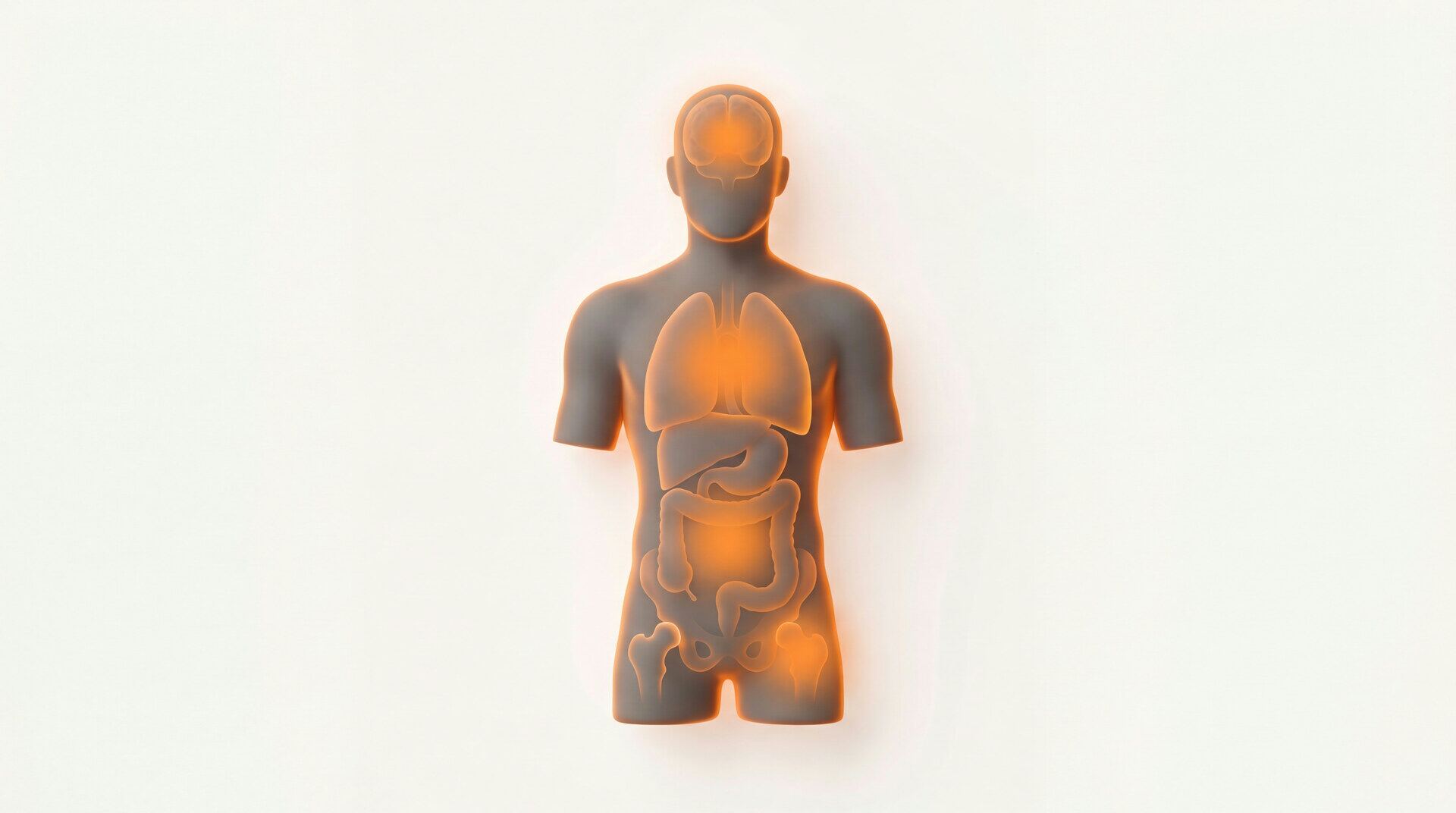
Respiratory problems: Mold exposure triggers or worsens asthma, allergic rhinitis, and sinus infections. During pregnancy, respiratory infections carry higher risk because treatment options are limited. Many antibiotics and antifungals are not safe during pregnancy.
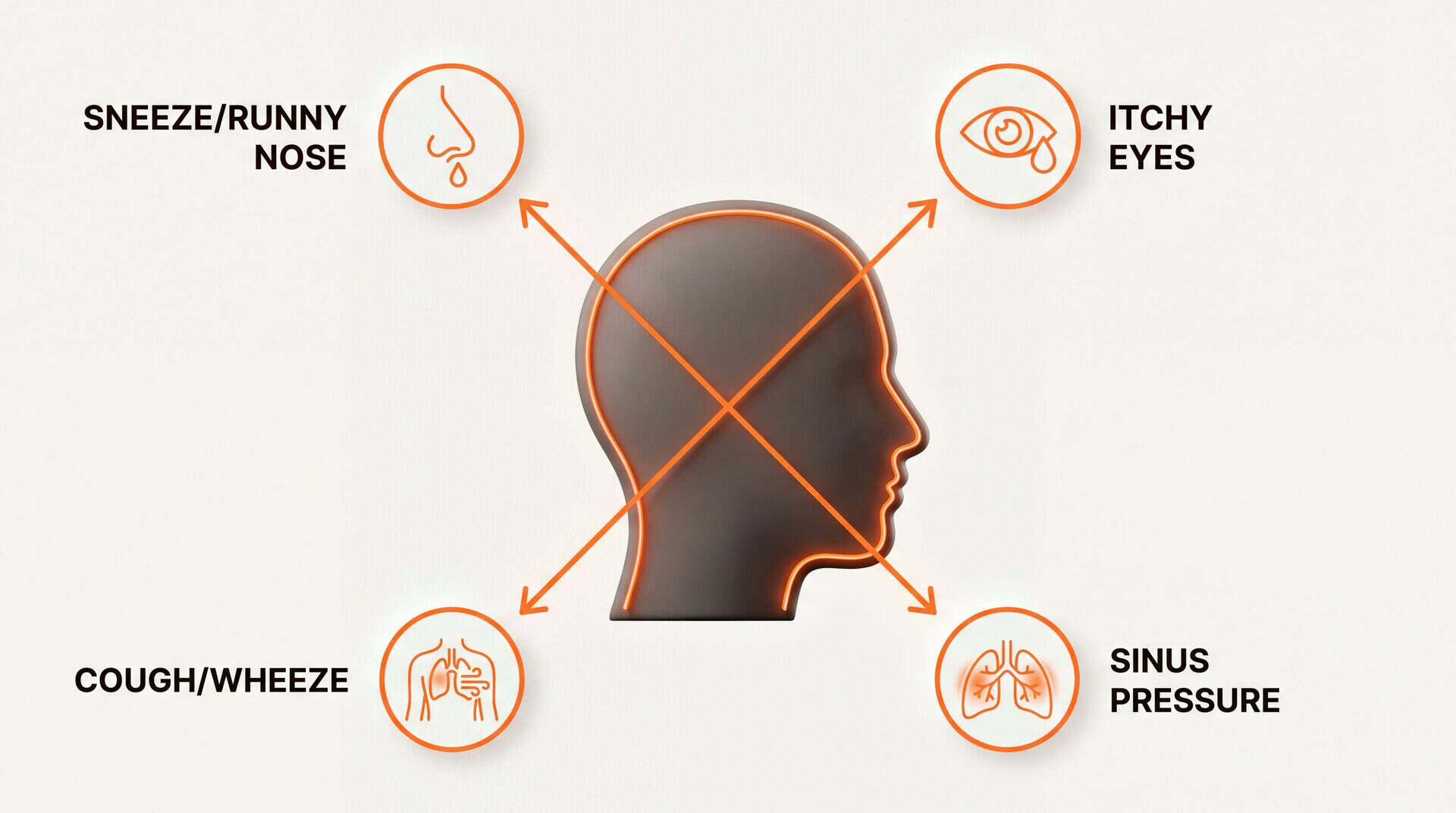
Allergic reactions: Mold allergies can intensify during pregnancy due to immune system changes. Persistent congestion, sneezing, and eye irritation affect sleep quality, which is already compromised during pregnancy.
Immune suppression from mycotoxins: Certain mycotoxins, particularly gliotoxin from Aspergillus fumigatus, directly suppress immune function. In a pregnant woman whose immune system is already suppressed, this can increase vulnerability to infections.
Stress and disruption: The anxiety of living in a potentially contaminated environment, combined with the disruption of having to relocate or undergo remediation, creates stress that itself affects pregnancy outcomes.
Risks to the baby
Childhood asthma and allergies: Multiple studies published in Environmental Health Perspectives and the Journal of Allergy and Clinical Immunology have found that prenatal mold exposure increases the risk of the child developing asthma and allergies in early childhood. The developing immune system is programmed in the womb, and mold exposure during this window can shift it toward an allergic response pattern.
Mycotoxins can cross the placenta: Animal studies confirm that aflatoxin and ochratoxin A cross the placental barrier. Studies in regions with high dietary aflatoxin exposure (parts of Africa and Asia) have found aflatoxin in umbilical cord blood and infant blood. While the levels from indoor mold exposure in developed countries are lower than dietary exposure in these regions, the principle remains: mycotoxins reach the baby.
Low birth weight: Some research links maternal mold exposure to lower birth weight, though this data is still emerging and not conclusive. The mechanism may be related to chronic inflammation reducing blood flow to the placenta.
Important context: Most of the direct toxicology data comes from animal studies at high exposure levels. Human studies show associations, not definitive causation. But given the vulnerability of pregnancy and the developing baby, the precautionary principle applies: minimize mold exposure during pregnancy even if the evidence is not yet definitive.
When to leave your home during pregnancy
Leave immediately and do not return until the problem is fixed if any of these apply:
Visible mold covering more than 10 square feet. The EPA's 10 square foot threshold for professional remediation becomes a "leave the home" threshold during pregnancy.
Strong musty smell with no visible source. This means hidden mold, likely behind walls, under floors, or in the HVAC system. Hidden mold can be extensive.
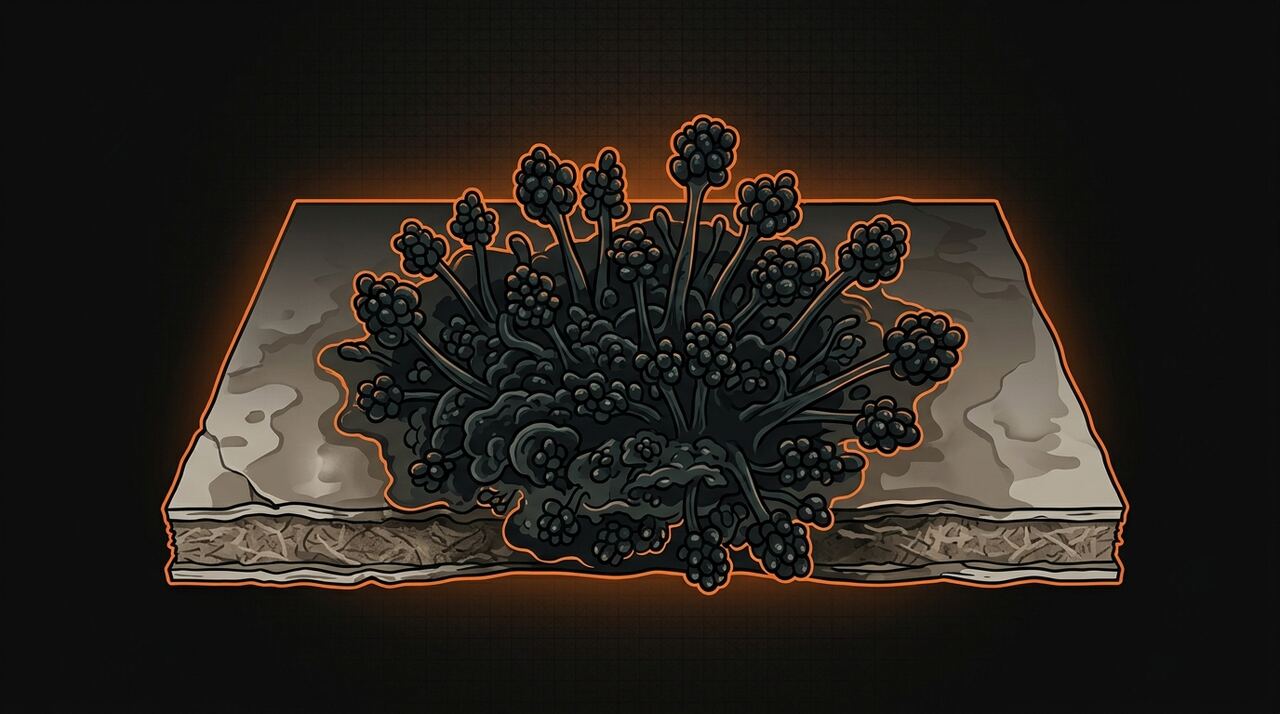
Known Stachybotrys (black mold) on drywall or ceiling tile. This species produces trichothecenes, some of the most potent biological toxins. Zero tolerance during pregnancy.
Active water damage that has not been dried within 48 hours. Mold begins growing within 24 to 48 hours of a water event. If you had a flood, pipe burst, or roof leak and the area was not dried within 48 hours, mold is growing.
You feel better when you leave the house. The gold standard signal. If your congestion, headaches, or fatigue improve when you stay elsewhere for 2 or more days, your home environment is likely the cause.
During and after remediation. Never be in the home during mold remediation. The process releases massive amounts of spores. Wait for post remediation testing to confirm the home is safe before returning.
Pregnant and worried about mold in your home?
Our app walks you through 160 professional mold hotspots room by room. Same checklist every IICRC certified inspector uses. AI powered verdict in 5 minutes. No chemicals, no disruption.
Get Early AccessFrequently Asked Questions
Is mold dangerous during pregnancy?
Yes. The World Health Organization classifies indoor dampness and mold as a health risk, especially for vulnerable populations including pregnant women. During pregnancy, the immune system is naturally suppressed to protect the baby, making the mother more susceptible to respiratory infections and inflammatory responses from mold exposure. Mycotoxins can also cross the placenta.
Can mold cause miscarriage or birth defects?
Animal studies show that high level mycotoxin exposure, particularly aflatoxins and trichothecenes, can cause birth defects and pregnancy loss. Human studies are limited but concerning. Research published in Environmental Health Perspectives found that prenatal mold exposure is associated with increased risk of childhood asthma and allergies. While direct causation of miscarriage in humans is not proven, the precautionary principle applies: avoid mold exposure during pregnancy.
Should a pregnant woman leave a moldy home?
Yes, if there is visible mold covering more than 10 square feet, a strong musty smell, or known toxic species like Stachybotrys (black mold). Pregnant women should not be present during mold remediation because the process releases massive amounts of spores into the air. Leave before remediation begins and do not return until post-remediation testing confirms the home is safe.
Can I clean mold myself while pregnant?
No. Pregnant women should not clean mold. Even small cleaning projects release spores into the air. Many mold cleaning products (bleach, commercial sprays) contain chemicals that are not recommended during pregnancy. Have someone else handle the cleaning while you are out of the house. Wait at least 24 hours after cleaning with the exhaust fan running before returning to the room.