Signs you can see
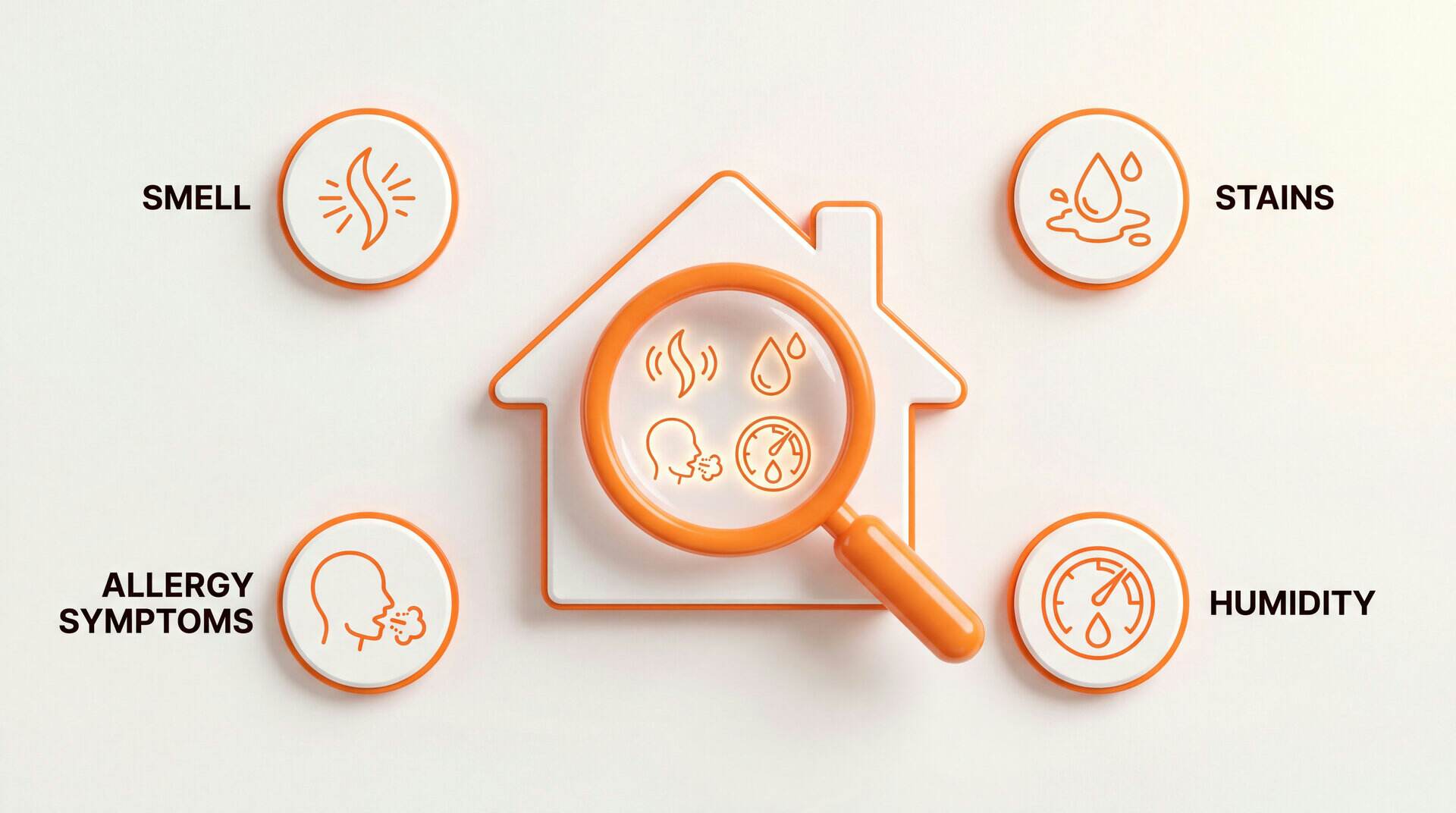
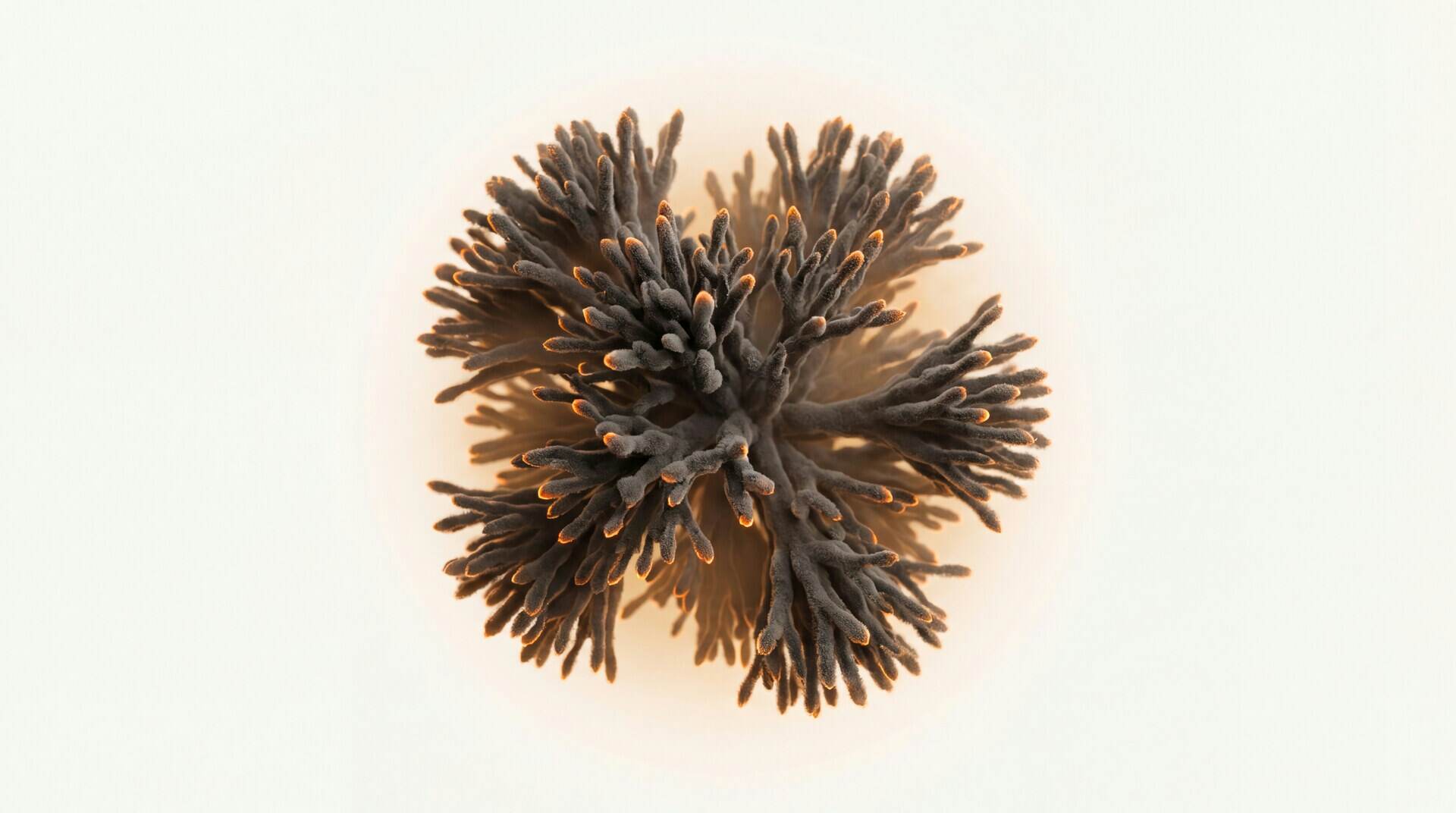
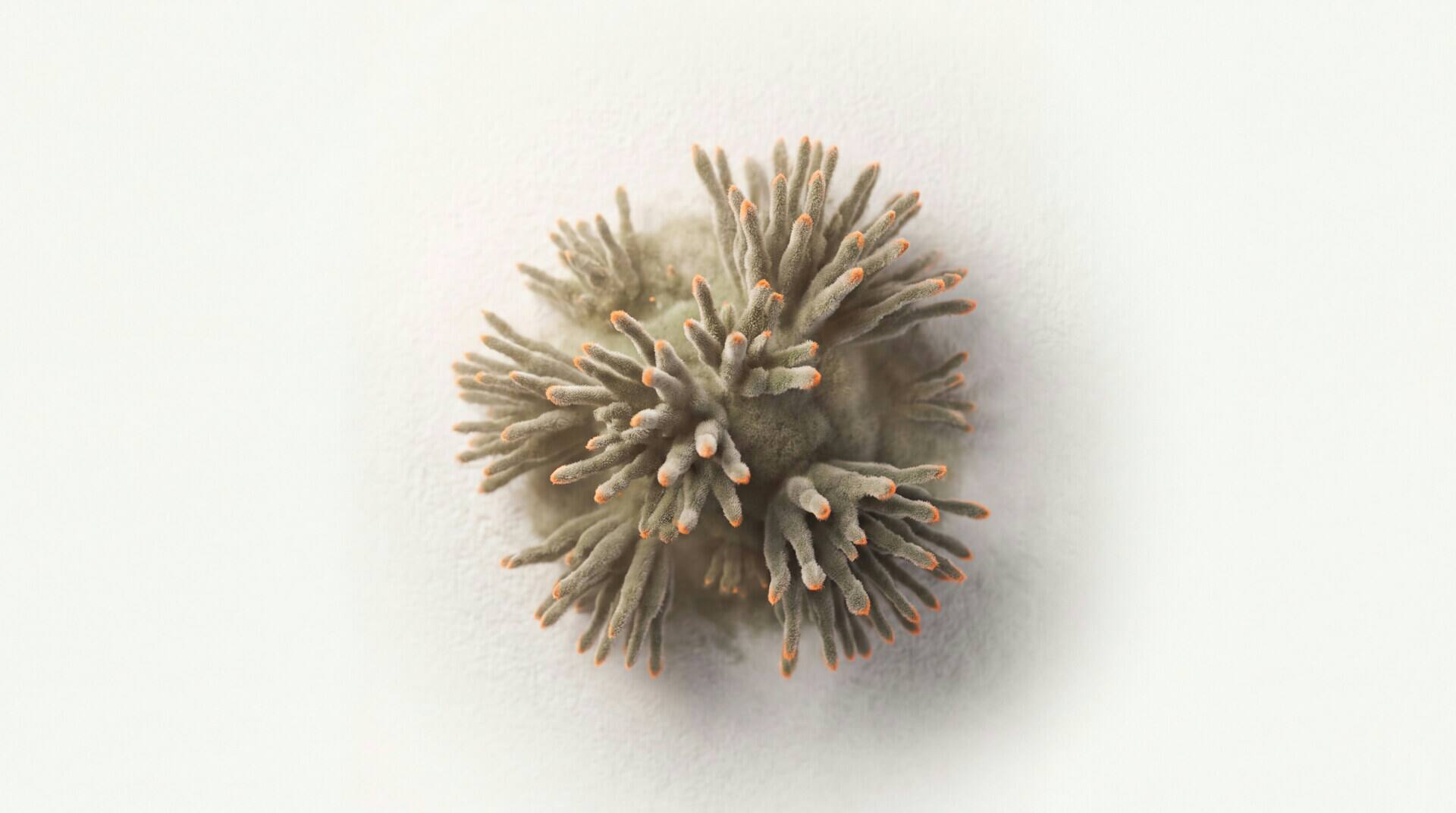
1. Visible spots or surface changes. Fuzzy, powdery, slimy, or irregular patches can justify investigation, but color and texture alone cannot identify mold or species.
2. Water stains. A stain records past or current moisture. Check whether the source is active and whether affected material is dry.
3. Peeling, bubbling, or cracking finishes. These changes can reflect moisture, adhesion failure, age, or another cause. Do not peel material back simply to look for mold.
4. Warped, swollen, or soft materials. Keep clear of unstable areas and investigate the water source. Damage does not prove what is behind a surface.
5. Recurring bathroom growth. Ventilation, condensation, and cleaning conditions matter. Avoid identifying a substance from appearance or mixing cleaning products.
Signs you can smell
6. Persistent musty or earthy odor. Damp materials and microbial growth can produce musty odors, but drains, stored items, soil, and other sources can smell similar. Odor can justify investigation, but it cannot confirm mold, locate hidden growth, or measure risk. A single mark on a single surface is a different question, and is this mold walks through those checks in order.
Signs you can feel
7. Recurring condensation. Water on windows, pipes, or cold surfaces shows that moisture is condensing there. Track the conditions and improve the underlying moisture control.
8. Fogging between window panes. This often points to a failed insulated-glass seal, not mold by itself.
9. Sustained high humidity. EPA generally advises keeping indoor relative humidity below 60 percent and ideally between 30 and 50 percent when practical. A hygrometer provides context, but one reading does not diagnose growth.
Health concerns are a separate question
CDC notes that damp buildings may be associated with respiratory and allergic effects such as nasal symptoms, cough, wheeze, eye irritation, or skin irritation, while some people have no symptoms. These effects are not specific to mold and can have many causes.
A symptom pattern, including feeling different in another location, is useful history for a clinician but is not a building test or a diagnosis. Seek urgent care for severe breathing difficulty or another acute emergency. Discuss persistent symptoms with a qualified clinician and investigate the building's moisture conditions separately.
Signs in your home systems
10. HVAC-related odor or visible moisture. If an odor begins when equipment runs, or you see condensate overflow or wet insulation, have the system serviced by a qualified HVAC professional. Dust on a register does not identify mold.
11. Plumbing or appliance leaks. Check accessible hoses, pans, valves, and drain connections. Stop active leaks and dry affected materials promptly.
12. Drainage or roof defects. Overflowing gutters, failed flashing, grading toward the building, and roof damage can create recurring moisture. Trace and correct the water path rather than guessing from an interior stain.
Static electricity is not a mold indicator or medical biomarker.
Signs in your home's history
Past water damage. Previous flooding, roof leaks, burst pipes, appliance leaks, or drainage failures identify areas worth checking. Historical damage does not prove that material is still wet or that mold is present today. Review repair records, look for recurring moisture, and use direct measurements interpreted for the material and conditions.
How many signs do you need before acting?
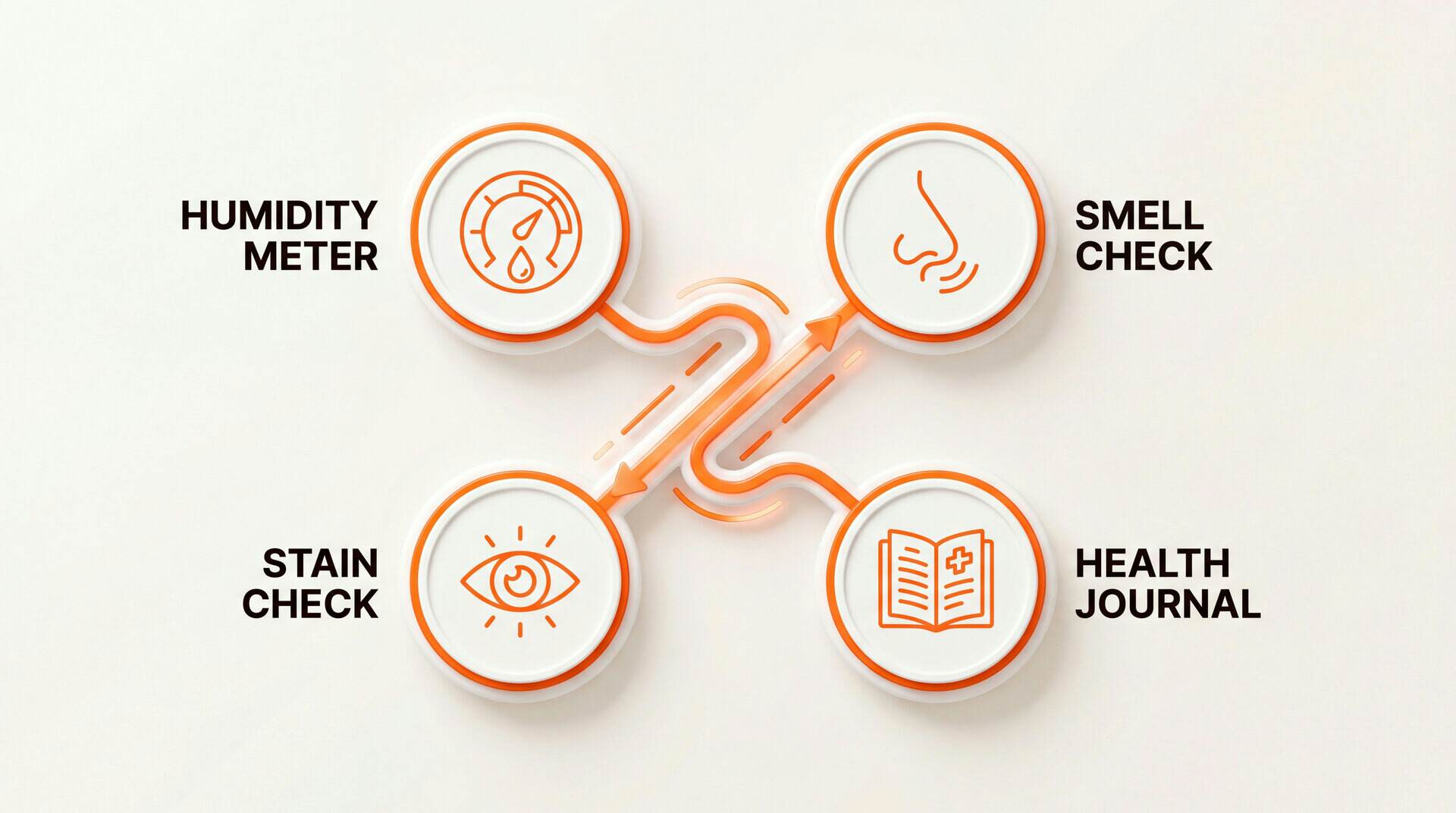
Even one sign from the list above can justify a closer look, but signs alone do not confirm mold.
1 to 3 signs: Investigate visible areas, use a hygrometer to check humidity, and look behind accessible furniture and under sinks. The app can guide visible-surface photo capture, but it cannot inspect hidden areas.
4 to 7 signs: Address known moisture and consider a qualified inspection or appropriate laboratory testing.
8 or more signs: Contact a qualified mold inspector. If you have health symptoms, consult a licensed physician.
Frequently asked questions
What are common clues that justify a mold or moisture investigation?
Visible growth, recurring water stains, active leaks, condensation, warped materials, and persistent musty odors can justify closer investigation. None of these clues alone identifies a substance, proves hidden growth, or measures health risk.
Can mold be present without being visible?
Growth can occur on concealed damp materials, but odor, symptoms, moisture-meter readings, and thermal images cannot confirm it by themselves. A qualified professional can investigate suspected hidden moisture without unsafe disturbance.
Do static electricity shocks mean you have mold?
No. Static shocks commonly reflect low humidity, clothing, flooring, and other ordinary conditions. They are not an accepted test or biomarker for mold in a building or for a mold-related medical condition.
How do I know whether symptoms are related to mold?
Symptoms cannot diagnose a building or establish a cause on their own. CDC notes that damp buildings may be associated with respiratory and allergic effects, while people can also have no symptoms. Discuss health concerns with a qualified clinician and investigate building moisture separately.
Sources
Every claim on this page traces to one of these. Links open the primary document.