
The Home Mold Safety Guide.
Everything you need to know about mold in a home, in plain English: how fast it grows after a water event, which EPA puts at 24 to 48 hours, and why CDC says color does not indicate danger. What it is. When it is dangerous. How to find it. How to clean it. When to call a pro. Read any chapter on its own.
What is inside
- What mold actually is
- The four things mold needs to grow
- How fast mold grows after a water event
- Mold vs mildew vs water stains vs dirt
- Black mold and what it really means
- Which mold species matter in homes
- Clues that justify a moisture investigation
- The 14 hotspots to check first
- How humidity drives mold growth
- Dew point, in one minute
- Humidity targets and limits
- What CDC says about possible health effects
- Who may need added caution
- Health concerns need clinical evaluation
- Small-area cleanup considerations
- When DIY stops and a pro starts
- What a mold inspection actually covers
- What drives inspection and remediation cost
- What to ask a remediator
- Contract and scope warning signs
- Preventing mold for good
- Dehumidifiers, choosing one the right way
- Air purifiers, what they can and cannot do
- HVAC moisture concerns
- Renters, documentation and local guidance
- Buyers and sellers, mold during a real-estate deal
- Your mold safety checklist

What mold actually is
Mold is a fungus. It is everywhere, all the time, indoors and outdoors. The air in your home has mold spores in it right now. You cannot eliminate spores. What you can control is whether those spores find the conditions they need to grow into a colony.
A colony is the visible fuzzy, slimy, or dusty patch on a wall, tile, or ceiling. Colonies release more spores back into the air. That is the cycle you are trying to break.
One sentence version. Mold spores are unavoidable. Mold colonies are preventable.

The four things mold needs to grow
- Food source. Almost anything organic works. Drywall paper, wood, cotton fabric, dust on any surface, books, cardboard.
- Temperature. 40 F to 100 F. Your home is always in that range.
- Oxygen. Mold needs air. Vacuum-sealed items do not grow mold.
- Moisture. This is the only one you can actually turn off.
Since you cannot remove food, temperature, or oxygen, moisture is the one lever you control. Every mold prevention strategy in this guide comes back to controlling moisture.

How fast mold grows after a water event
EPA advises drying wet materials within about 24 to 48 hours when possible to help prevent mold growth. That is a response target, not a countdown that proves growth at a particular hour.
Act promptly, correct the water source, and assess whether materials can be dried safely. Major water damage, sewage, unsafe access, or concealed wet materials can require qualified help.
Use the Storm Damage Mold Timer as a drying reminder after a water event. It does not detect growth or certify a material as safe.

Mold vs mildew vs water stains vs dirt
Mold, staining, soot, dirt, deteriorated sealant, and other residues can overlap in color and texture. A visual checklist, odor, or wipe test can suggest where to investigate moisture, but it cannot confirm a substance, species, age, or health risk.
Look for leaks, condensation, warped materials, or recurring dampness. For a legal, purchase, insurance, or complex remediation decision, use a qualified building professional and select any sampling with a clear question in mind. Mold Scanner can only screen a visible-surface photo and does not identify species.
Black mold, and what it really means
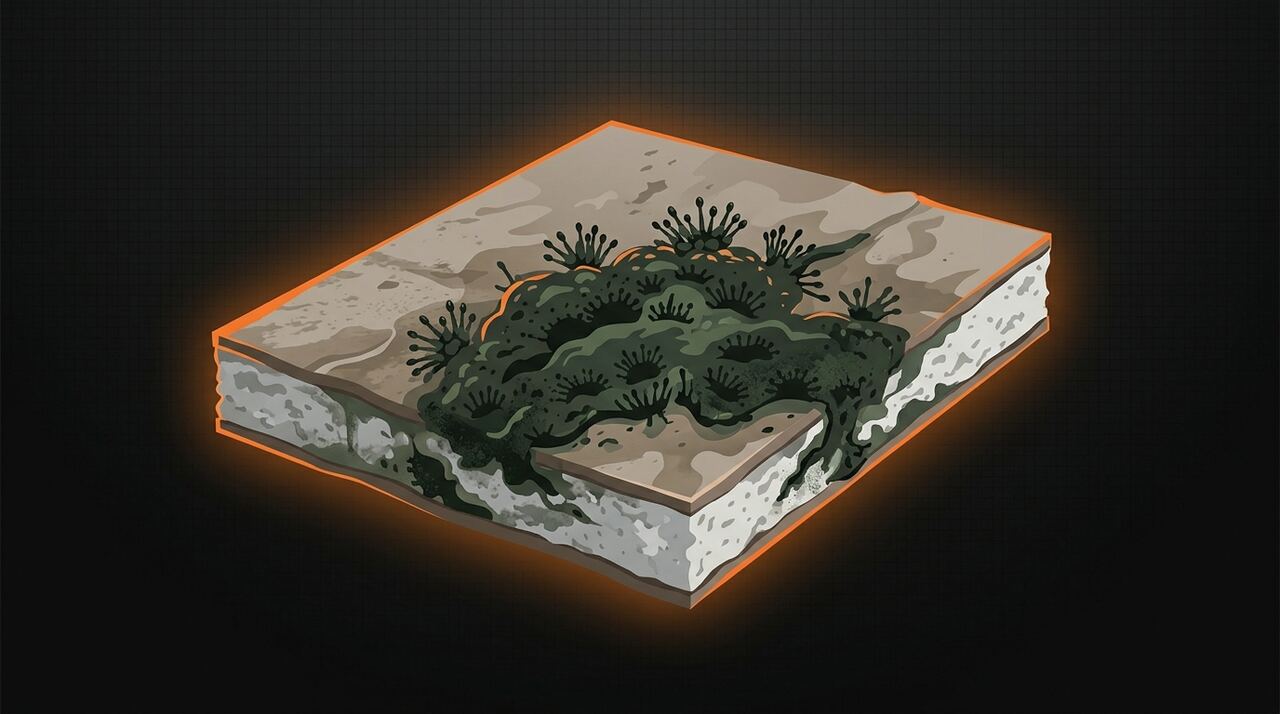
"Black mold" is a visual label, not a reliable species identification. Stachybotrys chartarum can grow on persistently wet cellulose-rich materials, but many molds and non-mold substances can also look dark.
CDC says color does not indicate whether a mold is more or less dangerous. Correct indoor moisture and remove visible growth without waiting for a species name.
Key limit. A photo, app, odor, or color cannot identify a species or predict an individual's health response.

Common indoor genera and identification limits
- Aspergillus, Cladosporium, Penicillium, Stachybotrys, and Alternaria are among names that may appear in mold literature or laboratory reports.
- Several genera contain many species with overlapping colors and textures.
- A laboratory result describes the collected sample. It does not by itself locate a source, measure exposure, diagnose illness, or certify occupancy.
- Cleanup scope should be based on moisture, affected materials, area, access hazards, and the water source, not a color-based danger ranking.

Clues that justify a moisture investigation
- A persistent musty or earthy odor.
- Visible growth or an unexplained surface change.
- Peeling paint or bubbling wallpaper.
- Warped drywall or baseboards.
- Stained ceilings above bathrooms or near roof lines.
- Condensation on windows, cold pipes, or exterior walls.
- Repeated high indoor relative humidity.
- A water event in the past year, even a small one, that was not fully dried.
- Recurring damage after cleaning or repair.
- A concealed area that stayed wet or cannot be inspected safely.
None of these clues alone confirms mold, hidden growth, a species, or a health cause. Investigate building moisture separately from any medical evaluation.
The 14 hotspots to check first
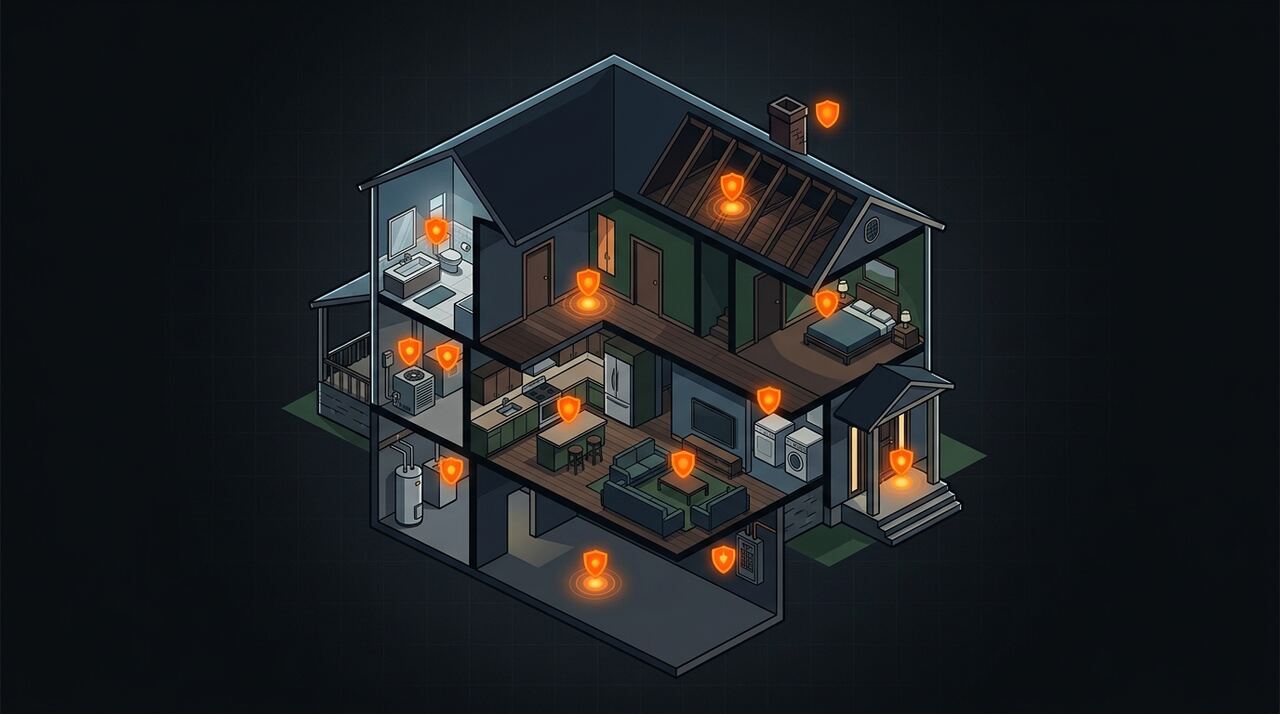
- Under bathroom sinks.
- Behind and inside the refrigerator drip pan.
- Around dishwasher door gaskets.
- Behind washing machine where hoses connect.
- The laundry room floor.
- HVAC drip pans and condensate lines.
- Air filter housings.
- Supply and return vents.
- Around window sills in bedrooms.
- Basement walls, especially near the floor.
- Crawl space floor, insulation, and joists.
- Attic near roof penetrations and bath-fan vents.
- Behind furniture placed against exterior walls.
- Inside closets on exterior walls.

How humidity drives mold growth
EPA generally recommends keeping indoor relative humidity below 60 percent and ideally between 30 and 50 percent when practical. Surface temperature, ventilation, materials, and local condensation also matter, so one room reading cannot certify the building.
Humidity changes during cooking, showering, laundry, and weather. A hygrometer can help track conditions, but it does not detect mold.
Use our free Indoor Humidity Context Calculator to review a humidity reading and calculated dew point.
Dew point in one minute
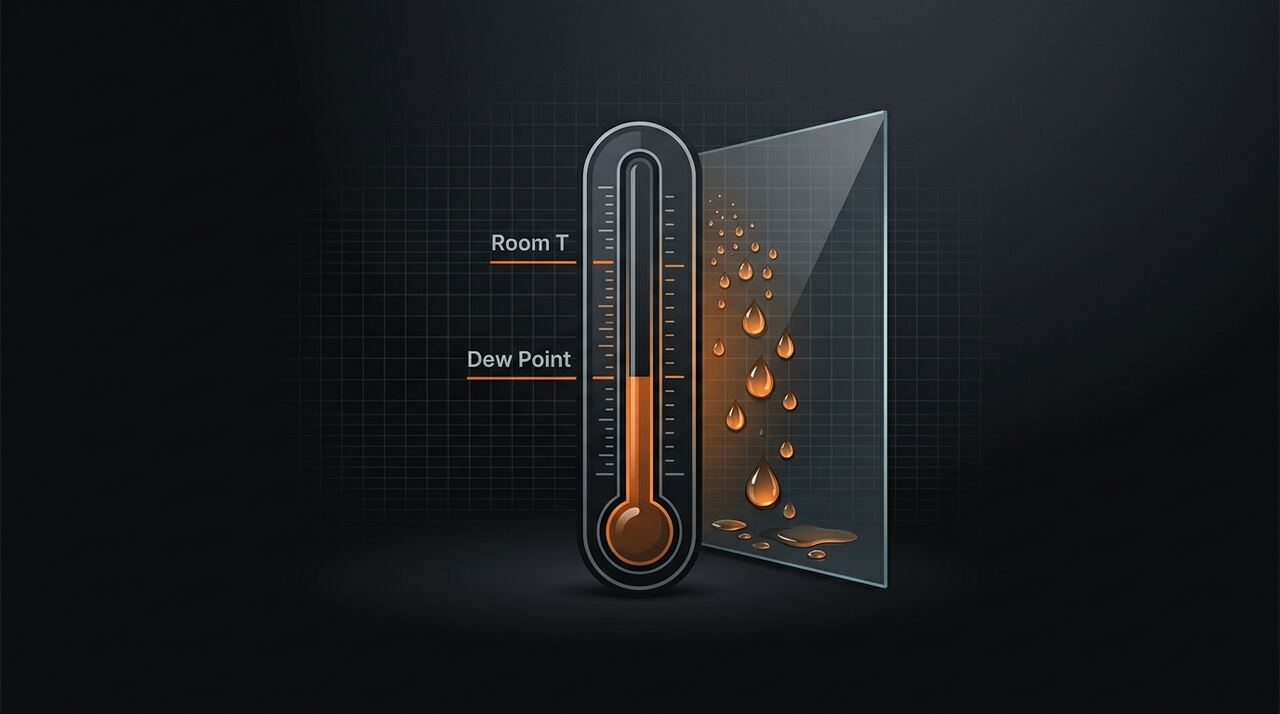
The dew point is the temperature at which water vapor in the air condenses into liquid water on any cold surface.
Example. Your room is 70 F at 60 percent humidity. The dew point is 55 F. Any surface that drops below 55 F (a window glass, a cold water pipe, an exterior wall) will have visible condensation.
Condensation can wet a surface and support growth if the condition persists. Check cold pipes, windows, and exterior walls for recurring moisture, while remembering that a dew-point calculation does not confirm mold or a hidden source.

Humidity targets and limits
- EPA's general indoor target is below 60 percent relative humidity and ideally 30 to 50 percent when practical.
- Bathrooms and kitchens may rise temporarily. Exhaust moisture and verify that surfaces dry.
- Basements, crawl spaces, attics, and HVAC closets need building-specific attention to drainage, air sealing, insulation, and ventilation.
- A target number does not prove a cavity is dry or a building is free of growth.

What CDC says about possible health effects
CDC says damp and moldy environments may cause health effects in some people and none in others. Possible effects include:
- Nasal congestion, runny nose, or post-nasal drip.
- Itchy or watery eyes.
- Coughing or wheezing.
- Skin rash or irritation.
These symptoms are nonspecific. Their presence, timing, or improvement away from a building cannot diagnose mold-related illness or prove a building source. Discuss health concerns with a licensed clinician.

Who may need added caution
- People with asthma or a diagnosed mold allergy may have stronger reactions.
- People with weakened immune systems or chronic lung disease should ask their clinician about precautions.
- Anyone who cannot use protective equipment, access the area safely, or follow product instructions should avoid doing the work themselves.
A health condition does not create a numeric building-risk score. Choose cleanup scope from the area, materials, water source, access hazards, and qualified medical or building advice.

Health concerns need clinical evaluation
A website, app, symptom list, building sample, or phone image cannot diagnose a condition or establish that mold caused symptoms. A licensed clinician can evaluate symptoms, medical history, alternative causes, and whether any established clinical testing is appropriate.
Urgent concerns. For severe or potentially life-threatening symptoms, contact local emergency services. This guide cannot determine urgency or provide an individualized medical plan.

Small-area cleanup considerations
EPA says many people can handle an area smaller than roughly 10 square feet, but that is a general scope guide, not a health threshold or guarantee of safe DIY work. The material, water source, access, additional hazards, and occupant vulnerability still matter.
- Correct the moisture source before cleanup.
- EPA recommends detergent and water for hard surfaces, followed by complete drying.
- Absorbent materials may need removal if they cannot be cleaned and dried.
- Follow product labels, ventilate appropriately, and never mix cleaners.
- Stop if the area is larger than expected or if asbestos, lead, electrical, structural, sewage, or access hazards may be present.
Do not choose a cleaner from color alone. Mold color does not identify a species or dictate a special chemical treatment.

When DIY stops and a pro starts
- Visible mold larger than 10 square feet.
- Any mold inside an HVAC system.
- Mold after a water event inside walls or under flooring.
- Concealed moisture or an odor with no visible source that requires intrusive investigation.
- Sewage, major water damage, unsafe access, or hazardous materials.
- The mold keeps coming back after cleanup.
EPA suggests consulting an experienced professional for larger areas or major water damage. Symptoms require separate medical evaluation and do not locate a building source.

What a qualified investigation may cover
- A defined visual and moisture inspection scope.
- Moisture and humidity measurements interpreted with material and site conditions.
- Thermal imaging as a screening aid, not proof of water or mold.
- HVAC review by someone qualified to access the system when relevant.
- Targeted sampling only when it answers a specific question.
- A written report that separates observations, measurements, limitations, and recommendations.
Ask how the investigator will look for the moisture source and what each proposed test can and cannot establish.

What drives inspection and remediation cost
- The investigation scope and required professional disciplines.
- The moisture source, affected materials, area, and access.
- Containment, removal, drying, repairs, and disposal.
- Whether targeted sampling or independent post-work verification is appropriate.
- Local labor, licensing, permits, and emergency-service conditions.
There is no reliable universal price range. Get a written, itemized scope and compare qualified quotes when time and conditions allow.

What to ask a remediator
- How the moisture source will be corrected or coordinated.
- Which materials will be cleaned, removed, dried, or repaired, and why.
- What containment and worker-protection controls fit the project scope.
- How completion will be documented and whether independent verification is appropriate.
- Which licenses, credentials, insurance, permits, exclusions, and warranties apply locally.
Contract and scope warning signs
- Skips finding the water source.
- Sprays an antimicrobial on visible mold and calls it done.
- Cannot explain why the proposed controls fit the project scope.
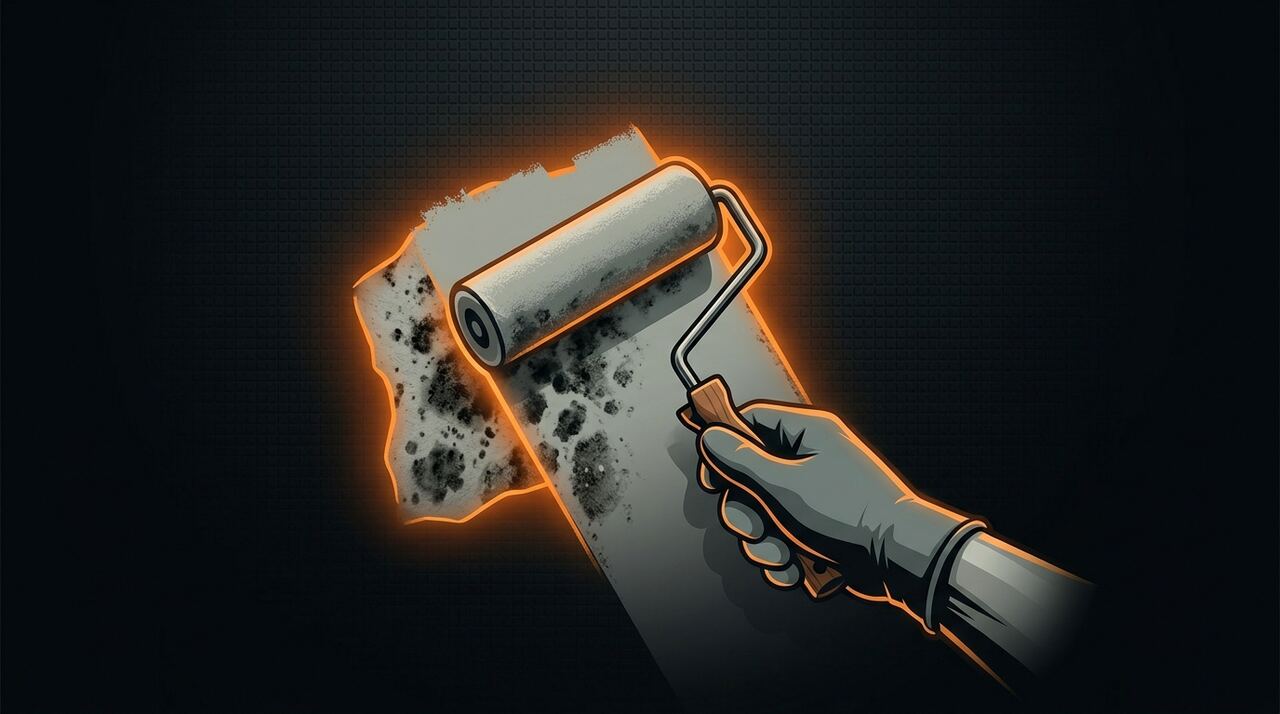
- Paints over damage without addressing moisture or affected material.
- Pressures you into emergency pricing or same-day work.
- No written scope. No warranty.
- Misrepresents a visual check, air sample, dust score, or laboratory result as proof of safe occupancy.
Pause before signing if the scope, limitations, credentials, or pricing are unclear. Seek another qualified opinion for a high-stakes or expensive job.

Reducing recurring moisture problems
- Aim for EPA's general indoor relative-humidity range of 30 to 50 percent when practical and below 60 percent.
- Use bathroom exhaust until moisture and condensation clear.
- Use the kitchen range hood during cooking.
- Dry wet materials promptly, ideally within about 24 to 48 hours when possible.
- Insulate cold pipes to stop condensation.
- Pull furniture 2 inches off exterior walls to allow airflow.
- Replace HVAC filters on the equipment manufacturer's schedule.
- Have condensate drainage and equipment maintained as recommended.
- Check plumbing and roof areas periodically for leaks.
- Address roof leaks and basement seepage promptly and safely.

Dehumidifiers, choosing one the right way
Three specs matter: capacity, coverage area, and drainage.
- Capacity is measured in pints per 24 hours under standardized conditions. Size the unit from current manufacturer guidance and actual room conditions.
- Coverage claims are not interchangeable across brands or test conditions.
- Drainage can reduce overflow risk, but hoses and pumps still require correct installation and maintenance.
Use a hygrometer to track conditions. A dehumidifier reading does not prove concealed materials are dry.
Air purifiers, what they can and cannot do
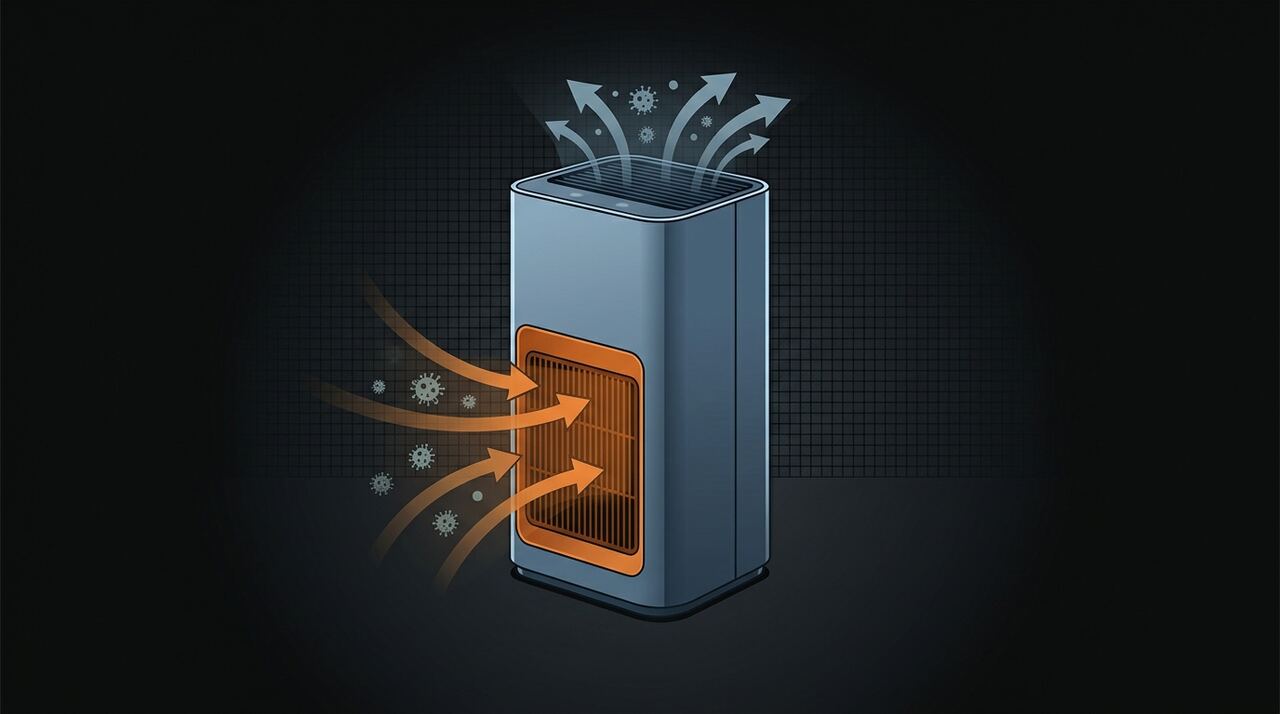
A HEPA air cleaner can capture some airborne particles that pass through the unit. It does not identify mold, remove growth from materials, fix moisture, or establish a medical benefit for an individual.
If you buy one, look for:
- A verified HEPA specification and a clean-air delivery rate suitable for the room.
- Replacement-filter cost, noise, and manufacturer maintenance requirements.
- CADR rating that matches the room size.

HVAC moisture concerns
HVAC systems can contain condensation, dust, insulation, and hard-to-access components. A stain, odor, symptom pattern, or spot near a register does not prove the system contains mold or that material reached every room.
Without opening equipment, look for signs that justify qualified service:
- Water around the air handler, damaged insulation, or repeated condensate overflow.
- A blocked drain, damaged pan, or equipment performance problem.
- Visible material inside an accessible service area that a technician can evaluate.
- Water damage affecting ducts, plenums, or nearby building materials.
Do not open equipment or disturb duct lining to investigate it yourself. A qualified HVAC technician or building professional can determine the appropriate scope and whether additional specialists are needed.

Renters, documentation and local guidance
Landlord duties, notice rules, repair timelines, inspection rights, and tenant remedies vary by state and city. This guide cannot determine your legal rights.
- Document dates, locations, visible conditions, leaks, and prior communications.
- Use the notice method required by your lease and local law.
- Check official state or local housing resources for deadlines and inspection processes.
- Do not withhold rent, terminate a lease, or take another legal step based only on a web guide.
Important. This is educational only, not legal advice. Consult an authorized local housing office or licensed attorney for your situation.
Buyers and sellers, mold during a real-estate deal
- For buyers: use qualified inspection and legal or real-estate advice to understand contingencies and options.
- For sellers: disclosure duties vary. Ask a licensed local professional what must be disclosed and how.
- Visible growth or water damage: investigate the known condition and moisture source. Do not assume a hidden extent from appearance alone.
- Recent repairs or paint: ask for documentation and evaluate moisture rather than inferring concealment from paint alone.
This section is general education, not legal, valuation, inspection, or transaction advice.
Your indoor moisture checklist
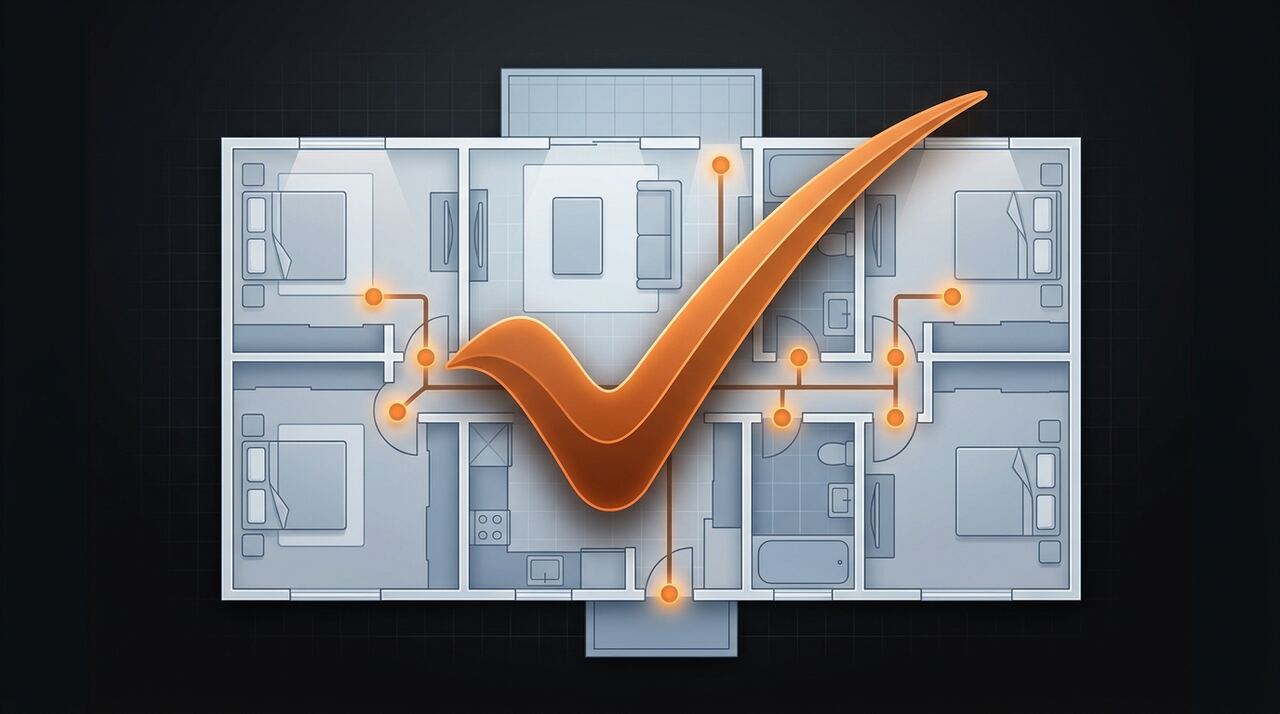
- Use a hygrometer where recurring moisture is a concern.
- Aim for EPA's general indoor humidity guidance when practical.
- Check moisture-prone areas periodically and after a leak or weather event.
- Dry wet materials promptly when it is safe to do so.
- Have HVAC equipment maintained without opening or disturbing it yourself.
- Use the Indoor Humidity Context Calculator as environmental context, not a building inspection or mold score.
- Use the Indoor Mold Cleanup Checklist to organize property conditions, not health risk.
- Review EPA guidance before a small-area cleanup.
- Seek qualified help for a larger area, major water damage, sewage, HVAC involvement, unsafe access, or hazardous materials.
- Discuss symptoms with a licensed clinician separately from the building investigation.
Want a guided visual screen? Join the Mold Scanner AI waitlist. The app offers 266 guided photo prompts across 19 rooms, with 38 in Quick and 129 in Standard. Each result screens one visible-surface photo, and processing time varies.