How Mold Gets Into Carpet
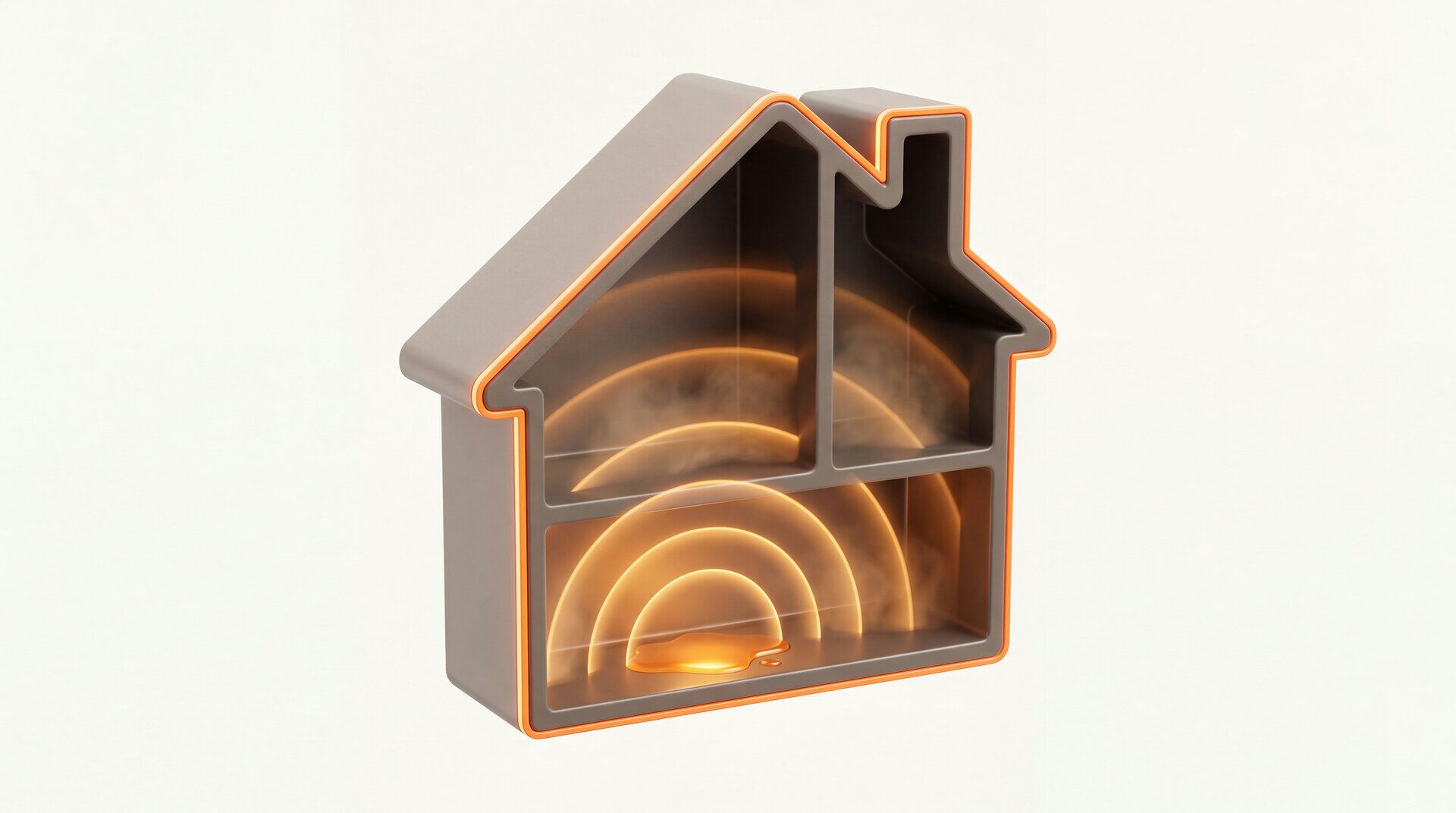
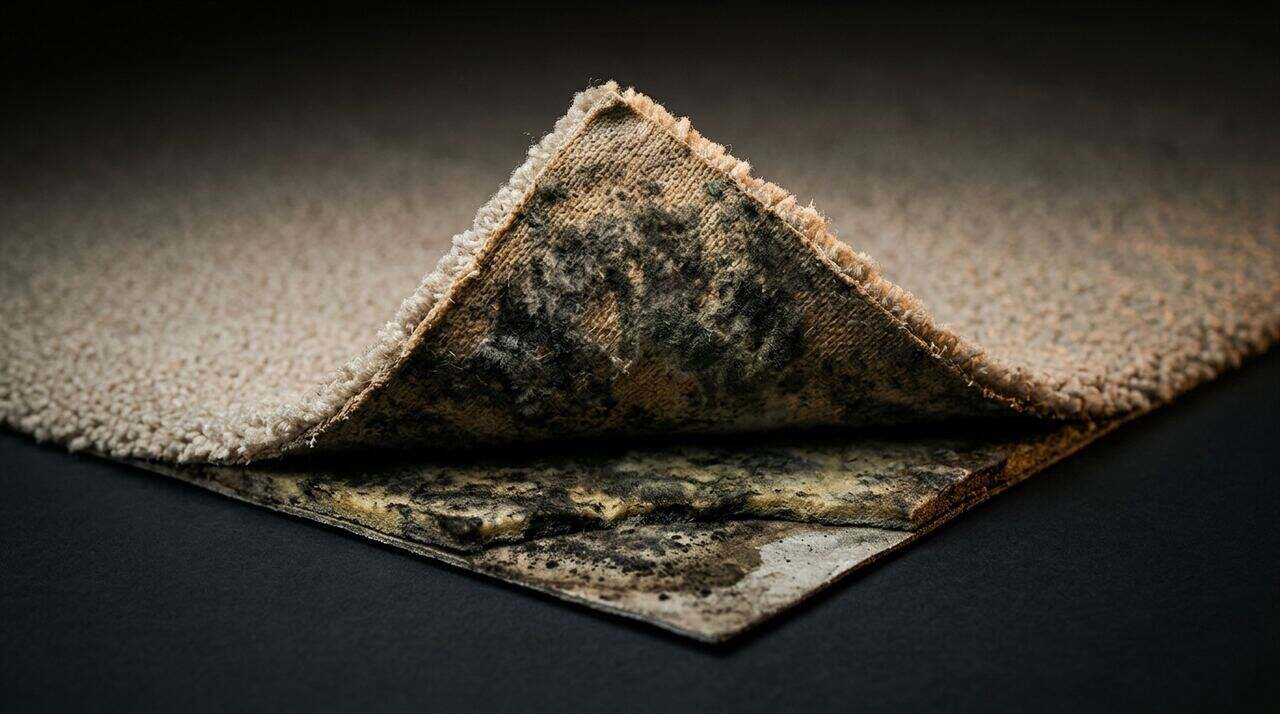
Carpet looks dry on top long before it's dry underneath. That's the whole problem. A carpeted floor has three layers: the fibers you walk on, the backing they're woven into, and the pad below. The pad is foam. It drinks up water like a kitchen sponge and holds it for days.
Mold doesn't need much to get started. It needs moisture, food, and time. Carpet supplies all three. The fibers trap dust, skin flakes, and pet dander, which mold eats. The pad holds the damp. And since nobody looks under the carpet, mold also gets time alone in the dark. Mold can start growing within 24 to 48 hours once something gets wet.
Here's how the water usually gets in:
- Spills that never fully dried. The towel got the surface. The pad kept the rest.
- Slow leaks. A pipe under the floor, a window that weeps, a pet bowl, a radiator valve. Slow leaks are worse than big ones because they feed the pad for weeks before anyone notices.
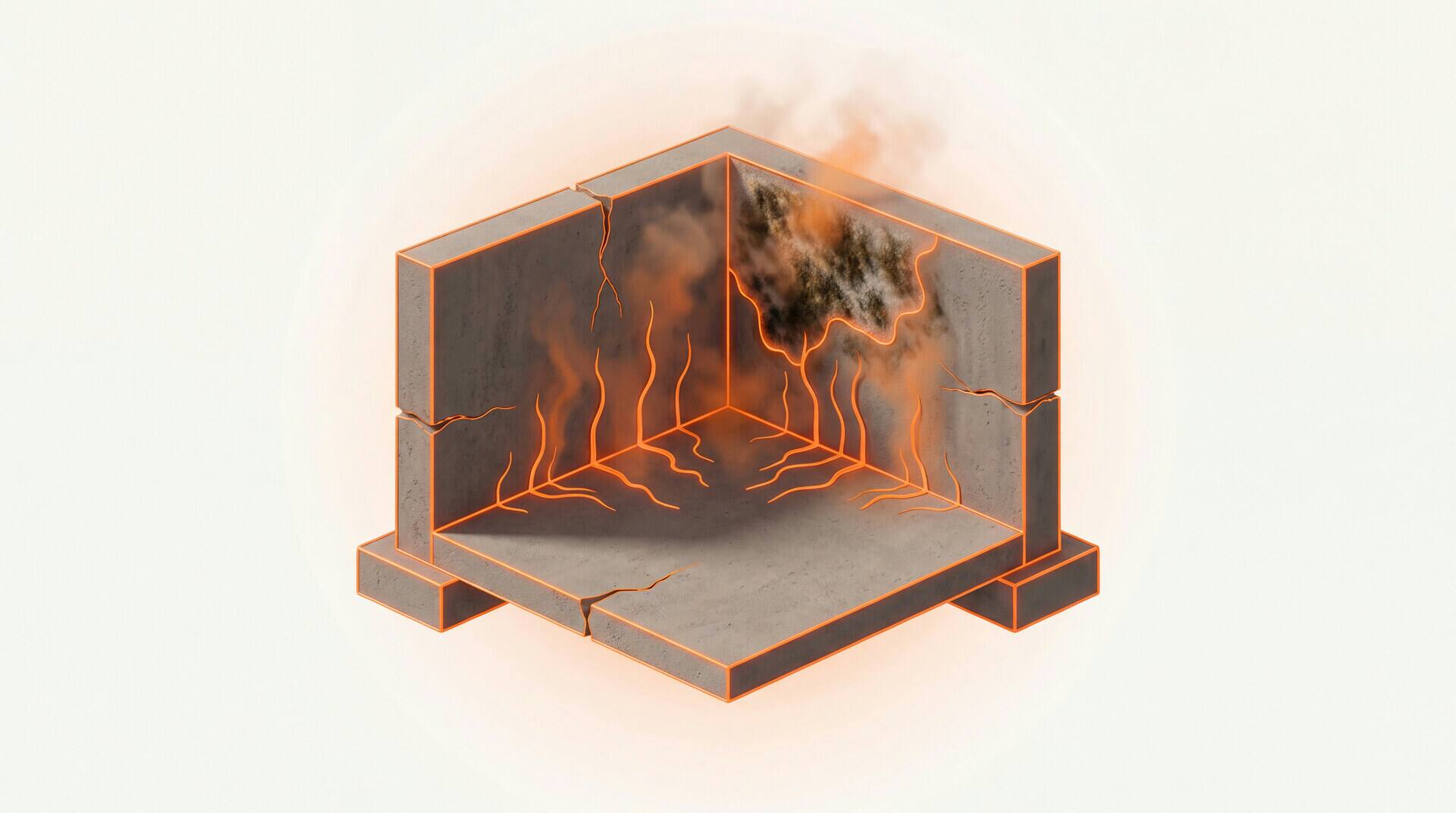
- Slab moisture. Concrete pulls ground moisture up through the floor, so carpet laid straight on a slab can stay damp from below all year. Our guide to mold on concrete explains why slabs sweat.
- Flooding. Storm water, a burst pipe, a failed water heater. Any event that soaks the pad as well as the fibers.
- Humidity alone. A room that sits above 60 percent relative humidity can keep carpet damp enough for mold with no leak at all.
The 5 Signs of Mold in Carpet
Useful clues include a known leak or flood, dampness that returns, staining, recurring condensation, a persistent odor, or material that remains wet. None of those observations alone identifies mold or proves which layer is affected.
Symptoms are not a carpet test. CDC notes possible respiratory and allergic effects in damp buildings, but those effects have many causes. Discuss health concerns with a clinician and investigate the building moisture separately.
Do not create a new hazard to check underneath
Tack strips are sharp, and lifting carpet can disturb contaminated material, damage flooring, or expose an unsafe subfloor. Do not use pliers, cut carpet, or pull pad solely to investigate an odor or stain.
A qualified flooring or restoration professional can determine which layers are wet using an appropriate moisture investigation and, when justified, controlled access. Ask for direct findings rather than an identification based on color or smell.
Choose a method only after defining the affected layers
Do not add liquid or scrub until you know whether the issue is limited to the pile or involves backing, pad, or subfloor. Follow the carpet manufacturer's care instructions and avoid mixing cleaning products. Household sprays cannot correct wet material underneath.
EPA's small-area guidance is not a guarantee that every small carpet problem is appropriate for DIY work. Water category, porous materials, hidden extent, occupant vulnerability, and the ability to dry the assembly all matter. Use qualified restoration help for sewage, floodwater, extensive or concealed damage, or uncertain conditions.
When the Carpet Is Trash
Replacement decisions depend on the water category, duration, material condition, affected layers, and whether cleaning and drying can be verified. Public flood-cleanup guidance generally treats carpet and pad exposed to sewage or rising floodwater conservatively.
Do not cut, roll, or carry suspected contaminated carpet through occupied areas without an appropriate work plan. A qualified restorer can set containment, removal, and disposal procedures for the actual conditions.
Under the Carpet: Check the Subfloor Too
The subfloor needs direct assessment before new material is installed. Moisture-meter readings depend on the meter, material, calibration, and comparison area. Color does not identify mold, and soft or delaminating wood may indicate structural damage that requires qualified evaluation.
Identify and correct the water path, verify that materials meet the flooring manufacturer's moisture requirements, and document the condition before covering the assembly.
Preventing Carpet Mold
Carpet mold is one of the easier molds to prevent, because almost every case starts with water sitting too long.
- Keep indoor humidity below 50 percent. A cheap hygrometer tells you where each room stands. Run a dehumidifier in any room that reads high, especially in summer.
- Don't carpet damp-prone rooms. Below-grade rooms collect moisture from slab wicking, wall seepage, and stale air. If you want softness in a basement, use area rugs you can lift, wash, and dry instead of wall-to-wall carpet.
- Dry spills the same day. Blot hard, then point a fan at the spot for a few hours. For big spills, lift the corner and check whether the pad took water.
- Vacuum with a HEPA filter weekly. Dust, skin flakes, and dander are the food half of the mold equation. Less food means slower growth.
- Move fast after any leak. The 24 to 48 hour window applies to every water event, from a tipped vase to a failed supply line. Fast drying beats every cleaner on the market.
Frequently asked questions
Can moldy carpet be saved?
It depends on the water source, material, extent, duration, backing, pad, and whether the assembly can be dried and cleaned safely. Sewage or floodwater contamination generally requires a more conservative response. Get qualified advice for extensive or uncertain damage.
How do I know if mold is under my carpet?
Odor, dampness, discoloration, and a photo cannot confirm what is under carpet. Do not pull carpet from tack strips or disturb backing solely to check. A qualified professional can assess moisture and affected layers safely when the answer will change the cleanup scope.
Does vinegar solve mold in carpet?
A household product applied from above cannot correct a wet or contaminated pad, backing, or subfloor. Avoid mixing cleaning products and follow the carpet manufacturer's instructions. Correct the water source and determine which layers are affected before choosing a method.
How fast can wet carpet become a problem?
Prompt drying matters because microbial growth can begin on wet materials, but there is no visual timer that confirms mold at a fixed hour. Address water immediately and verify that the carpet, pad, and subfloor are dry.
Should carpet be replaced after flooding?
Replacement depends strongly on the water category and materials. Carpet and pad exposed to sewage, rising floodwater, or other contaminated water are commonly discarded under public cleanup guidance. For clean-water events, a qualified restorer can assess whether prompt drying and cleaning are feasible.
Sources
Every claim on this page traces to one of these. Links open the primary document.