What Cladosporium Is
Cladosporium is the most common mold on earth. You breathe its spores every day, indoors and out, and most of the time you never notice. It turns into a problem when it lands on a damp surface in your home and starts to grow a visible colony.
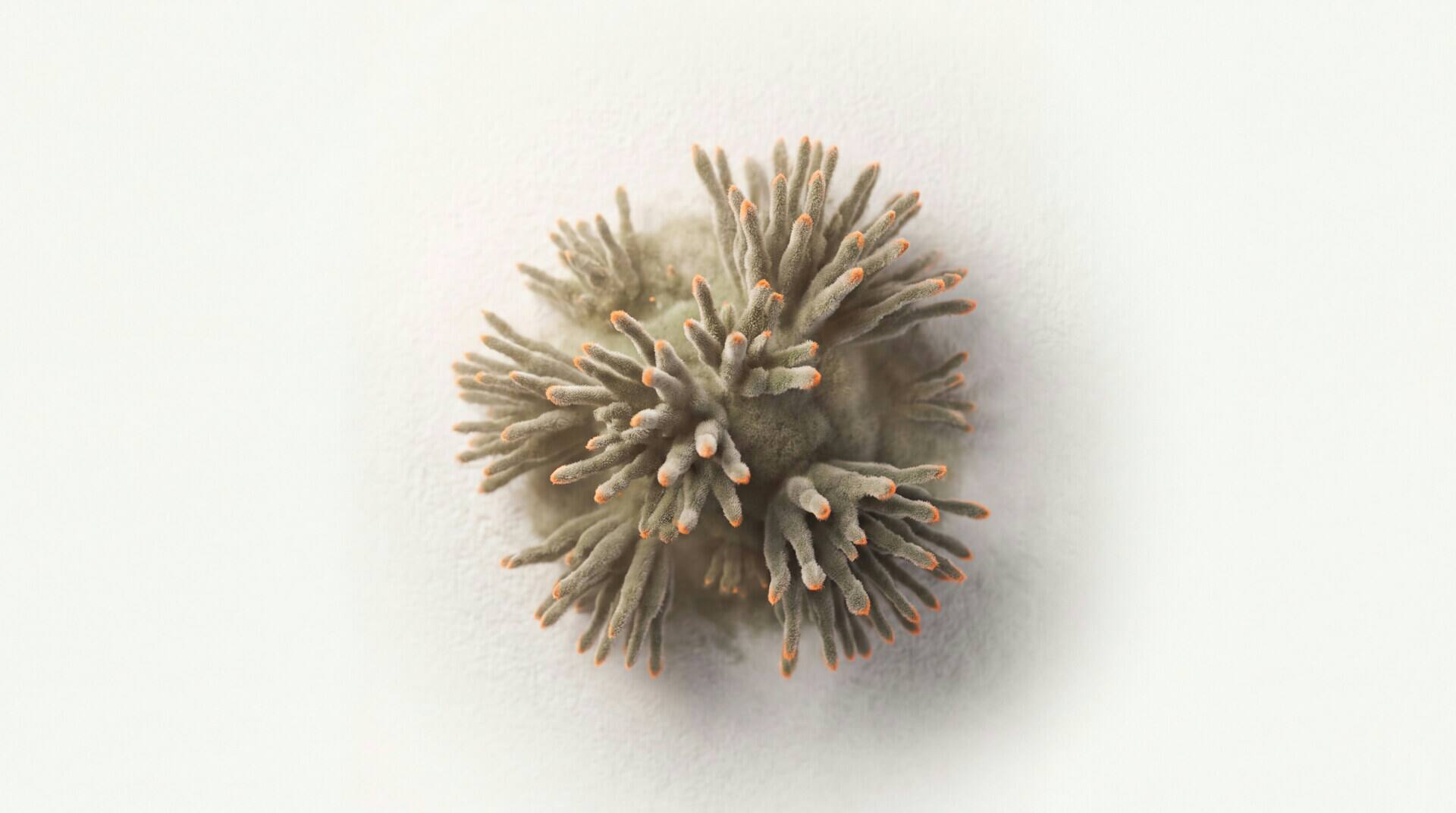
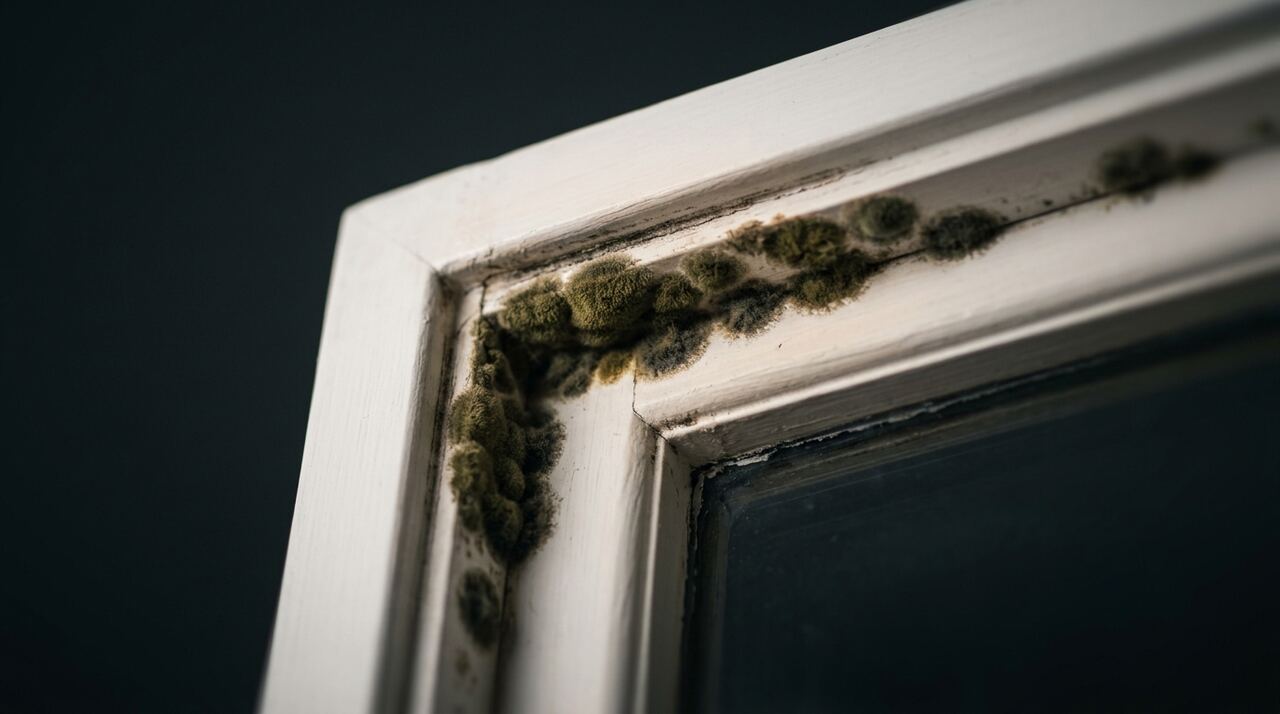
The color runs from olive green to brown to nearly black. Up close it has a suede-like or velvety texture, almost like a fine powder you could brush off with a finger. That soft, fuzzy look is one of the easiest ways to spot it.
One trait sets Cladosporium apart from most household molds: it grows in cooler spots. A lot of molds need warmth to spread. Cladosporium keeps going in cold corners, near drafty windows, and even inside the refrigerator. That cold tolerance is why it shows up in places other molds skip.
It's one of many molds that can look green or brown, so color alone won't confirm it. To compare it against the other usual suspects, see our guide to the common types of mold and the breakdown of green mold species. A lab test is the only way to name the exact species with certainty.
Where You Find It
Cladosporium follows moisture and cool air. Once you know its favorite spots, it's easy to catch early.
- Window frames and sills. This is the classic Cladosporium home. Cold glass meets warm indoor air, water beads up, and the frame stays damp. The result is a dark green or black fuzzy line along the sill. Our guide on mold on the window sill walks through why condensation does this and how to stop it.
- Bathroom walls and ceilings. Steam from showers settles on cool painted walls. Cladosporium feeds on the thin layer of soap film, skin oils, and dust.
- HVAC supply vents. Air conditioning vents stay cool and collect condensation. You may see speckled growth on the register or the ceiling halo around it. Mold here spreads spores room to room, so check our guide on mold in air ducts if your vents look dusty or stained.
- Fabrics and textiles. Curtains, upholstery, stored clothes, and damp towels all hold enough moisture for Cladosporium.
- Refrigerator door seals. The rubber gasket stays cool and damp, and crumbs feed the colony. This is one of the few molds that grows happily in a fridge.
If you see growth in more than one of these spots, you likely have a humidity problem feeding all of them, not five separate issues.
The Allergy Connection
Cladosporium is one of the most common fungal allergy triggers in the world. Its spores are in the air outdoors almost year round, and they peak in warm, humid months.
The CDC notes that mold exposure can cause symptoms like a stuffy or runny nose, sneezing, red or itchy eyes, coughing, and wheezing. People with asthma or a mold allergy tend to react more strongly. The CDC also says people with weakened immune systems or chronic lung disease can have more serious reactions and should limit their exposure.
You don't have to guess at what's happening in your body. We're not a medical source, and this isn't medical advice. If you notice symptoms that line up with mold exposure, the right move is to talk to a licensed physician. For a plain-language list of what these reactions look like, see our overview of mold allergy symptoms.
The practical takeaway: even though Cladosporium is considered lower risk than some molds, it's still a real allergen. Cutting down the amount in your home cuts down your exposure. That means cleaning visible growth and fixing the moisture that feeds it.
Cladosporium vs Black Mold
People often mistake dark Cladosporium for the dreaded "black mold," which usually means Stachybotrys chartarum. The two can look similar at a glance, but they behave differently.
Texture and color. Cladosporium is suede-like, powdery, and ranges from olive green to brown to black. Stachybotrys tends to look slimy or wet when it's active, with a darker greenish-black color. When it dries out it can turn dusty.
Where each grows. Cladosporium grows on a wide range of surfaces, including cool, lightly damp ones like window frames and vents. Stachybotrys needs surfaces that stay soaked for days, usually cellulose-rich materials like wet drywall, cardboard, or ceiling tiles after a leak. If the spot is on a dry-ish window frame, it's far more likely Cladosporium than Stachybotrys. You can read the full picture in our guide to Stachybotrys chartarum.
Brown shades. Not all dark mold is black or green. Some Cladosporium and other species lean brown, which trips people up. Our guide to brown mold sorts out which species show that color.
The honest part: you cannot confirm the species by eye. Color and texture are clues, not proof. Only a lab test can tell you exactly what you have. Treat any visible growth the same way regardless of the name: protect yourself, clean it safely, and fix the moisture.
How to Remove It
For small areas under 10 square feet, you can handle Cladosporium yourself. The EPA uses 10 square feet (about a 3 foot by 3 foot patch) as the line where most people should bring in a pro. Our full how to get rid of mold guide covers every surface in detail. Here is the short version for window frames and vents.
Step 1: Fix the moisture first. Cleaning does nothing if water keeps feeding the colony. Wipe down condensation, repair the leak, or lower the humidity. Mold can come back within 24 to 48 hours on a surface that stays wet.
Step 2: Gear up. Wear an N95 mask, gloves, and eye protection. Scrubbing mold sends a burst of spores into the air. Open a window if you can.
Step 3: Clean the surface.
- Window frames, sills, and tracks: Spray with 3% hydrogen peroxide or undiluted white vinegar. Let it sit for 10 minutes so it can reach into the texture. Scrub with an old toothbrush or stiff brush, then wipe clean. Dry the area fully.
- HVAC supply vents: Turn the system off. Remove the register cover and wash it in soapy water. Wipe the visible duct opening with hydrogen peroxide on a cloth. If growth runs deep into the ductwork, that's a job for a pro.
Step 4: Dry and recheck. Make sure the spot is bone dry. Check it again in a week. If it returns, the moisture source is still active.
A note on bleach. Skip it. On porous surfaces like wood frames and drywall, bleach leaves the chlorine on top while the water soaks in and feeds the roots underneath. Hydrogen peroxide, vinegar, or a product like a no-bleach mold-control product work better and won't gas you out in a small bathroom. Never mix bleach with ammonia or other cleaners. The combination releases toxic fumes.
When to call a pro. If the area is larger than 10 square feet, or mold keeps coming back, hire a qualified mold remediation professional. Look for firms that follow the IICRC S520 standard; ACAC or RIA credentials and state licenses count too.
Prevention
Cladosporium is a moisture story. Control the dampness and you control the mold.
- Stop window condensation. This is the single biggest fix for window-frame Cladosporium. Wipe sills dry on cold mornings, open curtains so air moves across the glass, and run a bathroom or kitchen fan to vent the humid air that settles on cold windows. Our mold on the window sill guide has the full routine.
- Keep indoor humidity below 50 percent. A cheap hygrometer tells you where you stand. Run a dehumidifier in any room that reads higher, especially basements and bathrooms.
- Ventilate the steamy rooms. Run the bathroom exhaust fan during every shower and for 30 minutes after. Crack a window when you cook.
- Service your HVAC. Change filters on schedule and have vents checked if you see dust or speckling. Clean coils and pans don't grow mold.
- Dry wet fabrics fast. Don't leave damp towels in a pile or wet laundry in the machine. Air out curtains and upholstery near cold windows.
Catch the damp spots early and Cladosporium never gets a foothold.
Frequently asked questions
Is Cladosporium dangerous?
Cladosporium is considered lower risk than some molds, but it's still a leading allergy trigger. The CDC says mold exposure can cause a stuffy nose, sneezing, itchy eyes, coughing, and wheezing, and reactions can be stronger for people with asthma or weak immune systems. It rarely causes serious infections in healthy people. If you have symptoms, talk to a licensed physician.
What does Cladosporium look like?
Cladosporium ranges from olive green to brown to nearly black. Up close it has a soft, suede-like or powdery texture, almost fuzzy. It often shows up as a dark speckled line along window frames and sills, on bathroom walls, or around AC vents. Color alone can't confirm the species, though. Only a lab test names it for certain.
How do you get rid of Cladosporium?
For areas under 10 square feet, fix the moisture first, then put on an N95 mask and gloves. Spray the spot with 3% hydrogen peroxide or white vinegar, let it sit 10 minutes, scrub, and wipe dry. Skip bleach on porous surfaces. For areas larger than 10 square feet, hire a qualified mold remediation professional. Look for firms that follow the IICRC S520 standard; ACAC or RIA credentials and state licenses count too.
Is Cladosporium the same as black mold?
No. Black mold usually means Stachybotrys chartarum, a different species. Dark Cladosporium can look similar, but Stachybotrys is often slimy and needs surfaces that stay soaked for days, like wet drywall. Cladosporium grows on cooler, lightly damp spots like window frames. You can't tell them apart by eye with certainty. Only a lab test confirms the species.
Where does Cladosporium grow in the home?
Cladosporium likes cool, damp spots. The most common are window frames and sills with condensation, bathroom walls and ceilings, HVAC supply vents, fabrics like curtains and upholstery, and refrigerator door seals. Unlike many molds, it keeps growing in cooler temperatures, which is why it turns up in drafty and refrigerated places other molds avoid.
Sources
Every claim on this page traces to one of these. Links open the primary document.