Mold Allergy Symptoms vs Mold Toxicity: How to Tell the Difference

MS
Mold Scanner AI Editorial Team
Published April 15, 2026. Reviewed from leading expert protocols and federal agency guidelines.
Indoor wall mold triggering allergy symptoms in occupants
Real mold photo. Source: Wikimedia Commons.
On this page
  1. Mold allergy vs mold toxicity: two different conditions
  2. Common mold allergy symptoms
  3. When it is more than allergies: signs of mold toxicity
  4. The mast cell connection (MCAS)
  5. Treatment differences: allergy vs toxicity vs MCAS
  6. How to test for each condition
  7. Think you might have mold?
Quick Answer

Mold allergy (IgE response) causes sneezing, runny nose, and itchy eyes. Mold toxicity (CIRS) causes brain fog, fatigue, joint pain, and multi-system illness. They are different mechanisms. A negative allergy test does not mean mold is not making you sick. 24% of people are genetically vulnerable to mold toxicity.

Mold allergy vs mold toxicity: two different conditions

This is the most important distinction most doctors miss. Mold allergy and mold toxicity are two completely different conditions with different causes, different symptoms, and different treatments. You can have one without the other. You can have both at the same time. And a negative mold allergy test tells you nothing about mold toxicity.

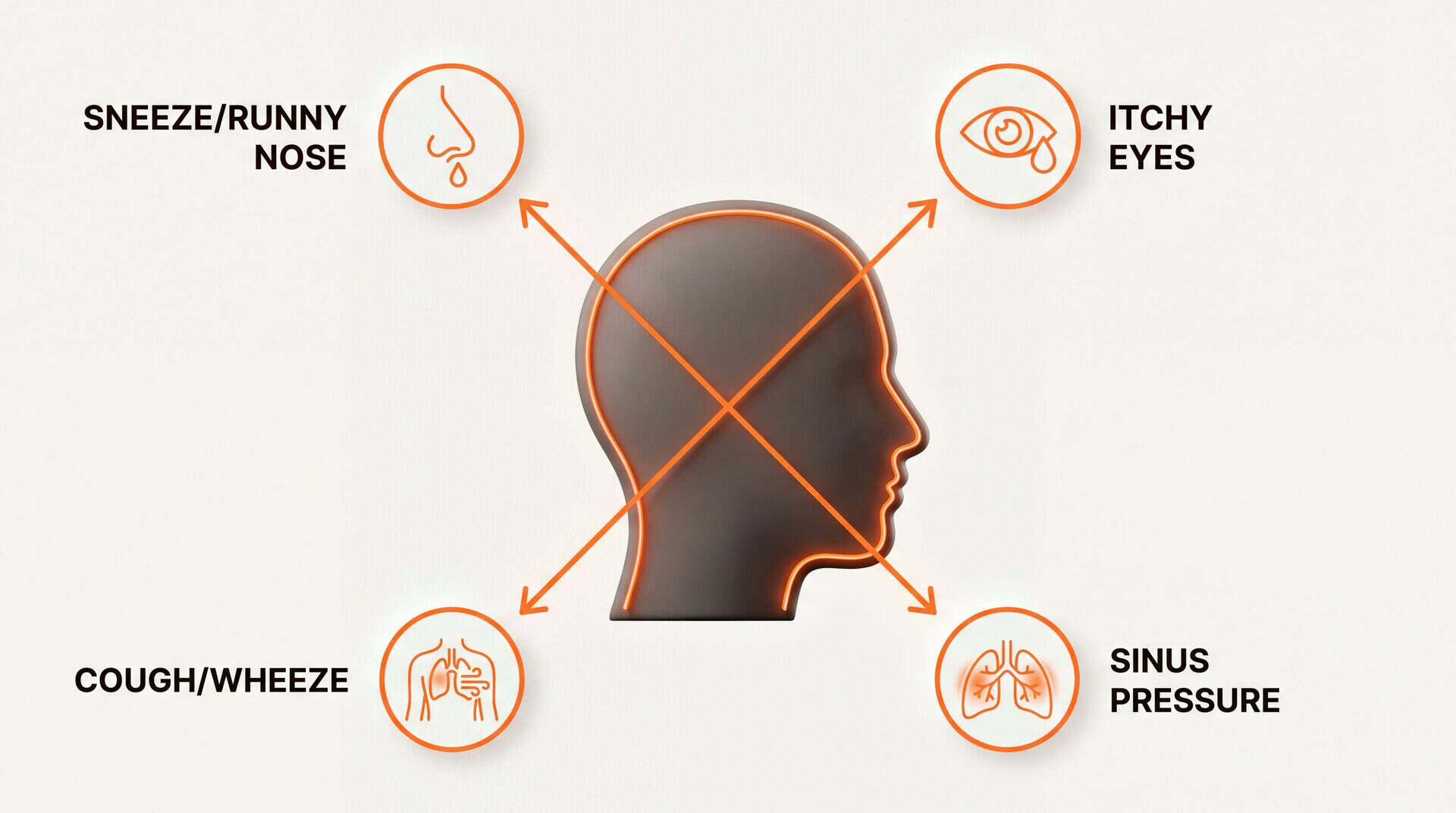
Mold allergy is an IgE mediated immune response. Your immune system recognizes mold spores as a threat and releases histamine. This is the same mechanism as pollen allergies or pet dander allergies. The symptoms are familiar: sneezing, runny nose, nasal congestion, itchy and watery eyes, cough, and sometimes asthma. These symptoms show up quickly after exposure and improve when you take antihistamines or leave the exposure.

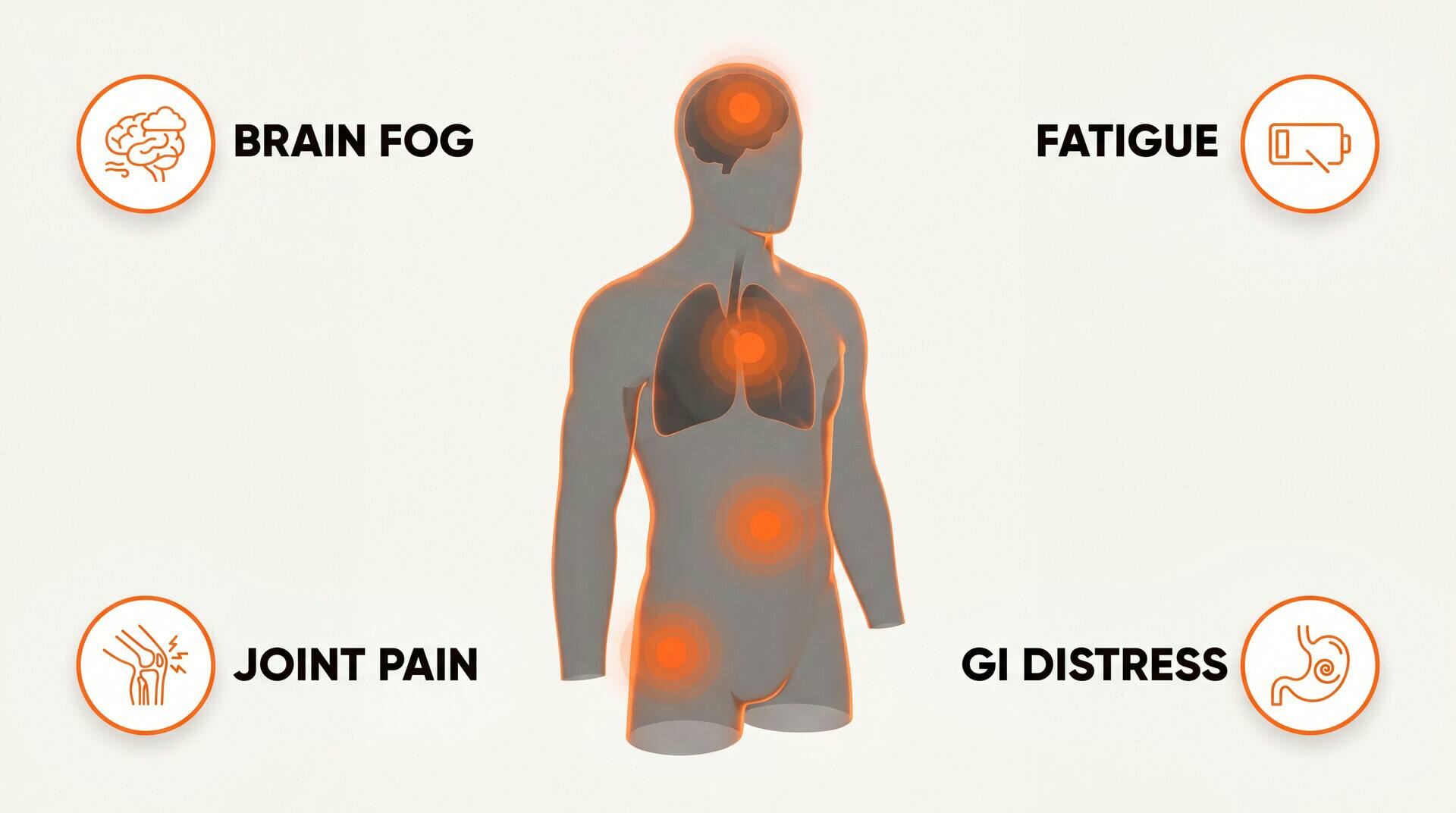
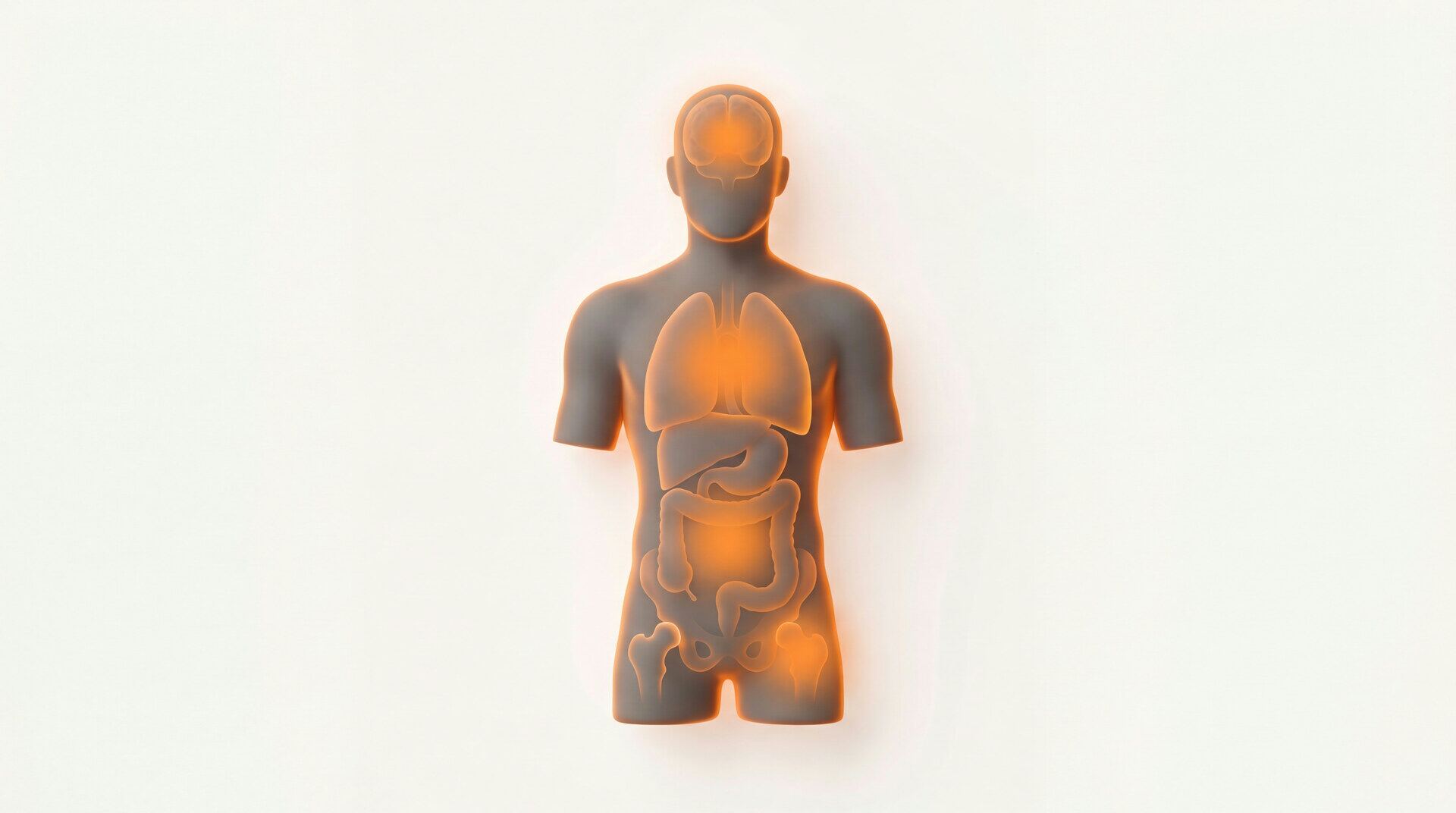
Mold toxicity is caused by mycotoxins, not spores. Molds like Stachybotrys, Aspergillus, and Chaetomium produce poisonous chemicals called mycotoxins as they grow. These toxins trigger a systemic inflammatory response called CIRS (Chronic Inflammatory Response Syndrome) in people with certain HLA-DR gene variants. About 24% of the population has these variants. The symptoms are multi-system: brain fog, chronic fatigue, joint pain, gut problems, hormonal disruption, and neurological symptoms. Antihistamines do not help because the mechanism is not histamine driven.

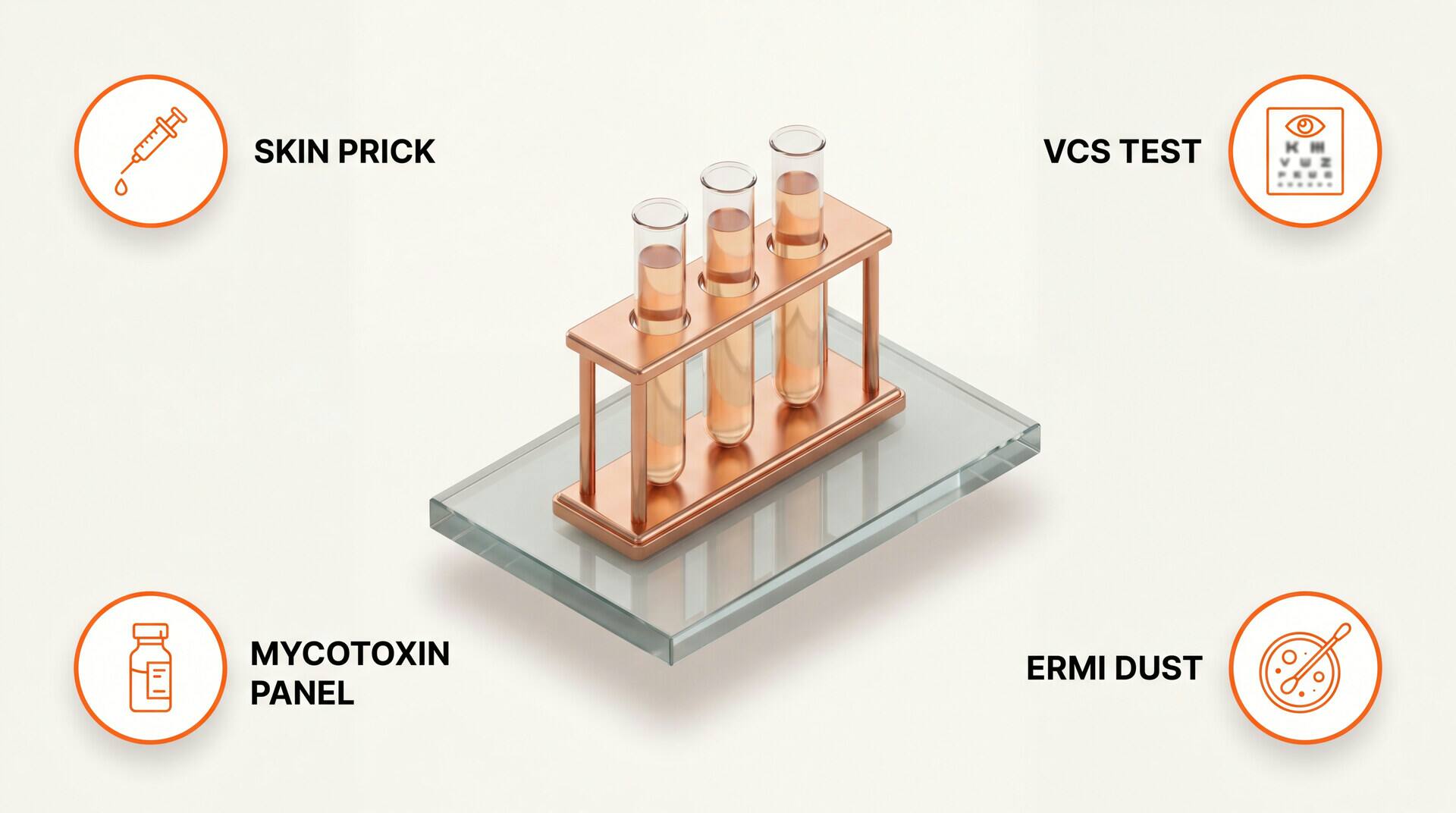
The standard mold allergy test at your doctor's office (skin prick test or IgE blood test) only detects the allergy mechanism. It completely misses toxicity. This is why many people test negative for mold allergy but are profoundly ill from mold exposure.

Common mold allergy symptoms

Mold allergy symptoms are similar to other airborne allergies. They tend to be focused on the respiratory system and eyes.

Upper respiratory: Sneezing. Runny or stuffy nose. Post nasal drip. Sinus pressure. Recurring sinus infections.

Eyes: Itchy, watery, red eyes. Swollen eyelids. Burning sensation.

Lower respiratory: Cough. Wheezing. Chest tightness. Shortness of breath. Asthma attacks triggered by mold exposure.

Skin: Eczema flares. Hives. Itching.

Key pattern: Allergy symptoms tend to respond to antihistamines (Zyrtec, Claritin, Benadryl). They are often seasonal, worsening in humid months when mold counts are high. They improve when you leave the exposure. If antihistamines help your symptoms, you likely have a mold allergy component.

When it is more than allergies: signs of mold toxicity

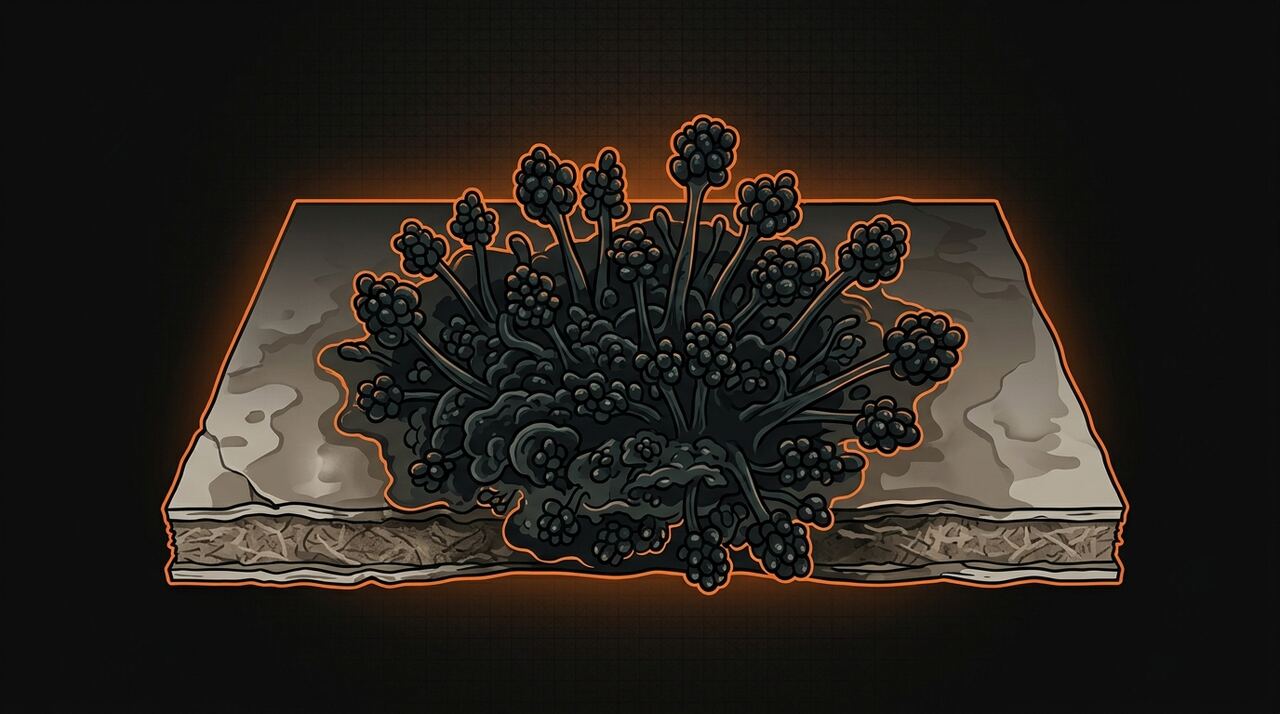
Mold colony spreading across a gypsum drywall surface

If you have symptoms beyond the standard allergy profile, mold toxicity may be the real issue. Here are the red flags that point to toxicity rather than allergy.

Brain fog and cognitive problems: Difficulty concentrating, memory lapses, word finding problems, feeling "spaced out." Allergies do not cause this. Mycotoxins do, through direct neuroinflammation.

Chronic fatigue: Deep, unrelenting exhaustion that does not improve with sleep. Different from the mild tiredness that allergies can cause.

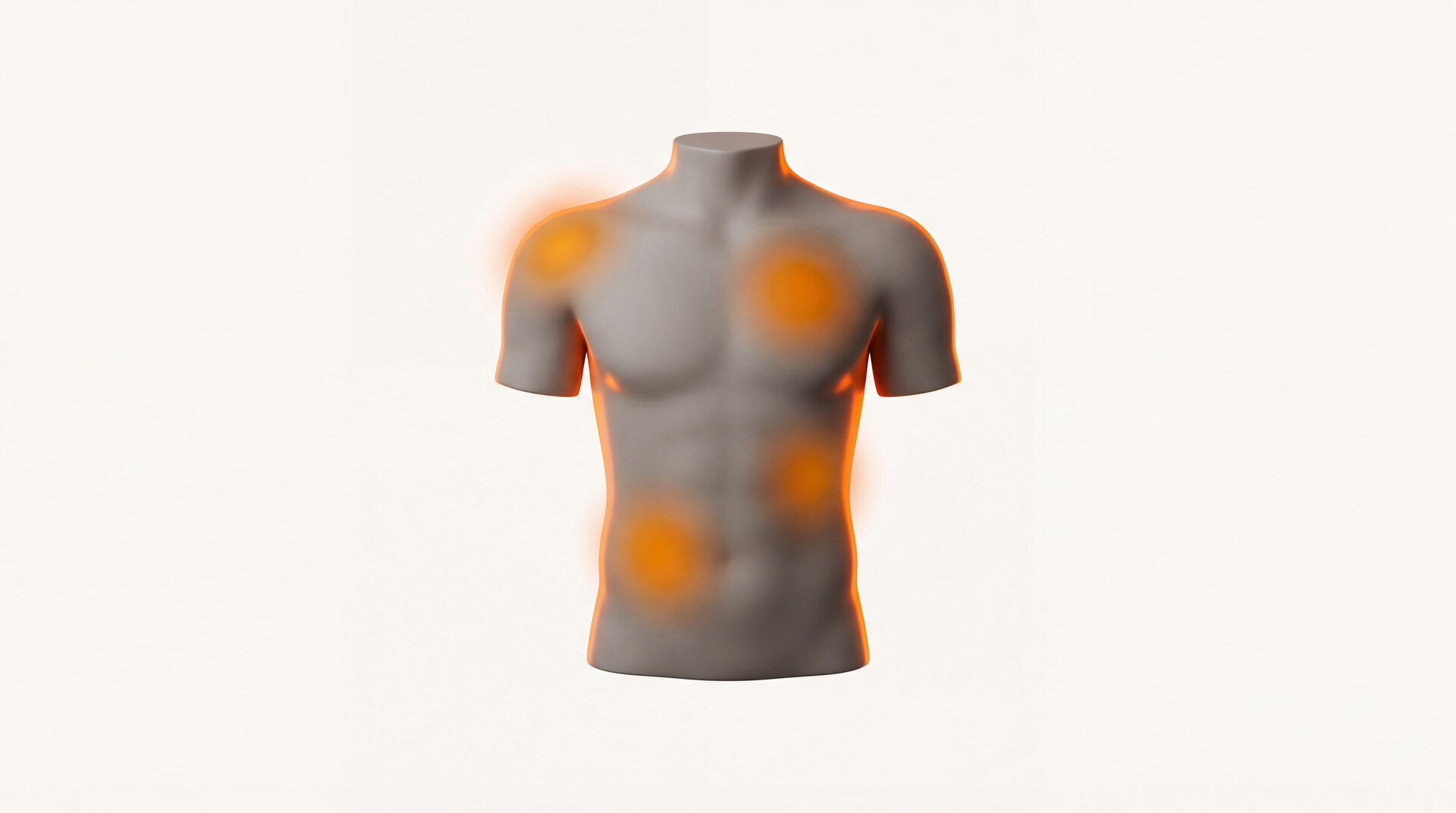
Joint and muscle pain: Aching joints, muscle pain, morning stiffness. Often misdiagnosed as fibromyalgia.

Gut problems: Bloating, diarrhea, constipation, new food sensitivities. Leading naturopathic mold experts explain that mold colonizes the sinuses first, then drips down and colonizes the gut.

Electrical or ice pick pains: Sharp, shooting pains or electrical sensations. Leading environmental health researchers identify these as mold specific neurological patterns.

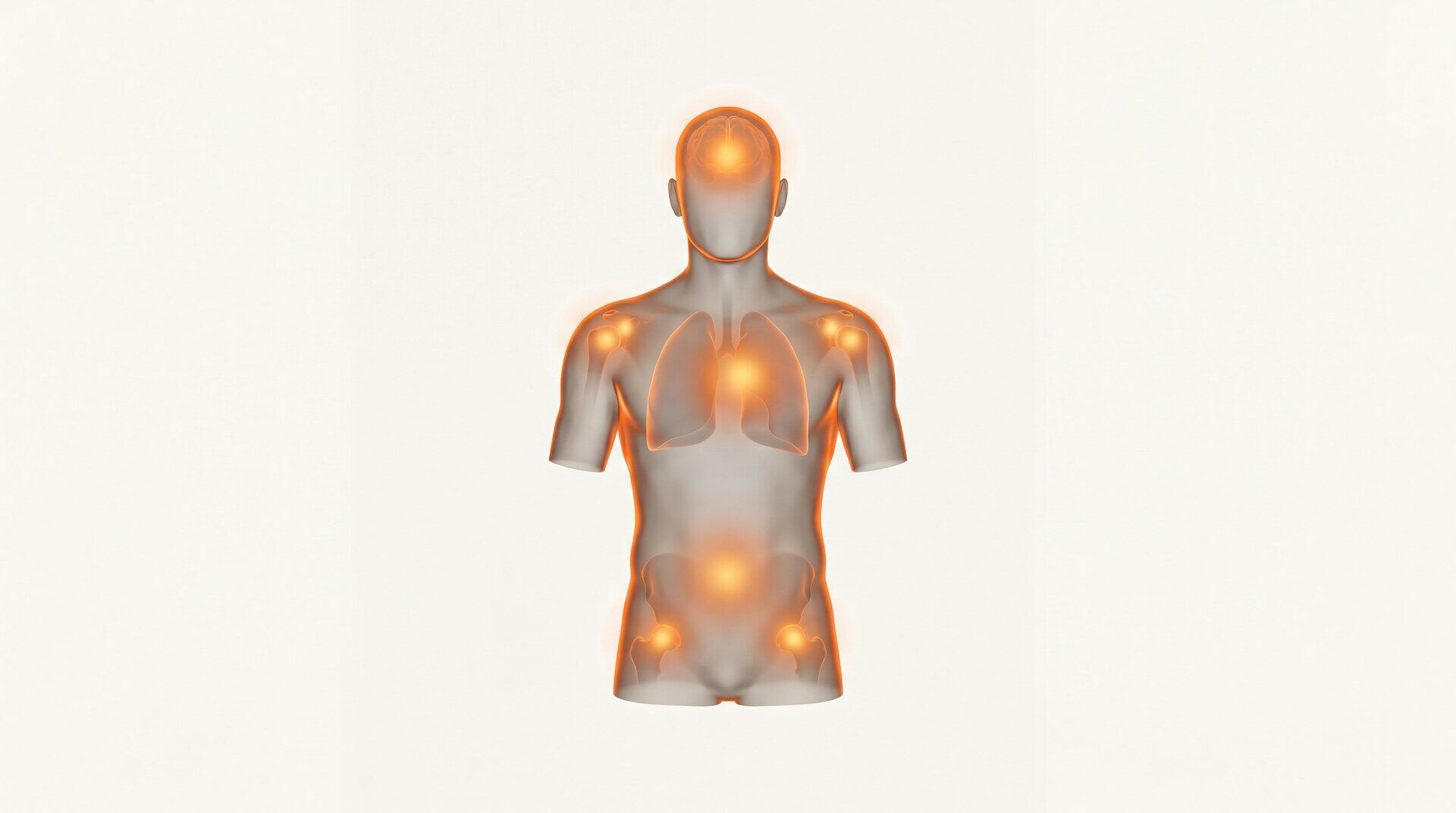
Multi-system involvement: The hallmark of CIRS is that it affects multiple body systems simultaneously. If you have respiratory plus neurological plus digestive plus musculoskeletal symptoms, that pattern screams mold toxicity, not simple allergy.

Antihistamines do not help: This is a critical differentiator. If Zyrtec, Claritin, and Benadryl do not relieve your symptoms, the problem is likely not histamine driven. It is toxin driven.

The gold standard test: Do your symptoms get better when you leave your home for 2 or more days and come back when you return? Every expert agrees this is the strongest signal for environmental mold illness.

The mast cell connection (MCAS)

There is a bridge between allergy and toxicity, and it is called mast cell activation syndrome (MCAS). Understanding this connection explains why many mold patients have symptoms that look like allergies but do not respond to allergy treatment.

Mast cells are immune cells that live in your tissues. When they detect a threat, they release histamine and dozens of other chemical mediators. In a normal allergy, the mast cells fire when exposed to a specific allergen. In MCAS, the mast cells become permanently hyperactive. They fire at everything: foods, chemicals, temperature changes, stress, exercise, even sunlight.

Leading environmental health researchers report that 80% of mold toxic patients develop MCAS. The mycotoxin driven inflammation destabilizes the mast cells, putting them on a hair trigger. Now the patient has allergy like symptoms (histamine release) plus toxicity symptoms (mycotoxin inflammation) plus the chaos of mast cells firing at random triggers.

MCAS prevalence in the general population is estimated at 9 to 17% (O'Hara, cited by leading environmental health researchers). In mold patients, it jumps to 80%. Common MCAS symptoms from mold include: flushing and hives. Rapid heart rate after eating. New food sensitivities, especially to garlic, onions, dairy, and eggs (clinical pearl). Reactions to perfumes, cleaning products, and fragrances. Anxiety that seems to come from nowhere.

Treatment differences: allergy vs toxicity vs MCAS

For mold allergy: Antihistamines (cetirizine, loratadine). Nasal corticosteroid sprays (Flonase). Allergy immunotherapy (allergy shots) for long term desensitization. Remove the mold from your environment. These treatments are well understood and widely available from any allergist.

For mold toxicity (CIRS): The treatment is completely different. First, remove yourself from the mold exposure or remediate the home. Then follow a detoxification protocol. The recommended approach starts with nervous system stabilization (limbic retraining via DNRS or Gupta Program) before any detox, because sensitive patients crash if you jump straight to binders. Then binder therapy (cholestyramine, activated charcoal, bentonite clay) to pull mycotoxins from the body. Then antifungal treatment if mold has colonized the sinuses and gut. This takes months to years, not the days to weeks of allergy treatment.

For MCAS: Low histamine diet as the foundation. DAO enzyme supplementation. Quercetin (though some patients react to it). Prescription mast cell stabilizers: cromolyn sodium and ketotifen. Leading environmental health researchers emphasize that MCAS medications work poorly if the patient has not addressed limbic dysfunction and vagal dysfunction first.

Finding the right doctor: Regular allergists handle mold allergy well but most have no training in mold toxicity or CIRS. For toxicity, find a CIRS certified physician at survivingmold.com/physicians, a functional medicine practitioner at ifm.org, or a naturopathic doctor trained in environmental medicine.

How to test for each condition

Close up of wall mold with visible colony edges and spreading hyphae

Mold allergy testing: Skin prick test or IgE blood test at any allergist's office. Quick, inexpensive, covered by insurance. A positive test confirms allergy. A negative test does NOT rule out mold toxicity.

Mold toxicity testing: VCS (Visual Contrast Sensitivity) test at vcstest.com (free, 92% accuracy for neurotoxicity). Urine mycotoxin panel from RealTime Laboratories (~$700) or Mosaic Diagnostics. HLA-DR genetic test (blood draw via LabCorp) to determine if you are in the 24% genetically susceptible. CIRS biomarker panel: MSH, C4a, TGF-beta-1, MMP-9, VEGF.

MCAS testing: Serum tryptase (often normal in MCAS, more useful for mastocytosis). 24 hour urine N-methylhistamine. Prostaglandin D2. Chromogranin A. Many doctors diagnose MCAS clinically based on the symptom pattern and response to mast cell stabilizers.

Environmental testing: ERMI or HERTSMI-2 dust test for your home. the CIRS standard: HERTSMI-2 below 11 is safe. The average US home scores about 30. Test the home first, then test yourself. If the home is clean and symptoms persist, the issue may be internal colonization or a different trigger.

EPA CDC WHO Harvard Berkeley Lab IICRC

Is your home making you sick?

Our app walks you through 160 professional mold hotspots room by room. Same checklist every IICRC certified inspector uses. AI powered verdict in 5 minutes.

Get Early Access

Frequently Asked Questions

What is the difference between mold allergy and mold toxicity?

Mold allergy is an IgE immune response to mold spores. It causes sneezing, runny nose, itchy eyes, and respiratory symptoms. Mold toxicity is a completely different mechanism caused by mycotoxins that trigger systemic inflammation (CIRS). It affects the brain, gut, joints, hormones, and nervous system. You can have one without the other, or both at the same time.

Can mold allergies turn into something more serious?

Yes. Ongoing mold exposure can progress from simple allergy symptoms to more serious conditions. About 24% of the population has HLA-DR gene variants that prevent them from clearing mold toxins. In these people, what starts as sneezing and congestion can develop into CIRS with brain fog, chronic fatigue, and multi-system illness. If allergy symptoms are not improving with antihistamines, the problem may be toxicity, not allergy.

Do antihistamines work for mold exposure?

Antihistamines help with mold allergy symptoms like sneezing, runny nose, and itchy eyes. They do NOT help with mold toxicity symptoms like brain fog, fatigue, and joint pain because toxicity is not driven by histamine alone. If antihistamines are not relieving your symptoms, you may be dealing with mycotoxin illness, not just an allergy.

What is mast cell activation syndrome from mold?

Mast cell activation syndrome (MCAS) is a condition where immune cells called mast cells become hyperactive and release histamine and other chemicals inappropriately. Leading environmental health researchers report that 80% of mold toxic patients develop MCAS. Symptoms include flushing, rapid heart rate, new food sensitivities, and reactions to chemicals and fragrances. MCAS prevalence in the general population is 9 to 17%.

Related guides

27.1K/mo searches
Toxic Mold Symptoms
Beyond allergies: CIRS and mast cell activation.
135K/mo searches
Black Mold
The species that causes the worst reactions.
13.2K/mo searches
Musty Smell in House
If you smell it, your body is breathing it.
60.5K/mo searches
Mold Testing Kits
Get proof for your doctor.

Keep Reading

Toxic Mold Symptoms: The Complete Checklist from Mold Doctors
Read more
Black Mold: What It Is, How to Spot It, and What to Do
Read more
Mold Smell in House: What Causes Musty Odor and How to Find It
Read more
Mold Testing Kits: DIY vs Professional Testing Compared
Read more

Think you might have mold?

Black mold growth on bathroom shower tiles

Scan 160 hotspots with your phone. Get a forensic grade AI verdict in 5 minutes. No $670 inspector needed.

Scan Your Home Free