Mold Sickness: Symptoms, Causes, and How to Recover
Mold sickness (also called mold illness or biotoxin illness) happens when your body absorbs mycotoxins from mold and cannot clear them. Symptoms include chronic fatigue, brain fog, sinus problems, headaches, joint pain, and sensitivity to light. About 24% of people carry genes that make them vulnerable. Treatment starts with leaving the moldy environment and using binders like cholestyramine to remove toxins from your body.
What Is Mold Sickness?
Mold sickness is a chronic inflammatory condition caused by exposure to mold and the mycotoxins it produces. The medical term is CIRS (Chronic Inflammatory Response Syndrome), first defined by leading mold illness researchers in the late 1990s.
Here is what happens in your body: Mold colonies release microscopic spores and mycotoxins into the air. You breathe them in. In most people, the immune system recognizes these toxins, tags them for removal, and clears them within days. No lasting damage.
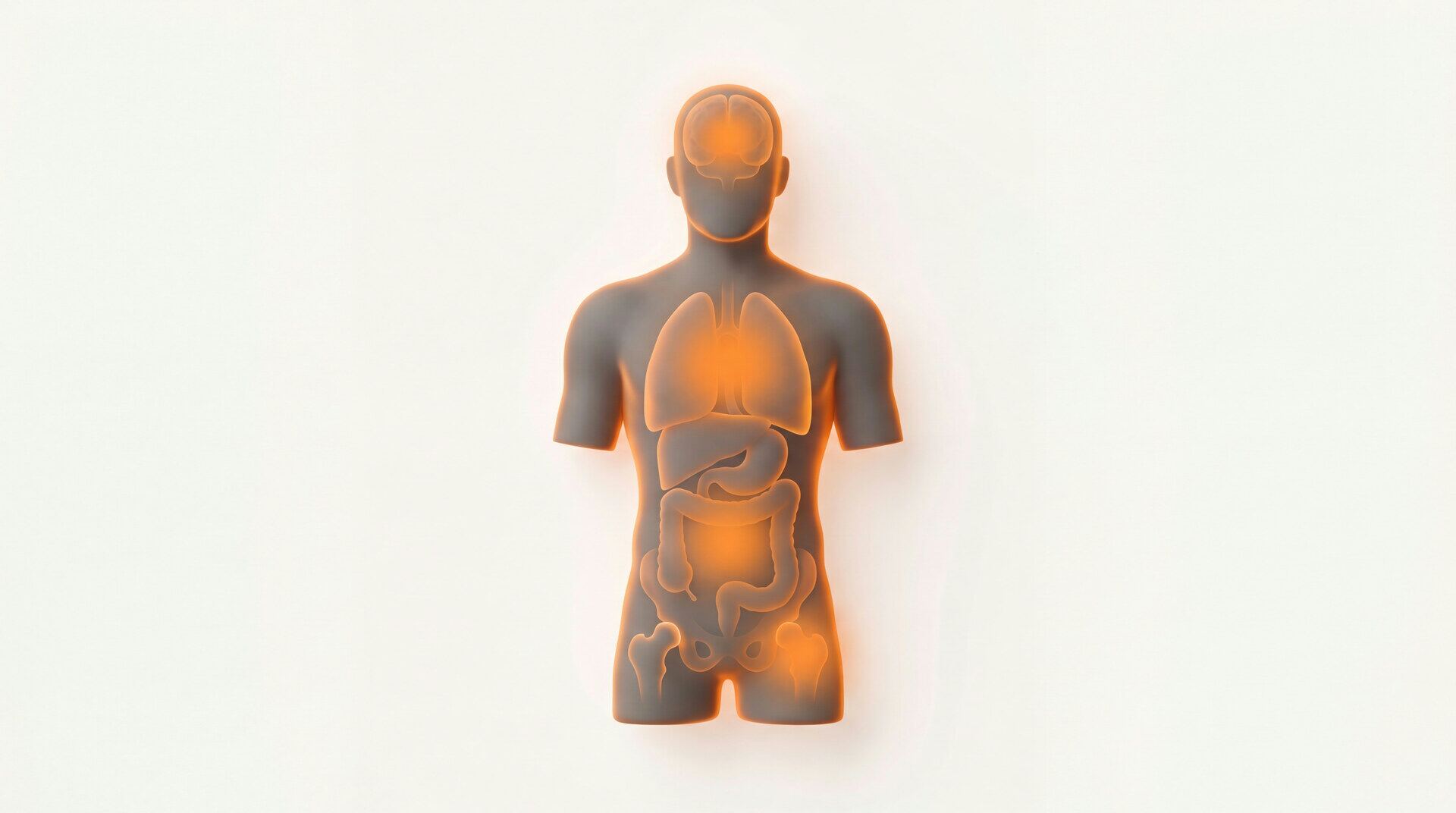
But in about 24% of the population, a genetic variation in the HLA-DR gene system means the immune system cannot properly tag these biotoxins. The toxins circulate in the body indefinitely, triggering a cascade of chronic inflammation. This inflammation affects the brain, sinuses, lungs, gut, joints, and nervous system.
Leading environmental health researchers estimate that 10 million Americans have some degree of mold illness. Many are misdiagnosed with chronic fatigue syndrome, fibromyalgia, anxiety, depression, or IBS because their doctors do not test for mold.
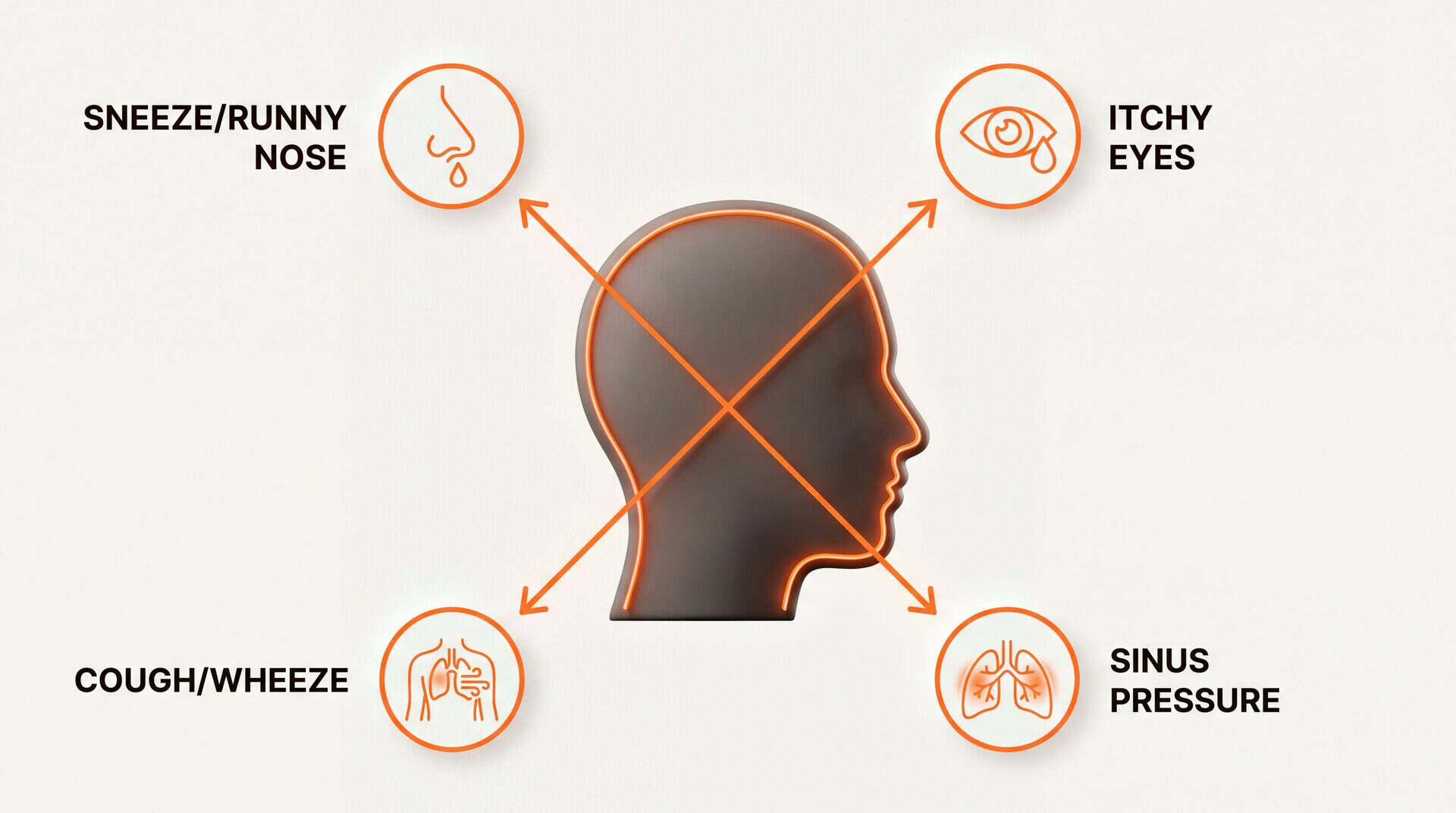
The critical distinction: Mold sickness is not a mold allergy. Allergies are an IgE immune response to mold spores that causes sneezing, runny nose, and itchy eyes. Mold sickness is a multi-system inflammatory response to mycotoxins that affects your brain, energy, hormones, and immune function. You can have both at the same time.
Symptoms of Mold Sickness
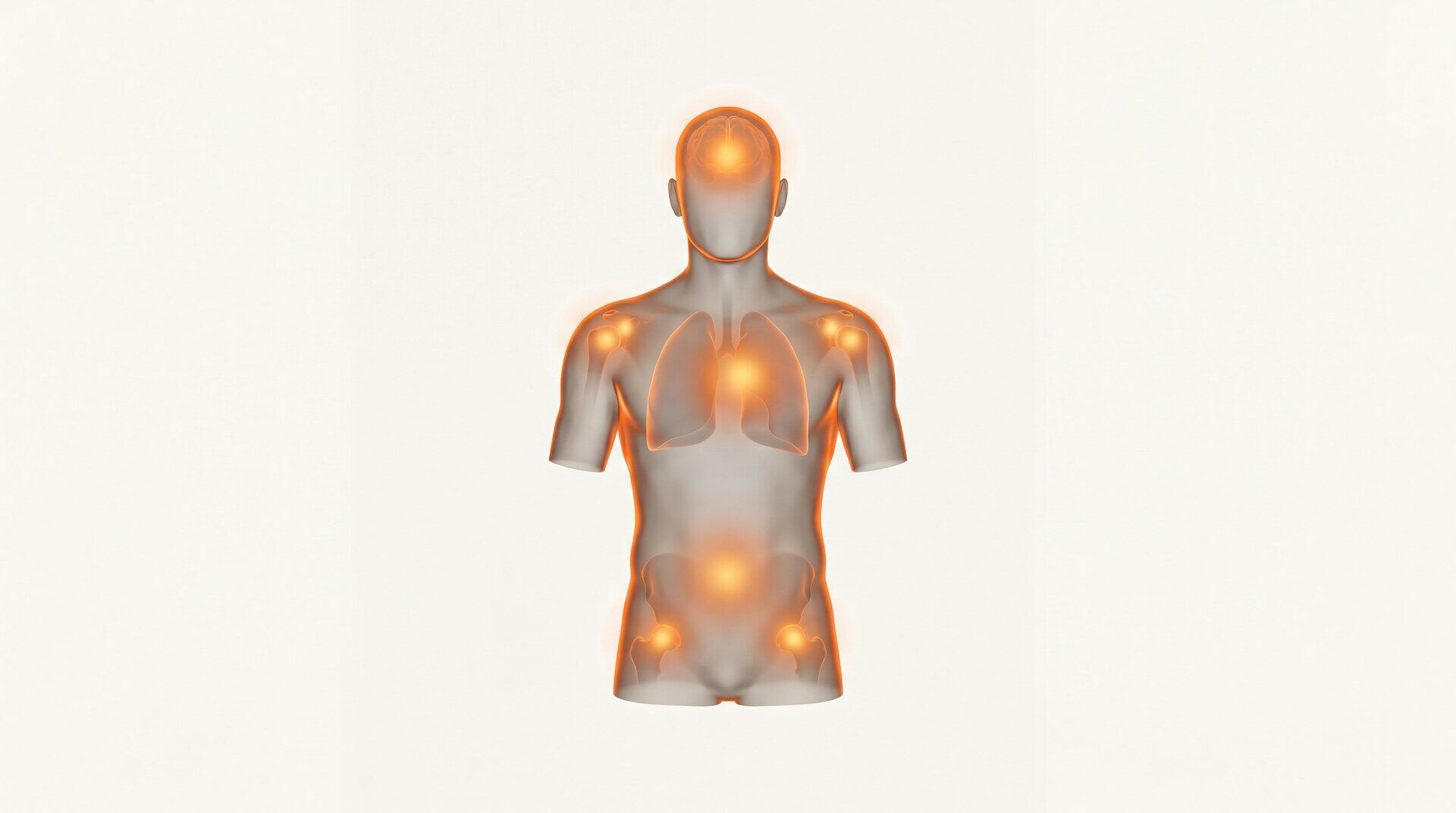
Mold sickness affects nearly every system in the body. This is why it is so often misdiagnosed. Doctors looking for a single cause find symptoms scattered across multiple specialties.
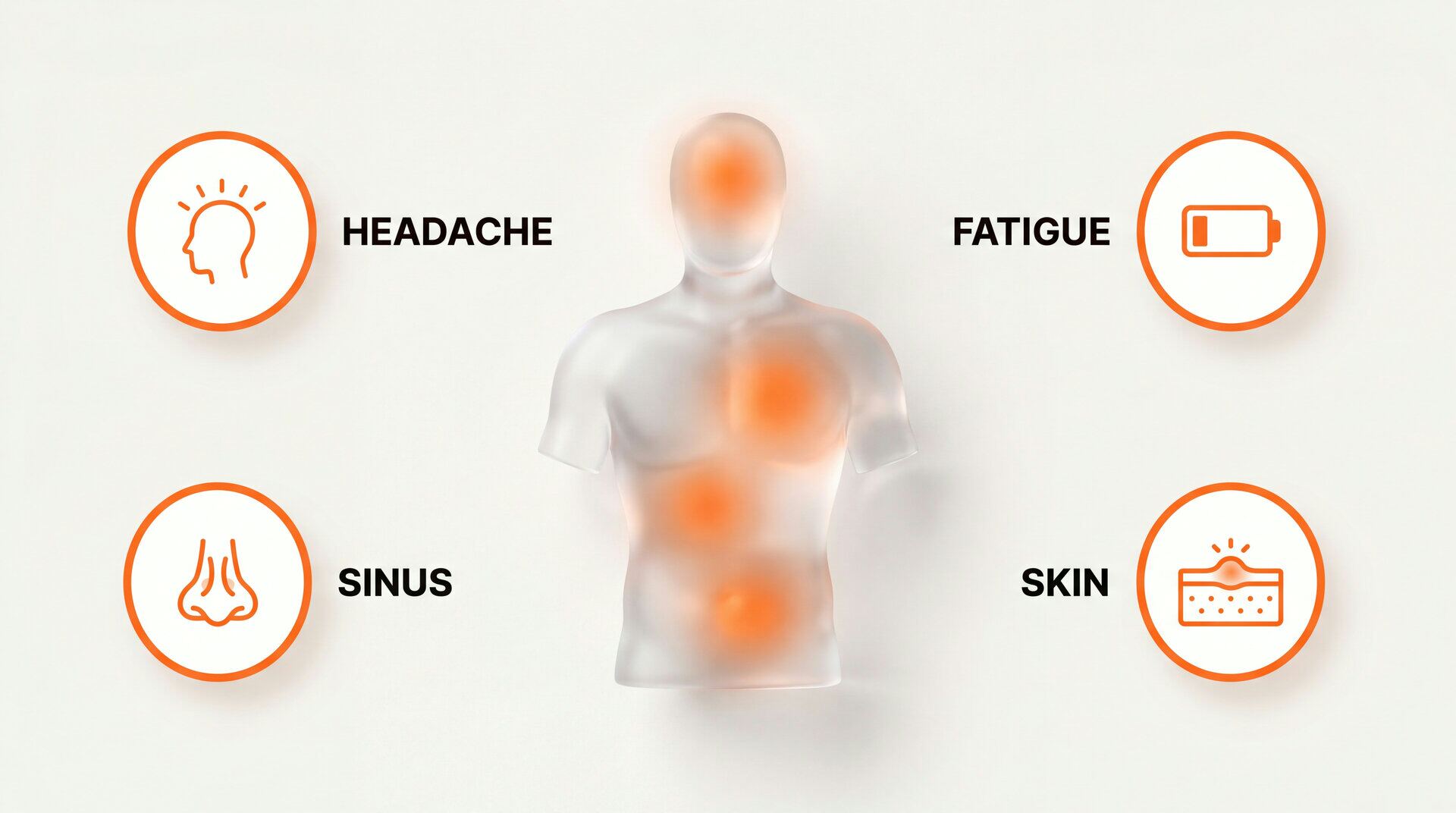
Neurological: Brain fog (difficulty thinking clearly, word finding problems), memory loss, difficulty concentrating, dizziness, vertigo, numbness and tingling in hands or feet, tremors, headaches, light sensitivity, and mood changes including anxiety and depression.
Respiratory: Chronic sinus congestion, recurring sinus infections, cough, shortness of breath, wheezing, and chest tightness. Some patients develop asthma for the first time after mold exposure.
Fatigue and pain: Crushing fatigue that does not improve with rest, morning stiffness, joint pain without swelling, muscle cramps, and weakness. Many patients are diagnosed with fibromyalgia before mold is identified as the cause.
Digestive: Nausea, abdominal pain, diarrhea, loss of appetite, and food sensitivities. Mold toxins disrupt gut bacteria and intestinal barrier function.
Hormonal: Excessive thirst, frequent urination, temperature regulation problems (always too hot or too cold), weight gain that resists diet and exercise, and disrupted sleep cycles.
The telltale sign: Your symptoms get better when you leave your home for several days (vacation, business trip, staying with friends) and come back when you return. This location-dependent pattern is the CIRS gold standard for identifying environmental mold illness.
Who Gets Mold Sick (and Why Some People Do Not)
Not everyone exposed to mold gets sick. Your genetics determine your vulnerability.
HLA-DR gene variants: About 24% of the population carries HLA-DR gene combinations that prevent their immune system from properly recognizing and clearing biotoxins. If your partner lives in the same moldy house and feels fine while you are debilitated, genetics is likely the reason. A simple blood test ($50 to $100) identifies whether you carry these susceptible genes.
Higher risk groups: Children (smaller body mass, developing immune systems), elderly (weakened immune function), pregnant women, people with existing asthma or respiratory conditions, immunocompromised individuals, and anyone taking immunosuppressant medications.
Dose and duration matter: Even without susceptible genes, prolonged high-level exposure can overwhelm anyone's ability to clear mycotoxins. A water damage event that goes unrepaired for months can create enough mold to affect people who would normally be resistant.
Multiple hit theory: Leading environmental health researchers describe the "multiple hit" phenomenon where mold exposure combines with other stressors (Lyme disease, heavy metals, emotional trauma, poor diet) to push the immune system past its tipping point. Many mold patients have two or more simultaneous biotoxin exposures.
How Doctors Diagnose Mold Sickness
Standard medical tests (CBC, CMP, thyroid panel) usually come back normal in mold patients. This is why so many people are told "your labs are fine, it must be stress." Diagnosing mold sickness requires specific tests that most primary care doctors do not order.
Visual Contrast Sensitivity (VCS) test: A free online screening that measures your ability to see contrast patterns. Mycotoxins damage the neural pathways involved in contrast vision. About 92% of people with confirmed mold illness fail this test. Available at survivingmold.com.
CIRS biomarkers: A blood panel that measures MSH (melanocyte-stimulating hormone), VIP (vasoactive intestinal peptide), TGF-beta 1, C4a complement, VEGF, MMP-9, ADH/osmolality, and cortisol. Most CIRS patients show abnormalities in 5 or more of these markers.
Urine mycotoxin panel: RealTime Laboratories or Mosaic Diagnostics measures trichothecenes, aflatoxins, ochratoxin A, and other mycotoxins in your urine. This confirms that your body is absorbing mold toxins. Cost: $300 to $700.
HLA-DR genotyping: A blood test confirming whether you carry mold-susceptible gene variants. This is a one-time test. If positive, it explains why you are sick and others in the same home are not.
Treatment Protocols That Work
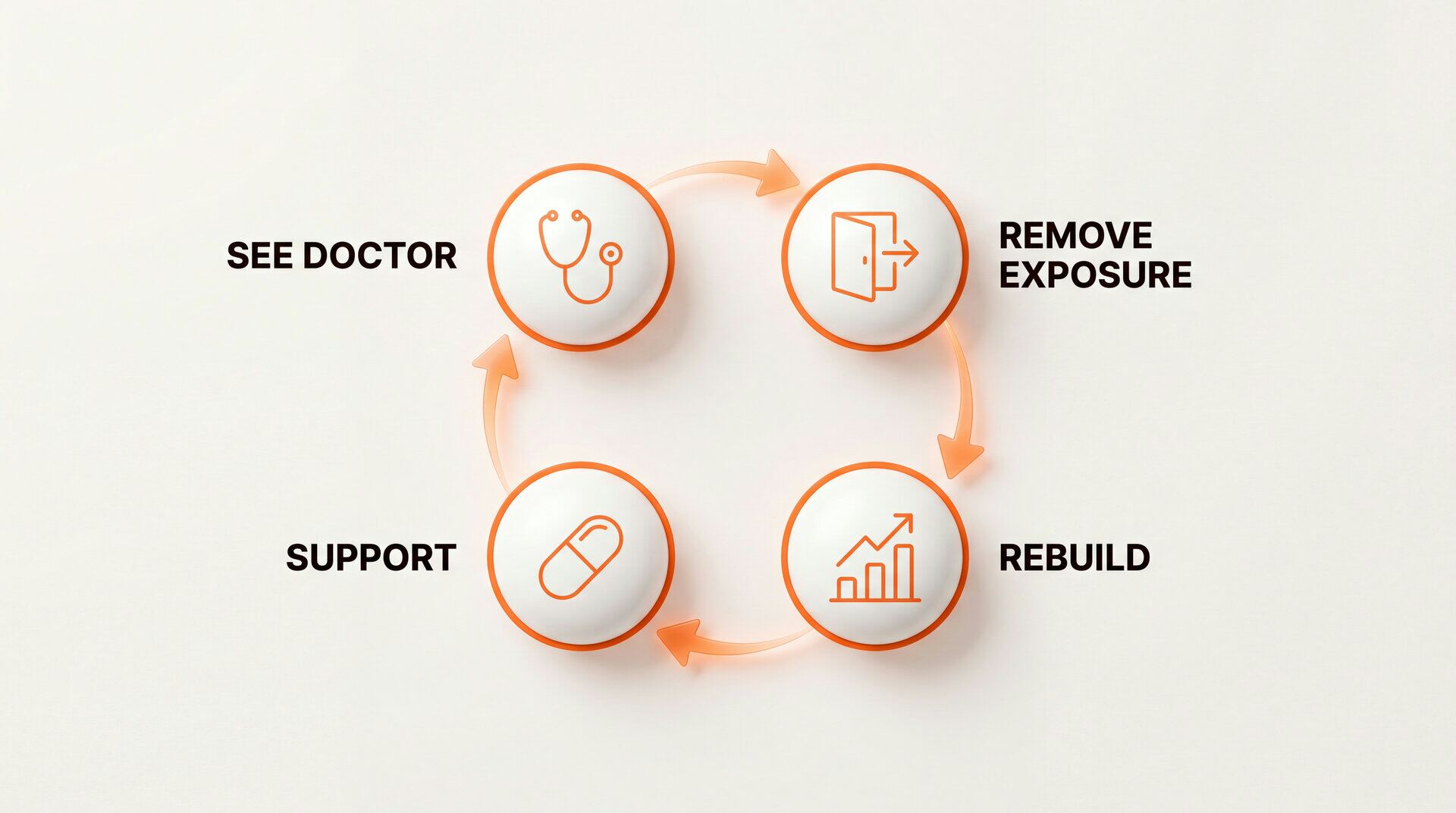
There is no single pill for mold sickness. Recovery requires a systematic approach. Here are the three most respected treatment protocols.
Step 1: Remove Yourself from the Source
This is non-negotiable. No treatment protocol works if you are still breathing mold every day. You either need to remediate your home professionally or move. Many practitioners will not start treatment until the patient is in a clean environment. Use an ERMI test to verify your home's mold burden.
Step 2: Bind and Remove Mycotoxins
Cholestyramine (CSM): The CIRS protocol's primary binder. It is a prescription bile acid sequestrant that binds mycotoxins in the gut and removes them through stool. Taken 4 times daily for months. The most studied binder for mold illness.
Welchol: An alternative binder for patients who cannot tolerate CSM. Less binding capacity but fewer side effects.
Activated charcoal and clay binders: Over the counter options. Leading environmental health researchers recommend these for patients who are too sensitive for prescription binders. Taken between meals. Less potent than CSM but gentler on the system.
Step 3: Reduce Inflammation
Leading naturopathic mold experts' protocol emphasizes anti-inflammatory support: omega-3 fatty acids, curcumin, glutathione (liposomal or nebulized), and a low-mold diet (avoiding sugar, alcohol, fermented foods, aged cheeses, and dried fruits that contain mycotoxins).
Step 4: Support Detoxification
Sweating (sauna therapy), adequate hydration, liver support (milk thistle, NAC), and lymphatic drainage help your body process and eliminate stored toxins. Genetic health researchers' protocol emphasizes methylation support (methylfolate, methylcobalamin) for patients with MTHFR gene variants that slow detox pathways.
Recovery Timeline
Recovery from mold sickness is measured in months, not weeks. Here is a realistic timeline based on published case studies and clinical experience from leading mold illness researchers.
Week 1 to 4: After leaving the moldy environment, acute symptoms (sinus congestion, headaches, eye irritation) often improve within the first few weeks. Brain fog and fatigue typically persist.
Month 1 to 3: With binder therapy, mycotoxin levels in urine begin to drop. Energy slowly improves. Brain fog starts to lift. Some patients experience a "herx" reaction (temporary worsening) as stored toxins mobilize.
Month 3 to 6: Significant improvement in most patients. Energy returns to 60 to 80% of normal. Cognitive function improves noticeably. Sleep quality improves. Joint pain and inflammation decrease.
Month 6 to 12: Most patients reach 80 to 95% recovery if they are in a clean environment and following treatment consistently. Some residual sensitivity to mold may remain permanently, especially in those with susceptible HLA-DR genes.
The hard truth: If you go back to a moldy environment, symptoms return within days to weeks. Recovery requires a clean living space as the foundation. No amount of treatment overcomes ongoing exposure.
Scan your home with Mold Scanner AI
Our app walks you through 160 professional mold hotspots room by room. Same checklist every IICRC-certified inspector uses. AI-powered verdict in 5 minutes.
Get Early AccessFrequently Asked Questions
What are the first signs of mold sickness?
The earliest signs are usually fatigue that does not improve with sleep, brain fog (difficulty concentrating, word finding problems), recurring sinus congestion, and headaches. Many people also notice that their symptoms improve when they leave their home for several days and return when they come back. This pattern is the CIRS gold standard for environmental mold illness.
How long does it take to get sick from mold?
Some people develop symptoms within days of mold exposure. Others take weeks or months of continuous low level exposure before symptoms appear. The timeline depends on the mold species, concentration of exposure, and your genetic susceptibility (HLA-DR gene status). People with mold-susceptible genes get sick faster and from lower levels of exposure.
Can mold sickness be cured?
Yes, but the process takes time. The most important step is removing yourself from the mold source. After that, treatment protocols from leading mold illness researchers focus on binding mycotoxins (cholestyramine, activated charcoal, clay binders), reducing inflammation, and supporting detoxification. Most patients see significant improvement within 3 to 12 months of proper treatment.
What kind of doctor treats mold sickness?
Functional medicine doctors, environmental medicine specialists, and CIRS-certified practitioners treat mold illness. Your regular primary care doctor likely will not diagnose it because mold illness is not taught in standard medical school curricula. Look for practitioners certified by ISEAI (International Society for Environmentally Acquired Illness) or listed on survivingmold.com.
Can mold make you sick even if you cannot see it?
Yes. Mold growing inside walls, under flooring, in crawl spaces, and in HVAC systems releases spores and mycotoxins into your air without any visible signs. A musty smell is often the only clue. Up to 50% of homes in the US have some mold issue, and hidden mold behind walls is the most common source of unexplained mold illness.