
The Arkansas humidity profile
Arkansas doesn’t touch the Gulf, but the Gulf reaches it anyway. Warm wet air rides north up the Mississippi Valley from late spring through early fall, and the eastern third of the state sits in the flat, river-laced Delta where that moisture settles. Based on NOAA National Weather Service climatological normals for 1991 to 2020, annual average relative humidity across Arkansas’s major metros runs from the upper 60s in the Ozarks to the low 70s in the Delta. That is several points above the national average and well above the 50 percent indoor ceiling EPA recommends for homes. Run your own readings through our free Indoor Humidity Context Calculator to see where your rooms land.
Dew point tells the story better than RH because it doesn’t swing with temperature. In July, average dew points sit near 70 F across central and eastern Arkansas. That is Gulf Coast mugginess without the coastline, and summer mornings routinely top 80 percent RH before afternoon heat dries the air. Arkansas housing adds its own moisture source: a huge share of homes here stand on pier-and-beam foundations, and a shaded crawl space holds ground dampness through every season.
Then there is the water that arrives all at once. Arkansas drains two major river systems, the Arkansas and the Mississippi, and spring flood season runs roughly March through June. In May and June 2019, the Arkansas River ran at record or near-record levels for weeks, flooding homes from Fort Smith down through the Little Rock area. Severe storms peak in the same window, and a torn roof soaks attic insulation as thoroughly as any river. EPA guidance says porous materials that stay wet for 24 to 48 hours are at risk of mold colonization, so each flood and storm starts the same clock. Louisiana gets the headlines for humidity, and Arkansas runs a few points drier on paper, but the Delta side of the state plays in the same league.
Arkansas vs U.S. average
| Metric | Arkansas | U.S. average | Source |
|---|---|---|---|
| Annual avg relative humidity (metro range) | upper 60s to low 70s % | ~65% | NOAA NWS 1991-2020 |
| July avg dew point | mid 60s to ~70 F | varies | NOAA NWS 1991-2020 |
| Muggy mornings above 80% RH | most days, June to September | varies | NOAA NWS 1991-2020 |
| Spring flood season | March to June, Arkansas + Mississippi systems | varies | NOAA / USGS |
| 2019 Arkansas River flood | record or near-record crests | n/a | NOAA / USGS |

Arkansas’s four metros ranked by mold risk
Methodology. Humidity values are approximate, from NOAA 1991-2020 normals for the airport station serving each metro. Composite risk score = (annual avg RH) × (days per year above 70 percent RH) × (flood-and-storm exposure weight 1.0 to 1.5 based on river flood plain position and NOAA severe-weather climatology), adjusted for housing stock age. Where a metro lacks a long-record station, we show the qualitative band instead of a number. The ranking is editorial.
Every place on file, ranked by avg RH
Pine Bluff reads low 70s % against upper 60s % at Fayetteville-Springdale. The target for a basement is 50 percent, so every row on this chart sits above it.
View the data
| # | Place | Avg RH |
|---|---|---|
| 1 | Pine Bluff | low 70s % |
| 2 | Little Rock | ~70% |
| 3 | Jonesboro | low 70s % |
| 4 | Fayetteville-Springdale | upper 60s % |
| # | Metro | Avg RH | July dew pt | Risk band | Notes |
|---|---|---|---|---|---|
| 1 | Pine Bluff | low 70s % | ~70 F | Very high | Delta lowland on the Arkansas River flood plain. Decades of population loss left an aging housing stock with deferred roof and plumbing repairs. |
| 2 | Little Rock | ~70% | ~70 F | High | River city with a large stock of pre-1980 wood-frame homes over crawl spaces. The 2019 high water reached riverside parts of the metro. |
| 3 | Jonesboro | low 70s % | ~70 F | High | Northeast Arkansas hub on the edge of the Delta. Humid summers plus one of the country’s most active severe-storm corridors. |
| 4 | Fayetteville-Springdale | upper 60s % | mid 60s F | Moderate | Ozark Plateau elevation keeps the air drier. Newer housing stock, but finished basements and winter condensation still feed growth. |
Pine Bluff
Delta lowland on the Arkansas River flood plain. Decades of population loss left an aging housing stock with deferred roof and plumbing repairs.
Little Rock
River city with a large stock of pre-1980 wood-frame homes over crawl spaces. The 2019 high water reached riverside parts of the metro.
Jonesboro
Northeast Arkansas hub on the edge of the Delta. Humid summers plus one of the country’s most active severe-storm corridors.
Fayetteville-Springdale
Ozark Plateau elevation keeps the air drier. Newer housing stock, but finished basements and winter condensation still feed growth.
Why Pine Bluff tops the ranking. Three factors compound. First, climate: it sits in the Delta lowlands, the most humid corner of the state, with long muggy summers and fog-prone falls. Second, water: the metro straddles the Arkansas River flood plain, and bayous thread through town, so saturated soil is the default state for much of the year. Third, housing: decades of population decline left Pine Bluff with one of the oldest and most maintenance-starved housing inventories in Arkansas. A leaking roof that goes one more season without repair is a mold incubator, and the metro has more of those than anywhere else in the state.
Why Fayetteville-Springdale ranks lowest but still “moderate”. Northwest Arkansas sits on the Ozark Plateau at roughly 1,200 to 1,400 feet, where drier air masses arrive more often and summer dew points run several degrees below the Delta’s. The metro is also the state’s fastest-growing, so its housing stock skews newer, with better vapor barriers and HVAC. The risk moves indoors instead: finished basements cut into hillsides, winter window condensation, and spring storm leaks. Annual RH still lands near the national average, so the floor here is moderate rather than low.
Common mold species in Arkansas homes
EPA indoor air quality guides list the same core genera for warm humid climates. Arkansas homes concentrate five of them.
Cladosporium
Cladosporium spp.The most common indoor mold nationwide and a regular find on Arkansas AC evaporator coils, supply registers, and duct interiors after the long cooling season. Olive-green to black. It tolerates cool surfaces, so condensate lines and vent halos are its favorite spots. EPA lists it as a common allergenic mold.
Aspergillus niger
Aspergillus nigerBlack or dark brown. It favors damp organic dust, which puts bathroom grout, caulk lines, washing-machine gaskets, and crawl space framing at the top of its list. EPA and CDC flag Aspergillus species as allergens and, in rare cases, a cause of aspergillosis in immunocompromised people. See a licensed physician for any symptom concerns.
Stachybotrys chartarum
Stachybotrys chartarumThe species most people call toxic black mold. It needs cellulose that stays soaked: flooded drywall, wet ceiling tile, saturated paper-faced insulation. In Arkansas it appears most often in Delta and river-adjacent homes 72 or more hours after flood water or a roof breach. Don’t disturb suspected growth. Contain the area and bring in a professional.
Penicillium
Penicillium spp.Blue-green. It grows on carpet padding, cardboard, wallpaper, and damp closet contents. Window AC units and rarely opened guest rooms give it the still humid air it likes through an Arkansas summer. EPA lists Penicillium among the genera most often recovered in indoor air samples.
Alternaria
Alternaria alternataDark green to black. It rings window sills, shower stalls, and any surface that sweats in winter or summer. Allergen panels flag it often, and CDC notes molds like Alternaria can worsen asthma in sensitive people. Health effects vary by person, so symptom evaluation belongs with a licensed physician.
Species information is general and informational. Health responses vary. Consult a physician for symptom evaluation. Species sources: EPA Mold Remediation in Schools and Commercial Buildings, EPA A Brief Guide to Mold Moisture and Your Home, CDC National Center for Environmental Health guidance.
Arkansas-specific actions
Three habits cover most of the mold risk an Arkansas homeowner can control. Each maps to a free Mold Scanner AI tool.
A. Treat spring flood season like a deadline
Before March 1: clear gutters and downspouts, check grading so storm water runs away from the foundation, test the sump pump, inspect the crawl space vapor barrier, and confirm flood insurance is active (NFIP policies carry a 30-day waiting period). First 48 hours after water gets in: remove standing water, run air movers and a dehumidifier, open windows only when outdoor air is drier than indoor air, and photograph everything for insurance. First 7 days: cut out wet drywall a foot above the visible water line, remove saturated insulation and carpet padding, and log moisture readings daily. Materials still above 16 percent moisture content after 72 hours of drying should come out. If the wall cavities stayed wet, read our mold behind walls guide, then the full how to get rid of mold walkthrough.
B. Dry the crawl space and hold indoor RH under 50 percent
EPA’s target is 30 to 50 percent indoor relative humidity. Put a hygrometer in each living zone and add dehumidification in any room that holds above 55 percent. For pier-and-beam homes, a ground vapor barrier and working downspouts do more than any gadget. The rest of the playbook lives in our mold prevention guide.
C. Scan quarterly and know your local risk
Arkansas’s four high-risk checkpoints are January (window and wall condensation), April (severe-storm season), June (flood crests plus the humidity ramp), and September (peak mugginess). Check your area’s baseline with the mold risk by ZIP tool. After any flood, an ERMI dust test gives a lab-grade readout of which species moved in.
Seasonal risk profile for Arkansas
Monthly average relative humidity for Arkansas, approximate statewide averages from NOAA NWS climatological normals 1991-2020. The curve dips in early spring when windy fronts dry the air, then climbs through summer to an early fall peak.
Arkansas relative humidity peaks in September
The monthly mean runs from 65 percent in March to 73 percent in September, a 8 point swing across the year.
View the data
| Month | Jan | Feb | Mar | Apr | May | Jun | Jul | Aug | Sep | Oct | Nov | Dec |
|---|---|---|---|---|---|---|---|---|---|---|---|---|
| Mean RH | 70% | 68% | 65% | 66% | 71% | 71% | 72% | 72% | 73% | 70% | 69% | 71% |
No month averages below the mid 60s, and the muggiest stretch runs May through September. Spring floods are the accelerant; the baseline humidity is the engine.
Where to get help in Arkansas
Arkansas has no widely known state-level mold licensing program; verify current rules with the Arkansas Department of Health. When the job is bigger than a small contained patch, hire a qualified mold remediation professional (one who follows the IICRC S520 standard; ACAC or RIA credentials and state licenses count too). The agencies below are the authoritative starting points.
Questions on file
Is mold risk worse in Arkansas than in other states?
It runs higher than most inland states. NOAA 1991 to 2020 climatological normals put annual average relative humidity across Arkansas metros in the upper 60s to low 70s percent, several points above the national average. The Delta side of the state pairs that humidity with spring flooding on the Arkansas and Mississippi river systems. Gulf Coast states like Louisiana still rank higher, but Arkansas homes spend a large share of the year above the moisture levels EPA links to indoor mold growth.
Source 4, National Oceanic and Atmospheric AdministrationWhen is mold risk highest in Arkansas?
Two main windows. Spring, March through June, brings river flood crests and severe storms, and EPA guidance says wet porous materials can show mold growth within 24 to 48 hours. Late summer, July through September, brings dew points near 70 F, and homes that rely on air conditioning alone drift above EPA’s 30 to 50 percent indoor humidity target. Winter adds a smaller third window: condensation on cold windows and poorly insulated walls.
Does Arkansas license mold inspectors or remediation companies?
Arkansas has no widely known state-level mold licensing program; verify current rules with the Arkansas Department of Health. Since there’s no state license to check, vet contractors on credentials instead: hire a qualified mold remediation professional, one who follows the IICRC S520 standard. ACAC or RIA credentials and state licenses count too. Get the scope of work and containment plan in writing before anyone opens a wall.
Source 5, Institute of Inspection, Cleaning and Restoration CertificationWhat can Arkansas renters do about a moldy apartment?
Arkansas landlord-tenant law is famously landlord-friendly, and tenants here have fewer statutory protections than in most states. That makes documentation your main tool: date-stamped photos, written repair requests, and copies of every message. The Arkansas Attorney General’s consumer protection division takes complaints, and a local attorney or legal aid office can read your specific lease. Our mold in apartment rights guide covers the playbook step by step.
Do Arkansas homes need a dehumidifier?
Most do, at least seasonally. EPA recommends holding indoor relative humidity between 30 and 50 percent, and Arkansas summers push past that range in homes that rely on air conditioning alone. Homes over crawl spaces benefit most, since ground moisture rises into floors and walls all year. Put a hygrometer in each main living zone. If any reading holds above 55 percent for more than a few hours, add dehumidification in that zone.
Source register
Every source chip on this page points here. Agency and statute pages first, then the federal technical references.
Find the mold in your Arkansas home
The scanner is open. Get a detailed photo report, next steps, testing options and estimated cleanup costs.
Scan My Photo Get the free mold checklistRelated guides on Mold Scanner AI
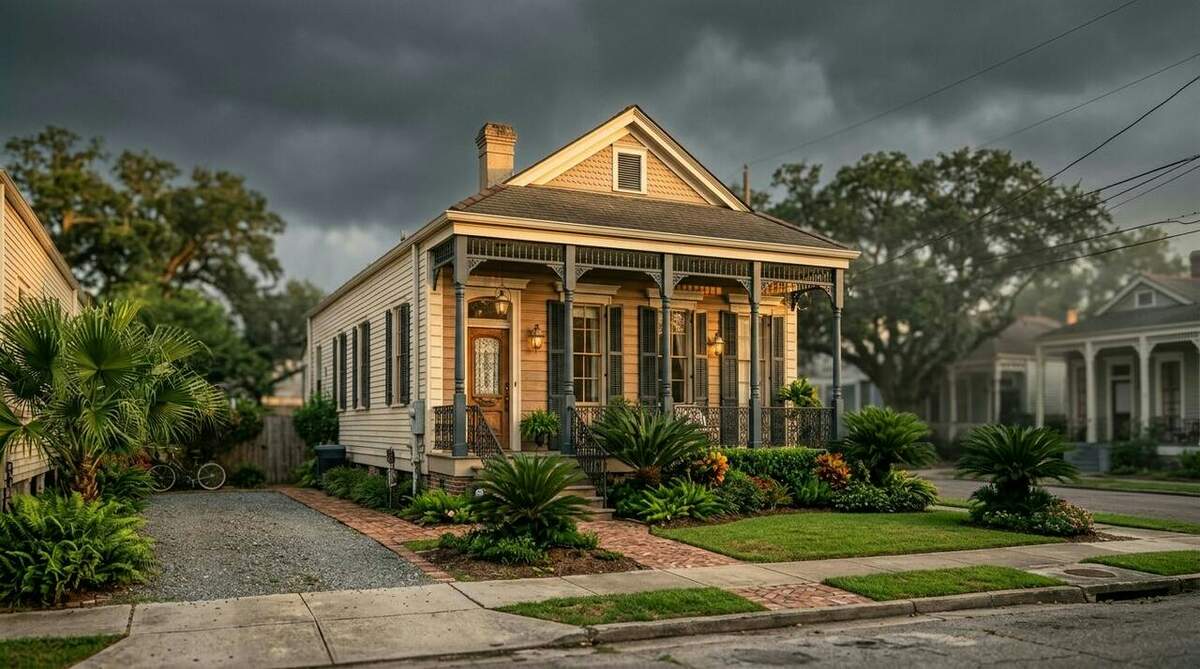
Mold in Louisiana
How the Gulf Coast benchmark state compares.

Mold Risk by ZIP Code
Type your ZIP, get climate based mold risk.
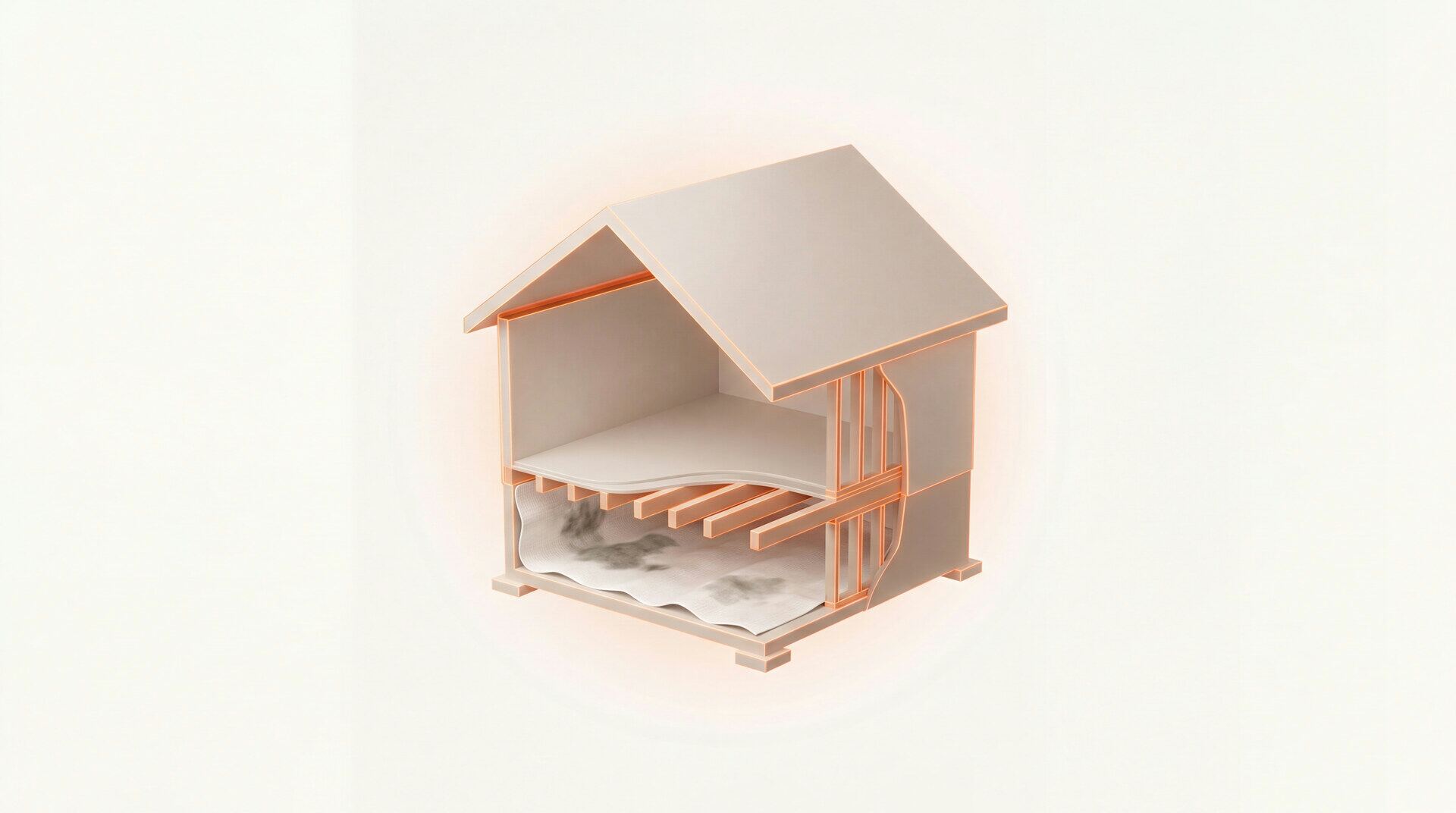
Mold in Crawl Spaces
The moisture source under most Arkansas homes.

Mold in Basements
Damp below-grade rooms and how to dry them.
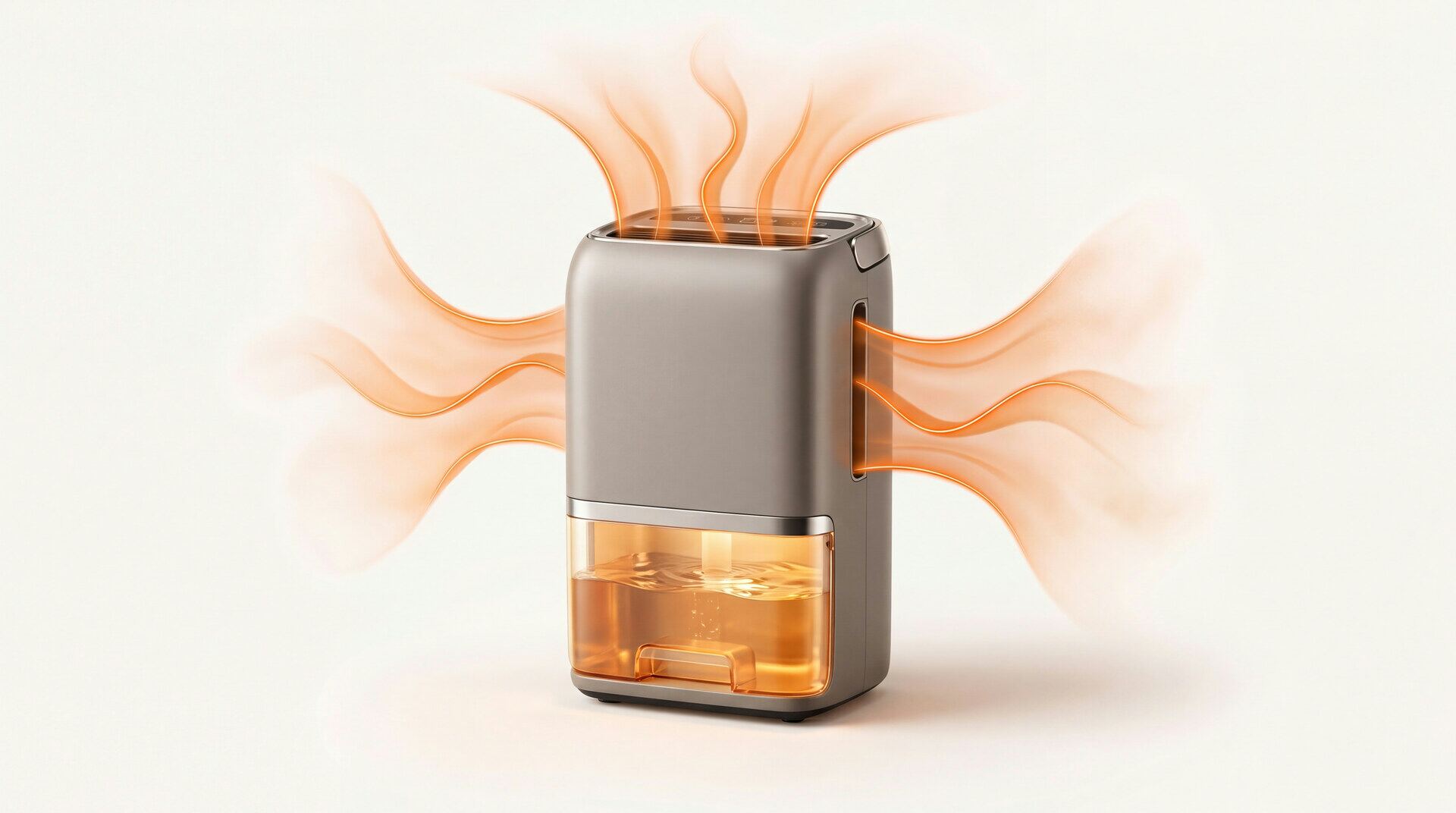
Picking the Right Dehumidifier
Sizing, drain options, and the spec that matters.
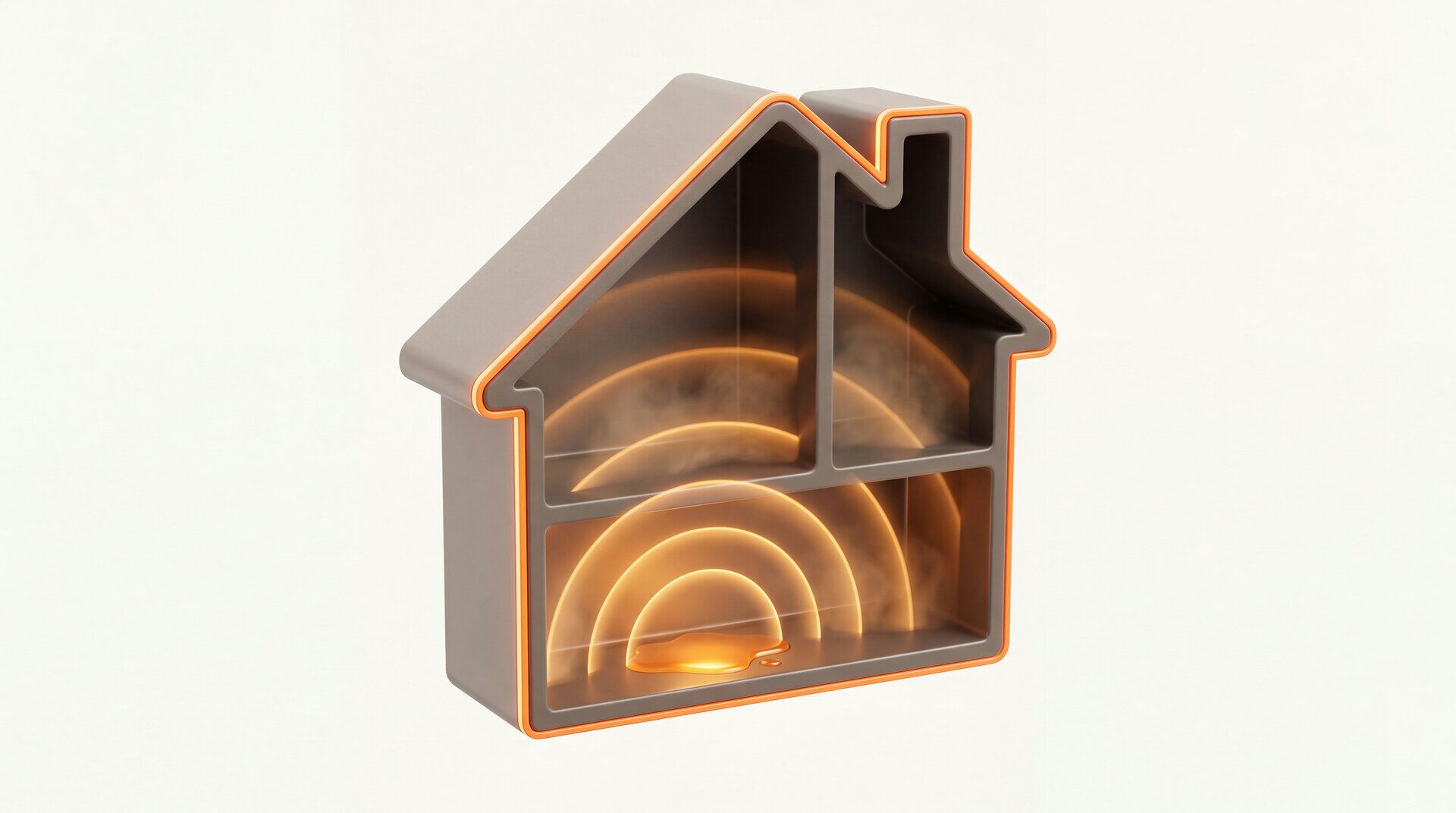
Mold Growth Timeline
Hour by hour: when spores germinate and colonies appear.