What the Core 600S actually does about mold
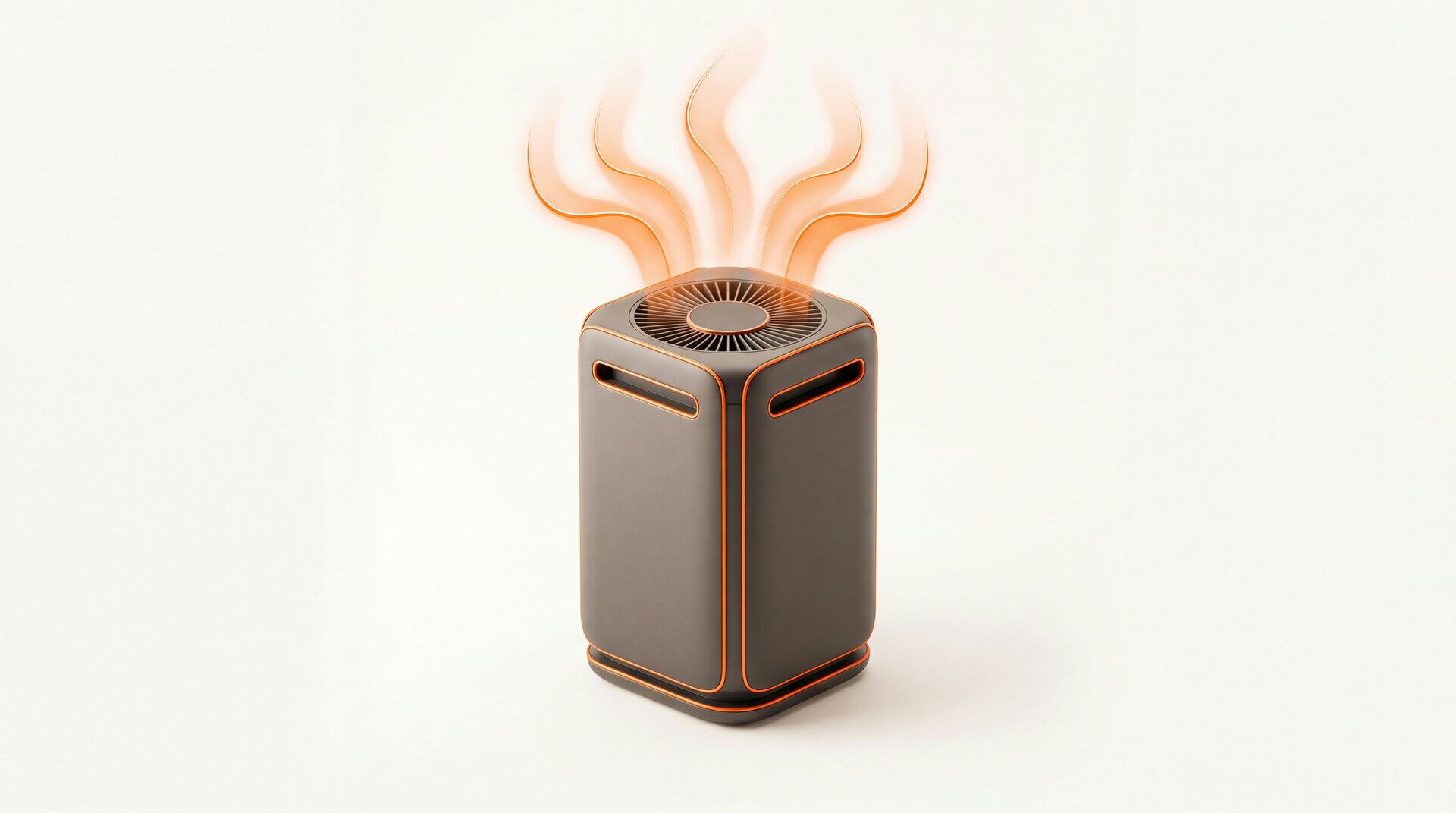
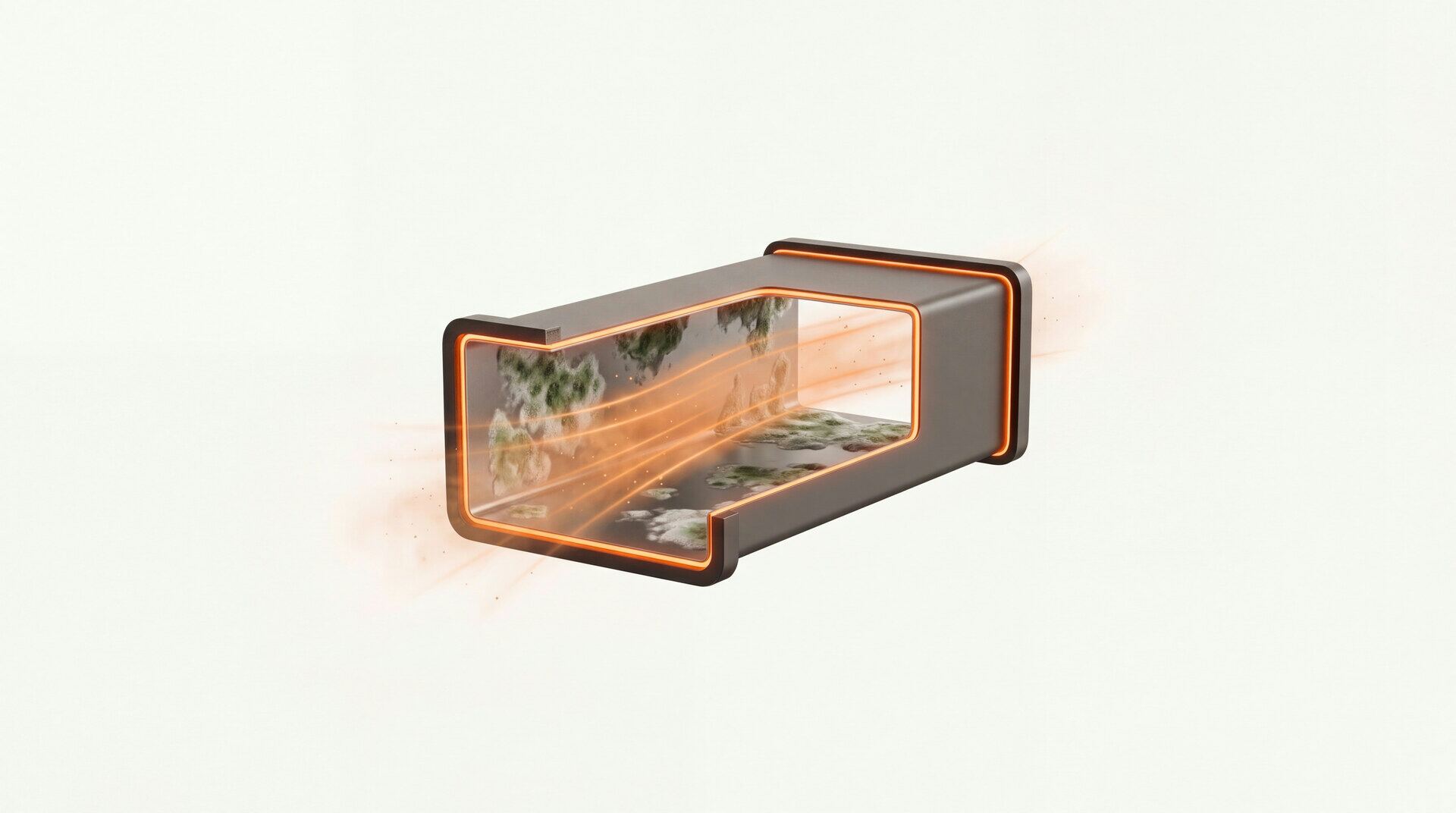
Start with the honest version, because most air purifier marketing skips it. A purifier moves room air through a filter and holds whatever the filter can catch. That is the whole mechanism. It does not dry a damp wall, it does not lift growth off tile or drywall, and it does nothing about the leak or the humidity that started the problem. The EPA is blunt on the order of operations: fix the moisture, clean or remove the affected material, then keep humidity down. A purifier supports that work. It never replaces it.
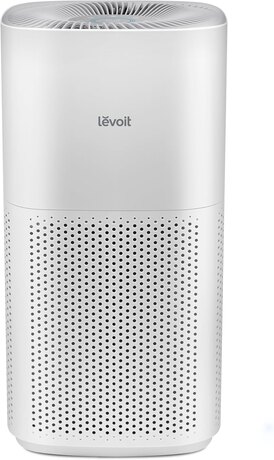
Inside that lane, the Core 600S does its job well. Household mold spores run roughly 2 to 10 microns across. The Core 600S uses a three-stage stack, a pre-filter for hair and large debris, a HEPA layer, and activated carbon, and Levoit rates the assembly at 99.97 percent capture for particles between 0.1 and 0.3 microns. That size band is the hardest thing a filter has to catch, so spores sit comfortably inside what the unit holds.
The carbon layer earns its keep for a different reason. The musty smell that hangs around a damp basement comes from gases that a particle filter passes straight through. Carbon adsorbs a share of them. That is why a room can smell better within a day of running one of these while the actual growth is untouched, and it is exactly why the smell going away is not evidence the problem is solved. If the growth is on a porous surface like drywall or wood, the material still has to come out.
Verified specifications
| Model | Core 600S-P (LAP-C601S) |
| CADR | 391 CFM, AHAM VERIFIDE |
| Filtration | Three stage: pre-filter, HEPA, activated carbon. Rated 99.97 percent at 0.1 to 0.3 microns |
| Coverage claim | 2,933 sq ft once per hour, or 606 sq ft every 12.5 minutes |
| Dimensions | 12.3 in deep x 12.3 in wide x 23.6 in tall |
| Weight | 13.7 pounds |
| Rated power | 66 watts. Independent testing measured 48.1 watts at top speed |
| Noise, manufacturer | As low as 26 dB on sleep mode |
| Noise, measured | 37.9 dBA sleep, 44.4 dB speed 1, 53.8 dBA speed 3, 62.3 dBA speed 4 |
| Replacement filter | Core 600S-RF (LRF-C601-WUS), about $60, every 6 to 12 months |
| Smart control | VeSync app, Amazon Alexa, Google Assistant |
| Certifications | AHAM VERIFIDE, Energy Star |
Two of those rows disagree with each other on purpose. Levoit advertises 26 dB, which is the sleep-mode figure measured under manufacturer conditions. HouseFresh put the unit on a bench and got 37.9 dBA on the same setting. Both numbers are in the table because the gap between them is the kind of thing you notice at 2 a.m. and the marketing number never prepares you for.
The room size number to trust
Levoit prints two coverage figures and they describe very different things. 2,933 square feet is the area the unit can turn over once in an hour. 606 square feet is the area it turns over every 12.5 minutes, which works out to roughly 4.8 air changes per hour.
For mold work, the second number is the only one worth planning around. One air change per hour means spores you stir up while scrubbing spend most of the hour still in the room. Four to five changes per hour is where a purifier starts meaningfully lowering what stays airborne during and after cleanup. So treat about 600 square feet as this unit's honest working ceiling, and read the 2,933 figure as a marketing number rather than a room you should actually put it in.
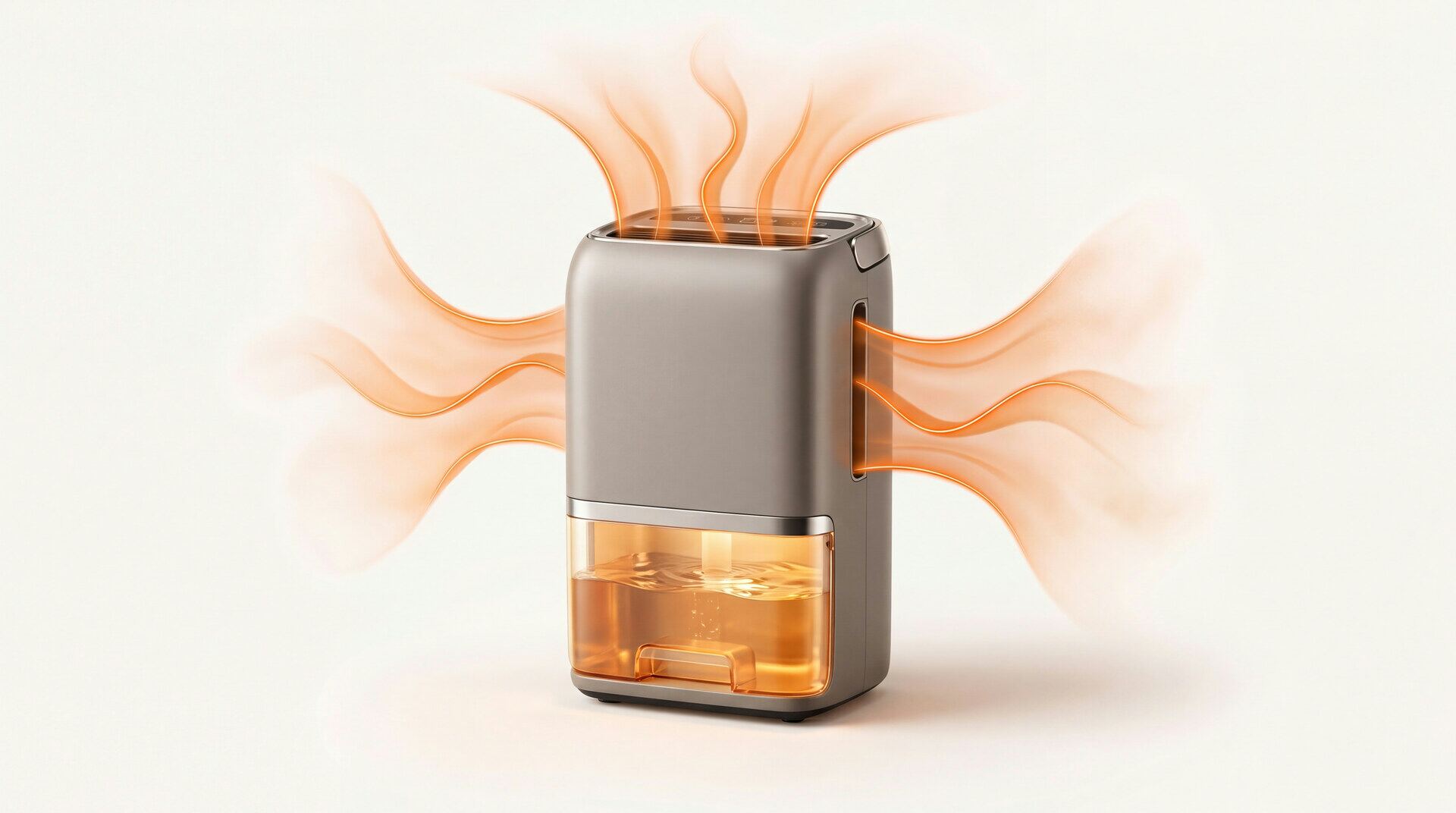
Placement matters more than people expect. Put it in the room you are working in, not the hallway, keep it a foot or so off the wall so the intake is not choked, and close the door to the rest of the house so you are not asking it to clean the whole floor plan. If you are treating a basement, pair it with a dehumidifier holding humidity under 50 percent, because the purifier does nothing about the moisture that caused this.
Noise and what it costs to run
Noise. Speed 1 is the only setting that stays under 45 dBA, at 44.4 dB measured. Everything above it is audible across a room, and speed 4 hits 62.3 dBA, which is conversation volume. The catch is that speed 1 also moves far less air, so the quiet setting and the setting that actually cleans a large room are not the same setting. Some testers also describe a whirring quality to the sound at low speed that bothers noise-sensitive sleepers more than the raw decibel figure suggests. If you need high airflow and quiet at the same time, buy a bigger unit and run it slower, or look at the Austin Air HealthMate Plus.
Running cost. Power is the cheap part. Energy Star certification and a measured 48.1 watts at top speed mean the electricity barely registers. Filters are where the money goes. The Core 600S-RF runs about $60 and Levoit calls for a change every 6 to 12 months, so budget somewhere between $60 and $120 a year depending on how hard you run it and how dirty the air is.
The bonded filter catch. All three stages are fused into one cartridge. Carbon saturates faster than the particle layer wears out, so when odor control starts fading you replace the whole thing, including a HEPA layer that still had months left in it. You cannot swap the carbon alone. This is a design decision rather than a fault, but it is the single most common ongoing complaint about the unit and it is worth knowing before the first replacement rather than after.
Pros and cons
Pros: 391 CFM CADR with AHAM VERIFIDE certification, which means the airflow claim was tested by an ANSI-accredited body rather than asserted. Sealed three-stage filtration rated 99.97 percent at 0.1 to 0.3 microns, comfortably below mold spore size. Activated carbon that helps with the musty odor a damp room leaves behind. Energy Star certified and genuinely cheap to power at 48.1 measured watts. VeSync app with Alexa and Google Assistant control. A light sensor that dims the display in the dark. Rated 4.6 stars across 14,637 Amazon ratings, which is a large enough sample to trust.
Cons: The bonded filter forces you to discard good HEPA when the carbon saturates. Loud at top speed, 62.3 dBA measured. Only speed 1 stays under 45 dBA and it moves far less air. The air quality sensor is unreliable at detecting dust and dander, which makes Auto mode less useful than advertised, so set a speed manually during cleanup work. Filters cost about $60 to $120 a year and cannot be replaced in parts. The 2,933 square foot coverage claim is one air change per hour and should not be read as a usable room size.
Our rating: 4 out of 5. It does the one thing an air purifier can do about mold, and it does it for large rooms at a fair price. The point deduction is for the bonded filter and the noise floor, both of which cost you real money or real sleep over the life of the unit.
Bottom line: Buy it if you have an open floor plan, a finished basement, or a room past roughly 600 square feet and you want the most tested airflow per dollar. Run it while you clean and keep it running afterward. Then go fix the water, because that is the part that actually ends the problem. It is our large-room value pick in the best air purifier for mold guide, and it sits alongside the rest of our tested gear on the best mold products hub.
Skip this product if
- Your room is under about 600 square feet. The smaller Core 400S does the same job for less money and a cheaper filter. Oversizing mostly buys you a bigger filter bill.
- You need quiet and high airflow at the same time. Only speed 1 stays under 45 dBA, and it is not the speed that cleans a large room.
- You expect it to remove mold. It filters air. Growth on a surface has to be cleaned off or the material cut out and replaced.
- You have not fixed the water yet. Running a purifier over an active leak treats the symptom forever. Find the source first.
- You want a filter you can replace in parts. The stages are bonded, so carbon saturation costs you the HEPA layer too.
- You are relying on Auto mode to notice a problem. The sensor is weak on dust and dander. Set a speed and leave it.
Best large-room value · AHAM VERIFIDE · Energy Star. Affiliate link.
Frequently asked questions
Does the Levoit Core 600S remove mold spores?
It captures airborne mold spores that pass through the filter. Household mold spores are roughly 2 to 10 microns across, and the Core 600S uses a sealed three-stage stack rated at 99.97 percent capture for particles in the 0.1 to 0.3 micron range, which is the hardest size to catch. Spores are larger than that, so they are well inside what the filter holds. What it cannot do is touch mold already growing on a wall, or remove the moisture that let it grow.
How big a room does the Levoit Core 600S actually cover?
Levoit rates it at 2,933 square feet cleaned once per hour, or 606 square feet cleaned every 12.5 minutes. The second number is the one that matters for mold. Air cleaning only helps when the room turns over several times an hour, so treat about 600 square feet as the honest working ceiling for this unit, not 2,933.
How loud is the Levoit Core 600S?
Levoit advertises noise as low as 26 dB on sleep mode. Independent bench testing by HouseFresh measured 37.9 dBA on sleep and 62.3 dBA at top speed. Speed 1 is the only setting that stays under 45 dBA, and at that speed it moves far less air. If you want both quiet and high airflow at the same time, this is not the unit.
What does the Levoit Core 600S cost to run per year?
The replacement filter is the Core 600S-RF, also listed as LRF-C601-WUS, at about $60. Levoit calls for a change every 6 to 12 months, so budget roughly $60 to $120 a year in filters. Power draw is small: the unit is Energy Star certified and HouseFresh measured 48.1 watts at top speed and 4.33 watts on sleep.
What is the bonded filter problem on the Core 600S?
The pre-filter, HEPA layer, and activated carbon are bonded into one cartridge. Carbon saturates faster than the particle layer does, so once odor control fades you throw away a HEPA layer that still had life in it. You cannot replace the carbon on its own. This is the single biggest ongoing cost complaint about the unit and it is a design choice, not a defect.
Will an air purifier fix a mold problem on its own?
No. A purifier filters particles out of the air passing through it. It does not dry a wet wall, it does not clean growth off a surface, and it does not stop the leak feeding the problem. The EPA is direct about this: fix the moisture source first, clean or remove the affected material, then keep indoor humidity down. A purifier is a supporting tool during and after that work, never the fix.
Core 600S or Core 400S for a mold room?
Match the unit to the room, not to the biggest number on the box. The 600S is the right call for open floor plans, finished basements, and rooms past roughly 600 square feet. Below that, the smaller Core 400S does the same job for less money and less filter cost. Buying more purifier than the room needs mostly buys you a bigger filter bill.
Is the Auto mode on the Core 600S reliable?
Partly. The sensor responds well to smoke and cooking particles but independent testers found it unreliable at picking up dust and dander, which makes Auto mode less useful than the marketing suggests. During active cleanup work, set a fan speed manually and leave it there rather than trusting the sensor to notice.
Should you run the Core 600S while cleaning mold?
Yes, and keep it running afterward. Scrubbing or cutting mold-affected material throws spores into the air, so a HEPA unit running in the same room gives those particles somewhere to go. Wear an N95 and gloves regardless. The purifier reduces what stays airborne, it does not make protective gear optional.
Sources
Every claim on this page traces to one of these. Links open the primary document.