
What the HealthPro Plus is
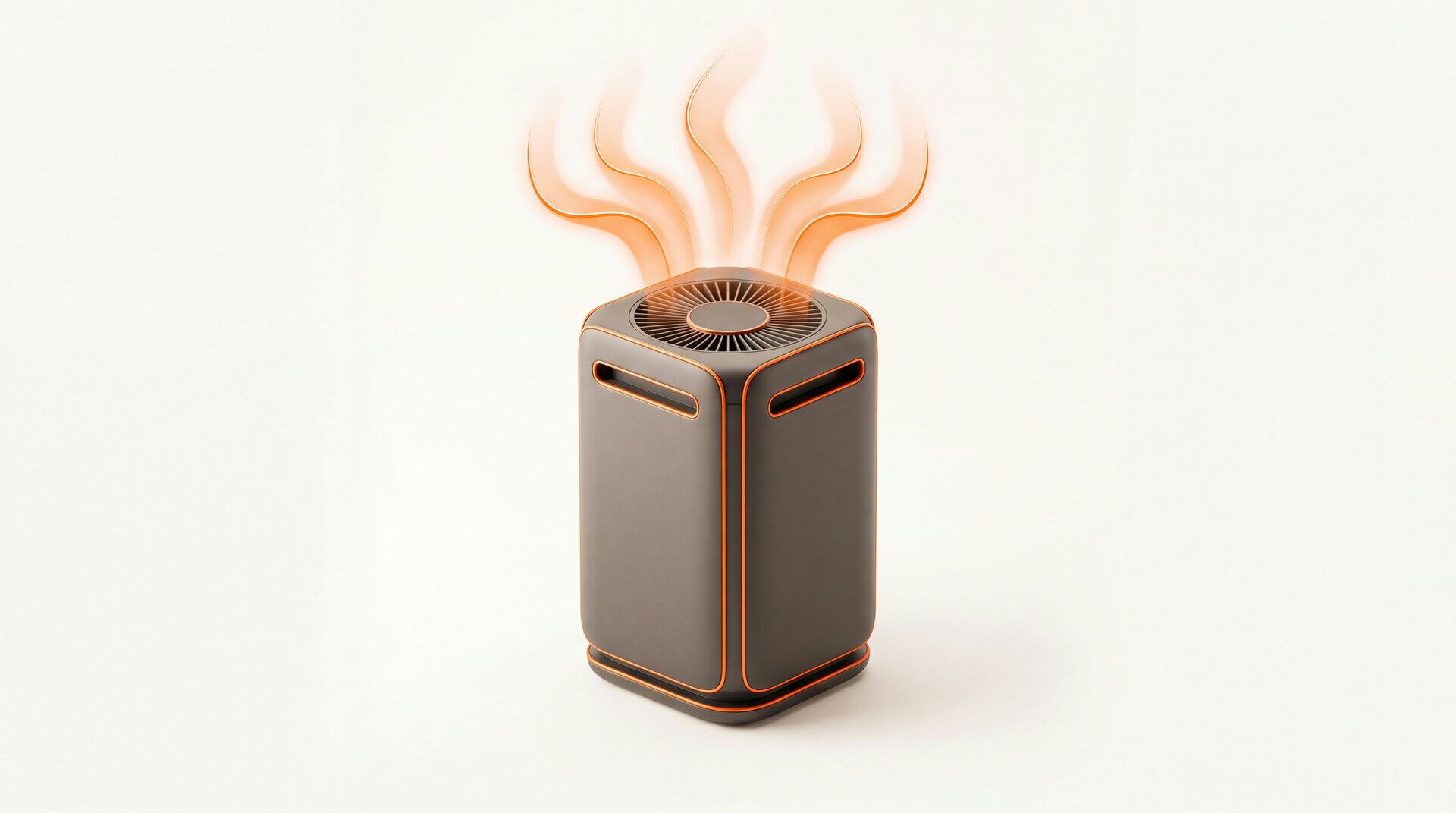
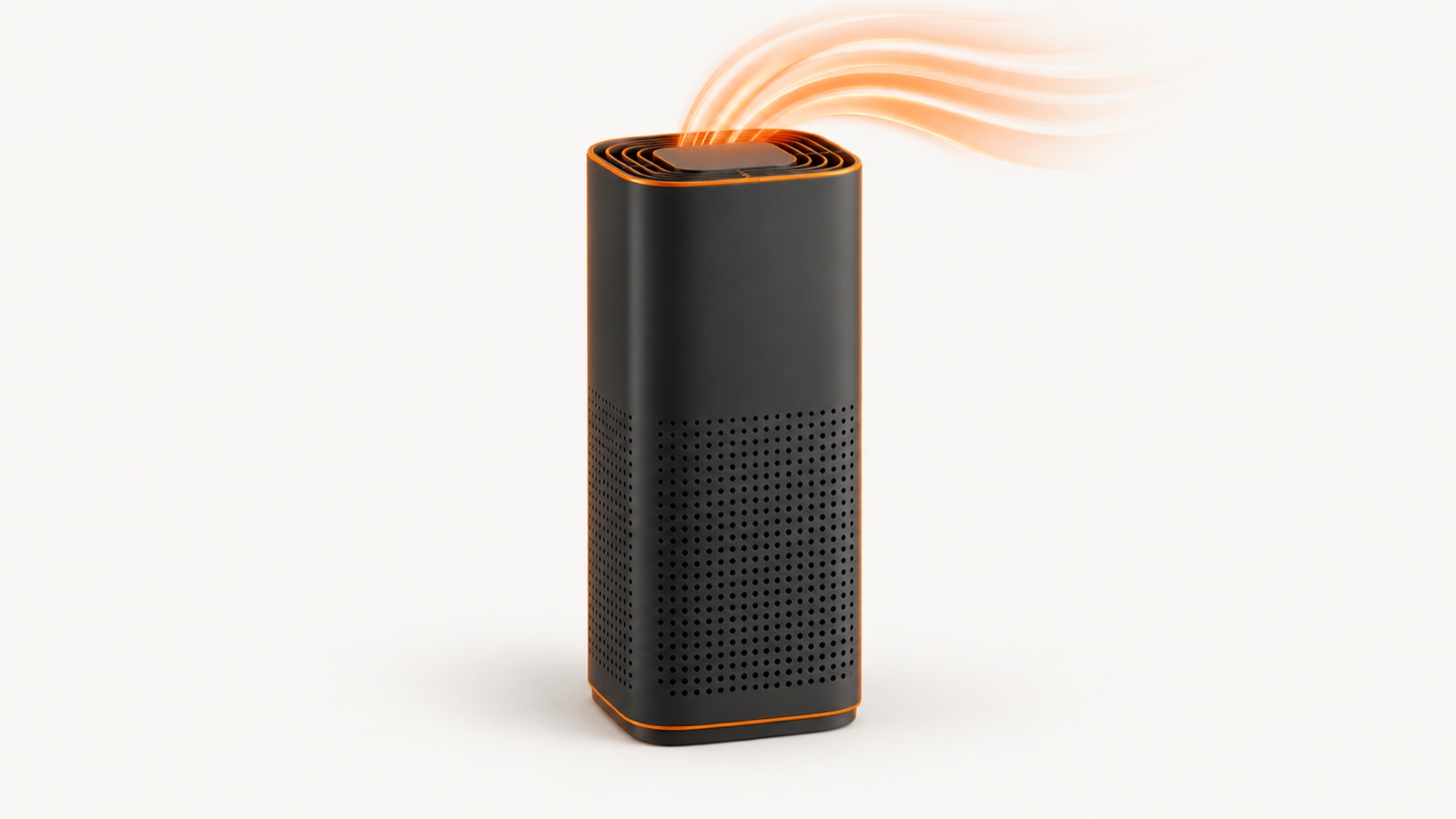
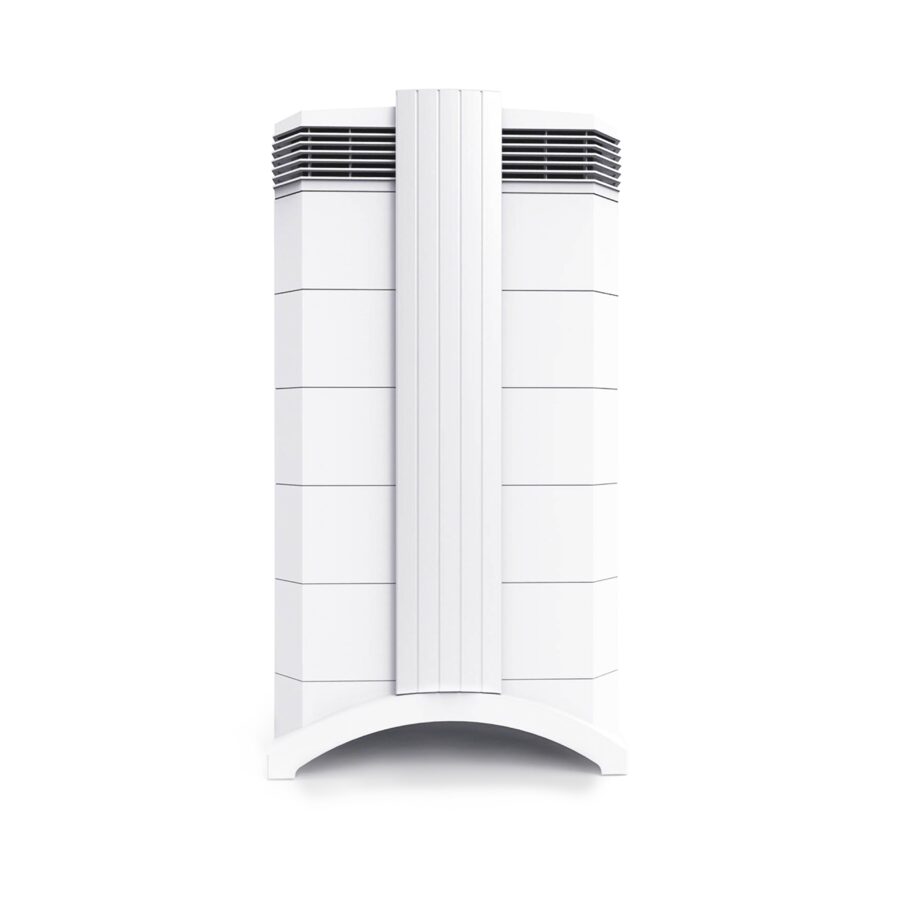
IQAir is a Swiss air-quality company that has spent decades building high-end filtration for homes, hospitals, and clean rooms. The HealthPro Plus is its flagship residential air purifier, a tall tower that pulls room air through a stack of three filters and returns it cleaned. It is not a gadget. Each unit is assembled and individually tested at the factory, and it ships with a Certificate of Performance printed for that specific machine, which is unusual in consumer air purifiers.
The reason people shopping for mold end up looking at this model is the filtration claim. Ordinary HEPA is defined at 0.3 microns. IQAir's HyperHEPA is independently rated to capture ultrafine particles down to 0.003 microns, 100 times smaller. Mold spores are much larger than that, generally 1 to 30 microns, so they sit comfortably inside the capture range, and so do the finer fragments and sub-particles that break off spores. Add a dedicated gas and odor stage and you get a purifier that targets the musty smell as well as the particles.
Set expectations correctly on one point up front. This is an air purifier. It captures what is floating in the air of the room it sits in. It does not sample your home for mold, it does not reach growth on a surface or behind drywall, and it does not fix the moisture that let mold start. We come back to that distinction, because it is the most common source of confusion for buyers.
How the filtration works

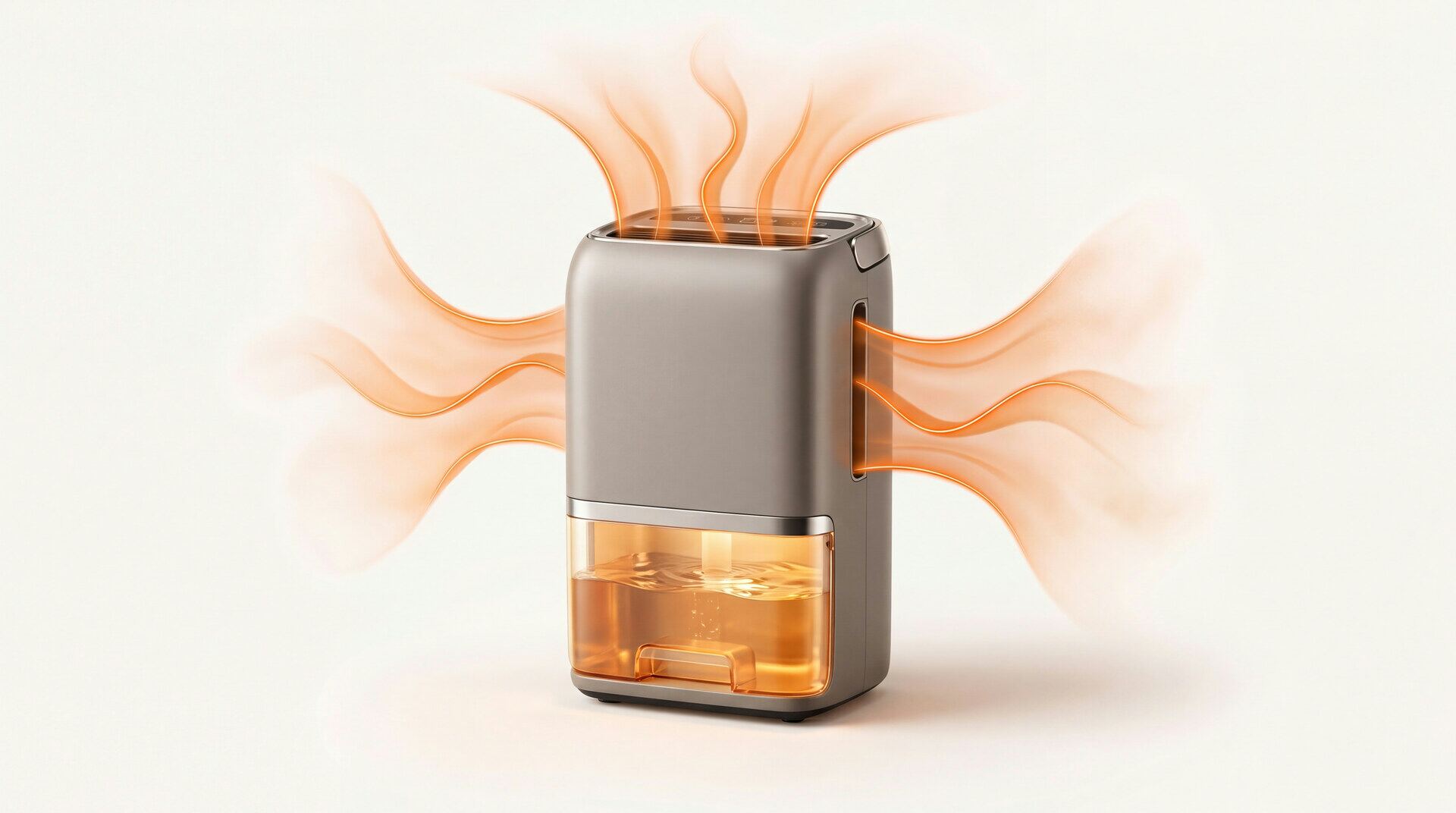
The HealthPro Plus runs air through three stages in sequence. Each one has a job, and together they explain both the performance and the running cost.
- PreMax pre-filter. The first stage. It is a fine-fiber pre-filter that traps larger particles, dust, pollen, pet dander, and mold spores, before they reach the more expensive filters. Catching spores here is exactly why this stage matters for a mold-sensitive home, and it also protects the HyperHEPA so that filter lasts far longer.
- V5-Cell gas and odor filter. The middle stage is packed with more than five pounds of activated carbon plus a pelletized alumina sorbent. This is the stage that adsorbs gases, VOCs, formaldehyde, and odors, including the musty smell people associate with mold. Particle filters alone do not remove smells. This one does.
- HyperHEPA filter. The final and defining stage. It is rated to capture ultrafine particles down to 0.003 microns at high efficiency, well beyond the 0.3 micron standard for ordinary HEPA. This is where the finest particulate, including fine mold fragments, is captured.
Because the design forces air through a sealed housing rather than letting it leak around the filters, the whole airstream is treated. That sealed, three-stage approach is why IQAir can make the 0.003 micron claim for the machine as a whole, not just the filter medium on a bench test.
Why it matters for mold spores
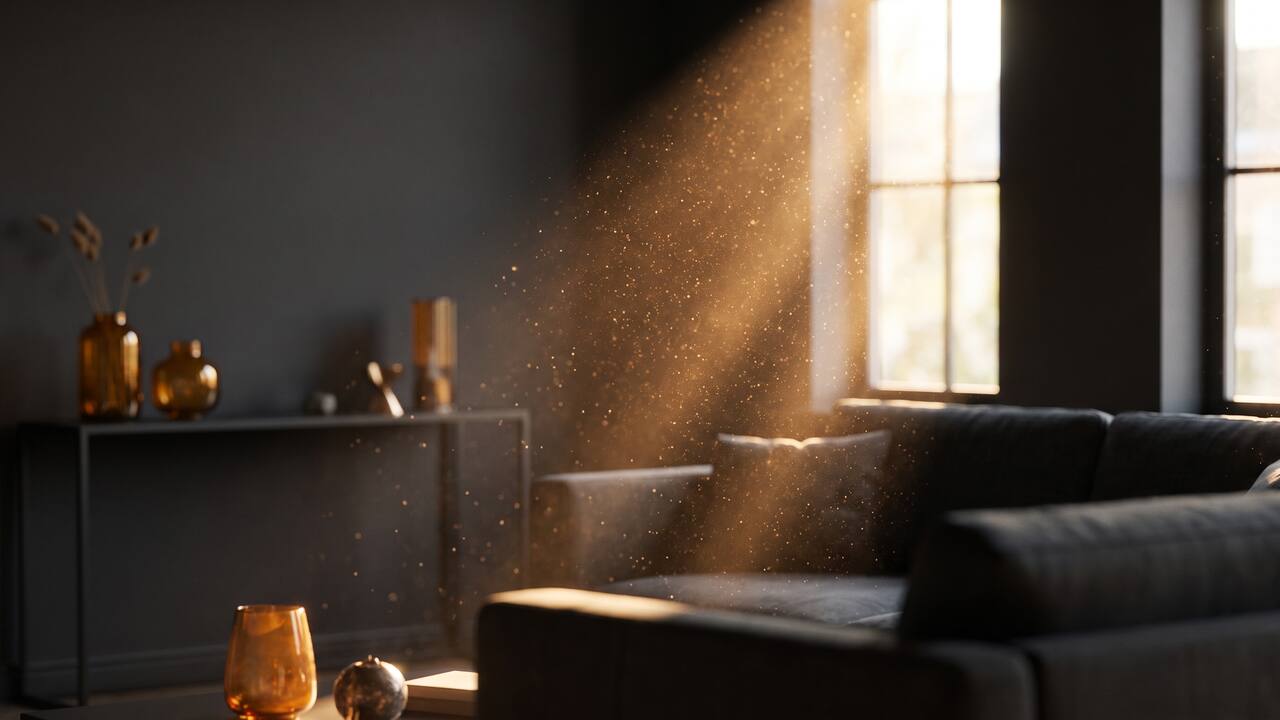
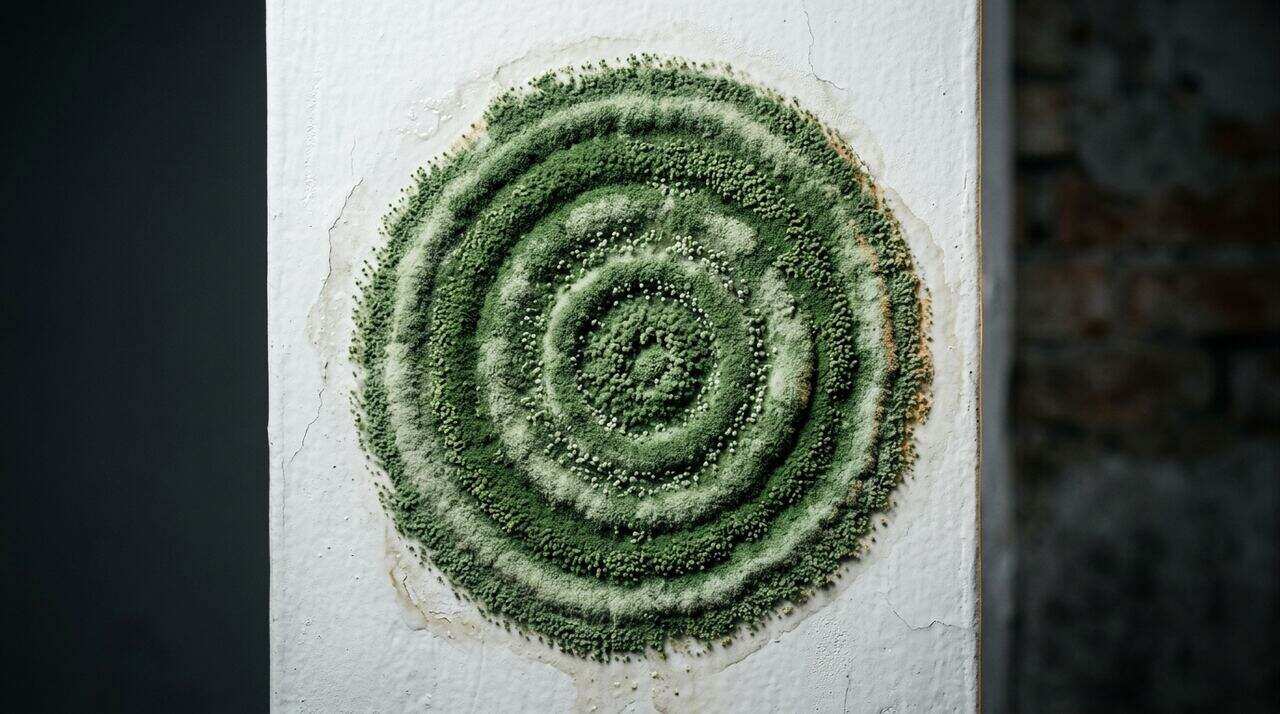
Mold reproduces by releasing spores into the air. Those spores drift, settle, and, when disturbed by cleaning, foot traffic, or airflow, become airborne again. Spore sizes vary by species but generally fall between 1 and 30 microns, and common indoor molds like Aspergillus and Cladosporium sit toward the smaller end of that range. Whole spores are comfortably within what any true HEPA filter captures. Where the HealthPro Plus separates itself is the finer material, spore fragments and sub-micron particulate, that its 0.003 micron rating is built to catch.
Here is the honest framing for a mold context. Running a strong purifier can meaningfully lower the count of spores and particles floating in the air of the room it serves, which is useful while you deal with a problem and useful as ongoing background filtration in a humid or mold-prone home. It does not stop mold from growing, it cannot pull spores out of a carpet or a wall cavity, and it only cleans the air in its own space. Think of it as one layer of defense for airborne particles, not a cure for the underlying mold. The fix is always finding the moisture and removing the growth. For the full picture on how mold behaves indoors, see our guide to black mold.
Specifications at a glance
| Filtration stages | Three: PreMax pre-filter, V5-Cell gas and odor filter, HyperHEPA filter |
| Particle rating | HyperHEPA, rated to capture ultrafine particles down to 0.003 microns (100x smaller than the 0.3 micron HEPA standard) |
| Room coverage | Rated for spaces up to 1,125 square feet (best turnover in medium rooms of roughly 300 to 350 square feet) |
| Fan speeds | Six speeds |
| Noise | About 37 dB on speed 1, up to about 61 dB on speed 6 (independent measurement) |
| Power draw | Roughly 17 watts on low, up to about 145 watts on high; about 1 watt on standby |
| Dimensions | About 28 in H x 18 in W x 16 in D |
| Weight | About 35 pounds |
| Build and origin | Swiss made, sealed housing, individually tested with a Certificate of Performance |
| Connectivity | Panel controls on the base New Edition; app control on the higher XE edition |
| Warranty | 10-year limited warranty |
A note on the coverage number. Manufacturers rate air purifiers for a maximum room size at a low number of air changes per hour. The 1,125 square foot figure is the ceiling, not the sweet spot. For faster, more thorough turnover, which is what you want when spores are the concern, independent testing suggests planning for around five air changes per hour in a room closer to 300 to 350 square feet. It is a large-room machine that does its best work in a medium room.
Price and the true cost of ownership
There is no way around it: this is an expensive purifier. The HealthPro Plus typically runs from roughly $900 to $1,200 depending on the edition and retailer. The base New Edition usually sits near the lower end of that range, while the connected XE edition (with WiFi and app control) is the one commonly listed around $1,199.99. That is a lot next to a mainstream purifier, and the sticker is only part of the story. The filters are where the ongoing cost lives, and any honest review has to put real numbers on it.
- PreMax pre-filter (about $80), replaced roughly every 18 months.
- V5-Cell gas and odor filter (about $100), replaced roughly every 2 years.
- HyperHEPA filter (about $180 to $200), which can last up to 4 years because the pre-filter shields it.
The unit tracks the life of each filter separately and tells you when one is due, so you are not guessing. Averaged out, and adding electricity, third-party testers estimate the HealthPro Plus costs on the order of $365 per year to run in filters and power combined. Over five years the filters and electricity can approach the price of the machine itself. None of this is hidden, IQAir is upfront that premium filtration carries a premium running cost, but you should walk in expecting it. Because prices shift, confirm the current filter and unit pricing on the official site before you commit.
Pros
- Best-in-class fine-particle capture. The HyperHEPA rating to 0.003 microns is beyond what standard HEPA purifiers claim, and it targets exactly the ultrafine material that mold and smoke produce.
- Handles spores, gases, and odors together. The PreMax stage grabs mold spores and dust, and the V5-Cell carbon stage adsorbs VOCs and the musty smell that particle filters leave behind.
- Medical-grade build. Swiss made, sealed housing, and individually tested with a Certificate of Performance for the specific unit you receive.
- Strong airflow for a sealed system. Six speeds move a lot of air through very dense media, which is harder than it sounds.
- Long filter life on the expensive stage. The HyperHEPA can last up to four years because the pre-filter protects it, which softens the running cost a little.
- Industry-leading warranty. A 10-year limited warranty is among the longest you will find, and IQAir publishes a long-term parts and repairability commitment.
- Quiet on low. Around 37 decibels on speed 1 is bedroom-friendly for continuous running.
Cons and limitations
- Expensive upfront. At roughly $900 to $1,200, it costs several times what a capable mainstream purifier does.
- Costly filters. Replacement filters are a genuine ongoing bill, on the order of a few hundred dollars a year averaged out with electricity. This is the biggest knock.
- It filters air, it does not fix mold. A purifier captures airborne spores and particles. It cannot find mold, reach growth behind a wall or under flooring, or stop the moisture that feeds it.
- Large and heavy. At about 35 pounds and 28 inches tall, it has a real footprint and is not something you move room to room casually.
- No smart app on the base model. The standard New Edition is controlled from the unit. App connectivity requires the higher XE edition, so check which one a listing is selling.
- Loud at full speed. Around 61 decibels on speed 6 is noticeably loud, so you will run it lower most of the time.
- Coverage claim is optimistic. The 1,125 square foot rating is at a low air-change rate. For strong turnover, treat it as a medium-room machine.
Who it is best for (and who should skip it)
Best for
People in a mold-prone or humid home who want the strongest airborne-particle filtration available and are willing to pay for it. It suits someone who has already found and addressed a moisture or mold source and now wants serious ongoing filtration for spores, fine particles, VOCs, and odors in a main living space or bedroom. It is also a natural fit for anyone who values medical-grade build quality, a long warranty, and a sealed system, and who plans to run a purifier continuously for years, which is where the durability and long HyperHEPA life pay off.
Who should skip it
Anyone whose real question is where is the mold in my house. A purifier does not answer that, and buying an expensive one first is a common, costly detour. If budget is tight, a strong mainstream purifier captures whole mold spores for a fraction of the price, since spores are well within ordinary HEPA range. And if you only need to clean the air in one small room occasionally, this is more machine and more money than the job requires. Start by testing and finding the source, then decide how much purifier you actually need.
How it compares to alternatives
The HealthPro Plus sits at the top of the price ladder. To put it in context, here is how it stacks up against a fellow premium purifier, the Austin Air HealthMate Plus, and a strong budget option, the Levoit Core 400S. Figures are approximate and prices change, so treat this as a shape-of-the-decision guide, not a live price sheet.
| Feature | IQAir HealthPro Plus | Austin Air HealthMate Plus | Levoit Core 400S (budget) |
|---|---|---|---|
| Particle rating | HyperHEPA to 0.003 microns | True medical HEPA to 0.3 microns | H13 True HEPA to 0.3 microns |
| Mold spore capture | Yes, plus fine fragments | Yes | Yes (whole spores) |
| Gas and odor stage | V5-Cell, 5+ lbs carbon and alumina | About 15 lbs carbon and zeolite | Small activated-carbon layer |
| Rated coverage | Up to 1,125 sq ft | Up to about 1,500 sq ft | Up to about 1,980 sq ft (low turnover) |
| Smart app | XE edition only | No | Yes |
| Build and origin | Swiss made, sealed, individually tested | Steel housing, US made | Plastic, mass-market |
| Warranty | 10 years | 5 years | 2 years |
| Typical price | ~$900 to $1,200 | ~$700 to $750 | ~$220 |
Versus Austin Air HealthMate Plus
Both are premium, durable purifiers that handle mold spores well. The IQAir wins on ultrafine filtration, its 0.003 micron rating versus the 0.3 micron standard the Austin uses, and on warranty length. The Austin counters with a lot more activated carbon and zeolite, around 15 pounds, which makes it a heavyweight for gases and odors, plus a simpler single-cartridge filter and a lower price. For the finest particle capture, choose the IQAir. For heavy odor and chemical control at a friendlier price, the Austin is a serious rival.
Versus a budget purifier like the Levoit Core 400S
This is the honest value comparison. Mold spores are 1 to 30 microns, and any true HEPA filter, including the H13 in a Core 400S, captures particles at 0.3 microns and larger, so a good budget purifier already removes whole spores. What you gain by paying roughly five times more for the IQAir is the ultrafine 0.003 micron capture, far more carbon for gases and odors, medical-grade sealed build, and a decade-long warranty. If your only goal is pulling airborne spores out of one room, a budget purifier does most of that job. If you want the deepest filtration and the build to run it for a decade, the IQAir earns its premium. Either way, see our roundup of the best air purifiers for mold to match the machine to your space.
Our verdict and rating
Our rating: 4.5 / 5. The IQAir HealthPro Plus is, on the merits, one of the best residential air purifiers you can buy, and it is a strong choice for a mold-sensitive home. The HyperHEPA rating to 0.003 microns leads the category, the PreMax stage traps mold spores before they reach the expensive filter, the V5-Cell carbon stage handles the musty odors that particle filters miss, and the Swiss build with a 10-year warranty is made to run for years. On raw filtration performance, it is hard to beat.
The half point we hold back is entirely about cost. The upfront price is steep, and the replacement filters turn into a recurring bill that can approach the price of the unit over several years. That is the only real knock, and it is a fair one, so we call it out plainly rather than bury it. Everything else about the machine is excellent.
Bottom line: if you want the strongest airborne-particle filtration for a mold-prone home and the budget is there, the HealthPro Plus is the premium pick and earns its 4.5. Just remember what it is and is not. It cleans the air beautifully. It does not find or remove the mold in your home. Locate the source first, fix the moisture, then let a purifier like this handle what stays airborne.
Official site · confirm the latest price yourself. We may earn a commission if you buy, at no extra cost to you.
Find the mold before you filter
An air purifier captures particles already floating in the room, while a phone camera can screen only visible surfaces in frame. Mold Scanner AI guides visible-surface photo capture and returns an AI-assisted visual screen with variable processing time. It cannot locate hidden growth, trace a moisture source, or determine where a problem lives. Confirm important findings with a qualified professional. See how Mold Scanner AI works.
Frequently asked questions
Does the IQAir HealthPro Plus remove mold spores?
Yes, mold spores are well within its capture range. Spores measure roughly 1 to 30 microns, and the HealthPro Plus uses a PreMax pre-filter to trap dust, pollen, and mold spores plus a HyperHEPA filter rated to capture ultrafine particles down to 0.003 microns, 100 times smaller than the 0.3 micron standard for ordinary HEPA. It captures whole spores and fine fragments as air passes through. It filters what is airborne. It does not find or remove mold growing on a surface or inside a wall.
How much does the IQAir HealthPro Plus cost?
The HealthPro Plus runs roughly $900 to $1,200 depending on the edition and retailer. The base New Edition sits near the lower end, while the connected XE edition (WiFi and app) is the one commonly listed around $1,199.99. It is one of the most expensive residential air purifiers on the market. Replacement filters add a real ongoing cost, and third-party testers estimate around $365 per year for filters plus electricity combined. Prices change, so confirm the current number on the official IQAir site.
What size room does it cover?
IQAir rates it for spaces up to 1,125 square feet, but that headline number is at a low air-change rate. For stronger, faster turnover of the air, which matters more for spores, independent testing suggests planning for around five air changes per hour in a room closer to 300 to 350 square feet. It covers a large room but performs best in a medium one.
How often do you replace the filters and what do they cost?
Three filters on staggered schedules. The PreMax pre-filter (about $80) lasts around 18 months, the V5-Cell gas and odor filter (about $100) lasts around 2 years, and the HyperHEPA filter (about $180 to $200) can last up to 4 years because the pre-filter protects it. The unit tracks filter life and tells you when each is due. All-in, plan for a few hundred dollars a year averaged over time.
Is the HealthPro Plus loud?
Quiet on low, loud on high, like most powerful purifiers. Independent measurement put it around 37 decibels on speed 1, quiet enough for a bedroom, rising to about 61 decibels on speed 6, which is noticeably loud. Most people run it on low or medium continuously and only bump it up for a fast clean-out.
Does the HealthPro Plus have a smart app?
It depends on the edition. The standard New Edition is controlled from the panel on the unit and does not include app connectivity. IQAir sells a higher, connected XE edition that adds app control and air-quality monitoring. If a phone app matters to you, check exactly which edition a listing is selling before you buy.
Does an air purifier fix a mold problem?
No. A purifier captures spores and particles already floating in the air. It does not stop mold from growing, and it cannot reach mold on a surface, behind a wall, under flooring, or inside an HVAC system. It is a helpful layer for airborne particles while you find and fix the moisture source, not a substitute for locating and removing the actual growth.
IQAir HealthPro Plus versus Austin Air, which is better for mold?
Both are premium, well-built purifiers that handle mold spores. The IQAir edges ahead on ultrafine filtration, rated to 0.003 microns versus the 0.3 micron HEPA the Austin uses, and on its 10-year warranty. The Austin Air HealthMate Plus counters with far more activated carbon and zeolite (around 15 pounds) for gases and odors, a simpler single-cartridge filter, and a lower price. For pure fine-particle capture the IQAir wins. For heavy odor and gas control on a budget, the Austin is compelling.
Where is it made and what is the warranty?
It is Swiss made and each unit is individually tested at the factory, shipping with a Certificate of Performance for that specific machine. IQAir backs it with a 10-year limited warranty, one of the longest in the category, and publishes a long-term maintenance and repairability commitment for parts.
Sources
Every claim on this page traces to one of these. Links open the primary document.